

What do you think?

L'aventureuse
L'aventureuse i> raconte la confrontation entre un homme qui se retrouve seul devant une plantation - harcelé par les cannibales noirs - et une femme féministe audacieuse, indépendante et libérée, dont l'arrivé secoue tout...
Publié en 1911, ce roman, un portrait dévastateur du colonialisme et de l'esclavage situé dans les Îles Salomon, a suscité beaucoup de controverse depuis sa publication sur la question de savoir si Londres partageait les croyances racistes de ses personnages ou, au contraire, a été simplement de les présenter avec précision.
Publié en 1911, ce roman, un portrait dévastateur du colonialisme et de l'esclavage situé dans les Îles Salomon, a suscité beaucoup de controverse depuis sa publication sur la question de savoir si Londres partageait les croyances racistes de ses personnages ou, au contraire, a été simplement de les présenter avec précision.
288 pages, Paperback
First published January 1, 1911
About the author
Jack London
8,069 books8,120 followersJohn Griffith Chaney, better known as Jack London, was an American novelist, journalist and activist. A pioneer of commercial fiction and American magazines, he was one of the first American authors to become an international celebrity and earn a large fortune from writing. He was also an innovator in the genre that would later become known as science fiction.
London was part of the radical literary group "The Crowd" in San Francisco and a passionate advocate of animal rights, workers’ rights and socialism. London wrote several works dealing with these topics, such as his dystopian novel The Iron Heel, his non-fiction exposé The People of the Abyss, War of the Classes, and Before Adam.
His most famous works include The Call of the Wild and White Fang, both set in Alaska and the Yukon during the Klondike Gold Rush, as well as the short stories "To Build a Fire", "An Odyssey of the North", and "Love of Life". He also wrote about the South Pacific in stories such as "The Pearls of Parlay" and "The Heathen".
London was part of the radical literary group "The Crowd" in San Francisco and a passionate advocate of animal rights, workers’ rights and socialism. London wrote several works dealing with these topics, such as his dystopian novel The Iron Heel, his non-fiction exposé The People of the Abyss, War of the Classes, and Before Adam.
His most famous works include The Call of the Wild and White Fang, both set in Alaska and the Yukon during the Klondike Gold Rush, as well as the short stories "To Build a Fire", "An Odyssey of the North", and "Love of Life". He also wrote about the South Pacific in stories such as "The Pearls of Parlay" and "The Heathen".
Ratings & Reviews
Friends & Following
Create a free account to discover what your friends think of this book!
Community Reviews
Displaying 1 - 30 of 39 reviews

October 3, 2026
In many ways, this is a true bit of realism packaged up into a moderately entertaining story. Its origins are based on London's observations and experiences that were acquired while sailing through the South Pacific in his custom-built yacht, The Snark, in 1907-1908. The adventure in Adventure relies mostly on the isolated conditions that had to be overcome by white colonists as they worked to establish plantations on these remote islands. Adventure takes place on the now infamous island of Guadalcanal in the Solomon Islands.
It's the time, setting, and characters of the South Pacific location that imbues London’s writing with extensive depictions of racism. I think it would be easy to call London a racist based on his writing and then just walk away. However, I also think that his dedication to realism results in depictions that speak more to the norms of the time than to his personal views.
The native cultures of the islands were never understood by the white colonists. Added to this were native customs that involved cannibalism and headhunting. Therefore, the white colonists viewed themselves as liberating gods that brought forth true civilization and jobs that instilled the virtues and rewards of hard work (much to the gods' advantage). Again, I think London captures this racist theme primarily because it existed right there in front of him, and to have ignored it would have gone against his perception of what constituted good writing.
The story is entertaining, but not much more than that. It’s of the man meets girl, man pursues girl, man gets girl variety. Added to this is the quirky-assertive personality of the girl, which drives the plot forward. There are also a few facetious observations on the differences between English and American approaches to life. Overall, its true value in the current world is that it preserves and illustrates the distasteful values of the past.
It's the time, setting, and characters of the South Pacific location that imbues London’s writing with extensive depictions of racism. I think it would be easy to call London a racist based on his writing and then just walk away. However, I also think that his dedication to realism results in depictions that speak more to the norms of the time than to his personal views.
The native cultures of the islands were never understood by the white colonists. Added to this were native customs that involved cannibalism and headhunting. Therefore, the white colonists viewed themselves as liberating gods that brought forth true civilization and jobs that instilled the virtues and rewards of hard work (much to the gods' advantage). Again, I think London captures this racist theme primarily because it existed right there in front of him, and to have ignored it would have gone against his perception of what constituted good writing.
The story is entertaining, but not much more than that. It’s of the man meets girl, man pursues girl, man gets girl variety. Added to this is the quirky-assertive personality of the girl, which drives the plot forward. There are also a few facetious observations on the differences between English and American approaches to life. Overall, its true value in the current world is that it preserves and illustrates the distasteful values of the past.

August 25, 2013
The book is intense and fast-paced; fun, relatively short, quick to read, interesting mostly because of the story itself and not so much for the characters in it, who hardly seem to go through any major development, and feel a bit flat (David is just a random dude who didn't stand out as anyone really interesting in my eyes, and Joan is, well, unrealistically perfect).
Of course, to a 21st century reader, there is something deeper that's much more evident in the book -- the racism present from the first page to the last. Even if you ignore the cruel or condescending attitude that the white characters show towards the natives, and which the author often seems to condone, there is still something significant about the black people in the book: they are all alike. Even the somewhat positively portrayed polynesians (honest, strong, loyal... all in all, good - for servants, of course) are all the same, mutually interchangeable, with only insignificant personal quirks. It seems that only the white man (or woman, in this exceptional case) is allowed a true personality.
Anyway, the hypothesis of a superior race is pretty much irrelevant today; a much more interesting and debatable question is not about races, but about cultures. Are they all equally valuable? Can you really say that a culture which encourages cannibalism, head-hunting, or even just some milder "transgressions" such as lies and violence, is inherently the same, in terms of value, as a more "civilized" one? So many questions arising from what's supposed to be a light read...
Of course, to a 21st century reader, there is something deeper that's much more evident in the book -- the racism present from the first page to the last. Even if you ignore the cruel or condescending attitude that the white characters show towards the natives, and which the author often seems to condone, there is still something significant about the black people in the book: they are all alike. Even the somewhat positively portrayed polynesians (honest, strong, loyal... all in all, good - for servants, of course) are all the same, mutually interchangeable, with only insignificant personal quirks. It seems that only the white man (or woman, in this exceptional case) is allowed a true personality.
Anyway, the hypothesis of a superior race is pretty much irrelevant today; a much more interesting and debatable question is not about races, but about cultures. Are they all equally valuable? Can you really say that a culture which encourages cannibalism, head-hunting, or even just some milder "transgressions" such as lies and violence, is inherently the same, in terms of value, as a more "civilized" one? So many questions arising from what's supposed to be a light read...

June 1, 2019
Just in the knick of time, Joan Lackland arrived in the middle of a gale, fresh from the wreck of her beloved schooner, with a handful of buff Tahitian sailors, wearing a cowboy hat on her head, sea-boots on her feet, and a big gun on her hip. And the rest is the quintessence of adventure.
What great adventure story with a lot of excitement and a slow burn romance. I didn't want this to end and I really wish it had been a novel.
I adored the brash, bold Joan Lockland from the moment she entered the story and I equally adored cool, calm, and stoic David Sheldon. This was such a brilliantly written character driven story! But because it was so centred around these two main characters' growth, there wasn't much in terms of plot but definitely enough to leave you feeling like something actually happened by the end of the book. Enough to satisfy.
I will add that this story has a heavy take on the blatant racism of the early twentieth century, so perhaps not a read for people who don't like reading that kind of stuff.
What great adventure story with a lot of excitement and a slow burn romance. I didn't want this to end and I really wish it had been a novel.
I adored the brash, bold Joan Lockland from the moment she entered the story and I equally adored cool, calm, and stoic David Sheldon. This was such a brilliantly written character driven story! But because it was so centred around these two main characters' growth, there wasn't much in terms of plot but definitely enough to leave you feeling like something actually happened by the end of the book. Enough to satisfy.
I will add that this story has a heavy take on the blatant racism of the early twentieth century, so perhaps not a read for people who don't like reading that kind of stuff.

November 8, 2019
Kitabın ismi Macera olsa da son bölüme kadar pek macera barındırmayan Jack London kitabı bu sefer ki hikayesinde zenci insanlara köle gibi davranıp işkence altında oldukları için ırkçılık barındırdığı söylense de benim pek ırkçılık göremediğim bir kitaptır. Başka yayınevinden çıktı mı bilmiyorum ama Bordo Siyah yayınevinden elime geçen kitap 288 sayfa gözükse de diğer kitaplardan ince olduğu için çabucak bitebilecek kitaplardan olup içinde aşkta burunduran bir kitap olup yer insanın insana yaptığı şiddeti ve bunun sonucunda şiddet görüp yam yam diye nitelendirilen Solomon adalıların ayaklanmasını içeriyor.
April 8, 2019
Kitabın adı macera ancak bir macerayı değil de macera kavramını üzerinde duruyor, bunun yanında bugün normal karşılayacağımız ama o zaman için aykırı olan özgür kadın olgusu işlenmiş. Tabi diğer romanlarında olduğu gibi 1900’lü yıllarda Solomon adalarında yerli işçiler ile hindistan cevizi yetiştiriciliği ve çiftçilik yapmak nasıl bir his bunu gayet güzel betimlemiş. Kitapta olaylardan ziyade yaşam tarzı ve insanların duyguları incelenmiş. Adına bakıp (bir yayın evi “Dehşet Adası” diye çevirmiş) hareketli heyecanlı bir roman beklemeyin. Ama sonuç olarak güzel bir kitap.

May 11, 2013
Being familiar with many of Jack London's more popular books (such as White Fang) I was intrigued by this swashbuckling adventure... as it turned out, an incredibly racist swashbuckling adventure. The basic premise is following the "Adventure" of a plantation owner in the Solomon islands in the late 1800's (I'm assuming), especially after a spunky American women gets shipwrecked off the island and comes to stay for a bit. The character of Joan, is really where the book redeems itself. For a book of that time, it is rare to find such a strong female character. What follows are adventures through the islands and a glimpse of plantation life in that place and time. Overall a good, quick read, but it is easy to see why this book didn't really become one of London's most popular novels.

November 17, 2016
An Adventurous Romance
It's great to read these classics written by one of my old favourite writers. This story is so well written you could do nothing but enjoy it. Jack gives us a unique look into plantation life, head Hunter savages, a young American girl who had received great training by her father to take care of her life, and an English plantation owner needing a partnership that only the American girl could give him. Read about the changes she brings to the plantation and its English owner. You will find this to story to be filled with interesting adventures. Read and enjoy...
It's great to read these classics written by one of my old favourite writers. This story is so well written you could do nothing but enjoy it. Jack gives us a unique look into plantation life, head Hunter savages, a young American girl who had received great training by her father to take care of her life, and an English plantation owner needing a partnership that only the American girl could give him. Read about the changes she brings to the plantation and its English owner. You will find this to story to be filled with interesting adventures. Read and enjoy...
August 13, 2010
Okay, so I had already read Jack London's "White Fang" (awesome) and "Call of the Wild" (also very good) so I decided to check out this novel of his. Turns out to be awesome too. I found the story compelling and fun to follow. It really spoke to the part of me that has integrity and wants to stand up for what is true. Fun read.

December 23, 2020
No fundo trata-se de um romance, com muita aventura pelo meio, e sempre a interrogação de como o pessoal vivia naqueles tempos. As descrições das populações nativas e do regime quase de escravatura de trabalho a que são submetidas são abomináveis, mas expectáveis considerando a idade do livro.

August 20, 2020
Before Italian filmmakers like Ruggero Deodato solidified the cannibal story in the minds of pop culture as a subgenre of horror characterized by tasteless gore and animal cruelty, tales of cannibalistic dwellers in tropical locales in the 19th and early 20th century were ripe with the fruits of exotic adventure and romance as well as terrors. Works like Melville's "Typee" became the stuff of dreams and inspiration for young adventurers like Jack London, who would later design, build, and sail his own vessel, the "Snark," for his own voyage to the Marquesas. His experiences on this cruise became the basis for his "South Sea Narratives," of which "Adventure" is a lesser known example of that period in his writing. "Adventure" has enough decapitations, slow-roasted heads, and consumption of long pork to titilate any grindhouse gore geek, but does it live up to the legacy of high art we expect from the great American author?
Sort of. "Adventure" is an amalgamation of London's experiences on the "Snark" that are loosely tied to a fictional third-person-limted narrative love story. A white coconut plantation owner, Sheldon, is down and out from malaria, and his Melanesian workers sense weakness and are closing in for the kill. Before his head can become a kabob, a young woman named Joan appears on the beach after a shipwreck. She quickly whips the man and his workers into shape, sometimes literally. She came to Oceania to earn a living and to find adventure, and so after getting the plantation in order again, she convinces Sheldon to make her a business partner. Most of the book focuses on the growing relationship between the platonic couple.
The character of Joan is a hoot, and I adored her introductory dialogue with the delirious Sheldon early on in the book. London supposedly based Joan's personality on that of his wife, who was a fellow adventurer and sailed with him on the "Snark." London's characters always adapt and evolve to their situations, and it is a pleasure to watch Sheldon abandon his own preconceptions about women and begin to respect her own abilities and individuality. Joan also goes from being an obnoxious and naive show-off, always needing to demonstrate her toughness and feminist philosophy, to trusting Sheldon's experience and wisdom. Eventually, this leads to a maturation of their partnership, as evidenced by the mutual comfort the two feel when Joan hangs her gun belt and her Baden-Powell hat on the door hook for the day. It is sweet and touching.
Where the novel gets icky is in London's depiction of the Melanesian natives. The notion of racial superiority was so engrained in Western culture that audiences of the time hardly batted an eye at London's defense of imperialism and all of its tragic consequences. London's interpretation of Darwin's survival of the fittest and the influence of sociologist Benjamin Kidd is on full display in this novel. "Adventure" suggests that racial conflict is inevitable and actually a necessary evil, culling out inferior civilizations who are culturally and intellectually unable to nurture progress. The Melanesian tribes are depicted as largely treacherous and childlike, unable to tap into the wealth of resources on their land without the firm hand and moral superiority of the white colonists. Though some practices of the Melanesians were no doubt factual, including their mistreatment of women in their culture, the Melanesians of this novel clearly represent the "black" forces of chaos in contrast to the more orderly and noble Polynesians. For modern readers, this is a disturbing book, while providing insight into the kind of mindset that has led to centuries of colonialism, imperialism, slavery, and racial cleansing seen throughout history in civilizations across the globe.
London does recognize the bloody consequences of such philosophy, like when he refers to the diseases that imperial invaders spread to their conquered lands, and he mourns the decline of so many native peoples and unique cultures as a result of the changes brought by colonization. Sheldon even chides the immature Joan for her romantic notions, pointing out that while folks like her see "adventure" in places like the South Seas, the reality behind the adventure is pain, sickness, and death. "Is this your idea of Romance?" he asks Joan, which is a question also asked of the audience and which London frequently asked himself.
Thus, "Adventure" challenges the notion of the word, and perhaps a reread of this novel through contemporary eyes will shed new understanding of the horrible consequences of what happens when one race claims superiority over another, even if that was not the author's original intention.
Unfortunately, the book lacks a sense of irony and tradegy found in other works regarding racial conflict. In many ways, the aforementioned Italian exploitation horror films like "Cannibal Holocaust" are superior in regards to this end. Also, I found the book to be poorly paced compared to London's other work, and so despite the short length, I found myself occasionally bored. The frequent prolonged dialogue in "beche de mer" pidgin also makes portions a slog to get through when everyone "talk 'm like big fella, my word."
As a result, "Adventure" was somewhat of a disappointment though certainly not a bad book, and definitely worth the read for people with sociological, psychological, and historical interests. But for me, I can understand why this is one of London's lesser known efforts.
Sort of. "Adventure" is an amalgamation of London's experiences on the "Snark" that are loosely tied to a fictional third-person-limted narrative love story. A white coconut plantation owner, Sheldon, is down and out from malaria, and his Melanesian workers sense weakness and are closing in for the kill. Before his head can become a kabob, a young woman named Joan appears on the beach after a shipwreck. She quickly whips the man and his workers into shape, sometimes literally. She came to Oceania to earn a living and to find adventure, and so after getting the plantation in order again, she convinces Sheldon to make her a business partner. Most of the book focuses on the growing relationship between the platonic couple.
The character of Joan is a hoot, and I adored her introductory dialogue with the delirious Sheldon early on in the book. London supposedly based Joan's personality on that of his wife, who was a fellow adventurer and sailed with him on the "Snark." London's characters always adapt and evolve to their situations, and it is a pleasure to watch Sheldon abandon his own preconceptions about women and begin to respect her own abilities and individuality. Joan also goes from being an obnoxious and naive show-off, always needing to demonstrate her toughness and feminist philosophy, to trusting Sheldon's experience and wisdom. Eventually, this leads to a maturation of their partnership, as evidenced by the mutual comfort the two feel when Joan hangs her gun belt and her Baden-Powell hat on the door hook for the day. It is sweet and touching.
Where the novel gets icky is in London's depiction of the Melanesian natives. The notion of racial superiority was so engrained in Western culture that audiences of the time hardly batted an eye at London's defense of imperialism and all of its tragic consequences. London's interpretation of Darwin's survival of the fittest and the influence of sociologist Benjamin Kidd is on full display in this novel. "Adventure" suggests that racial conflict is inevitable and actually a necessary evil, culling out inferior civilizations who are culturally and intellectually unable to nurture progress. The Melanesian tribes are depicted as largely treacherous and childlike, unable to tap into the wealth of resources on their land without the firm hand and moral superiority of the white colonists. Though some practices of the Melanesians were no doubt factual, including their mistreatment of women in their culture, the Melanesians of this novel clearly represent the "black" forces of chaos in contrast to the more orderly and noble Polynesians. For modern readers, this is a disturbing book, while providing insight into the kind of mindset that has led to centuries of colonialism, imperialism, slavery, and racial cleansing seen throughout history in civilizations across the globe.
London does recognize the bloody consequences of such philosophy, like when he refers to the diseases that imperial invaders spread to their conquered lands, and he mourns the decline of so many native peoples and unique cultures as a result of the changes brought by colonization. Sheldon even chides the immature Joan for her romantic notions, pointing out that while folks like her see "adventure" in places like the South Seas, the reality behind the adventure is pain, sickness, and death. "Is this your idea of Romance?" he asks Joan, which is a question also asked of the audience and which London frequently asked himself.
Thus, "Adventure" challenges the notion of the word, and perhaps a reread of this novel through contemporary eyes will shed new understanding of the horrible consequences of what happens when one race claims superiority over another, even if that was not the author's original intention.
Unfortunately, the book lacks a sense of irony and tradegy found in other works regarding racial conflict. In many ways, the aforementioned Italian exploitation horror films like "Cannibal Holocaust" are superior in regards to this end. Also, I found the book to be poorly paced compared to London's other work, and so despite the short length, I found myself occasionally bored. The frequent prolonged dialogue in "beche de mer" pidgin also makes portions a slog to get through when everyone "talk 'm like big fella, my word."
As a result, "Adventure" was somewhat of a disappointment though certainly not a bad book, and definitely worth the read for people with sociological, psychological, and historical interests. But for me, I can understand why this is one of London's lesser known efforts.

May 11, 2024
Kitaba Slave lit olarak bakarsak baskilanan plantation çalışanları ve bu sistemi reddeden kabileleri çok güzel anlatıyor. Ancak feminist Bi kitap olduğunu söyleyenlere fena sövesim geldi. Hiç alakası yok çünkü. Ayrıca kadının bile gidip kole toplayanini yazmış yani böyle bir şey olamaz ya

August 10, 2020
É uma outra face de Jack London, uma face pobre do seu pensamento.
Ainda assim, às tantas não se compreende se London era um racista do seu tempo e/ou se um feminista do nosso.
Vincadas algumas daquelas que parecem ser as suas ideias, Adventure é um triste mas objetivo relato do pensamento dos homens do tempo em que se insere.
De qualquer forma, a história tem a sua piada e termina satisfatoriamente.
Ainda assim, às tantas não se compreende se London era um racista do seu tempo e/ou se um feminista do nosso.
Vincadas algumas daquelas que parecem ser as suas ideias, Adventure é um triste mas objetivo relato do pensamento dos homens do tempo em que se insere.
De qualquer forma, a história tem a sua piada e termina satisfatoriamente.

January 6, 2024
This was an interesting book! It demonstrated very well: 1) how it feels to be a white person supervising Black people considered inferior to one's self, and 2) how a man related to a woman who was unusually assertive and self-assured. Recommended for all who can tolerate a non-PC story from a past historic era.
December 2, 2024
This is a hard one to judge. I enjoyed the descriptions of nature. I think Joan is a great character. The love story in this was interesting as we saw David Sheldon the MC struggle with his feelings. I thought the final climax had a lot of tension and dread. These were all good things.
The main characters are plantation owners and basically slavers. They "recruited" early and often and the language used was difficult to read a lot of the time. They are permanently abusing the plantation workers and quashing rebellions. This isn't just "of its time", this is another level of prejudice. This made it a lot less fun to read.
I think 3 stars is fair. I think its a good thing that this book is being forgotten to time, but Jack London can still write so well.
On further thoughts I'm downgrading this to 2 stars. I just can't get over the description of these characters.
The main characters are plantation owners and basically slavers. They "recruited" early and often and the language used was difficult to read a lot of the time. They are permanently abusing the plantation workers and quashing rebellions. This isn't just "of its time", this is another level of prejudice. This made it a lot less fun to read.
I think 3 stars is fair. I think its a good thing that this book is being forgotten to time, but Jack London can still write so well.
On further thoughts I'm downgrading this to 2 stars. I just can't get over the description of these characters.

September 26, 2014
Interesting in its treatment of romance and adventure.

January 26, 2025
Je dois d'abord dire que j'ai lu une traduction de 1951 trouvée en vidant une maison et qu'il me faudrait lire le texte en anglais pour mieux juger. L'histoire en soit est romanesque et se laisse lire si on ferme les yeux sur le caractère choquant. Jeanne (Jeane je pense en anglais) est un personnage moderne pour son époque. Une femme libre qui navigue comme un vieux loup de mer entourée de ses Tahitiens. Elle est espiègle rusée très bonne en affaires et sait manipuler les gens qui peuvent servir ses intérêts. Les récits par des personnages secondaires de ses frasques et combines sont assez drôles voire jouissifs. Sans rien dévoiler j'ai été fort déçue de la fin. J'ai pesté en refermant le livre. Tout ça pour ça !
Mais ce livre est d'un autre âge et il faut beaucoup de patience pour le remettre dans son contexte. J'ai failli le refermer dès les premières pages. Le racisme de l'écriture (de la traduction de P. Gruyer et L.Postif) est insoutenable. Decrire les employés noirs de la plantation avec des adjectifs tels que "simmisesque" les décrivant tels des singes, sans compter la description d'horreur qu'ils inspirent, tout cela a du mal à passer apres le premier quart du XXIe siècle. On peut se demander si c'était pour dénoncer l'esprit des colons. En ce cas un récit à la première personne aurait été plus judicieux. On se serait dit que Sheldon est un être vil et que c'est sa vision. La troisième personne rend le texte ambigu. Je ne saurais donc le recommander du moins dans cette version traduite.
Mais ce livre est d'un autre âge et il faut beaucoup de patience pour le remettre dans son contexte. J'ai failli le refermer dès les premières pages. Le racisme de l'écriture (de la traduction de P. Gruyer et L.Postif) est insoutenable. Decrire les employés noirs de la plantation avec des adjectifs tels que "simmisesque" les décrivant tels des singes, sans compter la description d'horreur qu'ils inspirent, tout cela a du mal à passer apres le premier quart du XXIe siècle. On peut se demander si c'était pour dénoncer l'esprit des colons. En ce cas un récit à la première personne aurait été plus judicieux. On se serait dit que Sheldon est un être vil et que c'est sa vision. La troisième personne rend le texte ambigu. Je ne saurais donc le recommander du moins dans cette version traduite.

September 23, 2021
I enjoyed this story. The story takes place in the Solomon Islands. It's what I would call a romantic adventure. Although the action and story was suspenseful and the story had a happy ending, I think Jack London should have done more research into life in the Solomon Islands for this project.
The islanders pigeon English is very contrived by Jack London and difficult to understand but fortunately, London interprets what is said by added explanation most of the time after the dialog. The islanders use the word "savvee" or savvy all the time which to my knowledge was used in the West Indies during the 18th century but was not used in the Solomon Islands in any century. I take a star off for this. The islanders used the work Kai-kai to mean to be-head or chopping off the head of an adversary a lot during the story. Although the Solomon Islands were populated by head hunting people, in New Zealand, Kai-Kai (pigeon English) means to gather food. I take another star off for this.
If you just want to read something simple which is fast paced and pure fantasy, then this book will fit the bill.
The islanders pigeon English is very contrived by Jack London and difficult to understand but fortunately, London interprets what is said by added explanation most of the time after the dialog. The islanders use the word "savvee" or savvy all the time which to my knowledge was used in the West Indies during the 18th century but was not used in the Solomon Islands in any century. I take a star off for this. The islanders used the work Kai-kai to mean to be-head or chopping off the head of an adversary a lot during the story. Although the Solomon Islands were populated by head hunting people, in New Zealand, Kai-Kai (pigeon English) means to gather food. I take another star off for this.
If you just want to read something simple which is fast paced and pure fantasy, then this book will fit the bill.
September 18, 2019
Wow, this is a whirlwind of a story. It is both a true Jack London adventure and a look at what adventure means to each of us.
For me it was a never before seen, look into life on a tropical plantation. Including a view into dark deep jungles crawling with headhunters.
It also has a slow romance that simmers in the background. I thoroughly enjoyed this book and would recommend it to any fan of Jack London or adventure.
For me it was a never before seen, look into life on a tropical plantation. Including a view into dark deep jungles crawling with headhunters.
It also has a slow romance that simmers in the background. I thoroughly enjoyed this book and would recommend it to any fan of Jack London or adventure.
July 19, 2019
Great
Nice use of vocabulary. Vivid images come to mind in reading this book. All age should read this book as a young girl is in the story. Lots of boats and islands and bushmen. Best adventure.
Nice use of vocabulary. Vivid images come to mind in reading this book. All age should read this book as a young girl is in the story. Lots of boats and islands and bushmen. Best adventure.

July 13, 2024
Прочитано издание од Stožer Beograd, 1957 година, Српски, Латиница.
Колекција Кадок (Kadok), книга од првото коло.
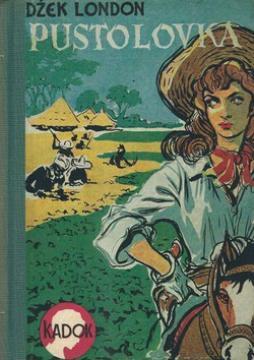
Колекција Кадок (Kadok), книга од првото коло.

November 19, 2018
Well... Джек Лондон з Happy End

Read
November 4, 2019Really good book
Jack London did it again. It was a very fast moving book. The first part was rather stern and abusive but the rest of it was fantastic!
!
Jack London did it again. It was a very fast moving book. The first part was rather stern and abusive but the rest of it was fantastic!
!

August 27, 2020
Gives us a unique look into plantation life, and how a young girl changes an English owner and how he changes his plantation.

February 18, 2026
Good little London novel - cool to see his early writing concepts grow. Super duper duper racially uncool by today’s terms like cannot emphasize enough. It was the Solomon Islands in the early 1900s
February 27, 2026
Adventure in adventure
Opens your eyes on great times of colonial empires and savage population of colored people on far South Pacific islands.
Opens your eyes on great times of colonial empires and savage population of colored people on far South Pacific islands.

Currently Reading
June 28, 2026“Low intelligence of the black”?! But they’re cannibals! They found the best way to prevent overpopulation and a delicious barbecue too! 🍖😋 The ability to multitask is the surest sign of high IQ.

April 26, 2016
This book took a little longer to process fully. I would read a few chapters and I would need to stop just to think over what happened in the story. From this book some interesting ideas arise. From the beginning I found myself highly offended by the blatant racism, until I understood the context in which the story takes place. Until the female protagonist arrives, it's pretty difficult to read without getting irritated. As soon as she arrives there are changes within the male protagonist that improves the overall flow of the story into something not so frustrating.
The plantation in which this story takes place is in the Solomon Islands owned by David Sheldon, who controls his slaves with an iron fist. We enter the story as the islands are suffering from a severe sickness, killing off people one by one. Eventually Sheldon bows to the fever that his workers are experiencing and he's left weakened and vulnerable. This is when Joan Lackland arrives with her shipwrecked crew. From this point forward Joan begins changing everything about the plantation. I enjoyed reading about the changes in Sheldon as the story progresses. He starts off extremely racist and sexist towards anyone who isn't a white male. With Joan around he has no such room to continue being that way. This made the book far more readable.
Some of the adventures they get into are brushed over fairly quickly, when they could certainly be drawn out in more detail. For a book named Adventure, I wish there would've been more of a focus on it. It seems like the focus is more so on Sheldon and his growing interest in Joan. Many of the pages are devoted to his thoughts on his belief that she's not actually a woman, but a boy in a woman's body.
In general this book is a fast read and it'll keep you intrigued until the end. It will push your imagination into history until you're on the plantation with Sheldon and Joan. Easily I can see why this isn't one of Jack London's most popular works, but nonetheless it shares the same escape from everyday reality. If that's what you're looking for in a book, with the ability to keep you thinking long after the last page; this is the story for you.
The plantation in which this story takes place is in the Solomon Islands owned by David Sheldon, who controls his slaves with an iron fist. We enter the story as the islands are suffering from a severe sickness, killing off people one by one. Eventually Sheldon bows to the fever that his workers are experiencing and he's left weakened and vulnerable. This is when Joan Lackland arrives with her shipwrecked crew. From this point forward Joan begins changing everything about the plantation. I enjoyed reading about the changes in Sheldon as the story progresses. He starts off extremely racist and sexist towards anyone who isn't a white male. With Joan around he has no such room to continue being that way. This made the book far more readable.
Some of the adventures they get into are brushed over fairly quickly, when they could certainly be drawn out in more detail. For a book named Adventure, I wish there would've been more of a focus on it. It seems like the focus is more so on Sheldon and his growing interest in Joan. Many of the pages are devoted to his thoughts on his belief that she's not actually a woman, but a boy in a woman's body.
In general this book is a fast read and it'll keep you intrigued until the end. It will push your imagination into history until you're on the plantation with Sheldon and Joan. Easily I can see why this isn't one of Jack London's most popular works, but nonetheless it shares the same escape from everyday reality. If that's what you're looking for in a book, with the ability to keep you thinking long after the last page; this is the story for you.
September 16, 2015
Every time you begin a Jack London book you are immediately swept away by the his masterful writing and this was no different. But that excitement quickly dispersed into mixed emotions. The book begins with a potentially strong female character, which was refreshing, and yet by the end has reduced her to your typical supporting heroine. The title is fairly misleading as well because despite the ample opportunities set up for said 'adventure', they are often reduced to a few summaries and glossed over. Instead you are constantly reminded about the main character's sickening love for the girl and for some reason Jack London felt it worth repeating over and over in various slight modifications on the wording, the character's inner feelings. It feels like a weak foray into the romance genre and could well have been titled Heartbreak in The Solomon Islands .
Then there is the unsatisfactory ending.
There certainly enjoyable aspects to book but one can't help thinking it could have been much, much more.
Then there is the unsatisfactory ending.
There certainly enjoyable aspects to book but one can't help thinking it could have been much, much more.
August 21, 2008
No one I ask has ever heard of this story, but there's more to Jack London than sled dogs and Alaska. This less known romance is about a South Seas cocoanut plantation owner in the Solomons who meets a fiesty American lady, and the adventures that ensue.
It is well written, especially in dialog, but what I like most about this book is the glimpse into history and the detailed nautical research. I have seen pictures of London in a yacht. I'm not sure if he actually sailed the Pacific, but it seems likely given his West Coast home.
The funny, or not funny thing about this book is that the plantation is on 'Guadalcanar' in 1910's (?), so if the fictional owner does succeed, his backwater island would become a major battleground of the WW2 island hopping campaign in the 40's.
As an aside, I read this on my smartphone. It was part of a huge set of Western literature that I downloaded for about $20 USD. This has been great as I am seldom without a good read.
It is well written, especially in dialog, but what I like most about this book is the glimpse into history and the detailed nautical research. I have seen pictures of London in a yacht. I'm not sure if he actually sailed the Pacific, but it seems likely given his West Coast home.
The funny, or not funny thing about this book is that the plantation is on 'Guadalcanar' in 1910's (?), so if the fictional owner does succeed, his backwater island would become a major battleground of the WW2 island hopping campaign in the 40's.
As an aside, I read this on my smartphone. It was part of a huge set of Western literature that I downloaded for about $20 USD. This has been great as I am seldom without a good read.

November 13, 2014
In a way it can be interesting, it contains perspectives which can be linked to anthropology- the discovery of different cultures and so forth. How they (read: white men)consider the people of the Solomon Islands and their ways ('the primitive bushpeople'). It can also contain history; endeavours across the oceans, plantations and so forth. Not to mention the view of women- this might be one of the most interesting parts in the book- how Miss Lackland is supposed to be the man of women, so to speak. Another interesting aspect, is the different view of the people from Tahiti and the natives on the Solomon Islands. But this might be my way of making an uninteresting book, a little more interesting. Because, this is in fact a quite boring novel. It's racist, and not exactely women-friendly. And it's supposed to be about a relationship....
Would I recomment it? No. Read someting else from London instead, like 'White Fang' or 'Call of the Wild'.
Would I recomment it? No. Read someting else from London instead, like 'White Fang' or 'Call of the Wild'.
Displaying 1 - 30 of 39 reviews