

What do you think?

The Spanish Gardener
Harrington Brande lavished all his pompous love on his young invalid son. But months in the Mediterranean sunshine, in the care of the tender gardener, made little Nicholas blossom into an exuberant vitality. Then his father's possessiveness asserted itself...his love became repulsive. He grew cold with the desire to control those around him....
From one of the greatest storytellers of this century comes an unforgettable saga of Americans abroad...of the decay of love between husband and wife, the struggle between father and son, the terrible poser of a diplomat bent on destroying those he loved.
From one of the greatest storytellers of this century comes an unforgettable saga of Americans abroad...of the decay of love between husband and wife, the struggle between father and son, the terrible poser of a diplomat bent on destroying those he loved.
263 pages, Hardcover
First published January 1, 1950
About the author
A.J. Cronin
219 books506 followersArchibald Joseph Cronin was a Scottish novelist, dramatist, and non-fiction writer who was one of the most renowned storytellers of the twentieth century. His best-known works are The Citadel and The Keys of the Kingdom, both of which were made into Oscar-nominated films. He also created the Dr. Finlay character, the hero of a series of stories that served as the basis for the long-running BBC television and radio series entitled Dr. Finlay's Casebook.
-Wikipedia: http://en.wikipedia.org/wiki/A.J._Cronin
-Wikipedia: http://en.wikipedia.org/wiki/A.J._Cronin
Ratings & Reviews
Friends & Following
Create a free account to discover what your friends think of this book!
Community Reviews
Displaying 1 - 30 of 62 reviews

April 4, 2023
As I read this, I liked it, but then came a powerful punch at the end and I really, really liked it. My three star rating flew up to four. The message left at the end is so very right, so perfect! The book feels like a short story that packs a punch at the end.
I am not going to tell you much; you should experience the book and see how you react. At first, I thought the book was your typical mystery book of figuring out who was the “bad guy”. It is that, but also more. It’s a coming of age story set in Spain. The central character is the American consul’s son. The book focuses on character portrayals.
I like the details drawn of Spanish life and ways. You get some good stuff about France too, since the consul has been posted in several European countries.
On the minus side, I think the “bad guy” is exaggeratedly menacing.
The book’s message is .
The audiobook is made by RNIB and read by George Hagan. It is easy to hear all that he says, but I think he dramatizes too much. This is evident in his manner of changing tones for the different characters. Three stars for the narration.
Now I’ve got one more book by A.J. Cronin that I can get my hands on in audio format, necessary due to my lousy vision. The impact of The Spanish Gardener leads me directly to The Keys of the Kingdom. A.J. Cronin is one of my favorite authors. His philosophy of life fits me to a T. His stories are well told.
*******************
Standalones:
*The Keys of the Kingdom 5 stars
*The Stars Look Down 5 stars
*A Thing of Beauty 4 stars
*The Citadel 4 stars
*Adventures in Two Worlds 4 srats
(autobiography)
*The Judas Tree 4 stars
*The Spanish Gardener 4 stars
*Hatter's Castle 4 stars
*Beyond This Place TBR
*Three Loves  TBR
*The Northern Light TBR
*Vigil in the NightTBR
*Grand Canary TBR
Duologies:
1,The Green Years 5 stars
2.Shannon's Way 3 stars
--------------------
1.A Song of Sixpence 5 stars
2.A Pocketful of Rye 3 stars
I am not going to tell you much; you should experience the book and see how you react. At first, I thought the book was your typical mystery book of figuring out who was the “bad guy”. It is that, but also more. It’s a coming of age story set in Spain. The central character is the American consul’s son. The book focuses on character portrayals.
I like the details drawn of Spanish life and ways. You get some good stuff about France too, since the consul has been posted in several European countries.
On the minus side, I think the “bad guy” is exaggeratedly menacing.
The book’s message is .
The audiobook is made by RNIB and read by George Hagan. It is easy to hear all that he says, but I think he dramatizes too much. This is evident in his manner of changing tones for the different characters. Three stars for the narration.
Now I’ve got one more book by A.J. Cronin that I can get my hands on in audio format, necessary due to my lousy vision. The impact of The Spanish Gardener leads me directly to The Keys of the Kingdom. A.J. Cronin is one of my favorite authors. His philosophy of life fits me to a T. His stories are well told.
*******************
Standalones:
*The Keys of the Kingdom 5 stars
*The Stars Look Down 5 stars
*A Thing of Beauty 4 stars
*The Citadel 4 stars
*Adventures in Two Worlds 4 srats
(autobiography)
*The Judas Tree 4 stars
*The Spanish Gardener 4 stars
*Hatter's Castle 4 stars
*Beyond This Place TBR
*Three Loves  TBR
*The Northern Light TBR
*Vigil in the NightTBR
*Grand Canary TBR
Duologies:
1,The Green Years 5 stars
2.Shannon's Way 3 stars
--------------------
1.A Song of Sixpence 5 stars
2.A Pocketful of Rye 3 stars

May 13, 2026
Deși scurtă, această carte este copleșitoare prin tristețea povestirii. O poveste despre orgolii, manipularea și setea de putere contra inocenței, altruismul și dragostei necondiționate.

June 14, 2023
Yes indeed, almost right from the beginning of A.J. Cronin's 1950 novel The Spanish Gardener we as readers kind of pretty well textually know or at least suspect from Cronin's printed words, from his writing and his engagingly gripping character descriptions of main protagonist and American diplomat Harrington Branche and his son Nicholas that there is something decidedly off kilter, totally unhealthy and problematic (not only physically but even more so mentally, internally) concerning the relationship between Branche and his nine year old son.
For The Spanish Gardener and every aspect of Cronin's present text present Harrington Branche as a soul sucking parasitic vampire, as emotionally totally smothering Nicholas, that the father is a huge control freak, teeming with an insane (easily corrupted and to be taken advantage of) raging jealously, with narcissistic personality disorders en masse, that the estrangement from his wife is therefore and very much obviously also entirely HIS, is Harrignton Branche's OWN PERSONAL fault and doing and that poor little (and also rendered ill and defenceless by his father's dubious love) Nicholas is basically being devoured body and soul by his father's neediness and emotional abuse (and with me also kind of considering that Harrington Branche's political ambitions having seemingly been thwarted and ruined in The Spanish Gardener is also shown as being rather majorly deserved and basically so-called just desserts so to speak, that Branche has only himself to blame for his personal bitterness, for his lack of success both with his career and with his life/his marriage, but that of course and naturally as a typical vulnerable narcissist, Harrington Branche blames everyone but himself and makes his son Nicholas into basically a personal slave to and for his needs and his wants/desires, that in The Spanish Gardener, while everything for Harrington Branche seems on the surface to revolve around his son, well, everything is actually about the father and about Branche selfishly sacrifices Nicholas for his own needs and insecurities).
But while during The Spanish Gardener, the corrupt and fawning servant Garcia and the fake psychiatrist who examines Nicholas are of course not at all without blame, they actually in The Spanish Gardener (and in my humble opinion) are more part of the symptoms of Harrington Branche's personality and behavioural disorders and screw-ups, they both are only able to evilly and viciously influence Branche (and by extension horribly and painfully also Nicholas as well as the young gardener of the book title Nicholas befriends) because Harrington Branche is allowing them to do thus, and with Cronin definitely and clearly for me pointing out with The Spanish Gardener that ALL of the tragedy encountered, including the depressing and abrupt ending, that the gardener's horrifying death and Nicholas' final and total estrangement from his father are really SOLELY Harrington Branche's doing, that his behaviour has precipitated the horrors of The Spanish Gardener (and that there always are consequences regarding how one acts and conducts himself/herself and that problematic, that unacceptable actions always have and should have consequences and repercussions).
So yes, while I have personally and emotionally found absolutely NOTHING in and with Harrington Branche's character as he is shown and depicted by A.J. Cronin in The Spanish Gardener that is in any way even remotely worth redeeming, of eliciting feelings of understanding and empathy (just massive anger and fury, with ALL my sympathy going to Nicholas and also a bit to the estranged and absent wife, although yes, she should have left her husband with and not without Nicholas, but well, perhaps that was not possible), that for me how A.J. Cronin describes Harrington Branche in The Spanish Gardener, while descriptively written with a real textual flair for describing so-called personality disorders is also rather horrid with its depressing ending of tragedy for Jose, for the Spanish gardener, and that my rating of four stars for The Spanish Gardener is only four stars because the novel is brilliantly rendered and that Cronin brilliantly shows how obsessive, controlling parental love, how Harrigton Branche's multiple and massive character flaws and obsession with Nicholas, with his son do nothing but hurt and destroy anything and everything around him.
For The Spanish Gardener and every aspect of Cronin's present text present Harrington Branche as a soul sucking parasitic vampire, as emotionally totally smothering Nicholas, that the father is a huge control freak, teeming with an insane (easily corrupted and to be taken advantage of) raging jealously, with narcissistic personality disorders en masse, that the estrangement from his wife is therefore and very much obviously also entirely HIS, is Harrignton Branche's OWN PERSONAL fault and doing and that poor little (and also rendered ill and defenceless by his father's dubious love) Nicholas is basically being devoured body and soul by his father's neediness and emotional abuse (and with me also kind of considering that Harrington Branche's political ambitions having seemingly been thwarted and ruined in The Spanish Gardener is also shown as being rather majorly deserved and basically so-called just desserts so to speak, that Branche has only himself to blame for his personal bitterness, for his lack of success both with his career and with his life/his marriage, but that of course and naturally as a typical vulnerable narcissist, Harrington Branche blames everyone but himself and makes his son Nicholas into basically a personal slave to and for his needs and his wants/desires, that in The Spanish Gardener, while everything for Harrington Branche seems on the surface to revolve around his son, well, everything is actually about the father and about Branche selfishly sacrifices Nicholas for his own needs and insecurities).
But while during The Spanish Gardener, the corrupt and fawning servant Garcia and the fake psychiatrist who examines Nicholas are of course not at all without blame, they actually in The Spanish Gardener (and in my humble opinion) are more part of the symptoms of Harrington Branche's personality and behavioural disorders and screw-ups, they both are only able to evilly and viciously influence Branche (and by extension horribly and painfully also Nicholas as well as the young gardener of the book title Nicholas befriends) because Harrington Branche is allowing them to do thus, and with Cronin definitely and clearly for me pointing out with The Spanish Gardener that ALL of the tragedy encountered, including the depressing and abrupt ending, that the gardener's horrifying death and Nicholas' final and total estrangement from his father are really SOLELY Harrington Branche's doing, that his behaviour has precipitated the horrors of The Spanish Gardener (and that there always are consequences regarding how one acts and conducts himself/herself and that problematic, that unacceptable actions always have and should have consequences and repercussions).
So yes, while I have personally and emotionally found absolutely NOTHING in and with Harrington Branche's character as he is shown and depicted by A.J. Cronin in The Spanish Gardener that is in any way even remotely worth redeeming, of eliciting feelings of understanding and empathy (just massive anger and fury, with ALL my sympathy going to Nicholas and also a bit to the estranged and absent wife, although yes, she should have left her husband with and not without Nicholas, but well, perhaps that was not possible), that for me how A.J. Cronin describes Harrington Branche in The Spanish Gardener, while descriptively written with a real textual flair for describing so-called personality disorders is also rather horrid with its depressing ending of tragedy for Jose, for the Spanish gardener, and that my rating of four stars for The Spanish Gardener is only four stars because the novel is brilliantly rendered and that Cronin brilliantly shows how obsessive, controlling parental love, how Harrigton Branche's multiple and massive character flaws and obsession with Nicholas, with his son do nothing but hurt and destroy anything and everything around him.

November 22, 2013
Just arrived from Russian Federation through BM.
I cannot believe that this is the first book written by Cronin I've ever read.
The description of the relationship between father and son is dramatically told where the character of a Spanish gardener plays an important role into the story.
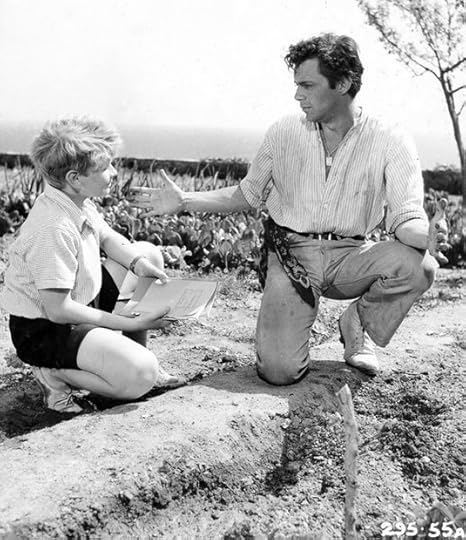
There is a movie version The Spanish Gardener (1956) based on this book, where Dick Bogarde plays the role of the gardener.
4* The Spanish Gardener
TR The Citadel
TR The Passage
TR The Keys of the Kingdom
I cannot believe that this is the first book written by Cronin I've ever read.
The description of the relationship between father and son is dramatically told where the character of a Spanish gardener plays an important role into the story.
There is a movie version The Spanish Gardener (1956) based on this book, where Dick Bogarde plays the role of the gardener.
4* The Spanish Gardener
TR The Citadel
TR The Passage
TR The Keys of the Kingdom

September 13, 2013
This entire review has been hidden because of spoilers.

May 20, 2026
Španski baštovan je roman koji na prvi pogled deluje tiho i jednostavno, ali iza mirne atmosfere krije veoma tešku priču o egu, kontroli i emocionalnoj uskraćenosti. Ono što ovu knjigu čini snažnom nije velika drama, već činjenica da su svi bolni događaji mogli biti izbegnuti da je glavni lik imao makar malo više širine i samosvesti.
Henri je, po mom mišljenju, jedan od najograničenijih Croninovih likova. Čovek koji čitav život pokušava da ostavi utisak autoriteta, principijelnosti i časti, a zapravo iza svega stoje nesigurnost, sujeta i potreba za kontrolom. Najtragičnije kod njega nije to što pravi greške — nego što iz njih ništa ne nauči. Tokom cele knjige dobija više prilika da zastane, da proveri sopstvene sumnje, da sasluša sina ili da makar na trenutak izađe iz svog uskog pogleda na svet. Ali on uporno bira sebe i svoj ego. Čak ni na kraju, kada čitalac očekuje iskreno preispitivanje i pokajanje, Henri ne dolazi do prave samospoznaje. Njegova tvrdnja da mu je „savest čista“ ostavlja gorak ukus i pokazuje da nije evoluirao ni malo kao čovek.
Najveća žrtva takvog ponašanja je Nikolas. Njegova patnja kroz roman je tiha, ali veoma teška. To je dete koje očajnički traži toplinu, razumevanje i slobodu da bude srećno, a umesto toga dobija hladnoću, kontrolu i stalni osećaj krivice. Njegov odnos sa Hoseom deluje iskreno upravo zato što u njemu prvi put pronalazi nešto što mu otac nikada nije pružio — spontanost, ljudskost i osećaj sigurnosti.
I upravo zato je Hose možda i najtragičniji lik romana. Mlad čovek koji nastrada ni kriv ni dužan, samo zato što se našao između očevog ega i dečije potrebe za bliskošću. Dok Henri u svemu vidi pretnju svom autoritetu, Hose ostaje običan, dobar i topao mlad čovek koji plaća cenu tuđih kompleksa.
Cronin je ovim romanom pokazao da najveću štetu često ne prave otvoreno zli ljudi, već oni koji su uvereni da su uvek u pravu i nikada ne preispituju sebe. Upravo zato Španski baštovan ostavlja mnogo više gorčine nego tuge — jer čitalac do kraja čeka trenutak u kome će Henri konačno razumeti šta je uradio. Taj trenutak nikada ne dolazi.
Henri je, po mom mišljenju, jedan od najograničenijih Croninovih likova. Čovek koji čitav život pokušava da ostavi utisak autoriteta, principijelnosti i časti, a zapravo iza svega stoje nesigurnost, sujeta i potreba za kontrolom. Najtragičnije kod njega nije to što pravi greške — nego što iz njih ništa ne nauči. Tokom cele knjige dobija više prilika da zastane, da proveri sopstvene sumnje, da sasluša sina ili da makar na trenutak izađe iz svog uskog pogleda na svet. Ali on uporno bira sebe i svoj ego. Čak ni na kraju, kada čitalac očekuje iskreno preispitivanje i pokajanje, Henri ne dolazi do prave samospoznaje. Njegova tvrdnja da mu je „savest čista“ ostavlja gorak ukus i pokazuje da nije evoluirao ni malo kao čovek.
Najveća žrtva takvog ponašanja je Nikolas. Njegova patnja kroz roman je tiha, ali veoma teška. To je dete koje očajnički traži toplinu, razumevanje i slobodu da bude srećno, a umesto toga dobija hladnoću, kontrolu i stalni osećaj krivice. Njegov odnos sa Hoseom deluje iskreno upravo zato što u njemu prvi put pronalazi nešto što mu otac nikada nije pružio — spontanost, ljudskost i osećaj sigurnosti.
I upravo zato je Hose možda i najtragičniji lik romana. Mlad čovek koji nastrada ni kriv ni dužan, samo zato što se našao između očevog ega i dečije potrebe za bliskošću. Dok Henri u svemu vidi pretnju svom autoritetu, Hose ostaje običan, dobar i topao mlad čovek koji plaća cenu tuđih kompleksa.
Cronin je ovim romanom pokazao da najveću štetu često ne prave otvoreno zli ljudi, već oni koji su uvereni da su uvek u pravu i nikada ne preispituju sebe. Upravo zato Španski baštovan ostavlja mnogo više gorčine nego tuge — jer čitalac do kraja čeka trenutak u kome će Henri konačno razumeti šta je uradio. Taj trenutak nikada ne dolazi.

August 17, 2015
...o la differenza fra i libri interessanti e i libri belli. Questo è principalmente un libro interessante. Ed è interessante perché Cronin indaga sul rapporto padre-figlio, ma in una direzione piuttosto inusuale.
È sostanzialmente un rapporto di gelosia e possessione quello che Harrington Brande ha nei confronti del suo unico figlio, un rapporto protettivo e che non deve avere ostacoli, soprattutto se rappresentati da individui esterni alla ristretta cerchia famigliare. Harrington vede nel figlio, ultimo rimasuglio del periodo trascorso con la giovane moglie, l'unico traguardo raggiunto nella sua vita, segnata altrimenti da un lavoro e da uno svago (la letteratura, campo in cui cerca di guadagnarsi un posto con un improbabile quanto illeggibile saggio storico) dove a suo dire non gli sono riconosciuti meriti. Nelle pagine di Cronin il personaggio di Harrington viene pian piano svelato in tutte le sue nefandezze, dal rapporto con quella che è stata sua moglie - un rapporto altrettanto geloso e possessivo, riversato dunque di riflesso sul figlio - a quello verso i suoi conoscenti, visti come inferiori o semplici individui che non gli riconoscono il dovuto. Sugli stessi colleghi vengono puntualmente indirizzate le sue maldicenze nel momento in cui, ancora una volta, non vedono in lui la persona giusta per ricoprire incarichi di maggiore responsabilità. Unico a salvarsi, e probabilmente unica amicizia di Harrington, è il dottor Halevy, un personaggio ancor più spregevole, truffaldino e sicuro di sé, capace di corrompere facilmente il pensiero dell'amico.
Il momento in cui il rapporto fra padre e figlio entra bruscamente in crisi arriva con l'affacciarsi nella loro vita del nuovo giardiniere. Di una decina d'anni maggiore, in lui il bambino vede una sorta di fratello maggiore con cui può finalmente esplorare il mondo che lo circonda. Ma questo rapporto fa sorgere nel padre la consueta gelosia: plagiato dal dottor Halevy e trascinato da avvenimenti che sembrano confermare la poca correttezza del giardiniere, in poche settimane la vicenda giunge ad un disastroso epilogo. Tutti ne usciranno sconfitti, dal padre, che oramai ha perduto tutta la credibilità agli occhi del figlio, al figlio stesso, che non vede l'ora di abbandonarlo per raggiungere la madre, "esiliata" in America.
Cronin, che con questo libretto non punta certo a scrivere la sua opera migliore, riesce comunque ad abbozzare un romanzo intenso e drammatico, dove i comportamenti dei personaggi sono ben individuabili e facilmente prevedibili, ma che hanno nello svolgersi delle vicende maggior spazio di movimento di quanto si possa pensare. Non è un libro imperdibile, ma è un libro interessante. È interessante soprattutto perché il rapporto gelosia-possessione è tipico nei confronti di un partner piuttosto che verso un figlio: Cronin sceglie una strada differente e proprio in questa maniera riesce a sottolineare certi particolari aspetti senza implicarne altri, ad esempio la sfera sessuale. Questo sebbene il rapporto padre-figlio sia visto da Harrington proprio come un sostituto di quell'amore che aveva provato verso la moglie: in più passaggi il padre stesso chiede al bambino se lo ama, non se gli vuole bene. Cerca il suo amore, non il suo essere un punto di riferimento. Ecco, questo rapporto distruttivo e malato, ultimo sintomo di una vita arrogante e presuntuosa da parte di Harrington, è la chiave di tutto il romanzo di Cronin.
È sostanzialmente un rapporto di gelosia e possessione quello che Harrington Brande ha nei confronti del suo unico figlio, un rapporto protettivo e che non deve avere ostacoli, soprattutto se rappresentati da individui esterni alla ristretta cerchia famigliare. Harrington vede nel figlio, ultimo rimasuglio del periodo trascorso con la giovane moglie, l'unico traguardo raggiunto nella sua vita, segnata altrimenti da un lavoro e da uno svago (la letteratura, campo in cui cerca di guadagnarsi un posto con un improbabile quanto illeggibile saggio storico) dove a suo dire non gli sono riconosciuti meriti. Nelle pagine di Cronin il personaggio di Harrington viene pian piano svelato in tutte le sue nefandezze, dal rapporto con quella che è stata sua moglie - un rapporto altrettanto geloso e possessivo, riversato dunque di riflesso sul figlio - a quello verso i suoi conoscenti, visti come inferiori o semplici individui che non gli riconoscono il dovuto. Sugli stessi colleghi vengono puntualmente indirizzate le sue maldicenze nel momento in cui, ancora una volta, non vedono in lui la persona giusta per ricoprire incarichi di maggiore responsabilità. Unico a salvarsi, e probabilmente unica amicizia di Harrington, è il dottor Halevy, un personaggio ancor più spregevole, truffaldino e sicuro di sé, capace di corrompere facilmente il pensiero dell'amico.
Il momento in cui il rapporto fra padre e figlio entra bruscamente in crisi arriva con l'affacciarsi nella loro vita del nuovo giardiniere. Di una decina d'anni maggiore, in lui il bambino vede una sorta di fratello maggiore con cui può finalmente esplorare il mondo che lo circonda. Ma questo rapporto fa sorgere nel padre la consueta gelosia: plagiato dal dottor Halevy e trascinato da avvenimenti che sembrano confermare la poca correttezza del giardiniere, in poche settimane la vicenda giunge ad un disastroso epilogo. Tutti ne usciranno sconfitti, dal padre, che oramai ha perduto tutta la credibilità agli occhi del figlio, al figlio stesso, che non vede l'ora di abbandonarlo per raggiungere la madre, "esiliata" in America.
Cronin, che con questo libretto non punta certo a scrivere la sua opera migliore, riesce comunque ad abbozzare un romanzo intenso e drammatico, dove i comportamenti dei personaggi sono ben individuabili e facilmente prevedibili, ma che hanno nello svolgersi delle vicende maggior spazio di movimento di quanto si possa pensare. Non è un libro imperdibile, ma è un libro interessante. È interessante soprattutto perché il rapporto gelosia-possessione è tipico nei confronti di un partner piuttosto che verso un figlio: Cronin sceglie una strada differente e proprio in questa maniera riesce a sottolineare certi particolari aspetti senza implicarne altri, ad esempio la sfera sessuale. Questo sebbene il rapporto padre-figlio sia visto da Harrington proprio come un sostituto di quell'amore che aveva provato verso la moglie: in più passaggi il padre stesso chiede al bambino se lo ama, non se gli vuole bene. Cerca il suo amore, non il suo essere un punto di riferimento. Ecco, questo rapporto distruttivo e malato, ultimo sintomo di una vita arrogante e presuntuosa da parte di Harrington, è la chiave di tutto il romanzo di Cronin.

November 18, 2011
Still looking for a copy of The Citadel by A.J. Cronin, but given this to read. Did not know what to expect when I started to read it. It is an easy read, nothing heavy. While reading sort of saw how things were starting to develop with it. The writing was good, and it is a good character study. I recommend it for a light read, but one that I probably won't remember in the long run. Still debating on the score. Would say 3.5 stars, but rounding it up to 4 stars.

November 14, 2013
I opened this book 9 this morning and could not put it down until I finished at 5pm. I kept and still feel like I have known of this story but know I have not read it before. The ending proved that. It made me so angry what the author did towards the ending. \not what was expected and not welcomed at all. this is the third of Cronin's books I have read and the second to get 5 stars. Will have to order the others of his.

April 27, 2019
I read this book more than once. It left me quite heartbroken. We have a sensitive child with a strict remote father who is obviously very lacking in parenting skills. Their young gardener befriends the lonely boy who finally finds enjoyable company. But things take a tragic end.

June 12, 2013
I always enjoy reading books by A. J. Cronin. This was an easy and quick read. Very surprised by ending.

March 28, 2019
Con l'animo in subbuglio chiudo questo libro dove l'autore ha saputo dar vita a sentimenti miseri e nobili dell'uomo con una lucidità sconvolgente.

January 3, 2021
Harrington Brande è il console americano che arriva a San Jorge, nella Costa Brava, col figlio Nicholas.
Il bambino è diventato l’unico destinatario di tutto l’affetto e le cure dell’uomo, che esce da un matrimonio tormentato conclusosi con l’abbandono da parte di lei, e anche da una vita di ambizioni frustrate.
Per giustificare le sue attenzioni asfissianti che lo riducono a un ragazzino solitario, senza amici e sempre chiuso in casa, il padre lo ha dipinto come di salute cagionevole e bisognoso di cure, giustificato anche dal parere di uno psichiatra suo amico, il dott Halevy.
All’arrivo nella nuova splendida casa di campagna i due trovano due domestici, Magdalena e Garcia, che si presentano come marito e moglie, servizievoli e indaffarati al punto da conquistare subito l’approvazione del padre, mentre non riescono a dissipare una certa sensazione di diffidenza da parte di Nicco.
Assumono ben presto anche un giardiniere, Josè, un ragazzino che conquista subito le simpatie del coetaneo, suscitando nel padre però una forte ostilità dovuta alla gelosia del sentirsi in competizione nelle sue attenzioni e affetto.
Tutto questo condurrà ad eventi inimmaginabili.
Quando ho iniziato questo libro mai avrei immaginato dove avrebbero potuto portare le reazioni e le conseguenti azioni di quest’uomo.
Inizialmente infatti sembra si tratti di un romanzo di narrativa dedicato alla vita rurale e nulla fa pensare che possa assumere il carattere tragico e forte che invece ritroviamo alla fine.
L’uomo che è protagonista di tutto ciò è semplicemente un uomo profondamente squilibrato, narcisista all’inverosimile, al punto da distruggere le esistenze di chiunque gli stia intorno, perfino del figlio e dietro all’affetto per il quale si nasconde solo, ma che si rivela solo un palliativo per il proprio ego ferito.
Non ho potuto fare a meno di provare per lui un’innata avversione, nonostante in realtà la mia vocazione professionale mi abbia portata a vedere come avrebbe solo avuto bisogno di aiuto serio.
Ma quello a cui sarebbe dovuto servire il dottor Halevy, non si realizza; questo anzi si mostra solo, in tutta la sua pochezza professionale, come sobillatore dell’isteria regnante acuendone le fragilità e aizzandolo verso le persone sbagliate, portando all’inevitabile tracollo finale.
Per lui ho provato invece vero odio, al pensiero che di personaggi così ne siano esistiti purtroppo davvero tanti in passato, che, sentendosi superiori e in possesso della verità assoluta, abbiano devastato gli animi dei loro pazienti, conducendoli alla rovina.
Ovviamente il triste finale, che non è prevedibile se non fino a pochi istanti prima, in quanto l’anima malata e tormentata del protagonista vorrebbe tentare di farsi perdonare per quanto commesso, non arrivare all’epilogo verso cui invece si dirige, non può lasciarmi che tanta tanta amarezza.
Ho però in fondo apprezzato la scelta dell’autore perché rispecchia purtroppo la triste realtà e non un finale romanzesco di finzione.
È da dire che comunque sembrerebbe che il figlio cominci a comprendere alla fine con chi avesse a che fare e a prenderne le distanze.
So dalla biografia di Cronin che tanti suoi romanzi siano stati trasposti in film e, dopo aver letto questo, posso facilmente capire perché.
Sembra di leggere una sceneggiatura. Le immagini scorrono velocemente davanti agli occhi durante la lettura, rese alla perfezione, lasciando spesso e volentieri posto ai dialoghi che riescono a dare perfettamente l’idea dei personaggi che ci troviamo di fronte, nonostante siano in realtà pochissimo descritti.
Il bambino è diventato l’unico destinatario di tutto l’affetto e le cure dell’uomo, che esce da un matrimonio tormentato conclusosi con l’abbandono da parte di lei, e anche da una vita di ambizioni frustrate.
Per giustificare le sue attenzioni asfissianti che lo riducono a un ragazzino solitario, senza amici e sempre chiuso in casa, il padre lo ha dipinto come di salute cagionevole e bisognoso di cure, giustificato anche dal parere di uno psichiatra suo amico, il dott Halevy.
All’arrivo nella nuova splendida casa di campagna i due trovano due domestici, Magdalena e Garcia, che si presentano come marito e moglie, servizievoli e indaffarati al punto da conquistare subito l’approvazione del padre, mentre non riescono a dissipare una certa sensazione di diffidenza da parte di Nicco.
Assumono ben presto anche un giardiniere, Josè, un ragazzino che conquista subito le simpatie del coetaneo, suscitando nel padre però una forte ostilità dovuta alla gelosia del sentirsi in competizione nelle sue attenzioni e affetto.
Tutto questo condurrà ad eventi inimmaginabili.
Quando ho iniziato questo libro mai avrei immaginato dove avrebbero potuto portare le reazioni e le conseguenti azioni di quest’uomo.
Inizialmente infatti sembra si tratti di un romanzo di narrativa dedicato alla vita rurale e nulla fa pensare che possa assumere il carattere tragico e forte che invece ritroviamo alla fine.
L’uomo che è protagonista di tutto ciò è semplicemente un uomo profondamente squilibrato, narcisista all’inverosimile, al punto da distruggere le esistenze di chiunque gli stia intorno, perfino del figlio e dietro all’affetto per il quale si nasconde solo, ma che si rivela solo un palliativo per il proprio ego ferito.
Non ho potuto fare a meno di provare per lui un’innata avversione, nonostante in realtà la mia vocazione professionale mi abbia portata a vedere come avrebbe solo avuto bisogno di aiuto serio.
Ma quello a cui sarebbe dovuto servire il dottor Halevy, non si realizza; questo anzi si mostra solo, in tutta la sua pochezza professionale, come sobillatore dell’isteria regnante acuendone le fragilità e aizzandolo verso le persone sbagliate, portando all’inevitabile tracollo finale.
Per lui ho provato invece vero odio, al pensiero che di personaggi così ne siano esistiti purtroppo davvero tanti in passato, che, sentendosi superiori e in possesso della verità assoluta, abbiano devastato gli animi dei loro pazienti, conducendoli alla rovina.
Ovviamente il triste finale, che non è prevedibile se non fino a pochi istanti prima, in quanto l’anima malata e tormentata del protagonista vorrebbe tentare di farsi perdonare per quanto commesso, non arrivare all’epilogo verso cui invece si dirige, non può lasciarmi che tanta tanta amarezza.
Ho però in fondo apprezzato la scelta dell’autore perché rispecchia purtroppo la triste realtà e non un finale romanzesco di finzione.
È da dire che comunque sembrerebbe che il figlio cominci a comprendere alla fine con chi avesse a che fare e a prenderne le distanze.
So dalla biografia di Cronin che tanti suoi romanzi siano stati trasposti in film e, dopo aver letto questo, posso facilmente capire perché.
Sembra di leggere una sceneggiatura. Le immagini scorrono velocemente davanti agli occhi durante la lettura, rese alla perfezione, lasciando spesso e volentieri posto ai dialoghi che riescono a dare perfettamente l’idea dei personaggi che ci troviamo di fronte, nonostante siano in realtà pochissimo descritti.

August 3, 2017
Chi semina vento raccoglie tempesta
Un uomo e un bambino: l'uno severo, rigido, incapace di apprezzare le piccole gioie quotidiane; l'altro timido, sensibile, inconsciamente assetato di vita.
È un padre, Harrington Brande, che vive per il suo lavoro, per le sue aspirazioni e, specialmente, per il suo Nicholas: quel bimbo fragile, malaticcio, bisognoso di cure e protezione, cresciuto dentro una campana di vetro e destinato, agli occhi del genitore, a restarvi per sempre. Un padre e un figlio molto uniti, eppure così soli all'arrivo in un Paese straniero, in mezzo a gente nuova, a tradizioni insolite... Soli, soprattutto, nella sofferta ricerca del bene più prezioso: l'amore.
E proprio questo spasmodico bisogno di tenerezza, questo bruciante desiderio di dare e ricevere affetto, sarà il filo conduttore del racconto, la fatale scintilla da cui, passo dopo passo, divamperà l'implacabile fuoco della gelosia: quella furia devastante alimentata proprio dall'amore, da cui, inevitabilmente, l'amore stesso verrà annientato.
Ci troviamo a San Jorge, pittoresca cittadina della Spagna orientale, dove un ambizioso console americano dalle velleità letterarie, Mr Brande, appunto, si trasferisce col figlioletto di nove anni, per ricoprire una nuova carica.
La quiete del luogo, la (apparentemente) cordiale accoglienza della servitù, l'aria fresca e incontaminata delle soleggiate coste spagnole, sembrano offrire ai nuovi arrivati la tanto agognata pace, il meritato sollievo dalle amarezze della vita, dai ricordi opprimenti, dalla ferita ancora aperta e dolente di un matrimonio finito male.
Un sogno che pare divenire realtà, fino a quando, inaspettatamente, la strada dei Brande incrocia quella di José: un giovane giardiniere del luogo, che con la sua spontaneità, la semplicità e il calore umano, conquista presto l'affetto e l'ammirazione di Nicholas, suscitando, suo malgrado, il feroce ed irrazionale risentimento del console.
La prima cosa che colpisce, leggendo un libro di Cronin, è la sobrietà: quello stile limpido e mai troppo ricercato con cui l'autore conduce la narrazione, facendo riflettere il lettore e conquistandolo poco per volta. Egli non teme di raccontare luci ed ombre della natura umana, ma pur regalandoci vividi ritratti interiori dei protagonisti, preferisce rifuggire dagli psicologismi, riuscendo così ad illustrare l'animo dei suoi personaggi in modo accurato ma semplice al tempo stesso.
The Spanish gardener non è una storia "strillata": è un piccolo romanzo dai toni delicati, che parla di legami familiari, amicizia, sentimenti... Ma è anche, e soprattutto, una profonda ed onesta riflessione sul male che alberga nel cuore umano, sulla cattiveria che, facendosi strada tra le qualità migliori, finisce col distruggere tutto, lasciando dietro sè solo sofferenza.
Harrington Brande, figura centrale del romanzo, è il perfetto emblema di ciò: un uomo duro, pieno di sè, fiero della propria integrità, eppure letteralmente ossessionato, nel proprio intimo, da una disperata sete d'amore. Brande ama, ma lo fa in modo morboso, egoistico, attanagliato dall'invincibile bisogno di possedere in modo esclusivo l'oggetto del proprio affetto, di isolarlo, di forgiarlo a propria immagine e somiglianza, privandolo di ogni residuo di libertà.
Pagina dopo pagina, assistiamo al progressivo concretizzarsi della sua disfatta: lo vediamo vacillare nei suoi princìpi morali, cedere alla gelosia, lasciarsi accecare dal rancore, fino a quando, ormai spintosi troppo oltre, si scopre impossibilitato a tornare indietro, costretto, malgrado l'opprimente rimorso che gli dilania il cuore, a scontrarsi con le imperdonabili conseguenze della sua follia, a toccare con mano il proprio fallimento come marito, padre ed essere umano.
È facile odiare Harrington Brande, disprezzarlo per ciò che è e per le sue azioni, eppure, malgrado tutto, il suo personaggio un po'di pena me l'ha ugualmente suscitata, perché dietro la crudeltà, l'arroganza e l'egoismo, si nasconde un uomo insicuro, tormentato, in fin dei conti immaturo; un uomo che prova amore, che vorrebbe ardentemente essere amato, ma che, purtroppo, non sa amare realmente.
La meschinità umana, però, come Cronin ci dimostra, possiede molte facce, a volte proprio quelle che mai ci si aspetterebbe; e così lo scrittore, con tutta la franchezza di una condivisibile indignazione, non esita a smascherare i molti lati controversi di alcuni esponenti della stessa categoria medica (cui egli apparteneva) attraverso l'ambigua figura del professor Halevy: l'inquietante emblema di una psichiatria dannosa, di una visione distorta e morbosa della natura umana, che con subdola malizia tenta di contaminare il candore e la spensieratezza dell'infanzia.
E a fare le spese di tutto ciò, naturalmente, sarà il piccolo Nicholas. Lui, protetto dalla sua innocenza di bambino, non capisce le perfide insinuazioni dei grandi, ma ne prova istintivamente paura, vergogna, tanto più che, responsabili delle sue angosce, sono proprio coloro che dovrebbero invece rassicurarlo, confortarlo, proteggerlo dalle brutture della vita.
Erano i primi anni '50 quando Cronin diede alle stampe questo romanzo, ed è impossibile non restare colpiti dal coraggio con cui, in quell'epoca, egli osò affrontare, sia pur velatamente e con estrema sensibilità, questioni tanto delicate, servendosi sempre di un linguaggio pacato, e riuscendo a parlare a tutti, senza mai turbare, neppure per un istante, i lettori.
In The Spanish gardener, tuttavia, a trovare posto non sono solo il dolore e lo smarrimento: nel corso di questa toccante storia, infatti, c'è ampio spazio anche per i buoni sentimenti: l'amicizia tra Nicholas e José, la genuina allegria della famiglia Santero, povera ma unita, l'incontenibile entusiasmo per le partite di pelota della domenica, costituiscono alcune delle pagine più belle del romanzo, pagine in cui Cronin, con l'abilità dei più grandi scrittori, ci regala un indimenticabile affresco della luminosa Spagna e delle sue ammalianti atmosfere: le stradine caratteristiche e piene di colori, i giardini rischiarati dal sole, il gusto per le cose semplici, la voglia di vivere.
Niente però appare superfluo: ogni evento, in questo libro, trova in qualche modo corrispondenza nelle vicende personali dei protagonisti, e così ci accorgiamo che l'incontro tra due culture distanti (quella americana e quella ispanica) rappresenta innanzitutto il contrasto tra due diverse concezioni della vita e della famiglia: da un lato il rigido e austero formalismo dei Brande, dall'altro il vivace e spontaneo calore dei Santero; due modelli a confronto, attraverso cui il piccolo Nicholas, per la prima volta, guarderà alla vita con occhi diversi, comprendendo il significato dell'amicizia e imparando, inconsapevolmente, ad esprimere la propria personalità.
La conclusione della storia sembrerebbe quasi arrivare troppo presto.
Dispiace lasciarsi alle spalle l'incantevole scenario della Costa Brava, le toccanti vicende di un Nicholas improvvisamente cresciuto e ormai deciso a riprendersi ciò che gli è stato ingiustamente tolto, ma dispiace soprattutto separarsi da un romanzo che con garbo, semplicità e tenerezza ha saputo intrattenere, commuovere e far riflettere.
E se il racconto si chiude, in modo implicito ma inequivocabile, sulle speranze di un futuro migliore ed ormai prossimo, ad imprimersi nella memoria è soprattutto la figura di quell'uomo, ormai l'ombra di se stesso, che è riuscito ad avvelenare l'esistenza propria e altrui, e a cui, negli anni della maturità, non resta altro che il patetico ricordo di ciò che è stato, di ciò che avrebbe potuto essere, e che non sarà mai più.
Un uomo e un bambino: l'uno severo, rigido, incapace di apprezzare le piccole gioie quotidiane; l'altro timido, sensibile, inconsciamente assetato di vita.
È un padre, Harrington Brande, che vive per il suo lavoro, per le sue aspirazioni e, specialmente, per il suo Nicholas: quel bimbo fragile, malaticcio, bisognoso di cure e protezione, cresciuto dentro una campana di vetro e destinato, agli occhi del genitore, a restarvi per sempre. Un padre e un figlio molto uniti, eppure così soli all'arrivo in un Paese straniero, in mezzo a gente nuova, a tradizioni insolite... Soli, soprattutto, nella sofferta ricerca del bene più prezioso: l'amore.
E proprio questo spasmodico bisogno di tenerezza, questo bruciante desiderio di dare e ricevere affetto, sarà il filo conduttore del racconto, la fatale scintilla da cui, passo dopo passo, divamperà l'implacabile fuoco della gelosia: quella furia devastante alimentata proprio dall'amore, da cui, inevitabilmente, l'amore stesso verrà annientato.
Ci troviamo a San Jorge, pittoresca cittadina della Spagna orientale, dove un ambizioso console americano dalle velleità letterarie, Mr Brande, appunto, si trasferisce col figlioletto di nove anni, per ricoprire una nuova carica.
La quiete del luogo, la (apparentemente) cordiale accoglienza della servitù, l'aria fresca e incontaminata delle soleggiate coste spagnole, sembrano offrire ai nuovi arrivati la tanto agognata pace, il meritato sollievo dalle amarezze della vita, dai ricordi opprimenti, dalla ferita ancora aperta e dolente di un matrimonio finito male.
Un sogno che pare divenire realtà, fino a quando, inaspettatamente, la strada dei Brande incrocia quella di José: un giovane giardiniere del luogo, che con la sua spontaneità, la semplicità e il calore umano, conquista presto l'affetto e l'ammirazione di Nicholas, suscitando, suo malgrado, il feroce ed irrazionale risentimento del console.
La prima cosa che colpisce, leggendo un libro di Cronin, è la sobrietà: quello stile limpido e mai troppo ricercato con cui l'autore conduce la narrazione, facendo riflettere il lettore e conquistandolo poco per volta. Egli non teme di raccontare luci ed ombre della natura umana, ma pur regalandoci vividi ritratti interiori dei protagonisti, preferisce rifuggire dagli psicologismi, riuscendo così ad illustrare l'animo dei suoi personaggi in modo accurato ma semplice al tempo stesso.
The Spanish gardener non è una storia "strillata": è un piccolo romanzo dai toni delicati, che parla di legami familiari, amicizia, sentimenti... Ma è anche, e soprattutto, una profonda ed onesta riflessione sul male che alberga nel cuore umano, sulla cattiveria che, facendosi strada tra le qualità migliori, finisce col distruggere tutto, lasciando dietro sè solo sofferenza.
Harrington Brande, figura centrale del romanzo, è il perfetto emblema di ciò: un uomo duro, pieno di sè, fiero della propria integrità, eppure letteralmente ossessionato, nel proprio intimo, da una disperata sete d'amore. Brande ama, ma lo fa in modo morboso, egoistico, attanagliato dall'invincibile bisogno di possedere in modo esclusivo l'oggetto del proprio affetto, di isolarlo, di forgiarlo a propria immagine e somiglianza, privandolo di ogni residuo di libertà.
Pagina dopo pagina, assistiamo al progressivo concretizzarsi della sua disfatta: lo vediamo vacillare nei suoi princìpi morali, cedere alla gelosia, lasciarsi accecare dal rancore, fino a quando, ormai spintosi troppo oltre, si scopre impossibilitato a tornare indietro, costretto, malgrado l'opprimente rimorso che gli dilania il cuore, a scontrarsi con le imperdonabili conseguenze della sua follia, a toccare con mano il proprio fallimento come marito, padre ed essere umano.
È facile odiare Harrington Brande, disprezzarlo per ciò che è e per le sue azioni, eppure, malgrado tutto, il suo personaggio un po'di pena me l'ha ugualmente suscitata, perché dietro la crudeltà, l'arroganza e l'egoismo, si nasconde un uomo insicuro, tormentato, in fin dei conti immaturo; un uomo che prova amore, che vorrebbe ardentemente essere amato, ma che, purtroppo, non sa amare realmente.
La meschinità umana, però, come Cronin ci dimostra, possiede molte facce, a volte proprio quelle che mai ci si aspetterebbe; e così lo scrittore, con tutta la franchezza di una condivisibile indignazione, non esita a smascherare i molti lati controversi di alcuni esponenti della stessa categoria medica (cui egli apparteneva) attraverso l'ambigua figura del professor Halevy: l'inquietante emblema di una psichiatria dannosa, di una visione distorta e morbosa della natura umana, che con subdola malizia tenta di contaminare il candore e la spensieratezza dell'infanzia.
E a fare le spese di tutto ciò, naturalmente, sarà il piccolo Nicholas. Lui, protetto dalla sua innocenza di bambino, non capisce le perfide insinuazioni dei grandi, ma ne prova istintivamente paura, vergogna, tanto più che, responsabili delle sue angosce, sono proprio coloro che dovrebbero invece rassicurarlo, confortarlo, proteggerlo dalle brutture della vita.
Erano i primi anni '50 quando Cronin diede alle stampe questo romanzo, ed è impossibile non restare colpiti dal coraggio con cui, in quell'epoca, egli osò affrontare, sia pur velatamente e con estrema sensibilità, questioni tanto delicate, servendosi sempre di un linguaggio pacato, e riuscendo a parlare a tutti, senza mai turbare, neppure per un istante, i lettori.
In The Spanish gardener, tuttavia, a trovare posto non sono solo il dolore e lo smarrimento: nel corso di questa toccante storia, infatti, c'è ampio spazio anche per i buoni sentimenti: l'amicizia tra Nicholas e José, la genuina allegria della famiglia Santero, povera ma unita, l'incontenibile entusiasmo per le partite di pelota della domenica, costituiscono alcune delle pagine più belle del romanzo, pagine in cui Cronin, con l'abilità dei più grandi scrittori, ci regala un indimenticabile affresco della luminosa Spagna e delle sue ammalianti atmosfere: le stradine caratteristiche e piene di colori, i giardini rischiarati dal sole, il gusto per le cose semplici, la voglia di vivere.
Niente però appare superfluo: ogni evento, in questo libro, trova in qualche modo corrispondenza nelle vicende personali dei protagonisti, e così ci accorgiamo che l'incontro tra due culture distanti (quella americana e quella ispanica) rappresenta innanzitutto il contrasto tra due diverse concezioni della vita e della famiglia: da un lato il rigido e austero formalismo dei Brande, dall'altro il vivace e spontaneo calore dei Santero; due modelli a confronto, attraverso cui il piccolo Nicholas, per la prima volta, guarderà alla vita con occhi diversi, comprendendo il significato dell'amicizia e imparando, inconsapevolmente, ad esprimere la propria personalità.
La conclusione della storia sembrerebbe quasi arrivare troppo presto.
Dispiace lasciarsi alle spalle l'incantevole scenario della Costa Brava, le toccanti vicende di un Nicholas improvvisamente cresciuto e ormai deciso a riprendersi ciò che gli è stato ingiustamente tolto, ma dispiace soprattutto separarsi da un romanzo che con garbo, semplicità e tenerezza ha saputo intrattenere, commuovere e far riflettere.
E se il racconto si chiude, in modo implicito ma inequivocabile, sulle speranze di un futuro migliore ed ormai prossimo, ad imprimersi nella memoria è soprattutto la figura di quell'uomo, ormai l'ombra di se stesso, che è riuscito ad avvelenare l'esistenza propria e altrui, e a cui, negli anni della maturità, non resta altro che il patetico ricordo di ciò che è stato, di ciò che avrebbe potuto essere, e che non sarà mai più.

August 16, 2020
This story is bifold.
It is a tender love story of a boy and the poor young gardener who befriends him, showing him for the first time what unselfish love and loyalty means.
It is also a tragic story of a man's profound egotism and devotion to his "invalid" son and the disastrous consequences when jealousy takes over reason.
I found this Cronin surprisingly gripping and suspenseful. Throw in a butler with a charming facade but questionable past and you have the makings of an enjoyable read.
It is a tender love story of a boy and the poor young gardener who befriends him, showing him for the first time what unselfish love and loyalty means.
It is also a tragic story of a man's profound egotism and devotion to his "invalid" son and the disastrous consequences when jealousy takes over reason.
I found this Cronin surprisingly gripping and suspenseful. Throw in a butler with a charming facade but questionable past and you have the makings of an enjoyable read.

December 21, 2024
Ah, the joys of being raised by a self-pitying toxic narcissist who wants to control your every thought and emotion and interaction.

June 15, 2019
As my second book in the line of Cronin's works,this novel is shorter,with condensed plot,easy to understand and with little characters,which helps distinguish each one of them.The main theme revolves around trust,innocence and misunderstanding of the world and the people the man doesn't know or doesn't want to try understand them,which is a shame,because those are the reasons that will lead,eventually,to tragic conclusions.The fact that we,as humans,react emotionally to an unpleasant situation is reasonable,but that doesn't excuse us to react overprotective for the rest of our lives by closing the doors to anyone,who tries to be kind and friendly to us.What I like about this work is in it's small details that shows us that we don't need much to be happy and joyful,as long as we appreciate what we have.It's a must read title for summer vacation,during your rest and I'm hoping I'll find more similar works of this author for a hot summer day.

March 12, 2013
Very predictable, the storyline seems to be unnatural and obtruded, the characters' psyche is exaggerated and easy to understand. However, there are plenty beautiful depictions that create a powerful scenery.

June 18, 2019
3.7 stars
It's rather short compared with Cronin's other works and also, the story happens in short time span too. It mostly centers about the minds of people and how stupid or wicked they can be. I enjoyed that but some of those people are just so horrible: I can't take it 😣
It's rather short compared with Cronin's other works and also, the story happens in short time span too. It mostly centers about the minds of people and how stupid or wicked they can be. I enjoyed that but some of those people are just so horrible: I can't take it 😣

March 5, 2013
Loved it, took me back.....

February 7, 2014
An old fashioned but nicely styled and gripping tale.

August 1, 2015
4.5 stars

November 28, 2016
As I read a Dutch translation, see here for a review in Dutch.
January 3, 2011
Another book I have read several times.

January 4, 2018
A few spoilers...
For quite some time I was on the fence whether to give this book two or three stars. In the end I settled with two since the obvious shortcomings clearly outweigh the benefits.
Firstly, fancy words don't make a good book. The author is a fairly decent writer, but surely nothing more than that. His metaphors are often original and beautiful, yet in general overly dramatic writing prevails. If you're into that, this might be the book for you. (I usually like a bit of drama, but this was just too much, even for me. Wails, sobs, and screams the entire time) What I hated about some passages, was that central characters related their whole life stories or gave explanations in one lengthy monologue where you get the impression that the author didn't want to waste any space with an interesting build-up. This felt very unnatural. Moreover, everything is spelled out for the reader, there's hardly anything left for your own imagination, which in my book is not indicative of good writing.
Secondly, although the characters are not exactly cardboard, they are also not very complex. There is Jose the poor, hard-working, uneducated, but overly decent Spanish gardener (all his family members have those qualities too, of course, poor but happy); then Garcia, the shifty Spanish butler that something is very wrong with, which you know from the beginning; the Consul, completely full of himself, who is easily deceived by Garcia because of his posh behaviour and seemingly good credentials; and finally Nicholas, the Consul's son, a sweet innocent little boy, who sees through the butler immediately and knows instinctively that the gardener is the good one.
At the center of the story is the very unhealthy possessive relationship the Consul has with his son, which borders on emotional incest at times, and in a way sets the events to come in motion. The father is jealous of the gardener who Nicholas loves with all his passion.
The sexual undertones are a little odd at first, but they make sense later in the story when a friend of the Consul, a untrustworthy psychiatrist, tries to make Nicholas confess that the gardener sexually abused him. The narrative in the first place seems to expose the dirty minds of the baddies that can't imagine that the affections the boy has for the gardener are in fact purely innocent.
It would have been interesting to learn a little more about the mother, who is only mentioned at the beginning and at the end where Nicholas that has grown up most through the dramatic events that took place, decides to visit her and maybe live with her. We only know that the love the consul felt for his wife must have been as destructive as that he feels for his son.
The Consul is a broken man in the end, but he has not developed as far as one might think. His views have shifted for sure, but the jealous overbearing love for his son is still present, if not as assured anymore. In a way, one could say that the Consul changed his views since the shock brought along by a fateful event near the end forced him to.
Overall, "The Spanish Gardener" is an interesting and quite short read, but not a book I would necessarily recommend or would read again for that matter.
For quite some time I was on the fence whether to give this book two or three stars. In the end I settled with two since the obvious shortcomings clearly outweigh the benefits.
Firstly, fancy words don't make a good book. The author is a fairly decent writer, but surely nothing more than that. His metaphors are often original and beautiful, yet in general overly dramatic writing prevails. If you're into that, this might be the book for you. (I usually like a bit of drama, but this was just too much, even for me. Wails, sobs, and screams the entire time) What I hated about some passages, was that central characters related their whole life stories or gave explanations in one lengthy monologue where you get the impression that the author didn't want to waste any space with an interesting build-up. This felt very unnatural. Moreover, everything is spelled out for the reader, there's hardly anything left for your own imagination, which in my book is not indicative of good writing.
Secondly, although the characters are not exactly cardboard, they are also not very complex. There is Jose the poor, hard-working, uneducated, but overly decent Spanish gardener (all his family members have those qualities too, of course, poor but happy); then Garcia, the shifty Spanish butler that something is very wrong with, which you know from the beginning; the Consul, completely full of himself, who is easily deceived by Garcia because of his posh behaviour and seemingly good credentials; and finally Nicholas, the Consul's son, a sweet innocent little boy, who sees through the butler immediately and knows instinctively that the gardener is the good one.
At the center of the story is the very unhealthy possessive relationship the Consul has with his son, which borders on emotional incest at times, and in a way sets the events to come in motion. The father is jealous of the gardener who Nicholas loves with all his passion.
The sexual undertones are a little odd at first, but they make sense later in the story when a friend of the Consul, a untrustworthy psychiatrist, tries to make Nicholas confess that the gardener sexually abused him. The narrative in the first place seems to expose the dirty minds of the baddies that can't imagine that the affections the boy has for the gardener are in fact purely innocent.
It would have been interesting to learn a little more about the mother, who is only mentioned at the beginning and at the end where Nicholas that has grown up most through the dramatic events that took place, decides to visit her and maybe live with her. We only know that the love the consul felt for his wife must have been as destructive as that he feels for his son.
The Consul is a broken man in the end, but he has not developed as far as one might think. His views have shifted for sure, but the jealous overbearing love for his son is still present, if not as assured anymore. In a way, one could say that the Consul changed his views since the shock brought along by a fateful event near the end forced him to.
Overall, "The Spanish Gardener" is an interesting and quite short read, but not a book I would necessarily recommend or would read again for that matter.

October 21, 2021
Călătoria cu trenul de noapte de la Paris fusese extrem de obositoare. O întârziere exasperantă la nodul de cale ferată din Port Bou, la frontiera spaniolă, îi făcuse să piardă patruzeci de minute şi, din cauza hamalului care abia se mişca, rataseră legătura de dimineaţă la Barcelona. Acum, spre ora cinci după-amiază, când aproape că se târau pe calea ferată către destinaţia lor de pe Costa Brava, erau obosiţi şi neprimeniţi din cauza călătoriei lungi. Problemele create de oameni sau de maşini îl iritau în permanenţă pe consul, aşa că nu era într-una din cele mai bune dispoziţii ale sale. Aşezat, cu spatele drept, în colţul lui, se uita încruntat şi în acelaşi timp îngrijorat la fiul său care, înghesuit pe bancheta de lemn din faţa lui, în vagonul lung şi plin de praf, în care pluteau mirosuri de usturoi şi grajd, îi arunca din când în când câte o privire timidă. Şi, pentru a treia oară în ultima oră, îl întrebă:
― Ţi-e bine, Nicholas?
― Destul de bine, tată.
După o ultimă opintire, locomotiva trecu de o curbă bruscă şi, cu un şuierat puternic, opri în halta pustie a localităţii San Jorge. Lăsând jos covorul şi cele două valize, consulul îl luă pe Nicholas de mână şi cei doi coborâră pe peron, o bandă de asfalt acoperită cu un strat gros de praf roşu, mărginită de un şir de palmieri mici şi atât de răvăşiţi de vânt că păreau nişte cai deşelaţi. La început se încruntă pentru că se gândi că nu erau aşteptaţi de nimeni, dar în clipa următoare privirea i se limpezi. Un tânăr îmbrăcat într-un costum îngrijit din in, intrat puţin la apă de la spălat, cu papion şi pălărie galbenă de pai stătea la intrare lângă un automobil gri care avea un minuscul steag al Statelor Unite lângă radiator. La vederea celor doi pasageri veni grăbit spre ei, urmat de şofer.
― Domnul Harrington Brande? Mă bucur să vă cunosc, domnule. V-am aşteptat şi la trenul de dimineaţă. Eu sunt Alvin Burton, de la birou. Se întoarse spre şofer, un tip mic şi îndesat cu ten măsliniu şi figură de spaniol, care era îmbrăcat cu o haină neagră, blugi şi pantofi cu vârful ascuţit. Vrei, te rog, să iei bagajele, Garcia?!
Maşina decapotabilă, remarcă Brande, a cărui iritare scăzuse, era un impunător Pierce-Arrow, cu aripile lustruite, cauciucuri bicolore şi huse proaspăt spălate. Rămase deoparte cât timp fură transportate bagajele. Era înalt, cu o privire pătrunzătoare, o faţă lungă cu riduri în jurul gurii şi avea un aer de demnitate detaşată, pe care-l afişa în relaţie cu subordonaţii.
― Sper că vă veţi simţi bine la reşedinţa dumneavoastră, domnule, spuse Alvin. Domnul Tenney şi-a luat şi personalul cu el când a plecat. Dar mi-am dat silinţa să angajez un cuplu de treabă. Garcia, şoferul-valet, continuă el pe un ton scăzut, are referinţe excepţionale… şi Magdalena, soţia lui, este o bucătăreasă desăvârşită.
― Ţi-e bine, Nicholas?
― Destul de bine, tată.
După o ultimă opintire, locomotiva trecu de o curbă bruscă şi, cu un şuierat puternic, opri în halta pustie a localităţii San Jorge. Lăsând jos covorul şi cele două valize, consulul îl luă pe Nicholas de mână şi cei doi coborâră pe peron, o bandă de asfalt acoperită cu un strat gros de praf roşu, mărginită de un şir de palmieri mici şi atât de răvăşiţi de vânt că păreau nişte cai deşelaţi. La început se încruntă pentru că se gândi că nu erau aşteptaţi de nimeni, dar în clipa următoare privirea i se limpezi. Un tânăr îmbrăcat într-un costum îngrijit din in, intrat puţin la apă de la spălat, cu papion şi pălărie galbenă de pai stătea la intrare lângă un automobil gri care avea un minuscul steag al Statelor Unite lângă radiator. La vederea celor doi pasageri veni grăbit spre ei, urmat de şofer.
― Domnul Harrington Brande? Mă bucur să vă cunosc, domnule. V-am aşteptat şi la trenul de dimineaţă. Eu sunt Alvin Burton, de la birou. Se întoarse spre şofer, un tip mic şi îndesat cu ten măsliniu şi figură de spaniol, care era îmbrăcat cu o haină neagră, blugi şi pantofi cu vârful ascuţit. Vrei, te rog, să iei bagajele, Garcia?!
Maşina decapotabilă, remarcă Brande, a cărui iritare scăzuse, era un impunător Pierce-Arrow, cu aripile lustruite, cauciucuri bicolore şi huse proaspăt spălate. Rămase deoparte cât timp fură transportate bagajele. Era înalt, cu o privire pătrunzătoare, o faţă lungă cu riduri în jurul gurii şi avea un aer de demnitate detaşată, pe care-l afişa în relaţie cu subordonaţii.
― Sper că vă veţi simţi bine la reşedinţa dumneavoastră, domnule, spuse Alvin. Domnul Tenney şi-a luat şi personalul cu el când a plecat. Dar mi-am dat silinţa să angajez un cuplu de treabă. Garcia, şoferul-valet, continuă el pe un ton scăzut, are referinţe excepţionale… şi Magdalena, soţia lui, este o bucătăreasă desăvârşită.

January 7, 2019
American consul Harrington Brande is an egomaniac and an excessively possessive father. In his posting on the Costa Brava, Brande finds himself gradually losing control over his son, Nicholas, who’s befriended their Spanish gardener. Brande’s jealousy, rage, and frustration peak when his hopes for a posting in Madrid are dashed. He enlists the help of his psychiatrist and friend, Halevy, who, trained in the Charcot approach, is just as pompous as Brande, adding fuel to the latter’s outrage.
Ironically, in his communication to Halevy, Brande writes “I am not a vain man, Halevy, as you well know. I never jump to conclusions.” And, perhaps, the only true description of the Consul, –which shock him beyond belief – is Leighton Bailey’s (Consul General at Madrid) observation that he should “lose some of his smugness” and his “colossal egotism.”
What results is a series of injustices, where the innocent gardener Jose is victimised, and the belligerent butler Garcia manages to pull the wool over Brande’s eyes. For the reader, it is inconceivable that a man should fall prey to his own vanity to the point of holding fast to his convictions, when events point otherwise. In spite of his son’s reassurances, Brande refuses point blank to see reason.
Far from dated, this novel, simply and without embellishment, spells out the damage that can be caused by one person’s ego, and succeeds in eliciting the reader’s disgust.
Ironically, in his communication to Halevy, Brande writes “I am not a vain man, Halevy, as you well know. I never jump to conclusions.” And, perhaps, the only true description of the Consul, –which shock him beyond belief – is Leighton Bailey’s (Consul General at Madrid) observation that he should “lose some of his smugness” and his “colossal egotism.”
What results is a series of injustices, where the innocent gardener Jose is victimised, and the belligerent butler Garcia manages to pull the wool over Brande’s eyes. For the reader, it is inconceivable that a man should fall prey to his own vanity to the point of holding fast to his convictions, when events point otherwise. In spite of his son’s reassurances, Brande refuses point blank to see reason.
Far from dated, this novel, simply and without embellishment, spells out the damage that can be caused by one person’s ego, and succeeds in eliciting the reader’s disgust.

July 8, 2025
Διάβασα τον Ισπανό Κηπουρό σε χαρτοδετη έκδοση μεταφρασμένο από τον Κοσμά Πολίτη! Η ελληνική έκδοση αποτελείται από 188 σελ. Πραγματεύεται τη ζωή ενός προξένου σε μια παραλιακή, ισπανική πόλη, που φτάνει με τον γιό του Νικ.
Το αφήγημα ξεχωρίζει για τις γραφικές περιγραφιες με τις ομορφιές της φύσης, την ανάλυση των ανθρωπίνων χαρακτήρων και των εξωτερικών χαρακτηριστικών τους.
Ο πρόξενος είναι ένας άνθρωπος υπερφιαλος, ματαιόδοξος, καταπιεστικές και εκδικητικος. Απαιτεί αφοσίωση, αποκλειστικότητα και κολακεία.
Ο μικρός Νικ από την άλλη είναι ένα πλάσμα ευαίσθητο, καλοβολο, που διψά για αγάπη. Δημιουργεί μια φιλία με τον νεαρό κηπουρό του σπιτιού, τον Χοσέ, ο οποίος είναι αθλητικός, ταπεινός κι εργατικός.
Δυστυχώς,η εκδικητικότητα και η ανταγωνιστικότητα του πατέρα, θα επιδράσει αρνητικά στις ζωές όλων, αν και με το πέρασμα του χρόνου θα επέλθουν θετικές αλλαγές.
Το αφήγημα ξεχωρίζει για τις γραφικές περιγραφιες με τις ομορφιές της φύσης, την ανάλυση των ανθρωπίνων χαρακτήρων και των εξωτερικών χαρακτηριστικών τους.
Ο πρόξενος είναι ένας άνθρωπος υπερφιαλος, ματαιόδοξος, καταπιεστικές και εκδικητικος. Απαιτεί αφοσίωση, αποκλειστικότητα και κολακεία.
Ο μικρός Νικ από την άλλη είναι ένα πλάσμα ευαίσθητο, καλοβολο, που διψά για αγάπη. Δημιουργεί μια φιλία με τον νεαρό κηπουρό του σπιτιού, τον Χοσέ, ο οποίος είναι αθλητικός, ταπεινός κι εργατικός.
Δυστυχώς,η εκδικητικότητα και η ανταγωνιστικότητα του πατέρα, θα επιδράσει αρνητικά στις ζωές όλων, αν και με το πέρασμα του χρόνου θα επέλθουν θετικές αλλαγές.

March 28, 2019
A particularly interesting book that deals with some of the human's deadliest feelings: jealousy and hate.
Brande can't stand the fact that his son Nicholas has found interest in the Spanish gardener he hired to keep their garden intact. When their relationship becomes more intimate, Brande - who loves his son in a very obsessive way - starts being skeptical about Jose (the gardner). He tries to prevent him from talking to Nicholas and becomes extremely jealous.
Cronin manages to draw a picture about what happens when we don't feel needed anymore. It's about the relationship of a father and a son which starts to crack because of the simple fact that he is growing up.
A different book and very sad and depressing at times, but very recommendable to read.
Brande can't stand the fact that his son Nicholas has found interest in the Spanish gardener he hired to keep their garden intact. When their relationship becomes more intimate, Brande - who loves his son in a very obsessive way - starts being skeptical about Jose (the gardner). He tries to prevent him from talking to Nicholas and becomes extremely jealous.
Cronin manages to draw a picture about what happens when we don't feel needed anymore. It's about the relationship of a father and a son which starts to crack because of the simple fact that he is growing up.
A different book and very sad and depressing at times, but very recommendable to read.
This entire review has been hidden because of spoilers.

April 9, 2022
I'll admit, I'm not used to these kinds of stories with boy main characters.
I used to love stories like these as a child, where the main character learns to live life with more joy, their parents learn to loosen up, and everybody learns a neatly packaged lesson on love, but child me, as an avid reader of mostly girl focused stories, managed to miss this one.
I'm sad I didn't read it way back then, child me would have loved the drama of this one. Yes, it's not quite a children's book but, I feel like a 12/13 year old could read this easily and enjoyably.
I used to love stories like these as a child, where the main character learns to live life with more joy, their parents learn to loosen up, and everybody learns a neatly packaged lesson on love, but child me, as an avid reader of mostly girl focused stories, managed to miss this one.
I'm sad I didn't read it way back then, child me would have loved the drama of this one. Yes, it's not quite a children's book but, I feel like a 12/13 year old could read this easily and enjoyably.
Displaying 1 - 30 of 62 reviews