

What do you think?

Blutsbrüder: Ein Berliner Cliquenroman
Anfang der 1930er Jahre lebten in Berlin und anderen deutschen Großstädten infolge der prekären wirtschaftlichen Verhältnisse tausende Jugendliche auf der Straße. Sie verdingten sich als Tagelöhner und Laufburschen, aber häufig führte ihr Weg sie auch in die Kriminalität oder Prostitution. Zuflucht und ein wenig Sicherheit und soziale Wärme fanden sie in selbstorganisierten Cliquen. Sie boten aber nicht nur Schutz, sondern waren auch Ausdruck einer proletarischen Jugend-Subkultur. In stillgelegten Fabrikbaracken traf man sich, trank, tanzte und pflegte einen Lebensstil, der durch den Hass auf die bürgerliche Gesellschaft und die Welt der Erwachsenen geprägt war. In diesem heute vergessenen, aber gut dokumentierten Milieu ist dieser von Ernst Haffner geschriebene und unter den Nazis verbotene und bei den Bücherverbrennungen öffentlich zerstörte Roman angesiedelt. Im Mittelpunkt stehen zwei aus Erziehungseinrichtungen geflüchtete Jugendliche und die Clique der Blutsbrüder, der sie sich nach ihrer Ankunft in Berlin anschließen.
264 pages, Hardcover
First published January 1, 1932
About the author
Ernst Haffner
1 book7 followersErnst Haffner (1900? - 1938?) was a German social worker, journalist, and novelist whose only known novel, Blood Brothers, originally titled “Jugend auf der Landstrasse Berlin” (“Youth on the Streets of Berlin”), was published in 1932 to critical acclaim by Bruno Cassirer and banned by the Nazis one year later. Sometime over the course of World War II, all traces of Haffner were lost, including any professional and personal records that may have helped to indicate what led to his disappearance. There is just a single entry for him in the Berlin registry, where Haffner lived between 1925 and 1933. At the end of the 1930s, it is documented that he was summoned to appear at the Nazi Reichsschrifttumskammer (a writer’s union affiliated with the Third Reich), after which the details of his life remain unknown.
Published in the last year before Hitler’s rise to power, Blood Brothers was received a positive review by famed sociologist and philosopher Siegfried Kracauer in the Frankfurter Zeitung upon publication.
The book was subject to the 1933 Nazi book burnings. Called by the ministery of Propaganda in the year 1938, Haffner never came back home and disapperead. His fate is unknown.
Blood Brothers, titled Blutsbrüder in German, was reissued in 2013 by the German publishing house Metrolit Verlag (Berlin) ISBN 9783849300685. The first English edition, titled Blood Brothers, translated by Michael Hofmann was published in 2015
Published in the last year before Hitler’s rise to power, Blood Brothers was received a positive review by famed sociologist and philosopher Siegfried Kracauer in the Frankfurter Zeitung upon publication.
The book was subject to the 1933 Nazi book burnings. Called by the ministery of Propaganda in the year 1938, Haffner never came back home and disapperead. His fate is unknown.
Blood Brothers, titled Blutsbrüder in German, was reissued in 2013 by the German publishing house Metrolit Verlag (Berlin) ISBN 9783849300685. The first English edition, titled Blood Brothers, translated by Michael Hofmann was published in 2015
Ratings & Reviews
Friends & Following
Create a free account to discover what your friends think of this book!
Community Reviews
Displaying 1 - 30 of 186 reviews

November 6, 2017
Sometimes the backstory of an author adds to the legend of a great work of literature — Ulysses S. Grant wrote what many consider to be the greatest American autobiography after he learned he would die of cancer to provide for his family after he had lost all his money; Harper Lee wrote a seminal work of American fiction, To Kill A Mockingbird and decided to never write another book; J.D. Salinger wrote Catcher in the Rye, a rite of passage for virtually every American high school or college student of certain generations, only to live in cryptic isolation; John Kennedy Toole died by suicide before
A Confederacy of Dunces
was recognized as one of the great American comic classics ever written.
And even more rarely, it’s the lack of information about an author that intrigues, as is the case with Ernst Haffner.
Virtually nothing is known about Haffner; there are no existing records about how he lived or died. He was a social worker. All traces of him disappeared in 1938, when he was summoned to one of Joseph Goebbels’ departments which was responsible for the printed word in Nazi Germany. His only novel, Jugend auf der Landstraße Berlin (Youth on the streets of Berlin), was published in 1932 and was one of the books burned by the Nazis on May 10, 1933.
Few of the 5,000 copies of the book that were printed survived World War II. Even fewer people remembered that it existed…until 2015, when Aufbau Verlag, the publishing house of former communist East Germany that has been resurrected into one of the most respected imprints in Germany today, published it with the title Blutsbrüder (Blood Brothers). And what a wonderful book it is.
The story revolves around a long forgotten episode of late Weimar, depression-era Berlin: the lives of young people with no homes or families, who lived on the fringes of society. The plot revolves around two young men, Ludwig and Willi, who despite their ages of 19 and 20, are still considered boys. At the time, boys who were not dependents lived in prison-like juvenile institutions.
Ludwig is a member of a gang, the Blood Brothers, or in the parlance of that time, a clique, which acted as more of a social support network. He escaped a juvenile institution two years earlier. Willi escaped another one four months earlier, jumping on a freight train he thought would take him to Berlin but was instead bound for Cologne. His adventurous ride on the axle of passenger train from Cologne to the outskirts of Berlin reveals everything one needs to know about his character. Ludwig is duped into taking a rap for a crime with which he had nothing to do. Before he is saved by his “brothers,” Haffner teaches us a great deal about Weimar criminal justice.
Their adventures touch on many aspects of the Berlin lower classes: gangs, prostitution, petty crimes, the constant nearness of violence, poverty, and coping to survive. There are characters who are reprehensible, cynical, conniving, and oddly friendly.
But the true joy of the story is the inextinguishable optimism that keeps Ludwig and Willi going and eventually develops into the best of friendships. Blutsbrüder is one of those rare stories that burrows into your memory, hopefully for a very long time. It underscores the tragedy and mystery of what Ernst Haffner may still have offered the world.
As I reflected on the characters. it occurred to me that Ludwig and Willi—and the other “blood brothers”—would likely have been fighting a war six years after the events of this story. How might have Haffner written their stories? My bet is that he would have humanized them. We can only speculate.
And celebrate a hidden gem of German literature.
And even more rarely, it’s the lack of information about an author that intrigues, as is the case with Ernst Haffner.
Virtually nothing is known about Haffner; there are no existing records about how he lived or died. He was a social worker. All traces of him disappeared in 1938, when he was summoned to one of Joseph Goebbels’ departments which was responsible for the printed word in Nazi Germany. His only novel, Jugend auf der Landstraße Berlin (Youth on the streets of Berlin), was published in 1932 and was one of the books burned by the Nazis on May 10, 1933.
Few of the 5,000 copies of the book that were printed survived World War II. Even fewer people remembered that it existed…until 2015, when Aufbau Verlag, the publishing house of former communist East Germany that has been resurrected into one of the most respected imprints in Germany today, published it with the title Blutsbrüder (Blood Brothers). And what a wonderful book it is.
The story revolves around a long forgotten episode of late Weimar, depression-era Berlin: the lives of young people with no homes or families, who lived on the fringes of society. The plot revolves around two young men, Ludwig and Willi, who despite their ages of 19 and 20, are still considered boys. At the time, boys who were not dependents lived in prison-like juvenile institutions.
Ludwig is a member of a gang, the Blood Brothers, or in the parlance of that time, a clique, which acted as more of a social support network. He escaped a juvenile institution two years earlier. Willi escaped another one four months earlier, jumping on a freight train he thought would take him to Berlin but was instead bound for Cologne. His adventurous ride on the axle of passenger train from Cologne to the outskirts of Berlin reveals everything one needs to know about his character. Ludwig is duped into taking a rap for a crime with which he had nothing to do. Before he is saved by his “brothers,” Haffner teaches us a great deal about Weimar criminal justice.
Their adventures touch on many aspects of the Berlin lower classes: gangs, prostitution, petty crimes, the constant nearness of violence, poverty, and coping to survive. There are characters who are reprehensible, cynical, conniving, and oddly friendly.
But the true joy of the story is the inextinguishable optimism that keeps Ludwig and Willi going and eventually develops into the best of friendships. Blutsbrüder is one of those rare stories that burrows into your memory, hopefully for a very long time. It underscores the tragedy and mystery of what Ernst Haffner may still have offered the world.
As I reflected on the characters. it occurred to me that Ludwig and Willi—and the other “blood brothers”—would likely have been fighting a war six years after the events of this story. How might have Haffner written their stories? My bet is that he would have humanized them. We can only speculate.
And celebrate a hidden gem of German literature.

April 28, 2015
Nakon završetka Prvog svetskog rata nastupio je težak period. Uništena je porodica kao osnovna ćelija društva, ekonomija je stala, a najgore su prošli oni koji su i inače bili u lošoj situaciji - beskućnici i socijalno ugrožene kategorije stanovništva.
Početkom 30-tih godina u Berlinu i drugim velikim nemačkim gradovima hiljade maloletnih beskućnika živele su na ulici. Mnogi od njih su bili begunci iz ustanova za socijalno ugrožene, domova za maloletnike. Bežeći zbog loših životnih uslova, stalnih batina i opšteg nemara države, završavali su na ulicama većih gradova gde su postajali beskućnici. Noćivali su po podzemnim prolazima, napuštenim bioskopima, skladištima, propalim fabrikama...prodavali su svoja tela za koricu hleba, ili još češće, za čašicu alkohola. Put ih je često vodio u kriminal.
Privid sigurnosti nalazili su u samoorganizovanim grupama, bandama. Sa jednom od tih bandi pod nazivom Braća po krvi, upoznaje nas Ernst Haffner, potpuno nepoznat autor za koga se zna samo da je bio novinar i socijalni radnik. Njegov roman "Braća po krvi" objavljen je 1932.godine, publika ga je lepo prihvatila, ali su ga nacisti već godinu dana kasnije zabranili. Autoru se nakon toga gubi svaki trag.
Ova knjiga je na neki način svedočanstvo jednog vremena i pokušaj da se čitaocima približe prilike između dva svetska rata u kojima su mladi pokušavali da se izbore za svoje bolje sutra.

Read
January 14, 2016O autoru ove knjige, to je prvo što ćete otkriti iz blurba, ne zna se gotovo ništa, sem da je bio socijalni radnik i novinar. A iz ove knjige oseća se i jedno i drugo, Braća po krvi su prosto romansirana reportaža o maloletničkoj delinkvenciji u Berlinu oko 1930. godine. Ako hoćete remek-delo na sličnu temu - čitajte Berlin Aleksanderplac. Ali ovo je pošteno napisana, nepretenciozna i vrlo gorka knjiga, autor poznaje svoje junake, nema nikakve glamuroznosti u prikazivanju dečaka-džeparoša i dečaka-prostitutki koji beže iz očajnih popravnih domova. (Devojčice takođe, ali one autora maltene i ne zanimaju i kad o njima piše zapada u, hm, danas malo neprijatnu retoriku.) Kad se ovo danas čita, zapravo, najstrašnije je koliko se malo toga promenilo - samo se danas triperu i sifilisu pridružio AIDS a alkoholu heroin; apsolutna beznadežnost sve ove dece i njihovo gotovo nepovratno odvajanje od društva potpuno su isti.

February 28, 2016
Interested in this after comparisons to Hans Fallada in a New Statesman review.
It's definitely similar. It follows a gang of boys during the weimar period, in that fantastic New Objectivity style. It's even better than Fallada in some respects: less of Fallada's moral wavering, a little bit more graphic about what's going on in Berlin. Though this may have come at a steep personal price to the author: all that's known about his life is that he might have been a social worker, and that he was "summoned to appear at the Nazi Reichsschrifttumskammer (a writer’s union affiliated with the Third Reich), after which the details of his life remain unknown." The book was banned and burned by the Nazis in 1933.
Also I learned the words fossick, scapegrace, and shanks' pony.
It's definitely similar. It follows a gang of boys during the weimar period, in that fantastic New Objectivity style. It's even better than Fallada in some respects: less of Fallada's moral wavering, a little bit more graphic about what's going on in Berlin. Though this may have come at a steep personal price to the author: all that's known about his life is that he might have been a social worker, and that he was "summoned to appear at the Nazi Reichsschrifttumskammer (a writer’s union affiliated with the Third Reich), after which the details of his life remain unknown." The book was banned and burned by the Nazis in 1933.
Also I learned the words fossick, scapegrace, and shanks' pony.

September 24, 2019
I was drawn to take this book out at our local library by the subject matter: Germany, 1930s, Berlin, and the sort of background that features in some of Philip Kerr's Bernie Gunther books. I have been to Berlin on several occasions, and I fear that the author Ernst Haffner, a journalist and social worker who disappeared along with all records in WW2 may most likely have been a victim of the Nazi regime, perhaps even meeting his end at the notorious Sachsenhausen camp.
It's an excellent read, but depressing to realise that conditions for young men like the boys featured in this novel are still very far from getting the help they need to have a better life. The youth detention centres in Britain have a very high suicide rate and apparently are still brutal. The novel also gives extra pause for thought about what is behind the appearance of so many homeless youngsters on our streets around the world.
One thing I did find surprising was that even this writer, clearly compassionate as he is, has still apparently been influenced by anti-Semitic thinking at the time, as, to me anyway, his portrayal of Jewish characters seems to indicate.
A few quotes:
Of young men from difficult backgrounds detained by the law and in borstal:
'A youth spent in welfare, more or less apprenticed to crime, that isn't a self-chosen destiny. And then, prior convictions! Untold numbers fail at the difficult glass-hard wall of bourgeois prejudice and desire for retribution. Untold numbers who might have liked to try a law-abiding life for a change.'
and
'But one thing he's learned in his long years of experience, be it in Berlin or Italy or some burg in Silesia: rich people don't do charity. They'd rather turn their dogs loose on beggars or slam doors in their faces. Giving, with a deep reflexive understanding of hunger and misery, is something that only poor people do. The Silesian mineworker, the Italian labourer, the unemployed geezer in Berlin.'
It's an excellent read, but depressing to realise that conditions for young men like the boys featured in this novel are still very far from getting the help they need to have a better life. The youth detention centres in Britain have a very high suicide rate and apparently are still brutal. The novel also gives extra pause for thought about what is behind the appearance of so many homeless youngsters on our streets around the world.
One thing I did find surprising was that even this writer, clearly compassionate as he is, has still apparently been influenced by anti-Semitic thinking at the time, as, to me anyway, his portrayal of Jewish characters seems to indicate.
A few quotes:
Of young men from difficult backgrounds detained by the law and in borstal:
'A youth spent in welfare, more or less apprenticed to crime, that isn't a self-chosen destiny. And then, prior convictions! Untold numbers fail at the difficult glass-hard wall of bourgeois prejudice and desire for retribution. Untold numbers who might have liked to try a law-abiding life for a change.'
and
'But one thing he's learned in his long years of experience, be it in Berlin or Italy or some burg in Silesia: rich people don't do charity. They'd rather turn their dogs loose on beggars or slam doors in their faces. Giving, with a deep reflexive understanding of hunger and misery, is something that only poor people do. The Silesian mineworker, the Italian labourer, the unemployed geezer in Berlin.'
September 21, 2015
This is a novel from the underside of the Weimar Republic, less Isherwood than Alfred Doblin's (Rainer Fassbinder's) Berlin Alexanderplatz, which is a prominent setting. Ernst Haffner was a social worker and he wrote unsparingly of what it was like to be a penniless adolescent in that society. He seems to have seen and recorded it all: flophouses, reformatories without the reform, prostitution (both sides of the transaction), violence with other gangs, the criminal spiral upward from pickpocketing to offenses serious enough to bring down the wrath of the police, and just how hard a youth had to work to escape that milieu. He did not blink, patronize, moralize, write sunny endings, seek to improve, or recommend solutions. The novel is not even an indictment of society, just the good, solid, honest creation of real characters whose fates matter to the reader. It is a tragedy that this was Haffner's only book. "Blood Brothers" was suppressed by the Nazis, always the sign of an interesting book. Haffner himself disappeared into the maw of World War II, and his fate was left unrecorded even by Hitler's psychotic bureaucracy.

February 23, 2017
Siamo nella “spietata”Berlino negli ultimi giorni della Repubblica di Weimar, dove milioni di disoccupati vagano tra un ufficio amministrativo e l’altro per chiedere sussidi di disoccupazione, tra ricoveri pubblici e locali privati per avere un piatto caldo e un tetto per tirare avanti fino a notte, dove il problema di dove dormire va affrontato giorno per giorno. Tra la disperazione e la miseria agiscono i Fratelli di sangue, un gruppo di ragazzi che non hanno ancora compiuto i 21 anni, tutti provenienti da riformatori da cui sono scappati o usciti per decorrenza dei termini: non risultano dietro di loro famiglie, genitori o fratelli, sono abbandonati a sé stessi e vanno avanti compiendo crimini: furti di portafogli al mercato, furti di auto, furti in abitazioni. L’arte del crimine viene insegnata in riformatorio, lo scrittore Ernst Haffner –che di mestiere faceva l’assistente sociale- ben conosce la triste realtà: è nel riformatorio che la promiscuità tra veri criminali già avviati e ragazzini arrestati per piccoli reati compiuti per la prima volta, magari per disperazione, anziché rieducare i peggiori, educa i più deboli alle tecniche della “sopravvivenza” fuori dall’istituto, cominciando magari dal vendere il proprio corpo.
I Fratelli di sangue sono una banda di criminali, tra loro legati da solidarietà quasi fraterna nel sostenersi a vicenda, che vivono nel degrado e nella violenza: dalla banda due ragazzi, Ludwig e Willi, vogliono uscire perché scelgono di non voler commettere crimini contro chi è povero come loro. Solo loro due provano a fare un lavoro onesto e alla fine ci riescono. L’ho letto dopo i ragazzi di vita di Pasolini: anche i fratelli di sangue sono ragazzi di vita, abbandonati a sé stessi. La Berlino degli anni ’30 non è la Roma del dopoguerra dei libri di Pasolini: è una città allo sbando, una città gelida, disperata, affamata, in cui la vita, soprattutto per i giovani, si prospetta più nera che mai. Forse è stato proprio a causa del quadro fosco della Germania che esce dalle pagine del libro che i nazisti lo hanno bruciato nei vari roghi in cui venivano bruciate le opere ritenute contro il Reich e dello scrittore non si sono avute più notizie.
Un romanzo che è interessante leggere per il minuzioso affresco del periodo storico.
I Fratelli di sangue sono una banda di criminali, tra loro legati da solidarietà quasi fraterna nel sostenersi a vicenda, che vivono nel degrado e nella violenza: dalla banda due ragazzi, Ludwig e Willi, vogliono uscire perché scelgono di non voler commettere crimini contro chi è povero come loro. Solo loro due provano a fare un lavoro onesto e alla fine ci riescono. L’ho letto dopo i ragazzi di vita di Pasolini: anche i fratelli di sangue sono ragazzi di vita, abbandonati a sé stessi. La Berlino degli anni ’30 non è la Roma del dopoguerra dei libri di Pasolini: è una città allo sbando, una città gelida, disperata, affamata, in cui la vita, soprattutto per i giovani, si prospetta più nera che mai. Forse è stato proprio a causa del quadro fosco della Germania che esce dalle pagine del libro che i nazisti lo hanno bruciato nei vari roghi in cui venivano bruciate le opere ritenute contro il Reich e dello scrittore non si sono avute più notizie.
Un romanzo che è interessante leggere per il minuzioso affresco del periodo storico.

January 13, 2018
Birinci dünya savaşı sonrası Almanya ve özellikle Berlin sokaklarının içler acısı hali bu kitapta çok sade ve düzgün bir şekilde anlatılıyor. Savaşlar kazanıldığında da kaybedildiğinde de ardında aynı şeyleri bırakıyor; sefalet , yıkım , yoksulluk. Bir de babasız , sahipsiz olma durumu var. Bu gibi etkenler de sana Berlin sokaklarında ; on dokuz , on sekiz hatta on altı ya da on beş yaşlarındaki genç bir erkek çocuğu olarak karnını doyurabilmen için hırsızlık ya da orospuluk yapmayı öğretiyor. Bir de hayatta kalabilmek için bir çeteye ait olman gerektiğini. Açlık , soğuk , polis, ıslahevi , yetiştirme yurtları korkuları arasında hayatta kalma mücadelesi veren kan kardeşlerin hikayesi.

March 24, 2017
NOTA: 4,5/5
Crítico, directo y muy descriptivo.
Hermanos de sangre es uno de esos libros que probablemente no hubiera leído si no me lo hubiesen mandado para clase y me alegro, porque me ha gustado mucho. Cuando empecé a leerlo la profesora ya nos había hablado de él y prácticamente conocía todo el argumento de la historia y todas aquellas cosas que tenía que buscar en la trama, en los detalles en los que tenía que fijarme para disfrutar más de su lectura.
Antes de entrar en materia, decir que a pesar de ser una historia escrita hace más de 80 años, censurada por los nazis y redescubierta hace poco: es un libro muy de actualidad, ya que, describe la situación de los jóvenes de un Berlín –quien dice Berlín dice cualquier otra ciudad grande– de posguerra. El desempleo, el paro juvenil, la miseria generalizada de toda la población y un sistema que no hace nada al respecto.
Ernst Haffner hace una minuciosa descripción del Berlín más humilde. Nos describe las calles, los ambientes de los bares y de los locales poco recomendables. Además, lo hace de forma crítica y con un tono de denuncia que no es de extrañar que se quisieran eliminar de la circulación este libro. Nos muestra la pobreza con la que viven los habitantes de Berlín, el desempleo masivo de la población y como las diferentes instituciones no hacen nada para cambiar la situación.
El autor se centra sobre todo en la situación de los jóvenes. Esta historia tiene varios protagonistas: Willi Kludas y Ludwig son dos de ellos, pero en menor medida también están todos los integrantes de la banda Hermanos de sangre a la que pertenecen. Esos jóvenes que pertenecen a las diferentes bandas son chicos menores de edad sin hogar que se han fugado de diferentes correccionales porque la situación allí es humillante: los tratan mal, los menosprecian e incluso los llegan a pegar; y por eso ello se escapan para buscar suerte viviendo en las calles.
Pero estos chicos no pueden vivir del aire y por eso se juntan con bandas. Las bandas suponen la familia; la camaradería entre ellos substituye la familia de sangre. Muchos de ellos no es que no tengan familia, sino que sus padres no pueden mantenerlos o simplemente los tratan mal.
Para poder vivir en la gran ciudad de Berlín estos jóvenes tiene que vender sus pertenencias, prostituirse o delinquir. No hay la opción de intentar trabajar legalmente porque no tienen papeles y sus nombres figuran en las listas de prófugos de la policía por fugarse del correccional. Sin esos papeles no pueden trabajar, ni acceder a una vivienda y mucho menos pedir la ayuda por desempleo. Los Hermanos de sangre terminan delinquiendo y no quiero haceros spoiler, pero obviamente no termina bien. Willi Kludas y Ludwig son los únicos que no quieren roban para sobrevivir e intentan buscar un trabajo honrado para salir adelante.
Me repito, pero el autor es muy crítico con la situación que describe y además lo hace con mucho detalle y sin ahorrarnos aquellos aspectos más desagradables. Me ha gustado muchísimo esta historia, realmente es como entrar a ese Berlín y unirse a los Hermanos de sangre. A mí me ha sido imposible no estar con la nariz arrugada en muchas escenas; leer todo lo que tenían que hacer para conseguir algo de dinero y ver que no tenían otra opción, que nadie se preocupaba por integrarlos en la sociedad y quienes se supone tiene que protegerlos y cuidar de ellos los menosprecian y los tachan de delincuentes incluso antes de que hayan hecho nada. Os lo recomiendo mucho si os interesa conocer la situación social de ese momento, no es un libro muy largo y seguro no os dejará indiferentes.
Hermanos de sangre nos relata la situación juvenil de un Berlín de posguerra. Ernst Haffner nos describe con todo detalle la vida de los jóvenes y todo lo que tiene que hacer para sobrevivir. Además, lo hace de forma dura, directa y muy crítica.
Más reseñas en Barcelona n' Books: http://barcelonanbooks.blogspot.com.e...
Crítico, directo y muy descriptivo.
Hermanos de sangre es uno de esos libros que probablemente no hubiera leído si no me lo hubiesen mandado para clase y me alegro, porque me ha gustado mucho. Cuando empecé a leerlo la profesora ya nos había hablado de él y prácticamente conocía todo el argumento de la historia y todas aquellas cosas que tenía que buscar en la trama, en los detalles en los que tenía que fijarme para disfrutar más de su lectura.
Antes de entrar en materia, decir que a pesar de ser una historia escrita hace más de 80 años, censurada por los nazis y redescubierta hace poco: es un libro muy de actualidad, ya que, describe la situación de los jóvenes de un Berlín –quien dice Berlín dice cualquier otra ciudad grande– de posguerra. El desempleo, el paro juvenil, la miseria generalizada de toda la población y un sistema que no hace nada al respecto.
Ernst Haffner hace una minuciosa descripción del Berlín más humilde. Nos describe las calles, los ambientes de los bares y de los locales poco recomendables. Además, lo hace de forma crítica y con un tono de denuncia que no es de extrañar que se quisieran eliminar de la circulación este libro. Nos muestra la pobreza con la que viven los habitantes de Berlín, el desempleo masivo de la población y como las diferentes instituciones no hacen nada para cambiar la situación.
El autor se centra sobre todo en la situación de los jóvenes. Esta historia tiene varios protagonistas: Willi Kludas y Ludwig son dos de ellos, pero en menor medida también están todos los integrantes de la banda Hermanos de sangre a la que pertenecen. Esos jóvenes que pertenecen a las diferentes bandas son chicos menores de edad sin hogar que se han fugado de diferentes correccionales porque la situación allí es humillante: los tratan mal, los menosprecian e incluso los llegan a pegar; y por eso ello se escapan para buscar suerte viviendo en las calles.
Pero estos chicos no pueden vivir del aire y por eso se juntan con bandas. Las bandas suponen la familia; la camaradería entre ellos substituye la familia de sangre. Muchos de ellos no es que no tengan familia, sino que sus padres no pueden mantenerlos o simplemente los tratan mal.
Para poder vivir en la gran ciudad de Berlín estos jóvenes tiene que vender sus pertenencias, prostituirse o delinquir. No hay la opción de intentar trabajar legalmente porque no tienen papeles y sus nombres figuran en las listas de prófugos de la policía por fugarse del correccional. Sin esos papeles no pueden trabajar, ni acceder a una vivienda y mucho menos pedir la ayuda por desempleo. Los Hermanos de sangre terminan delinquiendo y no quiero haceros spoiler, pero obviamente no termina bien. Willi Kludas y Ludwig son los únicos que no quieren roban para sobrevivir e intentan buscar un trabajo honrado para salir adelante.
Me repito, pero el autor es muy crítico con la situación que describe y además lo hace con mucho detalle y sin ahorrarnos aquellos aspectos más desagradables. Me ha gustado muchísimo esta historia, realmente es como entrar a ese Berlín y unirse a los Hermanos de sangre. A mí me ha sido imposible no estar con la nariz arrugada en muchas escenas; leer todo lo que tenían que hacer para conseguir algo de dinero y ver que no tenían otra opción, que nadie se preocupaba por integrarlos en la sociedad y quienes se supone tiene que protegerlos y cuidar de ellos los menosprecian y los tachan de delincuentes incluso antes de que hayan hecho nada. Os lo recomiendo mucho si os interesa conocer la situación social de ese momento, no es un libro muy largo y seguro no os dejará indiferentes.
Hermanos de sangre nos relata la situación juvenil de un Berlín de posguerra. Ernst Haffner nos describe con todo detalle la vida de los jóvenes y todo lo que tiene que hacer para sobrevivir. Además, lo hace de forma dura, directa y muy crítica.
Más reseñas en Barcelona n' Books: http://barcelonanbooks.blogspot.com.e...

November 15, 2016
Als tijdsdocument interessant, het is een portret van straatjochies en hun harde leven in Berlijn 1932, èn geschreven door een journalist toentertijd. Maar uiteindelijk blijft het hele verhaal oppervlakkig, de karakters en hun achtergrond worden amper uitgediept, noch komt er iets van een politieke of economische situatie/visie naar voren.

January 14, 2015
A matter-of-fact and no-nonsense account of teenage tearaways, first published in 1932 and banned by the Nazi Party in 1933 for having the un-Ayran gumption to tell the truth about bad stuff the authorities did. Following a cast of delinquents in their misadventures in the down-and-out, Haffner’s novel might seem tame to modern audiences due to the censorship restrictions, if unflinching in its descriptions of teenage prostitution and violence. Making minor use of over-the-shoulder third-person narration to bring the reader closer to the minds of his protagonists, Haffner fails at psychological depth, but brings a social worker’s passion and meticulous eye to an otherwise quite straightforward first and last novel. A future as an important socially conscious voice erased by his disappearance in the 1940s. Those Nazis!

April 27, 2023
Άγριο βιβλίο. Σκεφτόμουν συνέχεια ότι τα παιδιά την ιστορία των οποίων μας περιγράφει ο συγγραφέας δεν μπορεί να έχουν υψηλό προσδόκιμο ζωής, όχι ζώντας μια τέτοια καθημερινότητα. Απόλυτη ένδεια, καθημερινή πείνα και ένας συνεχής αγώνας να βρουν κάτι να φάνε, ένα ασφαλές ζεστό μέρος να κοιμηθούν και αλκοόλ να πιούν. Και συνήθως, κάποιος να τους κυνηγά, είτε τα μέλη άλλων συμμοριών είτε η αστυνομία είτε οι γονείς τους. Χωρίς συμμάχους δεν επιβιώνεις σε αυτόν τον κόσμο, αυτό είναι σίγουρο. Ζόρικη ιστορία, μου σφίχτηκε η ψυχή.
Όποιος επιλέξει να διαβάσει το βιβλίο θα διαπιστώσει πόσο σκληρή μπορεί να είναι η ζωή. Ο συγγραφέας, οι ήρωες του δηλαδή, δεν παραπονιούνται. Αντίθετα, αποφασίζουν γρήγορα, ενεργούν και κάνουν ό,τι χρειάζεται για να επιβιώσουν. Και όποιος αντέξει. Οι περιγραφές είναι πολύ έντονες, χωρίς μιζέρια όμως. Η διήγηση ρέει γρήγορα, η ιστορία κυλά χωρίς να κάνει κοιλιά και τα μικρά κεφάλαια βοηθούν ώστε να φεύγει εύκολα όλο το βιβλίο (πραγματικά, ούτε κατάλαβα πότε το διάβασα). Μιλά για μια εποχή και μια περιοχή για την οποία ξέρω ελάχιστα, τα χρόνια της ανόδου του Ναζισμού στη Γερμανία δεν είναι μια περίοδος με την οποία έχει ασχοληθεί η λογοτεχνία ιδιαίτερα, αλλά δεν είχα απορίες. Όσα έπρεπε να ξέρω για να κατανοήσω την πολιτική και την κοινωνική κατάσταση στην περιοχή (και σε ότι αφορά την ροή της ιστορίας προφανώς) υπήρχε μέσα στη διήγηση.
Γράφει στο οπισθόφυλλο ότι το βιβλίο κάηκε και απαγορεύτηκε από τους Ναζί. Ναι, εύκολα μπορώ να καταλάβω τον λόγο. Καμία κυβέρνηση δεν θέλει να μαθευτεί ότι υπάρχουν κάτοικοι που ζουν έτσι, ότι η προστασία που προσφέρει στους ορφανούς ανηλίκους είναι τόσο άθλια που προτιμούν το ρίσκο της ζωής ενός άστεγου. Και κακά τα ψέματα, η διαδικασία του να διαβάζεις ένα βιβλίο που απαγορεύτηκε από τους Ναζί φέρνει από μόνο του μια περίεργη ευχαρίστηση, λίγο σαν να "κάνεις κάτι σωστό". Εκτός από αυτό όμως, μιλάμε για ένα βιβλίο το οποίο είναι καλογραμμένο, με μια δυνατή ιστορία που δεν θα απορήσω καθόλου αν κάποια στιγμή μάθω ότι περιγράφει τη ζωή αληθινών προσώπων. Αλλά και έτσι να μην είναι, σίγουρα έχει βάσεις σε αληθινά περιστατικά, είναι γραμμένο με τέτοιο τρόπο το κείμενο που δεν αμφιβάλλω για αυτό. Πολύ ωραίο βιβλίο, χαίρομαι πραγματικά που το διάβασα.
https://thematofylakes.gr
https://kiallovivlio.blogspot.com/
Όποιος επιλέξει να διαβάσει το βιβλίο θα διαπιστώσει πόσο σκληρή μπορεί να είναι η ζωή. Ο συγγραφέας, οι ήρωες του δηλαδή, δεν παραπονιούνται. Αντίθετα, αποφασίζουν γρήγορα, ενεργούν και κάνουν ό,τι χρειάζεται για να επιβιώσουν. Και όποιος αντέξει. Οι περιγραφές είναι πολύ έντονες, χωρίς μιζέρια όμως. Η διήγηση ρέει γρήγορα, η ιστορία κυλά χωρίς να κάνει κοιλιά και τα μικρά κεφάλαια βοηθούν ώστε να φεύγει εύκολα όλο το βιβλίο (πραγματικά, ούτε κατάλαβα πότε το διάβασα). Μιλά για μια εποχή και μια περιοχή για την οποία ξέρω ελάχιστα, τα χρόνια της ανόδου του Ναζισμού στη Γερμανία δεν είναι μια περίοδος με την οποία έχει ασχοληθεί η λογοτεχνία ιδιαίτερα, αλλά δεν είχα απορίες. Όσα έπρεπε να ξέρω για να κατανοήσω την πολιτική και την κοινωνική κατάσταση στην περιοχή (και σε ότι αφορά την ροή της ιστορίας προφανώς) υπήρχε μέσα στη διήγηση.
Γράφει στο οπισθόφυλλο ότι το βιβλίο κάηκε και απαγορεύτηκε από τους Ναζί. Ναι, εύκολα μπορώ να καταλάβω τον λόγο. Καμία κυβέρνηση δεν θέλει να μαθευτεί ότι υπάρχουν κάτοικοι που ζουν έτσι, ότι η προστασία που προσφέρει στους ορφανούς ανηλίκους είναι τόσο άθλια που προτιμούν το ρίσκο της ζωής ενός άστεγου. Και κακά τα ψέματα, η διαδικασία του να διαβάζεις ένα βιβλίο που απαγορεύτηκε από τους Ναζί φέρνει από μόνο του μια περίεργη ευχαρίστηση, λίγο σαν να "κάνεις κάτι σωστό". Εκτός από αυτό όμως, μιλάμε για ένα βιβλίο το οποίο είναι καλογραμμένο, με μια δυνατή ιστορία που δεν θα απορήσω καθόλου αν κάποια στιγμή μάθω ότι περιγράφει τη ζωή αληθινών προσώπων. Αλλά και έτσι να μην είναι, σίγουρα έχει βάσεις σε αληθινά περιστατικά, είναι γραμμένο με τέτοιο τρόπο το κείμενο που δεν αμφιβάλλω για αυτό. Πολύ ωραίο βιβλίο, χαίρομαι πραγματικά που το διάβασα.
https://thematofylakes.gr
https://kiallovivlio.blogspot.com/

August 19, 2017
5 stars - Honest, heartbreaking and yet full of hope!
Blutsbrüder is another of those books that I bought at a fleamarket and might never have heard of or bought otherwise. Written by Ernst Haffner in 1932, the book is telling us the story of young homeless boys fighting to survive in the streets of Berlin during the Great Depression. It has recently been re-published after having been forbidden by the Nazis in the times of WWII. This read has been pretty intense and I haven't been able to put it down - I am definitly going to keep my eyes open for more books focusing on the time and characters at hand.
Blutsbrüder is another of those books that I bought at a fleamarket and might never have heard of or bought otherwise. Written by Ernst Haffner in 1932, the book is telling us the story of young homeless boys fighting to survive in the streets of Berlin during the Great Depression. It has recently been re-published after having been forbidden by the Nazis in the times of WWII. This read has been pretty intense and I haven't been able to put it down - I am definitly going to keep my eyes open for more books focusing on the time and characters at hand.

May 8, 2024
לסקירה מפורטת בעברית ואנגלית, קישור לבלוג שלי -
https://sivi-the-avid-reader.com/החבו...
https://sivi-the-avid-reader.com/החבו...

August 3, 2017
Questo romanzo venne pubblicato nel 1932 e fu subito vietato dai nazisti perché, per un partito basato sulla supremazia assoluta della Grande Germania, il ritratto di una gioventù povera e disperata della Berlino della Repubblica di Weimar non giovava alla propaganda. I Fratelli di sangue sono una banda di ragazzi senza casa, tagliati fuori dal mondo degli adulti, che vivono di espedienti e di piccoli crimini. Nel romanzo, la rabbia della loro tragica gioventù contrasta con il cameratismo e la solidarietà fra compagni di sventura. E' un atto d'accusa non contro i singoli adulti, molti dei quali appaiono buoni e gentili, ma contro le istituzioni che trattano i giovani travagliati come fossero una piaga. Haffner mostra una vera empatia per la situazione di questi ragazzi. Nel libro c'è avventura, suspense e, più importante, un vago senso di speranza. La prosa è semplice, quasi scolastica e la lettura è scorrevole e poco impegnativa. Avrei preferito un maggiore approfondimento psicologico dei protagonisti, quindi metto 4 stelle anziché 5.
Alle tre di notte due tassì si fermano davanti a un alberghetto situato in una stradina laterale del Kurfürsterdamm. I due signori in smoking e i due ragazzi, ubriachi e apatici, entrano nell’albergo. È la prima notte che Ludwig e Willi trascorrono a Berlino Ovest. La strada che collega la Berlino nordorientale con quella occidentale molto spesso passa attraverso le lenzuola di un albergo a ore.
Alle tre di notte due tassì si fermano davanti a un alberghetto situato in una stradina laterale del Kurfürsterdamm. I due signori in smoking e i due ragazzi, ubriachi e apatici, entrano nell’albergo. È la prima notte che Ludwig e Willi trascorrono a Berlino Ovest. La strada che collega la Berlino nordorientale con quella occidentale molto spesso passa attraverso le lenzuola di un albergo a ore.
April 3, 2015
An engaging activist novel about delinquent teen boys growing up in 1930ish Berlin, caught between the equally horrible options of life spent in a teen detention center and life on the streets. It's a kind of muckraker novel but much more subtle and nuanced than something like The Jungle. The goal of the writer, a social worker and journalist who wrote only this one novel, was to open the readers' eyes and create a bit of understanding and maybe even some empathy for the kids who may have just stolen your wallet and run off into the night. I found it really effective. The narrative follows two teens - not so much characters as expertly curated bundles of circumstances - who bounce back and forth between institutions and the streets (and gangs) of Berlin. Still, their circumstances were so well described and realistically portrayed, I found myself caring about what happened to them (or at least the plights they represented). Through their eyes, you get a sense what life was like for the majority of people who were living on the margins while all the celebrated creativity and consumption of the roaring 20s passed them by. One thing I was struck by/reminded of while reading this is how absurdly tenuous our lives are - how one mark on your bureaucratic record, your papers, etc., then and now, can leave you stuck between circular choices of crime and poverty.

January 15, 2015
Disappointing, with an awkward translation. Despite being published in 1932, there is nothing of the terror during that critical last year of the Weimar Republic, which we readers know was all too present then. A missed opportunity to be something important, instead of a familiar, by now, depiction of indigent Berlin street existence.

August 21, 2021
Very likely brilliant in its pre-translation form, but got utterly lost in the second half of the “time and place” equation through its baffling over-use of Cockney rhyming slang. Reading as an American who is fully-versed in English slang, I had to keep reminding myself that the story took place in Berlin, and not in Bethnal Green.

November 27, 2021
BLOOD BROTHERS (1932) is a novel about a gang of brutalized German teenagers set in Berlin during the 1930s, on the eve of Hitler's rise to power. It is a story about poverty, crime, violence and prostitution.
According to some records 50.000 unemployed and homeless youths lived in Berlin in 1932. Most had lost their parents in WW1, others were victims of the Depression era which destroyed so many working class families.
Life on the streets was brutal and unforgiving. The boys, a group of eight youngsters aged 16 to 19, suffer the bitter cold, are always hungry and drink heavily. They do what they need to do in order to survive: they steal and sell their own bodies. Despite the harshness of their lives, the Blood Brothers are bound by camaraderie and mutual loyalty.
Ernst Haffner, the author of this novel, was a journalist and social worker. Not much is known about him, there's not even a photograph left. He disappeared under the Nazis, and his novel, his only novel, was banned and burned. The image of German youth represented in the novel was not one the Nazis wished to promote. Also, the fact that the first publisher was Jewish probably contributed to the years of obscurity it endured.
BLOOD BROTHERS is a raw, angry novel written from a sociological perspective. It is probably closer to reportage than to literary fiction (or so it seemed to me when read in translation). You will not find any literary flourishes here, nor any character development. Some parts made me cringe, and I felt that the desired effect on readers was to shock them. Also, Haffner relies on too many clichés, excessive repetitions and pathetic scenes to make his point clear. BLOOD BROTHERS is a short and intense piece of writing, interesting because it offers a vivid picture of Berlin's gritty underbelly, however, as a novel, it's not an accomplished piece of writing.
This is another novel included in the DW list of must read modern German novels.
According to some records 50.000 unemployed and homeless youths lived in Berlin in 1932. Most had lost their parents in WW1, others were victims of the Depression era which destroyed so many working class families.
Life on the streets was brutal and unforgiving. The boys, a group of eight youngsters aged 16 to 19, suffer the bitter cold, are always hungry and drink heavily. They do what they need to do in order to survive: they steal and sell their own bodies. Despite the harshness of their lives, the Blood Brothers are bound by camaraderie and mutual loyalty.
Ernst Haffner, the author of this novel, was a journalist and social worker. Not much is known about him, there's not even a photograph left. He disappeared under the Nazis, and his novel, his only novel, was banned and burned. The image of German youth represented in the novel was not one the Nazis wished to promote. Also, the fact that the first publisher was Jewish probably contributed to the years of obscurity it endured.
BLOOD BROTHERS is a raw, angry novel written from a sociological perspective. It is probably closer to reportage than to literary fiction (or so it seemed to me when read in translation). You will not find any literary flourishes here, nor any character development. Some parts made me cringe, and I felt that the desired effect on readers was to shock them. Also, Haffner relies on too many clichés, excessive repetitions and pathetic scenes to make his point clear. BLOOD BROTHERS is a short and intense piece of writing, interesting because it offers a vivid picture of Berlin's gritty underbelly, however, as a novel, it's not an accomplished piece of writing.
This is another novel included in the DW list of must read modern German novels.

September 2, 2026
This was a really interesting book about a group of young boys who have run away from an institution and are trying to survive and find their way in Berlin. It’s set right before the rise of Hitler and is a very honest and raw depiction of the seedy underbelly of Berlin where life just sounds terrible tbh. It’s cool to hear all the different train stations and suburbs mentioned which I have been to before and am about to visit again. Not a trendy vibe back then! I loved understanding more about Berlin’s history. Apparently this book was banned by the Nazis and then the author mysteriously disappeared during WW2…..

November 30, 2016
Blood Brothers
The play “Cabaret” heavily informs modern perceptions of Weimar Germany. We recall garter clad Liza Minnelli and elegant Joel Grey slinking their way through a decadent underworld of sex and style. It all seems so glamorous, but the reality for most Germans at the time was colder, duller and much more miserable.
Blood Brothers, a novel written by journalist Ernst Haffner in 1932, delves beneath the glossy veneer of Berlin nightlife to relate the story of a gang of German street boys on the eve of Hitler’s rise to power.
Haffner’s writing is of the Neue Sachlichkeit, or New Objectivity or realism, which rejects romanticism. He writes a collage of the exploits and exploitation of these boys in a non-emotional, journalistic style, relying on facts to indict German society and social inequality rather than the gang members. In this, his prose pairs well with the vitriolic caricatures of anti-Nazi artist Georg Grosz, a contemporary of Haffner’s who left Germany for the US in 1933. Haffner’s tough, troubled, vulnerable boys are not the picturesque blond blue-eyed gods the Nazis sought to portray their youth as. They are social outsiders, the type of people the Nazi’s labeled “Asoziale” and persecuted.
Haffner, in Blood Brothers, deftly shows the absurdity of society demonizing those who steal in order to live their very lives. He writes, “Their birth and early infancy coincided with the war and the years after. From the moment they took their first uncertain steps, they were on their own. Father was at the Front or already listed missing. Mother was turning grenades or coughing her lungs out a few grams at a time in explosives factories. The kids with their turnip bellies – not even potato bellies – were always out for something to eat in courtyards and streets. As they grew older, gangs of them went out stealing. Malignant little beasts.”
Jonny, their leader by virtue of his cold cunning, intellect, and ruthlessness guides them through the cold, hostile streets, organizing their thievery. He is the thread that gives these vulnerable boys a sense of belonging and safety. This kind of life can’t be lived for long without something going wrong, and something does.
In addition to Jonny, we read of Ludwig, who is arrested when he is tricked into attempting to claim a stolen baggage ticket, and of Willi, who runs away from a home for underage youth after he is hit once too often, making his way to Berlin by strapping himself beneath the train for the journey, and of Fredrick, who advocates graduating from petty crime to major theft, resulting in the gang’s downfall.
One cannot survive the streets of Berlin alone. “Berlin – endless, merciless Berlin – is too much for anyone on their own… If there’s two of you, it feels different. A night is only half as long and half as cold; even hunger is only half as bad.”
Haffner’s humane depiction of the gang members in his book might have been a grave political error. The Nazis burned and banned Blood Brothers within a year of it being first published. Sometime after, the writers’ union affiliated with the Third Reich, the Reichsschrifttumskammer, summoned him to appear. It is believed that Haffner complied. He was never seen again. If Jamal Khashoggi’s recent disappearance is alarming, it’s because we’ve seen this sort of thing before. www.theliterarychick.com
The play “Cabaret” heavily informs modern perceptions of Weimar Germany. We recall garter clad Liza Minnelli and elegant Joel Grey slinking their way through a decadent underworld of sex and style. It all seems so glamorous, but the reality for most Germans at the time was colder, duller and much more miserable.
Blood Brothers, a novel written by journalist Ernst Haffner in 1932, delves beneath the glossy veneer of Berlin nightlife to relate the story of a gang of German street boys on the eve of Hitler’s rise to power.
Haffner’s writing is of the Neue Sachlichkeit, or New Objectivity or realism, which rejects romanticism. He writes a collage of the exploits and exploitation of these boys in a non-emotional, journalistic style, relying on facts to indict German society and social inequality rather than the gang members. In this, his prose pairs well with the vitriolic caricatures of anti-Nazi artist Georg Grosz, a contemporary of Haffner’s who left Germany for the US in 1933. Haffner’s tough, troubled, vulnerable boys are not the picturesque blond blue-eyed gods the Nazis sought to portray their youth as. They are social outsiders, the type of people the Nazi’s labeled “Asoziale” and persecuted.
Haffner, in Blood Brothers, deftly shows the absurdity of society demonizing those who steal in order to live their very lives. He writes, “Their birth and early infancy coincided with the war and the years after. From the moment they took their first uncertain steps, they were on their own. Father was at the Front or already listed missing. Mother was turning grenades or coughing her lungs out a few grams at a time in explosives factories. The kids with their turnip bellies – not even potato bellies – were always out for something to eat in courtyards and streets. As they grew older, gangs of them went out stealing. Malignant little beasts.”
Jonny, their leader by virtue of his cold cunning, intellect, and ruthlessness guides them through the cold, hostile streets, organizing their thievery. He is the thread that gives these vulnerable boys a sense of belonging and safety. This kind of life can’t be lived for long without something going wrong, and something does.
In addition to Jonny, we read of Ludwig, who is arrested when he is tricked into attempting to claim a stolen baggage ticket, and of Willi, who runs away from a home for underage youth after he is hit once too often, making his way to Berlin by strapping himself beneath the train for the journey, and of Fredrick, who advocates graduating from petty crime to major theft, resulting in the gang’s downfall.
One cannot survive the streets of Berlin alone. “Berlin – endless, merciless Berlin – is too much for anyone on their own… If there’s two of you, it feels different. A night is only half as long and half as cold; even hunger is only half as bad.”
Haffner’s humane depiction of the gang members in his book might have been a grave political error. The Nazis burned and banned Blood Brothers within a year of it being first published. Sometime after, the writers’ union affiliated with the Third Reich, the Reichsschrifttumskammer, summoned him to appear. It is believed that Haffner complied. He was never seen again. If Jamal Khashoggi’s recent disappearance is alarming, it’s because we’ve seen this sort of thing before. www.theliterarychick.com

August 7, 2016
I had no idea this book existed until I bought it in Germany. It is every bit as revealing of underclass life as are books by Albert Cossery and Francis Carco, and US writers who appeared in pulp format such as Goodis, McCoy, Himes, Iceberg Slim, or Appel. Simenon's stories of the effect of poverty on the psyche as well as physical safety of young people also are relevant. The Brothers are a group of homeless young men aged 16-25. The information about how people in 1930s Berlin survive on the streets is as powerful as any you will find. The Brothers are led by Johnie, who provides their needs, helps them escape from juvenile detention centers and reform schools, and gets them food and drink (just the descriptions of the food is worth the price of the pbk). Johnie trains the Brothers as thieves of various sorts. The Code he instills gives the only sense of pride and justice they will ever know--and it is one just as iron-clad, and much more honest and even psychically fulfilling, as the one of the "respectable citizen."
Haffner's powers of description are amazingly good, as are his familiarity with the Berlin streets, dives, jails, and sociopathic outcasts. The work describes in detail various young men's stories.. Along the way, he is objective enough to tell you that the City does provide shelters, rations, and institutions. But the boys have an instinct for freedom -- what is freedom? They know, and you will too, as you have not before. . Also highly original is the variety of the stories and the path each boy will follow as he matures: some to vagrancy, criminality, and disease, and a few to successful entrepreneurship. One of the most touching tells of a father who seeks his son through the mean streets—b/c he needs the boy to help him in his failing business, or b/c he loves and needs him, or both.
Haffner's powers of description are amazingly good, as are his familiarity with the Berlin streets, dives, jails, and sociopathic outcasts. The work describes in detail various young men's stories.. Along the way, he is objective enough to tell you that the City does provide shelters, rations, and institutions. But the boys have an instinct for freedom -- what is freedom? They know, and you will too, as you have not before. . Also highly original is the variety of the stories and the path each boy will follow as he matures: some to vagrancy, criminality, and disease, and a few to successful entrepreneurship. One of the most touching tells of a father who seeks his son through the mean streets—b/c he needs the boy to help him in his failing business, or b/c he loves and needs him, or both.

December 9, 2015
A hyper-realistic novel about life of street children in Berlin of the '30s. Surviving on crime, prostitution and temporary work that they manage to get here and there, these children see the bottom of life's barrel from a very early age. They have nothing at all but each other, and together they help each other through hunger, the cold and other troubles, till they get caught by the police, sent to an institution, or choose to leave the group, which functions like an alternative family. This is a powerful and accurate document against a society falling apart, and the state institutions and services that fail to answer the needs of those fallen out of mainstream society. Horrific to read at times, yet also full of moments of human warmth and friendship.

May 18, 2018
Un libro prohibido por los nazis en 1933 y que describe la vida de cualquier ciudad latinoamericana en 2018.

June 22, 2025
Una novela que te arrastra por el Berlín de los indeseados. Retrata la vida de jóvenes, que son empujados a tener que delinquir para subsistir, trabajar, aunque quieran no es una opción. Muy interesante, uno entiende después de leer esto el fervor con que muchos jóvenes se entregaron a un sistema que les proporcionó un lugar en la sociedad. El de opresor, en vez de oprimidos. Me ha gustado mucho, su forma sencilla de narrar, sin aspiraciones moralistas, la Berlín bajo la República de Weimar . Me queda grabado el sentimiento de camaradería entre estos jóvenes que aprenden a muy corta edad que nadie se salva solo y que el hambre y el frío es más fácil de soportar con un amigo que te sostenga .

December 29, 2022
Ein Berlin, das wir nur aus Erzählungen kennen.
Unterhaltsam, kurzweilig geschrieben.
Man hat Lust mehr über diese Zeit zu erfahren.
Unterhaltsam, kurzweilig geschrieben.
Man hat Lust mehr über diese Zeit zu erfahren.

January 1, 2018
Its been 4 years since my last read through of this book and I can firmly say that my love of it has not changed at all. Originally, I picked this book up on a whim and managed to fly through it in one day. I was so impressed I reread it the following day. Now, on my third slower reread I really got a chance to appreciate what was going on.
Haffner has a very interesting writing style. Its a quick and sharp style that gives off the feeling of a Raymond Chandler or a James Cain. Scenes and dialogues can have the speed of a flash flood. By fragmented conversations or narration, Haffner can convey a scene with some force. Haffner has skill in describing emotions of his characters. Dialogue, be it internal or external, is done through a mixture of quotes and a remorseless and matter-of-fact manner of the narrator. Dialogue is incredibly sharp and has been translated into a cockney dialect. At its core, Hafners style is what charms me the most about this novel (if charmed can even be applied to a novel with such bleak themes).
The novel itself is moralistic in nature. Haffner is bringing your attention to the plight of welfare teens. But from my experiences of reading novels that want to discuss some moralistic matter, Blood Brothers lacks that brow beating that I find so droll. Throughout the book, Haffner points out the actions by governing bodies that brings the events of the novel about, but he does not dwell on them. They are brought up when the situation requires it, but for the most part Haffner has let his story do all the talking. There is none of that Victorian or Hollywood level of describing 'wickedness' that needs to be changed in a manner that's fit for gentile consumption. Haffner lays everything out there. He is unflinching in his description of everything from the desperate needs of someone facing starvation to prostitution of young teens. Right from the first scene, Haffner knocks the wind out of your sail and he keeps doing it to the end. Perhaps this is best seen in the ending of the novel. There is no real "happy ending" the novel ends as bleakly as it beings. The Blood brothers get back together, Heinz has a mental break down and while Ludwig and Willi are attempting to get things back together, Haffner makes it abundantly clear that that is easier said than done. Haffner shows that the one in a million chance of going straight does not even give a clear shot of making it.
Really, what more can I say? Blood Brothers is an amazingly visceral novel, its shocking and bleak world view is matched by a great writing style that leaves you not with a outlook of a better tomorrow, but one that probably will have more of the same from the day before.
Haffner has a very interesting writing style. Its a quick and sharp style that gives off the feeling of a Raymond Chandler or a James Cain. Scenes and dialogues can have the speed of a flash flood. By fragmented conversations or narration, Haffner can convey a scene with some force. Haffner has skill in describing emotions of his characters. Dialogue, be it internal or external, is done through a mixture of quotes and a remorseless and matter-of-fact manner of the narrator. Dialogue is incredibly sharp and has been translated into a cockney dialect. At its core, Hafners style is what charms me the most about this novel (if charmed can even be applied to a novel with such bleak themes).
The novel itself is moralistic in nature. Haffner is bringing your attention to the plight of welfare teens. But from my experiences of reading novels that want to discuss some moralistic matter, Blood Brothers lacks that brow beating that I find so droll. Throughout the book, Haffner points out the actions by governing bodies that brings the events of the novel about, but he does not dwell on them. They are brought up when the situation requires it, but for the most part Haffner has let his story do all the talking. There is none of that Victorian or Hollywood level of describing 'wickedness' that needs to be changed in a manner that's fit for gentile consumption. Haffner lays everything out there. He is unflinching in his description of everything from the desperate needs of someone facing starvation to prostitution of young teens. Right from the first scene, Haffner knocks the wind out of your sail and he keeps doing it to the end. Perhaps this is best seen in the ending of the novel. There is no real "happy ending" the novel ends as bleakly as it beings. The Blood brothers get back together, Heinz has a mental break down and while Ludwig and Willi are attempting to get things back together, Haffner makes it abundantly clear that that is easier said than done. Haffner shows that the one in a million chance of going straight does not even give a clear shot of making it.
Really, what more can I say? Blood Brothers is an amazingly visceral novel, its shocking and bleak world view is matched by a great writing style that leaves you not with a outlook of a better tomorrow, but one that probably will have more of the same from the day before.

April 17, 2017
First published in 1932, "Blood Brothers" tells the story of homeless teenagers living in the streets of Berlin. In 1933, the Nazis destroyed copies of the book in their book burning camapaign as "Blood Brothers" describes the hardship of the poor, criticizes the shortcomings of the youth welfare system, and empathizes with its delinquent protagonists. The book`s author, social worker and journalist Ernst Haffner, was summoned to appear before the Reich Chamber of Culture in 1938, his destiny after that is unknown.
"Blood Brothers" is a tableau that depicts the everyday life of a gang of youths - some of them orphans, some have fled from welfare homes - who are trying to get by as day laborers, petty thieves or prostitutes. Their only home is their clique where they find security and solidarity.
Haffner was one of the first writers in Germany to talk about that social milieu. He shed light on the plight of those who were mostly overlooked or looked down upon and empathized with them. Still, Haffner paints an image rather than explaining cause and effect of what happens. We do not learn much about the protagonists, they are mainly defined by their poverty and not described as individual characters with a past and individual traits or longings. In a way, they are stand-ins used to describe a social phenomenon - but Haffner does this very effectively.
Haffner took on an important task by writing this book. Nevertheless, there is much more that a book exploring a social milieu can do than showing the status quo. But maybe Adrian Nicole Leblanc`s "Random Family" (which was of course written about 70 years later) set an unfairly high standard for me.
"Blood Brothers" is a tableau that depicts the everyday life of a gang of youths - some of them orphans, some have fled from welfare homes - who are trying to get by as day laborers, petty thieves or prostitutes. Their only home is their clique where they find security and solidarity.
Haffner was one of the first writers in Germany to talk about that social milieu. He shed light on the plight of those who were mostly overlooked or looked down upon and empathized with them. Still, Haffner paints an image rather than explaining cause and effect of what happens. We do not learn much about the protagonists, they are mainly defined by their poverty and not described as individual characters with a past and individual traits or longings. In a way, they are stand-ins used to describe a social phenomenon - but Haffner does this very effectively.
Haffner took on an important task by writing this book. Nevertheless, there is much more that a book exploring a social milieu can do than showing the status quo. But maybe Adrian Nicole Leblanc`s "Random Family" (which was of course written about 70 years later) set an unfairly high standard for me.

wish-list
November 30, 2014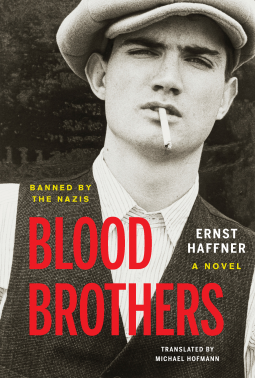
 Other Press
Description: Originally published in 1932 and banned by the Nazis one year later, Blood Brothers follows a gang of young boys bound together by unwritten rules and mutual loyalty.
Blood Brothers is the only known novel by German social worker and journalist Ernst Haffner, of whom nearly all traces were lost during the course of World War II. Told in stark, unsparing detail, Haffner's story delves into the illicit underworld of Berlin on the eve of Hitler's rise to power, describing how these blood brothers move from one petty crime to the next, spending their nights in underground bars and makeshift hostels, struggling together to survive the harsh realities of gang life, and finding in one another the legitimacy denied them by society.

March 5, 2016
Berlino, questa enorme e spietata Berlino, non può essere affrontata da soli per estorcerle il minimo giornaliero. In due è tutta un'altra cosa. La notte non è così lunga, così fredda e i morsi della fame non sono così feroci. Uno dà una gomitata all'altro: "Allora, amico che c'è? Andiamo! Se facciamo due volte andiamo e indietro fino alla stazione, la notte la passiamo!"
Displaying 1 - 30 of 186 reviews