

What do you think?

The Director
Graham Weber has been director of the CIA for less than a week when a Swiss kid in a dirty T-shirt walks into the American consulate in Hamburg and says the agency has been hacked, and he has a list of agents’ names to prove it. This is the moment a CIA director most dreads.
Weber isn’t sure where to turn until he meets a charismatic (and unstable) young man named James Morris who runs the Internet Operations Center. He’s the CIA’s in-house geek. Weber launches Morris on a mole hunt unlike anything in spy fiction—one that takes the reader into the hacker underground of Europe and America and ends up in a landscape of paranoia and betrayal. Like the new world of cyber-espionage from which it’s drawn, The Director is a maze of deception and double-dealing— about a world where everything is written in zeroes and ones and nothing can be trusted.
Weber isn’t sure where to turn until he meets a charismatic (and unstable) young man named James Morris who runs the Internet Operations Center. He’s the CIA’s in-house geek. Weber launches Morris on a mole hunt unlike anything in spy fiction—one that takes the reader into the hacker underground of Europe and America and ends up in a landscape of paranoia and betrayal. Like the new world of cyber-espionage from which it’s drawn, The Director is a maze of deception and double-dealing— about a world where everything is written in zeroes and ones and nothing can be trusted.
384 pages, Hardcover
First published January 1, 2014
About the author
David Ignatius
63 books774 followersDavid Ignatius, a prize-winning columnist for the Washington Post, has been covering the Middle East and the CIA for more than twenty-five years. His novels include Agents of Innocence, Body of Lies, and The Increment, now in development for a major motion picture by Jerry Bruckheimer. He lives in Washington, DC.
Ratings & Reviews
Friends & Following
Create a free account to discover what your friends think of this book!
Community Reviews
Displaying 1 - 30 of 455 reviews

July 5, 2014
”A nation can survive its fools, and even the ambitious. But it cannot survive treason from within. An enemy at the gates is less formidable, for he is known and carries his banner openly. But the traitor moves amongst those within the gate freely, his sly whispers rustling through all the alleys, heard in the very halls of government itself.”
---Marcus Tullius Cicero

Cicero, still making the calls for the 21st century.
We are living in a Post-Edward Snowden world. Snowden, if it is not already, will soon be a dictionary term. The definition will be interesting to contemplate. We are all more aware of all the forms of technology that track our every movement. The ping of our phone and the keystrokes of our computers is of interest to our government, sometimes to other governments, and of particular interest to hackers all over the world. I hadn’t been reading this book very long before I had to resist the urge of taking my beloved iPhone and dropping it into the glass of ice water in front of me.
The next thought was to nuke my Facebook account and all my other social media points of contact. Then it dawned on me that I would also have to give up Goodreads. *Sigh* I put my iPhone back in my pocket and googled a few more search terms preparing for this review knowing full well that every single page I look at on the internet is being dutifully logged in some Google storage facility or maybe by a hacker in Russia or China as well.
Hi guys, I hope you are reading my reviews. :-)
In almost an act of desperation POTUS decides to go outside the CIA culture to appoint his next Director. Graham Weber is a self-made billionaire and though not trained to be a spy he does understand the underhanded, ambitious nature that exists in any organization. The whiplash of being a golden boy one moment and a doormat the next is just part of the duck and weave of climbing any ladder whether it be corporate or government.
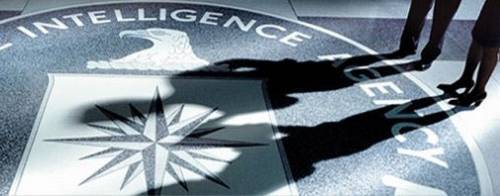
Most presidents have had issues with the CIA, some have even tried to disband it with the intention of starting over from the ground up. In theory that could happen, but the fact of the matter is that the CIA is a living organism and like anything living that wants to keep breathing it will fight back.
Presidents always have backed off.
”The CIA has a performance problem. The bad morale is a symptom, The disease is something else, And from what people tell me, it has been going on for a long time.”
The hits just keep on coming. The new generation of Americans that have been blessed with enormous computer skills are finding themselves at the center of power with access to information that normally would have taken decades of near perfect performance to reach a security clearance capable of even being allowed to see this information. They are idealistic with thoughts of an open society without secrets.
Without secrets?
We all have secrets, well not as many as we used to, but the world has always operated on secrets. The granddaddy of all spy organizations is our cousins across the pond.
”Well now, this question of parental loyalty has presented itself in a very particular way for your employer, the Central Intelligence Agency. We were not created ex nihilo, you know. We have a parent. And the name of that parent is the British Secret Intelligence Service.”
This new generation doesn’t care about the British nor do they care about traditions nor do they see the sense in keeping secrets from our allies or from the American citizens. They have the power because they understand computers better than the generation before them. They believe in full disclosure.
Are they naive or trying to usher in a new future?

Hero or Traitor?
The jury is still out for me on Edward Snowden. I’ve read so many history books and novels on spying it is hard for me to even conceive of a world without secrets. Being a hero or a traitor is a fine line of distinction similar to the fine line dividing an act of courage and an act of stupidity. All I know is that Snowden and those like him and there will be more... make me nervous.
James Morris runs the Internet Operations Center for the CIA. He is a young man more talented even than the brilliant hackers he is paid to find and recruit, or eliminate, depending on whether they want to play ball or keep making trouble for the United States. Graham Weber finds himself in a position where he has to trust him, but as he learns more and more about Mr. Morris he begins to worry about his true intentions. Can he be trusted? Is his idea of patriotism the same as Weber’s?
Morris knows about amazing, but scary hacker tools like Zero-Day.
It used a gap in the BIS operating system that would allow installation of malware that would mirror Lewin’s account. Once the malware had installed itself, Morris could monitor every keystroke made on Lewin’s machine and capture his ‘root’ account passwords that controlled the entire system. Using this root access, Morris could create backdoors and move through the network to discover the usernames and passwords of another ‘root’ administrators. With a few lateral moves, he could alter databases, steal and corrupt data files, create phony accounts and server files and conceal himself by deleting any evidence of the original penetration.”
There are some hackers that believe Armageddon is the only way to fix the system.
”It was like the 1930s. What was required was a jolt, a catastrophic moment that caused people to see there was no foundation, and the empire would fall.”
Destroy the system. Bring it all crashing down and start with the CIA.
These hackers know the world might not see them in the way they see themselves, but they hope, like Snowden is hoping, that history will see them differently. They are martyrs in a cause.

The Martyrdom of Saint Sebastian 1616 by Guido Reni
”It was a minor work, from the school of a second-rank painter in Padua, but it appealed to Kyle. It showed the martyrdom of St. Sebastian, the man tied to a tree and pierced with arrows. There was in the martyrs eyes a look of helpless surrender, almost quizzical, not joy but submission. After she bought the painting, she researched Sebastian’s improbable life. His Roman friends were butchered gruesomely, one by one: Zoe, hung by her heels over afire until she choked; Tranquilinus, stoned to death; Castulus, racked and buried alive; Tiburtus, beheaded. Sebastian refused to flee. A quiver of arrows pierced every limb, and even then he didn’t die. He confronted the emperor and spoke out in his agony, taunting Diocletian for his cowardly murder of the Christians, until he was finally beaten into death and silence.”
St. Sebastian is certainly, maybe, somebody worthy of veneration, but to see him as your role model for revolution shows a radicalism that may prove to be more destructive than what the world is ready for.
The fresh eyes of Graham Weber are maybe what the CIA needs, but the powerful men and women who have made a career out of dancing across the shark infested waters of CIA advancement don’t want to see changes. The youngsters are aching for a new future and maybe won’t wait for the changes to happen through natural evolution. They want it now.
David Ignatius had me reevaluating everything I’ve ever thought about spying, about privacy, about my own rights, about technology. Ignatius knows the CIA inside and out and readily admits the CIA is exposed to potential imminent catastrophic destruction. There are brilliant hackers taking their best shot every day, but the really scary scenario is the perfectly placed traitor in their midst just a keystroke away from bringing everything crashing down.
It might be worth it if everyone was deprived of Facebook for a week, for a month. Maybe they would pick up a book?
I've also read and reviewed David Ignatius's first book. Agents of Innocence
If you wish to see more of my most recent book and movie reviews, visit http://www.jeffreykeeten.com
I also have a Facebook blogger page at: https://www.facebook.com/JeffreyKeeten
---Marcus Tullius Cicero

Cicero, still making the calls for the 21st century.
We are living in a Post-Edward Snowden world. Snowden, if it is not already, will soon be a dictionary term. The definition will be interesting to contemplate. We are all more aware of all the forms of technology that track our every movement. The ping of our phone and the keystrokes of our computers is of interest to our government, sometimes to other governments, and of particular interest to hackers all over the world. I hadn’t been reading this book very long before I had to resist the urge of taking my beloved iPhone and dropping it into the glass of ice water in front of me.
The next thought was to nuke my Facebook account and all my other social media points of contact. Then it dawned on me that I would also have to give up Goodreads. *Sigh* I put my iPhone back in my pocket and googled a few more search terms preparing for this review knowing full well that every single page I look at on the internet is being dutifully logged in some Google storage facility or maybe by a hacker in Russia or China as well.
Hi guys, I hope you are reading my reviews. :-)
In almost an act of desperation POTUS decides to go outside the CIA culture to appoint his next Director. Graham Weber is a self-made billionaire and though not trained to be a spy he does understand the underhanded, ambitious nature that exists in any organization. The whiplash of being a golden boy one moment and a doormat the next is just part of the duck and weave of climbing any ladder whether it be corporate or government.

Most presidents have had issues with the CIA, some have even tried to disband it with the intention of starting over from the ground up. In theory that could happen, but the fact of the matter is that the CIA is a living organism and like anything living that wants to keep breathing it will fight back.
Presidents always have backed off.
”The CIA has a performance problem. The bad morale is a symptom, The disease is something else, And from what people tell me, it has been going on for a long time.”
The hits just keep on coming. The new generation of Americans that have been blessed with enormous computer skills are finding themselves at the center of power with access to information that normally would have taken decades of near perfect performance to reach a security clearance capable of even being allowed to see this information. They are idealistic with thoughts of an open society without secrets.
Without secrets?
We all have secrets, well not as many as we used to, but the world has always operated on secrets. The granddaddy of all spy organizations is our cousins across the pond.
”Well now, this question of parental loyalty has presented itself in a very particular way for your employer, the Central Intelligence Agency. We were not created ex nihilo, you know. We have a parent. And the name of that parent is the British Secret Intelligence Service.”
This new generation doesn’t care about the British nor do they care about traditions nor do they see the sense in keeping secrets from our allies or from the American citizens. They have the power because they understand computers better than the generation before them. They believe in full disclosure.
Are they naive or trying to usher in a new future?

Hero or Traitor?
The jury is still out for me on Edward Snowden. I’ve read so many history books and novels on spying it is hard for me to even conceive of a world without secrets. Being a hero or a traitor is a fine line of distinction similar to the fine line dividing an act of courage and an act of stupidity. All I know is that Snowden and those like him and there will be more... make me nervous.
James Morris runs the Internet Operations Center for the CIA. He is a young man more talented even than the brilliant hackers he is paid to find and recruit, or eliminate, depending on whether they want to play ball or keep making trouble for the United States. Graham Weber finds himself in a position where he has to trust him, but as he learns more and more about Mr. Morris he begins to worry about his true intentions. Can he be trusted? Is his idea of patriotism the same as Weber’s?
Morris knows about amazing, but scary hacker tools like Zero-Day.
It used a gap in the BIS operating system that would allow installation of malware that would mirror Lewin’s account. Once the malware had installed itself, Morris could monitor every keystroke made on Lewin’s machine and capture his ‘root’ account passwords that controlled the entire system. Using this root access, Morris could create backdoors and move through the network to discover the usernames and passwords of another ‘root’ administrators. With a few lateral moves, he could alter databases, steal and corrupt data files, create phony accounts and server files and conceal himself by deleting any evidence of the original penetration.”
There are some hackers that believe Armageddon is the only way to fix the system.
”It was like the 1930s. What was required was a jolt, a catastrophic moment that caused people to see there was no foundation, and the empire would fall.”
Destroy the system. Bring it all crashing down and start with the CIA.
These hackers know the world might not see them in the way they see themselves, but they hope, like Snowden is hoping, that history will see them differently. They are martyrs in a cause.

The Martyrdom of Saint Sebastian 1616 by Guido Reni
”It was a minor work, from the school of a second-rank painter in Padua, but it appealed to Kyle. It showed the martyrdom of St. Sebastian, the man tied to a tree and pierced with arrows. There was in the martyrs eyes a look of helpless surrender, almost quizzical, not joy but submission. After she bought the painting, she researched Sebastian’s improbable life. His Roman friends were butchered gruesomely, one by one: Zoe, hung by her heels over afire until she choked; Tranquilinus, stoned to death; Castulus, racked and buried alive; Tiburtus, beheaded. Sebastian refused to flee. A quiver of arrows pierced every limb, and even then he didn’t die. He confronted the emperor and spoke out in his agony, taunting Diocletian for his cowardly murder of the Christians, until he was finally beaten into death and silence.”
St. Sebastian is certainly, maybe, somebody worthy of veneration, but to see him as your role model for revolution shows a radicalism that may prove to be more destructive than what the world is ready for.
The fresh eyes of Graham Weber are maybe what the CIA needs, but the powerful men and women who have made a career out of dancing across the shark infested waters of CIA advancement don’t want to see changes. The youngsters are aching for a new future and maybe won’t wait for the changes to happen through natural evolution. They want it now.
David Ignatius had me reevaluating everything I’ve ever thought about spying, about privacy, about my own rights, about technology. Ignatius knows the CIA inside and out and readily admits the CIA is exposed to potential imminent catastrophic destruction. There are brilliant hackers taking their best shot every day, but the really scary scenario is the perfectly placed traitor in their midst just a keystroke away from bringing everything crashing down.
It might be worth it if everyone was deprived of Facebook for a week, for a month. Maybe they would pick up a book?
I've also read and reviewed David Ignatius's first book. Agents of Innocence
If you wish to see more of my most recent book and movie reviews, visit http://www.jeffreykeeten.com
I also have a Facebook blogger page at: https://www.facebook.com/JeffreyKeeten

August 15, 2018
David Ignatius packs quite a punch with this novel, which explores the world of Intelligence and the race to plug a leak that could be devastating. Mixing thrills and political intrigue, the author pulls the reader into the middle of a story that could be pulled from the headlines, if ever America’s secrets were to see the light of day. After working his entire professional life outside the Washington inner circle, Graham Weber is put forward as the new Director of Central Intelligence. Upon his confirmation, Weber makes waves from the outset, wanting to clean up the agency by ‘opening up all the doors and windows to air things out’. Little does he know, that while there may be issues, this is an insider’s game. When a young Swiss hacker reaches out to consular staff in Germany, he tells a tale of how the CIA is vulnerable and that US Intelligence is candy that many hackers have already begun pilfering. Weber puts his resources into validating this claim, though the hacker disappears before a full investigation can be completed. From there, concerns about the larger hacker issue come to the surface and Weber learns that there might be a mole within the US Administration (or the Agency) feeding others ultra-secret information. Still new and smelling like an outsider, Weber’s time at the Agency could be short-lived, unless his political and intelligence witch hunt yields some results quickly, while he dodges those with sharpened knives aiming for his back. Well-paced and easy to get hooked, Ignatius has written a wonderful novel that takes readers who enjoy political thrillers on a wild ride.
This is my first David Ignatius novel, but I intend on securing more in the coming months. The entire concept was interesting and the elements of a stellar novel emerged as I continued to read this piece. Graham Weber becomes the protagonist from the early pages of the book, but the reader learns that he is by no mean the Intelligence guru that one might expert from someone heading up the Agency. His naïveté adds something to the overall development of his character, though he has a determination that many outside the inner workings of espionage and covert missions would likely share. However, he is not ignorant to either the need for secrecy or the importance of keeping America from being the laughing stock of the Intelligence community. The various other cogs in the wheel keep the reader hooked from the early going as the leaks and hacker angles are explored a little more. One must wonder if there are people like this in ‘real life’ who might be as ruthless and cutthroat when it comes to saving their own hides. Ignatius paints them in such a light that the reader cannot help but want to know more. The story stands on its own and keeps getting better the more momentum it gains, which only goes to show that Ignatius is tapped into the genre and its inner workings. While I do not profess to being highly knowledgeable about anything related to spies, intelligence sharing, or even national secrets, I felt as though Ignatius penned the novel in such a way that any reader could fell well-versed enough not to get lost among all the topics being discussed, which helps expand his reader base. I am eager to see what else he has written and how I might learn from him, given the chance.
Kudos, Mr. Ignatius, for such a wonderful novel. I am sure to find more of your work and tell others to give your novels a chance.
Love/hate the review? An ever-growing collection of others appears at:
http://pecheyponderings.wordpress.com/
A Book for All Seasons, a different sort of Book Challenge: https://www.goodreads.com/group/show/...
This is my first David Ignatius novel, but I intend on securing more in the coming months. The entire concept was interesting and the elements of a stellar novel emerged as I continued to read this piece. Graham Weber becomes the protagonist from the early pages of the book, but the reader learns that he is by no mean the Intelligence guru that one might expert from someone heading up the Agency. His naïveté adds something to the overall development of his character, though he has a determination that many outside the inner workings of espionage and covert missions would likely share. However, he is not ignorant to either the need for secrecy or the importance of keeping America from being the laughing stock of the Intelligence community. The various other cogs in the wheel keep the reader hooked from the early going as the leaks and hacker angles are explored a little more. One must wonder if there are people like this in ‘real life’ who might be as ruthless and cutthroat when it comes to saving their own hides. Ignatius paints them in such a light that the reader cannot help but want to know more. The story stands on its own and keeps getting better the more momentum it gains, which only goes to show that Ignatius is tapped into the genre and its inner workings. While I do not profess to being highly knowledgeable about anything related to spies, intelligence sharing, or even national secrets, I felt as though Ignatius penned the novel in such a way that any reader could fell well-versed enough not to get lost among all the topics being discussed, which helps expand his reader base. I am eager to see what else he has written and how I might learn from him, given the chance.
Kudos, Mr. Ignatius, for such a wonderful novel. I am sure to find more of your work and tell others to give your novels a chance.
Love/hate the review? An ever-growing collection of others appears at:
http://pecheyponderings.wordpress.com/
A Book for All Seasons, a different sort of Book Challenge: https://www.goodreads.com/group/show/...

March 21, 2021
UPDATE 8/8/22 ... I re-read The Director with different eyes since the CIA is a player in my new in-progress historical novel. Once again, I found the action, the pace, the writing and the technical details superb. And once again, I found the ending too quick and unsatisfying. It is almost as if Ignatius wasn't sure how to extricate his lead character from the mess he was in, much of it created by himself, and grabbed at a solution that, to me, made no sense.
***
This is a frightening book, perhaps even more so now than when it was written. It was impossible for me to absorb and understand all the hacker details, but that didn't matter; I got the point, and it is terrifying.
Ignatius' writing is brilliant; his powers of observation outstanding; many sentences are to be re-read and savored.
*** the difficulty of striking a balance between liberty and security
*** Is there a goal, or is there only this dirty game?
*** what he had encountered instead was a Rubik’s Cube of interlocking conspiracy.
*** Around here, even the shadows cast shadows.
An unanswerable question, given how much Ignatius knows of real-life Washington, is how much of the ferocious interplay among the intelligence agencies is true, or could be true; I fear too much.
My only downside: I found the book's ending too quick and somewhat unbelievable. Or maybe it was just that I didn't want to believe it possible.
***
This is a frightening book, perhaps even more so now than when it was written. It was impossible for me to absorb and understand all the hacker details, but that didn't matter; I got the point, and it is terrifying.
Ignatius' writing is brilliant; his powers of observation outstanding; many sentences are to be re-read and savored.
*** the difficulty of striking a balance between liberty and security
*** Is there a goal, or is there only this dirty game?
*** what he had encountered instead was a Rubik’s Cube of interlocking conspiracy.
*** Around here, even the shadows cast shadows.
An unanswerable question, given how much Ignatius knows of real-life Washington, is how much of the ferocious interplay among the intelligence agencies is true, or could be true; I fear too much.
My only downside: I found the book's ending too quick and somewhat unbelievable. Or maybe it was just that I didn't want to believe it possible.
June 30, 2014
"[She] went shopping at the Whole Foods Maket on Leesburg Pike in Tyson's Corner. She had run out of skim milk, Greek yogurt, breakfast cereal and fruit, which were the things she most liked to eat."
Once I got past the tiny thrill of, hey, I've been by that Whole Foods, and I also enjoy fruit, this sentence was the breaking point for me. As a rule, I don't abandon books, but after this, the nth in a long line of tired, over-expository filler, long on telling and short of every kind of showing, I knew I was finishing this book only because I dislike leaving things undone.
There is a sort-of-interesting spy thriller plot somewhere in here amongst the yogurt, but I'm damned if I can tell you why it was any more interesting than just reading the Washington Post. The protagonist does next to nothing--indeed, a large part of his deus ex machina salvation involves him *not* doing something, the one time where his bland characterization comes in handy. The antagonist(s), such as they are, do almost as little, except when they engage in behavior so obviously ill-intentioned that the rest of the cast's slow-to-dissipate inattention seems to require a kind of divine intervention in its own right. The shifting degree of 3rd person narration omniscience is also perplexing, sometimes leaving us inside the head of the bad guy, who, somehow aware of our intrusion, cleverly disguises his true intentions. Overall, though, despite all the confusion, very little actually happens, and almost nothing is as shocking as any given Snowden-related Post headline about *real* intelligence operations.
Also, when an antagonist (spoiler!) turns out to have some fetishistic sexual preferences, it just seems tired and cliche. Oh, the dangerous spy is a pervert! (The novel's words, from various and sundry characters.) That's...a little tired? But when the protagonist and his interlocutors go on to speculate that most savvy hackers, coders, and other computer experts develop similar taste thanks to a lifetime of exposure to, well, the internet, that seemed a bridge too far.
There's writing a timely piece to comment on current events or reveal them in a new light, and there's writing a timely piece to cash in on current interests. I'd say this feels much more like the latter.
Once I got past the tiny thrill of, hey, I've been by that Whole Foods, and I also enjoy fruit, this sentence was the breaking point for me. As a rule, I don't abandon books, but after this, the nth in a long line of tired, over-expository filler, long on telling and short of every kind of showing, I knew I was finishing this book only because I dislike leaving things undone.
There is a sort-of-interesting spy thriller plot somewhere in here amongst the yogurt, but I'm damned if I can tell you why it was any more interesting than just reading the Washington Post. The protagonist does next to nothing--indeed, a large part of his deus ex machina salvation involves him *not* doing something, the one time where his bland characterization comes in handy. The antagonist(s), such as they are, do almost as little, except when they engage in behavior so obviously ill-intentioned that the rest of the cast's slow-to-dissipate inattention seems to require a kind of divine intervention in its own right. The shifting degree of 3rd person narration omniscience is also perplexing, sometimes leaving us inside the head of the bad guy, who, somehow aware of our intrusion, cleverly disguises his true intentions. Overall, though, despite all the confusion, very little actually happens, and almost nothing is as shocking as any given Snowden-related Post headline about *real* intelligence operations.
Also, when an antagonist (spoiler!) turns out to have some fetishistic sexual preferences, it just seems tired and cliche. Oh, the dangerous spy is a pervert! (The novel's words, from various and sundry characters.) That's...a little tired? But when the protagonist and his interlocutors go on to speculate that most savvy hackers, coders, and other computer experts develop similar taste thanks to a lifetime of exposure to, well, the internet, that seemed a bridge too far.
There's writing a timely piece to comment on current events or reveal them in a new light, and there's writing a timely piece to cash in on current interests. I'd say this feels much more like the latter.

May 6, 2014
What a fun spy novel! Just a little foreshadowing, and a whole lot of misdirection, with characters you want to believe, but you're not sure you should! I always love a book with somewhat sketchy "narrators". If you remember the great "Jack Ryan" novels (before the deluge of movie adaptations), then you'll recognize the modus operandi of this book.
I definitely recommend this one as a super read for summer time! You could slip it in your beach bag or read it on the plane. I received this book from a GoodReads Giveaway, but I think I'd have bought it for a summer read anyway!
I definitely recommend this one as a super read for summer time! You could slip it in your beach bag or read it on the plane. I received this book from a GoodReads Giveaway, but I think I'd have bought it for a summer read anyway!

April 3, 2015
Interesting story about Graham Weber the new Director of the CIA. His first week as The Director, he decides that there is a mole in the CIA who is leaking their secrets to other countries. He starts to conduct an investigation quietly and entrusting a handful of people to help him. Then there is James Morris the head of the Information Operations Center who used to be a hacker. He is pretty much too smart for his own good. He is conducting a secret mission outside of the CIA to hack into The Bank for International Settlements. Then there is Cyril Hoffman the Director of National Intelligence who I found to be a little smarmy. There is a lot going on in this book that makes you question if anything you put online is safe. This is a great thriller.

June 5, 2014
This is my first read as part of my "I Want Michiko's Job" challenge, where I read every book Kakutani reviews. I did not enjoy this book on several levels. At the outset I was intrigued by the relevant topic of the NSA, Wikileaks and cyber hacking, but as the plot moved forward, things began to fall apart and lose momentum. One issue I had was parts of the book felt incredibly dull, which is weird for a thriller. I wouldn't even say it was because things were technical, I would say it was more in the writing. It felt more like a rote listing or report than a novel. The other big issue was the characters and their dialogue. Several people, especially the main character Graham Weber, were held up to be geniuses at the top of their field, but that never felt believable. And with all characters, the dialogue felt stiff and forced. Sometimes I felt like I was reading the script of a soap opera or Lifetime-type movie to be honest. I enjoy a well-crafted thriller, for instance I just read Pavone's "Expats" and thought it was great, but for me this was mainly seizing on a buzz topic and ultimately left me with a hokey aftertaste.

June 3, 2014
*****3.5 stars*****
Thank you to the author and publisher for the review copy.
Graham Weber has been director of the CIA for less than a week when a Swiss kid in a dirty T-shirt walks into the American consulate in Hamburg and says the agency has been hacked, and he has a list of agents’ names to prove it. This is the moment a CIA director most dreads.
Weber isn’t sure where to turn until he meets a charismatic (and unstable) young man named James Morris who runs the Internet Operations Center. He’s the CIA’s in-house geek. Weber launches Morris on a mole hunt unlike anything in spy fiction—one that takes the reader into the hacker underground of Europe and America and ends up in a landscape of paranoia and betrayal.
An intriguing spy thriller this ,with a quite well developing intelligent plot and a fascinating look at the world of hackers that I enjoyed very much.
When Graham takes on the top job at the Agency its with a view to becoming a new broom – sweeping out the old and creating a far more reliable and focussed company – he barely has a foot in the door however before things take a sinister turn. Someone, it appears, has access to everything. And that is not good news at all..
There were ups and downs to this one overall for me – the writing is terrific and the story is MOSTLY tightly woven and compelling – however at times I found the characters for me personally fell a bit flat. Graham Weber is an interesting one – and I loved his background and previous persona before he is encouraged to take the position by the President, but after that I didnt QUITE think he lived up to the promise. Some of the early decision making seemed unlikely given the outline of character we had been given – there were also a few other points at which I had to suspend disbelief.
Put that aside though, there is also a lot to love here, especially if you are a fan of the genre – James as a character kind of saved the day for me, his geek side v his intelligence side came across extremely well, there are plenty of twists and turns to keep the story flowing, and the premise was definitely appealing. The execution of it was perhaps a bit lax in places but I still enjoyed the journey and can forgive the minor lacks of cohesion.
In ratings terms a solid 3.5 stars and I would be interested to read another of this authors novels to see whats what.
Happy Reading Folks!
Thank you to the author and publisher for the review copy.
Graham Weber has been director of the CIA for less than a week when a Swiss kid in a dirty T-shirt walks into the American consulate in Hamburg and says the agency has been hacked, and he has a list of agents’ names to prove it. This is the moment a CIA director most dreads.
Weber isn’t sure where to turn until he meets a charismatic (and unstable) young man named James Morris who runs the Internet Operations Center. He’s the CIA’s in-house geek. Weber launches Morris on a mole hunt unlike anything in spy fiction—one that takes the reader into the hacker underground of Europe and America and ends up in a landscape of paranoia and betrayal.
An intriguing spy thriller this ,with a quite well developing intelligent plot and a fascinating look at the world of hackers that I enjoyed very much.
When Graham takes on the top job at the Agency its with a view to becoming a new broom – sweeping out the old and creating a far more reliable and focussed company – he barely has a foot in the door however before things take a sinister turn. Someone, it appears, has access to everything. And that is not good news at all..
There were ups and downs to this one overall for me – the writing is terrific and the story is MOSTLY tightly woven and compelling – however at times I found the characters for me personally fell a bit flat. Graham Weber is an interesting one – and I loved his background and previous persona before he is encouraged to take the position by the President, but after that I didnt QUITE think he lived up to the promise. Some of the early decision making seemed unlikely given the outline of character we had been given – there were also a few other points at which I had to suspend disbelief.
Put that aside though, there is also a lot to love here, especially if you are a fan of the genre – James as a character kind of saved the day for me, his geek side v his intelligence side came across extremely well, there are plenty of twists and turns to keep the story flowing, and the premise was definitely appealing. The execution of it was perhaps a bit lax in places but I still enjoyed the journey and can forgive the minor lacks of cohesion.
In ratings terms a solid 3.5 stars and I would be interested to read another of this authors novels to see whats what.
Happy Reading Folks!

April 3, 2017
Удивително скучна книга. Уж трябваше да е трилър с елементи на хакерщина, а всъщност е толкова добро приспивно четиво, че трябва да се продава със зелена рецепта вместо диазепам. И да има задължително предупреждение, че след четенето му трябва да се въздържате от шофиране и опериране с тежки машини. А най-добре изобщо да не се чете. Но на някои по-незапознати с хубавата литература читатели и пишман-блогъри може и да им хареса - както казало кучето, "въпрос на вкус" и си облизало...

March 1, 2014
Wow! That was a really fun ride. A great big thank you to the Goodreads First Reads program and the publisher for a free look-see.
Imagine, if you will, that the CIA has a new chief, and he's a good guy who wants to do the right thing. How much chaos might this create?
I am, of course, not a fan of the CIA, so I have to play make-believe to enjoy the premise. My heroes are Marx and Engels; my teenager's hero is Edward Snowden. And in this lovely bit of spy-craft by the experienced David Ignatius, the CIA wants to prevent another Snowden from occurring. See, the "moles" of yesteryear are no longer an issue, since the Soviet block fell apart and China is no longer red; now the issue is worms. In this story, there's a really juicy one, and it's "inside". And I know I can't quote a galley extensively, but the phrase "freedom addicts" made me squawk with laughter.
That's it. That's all I'm going to tell you. If this sounds as hilarious to you as it did to me, you really ought to go get your own copy. I haven't had this much fun in a long time.
Imagine, if you will, that the CIA has a new chief, and he's a good guy who wants to do the right thing. How much chaos might this create?
I am, of course, not a fan of the CIA, so I have to play make-believe to enjoy the premise. My heroes are Marx and Engels; my teenager's hero is Edward Snowden. And in this lovely bit of spy-craft by the experienced David Ignatius, the CIA wants to prevent another Snowden from occurring. See, the "moles" of yesteryear are no longer an issue, since the Soviet block fell apart and China is no longer red; now the issue is worms. In this story, there's a really juicy one, and it's "inside". And I know I can't quote a galley extensively, but the phrase "freedom addicts" made me squawk with laughter.
That's it. That's all I'm going to tell you. If this sounds as hilarious to you as it did to me, you really ought to go get your own copy. I haven't had this much fun in a long time.

June 5, 2014
I respect Ignatius for his writing and his thinking. I've enjoyed listening to him on various newsmaker talk shows and I subscribe to the WashPo. Having said that, I think this effort is subpar for him.
The good guys - mainly, Weber, the protag, and his ally, Weiss, weren't believable. They were smart but oddly passive. The most aggressive thing Weber does some investigating, the most critical of which comes from his asking some highly placed secret friends to investigate the prime suspects, which they do, allowing him to move forward in his quest to find the main villain.
And when the book wraps up, it breaks a cardinal rule in storytelling called deus ex machina, or ghost (God) in the machine. Meaning the hero has to drive the triumphant ending, not be saved by having the Marines show up just in time (that would be Dr. Weiss, armed with - paperwork). Not DI's best work.
The good guys - mainly, Weber, the protag, and his ally, Weiss, weren't believable. They were smart but oddly passive. The most aggressive thing Weber does some investigating, the most critical of which comes from his asking some highly placed secret friends to investigate the prime suspects, which they do, allowing him to move forward in his quest to find the main villain.
And when the book wraps up, it breaks a cardinal rule in storytelling called deus ex machina, or ghost (God) in the machine. Meaning the hero has to drive the triumphant ending, not be saved by having the Marines show up just in time (that would be Dr. Weiss, armed with - paperwork). Not DI's best work.

July 18, 2014
Ignatius proves, once again, that he is among the very top tier of espionage writers. THE DIRECTOR blends the intricacies of ultra-high technology with the age-old problem of managing a large bureaucracy. I enjoyed the plot and found the characters likable enough. One minor criticism: The ending was rather abrupt. That said, I continue to ponder the plot and conclusion days after having finished the book. If Ignatius tried to get inside the head of the reader, he succeeded.

March 3, 2014
One of the best (if not the best) espionage books I have ever read. It is an intriguing look at the cyber world and how we are all affected by it. It is very "Good Read". One of the best things for me, is that I won it from Goodreads, so I got an excellent book for free

September 1, 2020
A new CIA director charged with modernizing an organization mired in bureaucracy and scandals, a walk-in claiming the CIA has been hacked and all its communications compromised, and plenty of backstabbing and double dealings - a decent premise for a good, modern spy thriller, but Ignatius just isn't at his best with this one. The characters are fairly flat, the pace occasionally dragges, and the conclusion involved a deus ex machina element which always feels like a cop-out. Still entertaining enough for the most part, but out of the three books I've read by this author, this was clearly the worst.

May 28, 2016
Προτερήματα:
- Έχει πολλούς διαλόγους! Αυτό είναι καλό για έναν αναγνώστη που ναι μεν του αρέσουν τα αστυνομικά μυθιστορήματα, αλλά δεν μπορεί να διαβάζει μεγάλα σε έκταση κι όγκο κείμενα, που μπουκώνουν τις σελίδες με περιγραφικές και αφηγηματικές παραγράφους που αποτυπώνουν καταστάσεις που -ίσως- να αποδίδουν για ορισμένους καλύτερα με μια προσέγγιση πιο... “κινηματογραφική”, όπως συμβαίνει καλή ώρα εδώ!
- Η γραφή του Ignatius -αν και δεν είναι για μένα- χωρίς ίχνος αμφισβήτησης, έχει την αξία και την διαχρονικότητά της. Είναι ένας αξιόλογος άνθρωπος, ακόμα πιο αξιόλογος δημοσιογράφος κι ερευνητής κι αυτό φαίνεται μέσα από τα κείμενα και τις ιστορίες του. Επίσης, έχει έναν ιδιαίτερο τρόπο σκέψης που επίσης εκτιμώ, αν και δεν συμφωνώ πάντα.
- Έχει ένα ιδιαίτερα καλό φινάλε! Αυτό, βέβαια, δεν είναι πολύ σημαντικό κριτήριο, αλλά σε μια ιστορία σαν κι αυτή, το αποζητάς!
Αδυναμίες:
- Έχει πολλούς διαλόγους! Το ξέρω πως το ανέφερα στα προτερήματα, αλλά αυτό έχει να κάνει με την συγκεκριμένη μερίδα αναγνωστών που αναφέρω και στο σχόλιό μου. Όσον αφορά τους υπόλοιπους αναγνώστες, τους κλασσικούς, πωρωμένους με το αστυνομικό, θα θέλουν στα σίγουρα λιγότερο διάλογο και περισσότερη αφήγηση. Οι μεγάλοι διάλογοι στα αστυνομικά βιβλία, για όσους είναι φανατικοί, καταστρέφουν ένα μέρος του σασπένς και σε εμποδίζουν στο να δημιουργήσεις απόλυτα ξεκάθαρες εικόνες.
- Η γραφή του Ignatius. Ναι... ξέρω πως κι αυτό το είπα πιο πάνω, αλλά επειδή είμαι κάτω των 40 (και των 30), η γραφή του δεν είναι για μένα, ακόμα κι αν οι ιστορίες του μου αρέσουν. Το έχω πει πολλές φορές, θα το πω άλλη μία. Είναι ξεπερασμένος και παλιομοδίτικος, έχει τον αέρα μιας άλλης εποχής που μυρίζει πουριτανισμό και αμερικανίλα και μάλιστα, μιας άλλης εποχής -πολύυυυυυυυυ παλιάς- που όχι μόνο δεν ταιριάζει σε πιο νέους αναγνώστες, αλλά μάλλον δεν έχουν έρθει καν σε επαφή μαζί της και δεν νομίζω πως θα την καταλάβουν.
- Έχει πολύ... δικηγορίστικο ύφος! Αν δεν είσαι νομικός ή έστω φοιτητής Νομικής, μάλλον θα δυσκολευτείς και θα κουραστείς με ορισμένα στοιχεία του βιβλίου και της αφήγησής του. Επιπλέον, όλο αυτό το στυλάκι, έχω την εντύπωση πως υποσκελίζει το spy στοιχείο της ιστορίας. Όταν ξεκινάς την ανάγνωση, περιμένεις ένα καθαρόαιμο κατασκοπευτικό μυθιστόρημα και όχι αυτό το περίεργο και μπερδεμένο συνονθύλευμα που συναντάς στην πορεία.
- Οι πρωταγωνιστές του... και βασικά, ο Grahan λίγο περισσότερο από όλους τους άλλους. Δεν έχει γίνει σωστή προσέγγιση στους χαρακτήρες, δεν εμβαθύνει στις σκέψεις και τα κίνητρά τους, δεν μας επιτρέπει να δεθούμε μαζί τους -για να ταυτιστούμε ούτε λόγος- και γενικά, μας αφήνει να διατηρούμε μεγάλες αποστάσεις από εκείνους. Όταν σε ένα αστυνομικό βιβλίο δεν μπορείς να δεθείς με κάποιον ήρωα, δεν μπορείς να εισχωρήσεις στον πυρήνα της με αποτέλεσμα, να μην μπορείς να την απολαύσεις σε ακόμα μεγαλύτερο βαθμό.
- Γενικά, είναι αρκετά αργό και δεν έχει κάποια ιδιαίτερη έκπληξη. Θα ήθελα περισσότερη αγωνία και δράση, αλλά και ανατροπές που δυστυχώς, δεν τις είδα.
- Έχει πολλούς διαλόγους! Αυτό είναι καλό για έναν αναγνώστη που ναι μεν του αρέσουν τα αστυνομικά μυθιστορήματα, αλλά δεν μπορεί να διαβάζει μεγάλα σε έκταση κι όγκο κείμενα, που μπουκώνουν τις σελίδες με περιγραφικές και αφηγηματικές παραγράφους που αποτυπώνουν καταστάσεις που -ίσως- να αποδίδουν για ορισμένους καλύτερα με μια προσέγγιση πιο... “κινηματογραφική”, όπως συμβαίνει καλή ώρα εδώ!
- Η γραφή του Ignatius -αν και δεν είναι για μένα- χωρίς ίχνος αμφισβήτησης, έχει την αξία και την διαχρονικότητά της. Είναι ένας αξιόλογος άνθρωπος, ακόμα πιο αξιόλογος δημοσιογράφος κι ερευνητής κι αυτό φαίνεται μέσα από τα κείμενα και τις ιστορίες του. Επίσης, έχει έναν ιδιαίτερο τρόπο σκέψης που επίσης εκτιμώ, αν και δεν συμφωνώ πάντα.
- Έχει ένα ιδιαίτερα καλό φινάλε! Αυτό, βέβαια, δεν είναι πολύ σημαντικό κριτήριο, αλλά σε μια ιστορία σαν κι αυτή, το αποζητάς!
Αδυναμίες:
- Έχει πολλούς διαλόγους! Το ξέρω πως το ανέφερα στα προτερήματα, αλλά αυτό έχει να κάνει με την συγκεκριμένη μερίδα αναγνωστών που αναφέρω και στο σχόλιό μου. Όσον αφορά τους υπόλοιπους αναγνώστες, τους κλασσικούς, πωρωμένους με το αστυνομικό, θα θέλουν στα σίγουρα λιγότερο διάλογο και περισσότερη αφήγηση. Οι μεγάλοι διάλογοι στα αστυνομικά βιβλία, για όσους είναι φανατικοί, καταστρέφουν ένα μέρος του σασπένς και σε εμποδίζουν στο να δημιουργήσεις απόλυτα ξεκάθαρες εικόνες.
- Η γραφή του Ignatius. Ναι... ξέρω πως κι αυτό το είπα πιο πάνω, αλλά επειδή είμαι κάτω των 40 (και των 30), η γραφή του δεν είναι για μένα, ακόμα κι αν οι ιστορίες του μου αρέσουν. Το έχω πει πολλές φορές, θα το πω άλλη μία. Είναι ξεπερασμένος και παλιομοδίτικος, έχει τον αέρα μιας άλλης εποχής που μυρίζει πουριτανισμό και αμερικανίλα και μάλιστα, μιας άλλης εποχής -πολύυυυυυυυυ παλιάς- που όχι μόνο δεν ταιριάζει σε πιο νέους αναγνώστες, αλλά μάλλον δεν έχουν έρθει καν σε επαφή μαζί της και δεν νομίζω πως θα την καταλάβουν.
- Έχει πολύ... δικηγορίστικο ύφος! Αν δεν είσαι νομικός ή έστω φοιτητής Νομικής, μάλλον θα δυσκολευτείς και θα κουραστείς με ορισμένα στοιχεία του βιβλίου και της αφήγησής του. Επιπλέον, όλο αυτό το στυλάκι, έχω την εντύπωση πως υποσκελίζει το spy στοιχείο της ιστορίας. Όταν ξεκινάς την ανάγνωση, περιμένεις ένα καθαρόαιμο κατασκοπευτικό μυθιστόρημα και όχι αυτό το περίεργο και μπερδεμένο συνονθύλευμα που συναντάς στην πορεία.
- Οι πρωταγωνιστές του... και βασικά, ο Grahan λίγο περισσότερο από όλους τους άλλους. Δεν έχει γίνει σωστή προσέγγιση στους χαρακτήρες, δεν εμβαθύνει στις σκέψεις και τα κίνητρά τους, δεν μας επιτρέπει να δεθούμε μαζί τους -για να ταυτιστούμε ούτε λόγος- και γενικά, μας αφήνει να διατηρούμε μεγάλες αποστάσεις από εκείνους. Όταν σε ένα αστυνομικό βιβλίο δεν μπορείς να δεθείς με κάποιον ήρωα, δεν μπορείς να εισχωρήσεις στον πυρήνα της με αποτέλεσμα, να μην μπορείς να την απολαύσεις σε ακόμα μεγαλύτερο βαθμό.
- Γενικά, είναι αρκετά αργό και δεν έχει κάποια ιδιαίτερη έκπληξη. Θα ήθελα περισσότερη αγωνία και δράση, αλλά και ανατροπές που δυστυχώς, δεν τις είδα.

May 19, 2014
This great political thriller had me rubbing my hands together with glee at the end of every few chapters as I was so enticed to see what would happen next.
As political thrillers go it has all the elements that you could want - fast paced, topical story with just enough hinting at real life events to allow for a veneer of credibility. What it doesn't have, thankfully, are any of the oldie but goodie characters - loner guy who is intelligent and roughly handsome (or very handsome) who can kill all enemies with one finger, and only one person to root for.
I expect that fans of political thrillers from Lee child and Tom Clancy will be delighted by this new novel.
As political thrillers go it has all the elements that you could want - fast paced, topical story with just enough hinting at real life events to allow for a veneer of credibility. What it doesn't have, thankfully, are any of the oldie but goodie characters - loner guy who is intelligent and roughly handsome (or very handsome) who can kill all enemies with one finger, and only one person to root for.
I expect that fans of political thrillers from Lee child and Tom Clancy will be delighted by this new novel.
December 7, 2014
Ignatius' latest provides a nightmare look at the power of hackers and the vulnerability of all our systems. During his first week as director of CIA, Graham Weber learns that their computers have been hacked. We know that James Morris, the agency's top computer man, is also involved in some shady transactions with people he shouldn't be dealing with. Some reviews complain about all the detail, but with George Guidall reading, it just slips by. Compulsive listening, nightmare tone, engaging characters. It moves at a page-turning pace, despite the detail. Lots of intrigue and conspiracies, with insights into the CIA and hacker cultures. Smart and cinematic.

January 6, 2023
actual line from the actual protagonist of this novel
"...he had momentarily wanted to sleep with Ramona, back when she was anorexic and pure brain energy. Now that she was healthier, she wasn't quite as sexy."
:)))))))))))))))))))))))))))))
I just wanted to mark this as read so I could write a review of it though I have only actually read 15 pages. 2023 is the year of not reading books just bc I start them (ha ha I say as I'm on page 67 of song of achilles and not gripped yet)
"...he had momentarily wanted to sleep with Ramona, back when she was anorexic and pure brain energy. Now that she was healthier, she wasn't quite as sexy."
:)))))))))))))))))))))))))))))
I just wanted to mark this as read so I could write a review of it though I have only actually read 15 pages. 2023 is the year of not reading books just bc I start them (ha ha I say as I'm on page 67 of song of achilles and not gripped yet)

October 11, 2014
I was about to rate this story 2 stars until the director did not understand the meaning of the word, "fabrication." I exaggerate only a little as this story wanes after the first chapter until the last. 2 of 10 stars

May 25, 2015
I thought the book started strong, with credible accusations that the CIA's computer system had been hacked, but gradually petered out. Many of the characters were so cliched that the final outcome was telegraphed well in advance.

June 24, 2014
The Director by David Ignatius, a post 9-11 Horror Novel
Every swipe of your credit card is an act of faith. Capitalism runs on trust in the rule of law. In David Ignatius’ new novel “The Director,” he shows just how frail the system is that we place our faith in with every transaction.
Graham Weber, the director of the novel’s title, takes the job as Director of the CIA after staring down the agency from the corporate CEO’s chair over the issue of illegal surveillance. Weber is a reformer, walking into the job with hopes of modernizing the agency and reigning in overreach, but over the course of the novel, as he becomes an insider, he begins to understand the weight of the CIA’s mission to protect U.S. interests. Weber is caught in a tug of war between consequentialism and high-minded idealism, both within himself and also embodied in the forms of James Morris and Cyril Hoffman. Morris, Director of the CIA Information Operations Center and secret devotee of an anarchist “Internet Freedom” philosophy, hacks the Bank of International Settlements in Switzerland to further his cause, an action that could potentially wreck the global economy. Hoffman, on the other hand, callously uses the power of his office as Director of National Intelligence to blackmail his colleagues to gain leverage over them and engages in all manner of illegal activities to manipulate events without regard for collateral damage.
The most damning indictment Ignatius poses is against the U.S. Government itself. The institutions meant to protect us from hackers, it turns out, are recruiting them into their ranks and creating a market for malware by buying exploits from the hacker underground.
The frightening subtext of the novel is the idolatry of data. In our depersonalized age, where our doctors, bankers and government officials don’t have any connection to our personal lives, it’s often your word against your data. When human beings become so many statistics, let’s face it, you are what the data says you are. In such a world, the notion that a faceless, anonymous hacker on the other side of the globe could completely re-write your life story is truly terrifying.
Technology today races to provide more and more convenience at the expense of security. Do I check my bank balance on my iPhone with one hand while multitasking on three other things? Of course. Would I give up the convenience of being able to do so for more security on my account? You betcha.
The Director is an engaging, highly recommended read that will make you think long and hard before you dismiss the cash under the mattress hoarders as tin foil hat kookery.
Every swipe of your credit card is an act of faith. Capitalism runs on trust in the rule of law. In David Ignatius’ new novel “The Director,” he shows just how frail the system is that we place our faith in with every transaction.
Graham Weber, the director of the novel’s title, takes the job as Director of the CIA after staring down the agency from the corporate CEO’s chair over the issue of illegal surveillance. Weber is a reformer, walking into the job with hopes of modernizing the agency and reigning in overreach, but over the course of the novel, as he becomes an insider, he begins to understand the weight of the CIA’s mission to protect U.S. interests. Weber is caught in a tug of war between consequentialism and high-minded idealism, both within himself and also embodied in the forms of James Morris and Cyril Hoffman. Morris, Director of the CIA Information Operations Center and secret devotee of an anarchist “Internet Freedom” philosophy, hacks the Bank of International Settlements in Switzerland to further his cause, an action that could potentially wreck the global economy. Hoffman, on the other hand, callously uses the power of his office as Director of National Intelligence to blackmail his colleagues to gain leverage over them and engages in all manner of illegal activities to manipulate events without regard for collateral damage.
The most damning indictment Ignatius poses is against the U.S. Government itself. The institutions meant to protect us from hackers, it turns out, are recruiting them into their ranks and creating a market for malware by buying exploits from the hacker underground.
The frightening subtext of the novel is the idolatry of data. In our depersonalized age, where our doctors, bankers and government officials don’t have any connection to our personal lives, it’s often your word against your data. When human beings become so many statistics, let’s face it, you are what the data says you are. In such a world, the notion that a faceless, anonymous hacker on the other side of the globe could completely re-write your life story is truly terrifying.
Technology today races to provide more and more convenience at the expense of security. Do I check my bank balance on my iPhone with one hand while multitasking on three other things? Of course. Would I give up the convenience of being able to do so for more security on my account? You betcha.
The Director is an engaging, highly recommended read that will make you think long and hard before you dismiss the cash under the mattress hoarders as tin foil hat kookery.
September 13, 2014
Our headlines are full of real world examples of cyberwarfare, computer espionage, and hacker exploits. David Ignatius is a reporter for the Washington Post, so I expected that he would use some of these daring and outrageous stories as a starting point for an exciting thriller. Instead, The Director is the story of, well, nothing really.
The hero, Graham Weber, is a brilliant telecom billionaire who somehow sort of stumbles into the job of CIA director, at which point his intelligence seems to evaporate. He is buffeted by internal intrigue, bureaucratic shenanigans, and events that may or may not have had their origin in either pre-WWII or 1945 England - best not to try figuring out the chronology of those earlier events because the dates sort of shift.
There is a hacker on the loose that Weber kind of tries of tries to track down. This hacker, who as others have noted is identified as a bad guy because he has some S&M tendencies, controls a rogue group of international hackers who all try to do mischief related to international financial transfers. They are not taking down the Bank of England, or cratering the Nikkei, but are rather just moving a little money around here and there. Aided in part by another brilliant but shadowy Silicon Valley billionaire with frizzy red hair. That's pretty much it.
I kept waiting for the stakes to get higher, or at least to materialize.
Weber is a billionaire, so who cares if he gets rolled by some DC bureaucrat? Can any of us really even relate to some Swiss bank that is central to international financial transfers? So the big hack, executed with military precision, basically un-coordinates the bank computers' clocks. So what?
There is a big deal made about some "secret" memos drafted by British intelligence sometime around WWII, with huge sections of the book devoted to them. But they turn out to have nothing to do with the bank hack or anything else that happens. I gather from the acknowledgements that Ignatius knew some old CIA historians, so maybe this "secret" history of US-British intelligence services was a nod to that relationship. But it just sits there, seemingly significantly, but actually needlessly.
Oh, and someone named "Robert" with a vaguely Eastern European accent shows up once in a while for who knows what reason.
Disappointed that I spent as much time with this as I did.
The hero, Graham Weber, is a brilliant telecom billionaire who somehow sort of stumbles into the job of CIA director, at which point his intelligence seems to evaporate. He is buffeted by internal intrigue, bureaucratic shenanigans, and events that may or may not have had their origin in either pre-WWII or 1945 England - best not to try figuring out the chronology of those earlier events because the dates sort of shift.
There is a hacker on the loose that Weber kind of tries of tries to track down. This hacker, who as others have noted is identified as a bad guy because he has some S&M tendencies, controls a rogue group of international hackers who all try to do mischief related to international financial transfers. They are not taking down the Bank of England, or cratering the Nikkei, but are rather just moving a little money around here and there. Aided in part by another brilliant but shadowy Silicon Valley billionaire with frizzy red hair. That's pretty much it.
I kept waiting for the stakes to get higher, or at least to materialize.
Weber is a billionaire, so who cares if he gets rolled by some DC bureaucrat? Can any of us really even relate to some Swiss bank that is central to international financial transfers? So the big hack, executed with military precision, basically un-coordinates the bank computers' clocks. So what?
There is a big deal made about some "secret" memos drafted by British intelligence sometime around WWII, with huge sections of the book devoted to them. But they turn out to have nothing to do with the bank hack or anything else that happens. I gather from the acknowledgements that Ignatius knew some old CIA historians, so maybe this "secret" history of US-British intelligence services was a nod to that relationship. But it just sits there, seemingly significantly, but actually needlessly.
Oh, and someone named "Robert" with a vaguely Eastern European accent shows up once in a while for who knows what reason.
Disappointed that I spent as much time with this as I did.

June 21, 2014
This is one of the best CIA-inspired novels I have ever read—ever. Ignatius keeps the confusion of various acronyms and associations to a minimum and manages to lead us through the tangle of computer-ese that’s necessary in writing today’s spy novels. It’s not all about covert humint shenanigans any more. In fact the chilling realization in this novel is that we are only a byte or two away from serious cyber war fought on an international level by numerous enemies of us and each other. The plot involves Graham Weber, a businessman who takes over the CIA and within a week is mired in the challenge of finding not one mole but at least two. Ignatius cleverly makes Weber an Everyman—he is about as computer illiterate as the rest of us but is dealing with geeks of every description in trying to find out who’s messing with the system. His primary geek is James Morris, head of the Internet Operations Center for the CIA and a very mysterious and independent character. He has to freelance because it is almost immediately apparent that the mole, or at least one of them, is interacting with other moles in other services and the goal is to bring down the CIA’s computer operations and the agency itself. The interesting aspect of all of this is an apparent continuing link to MI5 in Great Britain, the father of the CIA in many ways. Intelligence history is interwoven with love affairs and duplicity and internal power games to make an enthralling read. Ignatius is not shy about forwarding the case of women either. Not usually at the forefront of most novels or even non-fiction about cyber worlds and their internal workings, several main female characters are at the center of the plot and the working out of the mysteries involved. Dr. Ariel Weiss combines intellect with sexual appeal that Weber finds fascinating as does the reader. It’s to Ignatius’ credit that the love interest never stops the progression of the plot, only furthering it. We’re all learning more and more about the possibilities of computer science and how it can be a force for good and evil and this novel makes the conflicts clear. It may be a miracle if we can navigate our way through the complex worlds of 0s and 1s that is computer science to make sure that the computer serves only the purposes we intend for it. Ignatius makes clear how complex the task may be.

April 1, 2014
Graham Weber, is the recently appointed head of the CIA when he receives news that the organization has been hacked. He enlists James Morris, a super hacker himself, who is one of his department heads to track down the hackers. Weber is a billionaire businessman with no experience in the intelligence community. Given his lack of relevant background, I often found it hard to believe his actions.
I thought that the parts of the book dealing with the hacking community were both plausible and interesting. You could never be sure of their motivations. They may have been driven by the combined folly and arrogance that equates anarchy with freedom, or they might have had more cynical and pragmatic political motives. The descriptions of the hacking plot were taut, complex and suspenseful as the chief hacker put his plan together, even though I thought he was naive and deluded. However, I found it to be less plausible and interesting when the focus shifted to the spying and maneuvering between the various U.S. security agencies. Do the agencies really spend quite so much time spying on each other? They seemed to just run around in circles one-upping each other. It also was not explained to my satisfaction why I should care that there is an historical linkage between the CIA and British intelligence. So what if we cribbed the structure of our intelligence gathering operations from the British?
Overall, I found this book very entertaining, but not perfect.
I received a free copy of this book from the publisher.

November 1, 2025
2.5 really. I like spy stories and I like hacker stories. This is a combination of both, with lots of unknowns, agencies at each other's throats, and mysterious motives. The story is OK, but I had trouble relating to the characters; they seemed too 2-dimensional, each one just moving through the story without hinging anything together. It was difficult to determine who the hero was supposed to be, Graham, Morris, Weiss? Not clear.
The book certainly plays into our paranoia the we might be controlled by entities over which we have no control – it's even questionable whether those entities control themselves. Some of these agencies have mind of their own and may very well be uncontrollable much like J. Edgar Hoover's FBI. The NSA, CIA, NSC, etc. All have competing agendas and probably know more about the president than s/he would like as the opportunity for blackmail/extortion is ever present.
One reviewer said there was too much technical detail. I thought there was nowhere near enough. Without more detail it was impossible to understand what Morris needed to pull off his upheaval nor where his motivation came from other than sentences like the following strewn here and there: "It was part of Morris’s new obsession with the idea of a hidden British hand that had directed every turn of the wheel from the nineteenth century into the twenty-first."
The ending seemed forced and required suspension of belief; still, I did finish reading just to see how he would end the book
The book certainly plays into our paranoia the we might be controlled by entities over which we have no control – it's even questionable whether those entities control themselves. Some of these agencies have mind of their own and may very well be uncontrollable much like J. Edgar Hoover's FBI. The NSA, CIA, NSC, etc. All have competing agendas and probably know more about the president than s/he would like as the opportunity for blackmail/extortion is ever present.
One reviewer said there was too much technical detail. I thought there was nowhere near enough. Without more detail it was impossible to understand what Morris needed to pull off his upheaval nor where his motivation came from other than sentences like the following strewn here and there: "It was part of Morris’s new obsession with the idea of a hidden British hand that had directed every turn of the wheel from the nineteenth century into the twenty-first."
The ending seemed forced and required suspension of belief; still, I did finish reading just to see how he would end the book

March 27, 2014
I won a copy from Goodreads First Reads.
Honestly, my heart wasn't in the story. My mind was mostly sarcastically making fun of the main character, Graham Weber, along with several other main characters. I don't know why I was making fun of these characters, but something about their personalities must had really set me off. Maybe it was because it was too serious for me. (I have no idea how it was too serious for me. I read biographies and managed to hit it off, along with math books).
Most likely (I mean, I hope) it's because of the errors in my ARC copy. But it's not that. I read more terrible books with more errors than this and managed to like them (Although I'm not sure if Red Blood Road is exactly that type...). Okay, I'll come clean. It's the way the author writes. Obviously, if you are an older reader (fifties and up), you'll probably like it. If you get turn on by reading the car manual, then this is definitely for you! If you are a lawyer, then you can definitely read this! Anyway, I just don't think the younger readers (college kids and younger) are interested in the CIA unless they are really eager to theorize CIA secrets.
Anyway, the author seems to have a pretty good setup of location, setting (haha, repetition), characters, and plot. It's totally the writing that is making me hate, hate, hate.
Abandoned Point: One Third Mark
Rating: Two out of Five
Honestly, my heart wasn't in the story. My mind was mostly sarcastically making fun of the main character, Graham Weber, along with several other main characters. I don't know why I was making fun of these characters, but something about their personalities must had really set me off. Maybe it was because it was too serious for me. (I have no idea how it was too serious for me. I read biographies and managed to hit it off, along with math books).
Most likely (I mean, I hope) it's because of the errors in my ARC copy. But it's not that. I read more terrible books with more errors than this and managed to like them (Although I'm not sure if Red Blood Road is exactly that type...). Okay, I'll come clean. It's the way the author writes. Obviously, if you are an older reader (fifties and up), you'll probably like it. If you get turn on by reading the car manual, then this is definitely for you! If you are a lawyer, then you can definitely read this! Anyway, I just don't think the younger readers (college kids and younger) are interested in the CIA unless they are really eager to theorize CIA secrets.
Anyway, the author seems to have a pretty good setup of location, setting (haha, repetition), characters, and plot. It's totally the writing that is making me hate, hate, hate.
Abandoned Point: One Third Mark
Rating: Two out of Five

March 12, 2014
Received an Advance Reading Copy from W.W. Norton through GoodReads First Reads giveaway. The book arrived rather quickly, less than a week after being notified that I won.
This was my first time reading Ignatius, though I had seen the movie Body of Lies.
From the description of the book that begins "Graham Weber has been director of the CIA for less than a week when a Swiss kid in a dirty T-shirt walks into the American consulate in Hamburg and says the agency has been hacked, and he has a list of agents’ names to prove it," I was expecting The Director to be more of a cyber-thriller, which drew my interest, but as the author explains in the Acknowledgements, he is a non-technician and this was more of a political chess game than anything. The story was a little bogged down by minutiae and also skipped around between several characters, which made it somewhat hard to follow.
Not a bad read, but a little misleading.
This was my first time reading Ignatius, though I had seen the movie Body of Lies.
From the description of the book that begins "Graham Weber has been director of the CIA for less than a week when a Swiss kid in a dirty T-shirt walks into the American consulate in Hamburg and says the agency has been hacked, and he has a list of agents’ names to prove it," I was expecting The Director to be more of a cyber-thriller, which drew my interest, but as the author explains in the Acknowledgements, he is a non-technician and this was more of a political chess game than anything. The story was a little bogged down by minutiae and also skipped around between several characters, which made it somewhat hard to follow.
Not a bad read, but a little misleading.

August 29, 2015
In The Director a rogue gang of hackers targets the world banking system for corrupting the their beloved internet. Everything should be free, they believe, and poorer countries should appropriate some of the riches of the developed world. Sounds like a nice fairy tale, but the theme is never actually developed. David Ignatius chooses the Bank of International Settlements (BIS), an actual institution, as the chief target of the dastardly plot. He also displays an insiders knowledge of the CIA, the West Wing, and of politic maneuvering among top level political appointees. But unfortunately computer hacking is not as exciting as old fashioned cloak and dagger intrigue. The lawless actions of a group of nerds is a bit on the dull side; at least in this volume.

June 13, 2014
I have read numerous spy novels by Littell, LeCarre and Ignatius... but this one is truly scary as it explores the potential (reality) for intrusion, surveillance, and disruption in cyberspace. The pacing is relentless and the detail is both compelling and disturbing. Following the unfolding of the plot is a bit like coming upon a a car wreck on the highway. It's shocking and awful but you feel compelled to look anyway. Clearly, David Ignatius has set the standard for the espionage novel in the 21st century. After reading this, I now make sure that my computer is disconnected from the internet whenever I have no immediate need to access the web.

July 8, 2014
David Ignatius, a great reporter for the Washington Post, is also an exciting novelist. "The Director" takes you inside the inter workings of the CIA and the shadowy world of international hackers. Spies don't steal information--they change it. It's hard to know the truth. The story begins as Graham Weber has been the director for less than a week when he meets a grubby character who claims the CIA has been hacked. Ignatius started this book before all of the Edward Snowden revelations and this story seems part of the morning paper instead of a fictional account. The story builds slowly and has a great climax.
Displaying 1 - 30 of 455 reviews