

What do you think?

Arcadipane #2
Las bestias jóvenes
En una obra cerca de Turín, los trabajadores de la línea de ferrocarril encuentran los huesos de hombres y mujeres enterrados en una fosa común. El caso cae en manos de Arcadipane que ve como en apenas unas horas un grupo de personal especializado en análisis históricos se hace cargo afirmando que los restos se remontan a la Segunda guerra mundial. Arcadipane, sospecha de la velocidad con la que le han quitado el caso y decide realizar el análisis de un fémur, cuyos resultados revelarán que los restos son de los años setenta lo que le lleva a buscar ayuda en Corso Bramard, que ahora vive retirado. Juntos, y con la ayuda de la policía Isa, descubrirán que el fémur pertenece al principal sospechoso de un atentado contra la sede del MSI en Turín, y se adentrarán en una historia de posguerra que llega hasta el presente. Con ellos saldrá a la luz una trama de los años setenta. Un intento de cambiar la historia política del país que alguien quiere encubrir por segunda vez.
432 pages, Paperback
First published May 24, 2018
Ratings & Reviews
Friends & Following
Create a free account to discover what your friends think of this book!
Community Reviews
Displaying 1 - 30 of 87 reviews

October 12, 2022
TORINONERA
Il commissario dal bel cognome Arcadipane è cresciuto a pane e Bramard, il precedente commissario di cui è stato vice e del quale ha preso il posto quando quello s’è ritirato a vita privata (ora insegnante alle superiori, ma nell’anima per sempre poliziotto): trovarsi di fronte il cadavere della moglie massacrato dal serial killer al quale stava dando la caccia ha agevolato la scelta pensionistica.
Per tornare ad Arcadipane, è meridionale, fisicamente più basso e tozzo e meno piacevole di Bramard, ma non è un gran bell’esemplare di maschio in assoluto. È innamorato di sua moglie. Ha due figli adolescenti. È acuto, osservatore, spiritoso ma anche facilmente sarcastico, curioso, testardo, probabilmente rompicoglioni. E bravo: anche lui, come il suo ex capo Bramard, è un ottimo poliziotto. Un segugio. Non si ferma alla prima soluzione, e neppure alla risposta più facile.
Longo accentua la sua ironia perché il personaggio lo consente: è meno gravato di dolore di Bramard, più leggero per così dire.
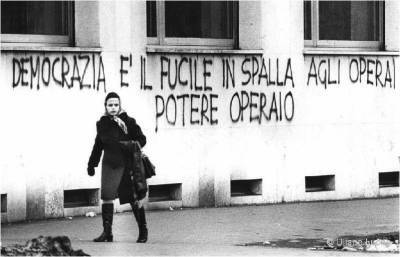
Poi, arrivati alla seconda parte, la scrittura cambia di nuovo, perché è Bramard a tornare protagonista, quando aveva poco più di vent’anni, studiava all’università ed era un agente di polizia dallo sguardo attento e acuto.
Il giovane Bramard è alle prese con un caso che arriva pari pari dal piombo di quegli anni di piombo: scontri tra estremisti di sinistra – e forse qualcuno di loro in seguito ha aderito alla “lotta armata” – e fascisti, molotov, fiamme, depistaggi, polizia tendenzialmente più nera che bianca, rossa mai.
Dall’inizio degli anni Settanta, dove ci ha condotto il giovane Bramard, si torna al terzo millennio, a come risolvere questa indagine che nasce trent’anni prima da quell’altro caso. Arcadipane si fa volentieri aiutare dal vecchio Bramard (due anni sono passati dalla prima storia della trilogia, anche se Longo invece ne ha impiegati sette a tornare in libreria con questo secondo capitolo) e il vecchio Bramard aiuta volentieri il meno vecchio Arcadipane, cinquantenne ancora in attività.
Ritorna anche un’altra conoscenza di questo affezionato lettore: Isa, la Lisbeth Salander de’ noantri (capelli color fantasia, tatuaggi, piercing, modi spicci, motocicletta, giubbo di pelle, nativa digitale con spiccato talento, Isa lesbica, Lisbeth invece no).
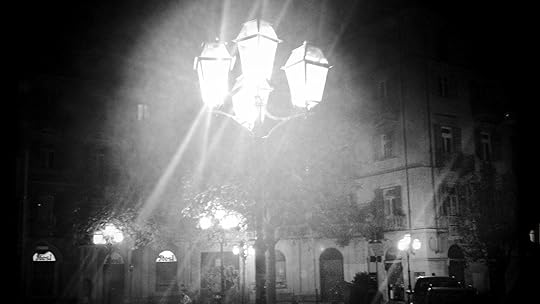
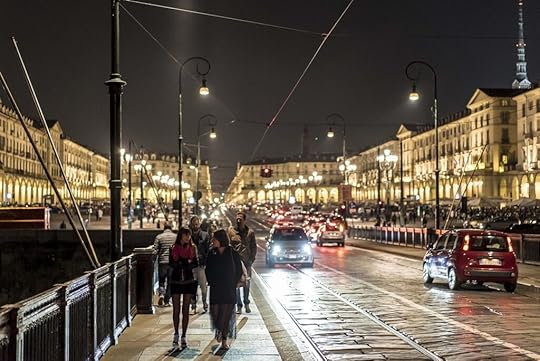
Sono tre personaggi inevitabilmente solitarie e fuori posto che risaltano sullo sfondo di una Torino più livida e ostile che mai.
E se per Corso Bramard e la giovane agente qui in disgrazia Isa Mancini, all’inseguimento della storia di un padre che ha fatto una brutta e strana fine, l’impossibilità di una vita normale è una condizione che appare permanente e ineluttabile, neppure il commissario Arcadipane se la passa bene: crisi d’età? Difficile da dire: c’è che sente d’aver perso il suo shining, che il suo matrimonio è entrato in pericolosa fase calante, che le lacrime gli bagnano occhi e guance con troppo facilità.
Piccole vite di personaggi spezzati che diventano epiche, perché chi le conduce è incapace di rassegnarsi e rinunciare alla lotta. Tutti e tre dimostrano un disperato bisogno di famiglia: il padre scomparso male per Isa, la moglie finita malissimo per Bramard, il suo ruolo di marito e padre sempre più in precario equilibrio per Arcadipane.
Longo è bravo a raccontare un mistero che si risolve man mano, intrecciandolo alla vicende private dei suoi tre anti-eroi, con lingua asciutta che costruisce una succulenta atmosfera.
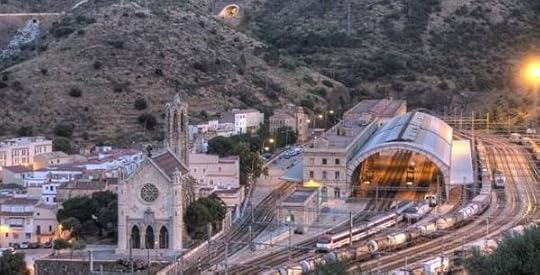
Portbou
Durante i lavori di interramento cavi accanto al percorso dell’alta velocità MI-TO spuntano ossa umane. L’indagine viene sfilata ad Arcadipane in nemmeno 24 ore: il commissario annusa che qualcosa non torna. E se davvero sono ossa che risalgono all’ultima guerra o poco dopo, come mai c’è anche il bottone di un jeans? Non è che si vuole chiudere il caso troppo in fretta per coprire qualcosa che è scomodo rivelare?
Sono delitti distanti nel tempo, ma a chi non ha gli occhi foderati di prosciutto appaiono chiaramente collegati.

Il commissario dal bel cognome Arcadipane è cresciuto a pane e Bramard, il precedente commissario di cui è stato vice e del quale ha preso il posto quando quello s’è ritirato a vita privata (ora insegnante alle superiori, ma nell’anima per sempre poliziotto): trovarsi di fronte il cadavere della moglie massacrato dal serial killer al quale stava dando la caccia ha agevolato la scelta pensionistica.
Per tornare ad Arcadipane, è meridionale, fisicamente più basso e tozzo e meno piacevole di Bramard, ma non è un gran bell’esemplare di maschio in assoluto. È innamorato di sua moglie. Ha due figli adolescenti. È acuto, osservatore, spiritoso ma anche facilmente sarcastico, curioso, testardo, probabilmente rompicoglioni. E bravo: anche lui, come il suo ex capo Bramard, è un ottimo poliziotto. Un segugio. Non si ferma alla prima soluzione, e neppure alla risposta più facile.
Longo accentua la sua ironia perché il personaggio lo consente: è meno gravato di dolore di Bramard, più leggero per così dire.
Poi, arrivati alla seconda parte, la scrittura cambia di nuovo, perché è Bramard a tornare protagonista, quando aveva poco più di vent’anni, studiava all’università ed era un agente di polizia dallo sguardo attento e acuto.
Il giovane Bramard è alle prese con un caso che arriva pari pari dal piombo di quegli anni di piombo: scontri tra estremisti di sinistra – e forse qualcuno di loro in seguito ha aderito alla “lotta armata” – e fascisti, molotov, fiamme, depistaggi, polizia tendenzialmente più nera che bianca, rossa mai.
Dall’inizio degli anni Settanta, dove ci ha condotto il giovane Bramard, si torna al terzo millennio, a come risolvere questa indagine che nasce trent’anni prima da quell’altro caso. Arcadipane si fa volentieri aiutare dal vecchio Bramard (due anni sono passati dalla prima storia della trilogia, anche se Longo invece ne ha impiegati sette a tornare in libreria con questo secondo capitolo) e il vecchio Bramard aiuta volentieri il meno vecchio Arcadipane, cinquantenne ancora in attività.
Ritorna anche un’altra conoscenza di questo affezionato lettore: Isa, la Lisbeth Salander de’ noantri (capelli color fantasia, tatuaggi, piercing, modi spicci, motocicletta, giubbo di pelle, nativa digitale con spiccato talento, Isa lesbica, Lisbeth invece no).
Sono tre personaggi inevitabilmente solitarie e fuori posto che risaltano sullo sfondo di una Torino più livida e ostile che mai.
E se per Corso Bramard e la giovane agente qui in disgrazia Isa Mancini, all’inseguimento della storia di un padre che ha fatto una brutta e strana fine, l’impossibilità di una vita normale è una condizione che appare permanente e ineluttabile, neppure il commissario Arcadipane se la passa bene: crisi d’età? Difficile da dire: c’è che sente d’aver perso il suo shining, che il suo matrimonio è entrato in pericolosa fase calante, che le lacrime gli bagnano occhi e guance con troppo facilità.
Piccole vite di personaggi spezzati che diventano epiche, perché chi le conduce è incapace di rassegnarsi e rinunciare alla lotta. Tutti e tre dimostrano un disperato bisogno di famiglia: il padre scomparso male per Isa, la moglie finita malissimo per Bramard, il suo ruolo di marito e padre sempre più in precario equilibrio per Arcadipane.
Longo è bravo a raccontare un mistero che si risolve man mano, intrecciandolo alla vicende private dei suoi tre anti-eroi, con lingua asciutta che costruisce una succulenta atmosfera.
Portbou
Durante i lavori di interramento cavi accanto al percorso dell’alta velocità MI-TO spuntano ossa umane. L’indagine viene sfilata ad Arcadipane in nemmeno 24 ore: il commissario annusa che qualcosa non torna. E se davvero sono ossa che risalgono all’ultima guerra o poco dopo, come mai c’è anche il bottone di un jeans? Non è che si vuole chiudere il caso troppo in fretta per coprire qualcosa che è scomodo rivelare?
Sono delitti distanti nel tempo, ma a chi non ha gli occhi foderati di prosciutto appaiono chiaramente collegati.

June 4, 2023
Secondo episodio per il Commissario Arcadipane e il suo ex capo Corso Bramard.
Piacevole riconferma dell'impressione iniziale.
Originale per lo stile e la costruzione di storia e personaggi.
"In quegli anni la città aveva momenti di transizione dalla luce alla notte brevi e trafelati. Prima doveva essere stato diverso e forse un giorno lo sarebbe stato di nuovo, ma quegli anni erano così e niente potevano gli uomini, le cose e meno ancora la città stessa, che si prendeva la luce e il buio che c'erano."
Piacevole riconferma dell'impressione iniziale.
Originale per lo stile e la costruzione di storia e personaggi.
"In quegli anni la città aveva momenti di transizione dalla luce alla notte brevi e trafelati. Prima doveva essere stato diverso e forse un giorno lo sarebbe stato di nuovo, ma quegli anni erano così e niente potevano gli uomini, le cose e meno ancora la città stessa, che si prendeva la luce e il buio che c'erano."

February 27, 2022
Political thriller and police procedural addressing a cold case the authorities wished stayed buried forever.
During building excavations bones are found indicating a mass grave. The local police commissario investigates and evidence points initially to a more recent internment than casualties from the Second World War.
However, “the experts” stroll into town, Torino/Turin, to take over the case. Well to ‘kill’ the investigation, stating categorically these remains reflect the war years of struggle and armed conflict.
The investigation then takes on a three part story of firstly daring to find the truth; then re-uniting former police officers to understand the political actions of the revised timeframe of this more recent crime and finally understanding the truth the authorities wish remained consigned to history.
Three characters propel the story and each brings a certain charm to the investigation. The modern cop struggling through a midlife crisis; a retired cop for whom involvement in the first instance undermined his career and a troubled officer whose past impacts her own thinking and reflects the uncertainty of these former times.
I really enjoyed how these strands were woven together.
It is a little confusing at first but the quality and humour within the writing cast a spell over the reading process.
An original Italian audience would more quickly recognise their complex political struggles but nothing is lost in translation. Indeed the story is full of memorable lines and comic moments.
While some have elevated this author to the heights of Camilleri’s Montalbano series for me it reveals another talented writer. Where language, character, life in general from eating to relationships drives the story. Where words, even when translated, fashion a magical experience of another time and place.
I have read all of Andrea Camilleri’s Sicilian tales and based on this first novel from Davide Longo I have equal pleasure before me. I would encourage you to enjoy this taste of Northern Italy where coffee is consumed and talked about and food is both relished and eaten with little thought.
During building excavations bones are found indicating a mass grave. The local police commissario investigates and evidence points initially to a more recent internment than casualties from the Second World War.
However, “the experts” stroll into town, Torino/Turin, to take over the case. Well to ‘kill’ the investigation, stating categorically these remains reflect the war years of struggle and armed conflict.
The investigation then takes on a three part story of firstly daring to find the truth; then re-uniting former police officers to understand the political actions of the revised timeframe of this more recent crime and finally understanding the truth the authorities wish remained consigned to history.
Three characters propel the story and each brings a certain charm to the investigation. The modern cop struggling through a midlife crisis; a retired cop for whom involvement in the first instance undermined his career and a troubled officer whose past impacts her own thinking and reflects the uncertainty of these former times.
I really enjoyed how these strands were woven together.
It is a little confusing at first but the quality and humour within the writing cast a spell over the reading process.
An original Italian audience would more quickly recognise their complex political struggles but nothing is lost in translation. Indeed the story is full of memorable lines and comic moments.
While some have elevated this author to the heights of Camilleri’s Montalbano series for me it reveals another talented writer. Where language, character, life in general from eating to relationships drives the story. Where words, even when translated, fashion a magical experience of another time and place.
I have read all of Andrea Camilleri’s Sicilian tales and based on this first novel from Davide Longo I have equal pleasure before me. I would encourage you to enjoy this taste of Northern Italy where coffee is consumed and talked about and food is both relished and eaten with little thought.

February 24, 2021
“In qualche modo tutti erano ormai disposti a dare il marcio per scontato. A considerarlo parte del gioco. Un male necessario di questo paese.”
Qualcosa emerge dal passato. Sono ossa sepolte dal tempo e che qualcuno vuole seppellire in un passato ancora più lontano. Ma Arcadipane non se la beve, e così, insieme all’ enigmatico Corso Bramard e alla divergente Isa, va a scavare nei misteri del nostro recente passato: le trame eversive sdipanate dal groviglio degli anni Settanta.
Ancora una volta un noir intriso della tristezza tipica del profondo Nord (ovest, in questo caso).
Qualcosa emerge dal passato. Sono ossa sepolte dal tempo e che qualcuno vuole seppellire in un passato ancora più lontano. Ma Arcadipane non se la beve, e così, insieme all’ enigmatico Corso Bramard e alla divergente Isa, va a scavare nei misteri del nostro recente passato: le trame eversive sdipanate dal groviglio degli anni Settanta.
Ancora una volta un noir intriso della tristezza tipica del profondo Nord (ovest, in questo caso).

May 20, 2025
“la verità non si trova in natura, è un lavorato”
“C’è un’ora della sera in cui anche tra palazzi di poca bellezza e insegne troppo esplicite come quelle (pane, scarpe, timbri, spaghi e cordicelle, pizza, pantaloni), tutto appare cromato e zecchino. In quell’ora si fatica a staccarsi dalla strada perché i gas di scarico si mescolano a un certo salmastro che arriva dalla Dora, facendo sembrare ogni respiro l’ultimo, ogni altrove non desiderabile e dolcissima la melanconia.”
“Ecco cos’è invecchiare: non avere piú tempo per diventare bravo a fare niente.”
Passi di
Le bestie giovani
Davide Longo
Il secondo libro della serie Bramard e Arcadipane mi ha convinto molto più del primo. Bei passaggi, personaggi sviluppati e un fluire costante di pensieri e azioni che danno un bel ritmo ad una trama che sviscera un periodo storico turbolento del nostro paese: gli anni di piombo.
“C’è un’ora della sera in cui anche tra palazzi di poca bellezza e insegne troppo esplicite come quelle (pane, scarpe, timbri, spaghi e cordicelle, pizza, pantaloni), tutto appare cromato e zecchino. In quell’ora si fatica a staccarsi dalla strada perché i gas di scarico si mescolano a un certo salmastro che arriva dalla Dora, facendo sembrare ogni respiro l’ultimo, ogni altrove non desiderabile e dolcissima la melanconia.”
“Ecco cos’è invecchiare: non avere piú tempo per diventare bravo a fare niente.”
Passi di
Le bestie giovani
Davide Longo
Il secondo libro della serie Bramard e Arcadipane mi ha convinto molto più del primo. Bei passaggi, personaggi sviluppati e un fluire costante di pensieri e azioni che danno un bel ritmo ad una trama che sviscera un periodo storico turbolento del nostro paese: gli anni di piombo.

February 20, 2024
Tras leer esta segunda novela de Davide Longo me reafirmo en lo que comenté tras leer la primera( El caso Bramard). Recomendables ambas.

April 8, 2021
Fammi andare e portare un po di giudizio! Se il Re fa un passo alla volta, un motivo ci sarà!
L’autore Davide Longo ci sorprende con questo romanzo: la sua scrittura è molto coinvolgente e chiara; gioca molto sull’alternanza dei tempi, usando l’analessi come processo per richiamare i ricordi e far conoscere il passato dei personaggi, interrompendo momentaneamente la narrazione presente e così mantenere più attento il lettore.
L’argomento è molto centrato e la lettura avvincente; il caso da risolvere è intrigante e contiene anche riferimenti alla storia italiana. Il linguaggio utilizzato è crudo e grossolano, e si adatta bene alla storia narrata. I luoghi in cui si svolgono gli avvenimenti sono Torino e dintorni, i tempi si alternano tra il presente e gli anni ‘70. Le descrizioni della città e degli ambienti sono molto precise: le strade, la periferia, i bar, sono colmi di solidità e significato. Lo scrittore ha definito i personaggi, dando una storia e un passato a ognuno di loro, facilitando in questo modo il coinvolgimento da parte del lettore nel susseguirsi degli avvenimenti.
Nella conclusione del caso, però, ci si aspetterebbe una spiegazione più precisa e dettagliata, e al temine del libro alcuni interrogativi rimangono senza risposta.
Le bestie giovani è un racconto che Feltrinelli ha pubblicato per la prima volta a maggio del 2018, e questo inverno Einaudi ce lo ripropone. È il secondo libro di una trilogia che ha come protagonisti il commissario Arcadipane, l’ex commissario Bramard e l’agente Isa Mancini, ma sebbene abbiano gli stessi personaggi, ogni storia è indipendente e si può leggere separatamente.
Recensione completa : https://www.leggereacolori.com/letti-...
L’autore Davide Longo ci sorprende con questo romanzo: la sua scrittura è molto coinvolgente e chiara; gioca molto sull’alternanza dei tempi, usando l’analessi come processo per richiamare i ricordi e far conoscere il passato dei personaggi, interrompendo momentaneamente la narrazione presente e così mantenere più attento il lettore.
L’argomento è molto centrato e la lettura avvincente; il caso da risolvere è intrigante e contiene anche riferimenti alla storia italiana. Il linguaggio utilizzato è crudo e grossolano, e si adatta bene alla storia narrata. I luoghi in cui si svolgono gli avvenimenti sono Torino e dintorni, i tempi si alternano tra il presente e gli anni ‘70. Le descrizioni della città e degli ambienti sono molto precise: le strade, la periferia, i bar, sono colmi di solidità e significato. Lo scrittore ha definito i personaggi, dando una storia e un passato a ognuno di loro, facilitando in questo modo il coinvolgimento da parte del lettore nel susseguirsi degli avvenimenti.
Nella conclusione del caso, però, ci si aspetterebbe una spiegazione più precisa e dettagliata, e al temine del libro alcuni interrogativi rimangono senza risposta.
Le bestie giovani è un racconto che Feltrinelli ha pubblicato per la prima volta a maggio del 2018, e questo inverno Einaudi ce lo ripropone. È il secondo libro di una trilogia che ha come protagonisti il commissario Arcadipane, l’ex commissario Bramard e l’agente Isa Mancini, ma sebbene abbiano gli stessi personaggi, ogni storia è indipendente e si può leggere separatamente.
Recensione completa : https://www.leggereacolori.com/letti-...

November 3, 2024
Adoro Arcadipane e Bramard, soprattutto perché essendo piemontese e vivendo sul territorio di Langhe e Roero, molti riferimenti piemontesi legati alla vita di questi posti sono assolutamente veri e quasi palpabili.
Tornando al caso nello specifico, il risvolto finale mi ha lasciata con l'amaro in bocca perché non mi aspettavo la rivelazione finale.
Proseguiró con la serie, ora metto in stop un attimo per dedicarmi ad altre letture 😁
Tornando al caso nello specifico, il risvolto finale mi ha lasciata con l'amaro in bocca perché non mi aspettavo la rivelazione finale.
Proseguiró con la serie, ora metto in stop un attimo per dedicarmi ad altre letture 😁

Read
December 28, 2025PRIX DU MEILLEUR POLAR 2026 - ÉDITIONS POINTS numéro 5/10
Lecture un peu difficile car 90% de l’intrigue se passe sur les 10% de la fin + je n’ai pas lu le tome 1 donc je n’ai pas compris tous les tenants et aboutissants de l’intrigue.
Dommage car en élaguant, il y a un humour plutôt bien dosé et quelques belles phrases.
Lecture un peu difficile car 90% de l’intrigue se passe sur les 10% de la fin + je n’ai pas lu le tome 1 donc je n’ai pas compris tous les tenants et aboutissants de l’intrigue.
Dommage car en élaguant, il y a un humour plutôt bien dosé et quelques belles phrases.

February 9, 2021
Milton, quello vero, l’ultima volta che l’hanno visto passeggiava

January 19, 2024
Esta novela es la continuación de El caso Bramard y aunque me daba un poco de miedo empezar por una segunda parte, todo ha ido sobre ruedas.
.
El autor nos pone al día sobre lo que ocurrió en el libro anterior y en que punto se encuentra cada uno de los personajes.
.
Unos cadáveres han sido encontrados en una obra de Turín , en una fosa común y no hay ningún hilo del que tirar.
.
Es una novela super entretenida, ya desde el inicio se nota que es de esas que enganchan , que es imposible de soltar y para una veterana de thriller como yo es un punto muy a favor, porque cada vez es más difícil que una novela me sorprenda.
.
Como os digo, una lectura con un ritmo frenético, unos personajes muy bien construidos y que merece la pena descubrir.
.
El autor nos pone al día sobre lo que ocurrió en el libro anterior y en que punto se encuentra cada uno de los personajes.
.
Unos cadáveres han sido encontrados en una obra de Turín , en una fosa común y no hay ningún hilo del que tirar.
.
Es una novela super entretenida, ya desde el inicio se nota que es de esas que enganchan , que es imposible de soltar y para una veterana de thriller como yo es un punto muy a favor, porque cada vez es más difícil que una novela me sorprenda.
.
Como os digo, una lectura con un ritmo frenético, unos personajes muy bien construidos y que merece la pena descubrir.

December 29, 2021
“Alfredino che muore da solo e al buio. È questo quello che tutti guardavano in TV quel giorno: il nostro bambino che moriva. La perdita dell’innocenza . Un rito collettivo di passaggio.” Pag. 283. E la spiegazione è che:” lei fa quel che fanno tutti: tappa il pozzo”. Forse una delle parti del libro che fanno riflettere sul modo che abbiamo di far finta di niente che quel bambino è lì sotto, al buio.
La trama noir si dipana nel modo in cui solo Longo può scrivere. Ti trascina tra alti e bassi e tu resti lì. Nel frattempo ho già acquistato il primo libro della serie Arcadipane e Bramard.
La trama noir si dipana nel modo in cui solo Longo può scrivere. Ti trascina tra alti e bassi e tu resti lì. Nel frattempo ho già acquistato il primo libro della serie Arcadipane e Bramard.

July 5, 2022
La storia fa fatica a decollare, ma tanta tanta fatica davvero. A pagina 80 pensavo di mollare, tra una trattoria, un sucai e un fiume di problemi familiari ed esistenziali.
Interi paragrafi, poi, si trovano scritti paro paro sia ne “Il caso Bramard” sia in “Una rabbia semplice”.
C’è proprio bisogno di allungare il brodo in questa maniera?
Altra cosa, che da lettrice di gialli mi fa impazzire: la polizia italiana non ha la “centrale”. Ha la questura o il commissariato.
La buona letteratura di genere è un’altra cosa.
Interi paragrafi, poi, si trovano scritti paro paro sia ne “Il caso Bramard” sia in “Una rabbia semplice”.
C’è proprio bisogno di allungare il brodo in questa maniera?
Altra cosa, che da lettrice di gialli mi fa impazzire: la polizia italiana non ha la “centrale”. Ha la questura o il commissariato.
La buona letteratura di genere è un’altra cosa.

February 19, 2021
Quanto mi piace leggere Davide Longo!
Quanto rispetto ho per gli autori che fanno della nostra bellissima lingua un gioiello da mostrare e da condividere!
Autori che sono capaci di costruire periodi armonici non solo quando narrano vicende che hanno bisogno di tecnicismi, ma anche quando mostrano scene di vita quotidiana e familiare, una vera delizia per i nostri occhi e per la nostra mente.
In questo secondo romanzo della serie, che vede Arcadipane e Bramard protagonisti, ci troviamo catapultati negli anni di piombo e della lotta armata; parte tutto da una strage che ai loro occhi deve avere un colpevole, che non può essere catalogata in altro modo solo per questioni di opportunità. Parte così un’indagine dalle tinte cupe che regala momenti di suspense e di tensione alternati a momenti personali e di condivisione tra Arcadipane ed il suo mentore, passando da Isa, che volentieri ritroviamo nella figura di super-esperta di computer e tecnologia.
Un noir perfettamente costruito che ci porta al confronto con la storia del nostro paese, un periodo buio della nostra democrazia.
“Si sentono pronti, giusti, inequivocabili.
Cosí giocano le bestie giovani, prima di scoprire che i loro artigli non sono fatti per giocare.”
Quanto rispetto ho per gli autori che fanno della nostra bellissima lingua un gioiello da mostrare e da condividere!
Autori che sono capaci di costruire periodi armonici non solo quando narrano vicende che hanno bisogno di tecnicismi, ma anche quando mostrano scene di vita quotidiana e familiare, una vera delizia per i nostri occhi e per la nostra mente.
In questo secondo romanzo della serie, che vede Arcadipane e Bramard protagonisti, ci troviamo catapultati negli anni di piombo e della lotta armata; parte tutto da una strage che ai loro occhi deve avere un colpevole, che non può essere catalogata in altro modo solo per questioni di opportunità. Parte così un’indagine dalle tinte cupe che regala momenti di suspense e di tensione alternati a momenti personali e di condivisione tra Arcadipane ed il suo mentore, passando da Isa, che volentieri ritroviamo nella figura di super-esperta di computer e tecnologia.
Un noir perfettamente costruito che ci porta al confronto con la storia del nostro paese, un periodo buio della nostra democrazia.
“Si sentono pronti, giusti, inequivocabili.
Cosí giocano le bestie giovani, prima di scoprire che i loro artigli non sono fatti per giocare.”

January 11, 2026
This book reminds me how much I love Italian crime fiction. Why don't they have the same "great book" aura that Swedish crime novels, for example, sometimes quite unfairly, do? I like these slightly different detectives, even if there are quite a lot of women cooking, food details, and balls scratching... I'm going to read the others in the series. Foolishly, I didn't start with the one just before this one, which won the European Crime Fiction Award. To be continued.

September 4, 2024
Storia interessante, narrata per una parte anche nel passato, ma la cosa più piacevole dei romanzi di Longo sono le descrizioni curate, dei luoghi, delle sensazioni e della psicologia dei personaggi.
September 5, 2024
Me ha gustado. Los tres protagonistas me parecen muy humanos y especiales, atractivos, en especial Corso. Si que es verdad que tienes que estar muy atento para que no se te escape nada. Ayer después de acabarlo, tuve que repasar varias partes, que no me habían quedado claras. A por el tercero 💪 😉

February 18, 2024
Un libro para leer si te gusta la serie de intriga aunque la forma de escribir del autor no es muy pulcra en cuanto a detalles
February 20, 2022
I began this book with certain expectations, seeing that it was hailed as 'Montalbano for northern Italy'. And initially I was perplexed, this is a darker, more complex book than the Montalbano, with a spare narrative style which can be confusing at times as dialogue and time shifts are sparsely signalled.
It begins with bones being discovered near Turin and an extremely world weary detective, Arcadipane, discovering that far from being the WW2 remains claimed by the authorities, it appears that they date from the 1970s. He works with a retired officer, Corso Bramard and a young disgraced officer, Isa, to solve this mystery.
I was put off by some of the casual misogyny - women are invariably described in terms of their breasts and bums - older women have saggy breasts and flabby bottoms, younger ones have small breasts or in one instance breasts that jut, asking for attention. I'm still unsure whether this is Arcadipane's view or the author's, but it jars, especially with repetition. Arcadipane is suffering from malaise, unable to get an erection and generally not behaving normally - so it could be that it is his perspective.
But overall it is a compelling read, once I got going I read it in one sitting. The historical background of Italy in the 70s, with La Lotta Continua and threats to democracy from far left groups is well done. Once I had the chance to think about the plot I realised that some of the many coincidences and links between the three main characters and past events are somewhat improbable to say the least, but at the time of reading I was fully immersed and believed in these.
In many ways it is a dreamlike read, the author succeeds in pulling the readers into a confusing, dark and disordered world, and leaves us with questions at the end. I enjoyed it a lot, and after discovering that it is the second in a series featuring Bramard I've bought the first. So although it's not without flaws I would recommend it overall, and Longo is clearly a good writer and one whose books I'll look out for in future.
Many thanks to the publisher and Netgalley for a review copy.
It begins with bones being discovered near Turin and an extremely world weary detective, Arcadipane, discovering that far from being the WW2 remains claimed by the authorities, it appears that they date from the 1970s. He works with a retired officer, Corso Bramard and a young disgraced officer, Isa, to solve this mystery.
I was put off by some of the casual misogyny - women are invariably described in terms of their breasts and bums - older women have saggy breasts and flabby bottoms, younger ones have small breasts or in one instance breasts that jut, asking for attention. I'm still unsure whether this is Arcadipane's view or the author's, but it jars, especially with repetition. Arcadipane is suffering from malaise, unable to get an erection and generally not behaving normally - so it could be that it is his perspective.
But overall it is a compelling read, once I got going I read it in one sitting. The historical background of Italy in the 70s, with La Lotta Continua and threats to democracy from far left groups is well done. Once I had the chance to think about the plot I realised that some of the many coincidences and links between the three main characters and past events are somewhat improbable to say the least, but at the time of reading I was fully immersed and believed in these.
In many ways it is a dreamlike read, the author succeeds in pulling the readers into a confusing, dark and disordered world, and leaves us with questions at the end. I enjoyed it a lot, and after discovering that it is the second in a series featuring Bramard I've bought the first. So although it's not without flaws I would recommend it overall, and Longo is clearly a good writer and one whose books I'll look out for in future.
Many thanks to the publisher and Netgalley for a review copy.

February 3, 2024
La primera parte no me convenció mucho, a excepción de cómo Longo trabajó el personaje de Bramand, de una manera oscura y brillante. En esta segunda entrega esperaba más de Bramand y Arcadipane, y lamentablemente no ha sido así.
A mi parecer se ha quedado a mitad de camino tanto en la trama y el trasfondo y contexto histórico, que podía haber dado muchísimo más de sí, así como en el desarrollo de los personajes, que ha quedado muy superficial. Solo el personaje de Arcadipane muestra cierta profundidad en una patente crisis existencial, manteniéndose todos ellos como pasando de puntillas por la trama, faltos de motivación patente. A ver si en la tercera entrega remonta la serie
A mi parecer se ha quedado a mitad de camino tanto en la trama y el trasfondo y contexto histórico, que podía haber dado muchísimo más de sí, así como en el desarrollo de los personajes, que ha quedado muy superficial. Solo el personaje de Arcadipane muestra cierta profundidad en una patente crisis existencial, manteniéndose todos ellos como pasando de puntillas por la trama, faltos de motivación patente. A ver si en la tercera entrega remonta la serie

July 4, 2022
This is a bleak yet multi-layered story set in northern Italy with a strong historical element and featuring a weary lead protagonist who closer resembles Wallander than Montalbano
.Born in 1971, Davide Longo is a award winning author, documentary maker and teacher of Creative Writing at the Scuola Holden in Turin. His avid readers have had to learn to be patient. Firstly there is no rush to flood the market with his stories. Young Beasts At Play is the third of his novels to be published in the English language. This follows a standalone novel published in 2012 before Barmard's Case, the first in his series focusing on Turino based Commissario Vincenzo Arcadipane, appearing in 2016. Patience is also required in terms of the storyline which is far from rushed. Instead the story emerges in a steady and revealing way as Arcadipane meanders with the truth as he engages with a multitude of characters.
While the cover of Young Beasts At Play features a quote from esteemed Italian author, director and performer Alexandro Barricco proclaiming Longo as “Northern Italy’s answer to Montalbano” in many ways it is at the other side of the crime fiction spectrum focusing on the darker side of the country and its peoples' characteristics.
None of these observations though are intended to dissuade you from reading Young Beasts At Play. In fact this is a story that I thoroughly enjoyed reading and would highly recommend. As a keen reader of novels from different locations I relished reading about some of the historical and political aspects of this story.
“In the background the mountains and the sky seem as if made from some identical substance: melancholy, inert, suffocating, nostalgic, passive and moribund. “Bloody Hell he thinks, “Here we go again... “ He becomes newly aware of the cold, of the acidity of the coffee he drank half an hour earlier at a motorway snack bar, and of the reason he is now here.”
The overworked and jaded Arcadipane is called out of the city when a mass grave of a dozen bodies are found in countryside during excavations for a new building. The logical assumption is that this is an atrocity dating back to the second world war and an investigating team who specialise in war casualties is brought in from Milan. Arcadipane is relieved to hand over the case but has his doubts having located a more modern item of clothing at the site. While he is keen to make it disappear, it then transpires that one of the men had received an operation which could have only taken place since then 1970s. Very reluctantly he realises he has to take on the case.
“Thirty years of murders, inquests, competitions, retirements, colleagues, heaps of paper, new arrivals, changes of office, false tracks, reports, sentences, delusions, children, the occasions commendation, trails, bouts of bronchitis, newspaper articles, antacids, impressions, blowouts, disciplinary reports, autopsies, interceptions, political quarrels and endless, sleepy, opiate hours of waiting when there’s absolutely fxxk all you can do except wait.”
While Arcadipane feels out of his depth at work, he is also feeling overwhelmed with family life as his wife Mariangela feels neglected and unsatisfied while their children Loredana and Giovanni demand more of his attention to little avail. With a dependency on sucai lozenges and cigarettes Arcadipane feels a regular need to weep, is unable to sleep or perform other bedroom activities. He re-enounters Isa, a young police officer whose career has been overshadowed with disciplinary issues but Arcadipane recognises something in the determination of his fellow outsider. Still grieving the unknown death of her father, Isa begins to assist him as she begin to follow the one clue that is available to them to identify the victims - the operation carried out on the leg of one of the men. Heavily signposted is the influence of retired inspector Corso Bramard on Arcadipane. When the identity of the body is limited to a political dissident, he contacts his own mentor for advice. The contrast between the two men is huge, full demonstrating how Bramard’s life has changed since taking retirement. He is fully focussed on his family yet still mentally sharp and a more open attitude to others. Together the three characters work together to find the truth behind the fate of the deceased dozen.
The beasts at play were idealistic young men and women with bourgeois backgrounds who were inspired both by left wing movements elsewhere and the partisan fight against fascism. They faced the derision of police officers who believed themselves to be more accurate representations of the proletariat. Yet as the story reveals towards its conclusion some individuals were more attached to the causes that they attached themselves to than others.
While there are some heartless people in this story, Vincenzo Arcadipane is actually not one of them. He feels a hostility to many people that he meets, thinks negatively of other nationalities such as French and Spanish, holds misogynist attitudes towards women whose particular bodies he describes in detail, and disparagingly speaks of other men – despite as we learn him being no handsome man himself. However he does gain sympathy, partly through moments of humour. His unexpected success at finding his own canine equivalent, his desire to overcome his physical problem and the observations of him shown through the eyes of Ivy and Corso such as his feeble attempts to swim.
While there are some aspects of this story that many appear unfamiliar from those without an Italian background, through Silvester Mazzarella’s translation it makes these events appear quite understandable. Overall I found Young Beasts At Play a very rewarding book to read. It is occasionally sentimental, occasionally complex with a plot which is as though provoking as it is absorbing. Whether like me you have just discovered Davide Longo or whether you waited several years for this book, it is definitely a book that will last long in the memory. While hopefully the Montalbano sticker attracts some interest, Longo definitely stands on his own merits and I hope we see more of his work, including the third in the series, translated into English
.Born in 1971, Davide Longo is a award winning author, documentary maker and teacher of Creative Writing at the Scuola Holden in Turin. His avid readers have had to learn to be patient. Firstly there is no rush to flood the market with his stories. Young Beasts At Play is the third of his novels to be published in the English language. This follows a standalone novel published in 2012 before Barmard's Case, the first in his series focusing on Turino based Commissario Vincenzo Arcadipane, appearing in 2016. Patience is also required in terms of the storyline which is far from rushed. Instead the story emerges in a steady and revealing way as Arcadipane meanders with the truth as he engages with a multitude of characters.
While the cover of Young Beasts At Play features a quote from esteemed Italian author, director and performer Alexandro Barricco proclaiming Longo as “Northern Italy’s answer to Montalbano” in many ways it is at the other side of the crime fiction spectrum focusing on the darker side of the country and its peoples' characteristics.
None of these observations though are intended to dissuade you from reading Young Beasts At Play. In fact this is a story that I thoroughly enjoyed reading and would highly recommend. As a keen reader of novels from different locations I relished reading about some of the historical and political aspects of this story.
“In the background the mountains and the sky seem as if made from some identical substance: melancholy, inert, suffocating, nostalgic, passive and moribund. “Bloody Hell he thinks, “Here we go again... “ He becomes newly aware of the cold, of the acidity of the coffee he drank half an hour earlier at a motorway snack bar, and of the reason he is now here.”
The overworked and jaded Arcadipane is called out of the city when a mass grave of a dozen bodies are found in countryside during excavations for a new building. The logical assumption is that this is an atrocity dating back to the second world war and an investigating team who specialise in war casualties is brought in from Milan. Arcadipane is relieved to hand over the case but has his doubts having located a more modern item of clothing at the site. While he is keen to make it disappear, it then transpires that one of the men had received an operation which could have only taken place since then 1970s. Very reluctantly he realises he has to take on the case.
“Thirty years of murders, inquests, competitions, retirements, colleagues, heaps of paper, new arrivals, changes of office, false tracks, reports, sentences, delusions, children, the occasions commendation, trails, bouts of bronchitis, newspaper articles, antacids, impressions, blowouts, disciplinary reports, autopsies, interceptions, political quarrels and endless, sleepy, opiate hours of waiting when there’s absolutely fxxk all you can do except wait.”
While Arcadipane feels out of his depth at work, he is also feeling overwhelmed with family life as his wife Mariangela feels neglected and unsatisfied while their children Loredana and Giovanni demand more of his attention to little avail. With a dependency on sucai lozenges and cigarettes Arcadipane feels a regular need to weep, is unable to sleep or perform other bedroom activities. He re-enounters Isa, a young police officer whose career has been overshadowed with disciplinary issues but Arcadipane recognises something in the determination of his fellow outsider. Still grieving the unknown death of her father, Isa begins to assist him as she begin to follow the one clue that is available to them to identify the victims - the operation carried out on the leg of one of the men. Heavily signposted is the influence of retired inspector Corso Bramard on Arcadipane. When the identity of the body is limited to a political dissident, he contacts his own mentor for advice. The contrast between the two men is huge, full demonstrating how Bramard’s life has changed since taking retirement. He is fully focussed on his family yet still mentally sharp and a more open attitude to others. Together the three characters work together to find the truth behind the fate of the deceased dozen.
The beasts at play were idealistic young men and women with bourgeois backgrounds who were inspired both by left wing movements elsewhere and the partisan fight against fascism. They faced the derision of police officers who believed themselves to be more accurate representations of the proletariat. Yet as the story reveals towards its conclusion some individuals were more attached to the causes that they attached themselves to than others.
While there are some heartless people in this story, Vincenzo Arcadipane is actually not one of them. He feels a hostility to many people that he meets, thinks negatively of other nationalities such as French and Spanish, holds misogynist attitudes towards women whose particular bodies he describes in detail, and disparagingly speaks of other men – despite as we learn him being no handsome man himself. However he does gain sympathy, partly through moments of humour. His unexpected success at finding his own canine equivalent, his desire to overcome his physical problem and the observations of him shown through the eyes of Ivy and Corso such as his feeble attempts to swim.
While there are some aspects of this story that many appear unfamiliar from those without an Italian background, through Silvester Mazzarella’s translation it makes these events appear quite understandable. Overall I found Young Beasts At Play a very rewarding book to read. It is occasionally sentimental, occasionally complex with a plot which is as though provoking as it is absorbing. Whether like me you have just discovered Davide Longo or whether you waited several years for this book, it is definitely a book that will last long in the memory. While hopefully the Montalbano sticker attracts some interest, Longo definitely stands on his own merits and I hope we see more of his work, including the third in the series, translated into English
August 3, 2019
Un ottimo romanzo, ambientato in un epoca che l'autore pur non conoscendo, per ragioni anagrafiche, descrive benissimo. Un periodo storico molto oscuro, al quale sembra si voglia tornare. La storia è intrigante, la scrittura rifugge le iperboli ma non per questo le descrizioni peccano di superficialità. Anzi. Senza dubbio molto consigliato.

April 2, 2024
● L'auteur, le livre (288 pages, 2024, 2021 en VO) :
On a découvert il y a peu Davide Longo, la nouvelle coqueluche des médias italiens, avec le premier épisode d'une série intitulée Les crimes du Piémont : c'était l'Affaire Bramard, un roman que l'on avait beaucoup aimé.
Nous revoici avec une nouvelle enquête : Les jeunes fauves qui vient confirmer que la réputation médiatique de la nouvelle star du polar italien est bien loin d'être usurpée : sa plume est vraiment de grand talent.
● On aime beaucoup :
❤️ En apparence, la recette parait simple : une attention toute particulière aux personnages et à leurs dialogues et une intrigue solidement bien ancrée dans le passé. Encore faut-il avoir le tour de main pour que prenne la sauce.
Et Davide Longo consacre tout son savoir-faire à ses personnages. Même l'intrigue leur est consacrée puisque la découverte des ossements va nous conduire à une ancienne affaire jamais élucidée quand le jeune Corso Bramard faisait ses débuts dans la police. Et le dénouement va même nous éclairer quelques côtés obscurs de la jeune Isa, la geek de service qui ne veut pas qu'on la prenne pour une nouvelle Lisbeth.
❤️ On est ravi de faire plus ample connaissance avec ce redoutable trio d'enquêteurs : chacun d'eux est vraiment un sacré personnage et leurs rencontres font des étincelles. Avec ce deuxième épisode, le lecteur croit même faire un peu partie de cette équipe. Vivement la suite !
❤️ On va en apprendre plus notamment, sur le commissaire Arcadipane que l'on avait à peine entrevu dans le précédent épisode. Cette fois, c'est lui que l'on va suivre au centre de l'intrigue où il traîne une douloureuse crise de la cinquantaine : seuls quelques bonbons à la réglisse et un chien boiteux arriveront à le sortir de son spleen. Voilà qui nous change des flics habituellement imbibés qui noient leurs états d'âme dans l'alcool.
● L'intrigue :
Tout commence avec la découverte d'ossements (une douzaine de crânes) au fond d'un chantier. En Italie, on sait qu'il s'agit habituellement d'un charnier datant de la dernière guerre qui fut surtout civile.
Mais quelques doutes tourmentent le commissaire Arcadipane qui n'est pas si certain que les ossements datent vraiment de la guerre.
Encore une histoire qui ne demande qu'à remonter du passé tourmenté de ce pays.
Pour celles et ceux qui aiment jouer aux osselets.
Livre lu grâce à 20 Minutes Books, NetGalley et aux éditions JC Lattes Le Masque
On a découvert il y a peu Davide Longo, la nouvelle coqueluche des médias italiens, avec le premier épisode d'une série intitulée Les crimes du Piémont : c'était l'Affaire Bramard, un roman que l'on avait beaucoup aimé.
Nous revoici avec une nouvelle enquête : Les jeunes fauves qui vient confirmer que la réputation médiatique de la nouvelle star du polar italien est bien loin d'être usurpée : sa plume est vraiment de grand talent.
● On aime beaucoup :
❤️ En apparence, la recette parait simple : une attention toute particulière aux personnages et à leurs dialogues et une intrigue solidement bien ancrée dans le passé. Encore faut-il avoir le tour de main pour que prenne la sauce.
Et Davide Longo consacre tout son savoir-faire à ses personnages. Même l'intrigue leur est consacrée puisque la découverte des ossements va nous conduire à une ancienne affaire jamais élucidée quand le jeune Corso Bramard faisait ses débuts dans la police. Et le dénouement va même nous éclairer quelques côtés obscurs de la jeune Isa, la geek de service qui ne veut pas qu'on la prenne pour une nouvelle Lisbeth.
❤️ On est ravi de faire plus ample connaissance avec ce redoutable trio d'enquêteurs : chacun d'eux est vraiment un sacré personnage et leurs rencontres font des étincelles. Avec ce deuxième épisode, le lecteur croit même faire un peu partie de cette équipe. Vivement la suite !
❤️ On va en apprendre plus notamment, sur le commissaire Arcadipane que l'on avait à peine entrevu dans le précédent épisode. Cette fois, c'est lui que l'on va suivre au centre de l'intrigue où il traîne une douloureuse crise de la cinquantaine : seuls quelques bonbons à la réglisse et un chien boiteux arriveront à le sortir de son spleen. Voilà qui nous change des flics habituellement imbibés qui noient leurs états d'âme dans l'alcool.
● L'intrigue :
Tout commence avec la découverte d'ossements (une douzaine de crânes) au fond d'un chantier. En Italie, on sait qu'il s'agit habituellement d'un charnier datant de la dernière guerre qui fut surtout civile.
Mais quelques doutes tourmentent le commissaire Arcadipane qui n'est pas si certain que les ossements datent vraiment de la guerre.
Encore une histoire qui ne demande qu'à remonter du passé tourmenté de ce pays.
Pour celles et ceux qui aiment jouer aux osselets.
Livre lu grâce à 20 Minutes Books, NetGalley et aux éditions JC Lattes Le Masque

January 12, 2026
Des crânes sont retrouvés dans une fosse par des ouvriers en plein chantier. L’explication officielle est rapide : il s’agit de vestiges datant de la Seconde Guerre mondiale, simplement un drame ancien de plus. Mais pour le commissaire Arcadipane, quelque chose cloche : l’affaire est trop vite classée, le passé trop vite refermé. Il est persuadé qu’on cherche à étouffer l’affaire, comme pour masquer une vérité plus profonde.
En parallèle, une génération de jeunes radicaux passe à l’action. Attentats, incendies, violences politiques : l’Italie est traversée par une rage neuve, mais étrangement familière. Peu à peu, Arcadipane comprend que les os du chantier et les jeunes fauves du présent racontent la même histoire : celle d’une jeunesse utilisée, manipulée, puis effacée par le pouvoir. Il se retrouve tiraillé entre mentir pour maintenir l’ordre ou dire la vérité et provoquer la destruction.
Je n’ai pas été totalement happée par ce thriller. J’ai trouvé la plume très particulière et souvent complexe sans réelle raison, les dialogues parfois inutiles, bizarres ou décalés, et le récit trop long par moments.
Néanmoins, j’ai beaucoup apprécié le parallèle passé/présent, ainsi que l’idée d’une boucle de violence et de lutte, où les générations tentent de changer les choses tout en reproduisant les mêmes schémas.
J’ai également apprécié le développement psychologique des personnages, tiraillés entre l’aide et la lutte, tourmentés par leur métier dans une Italie en effervescence.
Je n’ai pas été complètement conquise, mais ce livre contient de belles idées et une réflexion intéressante sur le temps et la violence.
En parallèle, une génération de jeunes radicaux passe à l’action. Attentats, incendies, violences politiques : l’Italie est traversée par une rage neuve, mais étrangement familière. Peu à peu, Arcadipane comprend que les os du chantier et les jeunes fauves du présent racontent la même histoire : celle d’une jeunesse utilisée, manipulée, puis effacée par le pouvoir. Il se retrouve tiraillé entre mentir pour maintenir l’ordre ou dire la vérité et provoquer la destruction.
Je n’ai pas été totalement happée par ce thriller. J’ai trouvé la plume très particulière et souvent complexe sans réelle raison, les dialogues parfois inutiles, bizarres ou décalés, et le récit trop long par moments.
Néanmoins, j’ai beaucoup apprécié le parallèle passé/présent, ainsi que l’idée d’une boucle de violence et de lutte, où les générations tentent de changer les choses tout en reproduisant les mêmes schémas.
J’ai également apprécié le développement psychologique des personnages, tiraillés entre l’aide et la lutte, tourmentés par leur métier dans une Italie en effervescence.
Je n’ai pas été complètement conquise, mais ce livre contient de belles idées et une réflexion intéressante sur le temps et la violence.

April 19, 2025
Vor fast vierzig Jahren wurde ein Mann bei einem Brandanschlag auf den Sitz der rechten MSI ums Leben. Die Täter verschwanden damals, ohne eine Spur zu hinterlassen. Jetzt werden beim Bau einer Bahnschnellstrecke Leichen gefunden, deren Spur zu dem Anschlag von damals führt.
Ich lerne die Attentäter von damals als fast schon arrogante Jugendliche kennen. Sie sind mehr oder weniger von der Sache überzeugt, aber es ist auch zu einem gewissen Teil ein Abenteuer für sie. Dass jemand stirbt, war nie der Plan. Bis die Leichen gefunden wurden, ist man davon ausgegangen, dass sie sich nach dem Attentat aus dem Staub gemacht haben. Jetzt sieht es so aus, als ob man sie für das Misslingen des Auftrags bestraft hätte. Für Bramard und Arcadipane sind die Ermittlungen eine Reise in die Zeit der Brigate Rosse. Damals haben die Menschen aus Angst geschwiegen und das Schweigen dauert bis heute an.
Ein schwieriger Fall, nicht nur für die Ermittler, sondern auch für mich. Das, was mir beim ersten Fall für Arcadipane und Bramard gefallen hat, hat mich dieses Mal gestört. Bei den Krimis von Davide Long passiert viel zwischen den Zeilen, aber dieses Mal hat mir stellenweise der rote Faden erzählt. Es gab keine zusammenhängende Handlung, sondern Erzählungen aus den Ermittlungen und dem Privatleben der Ermittler, die zwar einen gemeinsamen Nenner hatten, aber nicht wirklich zusammengehörten. Auch die Stimmung war mir dieses Mal ein bisschen zu getragen. Die Darstellung der Ermittler hat mir gut gefallen, der Rest hat mich leider nicht überzeugt.
Ich lerne die Attentäter von damals als fast schon arrogante Jugendliche kennen. Sie sind mehr oder weniger von der Sache überzeugt, aber es ist auch zu einem gewissen Teil ein Abenteuer für sie. Dass jemand stirbt, war nie der Plan. Bis die Leichen gefunden wurden, ist man davon ausgegangen, dass sie sich nach dem Attentat aus dem Staub gemacht haben. Jetzt sieht es so aus, als ob man sie für das Misslingen des Auftrags bestraft hätte. Für Bramard und Arcadipane sind die Ermittlungen eine Reise in die Zeit der Brigate Rosse. Damals haben die Menschen aus Angst geschwiegen und das Schweigen dauert bis heute an.
Ein schwieriger Fall, nicht nur für die Ermittler, sondern auch für mich. Das, was mir beim ersten Fall für Arcadipane und Bramard gefallen hat, hat mich dieses Mal gestört. Bei den Krimis von Davide Long passiert viel zwischen den Zeilen, aber dieses Mal hat mir stellenweise der rote Faden erzählt. Es gab keine zusammenhängende Handlung, sondern Erzählungen aus den Ermittlungen und dem Privatleben der Ermittler, die zwar einen gemeinsamen Nenner hatten, aber nicht wirklich zusammengehörten. Auch die Stimmung war mir dieses Mal ein bisschen zu getragen. Die Darstellung der Ermittler hat mir gut gefallen, der Rest hat mich leider nicht überzeugt.

May 7, 2021
Altro bel giallo di questo Longo; forse un po’ involuto, che descrive una parte della storia d’Italia che io a malapena ricordo. Ma la descrive bene, con ironia, e belle frasi pulite.
Una sola nota aggiuntiva: LauraR – a giugno i sacri monti!!!!!!
Arcadipane, accucciato all’altro lato, guarda le ossa lunghe delle braccia e delle gambe disposte dagli operai insieme a bacino, colonna e cranio a dare l’idea della figura. Di fianco un mucchietto di ossicini che non hanno saputo collocare.
– Quelle sono come Andorra e il Liechtenstein, – annuisce Sarace, – se non ti occupi di banche non sai mai dove stanno.
bisogna sapere cosa sono le contraddizioni. Esserci cresciuto in mezzo. Avercele nel sangue. Per questo voglio che lavori con noi. Che usi il nostro pianoforte. Detto questo sta a te decidere… Pure Riva non se ne vuole andare dal Cagliari.
Duccio lo aspettava all’ex bancone da lavoro che chiamava scrivania, nella parte di palestra che chiamava ufficio. Quando lo vide, tolse dal vecchio frigo Fiat un sacchetto di ghiaccio e lo lanciò sul tavolo. Corso si mostrò incerto sulle priorità. – Io l’ho visto un frigo FIAT!!!! Ce l’aveva zia Luisa!
Una ragazza di quindici anni che ha realizzato che le bellissime sono dall’otto in su, mentre lei è un sei. Sei e mezzo, quando si prende cura di sé. Sette d’estate, quando si abbronza e il mare le intosta le carni. – ecco, io mi sono sempre sentita così!
Una sola nota aggiuntiva: LauraR – a giugno i sacri monti!!!!!!
Arcadipane, accucciato all’altro lato, guarda le ossa lunghe delle braccia e delle gambe disposte dagli operai insieme a bacino, colonna e cranio a dare l’idea della figura. Di fianco un mucchietto di ossicini che non hanno saputo collocare.
– Quelle sono come Andorra e il Liechtenstein, – annuisce Sarace, – se non ti occupi di banche non sai mai dove stanno.
bisogna sapere cosa sono le contraddizioni. Esserci cresciuto in mezzo. Avercele nel sangue. Per questo voglio che lavori con noi. Che usi il nostro pianoforte. Detto questo sta a te decidere… Pure Riva non se ne vuole andare dal Cagliari.
Duccio lo aspettava all’ex bancone da lavoro che chiamava scrivania, nella parte di palestra che chiamava ufficio. Quando lo vide, tolse dal vecchio frigo Fiat un sacchetto di ghiaccio e lo lanciò sul tavolo. Corso si mostrò incerto sulle priorità. – Io l’ho visto un frigo FIAT!!!! Ce l’aveva zia Luisa!
Una ragazza di quindici anni che ha realizzato che le bellissime sono dall’otto in su, mentre lei è un sei. Sei e mezzo, quando si prende cura di sé. Sette d’estate, quando si abbronza e il mare le intosta le carni. – ecco, io mi sono sempre sentita così!
July 19, 2025
Et si Davide Longo nous offrait un polar atypique? Et si Davide Longo à l'occasion d'un amas de corps découvert dans un chantier non loin de Turin en 2008 ,nous embarquait non pas dans une séquelle de la seconde guerre mondiale mais dans un épisode plus récent?
Pour les autorités italiennes c'est un bombardement qui est à l'origine de ce massacre, le dossier est donc confié au service affecté à l'identification des corps.. le commandant Vincenzo Arcadipane est donc désaisi de l'enquête. Certes il est épuisé, déprimé, a perdu son flair mais là va savoir pourquoi il décide d'agir en douce... Et un trio se forme; bien sur il appelle à la rescousse Corso Bramard son mentor , celui qui lui a tout appris, à présent reconverti en professeur de collège et Isa Mancini une enquêtrice hors pair, véritable OVNI ,rebelle certes à toute hiérarchie mais inégalable sur un ordinateur..
Et nous remontons le temps , et nous suivons une enquête pas tout à fait comme les autres et , et ...
Et nos Si se transformaient en Imagine ? Oh pas Imagine de John Lennon mais ...
Voilà , voilà . Je suis restée bouche bée , ai partagé mon émotion avec tous mes proches et à présent avec vous.
Un grand, un très grand roman à mettre entre les mains de tous ceux qui ne craignent pas d' ouvrir leurs yeux.
Pour les autorités italiennes c'est un bombardement qui est à l'origine de ce massacre, le dossier est donc confié au service affecté à l'identification des corps.. le commandant Vincenzo Arcadipane est donc désaisi de l'enquête. Certes il est épuisé, déprimé, a perdu son flair mais là va savoir pourquoi il décide d'agir en douce... Et un trio se forme; bien sur il appelle à la rescousse Corso Bramard son mentor , celui qui lui a tout appris, à présent reconverti en professeur de collège et Isa Mancini une enquêtrice hors pair, véritable OVNI ,rebelle certes à toute hiérarchie mais inégalable sur un ordinateur..
Et nous remontons le temps , et nous suivons une enquête pas tout à fait comme les autres et , et ...
Et nos Si se transformaient en Imagine ? Oh pas Imagine de John Lennon mais ...
Voilà , voilà . Je suis restée bouche bée , ai partagé mon émotion avec tous mes proches et à présent avec vous.
Un grand, un très grand roman à mettre entre les mains de tous ceux qui ne craignent pas d' ouvrir leurs yeux.
April 3, 2024
Lumière et ombre;
Pour moi, c'était le premier livre de l'auteur. Il s'agit du deuxième volume de la série sur le commissaire Arcadipane. J'ai aimé le style d'écriture en lui-même, il était facile à lire sans être trop simple. Ce que je n'ai pas beaucoup aimé, ce sont les nombreux détails sur la vie privée d'Arcadipane, qui n'avaient aucun lien avec l'enquête et qui ôtaient toute tension à l'affaire. En général, tout aurait pu aller plus vite. J'ai beaucoup aimé le saut dans le temps dans l'enquête sur une affaire des années 1970 dans la deuxième partie. La période était très bien décrite et j'imaginais facilement l'intrigue et les personnages. Le livre s'améliore beaucoup dans la troisième partie. J'ai trouvé que les enquêtes sur les affaires non résolues étaient plutôt réussies. Néanmoins, le livre n'obtient que trois étoiles de ma part car je n'avais plus envie de lire. Pour un thriller policier, il aurait dû y avoir plus de tension et moins de vie privée des enquêteurs, même si le motif me plaisait généralement.
Pour moi, c'était le premier livre de l'auteur. Il s'agit du deuxième volume de la série sur le commissaire Arcadipane. J'ai aimé le style d'écriture en lui-même, il était facile à lire sans être trop simple. Ce que je n'ai pas beaucoup aimé, ce sont les nombreux détails sur la vie privée d'Arcadipane, qui n'avaient aucun lien avec l'enquête et qui ôtaient toute tension à l'affaire. En général, tout aurait pu aller plus vite. J'ai beaucoup aimé le saut dans le temps dans l'enquête sur une affaire des années 1970 dans la deuxième partie. La période était très bien décrite et j'imaginais facilement l'intrigue et les personnages. Le livre s'améliore beaucoup dans la troisième partie. J'ai trouvé que les enquêtes sur les affaires non résolues étaient plutôt réussies. Néanmoins, le livre n'obtient que trois étoiles de ma part car je n'avais plus envie de lire. Pour un thriller policier, il aurait dû y avoir plus de tension et moins de vie privée des enquêteurs, même si le motif me plaisait généralement.
March 26, 2021
4.5: Dopo Il caso Bramard, in cui ero rimasto affascinato dall'ex commissario, e ammaliato dalla scrittura evocativa di Longo, ho dato seguito alla lettura con Le bestie giovani (nella nuova edizione Einaudi). Questa volta, a fare gli onori di casa è prevalentemente Arcadipane, che nel primo era rimasto defilato, mentre qui si ritrova nel pieno di un caso scottante, oltre ai suoi problemi personali, imbarazzanti e non. Ovviamente Corso compare, e anzi è tassello fondamentale per risolvere la questione, anche se al solito senza Isa, la nostra "Lisbeth" di fiducia, sarebbe stato ben più complicato togliere le castagne dal fuoco. La scrittura di Longo rimane coinvolgente, in questo caso ho notato come anche alcune scelte del primo romanzo (cambi di pdv repentini e spiazzanti, l'eccessiva ricerca di lirismo) siano state mitigate e rese più funzionali alla lettura. Detto ciò i tre sono personaggi davvero memorabili, che entrano sotto pelle e non ti lasciano. E adesso, via con il terzo.
Displaying 1 - 30 of 87 reviews