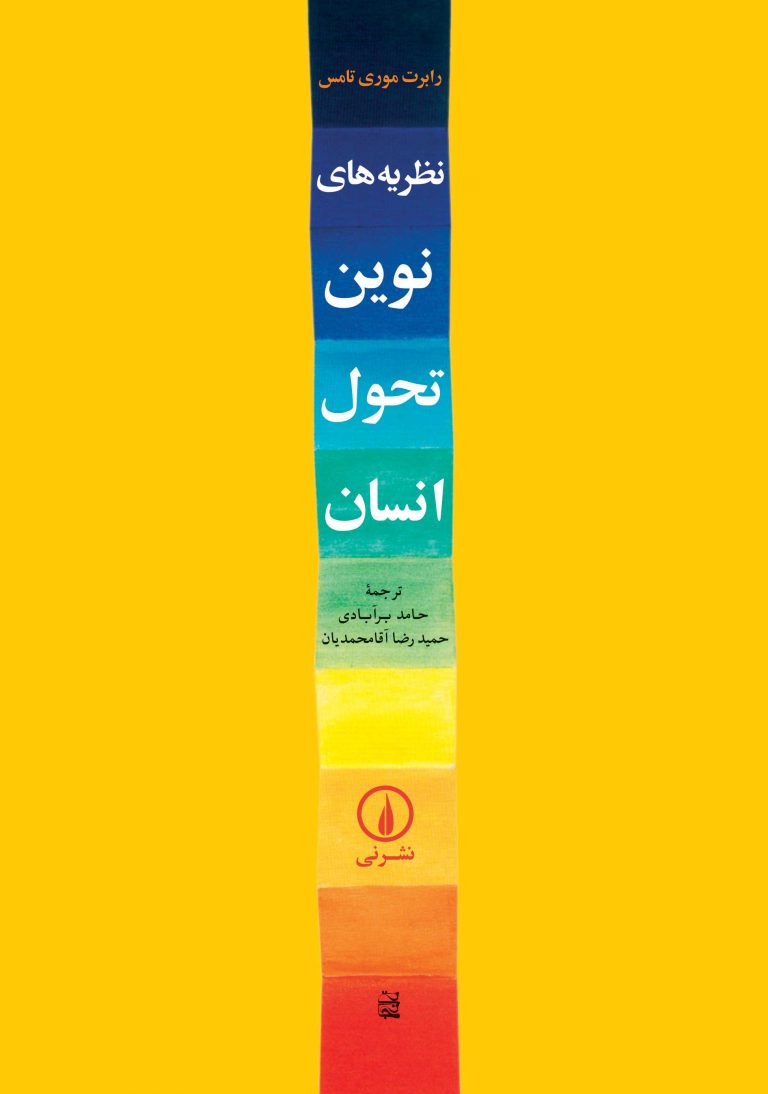
نگارنده در اين كتاب، توصيفي از نظريههاي تحول انسان در دو دههي آخر قرن بيستم( 2000- 1980) را بهدست ميدهد. در اين تعريف، نظريه،طرحي است دربارهي اين كه چه مؤلفهها يا متغيرهايي در شناخت و درك پديدهاي چون تحول انسان، حايز اهميتاند. نيز تعامل مؤلفههاي مذكور چگونه است كه باعث ميشود فرآيند تحول، روند معمول خود را در پيش گيرد.الگو ، طرح وارهي تبيني و نمونه از ديگراسامي نظريه هستند. بر اين اساس، بخش نخست كتاب با عنوان گسترش سنت، شامل نظرياتي است كه مضاميني چون، ديدگاههاي روانشناسي زيستي، نظام پويا، الگوهاي بوم شناختي، سبكهاي تعامل و جستارهاي مربوط به آثار پياژه و ويگوتسكي را در برميگيرد. بخش دوم، دستاوردهاي جنبشهاي اجتماعي، شامل تبيين جنبشهايي است كه روي وضعيت زندگي افراد فقير، گروههاي قومي و نژادي محروم، زنان و افرادي كه داراي جنسي نامتعارف هستند نظير همجنس و دوجنس گرايان، تمركز ميكنند. در ادامه تشريح اجمالي چهل نظريه دربارهي تحول انسان آورده شده و سرانجام پيشبيني آيندهي نظريات مربوط به تحول انسان بهدست داده شده است. چاپ ۱۳۸۵
This is a fascinating and informative book examining developmental theories, how they evolved, their main tenants and how they play out in various cultures. In his first chapter Thomas talks about visions of culture, of development and the implication of care providers’ interventions. His claim is that theories are a way of organizing information so that we can try to develop ways of optimizing children’s development. He then discusses theories; first those that deal with cognition, learning and attitudes and values. Then he looks at the structural features of theories such as configurations and interactions. In each analysis he shows how the theories play out in different cultures. Besides the theoretical material there is a great deal of current information. He makes the point with Freudian analysis that it is a western theory that was not much taken up in Asia because of its focus on the individual and the break with the family. Argentina is one of the strongest outposts of psychoanalysis. That surprised me. I expected Great Britain, Germany, Canada and the U.S. to be but not Argentina. When discussing forms of interaction Thomas looks at Thomas and Chess, Bronfenbrenner, Freud and Hinduism. He also talks about the move away from macrotheories to microtheories. His chapter about the future is enlightening. He sees technology breaking down the differences between cultures. The struggle really does seem to be between modernism and tradition. The targets in the struggle are primarily women-how will they be controlled? The Iranian example is terrifying but we know that from the Taliban and other orthodoxies. Thomas shows how people can not understand each other’s cultures with many different examples. Changes in cultures will lead to changes in theories. He demonstrates theories as vital ways of dealing with the world we live in. His discussion of how different people see the soul is fascinating. The fact that the Trobriand Islanders have no need of magic while sailing on lagoons but had it when on the open seas. That is until they got boats with motors. Technology does do away with the gods. No wonder they were angry with Prometheus. This is a rich book, hard to absorb all of it. However, what it provided was an attitude as well as information. A way of looking at theories that allows one to appreciate the individual contributions that each theory makes to our ways of understanding how individuals change of time whether it is mastering age related tasks or developing cognitive judgements. For me two aspects confirmed my own views. They were the construction of knowledge by the individual and the society and the significance of the social, historical and cultural context on the course of the development of the individual. With Bronfenbrenner of course with his ecological theory, geography is also important. There was a fine discussion of Elder’s theory. I also liked the locus of control discussion. Thomas was fair to each theory, using the same pattern of analysis as he did in his other book.