

What do you think?
Father Brown
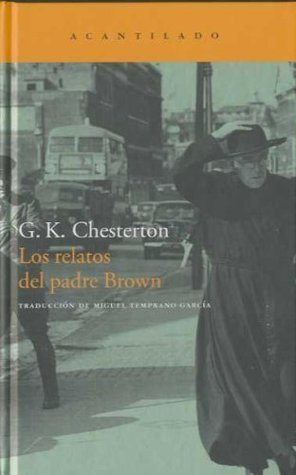
Los relatos del padre Brown
Publicada entre 1910 y 1935, la saga del padre Brown es probablemente la obra más querida y personal de Chesterton. Si el relato policiaco es la expresión más temprana de la poética de la vida y la ciudad modernas, ¿quién mejor —propone Chesterton, en una de sus brillantes paradojas— que un sacerdote de la humilde vieja guardia para descifrarla? Surge así uno de los más entrañables personajes literarios. Armado con poco más que una sombrilla y el profundo conocimiento de lo humano adquirido en el confesionario, el regordete y despistado cura de Essex —para quien desacreditar la razón es mala teología— desentraña crímenes y misterios en los que la verdad elude tanto la fría deducción como la crédula explicación paranormal. Esta edición reúne los cinco libros publicados por Chesterton, e incluye algunos relatos del padre Brown rescatados en fecha reciente y nunca antes publicados en español.
1176 pages, Hardcover
First published January 1, 1927
About the author
G.K. Chesterton
4,173 books6,048 followersGilbert Keith Chesterton was an English writer, philosopher, lay theologian, and literary and art critic.
He was educated at St. Paul’s, and went to art school at University College London. In 1900, he was asked to contribute a few magazine articles on art criticism, and went on to become one of the most prolific writers of all time. He wrote a hundred books, contributions to 200 more, hundreds of poems, including the epic Ballad of the White Horse, five plays, five novels, and some two hundred short stories, including a popular series featuring the priest-detective, Father Brown. In spite of his literary accomplishments, he considered himself primarily a journalist. He wrote over 4000 newspaper essays, including 30 years worth of weekly columns for the Illustrated London News, and 13 years of weekly columns for the Daily News. He also edited his own newspaper, G.K.’s Weekly.
Chesterton was equally at ease with literary and social criticism, history, politics, economics, philosophy, and theology.
He was educated at St. Paul’s, and went to art school at University College London. In 1900, he was asked to contribute a few magazine articles on art criticism, and went on to become one of the most prolific writers of all time. He wrote a hundred books, contributions to 200 more, hundreds of poems, including the epic Ballad of the White Horse, five plays, five novels, and some two hundred short stories, including a popular series featuring the priest-detective, Father Brown. In spite of his literary accomplishments, he considered himself primarily a journalist. He wrote over 4000 newspaper essays, including 30 years worth of weekly columns for the Illustrated London News, and 13 years of weekly columns for the Daily News. He also edited his own newspaper, G.K.’s Weekly.
Chesterton was equally at ease with literary and social criticism, history, politics, economics, philosophy, and theology.
Ratings & Reviews
Friends & Following
Create a free account to discover what your friends think of this book!
Community Reviews
Displaying 1 - 30 of 82 reviews

Read
July 20, 2011I'm pretty sure that this wasn't the edition of Father Brown stories that I read.
Anyhow I came to them after reading Sherlock Holmes. The Father Brown stories are rather similar in that the character of the detective is hugely important and each story is a free standing puzzle that the hero-detective resolves. The problem is that as far as I can remember the Sherlock Holmes puzzles are simply better thought through.
For example in one Father Brown story an Anglican priest murders the adulterous village blacksmith (or similar) by throwing a heavy object off the Church tower on to his head. Well, I suppose that would be fatal, provided that the victim was walking close enough to the tower and the Priest had plenty of time to practise and if he could lug said heavy object up the bell tower without being noticed. Perhaps he lay in wait for many a year with his trusty cannonball waiting for the blacksmith to one day ramble past within his shot put range. How unfortunate for the vengeful Vicar that the self same day Father Brown happened by to solve the crime with almost indecent haste.
In another story Father Brown foils a crime because he recognises a bunch of criminals at a pub that he stops at when his car breaks down - because naturally once a criminal always a criminal and a group of criminals in the same place must inevitably constitute a conspiracy apparently.
These are good stories if you like the lead character to be a Catholic Priest who is able to hide his shrewdness and who has a thorough understanding of criminals gained through a lifetime of listening to confessions. To me they all came across as implausible, but with occasional interesting moments. Best appreciated on a rainy day, after the consumption of alcohol, or read aloud to the credulous using a variety of funny voices.
Anyhow I came to them after reading Sherlock Holmes. The Father Brown stories are rather similar in that the character of the detective is hugely important and each story is a free standing puzzle that the hero-detective resolves. The problem is that as far as I can remember the Sherlock Holmes puzzles are simply better thought through.
For example in one Father Brown story an Anglican priest murders the adulterous village blacksmith (or similar) by throwing a heavy object off the Church tower on to his head. Well, I suppose that would be fatal, provided that the victim was walking close enough to the tower and the Priest had plenty of time to practise and if he could lug said heavy object up the bell tower without being noticed. Perhaps he lay in wait for many a year with his trusty cannonball waiting for the blacksmith to one day ramble past within his shot put range. How unfortunate for the vengeful Vicar that the self same day Father Brown happened by to solve the crime with almost indecent haste.
In another story Father Brown foils a crime because he recognises a bunch of criminals at a pub that he stops at when his car breaks down - because naturally once a criminal always a criminal and a group of criminals in the same place must inevitably constitute a conspiracy apparently.
These are good stories if you like the lead character to be a Catholic Priest who is able to hide his shrewdness and who has a thorough understanding of criminals gained through a lifetime of listening to confessions. To me they all came across as implausible, but with occasional interesting moments. Best appreciated on a rainy day, after the consumption of alcohol, or read aloud to the credulous using a variety of funny voices.

November 8, 2020
Detectives have their distinctive methods. Hercule Poirot likes to listen to his suspects and he listens so well that he could almost even read between the lines, discern what they were really trying to "say" in what they have already said. Sherlock Holmes, on the other hand, liked to observe, to keep his eyes and other senses alert and register every single detail, even the most seemingly trivial ones, so that they all came together to form an incredible but all-too-logical deduction.
Now, Father Brown, a little, mild-mannered, congenial English priest from Essex, created, not by a writer of thrillers, unlike the above two sleuths, but by one of the greatest satirists of the Edwardian era, is a little different. To begin with, it is not really his occupation to snoop around or investigate murders in plush drawing rooms in equally plush locations or foil grand conspiracies and decipher even the smallest thefts and murders in the city and countryside. He is just a man of God, doing his job, in the strangest, quaintest way possible; he has learned his "method" by doing what he is supposed to do - listen, patiently, with infinite understanding, to what sins his fellow mortals have confessed to and thus also having understood, realised, a human capacity for not only irrational evil but also for an inherent error in committing the said error.
As Mr. Chesterton very succinctly explains it in the last, and one of the most memorable stories, in this reasonably slim little collection, "he differed from most detectives in fact and fiction in a small point - he never pretended not to understand when he understood perfectly well."
And so, this paradoxical little priest is the unlikely sleuth in these audaciously original, thrillingly ambitious and often equally satirical "detective" stories from Chesterton. True to what one expects from this writer, both lauded and controversial in equal measure, these are a brilliant subversion of the usual template - there are no formal meetings or conversations with Mr. Holmes in his study or none of Hercule Poirot's coincidental presence amidst the scene of crime. There are only a few that actually begin with the promise of a crime or see a detective, other than Father Brown, on the chase of a criminal; as for the rest, they begin as either modern stories of romance, treachery and intrigue or even as satirical parables about the English society of the era or even a comic jest at sensational American journalism.
And yet, as evidenced by Chesterton's brilliant, intuitive, lucid and always gripping prose and his excellent flair for both storytelling and humour, both drama and realism, these stories turn out to be exceptional, imaginative, prophetic and even emotionally resonant reading experiences and Father Brown, our little priest-cum-policeman of the soul's inner demons, turns in our eyes from an unlikely detective to one of the wisest and most astute characters in all fiction.
It is hard for me to pick favourites from this ensemble, really two small collections folded into one. The ones in the former are tighter, more focused towards the territory of crime and detection while the ones in the latter are more curiously experimental, even tugging Father Brown from England to Italy, America, the coast of Cornwall and into the realm of public scandals and medieval myths. Through it all, however, every story brings something new and intriguing for the reader, something incredible, sensational, shocking, mildly amusing and extraordinary in equal measure.
Hallelujah.
Now, Father Brown, a little, mild-mannered, congenial English priest from Essex, created, not by a writer of thrillers, unlike the above two sleuths, but by one of the greatest satirists of the Edwardian era, is a little different. To begin with, it is not really his occupation to snoop around or investigate murders in plush drawing rooms in equally plush locations or foil grand conspiracies and decipher even the smallest thefts and murders in the city and countryside. He is just a man of God, doing his job, in the strangest, quaintest way possible; he has learned his "method" by doing what he is supposed to do - listen, patiently, with infinite understanding, to what sins his fellow mortals have confessed to and thus also having understood, realised, a human capacity for not only irrational evil but also for an inherent error in committing the said error.
As Mr. Chesterton very succinctly explains it in the last, and one of the most memorable stories, in this reasonably slim little collection, "he differed from most detectives in fact and fiction in a small point - he never pretended not to understand when he understood perfectly well."
And so, this paradoxical little priest is the unlikely sleuth in these audaciously original, thrillingly ambitious and often equally satirical "detective" stories from Chesterton. True to what one expects from this writer, both lauded and controversial in equal measure, these are a brilliant subversion of the usual template - there are no formal meetings or conversations with Mr. Holmes in his study or none of Hercule Poirot's coincidental presence amidst the scene of crime. There are only a few that actually begin with the promise of a crime or see a detective, other than Father Brown, on the chase of a criminal; as for the rest, they begin as either modern stories of romance, treachery and intrigue or even as satirical parables about the English society of the era or even a comic jest at sensational American journalism.
And yet, as evidenced by Chesterton's brilliant, intuitive, lucid and always gripping prose and his excellent flair for both storytelling and humour, both drama and realism, these stories turn out to be exceptional, imaginative, prophetic and even emotionally resonant reading experiences and Father Brown, our little priest-cum-policeman of the soul's inner demons, turns in our eyes from an unlikely detective to one of the wisest and most astute characters in all fiction.
It is hard for me to pick favourites from this ensemble, really two small collections folded into one. The ones in the former are tighter, more focused towards the territory of crime and detection while the ones in the latter are more curiously experimental, even tugging Father Brown from England to Italy, America, the coast of Cornwall and into the realm of public scandals and medieval myths. Through it all, however, every story brings something new and intriguing for the reader, something incredible, sensational, shocking, mildly amusing and extraordinary in equal measure.
Hallelujah.

April 7, 2017
I was oscillating between 3 and 4 stars. I will settle for 3 and half stars. I think the last few stories tipped the scale. Or else would have ended up a four star book.
The book obviously has two collections of stories - THE INNOCENCE OF FATHER BROWN & WISDOM OF FATHER BROWN. For the first section I can give four stars. And the next section deserves three stars. But that is not to say that I did not enjoy reading the stories. I enjoyed reading these stories. They are absolutely lovely and Father Brown is a charming character. The mysteries (these are supposed to be detective stories) are not far too complex but still some of them are intriguing. The pleasure is in the language and the satirical remarks of G. K. Chesterton. If I were an English, I would appreciate all the more this work. For many references are related to England and its politics. There are plenty more for the non-English to enjoy as well. His witty takes on the modern society and its culture; the over dependence on science; (if Catholic) the witty critical remarks on Anglicanism, and Calvinism. You can read these witty remarks and I am sure you will not be able to control the chuckle or at times even the laughter.
Happy that I got introduced to Father Brown.
The book obviously has two collections of stories - THE INNOCENCE OF FATHER BROWN & WISDOM OF FATHER BROWN. For the first section I can give four stars. And the next section deserves three stars. But that is not to say that I did not enjoy reading the stories. I enjoyed reading these stories. They are absolutely lovely and Father Brown is a charming character. The mysteries (these are supposed to be detective stories) are not far too complex but still some of them are intriguing. The pleasure is in the language and the satirical remarks of G. K. Chesterton. If I were an English, I would appreciate all the more this work. For many references are related to England and its politics. There are plenty more for the non-English to enjoy as well. His witty takes on the modern society and its culture; the over dependence on science; (if Catholic) the witty critical remarks on Anglicanism, and Calvinism. You can read these witty remarks and I am sure you will not be able to control the chuckle or at times even the laughter.
Happy that I got introduced to Father Brown.

April 11, 2018
L'ho abbandonato.
Simpatico, ma nulla di che.
Erano molto meglio lo sceneggiato RAI con Renato Rascel e Arnoldo Foa e il film con Alec Guinnes.
Simpatico, ma nulla di che.
Erano molto meglio lo sceneggiato RAI con Renato Rascel e Arnoldo Foa e il film con Alec Guinnes.

November 28, 2017
The first question a spoiler would ask "5 Star " and that too for a poor detective story / book!!!!! Yes. While Father Brown does solve crimes, he is not a detective in the true genre of Conon Doyle or Ellery Queen. He is not even a detective of Erle Stanley genre. The crimes solved have hardly any gore, blood or multiple bodies in Agatha Christie genre - these are the detective stories that deserve 4, 5 and more stars. - Definitely not Father Brown.
Why I enjoyed Father Brown stories is the underlying analysis based purely on psychology maybe helped by some clues and incidents. I would just refer to the tale of "The Queer Feet" - why does the same person walk with a stately tread immediately after pattering lightly outside the room where Father Brown was seated? How is it possible for the same person to do so - he must be a great actor. Flambeau was not only a thief of greatest notoriety but also a master of disguise and acting.
Similar would be the case of the Invisible Man. Four respectable witnesses vouch that no one entered the building, but the man did it in full view, murdered his rival in live and walked out carrying the dead body - why - this again is in the realm of psychology, the way we think, etc.
If any other detectives come close to Father Brown, I would immediately cast my vote in favour of "The Black Widowers" created by Issac Asimov, who in their monthly meetings resolve many a unsolved mysteries.
It needs a different approach and taste to enjoy the tales of Father Brown or maybe tales of The Black Widowers and those who can will definitely appreciate and second my award of 5 Stars.
I enjoyed Father Brown immensely, the only regret being, I too felt bosh - what a funny tale - Detective Father Brown indeed - when my Dad introduced me to the character a few decades back.
Why I enjoyed Father Brown stories is the underlying analysis based purely on psychology maybe helped by some clues and incidents. I would just refer to the tale of "The Queer Feet" - why does the same person walk with a stately tread immediately after pattering lightly outside the room where Father Brown was seated? How is it possible for the same person to do so - he must be a great actor. Flambeau was not only a thief of greatest notoriety but also a master of disguise and acting.
Similar would be the case of the Invisible Man. Four respectable witnesses vouch that no one entered the building, but the man did it in full view, murdered his rival in live and walked out carrying the dead body - why - this again is in the realm of psychology, the way we think, etc.
If any other detectives come close to Father Brown, I would immediately cast my vote in favour of "The Black Widowers" created by Issac Asimov, who in their monthly meetings resolve many a unsolved mysteries.
It needs a different approach and taste to enjoy the tales of Father Brown or maybe tales of The Black Widowers and those who can will definitely appreciate and second my award of 5 Stars.
I enjoyed Father Brown immensely, the only regret being, I too felt bosh - what a funny tale - Detective Father Brown indeed - when my Dad introduced me to the character a few decades back.
August 29, 2022
Any book whose protagonist is described as having "a face as round and dull as a Norfolk dumpling" is bound to be a good read, and this collection certainly lives up to this idea. The mysteries are always intriguing and quite often I found myself being misled by the Prince of Paradox. The descriptions of Edwardian England are also quite illuminating and often give quite a good insight into the lives of certain sections of British society.
Having said all this, in a collection of short stories there are inevitably some which you enjoy reading more than others. My favourite mysteries from this book were: The Blue Cross, The Queer Feet, The Hammer of God and The Perishing of the Pendragons. All these stories excellently showcase Father Brown's particular gift for mystery solving; his unique insight into the human soul gained through hearing confessions and ministering to the faithful. I'd certainly recommend this book if you are looking for some relaxing detective fiction.
Having said all this, in a collection of short stories there are inevitably some which you enjoy reading more than others. My favourite mysteries from this book were: The Blue Cross, The Queer Feet, The Hammer of God and The Perishing of the Pendragons. All these stories excellently showcase Father Brown's particular gift for mystery solving; his unique insight into the human soul gained through hearing confessions and ministering to the faithful. I'd certainly recommend this book if you are looking for some relaxing detective fiction.

March 1, 2012
My grandmother gave me this book after college, and seven years later, I finally gave it a try. The Father Brown stories are delightful! I even solved some of the mysteries before the other characters, which I am usually unable to do. I think this just means the mysteries aren't generally that complex, but I'll take it. Chesterton uses Brown not as a preaching mouthpiece, thank goodness, but as a sort of Catholic guide through the tales, should we choose to meditate on the spiritual aspects of the crimes and criminals. Should you choose not to, that's okay, the stories still stand up as fun little detective tales. Especially before Flambeau's taming.

August 13, 2014
Un detective aficionado, El Padre Brown, creado por Chesterton es distinto a lo ortodoxo que podrían ser Holmes o Poirot. Su apariencia es poco impresionante: bonachón, amable, simpático, inocente... pero poseedor de una perspicacia única en eso de conocer a la naturaleza humana y esa es su arma investigadora. Muy recomendable para quienes aún tienen la mente por encima de escenas sangrientas, crímenes con lujo de violencia y emociones rápidas.

January 9, 2012
Deliciosa la lectura de "Los relatos del padre Brown" , Chesterton y su sentido común nos brindó una obra imperecedera, maravillosa y literaria y con un personaje genial. El rey de la paradoja es necesario e imprescindible.

January 27, 2021
Las historias del padre Brown y su forma de resolver crímenes al estilo Sherlock Holmes son muy divertidas para leer algo diferente.

July 9, 2025
The last couple of stories were the best ones. Although I really loved Flambeau in the first stories and was glad to see him back in the last one as well

January 22, 2012
When I scanned the barcode from the copy I read I was directed to a complete collection, whereas the Wordsworth classics paperback, like the Penguin, has a selection ... and a rather similar cover, so I've picked this as best match.
Anyway. I'm fairly certain I read some of these via Mum, a great Chesterton fan, when I was much younger but I have no recollection of the eponymous detective or any of the plots. Father Brown seems to have two uncanny abilities: to be in the right place at the right time (he is specifically engaged for very few of the cases in this collection) and to make clever leaps that help him solve mysteries from very few clues. Holmes, of course, does much the same, but with more obvious logic and less intuition which makes him a far more satisfying person to read about, in my opinion. I also think these stories have dated far more than Conan Doyle's. There is a lot of not always incidental stereotyping and prejudice towards people of particular nationalities or religions and I switched off during some descriptions and musings. Some of the tales were interesting enough, and I may read the rest one day if only to find out the circumstances of Flambeau going straight.
Anyway. I'm fairly certain I read some of these via Mum, a great Chesterton fan, when I was much younger but I have no recollection of the eponymous detective or any of the plots. Father Brown seems to have two uncanny abilities: to be in the right place at the right time (he is specifically engaged for very few of the cases in this collection) and to make clever leaps that help him solve mysteries from very few clues. Holmes, of course, does much the same, but with more obvious logic and less intuition which makes him a far more satisfying person to read about, in my opinion. I also think these stories have dated far more than Conan Doyle's. There is a lot of not always incidental stereotyping and prejudice towards people of particular nationalities or religions and I switched off during some descriptions and musings. Some of the tales were interesting enough, and I may read the rest one day if only to find out the circumstances of Flambeau going straight.

October 17, 2007
I wish that goodreads let you do 1/2 stars, b/c I feel like book should get 3 1/2...so I rounded up.
Anyways, I liked the stories a lot, quite entertaining, and not a hard read at all. G.K. Chesterton made Father Brown so incongruous(sp?) that I would read his name and then forget the stories were about him...very cool.
Anyways, I liked the stories a lot, quite entertaining, and not a hard read at all. G.K. Chesterton made Father Brown so incongruous(sp?) that I would read his name and then forget the stories were about him...very cool.

February 4, 2013
Detective stories with a deeper layer. Normally, detectives are not my thing, but in this case Chesterton offers striking psychological drawing and a light spiritual touch, that often surprises. I think I'm going to read more of this author.

July 29, 2015
Minus one star for the standard Romanist (and Arminian, & Lutheran, & Mormon…) anti-Calvinistic hate. But remarkable story telling, and even hating the Reformed faith still manages to capture some of the Christian faith.

January 28, 2025
Finalmente pude leer y terminar este libro, quizá de los más largos que he leído en mi vida, y fue una experiencia muy curiosa. Hubo cuentos brillantes y otros muy regulares, pero sé que, después de Chesterton, la literatura policiaca no será lo mismo para mí. No creo que vuelva a encontrar a un protagonista tan entrañable y unas historias tan únicas como estas. Es en verdad conmovedor que exista un detective cuyos métodos de investigación se basen en la compresión del comportamiento humano, o al menos así lo entiendo.
La mayoría de los cuentos son agradables de leer, pero me quedo con los del primer libro, "El candor del padre Brown", y con algunos de "El secreto del padre Brown". Creo que en ambos libros es donde mejor se aprecia la esencia de este personaje y donde están las reflexiones más valiosas.
En varios sitios web leí la advertencia de que los últimos cuentos se tornaban repetitivos y llegaban a incomodar por los mensajes religiosos. Lo primero lo confirmo, pero lo segundo no tanto, tal vez porque coincido con ciertas opiniones controvertidas de Chesterton.
Pero bueno, aún con lo repetitivo que llega a ser, fue una buena experiencia de lectura. Lo malo es que su peso me dejó con dolor en las manos. Por un momento pensé no agregar mis opiniones detalladas sobre los cuentos porque alargaría excesivamente esta reseña, pero aquí las dejo para quien esté interesado en ellas. Por lo demás, de momento ya tengo suficiente con la literatura policiaca y los libros largos.
*****************
El candor del padre Brown
"La cruz azul" es la excelente carta de presentación del padre Brown y el cuento con el que lo conocí, aparte de "El secreto del padre Brown". Es muy gracioso y su final es magistral. Es inolvidable cómo Chesterton nos revela que el verdadero protagonista no es Aristide Valentin sino el sacerdote.
"El jardín secreto", por su parte, me gustó menos porque es un poco convencional, pero las sugerencias sobrenaturales son deliciosas.
"Unos pasos extraños" es el que menos me gustó por lo muy descriptivo y poco intrigante.
El título de "Las estrellas fugaces" me hizo creer que sería un cuento con elementos de ciencia ficción, pero cuando lo leí me pareció bastante convencional. Es aquí cuando el otrora criminal Flambeau renuncia al crimen para convertirse en policía.
Desde "El hombre invisible" volví a entusiasmarme con el libro. Se agradece que aquí sí se incluyesen elementos de ciencia ficción.
"El honor de Israel Gow" es uno de mis favoritos, pues por momentos da la impresión de que nos encontramos frente a un cuento de terror. La resolución es un tanto convencional, pero la atmósfera previa lo hace inolvidable.
"La forma anómala" es mi segundo favorito. Un cuento con deliciosos elementos de la cultura hindú y con unas descripciones interesantes de la naturaleza que por alguna razón me recordaron a Lovecraft.
"Los pecados del príncipe Saradine" es fascinante por sus buenas dosis de acción y de tragedia.
"El martillo de Dios" es otro cuentazo. Una verdadera joya tanto por su construcción y por su moraleja.
"El ojo de Apolo" es otro cuento exquisito. Crítico con los cultos y muy entretenido. Uno no quiere sino leerlo de un tirón.
"El cartel de la espada rota" estuvo interesante, pero tampoco me sorprendió mucho, como el tercer y cuarto cuento, aunque entiendo por qué le gustaba a Borges: por esa fijación con las historias del honor de los soldados y quizá por ocurrir en Latinoamérica.
"Las tres herramientas de la muerte" estuvo bien, pero no a la altura de los mejores cuentos de la colección. Fue bastante tranquilo para mi gusto y para los estándares de las aventuras del padre Brown.
*****************
La sagacidad del padre Brown
De "La ausencia del señor Glass" me gustó que hay un personaje que me pareció una caricatura de Sherlock Holmes, pero la historia en sí no me convenció.
"El paraíso de los ladrones" es interesante, aunque el final no es la gran cosa.
"El duelo del doctor Hirsch" tiene un final divertido, pero se me hizo muy pesado por las alusiones políticas en la trama. Lo detesté, lo admito.
"El hombre del pasadizo", "El error de la máquina" y "La cabeza de César" no me gustaron nada, sobre todo el último, porque tuve la impresión de que se condenaba a los coleccionistas y se les veía como raros, aburridos e inadaptados sociales, pensamiento al que me opongo fervientemente. Formas de diversión hay muchas, sean "naturales" o no.
"La peluca purpúrea" me gustó más, quizá por sus sugerencias góticas, aparte de que el "protagonista", el director editorial Edward Nutt, me pareció un personaje bastante gracioso. Una divertida burla a los periódicos que quieren congraciarse con las mayorías.
"Las muertes de los Pendragon" y "El dios de los gongs" también me aburrieron, a pesar de alguno elementos atractivos. Me decepcionó más el segundo, del que esperaba más al ser uno de los favoritos de Borges.
"La ensalada del coronel Cray" me gustó porque el crimen involucraba costumbres hindúes, a la manera de "La forma anómala".
"El extraño crimen de John Boulnois" es de los mejores de la colección porque tiene el mismo espíritu de la mayoría de los cuentos del primer libro, que es el de combinar un buen suspenso con una interesante reflexión sobre el mal.
Esperaba que "El cuento de hadas del padre Brown" se pareciera en verdad a un cuento de hadas, pero no fue así, aunque al final hace un muy interesante contrapunto con este género. El desenlace me recordó un poco al de "El cartel de la espada rota", pero en sí es una historia un tanto olvidable.
******************
La incredulidad del padre Brown
"La resurrección del padre Brown" me gustó por su ambientación en un país latinoamericano indeterminado (pero que sospecho es México) y sus reflexiones sobre los milagros. Un cuento divertido e intrigante.
"La flecha del cielo" hace al final una buena reflexión sobre la justicia y las leyes, pero la historia en sí no me atrapó mucho. Además, lo sentí muy largo.
El misterio fue lo último que me interesó en "El oráculo del perro". Es más, ni presté atención a quién cometió el crimen, más que nada porque "leí" este cuento en audiolibro por lo pesado que se me hacía leerlo de forma tradicional. Lo interesante aquí fue el razonamiento del padre Brown sobre los comportamientos de los perros y los humanos ante ellos y un sermón que lanzó al final de la historia criticando el auge de la superstición en Inglaterra. De resto, el cuento me pareció poco interesante, por desgracia. Me preocupa que son varios los cuentos que aburren que los realmente originales.
De "El milagro del creciente de la luna" me gustaron el final y las reflexiones del padre Brown. El misterio en sí no fue muy interesante.
"La maldición de la cruz de oro" sí me gustó, quizá por recordarme un a la temática arqueológica de "El tesoro del abad Thomas", de M. R. James. Una vez más, el autor del crimen de este cuento tiene muy poca importancia y lo que deslumbra son las descripciones del ambiente, ciertas acciones y las reflexiones sobre el ser humano que suelta el padre Brown. Es a la mitad cuando el cuento se pone bueno.
¡Qué pedazo de cuento es "El puñal alado"! Tiene todo lo bueno de la primera colección y de esta: un antagonista interesante y reflexiones sobre la fe y el crimen. Toda una joyita.
"La perdición de los Darnaway" es otro cuentazo. Es como si Chesterton hubiera dejado los mejores para el final. Su atmósfera es la misma de la primera colección. Las historias de corte gótico sobre aristócratas caídos en desgracia son el punto fuerte de Chesterton.
Lo más interesante de "El fantasma de Gideon Wise" fue el desenmascaramiento del "fantasma", pero el crimen en sí no estuvo tan interesante que digamos.
*********************
El secreto del padre Brown
"El secreto del padre Brown" es de los cuentos más bellos y sorprendentes que he leído. Una muestra de literatura de alta calidad y todo un imprescindible del género. Una excelente reflexión sobre el crimen y la necesidad de ponerse en el lugar del asesino para entender que no somos tan distintos.
"El espejo del magistrado" me confundió un poco porque la explicación del crimen no fue tan explícita. Lo que de él destaco es la conversación inicial sobre detectives en la literatura y las opiniones del padre Brown sobre los poetas.
"El hombre de las dos barbas" es otro cuento regular del que no tengo mucho que decir.
"La canción del pez volador" me gustó mucho precisamente por incluir elementos hindúes en la historia. Además, es gracioso por momentos. Muy recomendado.
"El actor y la coartada" estuvo excelente también. La ambientación en el mundo teatral permite grandes reflexiones sobre el egoísmo. Magistral cuento.
El comienzo de "La desaparición de Vaudrey" prometía una historia poco atractiva, pero al final se puso interesante y absorbente.
"El peor crimen del mundo" estuvo divertido de leer, pero no es un cuento sobresaliente.
Estuvo normal "La luna roja de Meru", aunque el regreso de la temática hindú lo hace atractivo.
"El dolor de Marne" es otra belleza de cuento. Una hermosa reflexión sobre el consuelo de la caridad cristiana cuando el mundo entero rechaza a los criminales, sin importar que su arrepentimiento sea sincero. El descubrimiento del misterio es también sorprendente, pero es un poco predecible.
"El secreto de Flambeau", la continuación de "El secreto del padre Brown", es otro cuento bello y lleno de sabiduría, pero no tan sorprendente como el primero.
********************
El escándalo del padre Brown
"El escándalo del padre Brown" tiene interesantes comentarios sobre la afición de las revistas con lo novelesco.
"El rápido", "El poder maléfico del libro", "El hombre verde" y "La persecución del señor azul" estuvieron entretenidos, pero nada más.
"El crimen del comunista" es destacable por el debate de los protagonistas sobre el comunismo y el socialismo, que suena muy moderno. El misterio no me pareció tan interesante.
"La punta de un alfiler" y "El caso insoluble" fueron también otros cuentos regulares. Desgraciadamente, "La vampiresa del pueblo" me pareció el cuento sobre actores menos atractivo del padre Brown.
**********************
Títulos no incluidos en ninguna colección
"El caso Donnington" es un preámbulo para un cuento más que un cuento. En cualquier caso, no me atrapó. Aún así, lo respeto porque me parece muy tierna la idea de una colaboración de Chesterton con otro escritor de cuentos policiacos.
De "El padre Brown resuelve el caso Donnington" rescato sólo la aparición inicial del padre Brown. De resto, su trama me dejó igual de frío que el preámbulo. Una lástima, pues esperaba que fuese una historia interesante al ser escrita por dos personas.
"La máscara de Midas", al igual que la mayoría de cuentos de robos del padre Brown, son los que menos me han gustado. A este, además, le faltó interés y las deliciosas reflexiones del clérigo sobre la conducta humana.
La mayoría de los cuentos son agradables de leer, pero me quedo con los del primer libro, "El candor del padre Brown", y con algunos de "El secreto del padre Brown". Creo que en ambos libros es donde mejor se aprecia la esencia de este personaje y donde están las reflexiones más valiosas.
En varios sitios web leí la advertencia de que los últimos cuentos se tornaban repetitivos y llegaban a incomodar por los mensajes religiosos. Lo primero lo confirmo, pero lo segundo no tanto, tal vez porque coincido con ciertas opiniones controvertidas de Chesterton.
Pero bueno, aún con lo repetitivo que llega a ser, fue una buena experiencia de lectura. Lo malo es que su peso me dejó con dolor en las manos. Por un momento pensé no agregar mis opiniones detalladas sobre los cuentos porque alargaría excesivamente esta reseña, pero aquí las dejo para quien esté interesado en ellas. Por lo demás, de momento ya tengo suficiente con la literatura policiaca y los libros largos.
*****************
El candor del padre Brown
"La cruz azul" es la excelente carta de presentación del padre Brown y el cuento con el que lo conocí, aparte de "El secreto del padre Brown". Es muy gracioso y su final es magistral. Es inolvidable cómo Chesterton nos revela que el verdadero protagonista no es Aristide Valentin sino el sacerdote.
"El jardín secreto", por su parte, me gustó menos porque es un poco convencional, pero las sugerencias sobrenaturales son deliciosas.
"Unos pasos extraños" es el que menos me gustó por lo muy descriptivo y poco intrigante.
El título de "Las estrellas fugaces" me hizo creer que sería un cuento con elementos de ciencia ficción, pero cuando lo leí me pareció bastante convencional. Es aquí cuando el otrora criminal Flambeau renuncia al crimen para convertirse en policía.
Desde "El hombre invisible" volví a entusiasmarme con el libro. Se agradece que aquí sí se incluyesen elementos de ciencia ficción.
"El honor de Israel Gow" es uno de mis favoritos, pues por momentos da la impresión de que nos encontramos frente a un cuento de terror. La resolución es un tanto convencional, pero la atmósfera previa lo hace inolvidable.
"La forma anómala" es mi segundo favorito. Un cuento con deliciosos elementos de la cultura hindú y con unas descripciones interesantes de la naturaleza que por alguna razón me recordaron a Lovecraft.
"Los pecados del príncipe Saradine" es fascinante por sus buenas dosis de acción y de tragedia.
"El martillo de Dios" es otro cuentazo. Una verdadera joya tanto por su construcción y por su moraleja.
"El ojo de Apolo" es otro cuento exquisito. Crítico con los cultos y muy entretenido. Uno no quiere sino leerlo de un tirón.
"El cartel de la espada rota" estuvo interesante, pero tampoco me sorprendió mucho, como el tercer y cuarto cuento, aunque entiendo por qué le gustaba a Borges: por esa fijación con las historias del honor de los soldados y quizá por ocurrir en Latinoamérica.
"Las tres herramientas de la muerte" estuvo bien, pero no a la altura de los mejores cuentos de la colección. Fue bastante tranquilo para mi gusto y para los estándares de las aventuras del padre Brown.
*****************
La sagacidad del padre Brown
De "La ausencia del señor Glass" me gustó que hay un personaje que me pareció una caricatura de Sherlock Holmes, pero la historia en sí no me convenció.
"El paraíso de los ladrones" es interesante, aunque el final no es la gran cosa.
"El duelo del doctor Hirsch" tiene un final divertido, pero se me hizo muy pesado por las alusiones políticas en la trama. Lo detesté, lo admito.
"El hombre del pasadizo", "El error de la máquina" y "La cabeza de César" no me gustaron nada, sobre todo el último, porque tuve la impresión de que se condenaba a los coleccionistas y se les veía como raros, aburridos e inadaptados sociales, pensamiento al que me opongo fervientemente. Formas de diversión hay muchas, sean "naturales" o no.
"La peluca purpúrea" me gustó más, quizá por sus sugerencias góticas, aparte de que el "protagonista", el director editorial Edward Nutt, me pareció un personaje bastante gracioso. Una divertida burla a los periódicos que quieren congraciarse con las mayorías.
"Las muertes de los Pendragon" y "El dios de los gongs" también me aburrieron, a pesar de alguno elementos atractivos. Me decepcionó más el segundo, del que esperaba más al ser uno de los favoritos de Borges.
"La ensalada del coronel Cray" me gustó porque el crimen involucraba costumbres hindúes, a la manera de "La forma anómala".
"El extraño crimen de John Boulnois" es de los mejores de la colección porque tiene el mismo espíritu de la mayoría de los cuentos del primer libro, que es el de combinar un buen suspenso con una interesante reflexión sobre el mal.
Esperaba que "El cuento de hadas del padre Brown" se pareciera en verdad a un cuento de hadas, pero no fue así, aunque al final hace un muy interesante contrapunto con este género. El desenlace me recordó un poco al de "El cartel de la espada rota", pero en sí es una historia un tanto olvidable.
******************
La incredulidad del padre Brown
"La resurrección del padre Brown" me gustó por su ambientación en un país latinoamericano indeterminado (pero que sospecho es México) y sus reflexiones sobre los milagros. Un cuento divertido e intrigante.
"La flecha del cielo" hace al final una buena reflexión sobre la justicia y las leyes, pero la historia en sí no me atrapó mucho. Además, lo sentí muy largo.
El misterio fue lo último que me interesó en "El oráculo del perro". Es más, ni presté atención a quién cometió el crimen, más que nada porque "leí" este cuento en audiolibro por lo pesado que se me hacía leerlo de forma tradicional. Lo interesante aquí fue el razonamiento del padre Brown sobre los comportamientos de los perros y los humanos ante ellos y un sermón que lanzó al final de la historia criticando el auge de la superstición en Inglaterra. De resto, el cuento me pareció poco interesante, por desgracia. Me preocupa que son varios los cuentos que aburren que los realmente originales.
De "El milagro del creciente de la luna" me gustaron el final y las reflexiones del padre Brown. El misterio en sí no fue muy interesante.
"La maldición de la cruz de oro" sí me gustó, quizá por recordarme un a la temática arqueológica de "El tesoro del abad Thomas", de M. R. James. Una vez más, el autor del crimen de este cuento tiene muy poca importancia y lo que deslumbra son las descripciones del ambiente, ciertas acciones y las reflexiones sobre el ser humano que suelta el padre Brown. Es a la mitad cuando el cuento se pone bueno.
¡Qué pedazo de cuento es "El puñal alado"! Tiene todo lo bueno de la primera colección y de esta: un antagonista interesante y reflexiones sobre la fe y el crimen. Toda una joyita.
"La perdición de los Darnaway" es otro cuentazo. Es como si Chesterton hubiera dejado los mejores para el final. Su atmósfera es la misma de la primera colección. Las historias de corte gótico sobre aristócratas caídos en desgracia son el punto fuerte de Chesterton.
Lo más interesante de "El fantasma de Gideon Wise" fue el desenmascaramiento del "fantasma", pero el crimen en sí no estuvo tan interesante que digamos.
*********************
El secreto del padre Brown
"El secreto del padre Brown" es de los cuentos más bellos y sorprendentes que he leído. Una muestra de literatura de alta calidad y todo un imprescindible del género. Una excelente reflexión sobre el crimen y la necesidad de ponerse en el lugar del asesino para entender que no somos tan distintos.
"El espejo del magistrado" me confundió un poco porque la explicación del crimen no fue tan explícita. Lo que de él destaco es la conversación inicial sobre detectives en la literatura y las opiniones del padre Brown sobre los poetas.
"El hombre de las dos barbas" es otro cuento regular del que no tengo mucho que decir.
"La canción del pez volador" me gustó mucho precisamente por incluir elementos hindúes en la historia. Además, es gracioso por momentos. Muy recomendado.
"El actor y la coartada" estuvo excelente también. La ambientación en el mundo teatral permite grandes reflexiones sobre el egoísmo. Magistral cuento.
El comienzo de "La desaparición de Vaudrey" prometía una historia poco atractiva, pero al final se puso interesante y absorbente.
"El peor crimen del mundo" estuvo divertido de leer, pero no es un cuento sobresaliente.
Estuvo normal "La luna roja de Meru", aunque el regreso de la temática hindú lo hace atractivo.
"El dolor de Marne" es otra belleza de cuento. Una hermosa reflexión sobre el consuelo de la caridad cristiana cuando el mundo entero rechaza a los criminales, sin importar que su arrepentimiento sea sincero. El descubrimiento del misterio es también sorprendente, pero es un poco predecible.
"El secreto de Flambeau", la continuación de "El secreto del padre Brown", es otro cuento bello y lleno de sabiduría, pero no tan sorprendente como el primero.
********************
El escándalo del padre Brown
"El escándalo del padre Brown" tiene interesantes comentarios sobre la afición de las revistas con lo novelesco.
"El rápido", "El poder maléfico del libro", "El hombre verde" y "La persecución del señor azul" estuvieron entretenidos, pero nada más.
"El crimen del comunista" es destacable por el debate de los protagonistas sobre el comunismo y el socialismo, que suena muy moderno. El misterio no me pareció tan interesante.
"La punta de un alfiler" y "El caso insoluble" fueron también otros cuentos regulares. Desgraciadamente, "La vampiresa del pueblo" me pareció el cuento sobre actores menos atractivo del padre Brown.
**********************
Títulos no incluidos en ninguna colección
"El caso Donnington" es un preámbulo para un cuento más que un cuento. En cualquier caso, no me atrapó. Aún así, lo respeto porque me parece muy tierna la idea de una colaboración de Chesterton con otro escritor de cuentos policiacos.
De "El padre Brown resuelve el caso Donnington" rescato sólo la aparición inicial del padre Brown. De resto, su trama me dejó igual de frío que el preámbulo. Una lástima, pues esperaba que fuese una historia interesante al ser escrita por dos personas.
"La máscara de Midas", al igual que la mayoría de cuentos de robos del padre Brown, son los que menos me han gustado. A este, además, le faltó interés y las deliciosas reflexiones del clérigo sobre la conducta humana.
January 1, 2026
There is something quaint about reading Chesterton-- you can tell that this is the work of someone who has fixed ideas and is going to offer us a strong character. What is interesting about Father Brown is that he is strong in that mysterious way the pious are: they firmly and quietly act and believe. I found it quite funny that Father Brown was described as absent-minded (but he is not!) in such explicit ways. I especially liked Chesterton's description of him as a "mooncalf" with his round head being dreamy. I also liked his connection with the master-thief Flambeau which is also a nice name though it sounds like a dessert. Some stories are a drag but his language is sometimes beautiful, and sometimes really funny.
Here is a passage: "The most incredible thing about miracles is that they happen. A few clouds in heaven do come together into the staring shape of one human eye. A tree does stand up in the landscape of a doubtful journey in the exact and elaborate shape of a note of interrogation. I have seen both these things myself within the last few days. Nelson does die in the instant of victory; and a man named Williams does quite accidentally murder a man named Williamson; it sounds like a sort of infanticide. In short, there is in life an element of elfin coincidence which people reckoning on the prosaic may perpetually miss. As it has been well expressed in the paradox of Poe, wisdom should reckon on the unforeseen".
I love this phrase, "elfin coincidence", I also like academic references that is woven into the thought of the story. It happens with Hamlet later:
"A crime," he said slowly, "is like any other work of art. Don't look surprised; crimes are by no means the only works of art that come from an infernal workshop. But every work of art, divine or diabolic, has one indispensable mark—I mean, that the centre of it is simple, however much the fulfilment may be complicated. Thus, in Hamlet, let us say, the grotesqueness of the grave-digger, the flowers of the mad girl, the fantastic finery of Osric, the pallor of the ghost and the grin of the skull are all oddities in a sort of tangled wreath round one plain tragic figure of a man in black. Well, this also," he said, getting slowly down from his seat with a smile, "this also is the plain tragedy of a man in black. Yes," he went on, seeing the colonel look up in some wonder, "the whole of this tale turns on a black coat. In this, as in Hamlet, there are the rococo excrescences—yourselves, let us say. There is the dead waiter, who was there when he could not be there. There is the invisible hand that swept your table clear of silver and melted into air. But every clever crime is founded ultimately on some one quite simple fact—some fact that is not itself mysterious. The mystification comes in covering it up, in leading men's thoughts away from it."
He excels in character descriptions: "Yet he was neither a charlatan nor a child; but a hot, logical Latin who liked a certain thing and was it. His poetry was as straightforward as anyone's else's prose. He desired fame or wine or the beauty of women with a torrid directness inconceivable among the cloudy ideals or cloudy compromises of the north; to vaguer races his intensity smelt of danger or even crime. Like fire or the sea, he was too simple to be trusted."
I do not know how to feel about the moral position though I instinctively sympathise with Father Brown's attempts to gently lead, to gently point out... I actually do not understand how some people possess this gentleness so I am inclined to be envious and to be intrigued.
Some of the other names are also something: Aristide Valentin, Isidore Smythe
Here is a passage: "The most incredible thing about miracles is that they happen. A few clouds in heaven do come together into the staring shape of one human eye. A tree does stand up in the landscape of a doubtful journey in the exact and elaborate shape of a note of interrogation. I have seen both these things myself within the last few days. Nelson does die in the instant of victory; and a man named Williams does quite accidentally murder a man named Williamson; it sounds like a sort of infanticide. In short, there is in life an element of elfin coincidence which people reckoning on the prosaic may perpetually miss. As it has been well expressed in the paradox of Poe, wisdom should reckon on the unforeseen".
I love this phrase, "elfin coincidence", I also like academic references that is woven into the thought of the story. It happens with Hamlet later:
"A crime," he said slowly, "is like any other work of art. Don't look surprised; crimes are by no means the only works of art that come from an infernal workshop. But every work of art, divine or diabolic, has one indispensable mark—I mean, that the centre of it is simple, however much the fulfilment may be complicated. Thus, in Hamlet, let us say, the grotesqueness of the grave-digger, the flowers of the mad girl, the fantastic finery of Osric, the pallor of the ghost and the grin of the skull are all oddities in a sort of tangled wreath round one plain tragic figure of a man in black. Well, this also," he said, getting slowly down from his seat with a smile, "this also is the plain tragedy of a man in black. Yes," he went on, seeing the colonel look up in some wonder, "the whole of this tale turns on a black coat. In this, as in Hamlet, there are the rococo excrescences—yourselves, let us say. There is the dead waiter, who was there when he could not be there. There is the invisible hand that swept your table clear of silver and melted into air. But every clever crime is founded ultimately on some one quite simple fact—some fact that is not itself mysterious. The mystification comes in covering it up, in leading men's thoughts away from it."
He excels in character descriptions: "Yet he was neither a charlatan nor a child; but a hot, logical Latin who liked a certain thing and was it. His poetry was as straightforward as anyone's else's prose. He desired fame or wine or the beauty of women with a torrid directness inconceivable among the cloudy ideals or cloudy compromises of the north; to vaguer races his intensity smelt of danger or even crime. Like fire or the sea, he was too simple to be trusted."
I do not know how to feel about the moral position though I instinctively sympathise with Father Brown's attempts to gently lead, to gently point out... I actually do not understand how some people possess this gentleness so I am inclined to be envious and to be intrigued.
Some of the other names are also something: Aristide Valentin, Isidore Smythe

March 12, 2022
Otec Brown je jednou z prvých detektívnych kníh, ktorú som prečítal a aj keď som bol voči detektívnemu žanru skeptický, všetok skepticizmus je preč. Smiešny pajko, čo vyrieši všetky zahady a robí si srandu z ateistov a materialistov, to je Otec Brown akého mohol vymyslieť len Chesterton. Škoda, že v slovenskom preklade a vydaní je viacej chýb, nezrovnalostí, ale to je len taký detail, ktorý v konečnom dôsledku neuberá na kvalite. Možno čo môže byť trochu otravné je skôr opakujúce sa rozuzlenie príbadov, ktore nechcem vyzrádzať, ale dáva detektívkam nový rozmer. Odporúčam :)

August 21, 2024
A VRC short-story collection I picked out because I know of the author as a popular early-20th-century Catholic theologian. It was really fresh for detective fiction to have the sleuth be an unassuming and pensive Catholic priest. I think I like this setup more than Sherlock Holmes. The writing was great and the stories were clever. Solid 4 stars.

October 25, 2024
These were so boring. If you want some old fashioned mysteries do yourself a favor and read Agatha Christie.

March 12, 2013
These are truly delightful stories, particularly the ones from Chesterton's first collection -- no accident then that they form the bulk of this collection. There is something I just absolutely love about Chesterton's prose, his lurid descriptions of landscapes that set the scene with mountains f glorious adjectives. His sense of humour too, I remember while reading it I kept jogging my partner's elbow and showing him phrases I particularly enjoyed or that made me laugh -- not something I am usually inspired to do! I didn't mark them however, too much marking and working through books for the dissertation I think! But this was the perfect counterpoint.

January 2, 2013
Päris kobe vana hea inglise kriminaaljuttude kogumik, ajastule vastavalt paljusõnaliselt ja ohtra moraalilugemise saatel kirja pandud, kuid olemuselt siiski mõnus ja turvaline lugeda.
Tegelikult võiks seda isa Browni eesti keeles rohkemgi olla, Chestertonil on teda tervelt 55 jutu ja 5 kogumiku jagu, eesti keeles (selle kogumiku ja igivana Loomingu Raamatukogu peale kokku) hädised 15, ehks siis ainult veidike rohkem kui veerand...
Tegelikult võiks seda isa Browni eesti keeles rohkemgi olla, Chestertonil on teda tervelt 55 jutu ja 5 kogumiku jagu, eesti keeles (selle kogumiku ja igivana Loomingu Raamatukogu peale kokku) hädised 15, ehks siis ainult veidike rohkem kui veerand...

January 3, 2021
The Innocence of father Brown
The blue cross - 3 stars
The Secret garden - 3 stars
The queer Feet - 3 stars
The invisible man - 3 stars
The honour of Israel Gow - 3 stars
The Hammer of God - 3 stars
The sign of the broken sword - 3 stars
The Wisdom of father Brown
The paradise of thieves - 3 stars
The mistake of the machine - 3 stars
The perishing of the pendragons - 3 stars
The strange case of john boulnois - 3 stars
The blue cross - 3 stars
The Secret garden - 3 stars
The queer Feet - 3 stars
The invisible man - 3 stars
The honour of Israel Gow - 3 stars
The Hammer of God - 3 stars
The sign of the broken sword - 3 stars
The Wisdom of father Brown
The paradise of thieves - 3 stars
The mistake of the machine - 3 stars
The perishing of the pendragons - 3 stars
The strange case of john boulnois - 3 stars

March 19, 2021
Although they were written in the 1910s, these detective stories are still highly enjoyable in 2021, and make for a relatively easy read. G.K. Chesterton may occasionally come across as a bit preachy or biased against atheism, in some of the stories—he was a fervent Catholic—but that did not detract too much from my enjoyment of what remains an entertaining collection of short stories.
April 3, 2022
Some stories are definitely better than others, but I greatly enjoyed them overall. This is a nice compilation to pick up, read a short story, and move onto something else, and be able to pick up again with the next story.
January 28, 2022
"The little priest was so much the essence of those Eastern flats; he had a face as round and dull as a Norfolk dumpling; he had eyes as empty as the North Sea; he had several brown-paper parcels, which he was quite incapable of collecting. The Eucharistic Congress had doubtless sucked out of their local stagnation many such creatures, blind and helpless, like moles disinterred."
An evocative introduction to a character, if there ever was one. The Penguin Popular Classics "Father Brown Stories" chronologically traces the career of Chesterton's deceptively naïve sleuth, the Roman Catholic clergyman Father Brown, and his equally unlikely friendship with the master-criminal Flambeau. The "Father Brown Stories" contains seven short stories originally published in "The Innocence of Father Brown" (1911), and four short stories from "The Wisdom of Father Brown" (1914).
This was my first encounter with G.K. Chesterton's Father Brown stories, and my general impression was that the majority of the stories had a fanciful air to them that was too overdone for my liking. Constant mentions of the 'fiery Presbyterian temperament', 'swarthy complexions', and tortured military colonels living in dark, remote hovels can become tedious. I also had an issue with the 'storytelling' style of prose that cropped up in a handful of the stories, which take the form of Father Brown's impossibly detailed recollections of events thirty years prior. These had all the thrill and excitement of a 'Who's Who' entry.
Yet, even in these weaker stories, Chesterton shows himself as perhaps the most sublime, in terms of sheer writing ability, of all the Golden Age detective authors. Chesterton has a skill for transporting you to a place, often an East Anglian village that time has forgotten and where old rivalries live on, that is particularly rare. The stronger stories, though regrettably few and far between in this collection, are excellent, and are to be enjoyed and cherished. "The Honour of Israel Gow", and "The Hammer of God" are two superb countryside mysteries. These are chock-full of dread and superstition for the lovers of the supernatural like myself, though mercifully lacking the aforementioned excesses found in many of the stories. Father Brown's quiet logic wins the day in these two stories, and I would go as far as to recommend them to complete beginners to detective fiction, as some of the best examples of what the genre has to offer.
An evocative introduction to a character, if there ever was one. The Penguin Popular Classics "Father Brown Stories" chronologically traces the career of Chesterton's deceptively naïve sleuth, the Roman Catholic clergyman Father Brown, and his equally unlikely friendship with the master-criminal Flambeau. The "Father Brown Stories" contains seven short stories originally published in "The Innocence of Father Brown" (1911), and four short stories from "The Wisdom of Father Brown" (1914).
This was my first encounter with G.K. Chesterton's Father Brown stories, and my general impression was that the majority of the stories had a fanciful air to them that was too overdone for my liking. Constant mentions of the 'fiery Presbyterian temperament', 'swarthy complexions', and tortured military colonels living in dark, remote hovels can become tedious. I also had an issue with the 'storytelling' style of prose that cropped up in a handful of the stories, which take the form of Father Brown's impossibly detailed recollections of events thirty years prior. These had all the thrill and excitement of a 'Who's Who' entry.
Yet, even in these weaker stories, Chesterton shows himself as perhaps the most sublime, in terms of sheer writing ability, of all the Golden Age detective authors. Chesterton has a skill for transporting you to a place, often an East Anglian village that time has forgotten and where old rivalries live on, that is particularly rare. The stronger stories, though regrettably few and far between in this collection, are excellent, and are to be enjoyed and cherished. "The Honour of Israel Gow", and "The Hammer of God" are two superb countryside mysteries. These are chock-full of dread and superstition for the lovers of the supernatural like myself, though mercifully lacking the aforementioned excesses found in many of the stories. Father Brown's quiet logic wins the day in these two stories, and I would go as far as to recommend them to complete beginners to detective fiction, as some of the best examples of what the genre has to offer.

June 14, 2026
Reunidos a lo Largo de más de 2 Décadas, "Los Relatos del Padre Brown" Constituyen una de las Aportaciones más Originales a la Novela Detectivesca Clásica. Chesterton Toma una Figura Aparentemente Improbable Para el Género (un Sacerdote Bajo, Distraído y de Aspecto Inofensivo) y la Convierte en un Investigador Extraordinario. Su Método no se Basa en la Observación Científica ni en Complejas Técnicas Deductivas, Sino en un Profundo Conocimiento de las Debilidades, Contradicciones y Motivaciones del Ser Humano.
Lo más Atractivo de Estos Relatos es la Forma en que Juegan con las Apariencias. Muchos de los Misterios Parecen Apuntar Hacia lo Sobrenatural, lo Imposible o lo Milagroso, Pero el Padre Brown Insiste en Buscar Explicaciones Racionales sin Perder de Vista la Dimensión Moral de los Hechos. Chesterton Construye Enigmas Ingeniosos, a Menudo Apoyados en Paradojas Brillantes y Giros Inesperados que Obligan al Lector a Replantearse lo que Creía Haber Entendido. Cuando Funciona, el Resultado es tan Estimulante Intelectualmente Como Entretenido.
La Colección, sin Embargo, no Mantiene un Nivel Completamente Uniforme. Algunos Relatos Destacan por la Originalidad de sus Planteamientos y la Elegancia de sus Resoluciones, Mientras que Otros Resultan más Previsibles o Excesivamente Dependientes de Largas Reflexiones Filosóficas. Además, el Estilo de Chesterton Puede Parecer Algo Denso Para Quienes Busquen un Ritmo más Ágil, ya que con Frecuencia Prioriza las Ideas y las Observaciones Sobre la Acción Pura.
Aun así, el Conjunto Conserva un Encanto Difícil de Encontrar en Otros Detectives de Ficción. El Padre Brown no Intenta Impresionar por su Genialidad, Sino por su Comprensión de la Naturaleza Humana, y esa Diferencia le Otorga una Identidad Propia Dentro del Género. Más que una Simple Colección de Relatos Policíacos, la Obra es una Combinación de Misterio, Filosofía y Humor que Sigue Demostrando por qué el Pequeño Cura de Essex Ocupa un Lugar Privilegiado Entre los Grandes Investigadores Literarios.
Calificación: 8.25/10
Lo más Atractivo de Estos Relatos es la Forma en que Juegan con las Apariencias. Muchos de los Misterios Parecen Apuntar Hacia lo Sobrenatural, lo Imposible o lo Milagroso, Pero el Padre Brown Insiste en Buscar Explicaciones Racionales sin Perder de Vista la Dimensión Moral de los Hechos. Chesterton Construye Enigmas Ingeniosos, a Menudo Apoyados en Paradojas Brillantes y Giros Inesperados que Obligan al Lector a Replantearse lo que Creía Haber Entendido. Cuando Funciona, el Resultado es tan Estimulante Intelectualmente Como Entretenido.
La Colección, sin Embargo, no Mantiene un Nivel Completamente Uniforme. Algunos Relatos Destacan por la Originalidad de sus Planteamientos y la Elegancia de sus Resoluciones, Mientras que Otros Resultan más Previsibles o Excesivamente Dependientes de Largas Reflexiones Filosóficas. Además, el Estilo de Chesterton Puede Parecer Algo Denso Para Quienes Busquen un Ritmo más Ágil, ya que con Frecuencia Prioriza las Ideas y las Observaciones Sobre la Acción Pura.
Aun así, el Conjunto Conserva un Encanto Difícil de Encontrar en Otros Detectives de Ficción. El Padre Brown no Intenta Impresionar por su Genialidad, Sino por su Comprensión de la Naturaleza Humana, y esa Diferencia le Otorga una Identidad Propia Dentro del Género. Más que una Simple Colección de Relatos Policíacos, la Obra es una Combinación de Misterio, Filosofía y Humor que Sigue Demostrando por qué el Pequeño Cura de Essex Ocupa un Lugar Privilegiado Entre los Grandes Investigadores Literarios.
Calificación: 8.25/10
December 31, 2025
I really enjoyed this one! The prose itself is often wonderful, and would be enough to make these stories worth reading. But of course, that's not the only thing the stories have going for them. Most of the stories are clever, witty, and entertaining reads. I didn't find myself being able to guess the outcome of the mysteries before getting to the end (though I don't claim to be very good at that honestly). I laughed more than once while reading. I particularly enjoyed the moments when Chesterton depicted absurd and fantastic aspects of everyday life in a clear and funny way as part of these stories. The only reason I gave 4 stars rather than 5 stars is that some of the stories fell a bit flat. The quality was somewhat inconsistent. For example, the last story, "The Strange Crime of John Boulnois", was clever, well-written, and fun, but the story titled "The Paradise of Thieves" came across as weak in plot and didn't really have much of a mystery for Father Brown to solve. It was more like he was just observing things as they happened just like the rest of the characters, and those things weren't terribly interesting. Anyhow, I will definitely recommend this book to anyone looking for some fun, well-written, and unique detective stories!
November 5, 2025
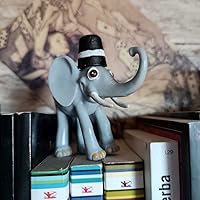
📚 Uno de los tochámenes de mi biblioteca. La edición de Acantilado que reúne los cinco libros de relatos del padre Brown de Chesterton. Estos relatos se disfrutan, para pasar el rato. Chesterton tiene otras obras de mayor complejidad narrativa y profundidad filosófica, pero para placer, diversión y conocer un personaje inolvidable son geniales.
🕵🏻♂️ «Publicada entre 1910 y 1935, la saga del padre Brown es probablemente la obra más querida y personal de Chesterton. Si el relato policíaco es la expresión más temprana de la poética de la vida y la ciudad modernas, ¿quién mejor –propone Chesterton, en una de sus brillantes paradojas– que un sacerdote de la humilde vieja guardia para descifrarla? Surge así uno de los más entrañables personajes literarios. Armado con poco más que un paraguas y el profundo conocimiento de lo humano adquirido en el confesionario, el regordete y despistado cura de Essex –para quien desacreditar la razón es mala teología– desentraña crímenes y misterios en los que la verdad elude tanto la fría deducción como la crédula explicación paranormal.»
🕵🏻♂️ «Publicada entre 1910 y 1935, la saga del padre Brown es probablemente la obra más querida y personal de Chesterton. Si el relato policíaco es la expresión más temprana de la poética de la vida y la ciudad modernas, ¿quién mejor –propone Chesterton, en una de sus brillantes paradojas– que un sacerdote de la humilde vieja guardia para descifrarla? Surge así uno de los más entrañables personajes literarios. Armado con poco más que un paraguas y el profundo conocimiento de lo humano adquirido en el confesionario, el regordete y despistado cura de Essex –para quien desacreditar la razón es mala teología– desentraña crímenes y misterios en los que la verdad elude tanto la fría deducción como la crédula explicación paranormal.»

July 13, 2022
Questo volume racchiude tutte e 5 le antologie di racconti su padre Brown, pubblicate separatamente in anni diversi; ho letto le prime due con interesse decrescente, poi ho desistito.
Ogni racconto tratta un caso, che sia un delitto, un intrigo o un semplice mistero, sono gialli, ma privi di investigazioni; il lettore non ha nessun modo di intravedere la soluzione che giunge all'improvviso,
grazie all'intuizione, psicologica o spirituale, di padre Brown, che risolve il caso e svela il mistero.
Ogni racconto tratta un caso, che sia un delitto, un intrigo o un semplice mistero, sono gialli, ma privi di investigazioni; il lettore non ha nessun modo di intravedere la soluzione che giunge all'improvviso,
grazie all'intuizione, psicologica o spirituale, di padre Brown, che risolve il caso e svela il mistero.
Displaying 1 - 30 of 82 reviews