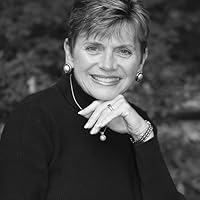
Untethered: A Caregiver's Tale is the story of Tom Conklin, a workaday administrator and proud baby boomer. His recent divorce has just ended in marriage to Mel—a sexy, younger French colleague—as he begins caring for his aging and increasingly difficult parents. When his formerly upstanding dad gets arrested for assault with an old dial phone, Tom tries to persuade his parents to sign over their power of attorney, to stop driving, or to take up a comparatively safe hobby like genital tattooing.
Denial, however, becomes Tom’s most powerful adversary. With Mel’s desire for children proving a game changer, his pot-smoking, French great-grandmother-in-law moving in, and his elderly neighbors challenging his very sense of self, Tom escapes into magical thinking. Buying into local lore sends him searching for real buried treasure, but meaningful, emotional treasure proves much more elusive.
Untethered: A Caregiver's Tale fills the need for full-length fiction as comic relief. It celebrates the modern family at its funniest and most vulnerable, offering cathartic fun aimed not at the care-given, but in praise of the caregiver.
I received a free copy of the book in exchange for an honest review.
I asked my dad once if he had long-term care insurance. He dumped a sponge of tofu into the blender for his morning smoothie and said, “Yes. A gun.” I stomped off to tell my mom.
It’s a fact of life – if you’re not aging, you’re dead. Life’s bell curve may peak at different times for different folks, but peak it does. And, after the peak is the slide, the slide back into diapers and soft foods. Even my kick-ass grandma ceased weeding her garden when she hit 93 years of age, stating that standing back up tortured her knees.
In the novel Untethered, author Phyllis Peters carves a progressively steepening downward slope of Tom Conklin’s parents’ mental abilities. Tom’s parents live in the same town as Tom and his wife Mel. Tom’s dad, Martin, is 85 years old and used to being in charge. Lil, Tom’s mom, is also an independent octogenarian who managed her home’s bills, taxes, and chores with precision for many years. Martin and Lil’s aging challenges begin slowly, like the etching of the Grand Canyon by a drop of water. The drop of water subtly becomes a raging river of concerns after several humorous and, at times scary, actions put Martin, Lil, and others in danger. Tom calls in his sister Deb for reinforcement to help manage their parents’ inability to safely take care of themselves. Together Deb and Tom meander the truths of becoming caregivers for their parents, the biggest struggle being how to do so while keeping their parents’ dignity intact.
The plot of Untethered stirs together the comedy and the starkness of aging. Tom and Deb’s struggle to manage their careers, marriages, and family lives amidst figuring out how to assist their parents creates an immediate sympathy with both characters. Thrown into the story are two minor subplots that lack tie-in with the main plot, but could be interesting stories on their own. The first is Tom’s aversion to nature. He’s cynical about organic farming, natural childbirth, and ancient medical remedies. That’s all fine, but there’s no loop back to the aging issues. The second subplot involves the mythical history of Tom and Mel’s vacation home. The character, Ol’ Greg, a native of the lands near the vacation home, colors the story with his eccentricities and search for treasure, but again, this subplot fails to lace into the story on aging. A subplot serves the plot, enriching the theme. If it doesn’t, it leaves a reader asking ‘who cares?’.
Despite my curiosity about the subplots’ objectives, Untethered has stuck with me. Like Tom and Deb, I’m in the middle years, raising children and watching my beloved parents age. Untethered spoke to the fears and frustrations of realizing the mortality of my parents. I talked so much about the realities of caring for aging parents shown in Untethered that my husband, who rarely reads fiction, asked to read my copy. Peters balanced Tom’s frustrations with ample laughs and contemplation, helping me realize that my teenage retort to my dad’s callous end-of-life plan wasn’t simply annoyance, but like Tom’s reactions, a retort that was tinged with sadness; sadness that the parents who held the back of my seat as I learned to ride a bike would one day not be there to catch me when I fell.
I was sent an advance review copy, and was quite taken with the story. Here is how we, and the central character are introduced to the main drama of the story:
“Mr. Conklin?”
“Yes?” I said. The aroma of brewing French roast filled our kitchen. I couldn’t concentrate.
“I’m Officer Vargas,” she clarified.
“Yes?” I repeated. I had to reflect, quickly. The IRS doesn’t call their people “officers,” do they?
“Mr. Conklin, we picked up your father in an incident this afternoon and he’s named you as the person able to provide transportation home. Are you able to come down and get him?”
I didn’t answer her at first. Taking coffee mugs out of the cabinet for me and Mel seemed a more real task. I set them on the counter, realizing slowly that I was not talking to the IRS. Mel couldn’t hear Officer Vargas’s side of the conversation, so she blinked and cocked her head. Behind her, the clock on the stove said it was 2 o’clock in the afternoon—a Tuesday afternoon, an early autumn one. We had both taken the day off from our hectic jobs at the hospital to relax and see the beauty. I was just beginning to see, and as that song from my youth says, I was now on my way. To the police. To spring my 85-year-old dad."
The rest of the story revolves around the challenges that Conklin and his wife face, as well as extended family, dealing with the father who has Alzheimer's.
The author said she wrote the book because she knew so many people who are caregiving, or will be caregiving, for people affected by dementia and/or Alzheimer's. She says, "Alzheimer’s destroys minds, but it also throws into pain and upheaval lives, families, memories—and joy. Caregivers can be under so much pressure that they do not know where to turn or how to get through the next hour of their own or their loved ones' lives. Untethered is my contribution to the emotional side of caregiving, to offering hope and perhaps a chuckle to anyone who needs a break or is seeking the simple pleasure of relief through shared experience.
The book does provide enough humor to help ease the tension for anyone dealing with a difficult situation. I remember that humor helped my long-time friend through the years of caregiving for her mother as her mother's mind slipped away. It is said that laughter is the other side of tears, so it is always good to laugh when you can.
I found the writing engaging, charming and full of hope and joy, and I really loved the primitive ink drawings at the beginning of each chapter. They had a special charm all of their own. I tried to capture an image from the book, but they were protected. I guess you have to read the book to see them for yourself. (smile)
Thomas Conklin is in the midst of a mid-life crisis. Pushing fifty, he’s facing the arrival of twin daughters with his second wife, impending grandfatherhood, and a simmering realization that his aging parents are in need of assisted living services to remain safe in their home, and it’s his job to make this happen.
Phyllis Peters’ debut novel, “Untethered: A Caregiver’s Tale,” gives us a fast-paced, often humorous peek into the life of a baby boomer as he encounters his place in the sandwich generation - those caring for aging parents while raising their own children. Full of quirky characters – the Shakespeare-quoting Phineas; a hash-smoking great grandmother from France, a fortune hunter named Gregory – and a few offbeat story lines – squatting in an abandoned cabin, Viking treasure, his once-CEO father’s “episodes” of alarming behavior - “Untethered” brings the plight of the elderly aging in place to the forefront. Exploring the serious issues of proper nutrition, driving, personal hygiene, and the need for “absorbent products,” Peters skillfully captures the shock, denial, and final acceptance which often accompany the realization that some of us are called to parent our own parents.
The novel blends many life-changing themes: new parenthood, becoming a grandfather, a second marriage, a blended family, and old age. Our hero handles all of it with a sense of humor, sharing his inner thoughts with us through his memoir. The antics of his father, Martin, come across with some comic relief, although for those experiencing such issues with their own parents they can be anything but funny: a car accident, incidents with the police, elder abuse on the part of a neighbor. His mother, Lil, is keeping things together as best as she can in spite of her own cognitive decline. Fortunately, Thomas has a sister who is willing and able to help and the two of them cobble together a plan to enable their parents to age in place with dignity.
“Untethered” entertains and educates, which makes it a great novel for those confronting elder issues, but for those who are not it’s a fun read.
Ever lost a parent? Worried that they aren't taking care of themselves? Tried to buy them a newfangled cell phone (in case they get lost)? Hoped and prayed they'd fail their driver's test? Well, all this and more makes UNTETHERED an endearing and very humorous (though all too believable) story told through the eyes of poor Tom, the son of aging parents. And not only is he the son of aging parents (as you most likely either are or will be some day), but also the husband of an absolutely delicious and often hilarious creature of French extraction (Mel). Yes, she says, Zee, instead of The...zirty-five...zat...etcetera...I can hear her speaking even as I write this. And while his parents are causing problems of one sort, Mel is hellbent on getting pregnant, which makes for fun of another sort. So, whether you're a "caregiver" or not, you'll enjoy this lovely, poignant, well-written story.