

What do you think?

Out of India: Selected Stories
Chosen by The New York Times Book Review as one of the best books of 1986, this volume of stories, selected by the author from her own early work, represents the essence of her Indian experience. Bearing Jhabvala's hallmark of balance, subtlety, wry humor, and beauty, these stories present characters that prove to be as vulnerable to the contradictions and oppressions of the human heart as to those of India itself.
288 pages, Paperback
First published January 1, 1986
About the author
Ruth Prawer Jhabvala
60 books192 followersRuth Prawer Jhabvala was a British and American novelist and screenwriter. She is best known for her collaboration with Merchant Ivory Productions, made up of film director James Ivory and producer Ismail Merchant.
In 1951, she married Indian architect Cyrus Jhabvala and moved to New Delhi. She began then to elaborate her experiences in India and wrote novels and tales on Indian subjects. She wrote a dozen novels, 23 screenplays, and eight collections of short stories and was made a Commander of the Order of the British Empire (CBE) in the Diplomatic Service and Overseas List of the 1998 New Years Honours and granted a joint fellowship by BAFTA in 2002 with Ivory and Merchant. She is the only person to have won both a Booker Prize and an Oscar.
In 1951, she married Indian architect Cyrus Jhabvala and moved to New Delhi. She began then to elaborate her experiences in India and wrote novels and tales on Indian subjects. She wrote a dozen novels, 23 screenplays, and eight collections of short stories and was made a Commander of the Order of the British Empire (CBE) in the Diplomatic Service and Overseas List of the 1998 New Years Honours and granted a joint fellowship by BAFTA in 2002 with Ivory and Merchant. She is the only person to have won both a Booker Prize and an Oscar.
Ratings & Reviews
Friends & Following
Create a free account to discover what your friends think of this book!
Community Reviews
Displaying 1 - 30 of 39 reviews

November 4, 2020
This is a great collection of 15 short stories by the author of Travelers, a novel that I enjoyed and reviewed. I read to get taken to other times and other places and these stories truly accomplish that goal by giving me a feel for what life is like in India. One main difference from modern western society that I see is the bundle of complex family relationships that have no counterpart in the West. Of course I don’t know for sure how accurate or how current these depictions of Indian life are. Stories in this book were published between the late 1950’s and 2000. For example, I suspect the family situation has improved somewhat for modern Indian women – fewer arranged marriages; fewer abusive relationships - but I also suspect that some of what is described still goes on especially in rural areas.

Here are a few quick descriptions of some of the stories:
In the Interview, a younger brother and his wife live in the household of his older brother. The younger brother is always applying for jobs that he never gets or quickly loses. His older sister-in-law is sweet on him. But his wife has to be subservient to the sister-in-law. The sister-in-law rules the house and evens beats the younger brother’s wife. No one intervenes.
In the Widow, the husband’s family waits for the middle-aged widow to turn her house and money over to them. Some of them are more of less “camped out” in her house, waiting. They are old-school and believe a widow should grieve, wear widow’s clothing, eat simple food and even shave her head for the rest of her life. She aspires for a fling with a young man, is repulsed, and finally gives in to their expectations.
My First Marriage is the story of a young woman who goes against her parents’ wishes to marry a man they feel is useless. Sure enough he can’t hold a job but he eventually becomes a swami and the house and street outside fill up with his followers.
In Passion, a young British woman assigned to India from a British office falls in love with a married Indian man. She no longer cares about her job and wants to live a “simple Indian life.”
In The Man with the Dog, an Indian widow takes in a Dutchman.
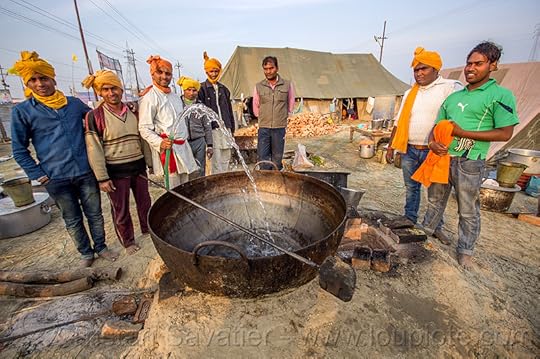
In A Spiritual Call, a young British woman falls in love with her swami. All of the author’s swamis (in these short stories and in the novel I read) want to get publicity and go raise more money in California. The male swamis court older women who have money. At the ashram huts they pray and sing hymns all day. They sleep on cement floors with flies and bedbugs. To me, the whole swami experience comes across more as self-abasement than enlightenment.
Desecration touches on Hindu-Moslem relations. We know at the start of the story that the married Moslem woman has killed herself. She was having an affair with a young Hindu man who was the local police chief.
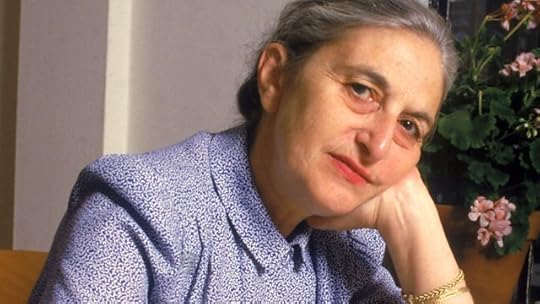
The author (1927-2013) was of British, American and Jewish ancestry. She married an Indian man and moved to India in 1951. In addition to her novels and stories she was a famous screenwriter, teamed up with Merchant-Ivory. In fact the Wikipedia entry implies that we should call those productions Merchant-Ivory-Jhabvala. She wrote the scripts for many of their most famous productions such as The Remains of the Day, A Room With a View and Howard’s End. She won the Booker Prize for her novel Heat and Dust, 1975, also made into a movie. This collection includes an introduction about her take on life in India, “My Self in India.”
Ruth Prawer Jhabvala is one of my favorite authors. I’ve read several of her novels and a collection of short stories. Below are links to my reviews of other books by her:
Heat and Dust
A Backward Place
Travelers
Top photo - Mumbai street scene from alamy.com
Scene from an ashram from loupiote.com
The author from bbci.co.uk
Here are a few quick descriptions of some of the stories:
In the Interview, a younger brother and his wife live in the household of his older brother. The younger brother is always applying for jobs that he never gets or quickly loses. His older sister-in-law is sweet on him. But his wife has to be subservient to the sister-in-law. The sister-in-law rules the house and evens beats the younger brother’s wife. No one intervenes.
In the Widow, the husband’s family waits for the middle-aged widow to turn her house and money over to them. Some of them are more of less “camped out” in her house, waiting. They are old-school and believe a widow should grieve, wear widow’s clothing, eat simple food and even shave her head for the rest of her life. She aspires for a fling with a young man, is repulsed, and finally gives in to their expectations.
My First Marriage is the story of a young woman who goes against her parents’ wishes to marry a man they feel is useless. Sure enough he can’t hold a job but he eventually becomes a swami and the house and street outside fill up with his followers.
In Passion, a young British woman assigned to India from a British office falls in love with a married Indian man. She no longer cares about her job and wants to live a “simple Indian life.”
In The Man with the Dog, an Indian widow takes in a Dutchman.
In A Spiritual Call, a young British woman falls in love with her swami. All of the author’s swamis (in these short stories and in the novel I read) want to get publicity and go raise more money in California. The male swamis court older women who have money. At the ashram huts they pray and sing hymns all day. They sleep on cement floors with flies and bedbugs. To me, the whole swami experience comes across more as self-abasement than enlightenment.
Desecration touches on Hindu-Moslem relations. We know at the start of the story that the married Moslem woman has killed herself. She was having an affair with a young Hindu man who was the local police chief.
The author (1927-2013) was of British, American and Jewish ancestry. She married an Indian man and moved to India in 1951. In addition to her novels and stories she was a famous screenwriter, teamed up with Merchant-Ivory. In fact the Wikipedia entry implies that we should call those productions Merchant-Ivory-Jhabvala. She wrote the scripts for many of their most famous productions such as The Remains of the Day, A Room With a View and Howard’s End. She won the Booker Prize for her novel Heat and Dust, 1975, also made into a movie. This collection includes an introduction about her take on life in India, “My Self in India.”
Ruth Prawer Jhabvala is one of my favorite authors. I’ve read several of her novels and a collection of short stories. Below are links to my reviews of other books by her:
Heat and Dust
A Backward Place
Travelers
Top photo - Mumbai street scene from alamy.com
Scene from an ashram from loupiote.com
The author from bbci.co.uk

May 10, 2017
I thoroughly enjoyed reading these 16 stories that Ruth Prawer Jhabvala (1927-2013) wrote between 1957 and 2000. All set in India and written from multiple points of view, these stories are made of the differences between rich and poor, between innocence and worldliness, between rural and urban lives, between Eastern and Western values - as well as contrasts in class and gender roles - all delivered in descriptive, matter-of-fact, often poetic prose that made me feel like I was hearing some first-rate gossip.
These stories explore people being vulnerable and ridiculous in both secular and spiritual love; the subterranean relationships amongst gurus and disciples; the straddling of cultures by Westernized Indians, as well as Westerners absorbed-by and yet, detached-from India - who no longer fit in where they came from.
I loved when sleeziness and lack of couth showed up where I was expecting refinement and high moral standards because it made me question my assumptions.
These stories explore people being vulnerable and ridiculous in both secular and spiritual love; the subterranean relationships amongst gurus and disciples; the straddling of cultures by Westernized Indians, as well as Westerners absorbed-by and yet, detached-from India - who no longer fit in where they came from.
I loved when sleeziness and lack of couth showed up where I was expecting refinement and high moral standards because it made me question my assumptions.

November 28, 2020
What a bunch of sad sack women. I couldn't tell you which story had a more compelling contest for the biggest pity party or slug identity award. This author disliked the entire Indian culture and every story tells you exactly why.
The prose was better than average but my enjoyment was 1 star. Maybe 1.5 stars in just a couple of the stories.
Coming from the time it was written I had a totally different expectation for getting what I got. I can't say it's dated, because other than the switching narrators within one piece, it does fit right in with the tone of the last 10 or 15 years of "moderns". Me, me, me and almost totally depressive.
On to the next. After this I really have no desire at all to read her heralded novel Heat and Dust. I just don't.
The prose was better than average but my enjoyment was 1 star. Maybe 1.5 stars in just a couple of the stories.
Coming from the time it was written I had a totally different expectation for getting what I got. I can't say it's dated, because other than the switching narrators within one piece, it does fit right in with the tone of the last 10 or 15 years of "moderns". Me, me, me and almost totally depressive.
On to the next. After this I really have no desire at all to read her heralded novel Heat and Dust. I just don't.

June 19, 2011
I know Ruth Prawer Jhabvala through her fantastic screenplays: The Householder, The Europeans, Quartet The Bostonians, Heat and Dust, A Room with a View, Howards End, and The Remains of the Day. I felt that
she was particularly suited to adapting the E.M. Forster novels because of her outsider status: a German Jew who fled to Britain during the war, moved to India with her husband, and then to the United States. As these stories (though fiction) reveal, she was in a constant state of outsider-ness, displaced by war, circumstance, and some amount of personal choice. Her work reflects a strong empathy with the outsider and the ways in which he/she sits uneasily between what is personally desired and what is acceptable in society. These stories, though gently and simply written, are rather bleak and unsparing, especially as they describe marginalized or otherwise stifled outsiders in India.
she was particularly suited to adapting the E.M. Forster novels because of her outsider status: a German Jew who fled to Britain during the war, moved to India with her husband, and then to the United States. As these stories (though fiction) reveal, she was in a constant state of outsider-ness, displaced by war, circumstance, and some amount of personal choice. Her work reflects a strong empathy with the outsider and the ways in which he/she sits uneasily between what is personally desired and what is acceptable in society. These stories, though gently and simply written, are rather bleak and unsparing, especially as they describe marginalized or otherwise stifled outsiders in India.

Read
February 4, 2019This opened really well -- the introductory section, more-or-less on how she came to live in India, and then get sick of it, has genuine LOL moments. As does the first story, "My First Marriage", about a naive young woman and her spiritual sort-of husband. The third, about a tight-fisted widow, I liked less. "The Interview" I bounced off of, and "A Spiritual Call", about a Swami and his devotees -- the MC is a ditzy English girl, was just OK. So I think I'll take a break, and try to pick and choose -- I'm pretty sure there are more gems in here, and the stories are short.
OK, Library copy came due, & I feel no real need to try again. 2.4 stars for what I read, maybe 1/4 of the book. So DNF, and left unrated. I'm likely done. But: if you happen to see the book, read her introduction! And that first story.
OK, Library copy came due, & I feel no real need to try again. 2.4 stars for what I read, maybe 1/4 of the book. So DNF, and left unrated. I'm likely done. But: if you happen to see the book, read her introduction! And that first story.
December 1, 2015
an evocative bunch of stories mainly about the ex-pat community in India, although some are from the point of view of Indian characters, rich and poor, guru and peasant. In the introduction the author states that the inescapable fact in India is poverty, something she never came to terms with, and this is reflected in some stories. There is a lot of unhappiness, boredom (or ennui) and some joy too...

September 29, 2007
"What I am interested now is myself in India" writes Jhabvala in the introduction to this delightful collection of short stories. The stories paint an interesting portrait of Indian life and values from a Western perspective. When caste and tradition provide conflict, the author often deliberately draws her characters within certain moral lines. When Durga choses to shirk the traditional role of widow to live as she pleases, we feel resentment towards her self-serving family. To write Jhabvala off as a Western critique of Eastern values, however, sells her short. The characters are more often than not, multi-dimensional, albeit tragically devoid of insight. Many are self-sacrificing and overall noble in intent. While characters and themes are for the most part less than clear cut, what emerges from these Indian-themed tales of love, marriage, and disappointment is that Jhabvala is one fantastic writer.

December 24, 2021
I enjoyed the stories enormously. Well written, fascinating characters and a close up into India.
However, Ms. Prawe Jhanvala didn’t know how to finish them. You’re reading along and wham! A haphazard ending.
However, Ms. Prawe Jhanvala didn’t know how to finish them. You’re reading along and wham! A haphazard ending.

August 20, 2008
This is a wonderful book of short stories about India from many different perspectives. It was gripping, sad, at times funny and ditsurbing. I am looking forward to reading more of her writing.

January 9, 2018
Booker Prize winner in 1975 for "Heat and Dust"

June 10, 2024
I am fascinated by books about India, so was happy to discover these stories by Ruth Prawer Jhabvala, many of which are centred around women who come to India as devotees of gurus, bored ex pat wives, and relationships between Indian husbands and wives and their families.
The first copyright is 1957, and I kept hoping that the level of sexism might have changed by now.
A fascinating snapshot into a world that I'll probably never see firsthand, and some beautiful writing:
"The room seemed very small with these two in it, and when they had gone, it seemed very empty." (Passion)
"But I always know, in whatever language they are speaking, when they start saying tings about India. Sooner of later they always come to this subject, and then their faces change, they look mean and bitter like people who feel they have been cheated by some shopkeeper and it is too late to return the goods." (The Man with the Dog)
"I had a strange sensation then, l as if I wanted to stip off all my clothes and parade up and down the room naked. I thought of all the men's eyes that follow one in the street, and for the first time it struck me that the expression in them was like that in the eyes of prisoners looking through their bars at the world outside; and then I thought maybe I'm that world outside for them - the way I go here and there and talk and laugh with everyone and do what I like - maybe I'm the river and trees they can't have where they are." (An Experience of India)
The first copyright is 1957, and I kept hoping that the level of sexism might have changed by now.
A fascinating snapshot into a world that I'll probably never see firsthand, and some beautiful writing:
"The room seemed very small with these two in it, and when they had gone, it seemed very empty." (Passion)
"But I always know, in whatever language they are speaking, when they start saying tings about India. Sooner of later they always come to this subject, and then their faces change, they look mean and bitter like people who feel they have been cheated by some shopkeeper and it is too late to return the goods." (The Man with the Dog)
"I had a strange sensation then, l as if I wanted to stip off all my clothes and parade up and down the room naked. I thought of all the men's eyes that follow one in the street, and for the first time it struck me that the expression in them was like that in the eyes of prisoners looking through their bars at the world outside; and then I thought maybe I'm that world outside for them - the way I go here and there and talk and laugh with everyone and do what I like - maybe I'm the river and trees they can't have where they are." (An Experience of India)

December 14, 2020
An excellent collection of short stories written between the years 1957 to 2000. The stories seemed to mostly revolve around the culture and habits of India as seen from the perspective of a European living in India, as was Ruth Prawer Jhabvala. I say this because the first story in the book, "Introduction: Myself In India", describes her experience and feelings while living there. She apparently became more and more disenchanted with her life there as the years went on. This was summed up in the very first paragraph which said: "I have lived in India for most of my adult life. My husband is Indian and so are my children. I am not, and less so every year". She went on from there without a lot of good things to say about her experience. So this influenced my reading interpretation of the rest of the book. Most of the stories pointed out unpleasant habits (as seen from a Western perspective) of Indian people. The story that stood out most to me in this regard was "The Widow" that spoke about the expectations that were placed on a widow by society. This was a beautifully written book but sometimes rather disturbing.
January 14, 2024
I gave this book three stars because of the high quality of the writing. However, I chose not to read every story in the book because I found the stories to be similar and disturbing. The stories were typically about a central character (usually a woman) who is completely overtaken by a passion that ultimately results in tragedy. Jhabvala writes vividly and crisply; her spare descriptions make it very possibly to visualize settings that are entirely unfamiliar to me. But she writes with no empathy for her characters, in an omniscient, unemotional style. It is obvious from her introduction that she grew to hate living in India, and this is perhaps the reason these stories portray deeply flawed characters with tragic outcomes.
October 13, 2019
I had always thought she is a Parsi emmigrant who made living writing about India. He stories reveal her strong dislike of the culture and people as such and she is vocal about it. Despite that i like her literary style and the details she captures in short stories. Enjoyed reading it though it gives a very biased view of the nation.
May 16, 2020
I read this book based on my friend, Leslie Reese's, excellent review. As she also observed, these stories challenged my assumptions and broadened my mind. A wonderful collection of stories in which I have enjoyed losing myself these past couple of weeks!

October 17, 2020
Great stories but I couldn’t read them in quick succession because the themes are very repetitive. A lot of women debasing themselves for mediocre men, looking for meaning and latching on to a false idea of happiness that ends up destroying them. The three stories I would recommend most are The Widow, Passion and Desecration.
Read
August 14, 2022All stories set in 1950s India but are surprisingly very relevant today; the context is different from today but the reactions of a lot of the characters are not. Also, I see why she (or her co) was selected to develop EM Forster's book, A Passage to India. She really skewers expats while also making them sympathetic. Or maybe just pathetic.
September 14, 2017
Very good collection of stories, very poignant tales. Despite their diversity, they all seem to be about the same theme - the troubles of women, either middle or upper class Indian, or "Western," dealing with Indian men and culture.

August 2, 2022
There’s one main female character in these stories and sometimes she’s Indian and sometimes she’s white, and she can be old or young or rich or, well, never poor but maybe poorer, but she’s always kind of the same. But Jhabvala writes like a dream.
September 10, 2020
Agree with Alan. Prawer Jhabvala distills the emotion seen in her longer works into these short stories, which are sometimes unhappy. A few are sublime.
February 4, 2023
Comfort reading.

April 8, 2026
Jhabvala is an incredible writer, but she really doesn't like her characters very much.

June 5, 2026
Lovely stories.
April 22, 2022
Το μυθιστόρημα αναπτύσσεται σε δύο παράλληλες χρονικές γραμμές .
Τη δεκαετία του 1920 η ιστορία ακολουθεί την Ολίβια, τη νεαρή και πρόσφατα παντρεμένη σύζυγο του Βρετανού αξιωματούχου Ντάγκλας Ρίβερς. Η Ολίβια δυσκολεύεται να προσαρμοστεί στον άκαμπτο, αποικιοκρατικό τρόπο ζωής των Βρετανών στην Ινδία και ταυτόχρονα νιώθει μια έντονη, μυστικιστική έλξη για τη χώρα. Σύντομα γοητεύεται και ξεκινά μια παθιασμένη, παράνομη σχέση με τον Ναβάμπ (τοπικό πρίγκιπα) του Χαντκίρ ... και τη δεκαετία δεκαετία του 1970 όπου πενήντα χρόνια αργότερα, η ανώνυμη εγγονή της Ολίβια ταξιδεύει στην Ινδία για να ανακαλύψει την αλήθεια για τη ζωή της προγιαγιάς της και τον λόγο της φυγής της. Ακολουθώντας τα ίχνη της, βιώνει και η ίδια τη σύγχρονη Ινδία, τον πνιγηρό της καύσωνα, τη φτώχεια, τη θρησκευτικότητα και τη γραφειοκρατία....
Ο τίτλος, Heat and Dust ("Ζέστη και Σκόνη"), συμβολίζει ταυτόχρονα το φυσικό περιβάλλον, αλλά και την πνευματική ασφυξία και την ηθική ασάφεια που βιώνουν οι χαρακτήρες. Το μυθιστόρημα εξετάζει τη χειραφέτηση της γυναίκας, την υποκρισία του βρετανικού ιμπεριαλισμού και την αναζήτηση της ταυτότητας μέσα από την επαφή με έναν ριζικά διαφορετικό πολιτισμό.
Η ηρωίδα της παρελθούσας ιστορίας. Είναι ευαίσθητη, αντισυμβατική, διψά για ζωή και πάθος, και αδυνατεί να δεχτεί τους περιορισμούς της αποικιοκρατικής κοινωνίας σε αντίθεση με την εγγονή της που είναι μια σύγχρονη γυναίκα, πιο πρακτική και ίσως πιο αποστασιοποιημένη .
Η παράλληλη αφήγηση των δύο εποχών δημιουργεί ενδιαφέρουσες αντιθέσεις και παραλληλισμούς.
Ίσως η συγγραφέας αποφεύγοντας τα κλισέ του εξωτισμού , εστιάζει υπερβολικά στις αρνητικές πτυχές της Ινδίας (φτώχεια, ζέστη, ασθένειες), δίνοντας μια μονόπλευρη εικόνα.
Σύσταση:Καλύτερο από τον μέσο όρο, αλλά όχι αριστούργημα .
Τη δεκαετία του 1920 η ιστορία ακολουθεί την Ολίβια, τη νεαρή και πρόσφατα παντρεμένη σύζυγο του Βρετανού αξιωματούχου Ντάγκλας Ρίβερς. Η Ολίβια δυσκολεύεται να προσαρμοστεί στον άκαμπτο, αποικιοκρατικό τρόπο ζωής των Βρετανών στην Ινδία και ταυτόχρονα νιώθει μια έντονη, μυστικιστική έλξη για τη χώρα. Σύντομα γοητεύεται και ξεκινά μια παθιασμένη, παράνομη σχέση με τον Ναβάμπ (τοπικό πρίγκιπα) του Χαντκίρ ... και τη δεκαετία δεκαετία του 1970 όπου πενήντα χρόνια αργότερα, η ανώνυμη εγγονή της Ολίβια ταξιδεύει στην Ινδία για να ανακαλύψει την αλήθεια για τη ζωή της προγιαγιάς της και τον λόγο της φυγής της. Ακολουθώντας τα ίχνη της, βιώνει και η ίδια τη σύγχρονη Ινδία, τον πνιγηρό της καύσωνα, τη φτώχεια, τη θρησκευτικότητα και τη γραφειοκρατία....
Ο τίτλος, Heat and Dust ("Ζέστη και Σκόνη"), συμβολίζει ταυτόχρονα το φυσικό περιβάλλον, αλλά και την πνευματική ασφυξία και την ηθική ασάφεια που βιώνουν οι χαρακτήρες. Το μυθιστόρημα εξετάζει τη χειραφέτηση της γυναίκας, την υποκρισία του βρετανικού ιμπεριαλισμού και την αναζήτηση της ταυτότητας μέσα από την επαφή με έναν ριζικά διαφορετικό πολιτισμό.
Η ηρωίδα της παρελθούσας ιστορίας. Είναι ευαίσθητη, αντισυμβατική, διψά για ζωή και πάθος, και αδυνατεί να δεχτεί τους περιορισμούς της αποικιοκρατικής κοινωνίας σε αντίθεση με την εγγονή της που είναι μια σύγχρονη γυναίκα, πιο πρακτική και ίσως πιο αποστασιοποιημένη .
Η παράλληλη αφήγηση των δύο εποχών δημιουργεί ενδιαφέρουσες αντιθέσεις και παραλληλισμούς.
Ίσως η συγγραφέας αποφεύγοντας τα κλισέ του εξωτισμού , εστιάζει υπερβολικά στις αρνητικές πτυχές της Ινδίας (φτώχεια, ζέστη, ασθένειες), δίνοντας μια μονόπλευρη εικόνα.
Σύσταση:Καλύτερο από τον μέσο όρο, αλλά όχι αριστούργημα .

July 29, 2024
Uncomfortable and disturbing more often than not. I find these selected stories to be untrue to what may be the selection's purpose: to offer a varied view of Indian society. The back cover boasts praise from several American-based news outlets, notably none from India itself. If you seek stories that maintain an exotic and and backhanded view of the country, if you like the idea of India rather than the reality, this may the book to read. Many of the stories' settings are outdated. Interesting observations at best, paedophilic at worst. The written language is admittedly praiseworthy.
– AF
– AF
August 6, 2007
Through a series of short stories, the author provides a perspective of India through her version of the different types of people one might encounter there. I don't remember the book well, but I know I liked her writing style enough to pick this book up after reading Heat & Dust and then went on to read Travelers. Those who like movies like Remains of the Day, Howards End, and Room with a View will enjoy her work.

April 5, 2011
I picked this up at the library because it was about India. I struggled with it. Perhaps I'm not intellectual enough...
I pressed on, and was pleased that not ALL of the stories were tied somehow to sex but mostly I just wished these people were a little less ridiculous and that the stories spoke more to the version of India I experienced. (and yes, I did read the jacket blurb about the stories speaking to universal humanity; blah, blah, blah)
I pressed on, and was pleased that not ALL of the stories were tied somehow to sex but mostly I just wished these people were a little less ridiculous and that the stories spoke more to the version of India I experienced. (and yes, I did read the jacket blurb about the stories speaking to universal humanity; blah, blah, blah)

near-completion
December 27, 2012Read so far:
Myself in India
My First Marriage
The Widow
The Interview
A Spiritual Call
Passion
The Man with the Dog
An Experience of India
The Housewife
Rose Petals
Two More Under the Indian Sun
Bombay
On Bail
In the Mountains
How I Became a Holy Mother
Desecration
***
Aphrodisiac
A Course of English Studies--2
The Englishwoman--3
In a Great Man's House--3
The Judge's Will--3
A Loss of Faith--2
Miss Sahib--4
A Star and Two Girls--3
Myself in India
My First Marriage
The Widow
The Interview
A Spiritual Call
Passion
The Man with the Dog
An Experience of India
The Housewife
Rose Petals
Two More Under the Indian Sun
Bombay
On Bail
In the Mountains
How I Became a Holy Mother
Desecration
***
Aphrodisiac
A Course of English Studies--2
The Englishwoman--3
In a Great Man's House--3
The Judge's Will--3
A Loss of Faith--2
Miss Sahib--4
A Star and Two Girls--3
January 17, 2008
great, well written short stories that show some views of what it was like (and maybe still is like) to live in India with all its many - sometimes contradictory - facets, layers and depths. This is not travel writing, but it could help someone traveling to India to begin to understand what they are going to be experiencing.
January 19, 2010
I just finished this book last night around 1am. She is a very detailed author and it was well-written. I think her style of writing is what kept my attention more than the content. I picked this because it seemed like something I would not normally read. I will have to add her to my list of authors.
Displaying 1 - 30 of 39 reviews