

What do you think?

شهر في القرية
في مكامن النفس البشرية تتشابك تلك الخيوط الرفيعة لمشاعر الحب ويصل تورجنيف الى جذورها في تعبير صادق عن الوجدان وتحليل سيكولوجي لاعماق الصراع النفسي لاناس نحبهم ونتعاطف معهم.
تعرض كوميديا شهر في القرية على منبر المسرح الواقعي اخلاق وسمات المثقفين النبلاء تقابلهم سمات الشباب البسيط والانسان المعاصر الجديد وهنا يمكن المغزى الاجتماعي لأهم عمل درامي كتبه الأديب الروسي إيفان سرجييفيتش تورجنينيف.
تعرض كوميديا شهر في القرية على منبر المسرح الواقعي اخلاق وسمات المثقفين النبلاء تقابلهم سمات الشباب البسيط والانسان المعاصر الجديد وهنا يمكن المغزى الاجتماعي لأهم عمل درامي كتبه الأديب الروسي إيفان سرجييفيتش تورجنينيف.
232 pages, Paperback
First published January 1, 1855
About the author
Ivan Turgenev
2,215 books2,990 followersIvan Sergeyevich Turgenev (Cyrillic: Иван Сергеевич Тургенев) was a novelist, poet, and dramatist, and now ranks as one of the towering figures of Russian literature. His major works include the short-story collection A Sportsman’s Sketches (1852) and the novels Rudin (1856), Home of the Gentry (1859), On the Eve (1860), and Fathers and Sons (1862).
These works offer realistic, affectionate portrayals of the Russian peasantry and penetrating studies of the Russian intelligentsia who were attempting to move the country into a new age. His masterpiece, Fathers and Sons, is considered one of the greatest novels of the nineteenth century.
Turgenev was a contemporary with Fyodor Dostoevsky and Leo Tolstoy. While these wrote about church and religion, Turgenev was more concerned with the movement toward social reform in Russia.
These works offer realistic, affectionate portrayals of the Russian peasantry and penetrating studies of the Russian intelligentsia who were attempting to move the country into a new age. His masterpiece, Fathers and Sons, is considered one of the greatest novels of the nineteenth century.
Turgenev was a contemporary with Fyodor Dostoevsky and Leo Tolstoy. While these wrote about church and religion, Turgenev was more concerned with the movement toward social reform in Russia.
Ratings & Reviews
Friends & Following
Create a free account to discover what your friends think of this book!
Community Reviews
Displaying 1 - 30 of 87 reviews

February 12, 2018
In my late teens/early twenties I was very involved in amateur theatre, performing with a number of theatre groups and eventually being intimately involved in the establishment of what became, in the early 1960's, Melbourne's largest and most progressive amateur theatre group, with our own dedicated theatre premises in a warehouse in the heart of the city.
We presented Месяц в деревне. ie, "A Month in the Country", staging five performances a week for, I think, a six weeks season. I played the role of Belyaev, the new tutor to Natalya's son, Kolya. I was about 21 or 22 at the time and novice that I was, I clearly remember the difficulty of attempting to interpret, in any way, my first "foreign" play during it's first read-through and beyond. But as rehearsals progressed and our director teased out the characters and their entanglements, I became totally engrossed with the play, despite the fact that I was so young and emotionally immature myself at the time.
I still have my annotated copy of the script somewhere in my hoard of memorabilia and I think it would make very interesting reading now, some 55 years on. All I would have to do is find it!
We presented Месяц в деревне. ie, "A Month in the Country", staging five performances a week for, I think, a six weeks season. I played the role of Belyaev, the new tutor to Natalya's son, Kolya. I was about 21 or 22 at the time and novice that I was, I clearly remember the difficulty of attempting to interpret, in any way, my first "foreign" play during it's first read-through and beyond. But as rehearsals progressed and our director teased out the characters and their entanglements, I became totally engrossed with the play, despite the fact that I was so young and emotionally immature myself at the time.
I still have my annotated copy of the script somewhere in my hoard of memorabilia and I think it would make very interesting reading now, some 55 years on. All I would have to do is find it!

July 12, 2026
این نمایشنامه بیشتر از اینکه دربارهی عشق باشه، دربارهی ملال بود. یه ملالی که آروم آروم آدم رو به جایی میرسونه که خودش هم دیگه خودش رو نمیشناسه.
دلم برای ناتاشا سوخت. نه چون فکر میکنم کارش درست بود، فقط چون فهمیدم بعضی زندگیها از بیرون کاملاً عادیان، ولی از تو آدم رو خالی میکنن.
دلم برای ناتاشا سوخت. نه چون فکر میکنم کارش درست بود، فقط چون فهمیدم بعضی زندگیها از بیرون کاملاً عادیان، ولی از تو آدم رو خالی میکنن.

August 30, 2018
راستش فکر نمی کردم این اثر، چنین دلنشین غافلگیرم کند
امروز قرار بود که فقط به یکسری از کارهایم که مثلا از قبل برنامه ریزی کرده بودم برسم ....اما می بینید؟ می بینید که گاهی یک کتاب چطور همه برنامه ها رو میتونه تغییر بده؟ طوری که تمام روز بی اعتنا به کارهای بی نوای منتظر، فقط زاویه نشین تورگینف شدم ...شانس آوردم که حجم کمی داشت
"یک ماه در دهکده" را دوست داشتم
یک کمدی قرن نوزدهمی ِ روسی
شرح چند روز از زندگی یک خانواده کوچک و روابطشان با تعدادی از دوستان و آشناهایشان
انگار نویسنده، مساله اختلاف طبقاتی روسیه ی آن روزگار و تاثیر حلقه وار آن را بر روابط و کنش های افراد، مثل یک مینیاتور به ظرافت تمام در این نمایشنامه ترسیم می کند
به نظرم این کتاب سرشار بود از اضطرابی ملایم اما پرکشش ، عباراتی که شوق سرازیر شدن دارند اما مدام احتیاط می کنند و در مرز رها شدن مهار می شوند، پیچش و جوشش ملموسی که شخصیت ها متاثر از ماجراهای پیرامونشان دچارش هستند و التهابی که هنرمندانه خواننده را پی خود فرا میخواند، اصالت اثر در تمام مسیر نمایش حفظ می شود و به نظرم هرگز به ورطه پرگویی یا هرز شدن نمی افتد
ترجمه بسیار خوشخوان و صمیمی آبتین گلکار هم که نیاز به تعریف ندارد
خلاصه که کلا این کتاب حس مطبوعی برایم داشت چیزی شبیه تحویل دادن برگه آخرین امتحان نیم ترم دوم و آسودگی دلپذیرش
***
اشپیگلسکی : می دانید که قافله سالار خیلی راحت ممکن است ته قافله بیفتد...فقط کافی ست جهت حرکت کاروان تغییر کند...۷۰
امروز قرار بود که فقط به یکسری از کارهایم که مثلا از قبل برنامه ریزی کرده بودم برسم ....اما می بینید؟ می بینید که گاهی یک کتاب چطور همه برنامه ها رو میتونه تغییر بده؟ طوری که تمام روز بی اعتنا به کارهای بی نوای منتظر، فقط زاویه نشین تورگینف شدم ...شانس آوردم که حجم کمی داشت
"یک ماه در دهکده" را دوست داشتم
یک کمدی قرن نوزدهمی ِ روسی
شرح چند روز از زندگی یک خانواده کوچک و روابطشان با تعدادی از دوستان و آشناهایشان
انگار نویسنده، مساله اختلاف طبقاتی روسیه ی آن روزگار و تاثیر حلقه وار آن را بر روابط و کنش های افراد، مثل یک مینیاتور به ظرافت تمام در این نمایشنامه ترسیم می کند
به نظرم این کتاب سرشار بود از اضطرابی ملایم اما پرکشش ، عباراتی که شوق سرازیر شدن دارند اما مدام احتیاط می کنند و در مرز رها شدن مهار می شوند، پیچش و جوشش ملموسی که شخصیت ها متاثر از ماجراهای پیرامونشان دچارش هستند و التهابی که هنرمندانه خواننده را پی خود فرا میخواند، اصالت اثر در تمام مسیر نمایش حفظ می شود و به نظرم هرگز به ورطه پرگویی یا هرز شدن نمی افتد
ترجمه بسیار خوشخوان و صمیمی آبتین گلکار هم که نیاز به تعریف ندارد
خلاصه که کلا این کتاب حس مطبوعی برایم داشت چیزی شبیه تحویل دادن برگه آخرین امتحان نیم ترم دوم و آسودگی دلپذیرش
***
اشپیگلسکی : می دانید که قافله سالار خیلی راحت ممکن است ته قافله بیفتد...فقط کافی ست جهت حرکت کاروان تغییر کند...۷۰

June 17, 2020
یک ماه در دهکده یک نمایشنامه مهم از تورگینف است که در پنج پرده نگاشته شده است. تورگینف با داشتن وصف قدرتمند شخصیت ها و همچنین اشاره به عشق و کشمکش های ان و ارمان های انسانی این کتاب را بردیگر نمایشنامه هایش رجحان می دهد.

August 28, 2022
سه و نیم

June 24, 2021
فضا، دیالوگها و ترجمه عالی بودند. موضوعش، موضوع موردعلاقه من نبود ولی به قدری از خوندنش لذت بردم که میتونم بگم اهمیتی نداشت.

October 23, 2012
Originally published on my blog here in February 2001.
One of the most important plays of the nineteenth century, A Month in the Country is a precursor of the work of Chekhov, and brings to the theatre the psychological interests of Turgenev's novels (which also influenced the writers who followed him). Surprisingly, Turgenev had little confidence in the play, and certainly didn't expect it to be staged. He was modest about his writing in general, and meekly accepted the verdict of literary friends that he was no dramatist. It is possible to see why these critics did not respond positively to the play. It is immensely long; without cuts, a performance would last over five hours. It is not a romantic melodrama, though it has a theme, doomed love, which has melodramatic potential. (Melodramas were the staple of the nineteenth century stage.) Its author describes A Month in the Country as a "comedy", but it is an extremely puzzling generic attribution. It has political and sexual undercurrents which caused trouble with the official censor, leading to its original publication in a drastically cut version. (This translation, like all modern ones, is of the restored full text.)
The plot of A Month in the Country is pretty much a mirror image of that of Turgenev's novel First Love, in which a young man discovers that his rival for the affections of the woman he considers a goddess is his own father. Verochka is a seventeen year old orphan who lives with Natalya Petrovna, her guardian Natalya has recently appointed a new tutor for her own son, the student Belyaev, and Verochka develops a crush on him as Natalya desires to make him her lover. The mainspring of the play is Natalya's attempts to manipulate those around her to get her desires, and this includes trying to arrange a marriage between her ward and their neighbour, an unprepossessing, unromantic man in his late forties. Her machinations eventually cause the destruction of the lives around her.
Turgenev reasonably enough regarded Natalya as the central character in the play, though it is possible to produce it to make the naive Verochka almost as important. The tutor, unaware of the passions he has created, is a fairly empty part. The other men are more interesting. Islyaev, Natalya's husband, is fairly peripheral to the action; always wanting to believe the best of everyone, he sees very little of what is going on around him. The censor wanted to change his and Natalya's relationship, on the grounds that it wasn't decent to portray a woman with a living husband chasing another man. Islyaev's best friend, Rakitin, has been hopelessly in love with Natalya for years, and his unrequited passion could almost provide the basis for a play of its own. Then there is the local doctor, Schpiegelsky, who is a cynical outsider (as a man from a poor background, he is of the wrong class to be fully accepted). His is perhaps the most forward looking role in the play, the observer of the follies of mankind having become quite a staple character in modern literature.
The length of the play gives Turgenev the space to develop the characters in an almost novelistic manner, and this is how he initially regarded it, as something he wrote to be read rather than performed. It does, in fact, work well on the stage, with judicious cutting; far more so than many plays not intended for performance.
One of the most important plays of the nineteenth century, A Month in the Country is a precursor of the work of Chekhov, and brings to the theatre the psychological interests of Turgenev's novels (which also influenced the writers who followed him). Surprisingly, Turgenev had little confidence in the play, and certainly didn't expect it to be staged. He was modest about his writing in general, and meekly accepted the verdict of literary friends that he was no dramatist. It is possible to see why these critics did not respond positively to the play. It is immensely long; without cuts, a performance would last over five hours. It is not a romantic melodrama, though it has a theme, doomed love, which has melodramatic potential. (Melodramas were the staple of the nineteenth century stage.) Its author describes A Month in the Country as a "comedy", but it is an extremely puzzling generic attribution. It has political and sexual undercurrents which caused trouble with the official censor, leading to its original publication in a drastically cut version. (This translation, like all modern ones, is of the restored full text.)
The plot of A Month in the Country is pretty much a mirror image of that of Turgenev's novel First Love, in which a young man discovers that his rival for the affections of the woman he considers a goddess is his own father. Verochka is a seventeen year old orphan who lives with Natalya Petrovna, her guardian Natalya has recently appointed a new tutor for her own son, the student Belyaev, and Verochka develops a crush on him as Natalya desires to make him her lover. The mainspring of the play is Natalya's attempts to manipulate those around her to get her desires, and this includes trying to arrange a marriage between her ward and their neighbour, an unprepossessing, unromantic man in his late forties. Her machinations eventually cause the destruction of the lives around her.
Turgenev reasonably enough regarded Natalya as the central character in the play, though it is possible to produce it to make the naive Verochka almost as important. The tutor, unaware of the passions he has created, is a fairly empty part. The other men are more interesting. Islyaev, Natalya's husband, is fairly peripheral to the action; always wanting to believe the best of everyone, he sees very little of what is going on around him. The censor wanted to change his and Natalya's relationship, on the grounds that it wasn't decent to portray a woman with a living husband chasing another man. Islyaev's best friend, Rakitin, has been hopelessly in love with Natalya for years, and his unrequited passion could almost provide the basis for a play of its own. Then there is the local doctor, Schpiegelsky, who is a cynical outsider (as a man from a poor background, he is of the wrong class to be fully accepted). His is perhaps the most forward looking role in the play, the observer of the follies of mankind having become quite a staple character in modern literature.
The length of the play gives Turgenev the space to develop the characters in an almost novelistic manner, and this is how he initially regarded it, as something he wrote to be read rather than performed. It does, in fact, work well on the stage, with judicious cutting; far more so than many plays not intended for performance.

June 21, 2022
Rusi u svim oblicima su za mene pun pogodak. Rusko selo, inteligencija, tradicija i moderno, komedija mnogo manje nego tragedija.

September 11, 2026
3.5 stars.

October 13, 2018
ENGLISH: This is the second time I've watched or read this play, the only play I have watched or read by this author. But I have read many of his novels.
The first time I read this play, I was surprised by its title: "A Month in the Country," as its action takes place in just three days. This second time I have noticed that the action of the play takes place during the last three days of that month. One of the characters mentions that he has been there for 28 days.
An extended family is made of husband and wife, one child, their ward (a 17-year-old orphan girl), the husband's mother, her woman companion, a friend of the family who is in platonic love with the wife, a 22-year-old boy who acts as tutor for the child, another German tutor, a couple of servants, the village doctor and a neighbor. At the end, after a tremendous love tangle, four of the characters go away to prevent further evils, while the husband is left completely mistaken about what has happened in his house.
This is the first Turgenev play I have read, and I have liked it. As always in the works of this author, everything turns around one or more unhappy loves, but in this case most of the characters act prudently, although perhaps for egotistic reasons.
You can read more about my opinion on Turgenev and his work in this post in my blog: http://populscience.blogspot.com/2017...
ESPAÑOL: Esta es la segunda vez que veo o leo esta obra, la única obra de teatro que he visto o leído de este autor. Eso sí, he leído muchas de sus novelas.
La primera vez que leí esta obra me sorprendió su título: "Un mes en el campo", ya que la acción se desarrolla en sólo tres días. La segunda vez me he dado cuenta de que la acción de la obra transcurre durante los tres últimos días de ese mes. Uno de los personajes menciona que lleva allí 28 días.
Una familia está formada por dos esposos, su niño, su pupila (una huérfana de 17 años), la madre del marido, su acompañante, un amigo de la familia que está enamorado platónicamente de la esposa, un chico de 22 años que actúa como profesor del niño, un profesor alemán, un par de sirvientes, el médico del pueblo y un vecino. Al final, tras un tremendo enredo amoroso, cuatro de los personajes se marchan para evitar males mayores, y el marido queda totalmente engañado respecto a lo que ha ocurrido en su casa.
Esta es la primera obra de teatro de Turgenev que he leído, y me ha gustado. Como siempre en las obras de este autor, todo gira en torno a uno o más amores infelices, pero en este caso la mayoría de los personajes actúan con prudencia, aunque quizá por razones más bien egoístas.
En este artículo de mi blog explico con más detalle mi opinión sobre Turguéniev y su obra: https://divulciencia.blogspot.com/201...
The first time I read this play, I was surprised by its title: "A Month in the Country," as its action takes place in just three days. This second time I have noticed that the action of the play takes place during the last three days of that month. One of the characters mentions that he has been there for 28 days.
An extended family is made of husband and wife, one child, their ward (a 17-year-old orphan girl), the husband's mother, her woman companion, a friend of the family who is in platonic love with the wife, a 22-year-old boy who acts as tutor for the child, another German tutor, a couple of servants, the village doctor and a neighbor. At the end, after a tremendous love tangle, four of the characters go away to prevent further evils, while the husband is left completely mistaken about what has happened in his house.
This is the first Turgenev play I have read, and I have liked it. As always in the works of this author, everything turns around one or more unhappy loves, but in this case most of the characters act prudently, although perhaps for egotistic reasons.
You can read more about my opinion on Turgenev and his work in this post in my blog: http://populscience.blogspot.com/2017...
ESPAÑOL: Esta es la segunda vez que veo o leo esta obra, la única obra de teatro que he visto o leído de este autor. Eso sí, he leído muchas de sus novelas.
La primera vez que leí esta obra me sorprendió su título: "Un mes en el campo", ya que la acción se desarrolla en sólo tres días. La segunda vez me he dado cuenta de que la acción de la obra transcurre durante los tres últimos días de ese mes. Uno de los personajes menciona que lleva allí 28 días.
Una familia está formada por dos esposos, su niño, su pupila (una huérfana de 17 años), la madre del marido, su acompañante, un amigo de la familia que está enamorado platónicamente de la esposa, un chico de 22 años que actúa como profesor del niño, un profesor alemán, un par de sirvientes, el médico del pueblo y un vecino. Al final, tras un tremendo enredo amoroso, cuatro de los personajes se marchan para evitar males mayores, y el marido queda totalmente engañado respecto a lo que ha ocurrido en su casa.
Esta es la primera obra de teatro de Turgenev que he leído, y me ha gustado. Como siempre en las obras de este autor, todo gira en torno a uno o más amores infelices, pero en este caso la mayoría de los personajes actúan con prudencia, aunque quizá por razones más bien egoístas.
En este artículo de mi blog explico con más detalle mi opinión sobre Turguéniev y su obra: https://divulciencia.blogspot.com/201...

March 11, 2016
Reading a play text, especially one you've never seen acted, is never really going to work that well. But, having seen Birmingham Royal Ballet perform a one-act ballet based on this last month, I was intrigued. I thought it'd be interesting to read it so I could fully appreciate what aspects of the play had been drawn on to make the ballet. The ballet was created in 1976, with music by Chopin and choreography by Sir Frederick Ashton, and is simply divine.
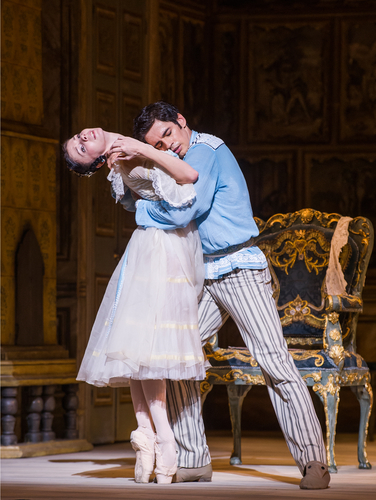
The play is quite different. Where the ballet has very much chosen to focus on Natasha and Belyaev, and has a very feminine perspective to it, the play had a much more masculine feel to me as the male roles are more central to the play and were, largely, reduced for the ballet. I found the first three acts easy, but slightly tedious, to read through. However, acts four and five is where it all gets really good; I zipped through the ending and really enjoyed it.
I'm not totally sure about the translation. At times it felt quite broken, like the English wasn't quite right; an odd turn of phrase, or choice of word. I wouldn't call it bad, and I have no other translation to compare it to, I just found it a little odd at times. Like a non-native English speaker had tried to express themselves in English and not quite found the right words.
The play is quite different. Where the ballet has very much chosen to focus on Natasha and Belyaev, and has a very feminine perspective to it, the play had a much more masculine feel to me as the male roles are more central to the play and were, largely, reduced for the ballet. I found the first three acts easy, but slightly tedious, to read through. However, acts four and five is where it all gets really good; I zipped through the ending and really enjoyed it.
I'm not totally sure about the translation. At times it felt quite broken, like the English wasn't quite right; an odd turn of phrase, or choice of word. I wouldn't call it bad, and I have no other translation to compare it to, I just found it a little odd at times. Like a non-native English speaker had tried to express themselves in English and not quite found the right words.

March 23, 2026
This play is sluggish, uninteresting, and finds it difficult to justify its length. The characters seem more like far-off observations than compelling individuals, and the plot meanders without intensity. Instead, what ought to be an investigation of connections and emotion comes across as tiresome and excessively drawn out. Even if it might have historical relevance, it is hard to keep engaged due to the lack of momentum and compelling conflict. In the end, finishing it feels more like a chore than a fulfilling literary experience.

September 4, 2020
This was a fun script! I really loved the messy shenanigans of an upper crust family realizing they got more than they bargained for when a sweet new tutor sweeps two of the women of the house off their feet.

July 25, 2018
Η υπόθεση του συγκεκριμένου έργου είναι απλή. Στο αγρόκτημα του Αρκάντι Σεργκέγιεβιτς Ισλάγεφ και της Ναταλίας Πετρόβνα, ξεσπά ένας αναπάντεχος έρωτας και διακόπτει για λίγο την ήρεμη ζωή του σπιτιού.
Το έργο αυτό είναι αρκετά ξεπερασμένο για τα σημερινά δεδομένα, μια που οι άνθρωποι δε συμπεριφέρονται πλέον έτσι, όμως δεν παύει να μας διασκεδάζει, να μας διδάσκει και να μας προβληματίζει.
Πρώτα απ’ όλα μαθαίνουμε πως ζούσαν, συμπεριφερόντουσαν, διασκέδαζαν και τι προβληματισμούς είχαν οι άνθρωποι μιας καθωσπρέπει ρωσικής οικογένειας του προ προηγούμενου αιώνα. Είναι δύσκολο βέβαια να ταυτιστούμε με κάποιον ήρωα, γιατί έχουν περάσει σχεδόν εκατό πενήντα χρόνια από την εποχή που γράφτηκε και διαδραματίζεται η ιστορία, αλλά κάποιες σκέψεις και προβληματισμοί των ηρώων παραμένουν ίδιοι και απαράλλαχτοι μέχρι σήμερα.
Οι ηρωίδες του Τουργκένιεφ είναι δυναμικές, έχουν άποψη και δεν υποτάσσονται εύκολα. Η πρωταγωνίστρια δεν έχει ανάγκη από έναν άντρα κόλακα και υποταγμένο σε ‘κείνη, αλλά από έναν άντρα ειλικρινή και δυναμικό.
Ναταλία: Ό,τι κι αν πω, μου λες ναι. Καταντάει μονότονο.
Ρακίτιν: Προτιμάς να σου λέω όχι;
Ναταλία: Προτιμώ, προτιμώ να μου πηγαίνεις κόντρα πότε πότε. Έχει πιο ενδιαφέρον.
Πολλοί πιστεύουν πως μπορούν με ένα χαμόγελο ή ένα ψέμα να μας κρυφτούν, να μας ξεγελάσουν, αλλά η γλώσσα του σώματος προδίδει και μαρτυρά πάντα, αρκεί να υπάρχει κάποιος ενδιαφερόμενος, κάποιος παρατηρητής.
Ο Τουργκένιεφ είναι άριστος παρατηρητής της ανθρώπινης συμπεριφοράς και του περιβάλλοντος χώρου.
-Έχετε προσέξει πως πλέκουν οι γυναίκες δαντέλα. Καθισμένες ασάλευτες σε δωμάτια που μυρίζουν κλεισούρα…
Δίνει σοφές συμβουλές.
Ναταλία (χαϊδεύοντας το κεφάλι του γιού της): Τον έχω παραχαϊδέψει. Μάθετέ τον να ‘ναι ανεξάρτητος.
Ναταλία: Θα ‘θελα να τον κάνετε πρακτικό άνθρωπο, ανεξάρτητο, δυνατό… Εγώ ανατράφηκα διαφορετικά. Ο πατέρας μου δεν ήταν κακός, αλλά πολύ αυστηρός.
Οι αρχαίοι Έλληνες έλεγαν: Αμαρτίες γονέων παιδεύουσι τέκνα, ενώ ο Τουργκένιεφ μας γνωστοποιεί πως τα παιδιά καταγράφουν τις συμπεριφορές μας, παρόλο που νομίζουμε το αντίθετο.
Μας δίνει πρωτοποριακά λόγια μέσα από την ηρωίδα του, που πιστεύω πως ακόμα και σήμερα θα φαντάζουν εξωπραγματικά σε μερικούς.
Ναταλία: Δεν το βρίσκω περίεργο. Μπορεί κανένας ν’ αγαπά δυο ανθρώπους συγχρόνως.
Μας αναγκάζει να αναθεωρήσουμε ορισμένα πράγματα και ίσως να τα δούμε με άλλη οπτική.
Ρακίτιν: Τι είναι αυτό άραγε; Η αρχή του τέλους; Ή απλός το τέλος; Ή μήπως μια αρχή;
Σπιγκέλσκι: Η οπισθοφυλακή μπορεί πολύ εύκολα ν’ αποτελέσει την εμπροσθοφυλακή! Απλώς μια αλλαγή κατευθύνσεως!
Μας διδάσκει να μην είμαστε απόλυτοι κι ότι μπορεί οι απόψεις μας να αλλάξουν.
Θα ήθελα να κλείσω με μια φράση της ηρωίδας που μας εκθέτει αρκετά για τους εαυτούς μας και το πως θα πρέπει να συμπεριφερόμαστε.
Ναταλία: Έπεσα πολύ χαμηλά στην ίδια μου την εκτίμηση! Μα θέλω να φανώ τίμια, όποιες κι αν είναι οι συνέπειες!...
Το έργο αυτό είναι αρκετά ξεπερασμένο για τα σημερινά δεδομένα, μια που οι άνθρωποι δε συμπεριφέρονται πλέον έτσι, όμως δεν παύει να μας διασκεδάζει, να μας διδάσκει και να μας προβληματίζει.
Πρώτα απ’ όλα μαθαίνουμε πως ζούσαν, συμπεριφερόντουσαν, διασκέδαζαν και τι προβληματισμούς είχαν οι άνθρωποι μιας καθωσπρέπει ρωσικής οικογένειας του προ προηγούμενου αιώνα. Είναι δύσκολο βέβαια να ταυτιστούμε με κάποιον ήρωα, γιατί έχουν περάσει σχεδόν εκατό πενήντα χρόνια από την εποχή που γράφτηκε και διαδραματίζεται η ιστορία, αλλά κάποιες σκέψεις και προβληματισμοί των ηρώων παραμένουν ίδιοι και απαράλλαχτοι μέχρι σήμερα.
Οι ηρωίδες του Τουργκένιεφ είναι δυναμικές, έχουν άποψη και δεν υποτάσσονται εύκολα. Η πρωταγωνίστρια δεν έχει ανάγκη από έναν άντρα κόλακα και υποταγμένο σε ‘κείνη, αλλά από έναν άντρα ειλικρινή και δυναμικό.
Ναταλία: Ό,τι κι αν πω, μου λες ναι. Καταντάει μονότονο.
Ρακίτιν: Προτιμάς να σου λέω όχι;
Ναταλία: Προτιμώ, προτιμώ να μου πηγαίνεις κόντρα πότε πότε. Έχει πιο ενδιαφέρον.
Πολλοί πιστεύουν πως μπορούν με ένα χαμόγελο ή ένα ψέμα να μας κρυφτούν, να μας ξεγελάσουν, αλλά η γλώσσα του σώματος προδίδει και μαρτυρά πάντα, αρκεί να υπάρχει κάποιος ενδιαφερόμενος, κάποιος παρατηρητής.
Ο Τουργκένιεφ είναι άριστος παρατηρητής της ανθρώπινης συμπεριφοράς και του περιβάλλοντος χώρου.
-Έχετε προσέξει πως πλέκουν οι γυναίκες δαντέλα. Καθισμένες ασάλευτες σε δωμάτια που μυρίζουν κλεισούρα…
Δίνει σοφές συμβουλές.
Ναταλία (χαϊδεύοντας το κεφάλι του γιού της): Τον έχω παραχαϊδέψει. Μάθετέ τον να ‘ναι ανεξάρτητος.
Ναταλία: Θα ‘θελα να τον κάνετε πρακτικό άνθρωπο, ανεξάρτητο, δυνατό… Εγώ ανατράφηκα διαφορετικά. Ο πατέρας μου δεν ήταν κακός, αλλά πολύ αυστηρός.
Οι αρχαίοι Έλληνες έλεγαν: Αμαρτίες γονέων παιδεύουσι τέκνα, ενώ ο Τουργκένιεφ μας γνωστοποιεί πως τα παιδιά καταγράφουν τις συμπεριφορές μας, παρόλο που νομίζουμε το αντίθετο.
Μας δίνει πρωτοποριακά λόγια μέσα από την ηρωίδα του, που πιστεύω πως ακόμα και σήμερα θα φαντάζουν εξωπραγματικά σε μερικούς.
Ναταλία: Δεν το βρίσκω περίεργο. Μπορεί κανένας ν’ αγαπά δυο ανθρώπους συγχρόνως.
Μας αναγκάζει να αναθεωρήσουμε ορισμένα πράγματα και ίσως να τα δούμε με άλλη οπτική.
Ρακίτιν: Τι είναι αυτό άραγε; Η αρχή του τέλους; Ή απλός το τέλος; Ή μήπως μια αρχή;
Σπιγκέλσκι: Η οπισθοφυλακή μπορεί πολύ εύκολα ν’ αποτελέσει την εμπροσθοφυλακή! Απλώς μια αλλαγή κατευθύνσεως!
Μας διδάσκει να μην είμαστε απόλυτοι κι ότι μπορεί οι απόψεις μας να αλλάξουν.
Θα ήθελα να κλείσω με μια φράση της ηρωίδας που μας εκθέτει αρκετά για τους εαυτούς μας και το πως θα πρέπει να συμπεριφερόμαστε.
Ναταλία: Έπεσα πολύ χαμηλά στην ίδια μου την εκτίμηση! Μα θέλω να φανώ τίμια, όποιες κι αν είναι οι συνέπειες!...

May 27, 2015
Precursor to the theatrical works of Chekhov, perhaps Turgenev's finest play, exploring in microcosm his favorite theme - unrequited love. Interesting characters: a lovelorn heiress; her middle-aged admirer (the author's alter ego); the young, prepossessing male tutor, the teenage ward.

August 15, 2019
Drama Drama Drama.
But seriously, a fun play about everybody loving someone who don't love them back.
But seriously, a fun play about everybody loving someone who don't love them back.

February 4, 2025
One of the best plays I've read (for the first time) in a long, long while.
Previously my only knowledge of Turgenev was in Chekhov's novella An Anonymous Story where some of the characters mockingly discuss him and say that to Turgenev all women "should follow the man she loves to the ends of the earth, and serve his idea." Unfortunately this put me off of reading Turgenev for quite some time, but the main character of this play could not be further removed from that depiction. I thought this play had great drama and really interesting characters, particularly the central heroine. I loved the dialogue too. I'm very excited to read more Turgenev from here on out.
Previously my only knowledge of Turgenev was in Chekhov's novella An Anonymous Story where some of the characters mockingly discuss him and say that to Turgenev all women "should follow the man she loves to the ends of the earth, and serve his idea." Unfortunately this put me off of reading Turgenev for quite some time, but the main character of this play could not be further removed from that depiction. I thought this play had great drama and really interesting characters, particularly the central heroine. I loved the dialogue too. I'm very excited to read more Turgenev from here on out.

November 4, 2016
Rakitin: "To be bored by friends is a terrible thing: you don't feel embarrassed, there's no constraint, you love them, you have nothing to be cross about, and yet boredom gnaws at you; and your heart aches idiotically, as if from hunger."
Natalya Petrovna: "You are often bored with your friends, I see."
Rakitin: "As if you didn't know what it is to be in the presence of someone you love and yet who bores you stiff."
Rakitin: . . . "By the way, Aleksei Nikolaich, perhaps you still imagine that love is the greatest bliss on earth?"
Belyaev [coldly]: "I have, as yet, had no experience of it, but I think that to be loved by a woman whom one loves must be a great happiness."
Rakitin: "Long may you live under that pleasant illusion! I believe, Alexei Nikolaich, that every kind of love, whether happy or unhappy, is a real calamity if you surrender to it wholly . . . Wait! You may yet come to know how those gently little hands can torture, with what solicitous tenderness they can rend the heart into little pieces . . . Just wait--you will discover how much burning hatred is hidden within the most ardent love! You will think of me when you long for peace as a sick man longs for health, the most meaningless, common place kind of peace--when you will envy any man who is light-hearted and free . . . you wait! You'll find out what it means to be tied to a petticoat, to be a woman's slave, to feel the poison in one's veins--and how humiliating, how agonizing such slavery is! . . . and finally, you'll learn what miserable trifles are bought at such high cost . . . But why am I saying all this to you? You won't believe me now. The point is that I am very glad that you approve . . . yes, yes . . . in situations of this kind one has to be careful."
Natalya Petrovna: "You are often bored with your friends, I see."
Rakitin: "As if you didn't know what it is to be in the presence of someone you love and yet who bores you stiff."
Rakitin: . . . "By the way, Aleksei Nikolaich, perhaps you still imagine that love is the greatest bliss on earth?"
Belyaev [coldly]: "I have, as yet, had no experience of it, but I think that to be loved by a woman whom one loves must be a great happiness."
Rakitin: "Long may you live under that pleasant illusion! I believe, Alexei Nikolaich, that every kind of love, whether happy or unhappy, is a real calamity if you surrender to it wholly . . . Wait! You may yet come to know how those gently little hands can torture, with what solicitous tenderness they can rend the heart into little pieces . . . Just wait--you will discover how much burning hatred is hidden within the most ardent love! You will think of me when you long for peace as a sick man longs for health, the most meaningless, common place kind of peace--when you will envy any man who is light-hearted and free . . . you wait! You'll find out what it means to be tied to a petticoat, to be a woman's slave, to feel the poison in one's veins--and how humiliating, how agonizing such slavery is! . . . and finally, you'll learn what miserable trifles are bought at such high cost . . . But why am I saying all this to you? You won't believe me now. The point is that I am very glad that you approve . . . yes, yes . . . in situations of this kind one has to be careful."

August 7, 2020
Среди произведений Тургенева, помимо прочих, в узких кругах, преимущественно театральных, принято ставить пьесу «Месяц в деревне» в статус особого литературного труда. Причина этого объясняется психологизмом, который прорабатывался в течение трёх лет. Иван приступил к написанию ещё в 1848 году, возможно вдохновлённый парижскими постановками, в числе которых была и пьеса «Мачеха» за авторством Оноре де Бальзака. По сюжету Ивана в деревню приезжал студент для обучения дворянских детей русскому языку, в него влюблялись жена помещика Наталья и воспитательница Верочка. Вновь Тургенев не дал читателю ознакомиться с окончанием предлагаемой истории, не позволив чувствам возобладать над происходящим. По этой ли причине, или по другой, цензура оскорбилась и не допустила пьесу к публикации.
(c) Trounin
(c) Trounin

September 21, 2023
I usually don’t log plays but this one was 196 pages and really good! I am loving my Chekhov class and Russian literature

April 25, 2022
Ένα αριστουργηματικό έργο με έντονες ψυχικές διακυμάνσεις. Οι χαρακτήρες ταλαντεύονται συνεχώς στο έντονο πάθος τους, τον έρωτα, που πλέον δεν τον βλέπουμε να εκφράζεται με αυτό το τρόπο.

April 13, 2021
ΝΑΤΑΛΙΑ: Έπεσα πολύ χαμηλά στην ίδια μου την εκτίμηση! Μα θέλω να φανώ τίμια, όποιες κι αν είναι οι συνέπειες!

August 21, 2015
Tugenev is always compared to Tolstoy, Dostoevsky and Checkhov. Among them, it has been concluded that he was the only sane writer of the time.
Fathers and Sons was tbe first Turvenev Novel I read. This play is totally different from thst book.
Before I tell you what the play is about, let me first say that I enjoyed it so much. I kept thinking of War and Peace. It captures tbe human mind and heart in a very wise way.
The book is about a woman who loves two gentlemen at the same time. Natalya, is in love with Raitikin and Beliayev. She does not disclose it to any of them and tbe issue is whether it is posdible for somebody to be in love with two people at the same time.
Turgenev seems to conclude that it is impossible. This kind of situation only means that, and in this case, that Natalya is not in love.
Turgenev has dealt with this phenomenon in greater detail. He also deals eith the consequences of this.
Turgenev remains to my mind one of the greatest Russian authors, and this play is proof of that.
Fathers and Sons was tbe first Turvenev Novel I read. This play is totally different from thst book.
Before I tell you what the play is about, let me first say that I enjoyed it so much. I kept thinking of War and Peace. It captures tbe human mind and heart in a very wise way.
The book is about a woman who loves two gentlemen at the same time. Natalya, is in love with Raitikin and Beliayev. She does not disclose it to any of them and tbe issue is whether it is posdible for somebody to be in love with two people at the same time.
Turgenev seems to conclude that it is impossible. This kind of situation only means that, and in this case, that Natalya is not in love.
Turgenev has dealt with this phenomenon in greater detail. He also deals eith the consequences of this.
Turgenev remains to my mind one of the greatest Russian authors, and this play is proof of that.

April 10, 2015
A Month in the Country – it sounds like a holiday, a wistful summer escape, yet there is a darkness and a depth that belies the title. It is a story of love – love unrequited, unexpected, unwanted, unnerving, unraveling, undone – love in all its strange and unexpected weirdness.
It is a play acknowledged widely as one of the first psychological plays – there is little action other than the unfolding of each character’s psyche. It is certainly a precursor of Chekhov and even Ibsen, though it lacks the darkness of an Ibsen play. Each character is foolishly honest and gossipy.
The characters are funny, lively and chatty, making for an interesting and engrossing read. I’d certainly recommend it to someone who enjoys Chekhov or Ibsen.
It is a play acknowledged widely as one of the first psychological plays – there is little action other than the unfolding of each character’s psyche. It is certainly a precursor of Chekhov and even Ibsen, though it lacks the darkness of an Ibsen play. Each character is foolishly honest and gossipy.
The characters are funny, lively and chatty, making for an interesting and engrossing read. I’d certainly recommend it to someone who enjoys Chekhov or Ibsen.

January 1, 2015
Turgenev's play - "a Comedy in Five Acts" - lays bare the absurdities of the human condition via a roundelay of unrequited love among the many characters at a Russian estate well outside Moscow in the 1840s. A revival of this play, which Barbara and I saw last night with friends, is currently being staged at our local Classic Stage Co. in the East Village, featuring Peter Dinklage as Rakitin, Taylor Schilling as Natalya, and Anthony Edwards as Arkady. It's in previews and probably still needs some fine-tuning, but it's a promising staging. As for the play itself, it's a timelessly droll treatise on the misfirings of romantic love.

December 30, 2017
أخذنا النص ذو الفصول الخمسة الى الدارة الريفية الجميلة الواقعة عند طرف منتزه ساحر. ونقابل هناك أول ما نقابل سيدة البيت الحسناء ناتاليا بتروفنا، الثلاثينية المثقفة التي سرعان ما سنلاحظ إهمال زوجها لها وألمها الناتج من ذلك... غير أننا لن نتمكن أول الأمر من إدراك ردود فعلها الحقيقية على ما تعيش. ولكن سرعان ما يدخل في الصورة الطالب الشاب والوسيم آلكسيس الذي يؤتى به كمعلم خاص لابن السيدة ويقيم معهم في الدارة حاملاً معه زهو الشباب وحيوية لم يدرك وجودها هو نفسه حتى ينعكس ذلك على ناتاليا التي سرعان ما ستشعر بانجذاب نحوه. لكنها لن تكون الوحيدة في ذلك إذ إن الصبية فيروشكا ابنة السابعة عشرة وتلميذة ناتاليا ستشعر بدورها بنفس هذا الانجذاب نحو الشاب ذاته. غير أن هذا الانجذاب المزدوج لن يخلق لا صراعاً عنيفا بين المرأتين. ولا أي بعد دراميّ. كل ما في الأمر أن شيئاً من المرارة سوف يعتصر ناتاليا دافعاً إياها الى دفع الصبية بصورة غامضة الى اختيار عريس يكبرها في السن بين عدد من طالبين تقدموا اليها. فناتاليا لا تفصح قط عن عواطفها، ربما هي تتصرف بتأثير تلك العواطف وإنما بصمت لا يخلو من مكر نسائي لطيف. ولسوف تكون هي أول المتنبهين الى ما تفعل من استبعاد «غير واضح» لغريمة لها، فتلمّ بها دهشة من أدرك يوماً أنه يتكلم نثراً... وهنا إذ تريد ناتاليا أن تسرّ الى أحد بما ينتابها من مشاعر، يقع اختيارها على آلكسيس نفسه، الذي ما إن تفاتحه بما انتابها من مشاعر مفاجئة تجاه فعلتها، حتى يُذهل الشاب أمام اعترافها الذي يبدو في منتهى البراءة ويقرر الإفلات من شرك أحسّ أنه يُنصب له لكنه سرعان ما يقع في ذلك الشرك وتبدأ حكاية غزل لطيف بين ذينك الكائنين. غير أن ما كان يبدو في البداية سراً تواطؤياً يتقاسمه كائنان «بريئان» سرعان ما يُحدث من دون قصد انقلاباً في مناخ الدارة كلها. إذ لا شيء يبدو الآن كما كان. وكل العلاقات تصبح غير مؤكدة. وفاروشكا مثلاً، التي كانت واثقة من مبادلة آلكسيس لها حباً بحب، تكتشف ان الأمور ليست على ذلك النحو فتبادر الى الابتعاد راضية بالزواج من المكتهل الذي كانت ناتاليا قد نصحتها به. والشاب راكيتين الذي كان يتطلع في شكل سري وغامض الى لفتة تجاهه من لدن ناتاليا التي يمضي أيامه وهو مولع بها، سيكون فجأة موضع اتهام من قبل زوج هذه الأخيرة بأنه يحاول إغواءها والمساس ببراءتها، فلا يكون منه إلا أن يمتزج الغضب باليأس لديه ويقرر مبارحة المكان بأسرع ما يكون هو الذي كان هيامه بالسيدة مجرد هيام بريء. أما آلكسيس الذي يجد ان حضوره في هذا المكان قد تسبّب في قدر لم يرده ولم يتوقعه من الاضطراب في هذا البيت الذي شعر بأنه كان يعيش هدوءاً مثالياً قبل مجيئه اليه، فإنه يقرر بدوره الرحيل منقذاً البيت من الإزعاج الذي تسبب فيه ومنقذاً روحه من تلك الخطيئة التي كاد يغرق فيها. أما ناتاليا فإنها سرعان ما تستعيد تألقها وهدوئها كربة بيت وكأن شيئاً لم يكن... وبذلك ينتهي ذلك الشهر العادي جداً والهادئ جداً الذي نمضيه مع تلك العائلة الروسية المثالية في ريف روسي مثالي، ولكن من دون عنف العواطف والأهواء الروسية المعتادة والتي تهيمن عادة على مثل تلك المواقف. فإذا كان ما تبقى من شهور الصيف سيمضي وديعاً هادئاً، فإن هذا الهدوء وتلك الوداعة هما ما اعتبرا تجديداً في مزاجية المسرح الروسي في ذلك الحين.
> لقد اعتبر النقاد هذه المسرحية عملاً استثنائياً يدور «من حول سلسلة من أزمات تندلع لكن الكاتب عرف كيف يخنقها في مهدها». والحقيقة ان مثل هذا الحكم يمكن أن يُطلق على معظم أعمال إيفان تورغنيف (1818 - 1883) الذي ولد لأب عسكري لا معنى له، كما سيقول هو نفسه، وأم غنية صارمة حرمته من المال لتغرّبه وغرامياته، حتى انتهى بها الأمر الى الوفاة تاركة له ثروة مكنته من العيش والتجوال، لكنها لم توفر له السعادة إلا بعيداً عن روسيا حيث عاش في برلين وباريس مصادقاً الفلاسفة التقدميين والكتاب الكبار الذين سرعان ما اعتبروه واحداً منهم
> لقد اعتبر النقاد هذه المسرحية عملاً استثنائياً يدور «من حول سلسلة من أزمات تندلع لكن الكاتب عرف كيف يخنقها في مهدها». والحقيقة ان مثل هذا الحكم يمكن أن يُطلق على معظم أعمال إيفان تورغنيف (1818 - 1883) الذي ولد لأب عسكري لا معنى له، كما سيقول هو نفسه، وأم غنية صارمة حرمته من المال لتغرّبه وغرامياته، حتى انتهى بها الأمر الى الوفاة تاركة له ثروة مكنته من العيش والتجوال، لكنها لم توفر له السعادة إلا بعيداً عن روسيا حيث عاش في برلين وباريس مصادقاً الفلاسفة التقدميين والكتاب الكبار الذين سرعان ما اعتبروه واحداً منهم
April 6, 2018
I read this in Emlyn Williams’ 1940s English version. Apparently it’s much shorter than the original, but the original is supposed to go on a bit. The original was in 5 Acts, this version has two acts, presumably to allow an interval in the middle, each act being 3 scenes: I presume in this version Act 3 of the original is cut into the last scene of Act 1 and the first scene of Act 2. I cannot say if it is a ‘true’ version or an accurate translation (Elisaveta Fenn did a literal translation and then Williams adapted that for his acting version), but it works well. (It’s the version used a couple of times in the 1940s, Michael Redgrave playing Rakitin; in the 1960s he directed it as well as performing, Ingrid Bergman playing Natalia Petrovna.) The Russian country elite talk in a 1940s middle class English, which is fine: emotions are controlled, etiquette and good manners dominate (think Brief Encounter) which works fine for these well mannered Russians. The only moment that grates is when one of the servants speaks in a stage working class English accent...but luckily he doesn’t get the chance to say much. A comedy, maybe it can be called a romantic comedy, although one where romance is treated with a certain ridicule. It is set in one of those Russian country houses filled with visitors and houseguests. If you reduced it to its plot it might sound like a farce: Rakitin loves Natalia Petrovna; Natalia Petrovna loves Beliaev; Vera also loves Beliaev; Beliaev doesn’t love anyone, but gains a certain gratification at being the centre of attention; Yslaev loves Natalia Petrovna, but maybe that doesn’t count because they are married; Bolshintsov wants to marry Vera, although love doesn’t seem a part of that. And that’s forgetting the servants: Matvei pursues Katia...but so does Shaap...and has she also taken a shine to Beliaev? Not surprisingly the characters seem to get confused about who loves who and there are scenes where a character will come across a couple and presume the worst. But all this is treated with a certain relaxed and detailed naturalism – I don’t know much about pre-Ibsen 19th Century drama, but A Month in the Country seems to look forward to later works...Chekov is the usual comparison. Presumably Turgenev was building on the conventions of the 19th Century novel. The characters and their emotions are treated with amused irony: Natalia Petrovna’s poise and mastery of etiquette falls apart when challenged by her emotions. Against romance is pitted the aristocratic concept of marriage as a strategy of property management. Characters are caught in a web of plot, disturbing emotion and social position. Most of this is wonderfully amusing, but towards the end plot needs begin to overwhelm character. And, for a comedy, the ending is strangely unsettling, one character seems to be heading for an unhappy marriage, the rest headed into uncertain futures – if A Month in the Country is a romantic comedy, it’s one where romance is defeated.

November 17, 2022
This play by Ivan Turgenev takes place at the estate of Arkady Sergeyitch Islayev, a wealthy middle-aged landowner who devotes most of his time (offstage) to his extensive business affairs, leaving his lovely, intelligent, bored wife Natalya in the hands of Rakitin, a longtime family friend. It's obvious to us--though evidently not to Arkady--that Rakitin is madly in love with Natalya; and also, alas, that she is not, and never will be, interested in Rakitin, not in that way. Instead, her attention is focused this summer on Alexey Baliayev, a 20-year-old student from Moscow who has come to the Islayev estate for (so far) the eponymous month in the country. The length of his stay will be determined by what Natalya chooses to do or not do about pursuing her infatuation for this attractive young man.
She launches her strategy by feeling out her ward Vera, who, Natalya quite rightly fears, has fallen in love with Alexey herself. The fact that Vera, at 17, is significantly closer to Alexey's age doesn't much faze Natalya as she wavers back and forth about whether to implement this or that wicked scheme to have her way.
Also involved in aspects of the plot are Dr. Shpigelsky, who is courting, in his remarkably blunt way, Lizaveta, the woman who serves as companion to Arkady's widowed mother. The doctor also is speaking for his friend Bolshintsov, a splendidly dull, plain, elderly (but rich!) chap who would like to marry Vera. There's also a German tutor hovering about, teaching Natalya's young (never seen) son Kolya. And lurking seemingly everywhere--possessing as much knowledge as us in the audience but far more than anyone else in the play--is the maid Katya.
The mood is lighthearted and lightheaded; we aren't intended to take any of the foolishness too seriously, even though some of it will likely have serious consequences for some of the characters. A Month in the Country has almost a boulevard comedy feel, tempered with the melancholy and fatalism we associate with Russian theater; we can see where Chekhov, Strindberg, and Gorky all found comic and tragic inspiration here.
She launches her strategy by feeling out her ward Vera, who, Natalya quite rightly fears, has fallen in love with Alexey herself. The fact that Vera, at 17, is significantly closer to Alexey's age doesn't much faze Natalya as she wavers back and forth about whether to implement this or that wicked scheme to have her way.
Also involved in aspects of the plot are Dr. Shpigelsky, who is courting, in his remarkably blunt way, Lizaveta, the woman who serves as companion to Arkady's widowed mother. The doctor also is speaking for his friend Bolshintsov, a splendidly dull, plain, elderly (but rich!) chap who would like to marry Vera. There's also a German tutor hovering about, teaching Natalya's young (never seen) son Kolya. And lurking seemingly everywhere--possessing as much knowledge as us in the audience but far more than anyone else in the play--is the maid Katya.
The mood is lighthearted and lightheaded; we aren't intended to take any of the foolishness too seriously, even though some of it will likely have serious consequences for some of the characters. A Month in the Country has almost a boulevard comedy feel, tempered with the melancholy and fatalism we associate with Russian theater; we can see where Chekhov, Strindberg, and Gorky all found comic and tragic inspiration here.
August 2, 2026
Natalya Petrovna, yeterince ilgi gormemis, gencligini pek yasayamamis ve gonlune hakim olamayan genc kadinin biri. Arkadiy ise ev sahibi kendisini isine gucunu veren karisina sadik ve saglam yapili bir adam. Michel, Arkadiy’in arkadasi ve Natalya ile arasinda dostluktan fazla olan Natalya’nin gonlunun ve mantiginin kaydigi erkek adaylarindan biri romanda. Roman daha cok Belyalevin yani Natalya ve Arkadiyin ogullarina rus dili dersi ve ona goz kulak olmasi icin tutuldugu 21 yasinda universite ogrencisi gencin eve gelmesiyle ivmeleniyor. Natalya’nin annesinin baktigi ve daha sonrasinda Natalya’nin ilgilendigi uvey kizi Vera kardesi ile beraber Belyalevle beraber zaman gecirmeye baslayinca yavas yavas ona tutuluyor. Natalyanin da radarina girince yvey kizinin aklimi celip, savunmasiz aninda onu manipule ediyor ve bunu hemen Belvaleve soyluyor. Belyalev cakiliyir bu durum karsisinda eli ayagi baglaniyor ve eger bu islerin calismasina engel olucaksa ayrilabilirik diyor. Natalya size oyle bir sey demedim diyor, Belyalev ise efendim sizi gucendirmek istemem o zaman kaliyim diyince de Natalya blof yapmaya devam edip o zaman gidin gidin diye ustuluyor. Her seyi mahvettigini Vera’nin kalbini ve guvenini kirdigini kendine yakisiksiz kalan hareketler yapan belli rutini olmayan genel olarak kaprisli bir kadin olan Natalya askimi itiraf ediyor Belvaleve. Belvalev onur duyuyor ama cok fakir ve arada sinif farki oldugu icin ayni zamanda evin dengesini bozdugunu dusundugu icin Arkadiyle yuxlesen Mihail ile beraber ayriliyorlar evden. Vera ise ona doktor araciligiyla talip olan Bolsinstkovla evlenme yokuna giriyor uvey annesinden kurtulmasi icin. Turgenyev aile dinamiklerini aristokrat evinin kapali kapilarin ardinda yasanan olaylari cok iyi romanina yaziyor. Surukleyici bir kitapti.

July 4, 2025
The past really is a different country sometimes.
All of the dramatic tension and conflict this play was derived from people who are making rational adult decisions, trying to preserve each other’s honor and position in spite of their own personal feelings.
People don’t behave that way as much anymore and I don’t see a lot of drama about it
The lady of the house, and it was a fancy house with grounds and servant, and etc., was in love with the tutor of her children. She became jealous of her 17-year-old adopted orphan who had good chemistry with that teacher, and she tried to get her promised marriage to an old fat, boring businessman.
The tutor figured out what was happening and confessed that he was not in love with a 17-year-old girl and then the 17-year-old girl immediately went to marry that fat old business man, as perhaps her last best shot of freedom
The play was funny because we were led to leave. The conflict would be in the lady of the house pressuring that girl to marry the business man. But the lady in the house almost immediately regretted her selfish, horrible actions. So despite with which the teenage girl married that business man anyway, was really kind of funny and layered.
I don’t know enough about Russian drama to know if this place is still well regarded or if it’s just historical curiosity, and I know that a modern audience would find too many of these characters, unnaturally understanding and even tempered, but there was something about it that appealed to me in that understanding and even temperedness
All of the dramatic tension and conflict this play was derived from people who are making rational adult decisions, trying to preserve each other’s honor and position in spite of their own personal feelings.
People don’t behave that way as much anymore and I don’t see a lot of drama about it
The lady of the house, and it was a fancy house with grounds and servant, and etc., was in love with the tutor of her children. She became jealous of her 17-year-old adopted orphan who had good chemistry with that teacher, and she tried to get her promised marriage to an old fat, boring businessman.
The tutor figured out what was happening and confessed that he was not in love with a 17-year-old girl and then the 17-year-old girl immediately went to marry that fat old business man, as perhaps her last best shot of freedom
The play was funny because we were led to leave. The conflict would be in the lady of the house pressuring that girl to marry the business man. But the lady in the house almost immediately regretted her selfish, horrible actions. So despite with which the teenage girl married that business man anyway, was really kind of funny and layered.
I don’t know enough about Russian drama to know if this place is still well regarded or if it’s just historical curiosity, and I know that a modern audience would find too many of these characters, unnaturally understanding and even tempered, but there was something about it that appealed to me in that understanding and even temperedness
This entire review has been hidden because of spoilers.
Displaying 1 - 30 of 87 reviews