

What do you think?

The Wild Wood
A young artist returns to her cabin in the deep woods of Canada to concentrate on her illustrations. But somehow, strange and beautiful creatures are slipping into her drawings and sketches. The world of Faerie is reaching out to her for help--and she may be its last chance for survival.
"What makes de Lint's particular brand of fantasy so catchy is his attention to the ordinary. Like great writers of magic realism, he writes about people in the world we know, encountering magic as part of that world."-- Booklist
Read the other books in Brian Froud's Faerielands series, each one inspired by a piece of the famous artist's
Something Rich and Strange by Patricia A. McKillip
The Wood Wife by Terri Windling
Hannah's Garden by Midori Snyder
"What makes de Lint's particular brand of fantasy so catchy is his attention to the ordinary. Like great writers of magic realism, he writes about people in the world we know, encountering magic as part of that world."-- Booklist
Read the other books in Brian Froud's Faerielands series, each one inspired by a piece of the famous artist's
Something Rich and Strange by Patricia A. McKillip
The Wood Wife by Terri Windling
Hannah's Garden by Midori Snyder
205 pages, Paperback
First published January 1, 1994
About the author
Charles de Lint
450 books4,069 followersCharles de Lint is the much beloved author of more than seventy adult, young adult, and children's books. Renowned as one of the trailblazers of the modern fantasy genre, he is the recipient of the World Fantasy, Aurora, Sunburst, and White Pine awards, among others. Modern Library's Top 100 Books of the 20th Century poll, conducted by Random House and voted on by readers, put eight of de Lint's books among the top 100.
De Lint is a poet, folklorist, artist, songwriter and performer. He has written critical essays, music reviews, opinion columns and entries to encyclopedias, and he's been the main book reviewer for The Magazine of Fantasy & Science Fiction since 1987. De Lint served as Writer-in-residence for two public libraries in Ottawa and has taught creative writing workshops for adults and children in Canada and the United States. He's been a judge for several prominent awards, including the Nebula, World Fantasy, Theodore Sturgeon and Bram Stoker.
Born in the Netherlands in 1951, de Lint immigrated to Canada with his family as an infant. The family moved often during de Lint's childhood because of his father's job with an international surveying company, but by the time Charles was twelve—having lived in Western Canada, Turkey and Lebanon—they had settled in Lucerne, Quebec, not far from where he now resides in Ottawa, Ontario.
In 1980, de Lint married the love of his life, MaryAnn Harris, who works closely with him as his first editor, business manager and creative partner. They share their love and home with a cheery little dog named Johnny Cash.
Charles de Lint is best described as a romantic: a believer in compassion, hope and human potential. His skilled portrayal of character and settings has earned him a loyal readership and glowing praise from peers, reviewers and readers.
Charles de Lint writes like a magician. He draws out the strange inside our own world, weaving stories that feel more real than we are when we read them. He is, simply put, the best.
—Holly Black (bestselling author)
Charles de Lint is the modern master of urban fantasy. Folktale, myth, fairy tale, dreams, urban legend—all of it adds up to pure magic in de Lint's vivid, original world. No one does it better.
—Alice Hoffman (bestselling author)
To read de Lint is to fall under the spell of a master storyteller, to be reminded of the greatness of life, of the beauty and majesty lurking in shadows and empty doorways.
—Quill & Quire
His Newford books, which make up most of de Lint's body of work between 1993 and 2009, confirmed his reputation for bringing a vivid setting and repertory cast of characters to life on the page. Though not a consecutive series, the twenty-five standalone books set in (or connected to) Newford give readers a feeling of visiting a favourite city and seeing old friends.
More recently, his young adult Wildlings trilogy—Under My Skin, Over My Head, and Out of This World—came out from Penguin Canada and Triskell Press in 2012, 2013 and 2014. Under My Skin won 2013 Aurora Award. A novel for middle-grade readers, The Cats of Tanglewood Forest, published by Little Brown in 2013, won the Sunburst Award, earned starred reviews in both Publishers Weekly and Quill & Quire, and was chosen by the New York Times Editors as one of the top six children's books for 2013. His most recent adult novel, The Mystery of Grace (2009), is a fascinating ghost story about love, passion and faith. It was a finalist for both the Sunburst and Evergreen awards.
De Lint is presently writing a new adult novel. His storytelling skills also shine in his original songs. He and MaryAnn (also a musician) recently released companion CDs of their original songs, samples of which can be heard on de Lin
De Lint is a poet, folklorist, artist, songwriter and performer. He has written critical essays, music reviews, opinion columns and entries to encyclopedias, and he's been the main book reviewer for The Magazine of Fantasy & Science Fiction since 1987. De Lint served as Writer-in-residence for two public libraries in Ottawa and has taught creative writing workshops for adults and children in Canada and the United States. He's been a judge for several prominent awards, including the Nebula, World Fantasy, Theodore Sturgeon and Bram Stoker.
Born in the Netherlands in 1951, de Lint immigrated to Canada with his family as an infant. The family moved often during de Lint's childhood because of his father's job with an international surveying company, but by the time Charles was twelve—having lived in Western Canada, Turkey and Lebanon—they had settled in Lucerne, Quebec, not far from where he now resides in Ottawa, Ontario.
In 1980, de Lint married the love of his life, MaryAnn Harris, who works closely with him as his first editor, business manager and creative partner. They share their love and home with a cheery little dog named Johnny Cash.
Charles de Lint is best described as a romantic: a believer in compassion, hope and human potential. His skilled portrayal of character and settings has earned him a loyal readership and glowing praise from peers, reviewers and readers.
Charles de Lint writes like a magician. He draws out the strange inside our own world, weaving stories that feel more real than we are when we read them. He is, simply put, the best.
—Holly Black (bestselling author)
Charles de Lint is the modern master of urban fantasy. Folktale, myth, fairy tale, dreams, urban legend—all of it adds up to pure magic in de Lint's vivid, original world. No one does it better.
—Alice Hoffman (bestselling author)
To read de Lint is to fall under the spell of a master storyteller, to be reminded of the greatness of life, of the beauty and majesty lurking in shadows and empty doorways.
—Quill & Quire
His Newford books, which make up most of de Lint's body of work between 1993 and 2009, confirmed his reputation for bringing a vivid setting and repertory cast of characters to life on the page. Though not a consecutive series, the twenty-five standalone books set in (or connected to) Newford give readers a feeling of visiting a favourite city and seeing old friends.
More recently, his young adult Wildlings trilogy—Under My Skin, Over My Head, and Out of This World—came out from Penguin Canada and Triskell Press in 2012, 2013 and 2014. Under My Skin won 2013 Aurora Award. A novel for middle-grade readers, The Cats of Tanglewood Forest, published by Little Brown in 2013, won the Sunburst Award, earned starred reviews in both Publishers Weekly and Quill & Quire, and was chosen by the New York Times Editors as one of the top six children's books for 2013. His most recent adult novel, The Mystery of Grace (2009), is a fascinating ghost story about love, passion and faith. It was a finalist for both the Sunburst and Evergreen awards.
De Lint is presently writing a new adult novel. His storytelling skills also shine in his original songs. He and MaryAnn (also a musician) recently released companion CDs of their original songs, samples of which can be heard on de Lin
Ratings & Reviews
Friends & Following
Create a free account to discover what your friends think of this book!
Community Reviews
Displaying 1 - 30 of 166 reviews
April 25, 2018
Ughh, I’m so conflicted in rating this. First let me say: the writing in this book is gorgeous. I absolutely loved de Lint’s descriptions of the settings and characters, and because of that, the story felt so rich and, well, magical for lack of a better word. There were so many layers of the book's atmosphere; the best words I can think of to describe it are "ethereal" and "eerie." Even creepy at times, but in a good way. If I were only judging writing style/setting/characters, I would have given this 5/5 stars.
But the story itself is really lacking. It was very meandering and didn’t have much plot. A lot of the book felt pointless despite how lovely the words were. There were some really awesome scenes in here and I wanted more of that, but they all seemed to get cut short and the lost potential was really frustrating. Plus, the constant, random name-dropping really got on my nerves and kinda messed with the dream-like quality of the narrative.
Overall I actually really did enjoy reading this. I just thought it could have been a lot better.
But the story itself is really lacking. It was very meandering and didn’t have much plot. A lot of the book felt pointless despite how lovely the words were. There were some really awesome scenes in here and I wanted more of that, but they all seemed to get cut short and the lost potential was really frustrating. Plus, the constant, random name-dropping really got on my nerves and kinda messed with the dream-like quality of the narrative.
Overall I actually really did enjoy reading this. I just thought it could have been a lot better.

July 18, 2012
3.5 stars
This is the third book that I've read in the Brian Froud's Faerielands series and is unfortunately my least favorite of the bunch so far. Brian Froud invited four of the top fantasy authors to pick their favorite piece of his work and write a story based upon it. The four authors and their respective books are:
Something Rich and Strange by Patricia A. McKillip
The Wild Wood by Charles de Lint
The Wood Wife by Terri Windling
Hannah's Garden by Midori Snyder
The Wild Wood tells the story of Eithnie, an artist who lives in a cabin in the woods who begins seeing creatures that she believes to be faeries in her art. She determines that they are reaching out to her for help but she isn't willing to believe at first that her encounters are anything more than a dream. Once she realizes that not only are the faerie real but that she's truly the only one that can help them stay alive she resolves to do whatever she can to help.
This is the third book that I've read in the Brian Froud's Faerielands series and is unfortunately my least favorite of the bunch so far. Brian Froud invited four of the top fantasy authors to pick their favorite piece of his work and write a story based upon it. The four authors and their respective books are:
Something Rich and Strange by Patricia A. McKillip
The Wild Wood by Charles de Lint
The Wood Wife by Terri Windling
Hannah's Garden by Midori Snyder
The Wild Wood tells the story of Eithnie, an artist who lives in a cabin in the woods who begins seeing creatures that she believes to be faeries in her art. She determines that they are reaching out to her for help but she isn't willing to believe at first that her encounters are anything more than a dream. Once she realizes that not only are the faerie real but that she's truly the only one that can help them stay alive she resolves to do whatever she can to help.
![Profile Image for [Name Redacted].](https://i.gr-assets.com/images/S/compressed.photo.goodreads.com/users/1347082397i/287915._UY200_CR0,0,200,200_.jpg)
June 22, 2013
Did you know that NATURE is GOOD? Did you know that HUMANITY is BAD? Well, don't worry! This little attempt to mix "Captain Planet"/"Ferngully"-style environmentalist sermonizing with a blend of Froud-inspired de Lintian urban fantasy will hammer you over the head with that message till there's nothing left of your brain but a fine paste. And the worst part is that it will sucker you in with a genuinely beautiful first-half...right before descending suddenly into the worst sort of childish, hyperbolic, unscientific environmentalist screeching.
Again, I'm breaking my self-imposed ban on posting reviews here because this book was just too frustrating not to review. I love Brian Froud. I love Charles de Lint. I love books set in the modern Canadian wilderness. I'm even a cautious environmentalist. And I assumed the ham-fisted, out-of-date, overly-simplistic environmentalist message in Something Rich and Strange was endemic to that particular book and wouldn't infect the rest of the "Brian Froud's Faerielands" series. Not only was I wrong, however -- I was STUPENDOUSLY wrong. De Lint & Froud managed to take a profoundly eerie, moving story about the tie between art and madness, spirituality and nature, and shoehorn in so much pseudo-scientific hippie-environmentalist nonsense that it seemed like an entirely new (and poorer) book had replaced the end of the one I had started out reading. Want to tell a story about white Western humanity's disconnect from nature and its impact on both the natural world and human spirituality? Go for it! I would LOVE to see that sort of thing, but IF AND ONLY IF it were executed WELL! This little volume is what happens when it is executed poorly. There's no nuance, no subtlety, no reflection here -- just preaching and hammering and howling after the mid-point of the novel. Even de Lint's usually-lovely prose withers on the vine, tainted by the obnoxious self-righteousness and factual inaccuracies in which this book becomes grounded.
It's preaching to the converted, but it's not ACCOMPLISHING anything. This sort of thing, like "Captain Planet" and "Ferngully: The Last Rainforest", is why fewer and fewer people take environmentalists and environmentalism seriously. THIS IS NOT HELPING YOUR CAUSE! In fact, it's probably about as helpful as those bitterly-hilarious didactic film-strips which are mocked in shows like Mystery Science Theater 3000 or Rifftrax!
I'm giving it 3 stars because the first half is wonderful, as are Froud's paintings & sketches. But I'm still sorely tempted to give it only 2.
I just...don't have the patience for this anymore.
Again, I'm breaking my self-imposed ban on posting reviews here because this book was just too frustrating not to review. I love Brian Froud. I love Charles de Lint. I love books set in the modern Canadian wilderness. I'm even a cautious environmentalist. And I assumed the ham-fisted, out-of-date, overly-simplistic environmentalist message in Something Rich and Strange was endemic to that particular book and wouldn't infect the rest of the "Brian Froud's Faerielands" series. Not only was I wrong, however -- I was STUPENDOUSLY wrong. De Lint & Froud managed to take a profoundly eerie, moving story about the tie between art and madness, spirituality and nature, and shoehorn in so much pseudo-scientific hippie-environmentalist nonsense that it seemed like an entirely new (and poorer) book had replaced the end of the one I had started out reading. Want to tell a story about white Western humanity's disconnect from nature and its impact on both the natural world and human spirituality? Go for it! I would LOVE to see that sort of thing, but IF AND ONLY IF it were executed WELL! This little volume is what happens when it is executed poorly. There's no nuance, no subtlety, no reflection here -- just preaching and hammering and howling after the mid-point of the novel. Even de Lint's usually-lovely prose withers on the vine, tainted by the obnoxious self-righteousness and factual inaccuracies in which this book becomes grounded.
It's preaching to the converted, but it's not ACCOMPLISHING anything. This sort of thing, like "Captain Planet" and "Ferngully: The Last Rainforest", is why fewer and fewer people take environmentalists and environmentalism seriously. THIS IS NOT HELPING YOUR CAUSE! In fact, it's probably about as helpful as those bitterly-hilarious didactic film-strips which are mocked in shows like Mystery Science Theater 3000 or Rifftrax!
I'm giving it 3 stars because the first half is wonderful, as are Froud's paintings & sketches. But I'm still sorely tempted to give it only 2.
I just...don't have the patience for this anymore.

April 15, 2013
"The Wild Wood" was inspired by one of Brian Froud's faery paintings. This "urban" fantasy novel is relatively slow-going, with a straight forward plot revolving around faeries and heavy-handed ecological themes. The atmosphere invoked by the writing has a dream-like quality. The whole novel is rather insubstantial, with nothing much happening for the first 70%. This story should have been an novella. It is not one of Charles de Lint's better creations.

March 27, 2025
One of Charles de Lints' earlier works that I recently came across at Half Price Books. I was excited because it's hard to always track down his earlier stuff since it wasn't published as widely.
This novella follows Eithnie, a painter who's moved into the Canadian woods in hopes of rekindling the passion in her art. Instead, she comes face to face with the faerie instead.
I wanted to love this one as I typically love all of De Lints' works, but I think it's a bit obvious that this is an early work. The beginning is clunky and meandering, but I did think the end sharpened up to be exactly what I love about his works. Poetic, inspiring, and deeply connected to nature with a touch of faerie showing humanity what we've lost.
"Whatever we do makes a difference," Eithnie said. "Doesn't matter how small our efforts might seem to us. It'll still make a difference."
"But what about all the people who don't do anything or who don't do anything positive? Won't their actions, or lack of actions, cancel out the good we're trying to do?"
"I guess I'm thinking that it's also like dominoes. You know how when you knock one over, more and more fall, one after the other, until they all come down? Lorenz's theory assures me that what I do will make a difference. I can't tell how I can't predict when or where, but it will affect a change. I just have to concentrate on maintaining that effort so that one day, all the dominoes will come down in the right way."
While overall I ended up enjoying the novella, reading it in one sitting, it's not where I would recommend de Lints works. I would say read this if you're a fan, but if you're just starting out, read one of his newer works.
TW: miscarriage
This novella follows Eithnie, a painter who's moved into the Canadian woods in hopes of rekindling the passion in her art. Instead, she comes face to face with the faerie instead.
I wanted to love this one as I typically love all of De Lints' works, but I think it's a bit obvious that this is an early work. The beginning is clunky and meandering, but I did think the end sharpened up to be exactly what I love about his works. Poetic, inspiring, and deeply connected to nature with a touch of faerie showing humanity what we've lost.
"Whatever we do makes a difference," Eithnie said. "Doesn't matter how small our efforts might seem to us. It'll still make a difference."
"But what about all the people who don't do anything or who don't do anything positive? Won't their actions, or lack of actions, cancel out the good we're trying to do?"
"I guess I'm thinking that it's also like dominoes. You know how when you knock one over, more and more fall, one after the other, until they all come down? Lorenz's theory assures me that what I do will make a difference. I can't tell how I can't predict when or where, but it will affect a change. I just have to concentrate on maintaining that effort so that one day, all the dominoes will come down in the right way."
While overall I ended up enjoying the novella, reading it in one sitting, it's not where I would recommend de Lints works. I would say read this if you're a fan, but if you're just starting out, read one of his newer works.
TW: miscarriage
May 9, 2016
Time to critique published novels like I'm in creative writing!
This is a super powerful faerie story, but it falls WAY short of the emotions I suspect it was trying to create? We're told a LOT of things, instead of being shown, and the way the PoV switches between first and third person is just...not good.
Also, it MAY just be me, but I'm getting some really heavy "man writes book about pregnancy and miscarriage, completely misses emotional point" vibes. Maybe it's just me. It's not that the topic is glossed over, or badly written, it just...has no impact. I think, honestly, the field of bones should be the first thing we see, not Ethinie's visit with the faerie queen.
I also think that this book spends and awfully long time with Ethinie questioning the reality of faeries, considering the amount of interaction she has with them. Again, this is personally influenced by the way I grew up.
And another thing! For a book with faerie pregnancy and attraction, I felt like 0 things from the ~tension~ between Ethinie and the faerie, and less than 0 things between Joe and Ethinie. Again it was the reader being TOLD these things are happening, rather than the reader actually experiencing them. I'm not asking for explicit sex here, or anything, just some emotional payoff.
The message of the book has a real danger of being overdone; yes we know the environment is dying, yes we know its the fault of mankind, yes yes yes. There have been a million books written on the subject since the beginning of the Industrial Revolution. Now I think the final vision through the journal really worked as a climax of this problem, but I'm noooooot sure about the build up. Honestly, as a reader (who is majoring in environmental science! planning to get a job in that field! I understand that the environment is important!!!) I almost put the book down when I realized it was going to be a 'oh we must save this forest from pollution because humans are bad.' I'm glad I didn't, but that's my first reaction.
tl;dr The Wild Wood has a lot of potential and fills out my checklist for fairy tales. BUT in execution it falls far short of the emotional and spiritual resonance it was trying to evoke, and ends up being a bit like Ethinie's paintings. Beautiful in theory, shallow and meaningless in reality.
This is a super powerful faerie story, but it falls WAY short of the emotions I suspect it was trying to create? We're told a LOT of things, instead of being shown, and the way the PoV switches between first and third person is just...not good.
Also, it MAY just be me, but I'm getting some really heavy "man writes book about pregnancy and miscarriage, completely misses emotional point" vibes. Maybe it's just me. It's not that the topic is glossed over, or badly written, it just...has no impact. I think, honestly, the field of bones should be the first thing we see, not Ethinie's visit with the faerie queen.
I also think that this book spends and awfully long time with Ethinie questioning the reality of faeries, considering the amount of interaction she has with them. Again, this is personally influenced by the way I grew up.
And another thing! For a book with faerie pregnancy and attraction, I felt like 0 things from the ~tension~ between Ethinie and the faerie, and less than 0 things between Joe and Ethinie. Again it was the reader being TOLD these things are happening, rather than the reader actually experiencing them. I'm not asking for explicit sex here, or anything, just some emotional payoff.
The message of the book has a real danger of being overdone; yes we know the environment is dying, yes we know its the fault of mankind, yes yes yes. There have been a million books written on the subject since the beginning of the Industrial Revolution. Now I think the final vision through the journal really worked as a climax of this problem, but I'm noooooot sure about the build up. Honestly, as a reader (who is majoring in environmental science! planning to get a job in that field! I understand that the environment is important!!!) I almost put the book down when I realized it was going to be a 'oh we must save this forest from pollution because humans are bad.' I'm glad I didn't, but that's my first reaction.
tl;dr The Wild Wood has a lot of potential and fills out my checklist for fairy tales. BUT in execution it falls far short of the emotional and spiritual resonance it was trying to evoke, and ends up being a bit like Ethinie's paintings. Beautiful in theory, shallow and meaningless in reality.

April 2, 2008
I really loved this book. The idea is that Brian Froud did a series of ilustrations, which the artists in the series let inspire their tales. And boy this these. The faeries/fey of the drawings are in the world of this story. You never know what is real or notnor does Eithnie the artist main character. It is wholey satisfying and a magical story

June 20, 2009
To me, Charles de Lint is primarily the book reviewer for The Magazine of Fantasy and Science Fiction. Although he started writing fantasy at the time I was completely addicted to the genre, I somehow missed his books. It's only through the magazine that I have discovered de Lint's fantasy.
I picked at semi-random The Wild Wood because I loved the cover art by Stephen T. Johnson and the book design by Heather Saunders that mimics his painting of the stick people before the forest. I read the first chapter while standing in the bookstore and liked what I had read and so I bought the book. I'm glad I did.
In The Wild Wood Eithnie has hit artist's block. She has impending deadlines and can't find the inspiration to paint or draw. The remote Canadian woods that have for so long been the source of her creativity are now fueling feelings of fear and claustrophobia. She feels as if the woods are encroaching on her cabin and that fair folk are following her.
A trip to Arizona to see long time friends and hopefully rekindle her creativity only leads to an acceleration of her experiences with the faeries. Fortunately for Eithnie she finds help in her friends and family. They believe her stories and have ways to either help or the tools she needs.
Birth, growth and loss are woven together as central themes to The Wild Wood. There are stillbirths, a miscarriage, a child. They are combined with the losses that the woods are suffering from logging, pollution and changes in the environment. At first I was put off by what felt like forced parallels but de Lint does manage to pull the two together for a satisfying and credible ending.
The Wild Wood ended up being one of the best fantasies I've read in a long time. I plan now to read through as many of de Lint's books as I can.
I picked at semi-random The Wild Wood because I loved the cover art by Stephen T. Johnson and the book design by Heather Saunders that mimics his painting of the stick people before the forest. I read the first chapter while standing in the bookstore and liked what I had read and so I bought the book. I'm glad I did.
In The Wild Wood Eithnie has hit artist's block. She has impending deadlines and can't find the inspiration to paint or draw. The remote Canadian woods that have for so long been the source of her creativity are now fueling feelings of fear and claustrophobia. She feels as if the woods are encroaching on her cabin and that fair folk are following her.
A trip to Arizona to see long time friends and hopefully rekindle her creativity only leads to an acceleration of her experiences with the faeries. Fortunately for Eithnie she finds help in her friends and family. They believe her stories and have ways to either help or the tools she needs.
Birth, growth and loss are woven together as central themes to The Wild Wood. There are stillbirths, a miscarriage, a child. They are combined with the losses that the woods are suffering from logging, pollution and changes in the environment. At first I was put off by what felt like forced parallels but de Lint does manage to pull the two together for a satisfying and credible ending.
The Wild Wood ended up being one of the best fantasies I've read in a long time. I plan now to read through as many of de Lint's books as I can.

July 29, 2017
Conocí al tío Charles hace ya varios ayeres con The Conjure Man y mi primera impresión de él, recuerdo bien, fue "romántico ecologista". Después de haber leído varias obras de él sigo manteniendo la misma opinión.
Aunque he descubierto que su estilo puede cambiar y que escoge temas variados, en general sigo percibiendo ese aire fantasioso y sentimental en sus historias y el tema de lo misteriosa, peligrosa y hermosa que es la naturaleza regresa una y otra vez.
Siempre me deja la impresión de que en la periferia de tus sentidos está ocurriendo algo mágico y no te has dado cuenta.
Quiero mucho al tío Charles. Junto con mi otro tío Peter S. Beagle me ha dado una fuente constante de fantasía cursi para mi lado no tan robótico.
Aunque he descubierto que su estilo puede cambiar y que escoge temas variados, en general sigo percibiendo ese aire fantasioso y sentimental en sus historias y el tema de lo misteriosa, peligrosa y hermosa que es la naturaleza regresa una y otra vez.
Siempre me deja la impresión de que en la periferia de tus sentidos está ocurriendo algo mágico y no te has dado cuenta.
Quiero mucho al tío Charles. Junto con mi otro tío Peter S. Beagle me ha dado una fuente constante de fantasía cursi para mi lado no tan robótico.

August 10, 2021
I picked this book up at the library because of a recommendation from a book site on FB. I am glad I read it, but I kept thinking the story was going in a different direction. There is alot of 'life of the artist', 'artist block', and (good thing) ecology.
That is the reason for the 4 stars (4.5). We are ruining our planet and it may already be too late. My take on climate change is that we won't survive, but the planet and nature will come back (just my opinion--no haters please, no arguments please).
The art is charcoal like portraits, and I like charcoal. They are sparse however. I still don't know why Brian Froud's name is prominent on the cover. He is the illustrator, but illustrations are one per chapter. It says Brian Froud's Faerielands, perhaps there is a series.
It lost 1/2 star mostly because the focus is on the artist, not the faeries until the end. There is sufficient suspense however.
If you are an artist or interested in a career as such, good book. Interested in Faeries, also good book.
That is the reason for the 4 stars (4.5). We are ruining our planet and it may already be too late. My take on climate change is that we won't survive, but the planet and nature will come back (just my opinion--no haters please, no arguments please).
The art is charcoal like portraits, and I like charcoal. They are sparse however. I still don't know why Brian Froud's name is prominent on the cover. He is the illustrator, but illustrations are one per chapter. It says Brian Froud's Faerielands, perhaps there is a series.
It lost 1/2 star mostly because the focus is on the artist, not the faeries until the end. There is sufficient suspense however.
If you are an artist or interested in a career as such, good book. Interested in Faeries, also good book.

November 17, 2021
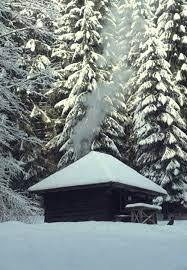
The Wild Wood starts out up my ally aesthetically, a cabin in the woods with snow, phenomenal. A woman, Eithnie lives there on her own, creating art that she sells to support her off grid life, nice. Then a tree man fairy dude shows up to gripe about the plague that is humanity. Also our girl Eithnie is super attracted to this branch man.
Which suggests to me that maybe off grid lifestyle isn't for you, like are you lonely girl?
This guy sounds like Groot but with a bone to pick about humans being the worst. What is she thinking?
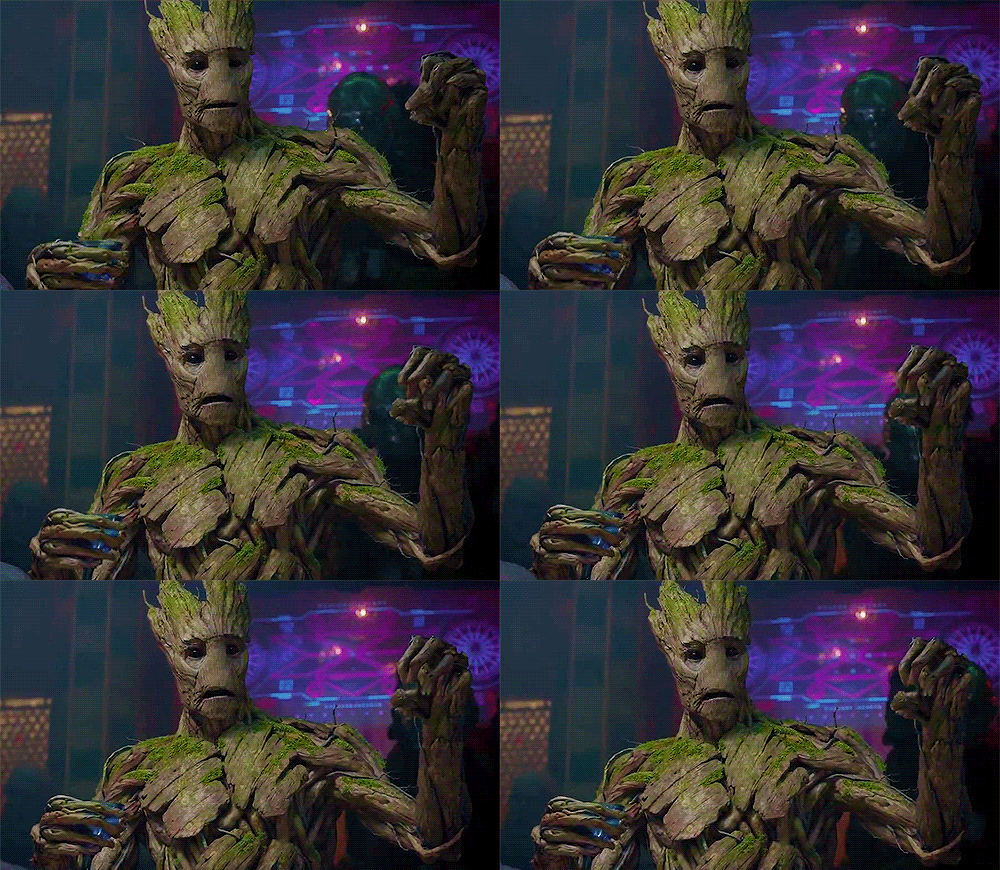
First off a bit preachy and sexually I cannot begin to imagine, the splinters alone.
Anyways the setting only kept me happy for the first quarter and then I was bored and tree boy though correct in all the things he said was killing my vibe.

May 28, 2026
Typical De Lint tale of a young artist who has experienced trauma finding comfort and healing through art and the world of myth and faerie.
This was published as part of a series inspired by the work of Brian Froud.
This was published as part of a series inspired by the work of Brian Froud.

June 26, 2008
When Canadian painter Eithnie starts experiencing strange day dreams, she thinks her mind is failing. Soon she begins seeing fey beings in her landscapes, which she has no conscious memory of painting. Worried for her sanity, Eithnie seeks advice, only to discover something even more bizarre than madness. Representatives of Faerie are reaching out to her, in need of her help. As she unwinds the riddles surrounding her fey beseechers, she is led to face the demons of her past, and discover herself anew.
Charles de Lint is one of my favorite authors of the magical realism sub-genre. His knowledge of Celtic and Native American mythology add depth to his work, and his style is comfortably readable, with an almost anecdotal quality. This tale, like many of his works, portrays magical occurences in such a realist and plausible manner that I find myself easily believing in their reality. After reading this novel for the first time, I felt as if anything were possible.
Charles de Lint is one of my favorite authors of the magical realism sub-genre. His knowledge of Celtic and Native American mythology add depth to his work, and his style is comfortably readable, with an almost anecdotal quality. This tale, like many of his works, portrays magical occurences in such a realist and plausible manner that I find myself easily believing in their reality. After reading this novel for the first time, I felt as if anything were possible.

February 10, 2022
This was written a while back and for the Audible edition of this book Charles de Lint wrote a little forward. It comes out as an apology about being preachy and heavy handed. He talkes about how the world is more aware now. The topic? The environment. He goes on to say we are more aware but we push away the awareness even harder now and he stands by his belief that the world should be saved.
To be fair, it the sermon doesn't come in until about two thirds the way through and I was so swept up in the story. Sure I noticed, but, Mr. de Lint you are forgiven.
The story of an artist having her brush with the faerie spirits of the woods around her cabin. Her, understandable, reaction to questioning her sanity and what the spirits want with her.
I would recommend this to all hippies who've lost a bit of their shine.
To be fair, it the sermon doesn't come in until about two thirds the way through and I was so swept up in the story. Sure I noticed, but, Mr. de Lint you are forgiven.
The story of an artist having her brush with the faerie spirits of the woods around her cabin. Her, understandable, reaction to questioning her sanity and what the spirits want with her.
I would recommend this to all hippies who've lost a bit of their shine.
December 28, 2010
An early deLint novel. The main character is intriguing, an artist who has lost her edge. The depiction of the back woods in Ontario are vivid. Not a fan, though, of the climax and resolution. Seemed rushed and rather cliche.
December 11, 2025
5 ⭐
Full Review on my YT channel: https://youtu.be/4rNSDywJfvk
This is such a beautiful, gentle fantasy. It took me a few chapters to get into it, but then I absolutely fell in love with it.
I related to Eithnie (the MC) so much. Her vivid, overactive imagination and the way she sees the world. Her need to be alone and how the person she is closest to is the only person she can be with and feel alone - in a positive way. De Lint really captures that liminal feeling: being so sensitive to the world that you need solitude to process it, yet also knowing the rare gift of someone whose presence doesn’t intrude on your solitude but actually makes it richer.
I also love the writing style and the metaphors for how we are affecting the natural world.
Favourite Quote: “the inner worlds people carry inside themselves weren’t necessarily limited to the confines of their own minds. A person’s spirituality could encompass everything with which she shared the planet.” To me this seemed reflective of my own Pagan animist view of the world and made me feel a deeper connection to the book.
I will say there was part that was a bit trigging to me because of my own experiences, however I appreciated that it was given the gravity it deserved. Content warning / mild spoiler:
Overall, I loved this book and will definitely reread!
Full Review on my YT channel: https://youtu.be/4rNSDywJfvk
This is such a beautiful, gentle fantasy. It took me a few chapters to get into it, but then I absolutely fell in love with it.
I related to Eithnie (the MC) so much. Her vivid, overactive imagination and the way she sees the world. Her need to be alone and how the person she is closest to is the only person she can be with and feel alone - in a positive way. De Lint really captures that liminal feeling: being so sensitive to the world that you need solitude to process it, yet also knowing the rare gift of someone whose presence doesn’t intrude on your solitude but actually makes it richer.
I also love the writing style and the metaphors for how we are affecting the natural world.
Favourite Quote: “the inner worlds people carry inside themselves weren’t necessarily limited to the confines of their own minds. A person’s spirituality could encompass everything with which she shared the planet.” To me this seemed reflective of my own Pagan animist view of the world and made me feel a deeper connection to the book.
I will say there was part that was a bit trigging to me because of my own experiences, however I appreciated that it was given the gravity it deserved. Content warning / mild spoiler:
Overall, I loved this book and will definitely reread!

September 13, 2026
2.5
I am not sure if this was the best introduction to de Lint. I have heard so many great things about his writing, but this just didn't hit any of those notes for me.
The story felt a bit all over the place, as if it wasn't quite sure what it wanted to be. Perhaps if it were longer, it would have had more room to develop its various threads and explore them in greater depth.
It is only the second book in the Faerielands series that I have read, but my experience of The Wood Wife was significantly richer. That book felt much more immersive, and I found myself connecting with its world in a way that I didn't quite manage here.
I did relate to Eithnie as an artist who has lost her spark, but I felt that her journey towards finding it again wasn't explored in a way that quite satisfied my own understanding of the creative and artistic process.
Overall, I think this had the potential to be a much richer and more interesting novel. I don't know whether de Lint felt confined by the story he was working with, but as a Brian Froud fan who has loved his work since childhood, I couldn't help feeling that Froud's world is far richer and more intriguing than the story told here.
I am not sure if this was the best introduction to de Lint. I have heard so many great things about his writing, but this just didn't hit any of those notes for me.
The story felt a bit all over the place, as if it wasn't quite sure what it wanted to be. Perhaps if it were longer, it would have had more room to develop its various threads and explore them in greater depth.
It is only the second book in the Faerielands series that I have read, but my experience of The Wood Wife was significantly richer. That book felt much more immersive, and I found myself connecting with its world in a way that I didn't quite manage here.
I did relate to Eithnie as an artist who has lost her spark, but I felt that her journey towards finding it again wasn't explored in a way that quite satisfied my own understanding of the creative and artistic process.
Overall, I think this had the potential to be a much richer and more interesting novel. I don't know whether de Lint felt confined by the story he was working with, but as a Brian Froud fan who has loved his work since childhood, I couldn't help feeling that Froud's world is far richer and more intriguing than the story told here.

February 3, 2024
Unfortunately I did not joy this book as much as I hoped I would.
It tells the story of a Canadian artist. She has some past trauma but is currently living in a remote cabin in the forest. As the story starts she has a very vivid vision, and starts to see fairies appearing in her artworks. She is scared and doesn’t if it’s real or she is going mad, and what they might want from her. She questions the existence of an other (fairy) world.
The overall message of the story is the importance of nature and our connection with it, how our actions impact the environment. However, I found this story to be more of a character study of Eithnie, given how much is dedicated to her past and her family and friends. I found the plot to be a bit meandering, especially in the first half during which I struggled to really get the point of the story. The ending is a bit rushed and I struggled with it. I know it is a common trope in folklore, however, I fail to see how that will solve the fairies problem, versus all the harm humans due to nature as we saw Ethnie experience through a vision.
It tells the story of a Canadian artist. She has some past trauma but is currently living in a remote cabin in the forest. As the story starts she has a very vivid vision, and starts to see fairies appearing in her artworks. She is scared and doesn’t if it’s real or she is going mad, and what they might want from her. She questions the existence of an other (fairy) world.
The overall message of the story is the importance of nature and our connection with it, how our actions impact the environment. However, I found this story to be more of a character study of Eithnie, given how much is dedicated to her past and her family and friends. I found the plot to be a bit meandering, especially in the first half during which I struggled to really get the point of the story. The ending is a bit rushed and I struggled with it. I know it is a common trope in folklore, however, I fail to see how that will solve the fairies problem, versus all the harm humans due to nature as we saw Ethnie experience through a vision.
This entire review has been hidden because of spoilers.

August 10, 2025
I’d been meaning to try something by de Lint for a while and this one caught my eye at a library book sale. A fairly quick read considering the intentional slowness of the story. Languid and atmospheric; introspective and thoughtful. The supernatural aspect is subtle but intriguingly surreal. I don’t find it as profound as it seems to want to be; the message struck me as somewhat straightforward, and the ending is intentionally vague and less satisfying than I’d have liked. Overall not a standout for me, but the writing is elegant and poetic, and interesting enough that I’d certainly be open to more by de Lint if I come across it.

November 26, 2025
It was a so-so story where not much happens and you feel like you don't know what's going on...A little preachy on the environmentalism...The miscarriage plotline was unexpected.
Read
June 18, 2026I liked this book overall, but I thought in many ways it was somewhat fae formulaic, and did not push any of its inheritances very far. I appreciate it for what it is.

May 6, 2023
Nice easy read. I thought it was great. Interesting take on the natural world

October 7, 2024
Three stars. This one had some interesting elements but felt disjointed. I am hoping to read all the Froud environmental books and this is the first one I’ve tried.

September 27, 2018
Kind of wish I could have read this in a cabin in the woods in winter.
May 20, 2018
A charming book about an artist who begins to see disturbing visions and tries to determine their meaning to her life. The theme of the story is the environmental destruction that mankind is imposing on the wild world and just what the main character might do to help.
January 24, 2009
My 2009 review:
I liked this book because it's Charles de Lint and his faerie stories always appeal to me, but I don't think it's one of his best. It's clearly from early in his career, when he was still figuring out dialogue and plot flow.
A lot of it dragged, particularly the too-sweet and naive conversations between characters. The plot also needed to be tighter.
But of course, there is an under-abundance of faerie stories such as these, and it's worth the read, if even just to see small areas of Canada actually talked about in a book.
2022 re-read update: After now having had a miscarriage of my own, I can appreciate the layers in this story that I didn't even notice before.
I liked this book because it's Charles de Lint and his faerie stories always appeal to me, but I don't think it's one of his best. It's clearly from early in his career, when he was still figuring out dialogue and plot flow.
A lot of it dragged, particularly the too-sweet and naive conversations between characters. The plot also needed to be tighter.
But of course, there is an under-abundance of faerie stories such as these, and it's worth the read, if even just to see small areas of Canada actually talked about in a book.
2022 re-read update: After now having had a miscarriage of my own, I can appreciate the layers in this story that I didn't even notice before.

April 22, 2019
This is another re-read for me. I enjoyed this book even more than the first time I read it when it was first published in the 90's. I have the hardcover with the Froud paintings - the best way to read this.
If you have ever struggled with the creative process this book is a clear communication and reminder that the artist confront his/her limitations and embrace past histories. This is an inspirational piece, like many of De Lint's works it calls to us to be better...to be humble as we live...to remember the beauty of existence, the mystery.
If you have ever struggled with the creative process this book is a clear communication and reminder that the artist confront his/her limitations and embrace past histories. This is an inspirational piece, like many of De Lint's works it calls to us to be better...to be humble as we live...to remember the beauty of existence, the mystery.

January 22, 2010
Before I read this book, I would have said that a man couldn't really understand what it means to be a mother. Not *really.* Now I'm wondering if there is any experience impenetrable to a writer of sufficient imagination and craft. It opens up whole terrains of challenge, and shows me it is only my insufficiencies and fears that make characters of different races or backgrounds feel off-limits to me.

December 2, 2010
This is one of de Lint's less attractive works, in my opinion but that is only to say it is really good instead of excellent. It didn't engage me at first the way some of his others books have done, but it was worth the effort to read it.
Displaying 1 - 30 of 166 reviews