Lu Xun (鲁迅) or Lu Hsün (Wade-Giles), was the pen name of Zhou Shuren (September 25, 1881 – October 19, 1936), a leading figure of modern Chinese literature. Writing in Vernacular Chinese as well as Classical Chinese, Lu Xun was a novelist, editor, translator, literary critic, essayist, and poet. In the 1930s he became the titular head of the League of Left-Wing Writers in Shanghai.
For the Traditional Chinese profile: here. For the Simplified Chinese profile: 鲁迅
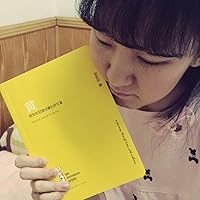
Um livro de memórias do escritor Lu Xun contando sobre passagens dele enquanto criança-adolescente-jovem adulto, com lembranças de sua infância e como ele foi aprendendo e descobrindo o (o que podemos fazer um paralelo de) folclore chinês, questionamentos sobre a erudição e rigidez chinesa daquela época, algumas reflexões sobre a “entrada” da cultura europeia na China no início da República Chinesa do início do século xx, festividades tradicionais que marcavam os anos de sua família e sua vivência, passagens de repressão com ele quando ele se tornou revolucionário na universidade de medicina, o abandono dele da faculdade de medicina para se tornar escritor, entre outras coisas.
É legal ver o modo como Lu Xun consegue escrever te puxando pra dentro da história, fazendo o leitor acompanhar tranquilamente a passagem dele de um pensamento mais lúdico e curioso sobre o q ele observava do mundo ao redor enquanto criança e de início da formação do seu pensamento crítico sobre a realidade à medida q vai crescendo, e o peso q isso é.
E, além de tudo, essa é uma edição bilíngue mandarim-português muito boa para quem se interessa pelo estudo do mandarim.
Lu Xun, probably the exemplar of amazing writers that you've never heard of and that you should read, is also the exemplar of the ideal, well-rounded, all-loathing social critic. Recognizing that most intellectuals, intellectual lapdogs, dogs, and other human beasts are all pretty much assholes, his genius comes from his scathing and often hilarious take-downs on pretty much everyone. These essays, written while he was being hounded in and out of the cultural world of 1920s civil war-riven China, are ostensibly about his childhood, Chinese lore, and weird books he has read, but they very often turn into subtle catechisms against his compatriots and detractors. The closest thing I can compare this too might be Brian O'Nolan's journalism.
Edição primorosa da Editora Unicamp que com uma ótima apresentação e notas de rodapé explicativas nos colocam junto do autor na compreensão do que foi a China do final da dinastia Qing e início da República. Sem esse apoio talvez não fosse possível captar todas as indiretas, ironias e reflexões do autor que é considerado o pai da literatura chinesa moderna por trazer e lutar pelo uso do chinês vernacular nas letras.
A couple of selected works for textbooks, unable people to understand Lu Xun. One needs to read a lot. After reading 'Dawn Blossoms Plucked at Dusk', it feels like seeing a whole new Lu Xun: stubborn but not obsessive, able to accommodate many thoughts, and dare to speak bluntly in most cases. I like the title of this collection of essays about his youth: 'Dawn Blossoms Plucked at Dusk' (in Chinese is more delicate). People can interpret it freely, just as we can interpret what Lu Xun wants to express. I think, no matter what you see in it, it's growth for yourself. For Lu Xun, he would be glad that his words could influence others.
讯哥是白话文运动的先驱,从嘲讽吃人的旧风俗,到缅怀一缕乡愁,到追思一下故人,其中的各种感情,至今依旧能引起很多看客的共鸣。不仅如此,有时候甚至还非常的应景。比如藤野先生中中国是弱国,所以中国人必须低能,60分以上就会被干事疑心漏题一点段。电子版也没观察到错字缺页漏印少画什么的。所以好评一下? Anyway it's a good read and part of the modern Chinese literature movements. Maybe you have to be Chinese to get it, but some of his contents are still very applicable to the modern day China.
A few articles look very familiar, must be from when I was a student and recited part of them. Now reading them as an adult, somehow it called out different feelings and memories, as a little kid with innocent thoughts, as a student under rigid rules, as a teenager with rebellious mind, and as an adult with its own emptiness & burdens.
Meu primeiro livro de literatura chinesa e como não amar. Esse autor, um revolucionário pessimista, mas leva por uma viagem no tempo (pouco antes da Revolução Chinesa) e no espaço. O mais interessante é estar imerso em todas as contradições dessa sociedade pré-revolução, do ponto de vista do autor. E, claro, conhecer um tiquinho da cultura chinesa. Que delíciaaaaa de livro.
This is a collection of short stories from 鲁迅 about his childhood, folklores, his college time in Japan and his adult life as an author in China. This was a more difficult book to read as some stories are not in plain Chinese. This was published in 1928 so it’s interesting to read about life at that time in China.