Jump to ratings and reviews
Rate this book

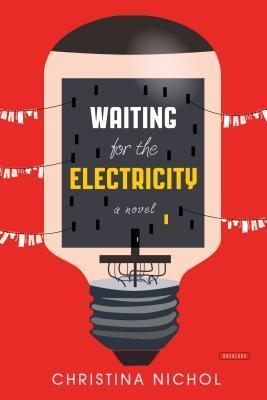
Waiting for the Electricity

Rate this book
In the republic of Georgia, the Communists are long gone, replaced by . . . well, by what? Something much more confusing, that’s for sure. There are no jobs in the cities. And when there are jobs, employees aren’t compensated. And when they are compensated, it’s because the jobs are . . . not strictly scrupulous. In the village, life goes on much as it always did, but these days, the homemade farmers cheese is giving way to the oil pipeline. And as for romance in this strange, confounding modern age . . . the less said, the better.
But there’s one man in Georgia who remains unseduced by corruption, unfazed by nostalgia, and unable to abandon chivalry, no matter how antiquated a notion it may be. This man is Slims Achmed Makashvili, a humble maritime lawyer and the hero of this brilliant novel.
When Slims discovers an application for an American small business internship program sponsored by Hillary Clinton, he knows that he has found his calling. In his letters to Senator Clinton, Slims dreams of bringing efficiency, opportunity, and the American dream to his homeland, even as his friends and relatives embrace decadence, lethargy, and a staggering array of unsavory business practices. But when he finally gets to America—specifically to utopian San Francisco—Slims sees what reform and progress look like up close. And suddenly, his loud, bickering family and his anguished, joyful country no longer seem so grim.
A gleeful picaresque, a hilarious satire, and a work of extraordinary empathy and imagination, Waiting for the Electricity is a marvelously imaginative debut novel in the tradition of Jonathan Safran Foer’s Everything Is Illuminated and Gary Shteyngart’s Absurdistan.

332 pages, Hardcover

First published May 29, 2014

17 people are currently reading
548 people want to read

About the author

Christina Nichol

8 books5 followers

Ratings & Reviews

What do you think?
Rate this book

Friends & Following

Create a free account to discover what your friends think of this book!

Community Reviews

5 stars
43 (16%)
4 stars
64 (25%)
3 stars
78 (30%)
2 stars
53 (20%)
1 star
16 (6%)
Displaying 1 - 30 of 50 reviews
Profile Image for L.A. Starks.
Author 12 books733 followers
April 19, 2015
Put Waiting for the Electricity at the top of your TBR list. This sweet, quirky, well-informed book is set mainly in the country of Georgia. The protagonist is a Georgian writing letters to Hillary Clinton about starting a business. He wins a chance to spend six weeks in the U.S. at a uniquely-Californian seed business conference. Upon his return to Georgia he must navigate his own new expectations.

What I liked best about the book is how completely it envelops readers in Georgian surroundings. Like the omnipresent hunger in The Hunger Angel by Herta Muller, the reader better understands the lives of people living with intermittent (an hour a day) electricity just before the Rose Revolution that brought Mikheil Saakashvili to power, displacing a long-time Russian puppet, Eduard Shevardnadze.

The protagonist is a modern worrier, but joyful in explaining his country and culture.
Profile Image for Emma Deplores Goodreads Censorship.
1,417 reviews1,998 followers
November 29, 2015
I am not going to rag on this book too much, because between the small number of reviews and the 3.26 average rating on Goodreads, I doubt many readers are stumbling on it unawares. But it was the only book I could find set in the Republic of Georgia. And it isn’t awful. Once I accepted that it was going to be largely nonsensical and lacking in plot, I didn’t really mind it. And is that the faintest praise you’ve ever heard, or what?

This book is narrated by the uniquely-named Slims Achmed Makashvili, who is a bit unhappy with his home country; he hasn’t been paid in months, he’s routinely robbed on public transit, and his best friend is turning to corruption. The book is more picaresque than realistic, so it doesn’t really dwell on these things; instead Slims writes a bunch of letters to Hillary Clinton, resulting in his being invited to spend several weeks learning business in San Francisco. He has mixed experiences in the U.S. and returns to Georgia more confused than ever, to witness some major political changes in his country – only to discover that the changes he’d wanted are not all they’re cracked up to be.

If you try to read this book for the (meandering) plot or (flat) characters, you’ll be disappointed, but I did learn a bit about Georgian culture and politics, and the book takes plenty of jabs at both Georgia and the U.S. It is sometimes humorous, as in this little aside:

“At lunch, when Mr. Fax was out, a man from the village of Zalikos came in to use the copy machine. I didn’t know what he wanted at first until he pulled a piece of paper out of his pocket, unfolded it, and asked if we had a Georgian copy machine. ‘No, Georgia doesn’t make copy machines. We have one that was made in America though,’ I told him.
‘No, no, that won’t work,’ he said. ‘This document is in Georgian, not in English.’ ”


If you love post-Soviet satire, this might be worth your time. It has the advantage of being a quick read. As I said, I didn't mind it; when I read it while tired or otherwise not functioning at full capacity, it made some sense. But I wouldn’t recommend it.
Profile Image for Tuck.
2,264 reviews251 followers
July 24, 2014
very funny debut novel of georgia making the transition from ussr satellite to goerge shurb bush favorite to post post naughties crisis hangover. the humor is black though, like this Day of the Oprichnik the humor is 'laugh-from-crying', broad brushed, sexist, stereotypical. funny too.

so a toast to you author nichol, for channeling all the good things about georgia, and a toast to electricity, for illuminating the modern world and driving the good people back into the mountain villages!
Profile Image for Salomé Chincharauli.
20 reviews16 followers
May 8, 2017
თუკი არსებობს ისეთი წიგნები, რომლებიც უნდა წაიკითხო სანამ ცოცხალი ხარ, მაშინ ასეთია ეს წიგნი!.... ოღონდ ქართველებისთვის..... არგუმენტი მხოლოდ ერთი მაქვს, იმისთვის რომ საკუთარ თავს შეხედო გვერდიდან და რაღაცეებს მიხვდე, თუკი ჯერ კიდევ ვერ მიმხვდარხარ. ეს წიგნი საქართველოზეა, ქართველებზე, ერთ ქართველ, ჩვეულებრივ looser ტიპზე და დანარჩენ ყველაფერზე, რაც მის გარშემო შეიძლება იყოს. სიუჯეტი 90იანების ბათუმში იწყება. ის პერიოდია, როცა უკვე აღარც საბჭოთა კავშირია და (ჯერ) არც დემოკრატია. კორუფცია "მძვინვარებს" ქვეყანაში და მშიერი ქართველები ყველაფერს იპარავენ, ოღონდ ესეთი მოპარვა ქურდობად არ ითვლება, ეს რაღაცნაირი აუცილებლობაა. ადამიანები ძალიან ბევრს მუშაობენ, ცოტას გამოიმუშავებენ და მერე მთელ ნაშოვარს, ერთ სათვალეში იხდიან.......
ჩვეულებრივი ქართველისათვის, იქნება ის მგზნებარე თუ light პატრიოტი, ძნელი იქნება ამ წიგნის ზოგიერთი პასაჟის "გადახარშვა", რომელიც უცხოელი მკითხველისთვის იუმორი იქნება, მწერლისგან შეფარული თუ ღია დაცინვაა, ჩვენთვის კი ჩვეულებრივობაა, ყოველდღიურობა. Review-ებს გადავხედე goodreads-ზე და ძირითდად, მკითხველები წერენ, რომ კარგი ხარისხის სატირაა, მე კი არა მგონია რომ ავტორს სატირის დაწერა სურდა. უფრო ვფიქრობ, რომ ის იმდენად გააოცა ქართველი საზოგადოების თავისებურებებმა, რომ მას ამის გადმოცემა მოუნდა, სხვებისთვის გაზიარება. ალბათ იმიტომ, რომ მეც ხშირად მომდომებია ამის გადმოცემა. ავტორი ამ გასხვავებულობას ძალიან ეფექტურად აღწერს დიალოგებში და რაც მთავარია, პირველ პირში გვიყვება ერთი ბათუმელი აჰმედას სახელით. მაგრამ, არ მოტყუვდეთ, აჰმედა ქართველია, მაყაშვილი და თავად ამბობს: "Georgia is the Christian country and it's difficult to have the Muslim name in a Christian counrty!"
წიგნი იწყება ძალიან ცნობილი ლეგენდით, რომელიც ყველამ ვიცით, ღმერთმა რომ მიწები დაარიგა და ჩვენ რომ კოლხეთი გვერგო, რადგან ვქეიფობდით. სხვათაშორის, მეორედ ვხვდები ამ ლეგენდას არაქართულ ტექსტში. როგორც ჩანს, უცხოელებზე განსაკუთრებულ შთაბეჭდილებას ახდენს ჩვენი თავდაჯერება "ერთმუჭა" საქართველოს უნიკალურ მშვენიერებაზე.
ასეთი თავდაჯერებული ქართველებისთვის, ეს წიგნი დანასავით ბასრი და მტკივნეული იქნება. ჩემთვის კი, ძალიან საინტერესო იყო, რადგან 11 წლიანი ემიგრაციისა და გვერდიდან დაკვირვებების შემდეგ, ამ წიგნმა საბოლოოდ დამარწმუნა ქარველების გადამეტებულ წარმოდგენაზე_საკუთარ თვითმყოფადობაზე.
წიგნის სიუჯეტი ძალიან სუსტია, არავითარი კულმინაციით და არანაირი მოსალოდნელი ფინალით. საკმაოდ დამტანჯა, მაგრამ ბოლომდე წავიკითხე, მხოლოდ "ეროვნული ინტერესებიდან გამომდინარე". უცხოელი მკითხველისთვის, რომელსაც არანაირი წარმოდგენა არა აქვს საქართველოზე, დიდად უინტერესო რამე იქნება წასაკითხად, მაგრამ ჩვენი კულტურით ან ბოლო წლების სოციალური ან პოლიტიკური მდგომაორეობით დაინტერესებულთათვის, საინტერესო მასალაა, ზედმიწვენით კორექტული და თანმიმდევრული.
ეს წიგნი სავსეა სუფრებზე მოსმენილი სადღეგრძელოებით, ლეგენდებით, თამადებით და მათი ახირებებით, სუფრებით და მისი ქართული სიუხვით, სმით, ხმაურით "Georgians have a problem with the noise", სვანებსა და სომხებზე ანეგდოტებით, (სომხების მიმართ ქართველების დამოკიდებულებას მრავალი აბზაცი და დიალოგი ეთმობა). აქვეა ილიას, ვაჟას, რუსთაველის თუ ჭილაძის ლექსების თარგმანები ( თუმცა საკმაოდ გამიჭირდა ორიგინალის ამოცნობა, ხშირ შემთხვევაში). ზოგადად საშინელი კორექტურა აქვს მთლიან ტექსტს, მაგრამ აბა რა გასაკვიარია, ალბათ გაჭირდა ნიუ იორკში ისეთი კორექტორის პოვნა, რომელიც გურამიშვილს და ჭავჭავაძეს ჩაასწორებდა, მაგრამ ხშირად არის სიტყვა deyda ნახმარი, "ამის დედა"ს კონტექსტში და ამან კი მომკლა.
მაგრამ საბოლოო ჯამში, ეს წიგნი კარგი აღმოჩენაა ჩემთვის, რაღაცეების დასტურია, რაღაც მომენტებში ჩემს სათქმელსაც ამბობს ავტორი, "I was going a little out of my mind. I tried to explain to myself that I was still suffering from cultural shock. Why is it that cultural shock is more extreme upon returning to the familiar than upon visiting a strange place? is it because something inside has changed and now all the old familiar things must be introduced to this new person? I had missed home greatly, but the idea that I was perhaps stuck here forever gave me nothing to look forward to for the future. I looked up at the Tamada in the sky an quoted Rustaveli: "Alas! O world, what troubles there? Why dost thou whirl us round and round?"
ასე რომ, მე ზუსტად მივხვდი რას ამბობს ამ დიალოგებში ავტორი, როცა ქართულ კულტურაზე, რელიგიაზე, და უბრალოდ ყოველდღიურობაზე წერს. აქ მკვეთრად შეიძლება ქართული ხასიათის, კულტურის, რაღაცნაირი ყოფადობის თვისობრივი განსხვავებების დანახვა, რომელიც ასეთი თვალში საცემია უცხოებისთვის, ჩვენ კი საერთოდ ვერ ვხედავთ. ვაღიარებ, ზოგიერთი პასაჟი მეწყინა, ზოგი გულში მომხვდა, ზოგმა ძალიან გამამხიარულა, ზოგმა დამაფიქრა, მაგრამ საბოლოოდ უნდა ვაღიარო, რომ რაცა ვართ, ესა ვართ. მართალია, დღეს უკვე ნაკლებად, რაღაცეები იცვლება, რაღაცეებს ჩვენ თვით��ნ ვხვდებით უკვე და ამას ხაზს ვუსვამთ.
ამ წიგნში ბევრი ჩემი ნაცნობი, მეგობარი თუ ნათესავი აღმოვაჩინე. ბევრი ალბათ საკუთარ თავსაც აღმოაჩენს, თუ წაიკითხავს. ამიტომ, კარგი იქნება თუ ბევრი ქართველი წაიკითხავს, რომელიც თავს ეროპელად მიიჩნევს ან კი, თუ ფიქრობს, რომ "ქართველობას ართმევენ".
მე ან წიგნის კითხვისას, განსაკუთრებით კი ფინალისკენ, გრძნობა გამიჩნდა, რომ ავტორმა ამ წიგნის სახით დაგვიდო წინ სარკე, რომ შიგნით ჩაგვეხედა და დაგვენახა საკუთარი რეალური სახე. ის სახე, რომელიც მან დაინახა ჩვენში. და მისი დანახული მკვეთრად განსხვავდება იმ "გატყლარჭული" სადღეგრძელოებისაგან, რომელიც რომელიმე უნიჭო თამადამ ამ სუფრაზე გაიმეორა სხვა სუფრაზე მოსმენილი, მის მოსახიბლად და მისთვის ქართული უნიკალურობის დასადასტურებლად.
მიუხედავად ამ გატყლარჭულობისა, მგონია, რომ ავტორზე წარუშლელი კვალი დავტოვეთ ქართველებმა და განსაკუთრებით შევაყვარეთ თავი, რაც არ უნდა წინ წამოვწიოთ "უარესობები", უპირატესობებიც ბევრი გვაქვს და განსაკუთრბით, ჩვენი სტუმართმოყვარეობა და უბრალოდ კაცთმოყვარეობაა ხაზგასმული. ამიტომ, ავტორმა ბევრი დრო და კალამი დაღვარა ამ ნაშრომის შესაქმნელად, მოგვეწონება ის ჩვენ თუ არა. მას ბევრ სხვა ქვეყნებში უმოგზაურია და უცხოვრია, მაგრამ მისი პირველი და ჯერჯერობით ერთადერთი წიგნი, ჩვენ გვეძღვნება. "შუქის მოლოდინში" კი ყველაზე მაგარი სახელწოდებაა, რომელიც 90იანების საქართველოს მდგომარეობას შეიძლება უწოდო.
P.S იმედს ვიტოვებ, რომ მალე რომელიმე ქართული გამომცემლობა დაინტერესდება და ეს წიგნი ითარგმნება ქართულად. მანამდე კი, ანგლოფონებისათვის არსებობს Amazon order & worldwide delivery, რადგან დღეს ბევრად უფრო შორს ვართ, ვიდრე ამ წიგნის პერსონაჟი Mister Fax.
P.P.S ამ რევიუს ქართულად ვპოსტავ, მხოლოდ ქართველებისთვის, რადგან ყველაზე მეტად მძულს ემიგრირებული ქართველებისგან საქართველოს და ქართველების კრიტიტიკა სხვათა თანდასწრებით. და ამიტომაც ძალიან დაბალ ქულას ვანიჭებ ამ წიგნს "სხვებისთვის". აჰმედასი არ იყოს:
"From my heart!
From my soul!
Georgia , you are.....
My home!

It's a poem. Well, in Georgian it rhymes."
Profile Image for Jessy.
Author 39 books22 followers
August 28, 2014
If this book doesn't win some major awards then the world is truly unfair. It's like A Visit from the Goon Squad crossed with Nabokov. It's genius-funny. I laughed aloud more times than with any other book I've read in the past ten years or so. I mean it was FUNNY and so smart. The narrator is so much part of Georgian culture that he doesn't bother to tell you things that can be assumed, like that he would steal pens when he visits a commercial ship. It's like, of course he would steal the pens, why would you even mention it until later when you for some reason need to talk about the pens themselves. What do I know, really, but this seemed like an authentic immersion in post-Soviet Georgia where the electricity probably won't work most of the time and the bus driver says "pay what you can."
Profile Image for Laila Collman.
299 reviews20 followers
July 23, 2023
I LOVED this book! This was such a vivid story about life in Georgia during the end of Shevardnadze's era/the beginning of Saakashvili's, and it's incredible to me that a foreigner could re-create the voice of a young Georgian man so authentically. I loved how the main character referred to god as the "Tamada in the sky", and all of the dialogue felt SO real. (For all the people who left negative reviews saying the book didn't have a plot, I think you may have missed that this story isn't meant to be a fast-paced action novel. It's more of a bildungsroman, as a young man reflects, observes, travels, and ultimately - grows and changes at the same time as his country is drastically changing. Through the voice of the main character, we are also led to reflect and ask ourselves questions. What could be more truly fascinating than that?) There were so many moments I had to pause and read passages aloud to my Georgian husband because they were so good! Without giving away any spoilers, I loved the ending.

Here are some of my favorite passages:

"We lived in Paradise. Here we have dancing, love, wine, sun, ancient culture, and beauty. But no money. Therefore, we have become a little unfashionable because, these days, money is the hero of the world."

"If Malkhazi's lips were an art museum, the cigarette was the permanent installation."

"'What if you had the chance,' I asked, 'to leave Georgia, to work on a ship, but you could never come back?' Malkhazi didn't answer. He only became more village-heavy, gloomily glaring at the sea. Under his breath, Malkhazi quoted our poet Alexander Gomiashvili: 'Among these mountains I was born, their songs and legends made me strong.' After that we just sat silently and stared at the sea."

"I wanted to tell Anthony that if he really understood the generosity of Georgians he would cry all day. Or maybe for a week. Our generosity during our feasts is really not reasonable behavior."

"Irakli was hushing everyone again. He wanted to talk about his time in Afghanistan, how he was captured in the middle of his night from his village and thrown, blindfolded, out of the airplane. I knew this story well because he always talked about how when he returned to Tbilisi and heard that his mother had died, his inner kamikaze escaped and he attacked a policeman who was directing traffic. 'What's wrong with you?' the policeman asked. 'I'm simply doing my job.' So Irakli explained to him how he had just gotten back from Afghanistan and he felt like a crazy man. The policeman, according to Irakli said, 'I understand you. If it would help, you may kick me again.' And with those words he was cured. 'Ah, the suffering of the Georgians,' Irakli was moaning with his hand over his heart. 'One heart is not big enough to carry it all. That's why we need each other."

"Since the Soviet Union became broken, the Russians cannot forgive us. It's a complicated story, an ancient story of jealousy. We were the crown jewel of the Russian empire. Now Russia is feeling nostalgia for us, which is normal, except that it has become a dangerous type of Imperial Nostalgia. It seems a bad fate that God gave us such kind of neighbors."

"Georgians have huge hearts. When we love, it is like something crazy. But when we hate, it is something terrible. Whole mountain villages have been destroyed because someone's enormous heart became poisoned and started a nine-generation vendetta."

"The Georgian woman smokes like a ship... the Georgian woman also knows how to flutter her handkerchief to turn a man into a slave so that all he desires is to carry her up the stairs."
Profile Image for Kai.
Author 1 book261 followers
March 25, 2022
this book is the 2013 debut by christina nichol, which i was really excited to go back and read after her two great comic stories in n+1, "conversations with Bongjun" (on Korea) and more recently "the earth dreams in ritual" (on the pandemic, California hippy culture, and communist weeds). nichol is a professor of environmental studies at sonoma state university, and for a portion of the late 90s and 2000s taught english in a few places around the world, as one does, including in the country of Georgia where this novel is set.

Waiting for the Electricity is (like her stories) deeply funny while using humor to point out the absurdity and violence of capital accumulation. set in 2003 amidst the electricity crisis in Georgia and the construction of the BTC oil pipeline, the book principally follows the character Slims Achmed as he dreams of a better Georgia, one more like America. Slims writes of the struggles and triumphs of the country and his desire for democracy and rule of law to one Hillary Clinton, whose office eventually invites him to travel to the US to learn american-style entrepreneurship. Nichol, who is extremely Californian, gently but firmly ribs the US culture, all while showing its limits are in the capital accumulation it relies upon. Slims ultimately returns home jaded, only to witness (in the book's final pages) Georgia's color revolution. though it was hoped to be "democracy," this ultimately brings US style privatization to Georgia. ultimately, Slims and his comrades discover that there is more joy in Georgian culture (mostly portrayed here via the incredibly comic practice of endlessly toasting each other, including at the Soviet Nostalgia Bar).

the best parts of this book, and which i may eventually expand upon, concern the tragicomedy of infrastructure contruction and failure--hence the "waiting" in the title deals with the widely-discussed temporality of infrastructure, but uses it for more humorous ends. though electricity and its interruption is the background to the book, the BTC pipeline construction (and the character of one British BP employed geologist/whistleblower Anthony) form the major comic point of contrast in the book. the aims of western capital to develop a "good business climate", logistical regularity, and respect for the law are constantly stymied by Georgian habit, desire, custom, and culture. since i know a thing or two about pipelines, and affect, and sometimes write specifically about humor, i might eventually write up something about this book...we'll see.
180 reviews1 follower
August 19, 2018
An entertaining book, especially for someone who has visited Georgia or who knows some Georgians. The stereotypes both of Georgia and California are hilarious, and like all stereotypes, although exaggerated, are recognizable. Although the book rambled on a bit and could have used a good editor, it is well worth reading if you are interested in modern day Georgia.
Profile Image for Dace ჯ.
215 reviews14 followers
January 1, 2021
It is an amazing book and I was truly amazed how the author got so deep into the Georgian mentality in just 2 years and even more amazed that about the amount of facts, jokes, songs, anecdotes featured in this book. It took me some time to read it because I was savouring each sentence.
Profile Image for Kristin.
55 reviews14 followers
March 20, 2017
In many ways, the book was extremely clever and witty (especially all the jabs at the Turks!), but the pacing just felt really off to me. Majority of the book takes place in Batumi but the middle section is set in California after the main character Slims wins a fellowship to study business entrepreneurship. Still, I could never pass up a book with a title like this! Picked it up at Prospero's Books in Tbilisi.
Profile Image for James (JD) Dittes.
798 reviews32 followers
February 2, 2015
An insightful look at Georgia in the last year of the Shevardnadze Era, a time where corruption is rife, the electricity is spotty, and characters like Slims Achmed take to writing to Hillary Clinton to find a way out of Dodge.

Georgia comes across in the opening chapters as a terrible place. Slim's taxi is robbed as he returns from a fruitless job picking hazelnuts. His corruptible friend, Malkhazi, solicits his help in staging the kidnapping of a British pipeline worker. His boss, Mr. Fax, hasn't found a way to pay him for months. His only hope for promotion is escape to the United States--and it is unclear whether he will ever come back.

Nichol sprinkles lots of Georgian culture throughout the opening scenes of the book. Toasts are given. Popular local jokes are recounted. There is much celebration in Georgia, much pride in their culture--whether the lights are on or not. For example, one joke I really enjoye was "Every time there is a silence at the Georgian table another baby is born in Armenia" (248), highlighting the nation's rivalry with the Caucasus' only other Christian nation.

But Nichol isn't just satisfied with examining a group of Georgian friends. When Achmed journeys to the United States, she holds a mirror up to America's "just-believe-and-you'll-succeed" business culture. Slims finds the lights are on all the time in America, but the close sense of community is missing. There are no Tamadas to lead the toasts at parties, everyone is alone, all to themselves.

In a failed effort to jump his tourist visa, Slims has an epiphany:
How can I explain it...? What can I do in Georgia but show a guest the view and wait for his approval, show him the physical world and wait for the contours of the mountains to tell him their own stories. It is up to the guest to recognize them. All I can do is point at the mountains, at the solid rocks, at the archaeologists digging under them, at the world which looks upside down and crooked but lo--only to the guest.

The electricity isn't in the Georgian lightbulbs after all. It's in the Georgian people. And Slims's return is uplifting as he's finally able to assert himself in business and reel in the girl he had almost let get away.

I wonder if Mikheil Saakashvili's Rose Revolution might have snuck up on Nichol as she was writing this book. It appears in the last six chapters, just as life is turning for the better for Slims. The electricity comes on--and stays on--but it is almost an afterthought.

This is an insightful book, carefully thought out, and celebratory of Georgia's unique way of life.
Profile Image for Cynthia.
460 reviews5 followers
April 5, 2023
Fantastic, fantastic fantastic book. I can’t wait until enough time goes by that I can reread it
Profile Image for yexxo.
906 reviews27 followers
February 8, 2016
Dieses Buch ist nicht ganz einfach zu beschreiben, denn so richtig viel Handlung gibt es nicht. Der Ich-Erzähler Slims, der in der georgischen Hafenstadt Batumi lebt und als Anwalt im Seerechtsministerium arbeitet (und seit Monaten kein Gehalt mehr erhalten hat), träumt davon, seinem geliebten Heimatland zum Aufschwung zu verhelfen: keine Korruption mehr, ständig verfügbare Elektrizität, regelmäßige Gehaltszahlungen usw. Er schreibt Briefe an Hillary Clinton und erhält daraufhin eines Tages tatsächlich eine Einladung in die USA, um sich in puncto Wirtschaft weiterbilden zu können. Doch alles läuft anders als geträumt...
Der überwiegende Teil des Buches beschreibt mehr die Gesellschaft Georgiens und seiner Bewohner als dass er einer wirklichen Handlung folgt: Es ist wirr, chaotisch, liebenswert ;-) Die genannte Handlung hangelt sich eher an einem dünnen sogenannten roten Faden entlang, der als Anlass genommen wird, weitere Beschreibungen einfließen zu lassen. Obwohl die Autorin Amerikanerin ist, gelingt es ihr meiner Meinung (ich kenne das Land nicht - leider, muss ich nach der Lektüre schreiben) sehr überzeugend, die Atmosphäre Georgiens wie auch das Besondere seiner Bewohner darzustellen. Sie lieben ihr Land - aber die Menschen noch viel mehr. Alle versuchen sich auf irgendeine Art und Weise durchzumogeln, meist mit nicht ganz legalen Mitteln, doch immer wird auch an die Anderen gedacht. Es ist ein stetes WIR, das in Georgien existiert - das ICH des Westens kennt man nicht. Für Gäste wird einfach Alles aufgefahren, sodass diese denken müssen, die Georgier leben im Überfluss.
Der Tonfall ist durchweg vergnüglich, wobei dieses Wort vermutlich falsche Erwartungen erweckt. Es ist ein unglaublich trockener Humor, mit dem beispielsweise auf Missstände hingewiesen wird und die Pointe dann schon fast wie ein Lamento klingt, ohne dass dieses wirklich ernst gemeint ist. Oder er kommt sehr unterschwellig oder auch völlig absurd daher - diejenigen, die das Offensichtliche lieben, werden mit diesem Buch nicht ganz so viel zu lachen haben.
Ich habe mich hingegen gut amüsiert, auch wenn Vieles in der Realität bestimmt nicht zum Lachen ist. In jedem Fall hat es mich sehr sehr neugierig auf Georgien bzw. auf seine Menschen gemacht. Denn wie ich in einem Reiseführer nachlesen konnte, wurden deren Beschreibungen nicht übertrieben. Unglaublich - aber ich denke, davon muss ich mich selbst überzeugen. Georgien, ich komme!
286 reviews
December 10, 2014
I thought I would like this book more than I did. It was amusing and largely enjoyable, but I wasn't wild about it. It is the story of a man in Georgia (country, not state) dealing with the post-Soviet chaos and the new economy. I can't imagine that anyone who hasn't spent time in the USSR would really understand much of this novel, but if you have, you'll certainly appreciate the world Nichols describes. The title refers to the periods of time when the main character and his friends/family wait for the electricity to come back on and what goes on during those interludes. Eventually you learn that that is where the genuine living happens. The trappings of modern consumer society and the influence of the west (the USA mostly) are portrayed as hugely desirable at first and then as not as meaningful as the life that is lived while waiting for the electricity to return.
Profile Image for Dree.
1,785 reviews61 followers
September 6, 2014
Waiting for Something to Happen.

80 pages in, and I am giving up. So painfully slow, so disjointed. And is this "accent" really Georgian? Because the narration sounds just like the 4 (count them 4) different Russian appliance repairmen that Whirlpool sent to fix my lemon of a range this summer. Did they fix it? No, not one even tried. One was nice and said he would ask for a longer appt time (and his boss yelled at me on the phone for saying such a thing), 3 didn't even try. Trying to read this book is just as frustrating as having a bad Russian appliance repairman in my kitchen.
Profile Image for Sarah Furger.
334 reviews20 followers
August 21, 2014
This book was delightful. By the second chapter, I totally forgot that it was written by an american woman and was totally caught up in Slims' Georgia. In addition to bringing a wonderful cast of characters to life, Nichol sheds new light on issues like pollution, the dark side of capitalism, the problems of importing American democracy to a non-American setting, the possibility for peaceful revolution (and how it can go terribly wrong), and relationships to boot. I adored this book and can't wait to see what she comes up with next. Five stars!
Profile Image for Carrie.
59 reviews
November 9, 2014
There's a gentle humor about this book, with the occasional, gasp-inducing zinger of satire or political criticism. Good at sinking you into the protagonist's paradigm & cultural logic.
Profile Image for Bill.
75 reviews3 followers
February 18, 2015
Insane!? Funny. But somehow not really an enjoyable read. I can't put my finger on it but I couldn't get into it
510 reviews16 followers
September 12, 2020
Beim Warten auf die Elektrizität ging ich leider als Leser verloren - trotz guter Sprache

Im Himmel gibt es Coca-Cola heißt im Original „Waiting for Electricity“ – und das trifft es nach meiner Meinung wesentlich besser: das Warten, darauf, dass es (endlich wieder einmal) Strom gibt im georgischen Heimatdorf des Protagonisten Slims zieht sich wie ein (sehr dünner) roter Faden, teils wie ein „running gag“ durch das ganze Buch.

Das Erscheinen des Buches 2014 war an mir vorbeigegangen, ich bin erst durch ein Leseexemplar des Verlages zu der Geschichte gekommen. Slims ist ein Träumer im postkommunistischen Georgien. Die lokalen Machthaber agieren wie Diktatoren, diverse Georgier engagieren sich als „Wege-Zoll“- Räuber, während die Bevölkerung irgendwo den Strom abzweigt zum Umgang mit dem Mangel. Slims träumt von einer vergemeinschafteten Stromversorgung, denn die „Leute bestahlen den Staat, aber niemals einander.“ (S. 79)

„Vor ein paar Jahren kam eine westliche Hilfsorganisation in die Stadt, wie eine Zirkustruppe in einem Roman. Sie nannten sich Al-Anon und eröffneten ein Büro in Batumi, um den Frauen und Schwestern von Alkoholikern zu helfen. Sie sagten immer das Gleiche. ‚Lass los, überlass es Gott.‘ Wir fanden diesen Satz sehr komisch. Al-Anon hielten drei Wochen durch, und dann machten sie wieder zu, weil sie merkten, dass wir ohnehin schon so lebten. Jeder überlässt alles Gott.“ S. 106

Slim ist anders – er handelt nicht passiv, er schreibt Brief an Hillary Clinton, bewirbt sich für ein Aufbau-Programm für ehemalige Sowjetrepubliken – und wird zur Teilnahme in die USA eingeladen, allerdings für ein Projekt, dass er nur vorgeschlagen hat, weil er es für ‚verkaufstauglicher‘ gegenüber den Entscheidern hält. Er ist der moderne Kämpfer gegen Windmühlen.

Die Autorin reiste bereits als Kind mit ihrem Großvater in die Sowjetunion und unterrichtete Englisch in Georgien. In einem Interview mit „The Paris Review“ erklärte sie ihre Erfahrung, dass die jahrelange kommunistische Propaganda, im Kapitalismus müsse man für etwas bezahlen, ohne eine Gegenleistung erhalten zu können, die Einstellung der Bevölkerungen in post-kommunistischen Ländern nachhaltig geprägt habe – man verhielte sich im Kapitalismus exakt wie im Kommunismus gelehrt. Entsprechend ist die Erfahrung der Personen im Buch, dass zu Zeiten der Sowjetunion die Stromversorgung zuverlässig gewesen sei und Recht und Ordnung durchgesetzt wurden.

Das Buch wurde in der Rezeption in den USA teils als „eigenes Genre“ Comic Novel gefeiert aufgrund des sehr besonderen Stils. Ja, der Stil ist besonders – den Anfang des Buches (in Georgien handelnd) empfand ich als geradezu verwirrend sprunghaft, mit einzig den Briefen an Hillary Clinton als rotem Faden und etlichen sehr speziellen Anekdoten und Aphorismen, die die georgische Mentalität beschreiben: Gastfreundlich bis zur Selbstaufgabe, zwischen traditionellem Ehrgefühl bis zur Selbstüberhöhung und einem sich-Aufreiben in der Aktualität bis zur Melancholie.

Die Kapitel in den USA sind schlüssiger, allerdings ist die Beschreibung gängiger Marketing-Plattitüden nicht wirklich originell oder neu. Dass das Scheitern aneinander an unterschiedlichen kulturellen Erfahrungen und daraus bedingten Handlungsweisen resultiert, wird erzählend geschildert – ich fürchte jedoch, nicht wirklich ausreichend deutlich nachvollziehbar. Ausgerechnet hier hält sich die Autorin kurz! Auch in dem Teil des Buches nach der Rückkehr nach Georgien bleibt dieses Gefühl bestehen, dass Gewichtungen ungleich gesetzt wurden, dass vieles nicht nachvollziehbar ist und bleibt, dass die Sicht doch eine zu amerikanische ist. Aus meiner Sicht beherrscht die Autorin zwar das prägnante Formulieren, die Aphorismen, die Anekdoten, die Darstellung der Charaktere und die Empathie in die Mentalität Georgiens und der USA, es fehlt mir jedoch die stringente Umsetzung in eine Geschichte und die Empathie in den Leser. Sonst fällt mir immer wenigstens jemand ein, dem ich ein bestimmtes Buch schenken könnte, weil es zu ihm besser passen würde als zu mir - ohne die Recherche zur Autorin hätte ich hier sogar noch weniger Zugang zum Buch gefunden.
Profile Image for Lucas Sarcona.
8 reviews
July 11, 2017
Waiting for the Electricity, the first novel by American writer Christina Nichol, provides a glimpse of traditional culture in post-Soviet Georgia during moments of hilarious juxtaposition with modernity every time the lights come on, which is only a few hours each day. Nichol's protagonist, Slims Achmed Makashvili, and his family must plan their lives around the daily allotment of electricity their impoverished village receives, and the power becomes a metaphor for independence from the large industrialized nations and their oil interests, to whom Georgia is fatefully tied. Not since the title character of Saul Bellow's epistolary novel Herzog (1964) have I encountered one as outlandish as Slims, a working-class Georgian who writes to Hillary Clinton seeking America's help in stabilizing his country. While written in a satirical style, Waiting is heart-achingly poignant in its characters' struggles for basic human needs: electricity to heat their homes, for bathing and cooking, and gasoline for a generator and a barely operable car. Nichol, a Bay Area native who taught English in Georgia, possesses an intimate understanding of the irony and the dilemma here—a country's modest desires weighed against the relative luxury and material excess of the wealthy industrialized nations that prosper at the cost of Georgia's natural resources.

-Lucas Sarcona

Review originally published by Chico News & Review 2.12.15
https://www.newsreview.com/chico/wait...
Profile Image for Raluca.
892 reviews40 followers
September 8, 2017
I whispered: "May everything be good and nothing bad. May the fishermen catch many good fish, may Swiss chocolate factories discover our hazelnuts, may the soil always be fertile, may our cups always be full." Those were enough prayers. I should have stopped there. As we say in Georgia, if you give a blind man eyes, he will ask for eyebrows. I became greedy like an Armenian and added, "May I make it to America." Then Zaliko the archaeologist came driving by, shouting at the bishop to give him some petrol, and everyone began shouting like politicians trying to jail each other.

Does this book have a fast-paced, engaging, coherent plot? No. Interesting characters? Up to a point, though many seem either schematic or interchangeable. Does it give the reader a sense of life in the former Soviet republics left to fend for themselves through limping capitalism? I think so. It reminded me of one of my favourite movies, California Dreamin', not so much in subject but definitely in atmosphere. And you can get through the movie quicker.

[Did not fit into the PopSugar Reading Challenge]
Profile Image for Rike.
86 reviews7 followers
February 16, 2016
Heute schreibe ich mal nicht über einen Krimi oder Thriller, sondern einen Roman. Diese wirklich außergewöhnliche Geschichte spielt im postkommunistischen Georgien im Jahre 2002. Slims Achmed Makaschwili, ein Anwalt der schon lange kein Gehalt mehr bekommen hat, erzählt aus seiner einzigartigen, naiven und gutgläubigen Perspektive über sein Leben in Georgien und seinen Traum von Amerika. Das beides sehr unterschiedlich ist, wird nicht nur ihm sondern schnell auch dem Leser klar. Slims möchte unbedingt in die Staaten und so schickt er viele lange Briefe an Hillary Clinton, den diese ist Schirmherrin eines Austauschprogrammes, durch das er unbedingt seinen Traum erfüllen möchte um dem rückwärtsgewandten Georgien zu entkommen. Wird Hillary antworten? Wird er es in die USA schaffen? Und wie ist es eigentlich so, in Georgien?

Stil, Machart, Meinung

Wie schön gesagt erfährt der Leser aus Slims Perspektive vieles über das Leben in Georgien. Die Perspektive ist dabei das Erfolgsrezept des Buches, denn er ist einfach sehr gutgläubig, naiv ein guter Beobachter und dadurch wird die Beschreibung der Gegebenheiten anschaulich und satirisch. Das ist super gemacht, besonders da eine amerikanische Autorin und nicht ein georgischer Anwalt diese Geschichte aus der Perspektive eines georgischen Anwaltes geschrieben hat. Die Sprache ist zur Unterstreichung der Perspektive irgendwie einfach gehalten, aber mit sehr vielen schönen und weisen Sätzen und Bemerkungen gespickt.

Ich habe in diesem Buch wirklich viel über das Leben in Georgien gelernt. Manche Situationen und Anekdoten waren unglaublich, witzig und bleiben einfach im Gedächtnis. Gut die Hälfte des Buches hat mich andererseits irgendwie gelangweilt und nicht gerade zum Weiterlesen animiert. Der erste Abschnitt führt den Leser lang und breit in Slims Leben und die georgischen Gepflogenheiten ein. Einerseits wie gesagt super, andererseits einfach zu viel des guten. Besonders toll finde ich die Beschreibung der georgischen Gastfreundschaft und des Essens in allen Facetten. Auch der Wandel in Georgien, ich sage nur Rosenrevolution, ist hervorragend beschrieben. Gerade Slims Kulturschock in Bezug auf die USA hätte so viel Potential geboten, welches nach meinen Erwartungen (die die Autorin definitiv nicht vorhersehen konnte…) nicht groß ausgeschöpft wurde.

Ich bin grundsätzlich einfach hin- und hergerissen. Ich mochte viele kleine Geschichten und die Perspektive in dem Buch und habe sehr viel über Georgien und auch den Kapitalismus gelernt. Beispielsweise wird ein Ausländer angehalten, weil er an roten Ampeln anhält und das die Polizisten verwirrt. Oder Slims bekommt bei einem Überfall im Bus von seinem Nebenmann etwas Geld geschenkt, damit die Räuber ihn nicht auf Grund des wenigen Geldes in der Tasche bloßstellen oder schlecht von ihm denken. Ich mag auch, dass man politisch schon ein bisschen vorgebildet sein musste und es schon einen großen literarischen Anspruch hat und wirklich interessante Gedankengänge an gestupst hat. Die Briefe an Hillary Clinton waren eines meiner persönlichen Highlights. Aber, ehrlich gesagt: über viele und große Strecken war ich gelangweilt und wollte dann doch lieber den Fernseher einschalten (und das ist nicht der Impuls, den ich mir von einem Buch wünsche..). Hätte man diese tollen Sätze und Erkenntnisse irgendwie spannend und in einer ausgewogeneren Erzählweise gebündelt, hätte ich ganze 5 Sterne für diese Idee gegeben. Aber meine persönliche Unterhaltung ist mir bei Büchern dann doch das wichtigste, solange ich keine Lehrbücher verschlinge die mich beruflich oder persönlich weiterbringen. Ich möchte mich nicht zwingen, ein Buch zu lesen. Denn ich bin nur ein Leser und ein Buchblogger, kein Berufsliteraturkritiker der jedes Buch zwangsläufig lesen muss. Ich mache das in meiner Freizeit und ich möchte mein Hobby genießen.

Fazit
Ich gebe einfach mal 3 Sterne, den Licht und Schatten muss man irgendwie hier irgendwie zusammennehmen und bekommt dann eine Graustufe von 3 Sternen. Ich war an mehreren Stellen wirklich nicht zum weiterlesen motiviert, ich habe mich manchmal dabei ertappt, etwas zu überlesen. Das passiert mir selten und das sollte so nicht sein. Andererseits –wie schon gesagt- gibt es so viele tolle Geschichten, Weisheiten und der Umschwung in Georgien wird nicht politisch beschrieben, sondern aus der Sicht der einfachen Leute. Hätte man der Autorin gesagt, sie muss von den 447 Seiten noch ungefähr 250 einsparen, dann hätte dieses Buch von mir wahrscheinlich 5 Sterne bekommen und ich würde vor Begeisterung Konfetti über diesen Blogbeitrag rieseln lassen..

Für alle, die sich für Georgien interessieren, ist dieses Buch ein Muss. Auch die Sache mit der Zeit nach dem Kommunismus und dem Umschwung im System und dem Vergleich mit der USA ist für Interessierte aus einer erfrischend ungewöhnlichen Perspektive erzählt. Man braucht kein Vorwissen, aber es kann helfen. Für alle, die detaillierte Romane mögen, sich dadurch gern in ganz andere Welten entführen lassen um etwas drüber zu lernen und nicht an Spannung interessiert sind, ist dieser Roman sicherlich ein 5-Sterne-Werk. Für mich, ich liebe es kurz und knackig beschrieben und lese am liebsten Krimis und Thriller, sind es dann halt nur 3. Es gibt trotzdem auch Romane die von mir 5 Sterne bekommen, und ich denke mal es war einfach zu langatmig für mich und ich hatte sicherlich auch andere Erwartungen mit mehr Kulturschock zwischen den zwei Welten..

PS: Ich war an dem Buch übrigens interessiert, weil es meinen Mann in den letzten Monaten beruflich fast nach Georgien verschlagen hätte. Er wollte, das ich mitkomme –und ich war skeptisch. Nun habe ich aber auch viele guten Eigenschaften der Menschen in Georgien kennengelernt, besonders die Gastfreundschaft und die Lebenseinstellung sind ja sehr interessant. Aber möchte ich dort leben? Ich weiß nicht..
87 reviews
September 12, 2019
This novel was a bit of a waste of time, although at least there's some rarity value. Never before have I read a book by a female American woman with a male first person narrator from Georgia (the country, not the US state).

Georgia is a country unfamiliar to most of us, and so why the author chose not to give us some description and colour I just don't know. You could say that this is meant to be a comic novel, and comic novels don't generally pause to asborb and reflect on the landscape and scenery. But the novel didn't make me laugh at all, so it didn't even work on that level (I'll grant that a couple of second-hand anecdotes were amusing).

The dialogue (there was too much dialogue) was utterly unconvincing and full of non-sequiturs that had me looking up from the page and thinking 'What!?'

Profile Image for Kimberly Sullivan.
Author 8 books132 followers
September 4, 2025
I always seek out novels of destinations to which I'm traveling, so this novel of Georgia called out to me. I happily read it as we were traveling through that beautiful country. This is a satirical novel set in Georgia in the early days of the twenty-first century, as the country emerged after years of rule under the Soviet Union, and the population struggled with joblessness, corruption and desperately waiting for the electricity to be switched on. Maritime attorney Slims Achmed Makashvili makes a fun narrator to this original tale, one that will be even more enjoyable to those who experienced the growing pains of post-communist societies. I enjoyed all the observations into Georgia society and the delicate blancing act between wanting to modernize while also trying to preserve what makes a culture unique. A highly enjoyable read.
50 reviews
November 26, 2025
Toen wij in 2015 in Georgië waren, lag dit boek in hoge stapels in de boekhandels in Tbilisi. Dat moest wel goed zijn! Toch voelde ik nattigheid en ik kon me pas 10 jaar later ertoe zetten dit boek over de enige niet-corrupte Georgiër rond 2010 te lezen. Wat een vlak boek, waar gaat het eigenlijk over? Georgië zal vast corrupt geweest zijn, en nog steeds zijn, maar de karikaturale beschrijvingen van het land en zijn inwoners, maar ook van de VS, maken het vrij onverteerbaar. Waarschijnlijk is het hilarisch bedoeld, maar ik heb geen enkele keer hoeven lachen. Het mooie land Georgië verdient beter.
Profile Image for Tasha Dhyani.
156 reviews4 followers
January 2, 2022
Paints the picture of everyday life in Georgia, where blackouts happen so often it's normal, where people work but don't get paid -- the usual portrait of life with no future in a country with corrupt government. Although i really appreciate the witty remarks and sarcasm made by the characters and narrator throughout the book, the plot moves incredibly slow. There's no clear path as to where the plot would go, and not in an intriguing, engaging way, especially ever since the narrator got deported from the US. This makes the book even more boring and slow-paced than it already is before the narrator goes to the US.
Profile Image for Keval.
166 reviews4 followers
May 24, 2017
Some bits definitely made me chuckle. But after a while this book felt laborious. Maybe it could have been shorter. Otherwise, the last few chapters where the new president makes an appearance could have been given more breadth and depth.
8 reviews
June 28, 2017
Wonderful. The best account, in my outsider's opinion, of what life in post-Soviet Georgia is like. Filled with so many telling little details, it makes me nostalgic just thinking about it. I loved this book.
Profile Image for Kelly.
122 reviews1 follower
August 29, 2020
I wanted to like this, and the friendships and conversations were interesting initially, but became thin and boring and disjointed. Unfortunately it lost its depth for me early on and I was unable to engage with it.
86 reviews
February 22, 2019
Too repetitive but an interesting and funny look at a very difficult journey for the Georgians.
Displaying 1 - 30 of 50 reviews

Can't find what you're looking for?

Get help and learn more about the design.