

What do you think?

Котлован
Андрей Платонов - один из самых ярких представителей русской литературы XX столетия. Написанные "в усилии к будущему", его произведения расширяют рамки языка и сознания.
Литературное, научно-техническое и философское наследие А.Платонова своей масштабностью уникально в истории русской литературы советского и постсоветского периода.
Повесть "Котлован" - одно из самых известных произведений А.Платонова, а также один из самых пронзительных текстов русской литературы.
Литературное, научно-техническое и философское наследие А.Платонова своей масштабностью уникально в истории русской литературы советского и постсоветского периода.
Повесть "Котлован" - одно из самых известных произведений А.Платонова, а также один из самых пронзительных текстов русской литературы.
192 pages, Paperback
First published January 1, 1930
About the author
Andrei Platonov
265 books480 followersAndrei Platonov, August 28, 1899 – January 5, 1951, was the pen name of Andrei Platonovich Klimentov, a Soviet author whose works anticipate existentialism. Although Platonov was a communist, his works were banned in his own lifetime for their skeptical attitude toward collectivization and other Stalinist policies.
From 1918 through 1921, his most intensive period as a writer, he published dozens of poems (an anthology appeared in 1922), several stories, and hundreds of articles and essays, adopting in 1920 the Platonov pen name by which he is best known. With remarkably high energy and intellectual precocity he wrote confidently across a wide range of topics including literature, art, cultural life, science, philosophy, religion, education, politics, the civil war, foreign relations, economics, technology, famine, and land reclamation, amongst others.
His famous works include the novels The Foundation Pit and Chevengur.
From 1918 through 1921, his most intensive period as a writer, he published dozens of poems (an anthology appeared in 1922), several stories, and hundreds of articles and essays, adopting in 1920 the Platonov pen name by which he is best known. With remarkably high energy and intellectual precocity he wrote confidently across a wide range of topics including literature, art, cultural life, science, philosophy, religion, education, politics, the civil war, foreign relations, economics, technology, famine, and land reclamation, amongst others.
His famous works include the novels The Foundation Pit and Chevengur.
Ratings & Reviews
Friends & Following
Create a free account to discover what your friends think of this book!
Community Reviews
Displaying 1 - 30 of 571 reviews

December 16, 2013
We always believe that the bright future is just around the corner and we wait for it to come…
But the future seems not to be eager to arrive and we live in the distressing present and continue to wait…
And then everything seems to be left in the past… But everyone keeps waiting and growing old and then it is time to die…
The Foundation Pit is an absolutely perspicacious allegory.
Building of utopia always begins with an excavation of a pit but despite all the exertions and enthusiasm things never go any further…
…on the face of each young Pioneer girl there remained a trace of the difficulty, the feebleness of early life, meagerness of body and beauty of expression. But the happiness of childhood friendship, the realization of the future world in the play of youth and in the worthiness of their own severe freedom signified on the childish faces important gladness, replacing for them beauty and domestic plumpness.
But the future seems not to be eager to arrive and we live in the distressing present and continue to wait…
In the church burned many candles; the light of the silent, sad wax illuminated the entire interior of the building right up to the cupola above the hiding place of the sacred relics, and the cleanwashed faces of the saints stared out into the dead air with an expression of equanimity, like inhabitants of that other peaceful world – but the church was empty.
And then everything seems to be left in the past… But everyone keeps waiting and growing old and then it is time to die…
The Foundation Pit is an absolutely perspicacious allegory.
Building of utopia always begins with an excavation of a pit but despite all the exertions and enthusiasm things never go any further…

September 26, 2021
.
اما نیکیتا، واقعا چرا این خاک و این زمینها اینقدر خستهکنندهاند؟ این غم وغصه همه جای دنیا هست؟
📖
داستان کتاب در مورد عدهای کارگر است که قراره گودالی را برای ساخت یک بنا حفر کنند، هر چه بیشت میکَنند و کار میکنند بیشتر به زندگی نداشته و زندگی نکردهشان نزدیکتر میشوند. این بنا شاید آرمانشهری است که عدهای از سرناچاری و آیندهای نامعلوم، با شک و تردید در مورد ندانستههاشان در حال ساختش هستند...
📖
کتاب کمی من رو یاد ژرمینال زولا و برام تداعیگر تمام رنجها و مشقتهای کارگران بود. کتاب فوقالعاده روان و خوشخوان ولی به شدت تاثیرگذار و غمانگیز بود. قلم نویسنده و ارتباطی که تونستم باهاش برقرار کنم رو دوست داشتم.
📖
این رمان در طول حیات نویسنده چاپ نشده، چرا که شاید او هم مانند سایر نویسندگان روس دیدی واقعگرایانه به قشر ضعیف کارگران روسی و اوضاع اجتماعی و سیاسی آن دوران داشته...
اما نیکیتا، واقعا چرا این خاک و این زمینها اینقدر خستهکنندهاند؟ این غم وغصه همه جای دنیا هست؟
📖
داستان کتاب در مورد عدهای کارگر است که قراره گودالی را برای ساخت یک بنا حفر کنند، هر چه بیشت میکَنند و کار میکنند بیشتر به زندگی نداشته و زندگی نکردهشان نزدیکتر میشوند. این بنا شاید آرمانشهری است که عدهای از سرناچاری و آیندهای نامعلوم، با شک و تردید در مورد ندانستههاشان در حال ساختش هستند...
📖
کتاب کمی من رو یاد ژرمینال زولا و برام تداعیگر تمام رنجها و مشقتهای کارگران بود. کتاب فوقالعاده روان و خوشخوان ولی به شدت تاثیرگذار و غمانگیز بود. قلم نویسنده و ارتباطی که تونستم باهاش برقرار کنم رو دوست داشتم.
📖
این رمان در طول حیات نویسنده چاپ نشده، چرا که شاید او هم مانند سایر نویسندگان روس دیدی واقعگرایانه به قشر ضعیف کارگران روسی و اوضاع اجتماعی و سیاسی آن دوران داشته...

Read
June 15, 2011This might be the one book, fact or fiction, I'd recommend about life in the early days of the Soviet Union.
A group of builders are digging out the foundations for a building. The symbolism is clear. What the building will be, is not ever made clear and may not even be important. The men are struggling, down in the foundations, with the implications of the new regime, which is under construction and which therefore has turned the way of life, the way of thinking and all relationships upside down. The future is deeply uncertain, the new world is under construction. That unknown, unvisualised future is not a source of hope or optimism but rather an ominous, looming presence over the novel.
A stray young girl, a survivor from a bourgeois family, is taken-in and fed by the men. Because she, unlike the working men who reached adulthood under the old regime, is literate she becomes incredibly important as a mouthpiece for the new political values that dominate the press.
An amazingly raw and bleak novel beautiful even in its own way. Highly recommended. Beware though reading it is like grating your own heart with a food grater. The most amazing thing is the language, just as Soviet foreign minister Molotov, while not drinking his cocktail, observed that peace is indivisible, change and struggle are also indivisible - everything is political so the choice of words, the use of language itself is deeply political and like Orwell's New Speak seeks to render certain ideas impossible and others inevitable. Of course it is all allegorical and I understand that certain people don't like allegory, but that's their loss.
A group of builders are digging out the foundations for a building. The symbolism is clear. What the building will be, is not ever made clear and may not even be important. The men are struggling, down in the foundations, with the implications of the new regime, which is under construction and which therefore has turned the way of life, the way of thinking and all relationships upside down. The future is deeply uncertain, the new world is under construction. That unknown, unvisualised future is not a source of hope or optimism but rather an ominous, looming presence over the novel.
A stray young girl, a survivor from a bourgeois family, is taken-in and fed by the men. Because she, unlike the working men who reached adulthood under the old regime, is literate she becomes incredibly important as a mouthpiece for the new political values that dominate the press.
An amazingly raw and bleak novel beautiful even in its own way. Highly recommended. Beware though reading it is like grating your own heart with a food grater. The most amazing thing is the language, just as Soviet foreign minister Molotov, while not drinking his cocktail, observed that peace is indivisible, change and struggle are also indivisible - everything is political so the choice of words, the use of language itself is deeply political and like Orwell's New Speak seeks to render certain ideas impossible and others inevitable. Of course it is all allegorical and I understand that certain people don't like allegory, but that's their loss.

March 18, 2023
گودال پی نوشته آندری پلاتونوف روزنامه نگار و داستان نویس روس است . او دراین کتاب یکی از اولین ویران شهرها یا دیستوپیاها در قرن گذشته را به تصویرکشیده . گودال پی روایتگر تعدادی کارگر در اوایل دهه 20 و دوران استالین است که هنگام کندن و عمیق کردن گودالی که قرار است در آن ساختمانی باشکوه جهت اقامت کارگران در آینده ساخته شود به حقایق حکومت استالین و زندگی در جامعه مطلوب او کم کم پی می برند .
موضوع اصلی کتاب پلاتوتوف را می توان اشتراک سازی و راندن و نابود کردن مالکان زمین و یا همان کولاک ها دانست ، نویسنده به گونه ای ملموس فرآیند کولاک زدایی که در آن کولاک ها به عنوان دشمن طبقاتی شناخته شدند و مبارزه و نابودی کولاک ها را شرح داده و به این گونه پوچی و هدف غیر اخلاقی رژیم کمونیستی را نشان داده .
او به گونه ای شگفت انگیز فضای دوران وحشت زمان استالین را شبیه سازی کرده ، در کتاب پلاتونوف هم رفتار وحشتناک با کولاک ها و سپردن آنها به رود خروشان را می توان دید ، هم محیط و روحیه کارگران را درک کرد . پلاتونوف حتی دوران وحشت ، دستگیری و ترور را هم بیان کرده . فردی که حاکم سرنوشت و زندگی کارگران بوده خود مانند مهره ای نه چندان مهم قربانی می شود .
گودال پی را باید کتابی سخت خوان دانست . کتاب پلاتونوف نه از جهت متن یا کلمات به کار رفته بلکه به سبب ارجاعات فراوان به تاریخ روسیه ، حزب کمونیست و حتی متن سخنرانی های استالین و یا ژست های او سخت خوان و دشوار است . از این جهت گودال پی شباهت زیادی به کتاب پطرزبورگ نوشته آندری بیه لی دارد . تفاوت این دو کتاب را در می توان در نوع حکومت های مستقر در روسیه دانست ، پطرزبورگ اشاره به حکومت تزاری دارد و گودال پی به رژیم کمونیستی و استالین .
گودال پی پیش بینی شگفت انگیزی ایست از تقابل فرد با سیستم ، سیستمی که تلاش در محو فردیت و آفریدن جمع دارد ، پلاتونوف سالها پیش از مرگ رژیم ، خشونت ، ریا و دروغ های آن را پیش گویی کرده است ،این گونه گودالی که قرار است ساختمانی برای آینده ای درخشان شود تبدیل به گور کارگران شده و رژیم کمونیستی با تمام شعارهایش سنگ قبر آرزوهای آنان .
موضوع اصلی کتاب پلاتوتوف را می توان اشتراک سازی و راندن و نابود کردن مالکان زمین و یا همان کولاک ها دانست ، نویسنده به گونه ای ملموس فرآیند کولاک زدایی که در آن کولاک ها به عنوان دشمن طبقاتی شناخته شدند و مبارزه و نابودی کولاک ها را شرح داده و به این گونه پوچی و هدف غیر اخلاقی رژیم کمونیستی را نشان داده .
او به گونه ای شگفت انگیز فضای دوران وحشت زمان استالین را شبیه سازی کرده ، در کتاب پلاتونوف هم رفتار وحشتناک با کولاک ها و سپردن آنها به رود خروشان را می توان دید ، هم محیط و روحیه کارگران را درک کرد . پلاتونوف حتی دوران وحشت ، دستگیری و ترور را هم بیان کرده . فردی که حاکم سرنوشت و زندگی کارگران بوده خود مانند مهره ای نه چندان مهم قربانی می شود .
گودال پی را باید کتابی سخت خوان دانست . کتاب پلاتونوف نه از جهت متن یا کلمات به کار رفته بلکه به سبب ارجاعات فراوان به تاریخ روسیه ، حزب کمونیست و حتی متن سخنرانی های استالین و یا ژست های او سخت خوان و دشوار است . از این جهت گودال پی شباهت زیادی به کتاب پطرزبورگ نوشته آندری بیه لی دارد . تفاوت این دو کتاب را در می توان در نوع حکومت های مستقر در روسیه دانست ، پطرزبورگ اشاره به حکومت تزاری دارد و گودال پی به رژیم کمونیستی و استالین .
گودال پی پیش بینی شگفت انگیزی ایست از تقابل فرد با سیستم ، سیستمی که تلاش در محو فردیت و آفریدن جمع دارد ، پلاتونوف سالها پیش از مرگ رژیم ، خشونت ، ریا و دروغ های آن را پیش گویی کرده است ،این گونه گودالی که قرار است ساختمانی برای آینده ای درخشان شود تبدیل به گور کارگران شده و رژیم کمونیستی با تمام شعارهایش سنگ قبر آرزوهای آنان .

November 29, 2023
К этой повести нельзя относиться однозначно, только как к сатире на советское строительство, строительства не только дома для пролетариев, а строительства целой страны с извечной идеологической надстройкой, пропагандой, промыванием мозгов так, что даже маленькая Настя разговаривает идеологически правильно, благо ее умная мать, «буржуйка» Юлия научила ее, как сохранить жизнь. Не зря композиционно повесть можно разделить на городскую, где строился дом для пролетариев, и деревенскую, где создавался колхоз.
Здесь много смысловых пластов. Первый, который формирует жанр произведения – это острая политическая сатира, желчная, разъедающая до костей. Сразу необходимо отметить громадный дар писателя, его литературную самобытность и мастерское использование слова. Вообще, конечно, удивительно, что он, при его взглядах сумел уцелеть от репрессий и что сама рукопись уцелела. Многие и за меньшие провинности сгинули в жерновах, подавлявших всякую свободу мысли. Язык Платонова немного странный, он сочетает несочетаемое и создает то ощущение сюрреализма «Музыка пионеров отдохнула и заиграла вдали марш движения» , то экзистенциализма «— Ты зачем здесь ходишь и существуешь? — спросил один, у которого от измождения слабо росла борода.— Я здесь не существую, — произнес Вощев, стыдясь, что много людей чувствуют сейчас его одного. — Я только думаю здесь.— А ради чего же ты думаешь, себя мучаешь?— У меня без истины тело слабнет, я трудом кормиться не могу, я задумывался на производстве, и меня сократили…— Что же твоя истина! — сказал тот, кто говорил прежде. — Ты же не работаешь, ты не переживаешь вещества существования, откуда же ты вспомнишь мысль!— А зачем тебе истина? — спросил другой человек, разомкнув спекшиеся от безмолвия уста. — Только в уме у тебя будет хорошо, а снаружи гадко.» Нестандартные словесные конструкции «Профуполномоченный потерял готовность лица» создают ощущение абсурда.
Кстати, помимо черт сюрреализма, абсурдизма и экзистенциализма, здесь есть место и утопии и антиутопии. Землекопы роют фундамент того здания, куда должные поселиться все местные пролетарии «и тот общий дом возвысится над всем усадебным, дворовым городом, а малые единоличные дома опустеют, их непроницаемо покроет растительный мир, и там постепенно остановят дыхание исчахшие люди забытого времени.» «Вот он выдумал единственный общепролетарский дом вместо старого города, где и посейчас живут люди дворовым огороженным способом; через год весь местный пролетариат выйдет из мелкоимущественного города и займет для жизни монументальный новый дом. Через десять или двадцать лет другой инженер построит в середине мира башню, куда войдут на вечное, счастливое поселение трудящиеся всей земли. Прушевский мог бы уже теперь предвидеть, какое произведение статической механики в смысле искусства и целесообразности следует поместить в центре мира, но не мог предчувствовать устройства души поселенцев общего дома среди этой равнины и тем более вообразить жителей будущей башни посреди всемирной земли.»
Но и несюрреалистические, неэкзистенциалистские и неабсурдистские слова и выражения сочны и жирными мазками живописуют портреты и пейзажи: «терпеливая спина истощалась потом, никакого предохраняющего сала у Чиклина под кожей не было» или «В ближнем к котловану овраге сейчас росли понемногу травы и замертво лежал ничтожный песок; неотлучное солнце безрасчетно расточало свое тело на каждую мелочь здешней, низкой жизни, и оно же, посредством теплых ливней, вырыло в старину овраг, но туда еще не помещено никакой пролетарской пользы.»
Ну и конечно, советские лозунги, бюрократические выражения образуют органичное наполнение диалогов.
Власть хорошо понимала как управлять людьми, достаточно приклеить ярлык, который отделит индивидуума от общей массы (неслучайно слово массы широко употреблялось), чтобы человек испугался быть изгнанным или преследуемым. «— Значит, я переугожденец? — все более догадываясь, пугался профуполномоченный. — У нас есть в профбюро один какой-то аллилуйщик, а я, значит, переугожденец?»
Любому тоталитарному обществу не нужны думающие люди, им нужны исполнители. Платонов в этой повести прямо пишет о том, что нечего Советскому человеку думать: «— Тебе, Вощев, государство дало лишний час на твою задумчивость — работал восемь, теперь семь, ты бы и жил молчал! Если все мы сразу задумаемся, то кто действовать будет?— Без думы люди действуют бессмысленно! — произнес Вощев в размышлении.» «Отчего ты, товарищ Чиклин, думаешь, а я с товарищем Прушевским хожу, как мелочь между классов, и не вижу себе улучшенья!..»
Тоталитарное общество не думает о душе, о самом человеке. Платонов пытается заставить думать читателя над марксовыми постулатами, ведь ими забивали головы граждан страны: «Изо всякой ли базы образуется надстройка? Каждое ли производство жизненного материала дает добавочным продуктом душу в человека? А если производство улучшить до точной экономии — то будут ли происходить из него косвенные, нежданные продукты?»
В любом тоталитарном обществе цена человеческой жизни – копейка. «— Зачем вы жалеете подымать производительность? Социализм обойдется и без вас.» - говорит Пашкин, профсоюзный деятель. Люди начинают активнее выбрасывать грунт: «Пусть сейчас жизнь уходит, как теченье дыханья, но зато посредством устройства дома ее можно организовать впрок для будущего неподвижного счастья и для детства.»
Вторая часть посвящена ужасам коллективизации, обобществления имущества. На домах висели бумажки об обобществлении, в них поселились активисты, а выселенных крестьян поместили в Организационном дворе, где все спали на полу вповалку. Сплошная коллективизация была достигнута путем сплава кулаков на плоту по реке до моря. Середняки (безубыточные крестьяне) выкорчевывали сады, забивали скот и объедались мясом впрок, только чтобы не досталось колхозу. «в ожидании колхоза безубыточные мужики содержали лошадей без пищи, чтоб обобществиться лишь одним своим телом, а животных не вести за собою в скорбь.»
Сквозь сатиру высвечивается другой пласт повести – философские размышления. О смысле жизни, о счастье, о жизни и смерти.
Вощев – нетипичный представитель пролетариата, и многие герои повести подозревают в нем интеллигента. Вбиваемое в головы трудящихся понимание счастья в труде осмысливается Платоновым многоуровнево. Птица, умершая в воздухе «от утомления своего труда». «Истомленный Козлов сел на землю и рубил топором обнажившийся известняк; он работал, не помня времени и места, спуская остатки своей теплой силы в камень, который он рассекал, — камень нагревался, а Козлов постепенно холодел. Он мог бы так весь незаметно скончаться».
Вощев напряженно ищет смысл жизни и его раздумья весьма примечательны.
Тема смерти постоянно витает в повести – это и гробы, и смерти героинь, Сафронова и Козлова, и убийство двух крестьян, немедленно причисленных к кулацкому классу, и сам котлован.
Котлован – это метафора, обозначающая братскую могилу, люди роют не дом для счастья пролетариата, а могилу себе, могилу социализму. Другими метафорическими образами являются умершие Юлия и ее дочь Настя, олицетворяющие старорежимный и создаваемый новый мир.
Платонов не уничтожил свою рукопись, потому что твердо верил в то, что котлован, могила социализма, вырыт, и как только он погибнет, его повесть получит жизнь. Так и случилось. В СССР она была опубликована в перестроечные годы.
Здесь много смысловых пластов. Первый, который формирует жанр произведения – это острая политическая сатира, желчная, разъедающая до костей. Сразу необходимо отметить громадный дар писателя, его литературную самобытность и мастерское использование слова. Вообще, конечно, удивительно, что он, при его взглядах сумел уцелеть от репрессий и что сама рукопись уцелела. Многие и за меньшие провинности сгинули в жерновах, подавлявших всякую свободу мысли. Язык Платонова немного странный, он сочетает несочетаемое и создает то ощущение сюрреализма «Музыка пионеров отдохнула и заиграла вдали марш движения» , то экзистенциализма «— Ты зачем здесь ходишь и существуешь? — спросил один, у которого от измождения слабо росла борода.— Я здесь не существую, — произнес Вощев, стыдясь, что много людей чувствуют сейчас его одного. — Я только думаю здесь.— А ради чего же ты думаешь, себя мучаешь?— У меня без истины тело слабнет, я трудом кормиться не могу, я задумывался на производстве, и меня сократили…— Что же твоя истина! — сказал тот, кто говорил прежде. — Ты же не работаешь, ты не переживаешь вещества существования, откуда же ты вспомнишь мысль!— А зачем тебе истина? — спросил другой человек, разомкнув спекшиеся от безмолвия уста. — Только в уме у тебя будет хорошо, а снаружи гадко.» Нестандартные словесные конструкции «Профуполномоченный потерял готовность лица» создают ощущение абсурда.
Кстати, помимо черт сюрреализма, абсурдизма и экзистенциализма, здесь есть место и утопии и антиутопии. Землекопы роют фундамент того здания, куда должные поселиться все местные пролетарии «и тот общий дом возвысится над всем усадебным, дворовым городом, а малые единоличные дома опустеют, их непроницаемо покроет растительный мир, и там постепенно остановят дыхание исчахшие люди забытого времени.» «Вот он выдумал единственный общепролетарский дом вместо старого города, где и посейчас живут люди дворовым огороженным способом; через год весь местный пролетариат выйдет из мелкоимущественного города и займет для жизни монументальный новый дом. Через десять или двадцать лет другой инженер построит в середине мира башню, куда войдут на вечное, счастливое поселение трудящиеся всей земли. Прушевский мог бы уже теперь предвидеть, какое произведение статической механики в смысле искусства и целесообразности следует поместить в центре мира, но не мог предчувствовать устройства души поселенцев общего дома среди этой равнины и тем более вообразить жителей будущей башни посреди всемирной земли.»
Но и несюрреалистические, неэкзистенциалистские и неабсурдистские слова и выражения сочны и жирными мазками живописуют портреты и пейзажи: «терпеливая спина истощалась потом, никакого предохраняющего сала у Чиклина под кожей не было» или «В ближнем к котловану овраге сейчас росли понемногу травы и замертво лежал ничтожный песок; неотлучное солнце безрасчетно расточало свое тело на каждую мелочь здешней, низкой жизни, и оно же, посредством теплых ливней, вырыло в старину овраг, но туда еще не помещено никакой пролетарской пользы.»
Ну и конечно, советские лозунги, бюрократические выражения образуют органичное наполнение диалогов.
Власть хорошо понимала как управлять людьми, достаточно приклеить ярлык, который отделит индивидуума от общей массы (неслучайно слово массы широко употреблялось), чтобы человек испугался быть изгнанным или преследуемым. «— Значит, я переугожденец? — все более догадываясь, пугался профуполномоченный. — У нас есть в профбюро один какой-то аллилуйщик, а я, значит, переугожденец?»
Любому тоталитарному обществу не нужны думающие люди, им нужны исполнители. Платонов в этой повести прямо пишет о том, что нечего Советскому человеку думать: «— Тебе, Вощев, государство дало лишний час на твою задумчивость — работал восемь, теперь семь, ты бы и жил молчал! Если все мы сразу задумаемся, то кто действовать будет?— Без думы люди действуют бессмысленно! — произнес Вощев в размышлении.» «Отчего ты, товарищ Чиклин, думаешь, а я с товарищем Прушевским хожу, как мелочь между классов, и не вижу себе улучшенья!..»
Тоталитарное общество не думает о душе, о самом человеке. Платонов пытается заставить думать читателя над марксовыми постулатами, ведь ими забивали головы граждан страны: «Изо всякой ли базы образуется надстройка? Каждое ли производство жизненного материала дает добавочным продуктом душу в человека? А если производство улучшить до точной экономии — то будут ли происходить из него косвенные, нежданные продукты?»
В любом тоталитарном обществе цена человеческой жизни – копейка. «— Зачем вы жалеете подымать производительность? Социализм обойдется и без вас.» - говорит Пашкин, профсоюзный деятель. Люди начинают активнее выбрасывать грунт: «Пусть сейчас жизнь уходит, как теченье дыханья, но зато посредством устройства дома ее можно организовать впрок для будущего неподвижного счастья и для детства.»
Вторая часть посвящена ужасам коллективизации, обобществления имущества. На домах висели бумажки об обобществлении, в них поселились активисты, а выселенных крестьян поместили в Организационном дворе, где все спали на полу вповалку. Сплошная коллективизация была достигнута путем сплава кулаков на плоту по реке до моря. Середняки (безубыточные крестьяне) выкорчевывали сады, забивали скот и объедались мясом впрок, только чтобы не досталось колхозу. «в ожидании колхоза безубыточные мужики содержали лошадей без пищи, чтоб обобществиться лишь одним своим телом, а животных не вести за собою в скорбь.»
Сквозь сатиру высвечивается другой пласт повести – философские размышления. О смысле жизни, о счастье, о жизни и смерти.
Вощев – нетипичный представитель пролетариата, и многие герои повести подозревают в нем интеллигента. Вбиваемое в головы трудящихся понимание счастья в труде осмысливается Платоновым многоуровнево. Птица, умершая в воздухе «от утомления своего труда». «Истомленный Козлов сел на землю и рубил топором обнажившийся известняк; он работал, не помня времени и места, спуская остатки своей теплой силы в камень, который он рассекал, — камень нагревался, а Козлов постепенно холодел. Он мог бы так весь незаметно скончаться».
Вощев напряженно ищет смысл жизни и его раздумья весьма примечательны.
Тема смерти постоянно витает в повести – это и гробы, и смерти героинь, Сафронова и Козлова, и убийство двух крестьян, немедленно причисленных к кулацкому классу, и сам котлован.
Котлован – это метафора, обозначающая братскую могилу, люди роют не дом для счастья пролетариата, а могилу себе, могилу социализму. Другими метафорическими образами являются умершие Юлия и ее дочь Настя, олицетворяющие старорежимный и создаваемый новый мир.
Платонов не уничтожил свою рукопись, потому что твердо верил в то, что котлован, могила социализма, вырыт, и как только он погибнет, его повесть получит жизнь. Так и случилось. В СССР она была опубликована в перестроечные годы.

July 12, 2010
I read great swathes of this book as absurdist black comedy, and kept imagining the events portrayed as scenes in a marginally avant-garde silent film. Each character is a ghost, or husk of itself, and moves through the narrative as a reasoning automaton, even if that reasoning is fatally flawed, and is not even properly “reasoning”. Each character is trapped inside its own type-casting, with this type-casting being triple-layered – by the author, by the pervasive authority within the narrative, and by the characters themselves. There is very little breathing room in this book; an arid completely humanly defined atmosphere pervades the book. All of nature is reduced to a human apprehension of its utility, or lack thereof. It is a portrayal of life on earth as a machine existence: bloodless, emotionless, structured by simplistic reason. Yet still I found it funny! Absurdly funny.
My laughter puzzles me. While I think the humor was intentional, when I look at a photograph of the author I am not so sure. Dour Russian; the weight of the world dragging down his jowls prematurely. But humorists do not always laugh themselves. Sometimes the humor reveals so much that is tragic and meaningless that there is no laughter upon return; the laughter so deep and meaningful, so drenched in tragic fatalism, that it can not vent itself from the depths of one’s soul. There is just a subsonic barely perceptible quaking. This is what I suspect happened in Platonov’s case. He set out to write an allegorical satire of the horrors he witnessed, and in the process found himself so bound up in those horrors, horrors perpetuated by an ideology he once believed in (and still did, I suspect, in his idealism), that satire itself became far too constraining, and even his own reasoning abilities could not handle the influx of emotions dredged up by his tackling of the subject through writing, that his only option was to fall back into the arms of aesthetic intuition and write a book beyond all categorical limitations.
So my ultimate appraisal is that The Foundation Pit’s absurdism, and its humor, is nothing more or less than intellectual realism; the product of a brain living through absurd situations encasing it like a prison ruled and structured by aberrant reason. The tragic reality is so inherently and unself-consciously absurd that conscious absurdism is the only way to deal with it, but even then it can not be overcome directly and so must be confronted with a variety of tones and tactics bolstered by pure artistic instinct. This is no anti-Soviet tract as dry and obvious as the ideology it’s attacking, but a work of art presented with all its inner conflicts intact.
Briefly, it is the story of a man who is starting life over after being booted from his former job for thinking too much. He has nothing – no family, no home, nothing - but his need to survive, and drifts into an enormous state project to build a tower capable of housing all the country’s workers. The first order of business is to build the foundation pit – a Herculean undertaking – but that’s as far as the project progresses. Involved in this project are a cast of misfits, laborers, engineers, and union bosses, each with his role to play, and each decaying into varying psychoses quite rapidly through the narrative; each character getting buried under the labor required to build a future that never arrives. There is hope in the guise of a young girl, who enters the narrative as if straight out of a laborer’s dreams. This girl will be the only person in the book to enjoy the fruits of the backbreaking labor, but she dies, all hopes dashed.
The allegorical aspects of the book did not quite win me over, especially the girl as representing “hope”. But was the allegory even meant to be convincing, or was the use of allegory itself another layer of satire, a criticism of the communists’ insistence on forcing meaning onto every meaningless activity, like empty branding of itself, a self-perpetuating machine of self-defined meaning? It’s possible it was both sincere and satirical, as the tone of the book is loaded with internal conflict, and so is akin to poetry rather than logical exposition; another reason why I loved it so much.
My laughter puzzles me. While I think the humor was intentional, when I look at a photograph of the author I am not so sure. Dour Russian; the weight of the world dragging down his jowls prematurely. But humorists do not always laugh themselves. Sometimes the humor reveals so much that is tragic and meaningless that there is no laughter upon return; the laughter so deep and meaningful, so drenched in tragic fatalism, that it can not vent itself from the depths of one’s soul. There is just a subsonic barely perceptible quaking. This is what I suspect happened in Platonov’s case. He set out to write an allegorical satire of the horrors he witnessed, and in the process found himself so bound up in those horrors, horrors perpetuated by an ideology he once believed in (and still did, I suspect, in his idealism), that satire itself became far too constraining, and even his own reasoning abilities could not handle the influx of emotions dredged up by his tackling of the subject through writing, that his only option was to fall back into the arms of aesthetic intuition and write a book beyond all categorical limitations.
So my ultimate appraisal is that The Foundation Pit’s absurdism, and its humor, is nothing more or less than intellectual realism; the product of a brain living through absurd situations encasing it like a prison ruled and structured by aberrant reason. The tragic reality is so inherently and unself-consciously absurd that conscious absurdism is the only way to deal with it, but even then it can not be overcome directly and so must be confronted with a variety of tones and tactics bolstered by pure artistic instinct. This is no anti-Soviet tract as dry and obvious as the ideology it’s attacking, but a work of art presented with all its inner conflicts intact.
Briefly, it is the story of a man who is starting life over after being booted from his former job for thinking too much. He has nothing – no family, no home, nothing - but his need to survive, and drifts into an enormous state project to build a tower capable of housing all the country’s workers. The first order of business is to build the foundation pit – a Herculean undertaking – but that’s as far as the project progresses. Involved in this project are a cast of misfits, laborers, engineers, and union bosses, each with his role to play, and each decaying into varying psychoses quite rapidly through the narrative; each character getting buried under the labor required to build a future that never arrives. There is hope in the guise of a young girl, who enters the narrative as if straight out of a laborer’s dreams. This girl will be the only person in the book to enjoy the fruits of the backbreaking labor, but she dies, all hopes dashed.
The allegorical aspects of the book did not quite win me over, especially the girl as representing “hope”. But was the allegory even meant to be convincing, or was the use of allegory itself another layer of satire, a criticism of the communists’ insistence on forcing meaning onto every meaningless activity, like empty branding of itself, a self-perpetuating machine of self-defined meaning? It’s possible it was both sincere and satirical, as the tone of the book is loaded with internal conflict, and so is akin to poetry rather than logical exposition; another reason why I loved it so much.

September 5, 2021
از شب دلگیر دیگری میترسید و به این فکر میکرد که برای مادرش چقدر طولانی و غمانگیز است که در آن بیغوله بخوابد و منتظر باشد دخترکش بزرگ شود، پیرزنی کوچک شود و سرآخر بمیرد.
سیاههای از سیاههای به نام گودال پی
«سرتاسر جمهوری را یک مزرعهی اشتراکی کن اما همین جمهوری آخرش به یک نفر خواهد رسید و مایملک شخصیاش خواهد شد!»
گودال پی، ویرانشهری به توصیف آندری پلاتونوف، نویسندهی خلاق روس است که اگر آنرا فقط و فقط یک رمان ساده بشناسیم مرتکب اشتباهی شدهایم بسی بزرگ، زیرا از دید من رمانی بود فلسفی سیاسی با توصیفاتی دقیق، ظریف و قابل درک.
نخستین کتابی بود که از پلاتونوف میخواندم و شناختن او به واسطهی دریافت هدیهی باارزش این کتاب از دوستی با ارزش برای من است و از همین تریبون استفاده میکنم و از راه دور دستش را میفشارم.
داستان این کتاب در دورانی از حکومت استالین به وقوع میپیوندد که خواهان سرعت بخشیدن بی حساب و کتاب و بیوقفه به صنعتیسازی مشاغل و همچنین اشتراکیسازی اراضی کشاورزیست.
شخصیتهای این کتاب در فکر ساختن بنایی هستند تا بتوانند تا آخر عمر بطور اشتراکی در کنار یکدیگر زندگی کنند اما هرچه که پیش میروند میبینند که در حال از دست دادن چیزهای دیگری هستند به طوری که در کتاب میخوانیم:
«غرق در افکار سیالش از خود پرسید: آدمها ساختمانها را علم میکنند و خود از درون فرو میریزند. دیگر کسی هم میماند که بخواهد زندگی کند؟!»
در جای دیگری از کتاب میخوانیم:
«چیلکلین از یلسی پرسید: «زن دارد؟»
یلسی پاسخ داد: «تک و تنها بود.»
«پس چه چیزی او را به زندگی ترغیب میکرد؟»
«هیچ، تنها از نیستی میترسید.»
براستی امروزه چند نفر از ما فقط و فقط برای ترس از نیستی شب را به سحر میرسانیم و نام این گهدانی را گذاشتهایم زندگی؟
به شخصه خواندن داستان در مورد ویرانشهرها را دوست دارم و تجربهی خواندن هرکدام از آنها به قلم نویسندگان مختلف، هر بار دری تازه مقابل چشمهایم وا میکند. من از خواندن این کتاب که با ترجمهی روانی نیز روبرو بود و مترجم حقیقتا به خوبی از پس ترجمهی کتاب برآمده بود لذت بردم و بیش از این صلاح نمیبینم به داستان کتاب ورود کنم اما به آن دسته از دوستانم که همانند من علاقه به این سبک از رمانها دارند، خواندن آن را قویا پیشنهاد میکنم.
نقلقول نامه
«حقیقت فراموشی سرش نمیشود.»
«تا وقتی زندهای که درد را حس کنی»
با عادت میشود هر چیزی را تحمل کرد!»
«بهترین کار فکر نکردن است.»
«زمانی روی میز لبالب از خوراک بود، حالا فقط جای تابوت است و بس!»
کارنامه
گودال پی هر چند آنقدر خوب بود که در آینده اگر عمرم اجازه بدهد مجددا به سراغش بیایم و خواندنش را به دوستانم پیشنهاد کنم اما آنقدر خوب نبود که در دستهی کتابهای محبوبم قرار دهم و پنج ستاره برایش منظور کنم و از طرفی سه ستاره را به شدت کم میدانم و نهایتا نمرهی سه و نیم را برایش عادلانه میدانم اما بخاطر عدم امکان ثبت نمرهی نیم، بخاطر اینکه دوستش داشتم و همچنین کتابی بود که هدیه گرفتهام، با ارفاق برایش چهار ستاره منظور میکنم.
سیزدهم شهریورماه یکهزار و چهارصد
سیاههای از سیاههای به نام گودال پی
«سرتاسر جمهوری را یک مزرعهی اشتراکی کن اما همین جمهوری آخرش به یک نفر خواهد رسید و مایملک شخصیاش خواهد شد!»
گودال پی، ویرانشهری به توصیف آندری پلاتونوف، نویسندهی خلاق روس است که اگر آنرا فقط و فقط یک رمان ساده بشناسیم مرتکب اشتباهی شدهایم بسی بزرگ، زیرا از دید من رمانی بود فلسفی سیاسی با توصیفاتی دقیق، ظریف و قابل درک.
نخستین کتابی بود که از پلاتونوف میخواندم و شناختن او به واسطهی دریافت هدیهی باارزش این کتاب از دوستی با ارزش برای من است و از همین تریبون استفاده میکنم و از راه دور دستش را میفشارم.
داستان این کتاب در دورانی از حکومت استالین به وقوع میپیوندد که خواهان سرعت بخشیدن بی حساب و کتاب و بیوقفه به صنعتیسازی مشاغل و همچنین اشتراکیسازی اراضی کشاورزیست.
شخصیتهای این کتاب در فکر ساختن بنایی هستند تا بتوانند تا آخر عمر بطور اشتراکی در کنار یکدیگر زندگی کنند اما هرچه که پیش میروند میبینند که در حال از دست دادن چیزهای دیگری هستند به طوری که در کتاب میخوانیم:
«غرق در افکار سیالش از خود پرسید: آدمها ساختمانها را علم میکنند و خود از درون فرو میریزند. دیگر کسی هم میماند که بخواهد زندگی کند؟!»
در جای دیگری از کتاب میخوانیم:
«چیلکلین از یلسی پرسید: «زن دارد؟»
یلسی پاسخ داد: «تک و تنها بود.»
«پس چه چیزی او را به زندگی ترغیب میکرد؟»
«هیچ، تنها از نیستی میترسید.»
براستی امروزه چند نفر از ما فقط و فقط برای ترس از نیستی شب را به سحر میرسانیم و نام این گهدانی را گذاشتهایم زندگی؟
به شخصه خواندن داستان در مورد ویرانشهرها را دوست دارم و تجربهی خواندن هرکدام از آنها به قلم نویسندگان مختلف، هر بار دری تازه مقابل چشمهایم وا میکند. من از خواندن این کتاب که با ترجمهی روانی نیز روبرو بود و مترجم حقیقتا به خوبی از پس ترجمهی کتاب برآمده بود لذت بردم و بیش از این صلاح نمیبینم به داستان کتاب ورود کنم اما به آن دسته از دوستانم که همانند من علاقه به این سبک از رمانها دارند، خواندن آن را قویا پیشنهاد میکنم.
نقلقول نامه
«حقیقت فراموشی سرش نمیشود.»
«تا وقتی زندهای که درد را حس کنی»
با عادت میشود هر چیزی را تحمل کرد!»
«بهترین کار فکر نکردن است.»
«زمانی روی میز لبالب از خوراک بود، حالا فقط جای تابوت است و بس!»
کارنامه
گودال پی هر چند آنقدر خوب بود که در آینده اگر عمرم اجازه بدهد مجددا به سراغش بیایم و خواندنش را به دوستانم پیشنهاد کنم اما آنقدر خوب نبود که در دستهی کتابهای محبوبم قرار دهم و پنج ستاره برایش منظور کنم و از طرفی سه ستاره را به شدت کم میدانم و نهایتا نمرهی سه و نیم را برایش عادلانه میدانم اما بخاطر عدم امکان ثبت نمرهی نیم، بخاطر اینکه دوستش داشتم و همچنین کتابی بود که هدیه گرفتهام، با ارفاق برایش چهار ستاره منظور میکنم.
سیزدهم شهریورماه یکهزار و چهارصد
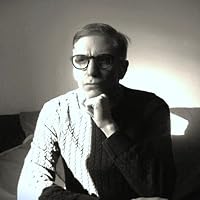
November 28, 2018
It saddens me when a novel (especially one politically important) remains unpublished during the life of the writer, a writer who ended up seeing out his days in poverty and misery. And Platonov wouldn't be the first Russian to see his work disappear into obscurity. Like Mikhail Bulgakov (although this reads more like a gloomy Kafka) Platonov's novel is a scathing satire on Stalinism, in which he portrays a society systematically and regimented around a monstrous lie, one that plagues any meaning of hope and integrity for humanity. Set against a backdrop of industrialisation and collectivisation The novel's central plot is quite straightforward - Voschev, a machinist joins a group of workers digging an immense foundation pit for what most believe will be a communal high-rise project to house the local proletariat. Platonov's nightmare is filled with characters cut off from normal human feelings, emotions, and reality, they go about their labour like the walking dead.
Layered with a brittle beauty, Platonov's totalitarianism vision is terrifying, and for the most part tremendously bleak, as we pass through the minds of various workers, engineers, peasants, and overseers as they puzzle over their dreary existence, and the gulf that separates it from their illogical hopes. There is a really powerful ending that made it worth reading, but during middle third I thought it kind of lost it's way a bit. Ultimately Platonov's tragic yet profoundly moving story is an anti-Stalin savage analysis of an oppressive system, one that left me with mixed feelings though. Considering Platonov has been hard to translate, I found this better than I expected, although, reading in the original Russian is obviously going to be greater. 3.5/5

Read
May 14, 2022Niko ne piše kao Andrej Platonov.
Može svaki njegov tekst da se prepriča. Evo, ovo je mračna groteska o periodu kolektivizacije u mladoj sovjetskoj Rusiji i svim užasima koje je doneo sa sobom, i istovremeno priča o najplemenitijim i najuzvišenijim težnjama komunizma, i o opšteljudskoj muci. Ali naprosto ne može biti jasno dok ne uzmete knjigu u ruke.
Pročitate rečenicu i kažete sebi - ti bokca, šta sam ja ovo pročitala? - pa dumate malo o njoj, okrećete je na tri strane, čitate opet, i u nekom trenutku ste spremni da nastavite. A ono iduća rečenica ista takva: zbunjujuća, zapinjuća gramatika, neusklađeni predmet i podmet, jezik sovjetske petoletke izlomljen pa iznova sastavljen, a iz njega blista nešto novo.
Mnogi solidni i uvek prihvatljivi pisci pišu, nekako, automatski: nikad vas neće iznenaditi ni pridevom (plave šljive, zelena trava), kad dogurate do pola rečenice znate već i ostatak bez mnogo prostora za grešku, redundantnost im je srednje ime da bi sve bilo jasno i čitaocima iz poslednjeg reda, a od začudnosti beže. I da ne zalazimo sad u to šta se često naziva lepim stilom a ranije se tačnije i uvredljivije zvalo "purpurna zakrpa": gomilanje i nizanje reči radi čistog efekta.
Kod Platonova toga nema. Svaka rečenica odaje napor, svaka se s mukom kreće ka nepoznatom cilju, baš kao što se njegovi junaci stravično muče, preko svih granica telesne i duhovne izdržljivosti. A opet. Čitanje Platonova pruža jednu čistu radost i svetlost utoliko više neočekivanu kad pogledate šta se u tekstu dešava. Neko drugi od ovoga bi napravio nešto mračno i gnusno na liniji Selina ili Antuneša. Ne i Platonov. Kornelija Ičin, koja je uz mnogo ljubavi i svakako mnogo truda prevela ovu knjigu, nedavno je na neki komentar u tom smislu vatreno rekla: "To je zato što Platonov BRINE za čoveka!" i to je to, osećaju se i zrače briga i ljubav iz svake strane, i samo zbog toga ova priča o radnicima koji lipsavaju kopajući temelj za zgradu koja nikad neće biti podignuta i o seljacima kojima zbog kolektivizacije ostaje samo da legnu u unapred pripremljen sanduk i čekaju smrt (sve usput dolivajući ulje u kandilo iznad glave) može da se podnese.
"Radovao ga je i potresao gotovo večni boravak kamenčića u glinenoj sredini, u stecištu tame: znači, on ima razloga da se tamo nalazi, tim pre i čovek treba da živi."
Može svaki njegov tekst da se prepriča. Evo, ovo je mračna groteska o periodu kolektivizacije u mladoj sovjetskoj Rusiji i svim užasima koje je doneo sa sobom, i istovremeno priča o najplemenitijim i najuzvišenijim težnjama komunizma, i o opšteljudskoj muci. Ali naprosto ne može biti jasno dok ne uzmete knjigu u ruke.
Pročitate rečenicu i kažete sebi - ti bokca, šta sam ja ovo pročitala? - pa dumate malo o njoj, okrećete je na tri strane, čitate opet, i u nekom trenutku ste spremni da nastavite. A ono iduća rečenica ista takva: zbunjujuća, zapinjuća gramatika, neusklađeni predmet i podmet, jezik sovjetske petoletke izlomljen pa iznova sastavljen, a iz njega blista nešto novo.
Mnogi solidni i uvek prihvatljivi pisci pišu, nekako, automatski: nikad vas neće iznenaditi ni pridevom (plave šljive, zelena trava), kad dogurate do pola rečenice znate već i ostatak bez mnogo prostora za grešku, redundantnost im je srednje ime da bi sve bilo jasno i čitaocima iz poslednjeg reda, a od začudnosti beže. I da ne zalazimo sad u to šta se često naziva lepim stilom a ranije se tačnije i uvredljivije zvalo "purpurna zakrpa": gomilanje i nizanje reči radi čistog efekta.
Kod Platonova toga nema. Svaka rečenica odaje napor, svaka se s mukom kreće ka nepoznatom cilju, baš kao što se njegovi junaci stravično muče, preko svih granica telesne i duhovne izdržljivosti. A opet. Čitanje Platonova pruža jednu čistu radost i svetlost utoliko više neočekivanu kad pogledate šta se u tekstu dešava. Neko drugi od ovoga bi napravio nešto mračno i gnusno na liniji Selina ili Antuneša. Ne i Platonov. Kornelija Ičin, koja je uz mnogo ljubavi i svakako mnogo truda prevela ovu knjigu, nedavno je na neki komentar u tom smislu vatreno rekla: "To je zato što Platonov BRINE za čoveka!" i to je to, osećaju se i zrače briga i ljubav iz svake strane, i samo zbog toga ova priča o radnicima koji lipsavaju kopajući temelj za zgradu koja nikad neće biti podignuta i o seljacima kojima zbog kolektivizacije ostaje samo da legnu u unapred pripremljen sanduk i čekaju smrt (sve usput dolivajući ulje u kandilo iznad glave) može da se podnese.
"Radovao ga je i potresao gotovo večni boravak kamenčića u glinenoj sredini, u stecištu tame: znači, on ima razloga da se tamo nalazi, tim pre i čovek treba da živi."

August 2, 2019
Andrei Platonov (1899 - 1951) was an intellectual who believed in and supported the Russian Revolution, became a member of the Communist Party and had the first-hand experience of Stalin's forced collectivization of Soviet agriculture.
This is a novel that, despite its simplistic narrative, can be read on multiple levels. Philosophy attempts to reveal universal truths, but in this case, is used to conceal the most atrocious reality. A spiritual apathy has left everyone weak and powerless, farmers deprived of their land, idealists losing their faith, eventually humans become dehumanised, unable to map out what being human is about and go on living without a purpose or vanish into oblivion.
A brilliant, heartbreaking story based on true historical events.
A small fanfic (silly collage) inspired by this excerpt:
"Prushevsky looked quietly into all of nature’s misty old age and saw at its end some peaceful white buildings that shone with more light than there was in the air around them. Prushevsky did not know a name for this completed construction, nor did he know its purpose, although it was clear that these distant buildings had been arranged not only for use but also for joy.
With the surprise of a man accustomed to sadness, Prushevsky observed the precise tenderness and the chilled, comprised strength of the remote monuments. He had yet to see such faith and freedom in composed stones, nor did he know of a self-luminous law for the gray color of his motherland.
Like an island, amid a remaining world that was being newly in some places they possessed blue, yellow, and green colors, which lent them the deliberate beauty of a child’s depiction. “But when on earth was this built?” asked Prushevsky with bitterness".

Φτάνοντας στην τελευταία σελίδα απέμεινα για λίγο να κοιτάζω στο κενό. Καθώς η ματιά μου σηκώθηκε από τις λέξεις, άρχισε να αιωρείται για κάμποσο χωρίς να μπορεί να εστιάσει σε κάτι συγκεκριμένο. Όλα ήταν φως και σχήματα, μα οι άνθρωποι έξω από το ανοιχτό παράθυρο, το γειτονικό πάρκο, η κίνηση στον αυτοκινητόδρομο με επανέφεραν στην πραγματικότητα και τώρα πρέπει να μετατρέψω το μούδιασμα του κεφαλιού μου σε λέξεις για να μπορέσω να εκφράσω τις σκέψεις και τα συναισθήματά μου.
Αλλά κάτι μέσα μου ακόμα αδυνατεί να εστιάσει, θα ήταν ίσως καλύτερα να μπορούσα να εκφραστώ με μια μουσική ή με χρώματα αλλά μόνο τις λέξεις έχω κι αυτές είναι φτωχές και ανεπαρκείς. Υπάρχουν κάποια μυστήρια σε αυτόν τον κόσμο που προσλαμβάνονται βιωματικά και μερικές φορές η εμπειρία της ανάγνωσης είναι τόσο έντονη, που αδυνατώ να επικοινωνήσω όλα εκείνα τα επιμέρους στοιχεία που την απαρτίζουν και τη στοιχειοθετούν. Αυτή είναι μια δική μου, προσωπική αδυναμία, όταν τις χρειάζομαι περισσότερο, τότε, οι δυνάμεις μου με εγκαταλείπουν.
Ο Andrei Platonov (1899 – 1951) ήταν ένας διανοούμενος που πίστεψε και υποστήριξε τη ρωσική επανάσταση, έγινε μέλος του κομμουνιστικού κόμματος και έζησε τα γεγονότα από πρώτο χέρι, έφτασε σε σημείο να αναθεωρήσει, να λογοκριθεί και να τεθεί στο περιθώριο ώσπου έσβησε στο τέλος μέσα στη σιωπή και για ένα μεγάλο διάστημα απέμεινε εντελώς ξεχασμένος. Το να χάνει κάποιος την πίστη του, το ξέρω από προσωπική εμπειρία, όταν γίνεται μέσα σε συνθήκες ελευθερίας, σταδιακά και χωρίς εξωτερικές πιέσεις, είναι μια εμπειρία απελευθερωτική, μια λύτρωση, μια ψυχική ανάταση και μια συναισθηματική αποφόρτιση.
Όταν όμως βλέπεις όλες τις ελπίδες σου να σκοτώνονται χωρίς να έχεις το ελάχιστο περιθώριο αντίδρασης τότε όλα μέσα σου πεθαίνουν και μένεις νεκρός και παγιδευμένος μέσα σε ένα κουφάρι που συνεχίζει να ζει μηχανικά. Αυτήν την φρικιαστική εμπειρία κατάφερε να επικοινωνήσει ο Platonov μέσα από αυτό το έργο. Και τα κατάφερε τόσο καλά και τόσο αποτελεσματικά γιατί δεν εστιάζει στην ίδια τη φρίκη, η οποία ενδεχομένως να προκαλέσει ένα προσωρινό σοκ κι έπειτα να ξεχαστεί μετά το τέλος της ανάγνωσης, αλλά σε κάτι άλλο, είναι μια λεπτή ουσία, δεν ξέρω τι είναι, αλλά ξέρω πως το βίωσα.
Αν κάποιος πάρει να διαβάσει αυτό το βιβλίο σαν μια ιστορία για μια ομάδα ανθρώπων που εργάζονται για τη θεμελίωση ενός κτιρίου, το οποίο προορίζεται ως εργατική πολυκατοικία κι έπειτα στρέφουν τη δράση τους στις προσπάθειες κολεκτιβοποίησης ενός χωριού λίγο έξω από τη μικρή πόλη που ζουν, καθώς έρχεται ο χειμώνας και οι εργασίες στο εργοτάξιο εκσκαφής σταματούν προσωρινά, θα πλήξει αφόρητα. Δεν υπάρχει ιδιαίτερη δράση, η σκιαγράφηση των χαρακτήρων γίνεται με έναν ιδιότυπα αποσπασματικό τρόπο, φτάνουμε να γνωρίζουμε τους ήρωες σταδιακά σχεδόν σαν να ζούσαμε μαζί τους σε πραγματικό χρόνο.
Οι ρυθμοί είναι απελπιστικά αργοί και τα πιο συγκλονιστικά πράγματα, περιγράφονται με μια ηρεμία, που φαντάζει ξένη, παράταιρη και αφύσικη γιατί πρόκειται για κάτι που κανονικά θα έπρεπε να προκαλεί έντονα αισθήματα, οργή, θυμό, θλίψη, φόβο, αγωνία. Όμως όχι. Είναι σαν να περιγράφει ο συγγραφέας την ιστορία ενός παιδιού που παίζει με τα παιχνίδια του, σπάζει μερικά, ξεχαρβαλώνει κάποια άλλα, κι εκείνα παραμένουν άψυχα, νευρόσπαστα, απολύτως παραδομένα στα χέρια του, με εκείνο το αιώνιο χαμόγελο που διατηρούσαν οι ξεμαλλιασμένες κούκλες και τα σακατεμένα αρκουδάκια της παιδικής μας ηλικίας.
Αλλά δεν είναι παιχνίδια. Είναι άνθρωποι. Ή πιο σωστά: Αυτά τα όντα που ζουν μέσα στο σύντομο αυτό μυθιστόρημα, κάποτε υπήρξαν άνθρωποι. Τώρα πλέον είναι ό,τι απέμεινε από αυτούς και φθίνουν προς μια ανυπαρξία, μισοπεθαμένοι σκάβουν τους τάφους τους, νεκροζώντανοι περιμένουν μια ελαφριά ώθηση για να περάσουν ολοκληρωτικά στον άλλο κόσμο. Σκιές σε έναν επίγειο Άδη, βλέπουν τον μελλοντικό παράδεισο για τον οποίο θυσιάστηκαν (και το παρελθόν μέσα από το οποίο ανασύρουν σπαράγματα μιας χαμένης ευτυχίας) να καταποντίζεται και γραπώνονται από μια τελευταία ελπίδα, ένα μικρό και αδύναμο ανθρώπινο πλάσμα, ένα ορφανό κορίτσι που ανάγουν εντελώς ανορθολογικά (μέσα στην απελπισία τους) ως σύμβολο για μια μελλοντική ανάσταση. Αυτός είναι ο ρόλος της μικρής Nastya, και το όνομά της στα ρώσικα σημαίνει ακριβώς αυτό: Αναστασία, Ανάσταση.
Όλα τα ονόματα στο έργο αυτό έχουν μια συμβολική σημασία και είναι σκόπιμα διαλεγμένα ώστε το καθένα να αποδίδει κάποιες ιδιότητες στο κάθε πρόσωπο. Όλα τα πρόσωπα είναι σωματοποιημένες και προσωποποιημένες έννοιες με την ίδια λογική που κάτι παρόμοιο θα ίσχυε για ένα αλληγορικό κείμενο. Αλλά την ίδια στιγμή όλοι οι χαρακτήρες και τα γεγονότα βασίζονται σε αληθινά πρόσωπα και περιστατικά τα οποία έζησε προσωπικά ο ίδιος ο συγγραφέας! Έτσι καταφέρνει να φτιάξει ένα έργο που μπορεί να διαβαστεί σε πολλαπλά επίπεδα και πίσω από την ήρεμη επιφάνεια κρύβεται όλος ο αναβρασμός μιας εποχής που οδήγησε στην εξόντωση χιλιάδων ανθρώπων, στον φυσικό, πνευματικό και ψυχικό αφανισμό τους.
Ποια είναι όμως αυτή η εποχή;
Στα 1928-29 η Ρωσία του Στάλιν μαστίζεται από πείνα και αποδιοργάνωση. Στον αγροτικό τομέα η παραγωγή είναι ανεπαρκής. Υπάρχουν οι ακτήμονες αγρότες (Bednyaki), εκείνοι που μετά βίας διατηρούν ένα μικρό κομμάτι οικογενειακής περιουσίας, λίγη γη που καλλιεργούν μόνοι τους (serednyaki) και οι κουλάκοι (koulaki) που διαθέτουν γη και την οικονομική δυνατότητα να προσλαμβάνουν εργάτες για να τους βοηθούν στις αγροτικές εργασίες. Οι κουλάκοι ωστόσο δεν είναι ούτε κατά διάνοια οι πλούσιοι, ευγενείς και αριστοκράτες γαιοκτήμονες που διαβάζουμε στον Τσέχωφ, στον Γκόγκολ κτλ.
Ο Στάλιν στοχοποιεί κυρίως τους κουλάκους. Δίνει εντολή να μετατραπούν όλες οι ιδιωτικές μικροϊδιοκτησίες σε κολεκτίβες, δηλαδή κρατικοποιημένες φάρμες, όπου όλοι θα είναι εργάτες και θα δέχονται εντολές από την κεντρική διοίκηση. Αρχικά προσπαθεί να τους ενθαρρύνει να παραδώσουν οικειοθελώς τη γης τους. Όταν αυτό δεν φέρνει τα επιθυμητά αποτελέσματα, όσοι αντιδρούν εξοντώνονται με συνοπτικές διαδικασίες. Οι κουλάκοι σταματούν την παραγωγή αγαθών, ξεπαστρεύουν οι ίδιοι τα ζώα και τα αγαθά τους για να μην πέσουν στα χέρια του κράτους.
Από την άλλη πλευρά, το κράτος αποτυγχάνει να στήσει οργανωμένες και αποδοτικές κολεκτίβες γιατί δεν έχει ούτε την κατάλληλη υποδομή, ούτε την τεχνογνωσία για να κάτι τέτοιο τόσο γρήγορα, και φυσικά αναζητά εξιλαστήρια θύματα όχι μόνο ανάμεσα στους αγροτικούς πληθυσμούς αλλά και στους εντεταλμένους του καθεστώτος που έχουν αναλάβει τη σύσταση και τη λειτουργία αυτών των κοινοτικών, συλλογικών αγροκτημάτων. Οι άνθρωποι αρχίζουν να εξαϋλώνονται από την πείνα και την εξαθλίωση, τόσο στα χωριά όσο και στις πόλεις όπου τα δελτία τροφίμων δεν επαρκούν.
Ο Platonov όλα αυτά τα έζησε από πρώτο χέρι, ως αυτόπτης μάρτυρας. Ήταν εκεί όταν στήνονταν οι κολεκτίβες, είδε και κατέγραψε όλα τα λάθη, τις αστοχίες, τις βιαιότητες, τους εκτοπισμούς, τις απαλλοτριώσεις, την εξόντωση των κουλάκων ως "ταξική οντότητα". Κι αντί για ουρλιαχτό, βγάζει με αυτό το μυθιστόρημα έναν ψίθυρο. Λέει όλη την αλήθεια. Δεν παραλείπει τίποτα. Δεν προσπαθεί καν να δικαιολογήσει ανθρώπους πράγματα και καταστάσεις. Παραθέτει τα γεγονότα όπως ακριβώς τα βίωσε αλλά με μια τερατώδη ηρεμία. Είναι η απάθεια του ανθρώπου που έχει χάσει τα πάντα. Αυτό είναι το πνεύμα του έργου, η ψιλή ουσία που αποτελεί τον πυρήνα του.
Για να χρησιμοποιήσω ένα παράδειγμα από τη δική μας παράδοση: Αν η Νιόβη είχε χάσει μόνο ένα παιδί θα συνέχιζε να ουρλιάζει, να χτυπιέται και να καταριέται. Όταν όμως έχασε και το τελευταίο της, μεταμορφώθηκε σε πέτρα...
Ακριβώς λοιπόν επειδή ο συγγραφέας αξιοποιεί αυτό το πνεύμα της απάθειας του ανθρώπου που έχει απολέσει την ουσία της υπόστασής του, και όχι την οργή και το θυμό που επισύρει μια άδικη πράξη, φτάνεις στο τέλος της ανάγνωσης μουδιασμένος και δεν έχεις ακόμα καταλάβει ποιο ακριβώς ήταν το νόημα όλης αυτής της ιστορίας που διάβασες. Τουλάχιστον αυτό συνέβη στην περίπτωσή μου. Αυτή ήταν η δική μου εμπειρία.
Αν πάρεις από ένα αγρότη τη γη του, δεν του στερείς ένα υλικό αγαθό. Του στερείς τη ψυχή του.
Αντί λοιπόν ο Platonov να εστιάσει στην υλική πραγματικότητα, εστιάζει στην πνευματική και ψυχική, χωρίς ωστόσο να αποφεύγει την πιστή και ρεαλιστική απεικόνιση των γεγονότων και των χαρακτήρων. Κι αυτός ο συνδυασμός είναι συγκλονιστικά αποτελεσματικός γιατί πριν ακόμα φτάσει στο μυαλό έχει ήδη καταλάβει την καρδιά σου. Όταν τελικά όλες οι πράξεις και οι σκέψεις που πριν φαίνονταν ακατανόητες βρίσκουν την εξήγησή τους, τότε και μόνο τότε ακολουθεί η συντριβή και η συνειδητοποίηση πως όλο αυτό δεν είναι ένα απλό έργο φιλοσοφικού στοχασμού, δεν είναι ένα λυπητερό παραμύθι ή μια αλληγορική κριτική απέναντι σε ένα πολιτικό σύστημα ή καθεστώς:
Είναι μια προσωπική μαρτυρία. Μια πέρα για πέρα αληθινή ιστορία...
This is a novel that, despite its simplistic narrative, can be read on multiple levels. Philosophy attempts to reveal universal truths, but in this case, is used to conceal the most atrocious reality. A spiritual apathy has left everyone weak and powerless, farmers deprived of their land, idealists losing their faith, eventually humans become dehumanised, unable to map out what being human is about and go on living without a purpose or vanish into oblivion.
A brilliant, heartbreaking story based on true historical events.
A small fanfic (silly collage) inspired by this excerpt:
"Prushevsky looked quietly into all of nature’s misty old age and saw at its end some peaceful white buildings that shone with more light than there was in the air around them. Prushevsky did not know a name for this completed construction, nor did he know its purpose, although it was clear that these distant buildings had been arranged not only for use but also for joy.
With the surprise of a man accustomed to sadness, Prushevsky observed the precise tenderness and the chilled, comprised strength of the remote monuments. He had yet to see such faith and freedom in composed stones, nor did he know of a self-luminous law for the gray color of his motherland.
Like an island, amid a remaining world that was being newly in some places they possessed blue, yellow, and green colors, which lent them the deliberate beauty of a child’s depiction. “But when on earth was this built?” asked Prushevsky with bitterness".
Φτάνοντας στην τελευταία σελίδα απέμεινα για λίγο να κοιτάζω στο κενό. Καθώς η ματιά μου σηκώθηκε από τις λέξεις, άρχισε να αιωρείται για κάμποσο χωρίς να μπορεί να εστιάσει σε κάτι συγκεκριμένο. Όλα ήταν φως και σχήματα, μα οι άνθρωποι έξω από το ανοιχτό παράθυρο, το γειτονικό πάρκο, η κίνηση στον αυτοκινητόδρομο με επανέφεραν στην πραγματικότητα και τώρα πρέπει να μετατρέψω το μούδιασμα του κεφαλιού μου σε λέξεις για να μπορέσω να εκφράσω τις σκέψεις και τα συναισθήματά μου.
Αλλά κάτι μέσα μου ακόμα αδυνατεί να εστιάσει, θα ήταν ίσως καλύτερα να μπορούσα να εκφραστώ με μια μουσική ή με χρώματα αλλά μόνο τις λέξεις έχω κι αυτές είναι φτωχές και ανεπαρκείς. Υπάρχουν κάποια μυστήρια σε αυτόν τον κόσμο που προσλαμβάνονται βιωματικά και μερικές φορές η εμπειρία της ανάγνωσης είναι τόσο έντονη, που αδυνατώ να επικοινωνήσω όλα εκείνα τα επιμέρους στοιχεία που την απαρτίζουν και τη στοιχειοθετούν. Αυτή είναι μια δική μου, προσωπική αδυναμία, όταν τις χρειάζομαι περισσότερο, τότε, οι δυνάμεις μου με εγκαταλείπουν.
Ο Andrei Platonov (1899 – 1951) ήταν ένας διανοούμενος που πίστεψε και υποστήριξε τη ρωσική επανάσταση, έγινε μέλος του κομμουνιστικού κόμματος και έζησε τα γεγονότα από πρώτο χέρι, έφτασε σε σημείο να αναθεωρήσει, να λογοκριθεί και να τεθεί στο περιθώριο ώσπου έσβησε στο τέλος μέσα στη σιωπή και για ένα μεγάλο διάστημα απέμεινε εντελώς ξεχασμένος. Το να χάνει κάποιος την πίστη του, το ξέρω από προσωπική εμπειρία, όταν γίνεται μέσα σε συνθήκες ελευθερίας, σταδιακά και χωρίς εξωτερικές πιέσεις, είναι μια εμπειρία απελευθερωτική, μια λύτρωση, μια ψυχική ανάταση και μια συναισθηματική αποφόρτιση.
Όταν όμως βλέπεις όλες τις ελπίδες σου να σκοτώνονται χωρίς να έχεις το ελάχιστο περιθώριο αντίδρασης τότε όλα μέσα σου πεθαίνουν και μένεις νεκρός και παγιδευμένος μέσα σε ένα κουφάρι που συνεχίζει να ζει μηχανικά. Αυτήν την φρικιαστική εμπειρία κατάφερε να επικοινωνήσει ο Platonov μέσα από αυτό το έργο. Και τα κατάφερε τόσο καλά και τόσο αποτελεσματικά γιατί δεν εστιάζει στην ίδια τη φρίκη, η οποία ενδεχομένως να προκαλέσει ένα προσωρινό σοκ κι έπειτα να ξεχαστεί μετά το τέλος της ανάγνωσης, αλλά σε κάτι άλλο, είναι μια λεπτή ουσία, δεν ξέρω τι είναι, αλλά ξέρω πως το βίωσα.
Αν κάποιος πάρει να διαβάσει αυτό το βιβλίο σαν μια ιστορία για μια ομάδα ανθρώπων που εργάζονται για τη θεμελίωση ενός κτιρίου, το οποίο προορίζεται ως εργατική πολυκατοικία κι έπειτα στρέφουν τη δράση τους στις προσπάθειες κολεκτιβοποίησης ενός χωριού λίγο έξω από τη μικρή πόλη που ζουν, καθώς έρχεται ο χειμώνας και οι εργασίες στο εργοτάξιο εκσκαφής σταματούν προσωρινά, θα πλήξει αφόρητα. Δεν υπάρχει ιδιαίτερη δράση, η σκιαγράφηση των χαρακτήρων γίνεται με έναν ιδιότυπα αποσπασματικό τρόπο, φτάνουμε να γνωρίζουμε τους ήρωες σταδιακά σχεδόν σαν να ζούσαμε μαζί τους σε πραγματικό χρόνο.
Οι ρυθμοί είναι απελπιστικά αργοί και τα πιο συγκλονιστικά πράγματα, περιγράφονται με μια ηρεμία, που φαντάζει ξένη, παράταιρη και αφύσικη γιατί πρόκειται για κάτι που κανονικά θα έπρεπε να προκαλεί έντονα αισθήματα, οργή, θυμό, θλίψη, φόβο, αγωνία. Όμως όχι. Είναι σαν να περιγράφει ο συγγραφέας την ιστορία ενός παιδιού που παίζει με τα παιχνίδια του, σπάζει μερικά, ξεχαρβαλώνει κάποια άλλα, κι εκείνα παραμένουν άψυχα, νευρόσπαστα, απολύτως παραδομένα στα χέρια του, με εκείνο το αιώνιο χαμόγελο που διατηρούσαν οι ξεμαλλιασμένες κούκλες και τα σακατεμένα αρκουδάκια της παιδικής μας ηλικίας.
Αλλά δεν είναι παιχνίδια. Είναι άνθρωποι. Ή πιο σωστά: Αυτά τα όντα που ζουν μέσα στο σύντομο αυτό μυθιστόρημα, κάποτε υπήρξαν άνθρωποι. Τώρα πλέον είναι ό,τι απέμεινε από αυτούς και φθίνουν προς μια ανυπαρξία, μισοπεθαμένοι σκάβουν τους τάφους τους, νεκροζώντανοι περιμένουν μια ελαφριά ώθηση για να περάσουν ολοκληρωτικά στον άλλο κόσμο. Σκιές σε έναν επίγειο Άδη, βλέπουν τον μελλοντικό παράδεισο για τον οποίο θυσιάστηκαν (και το παρελθόν μέσα από το οποίο ανασύρουν σπαράγματα μιας χαμένης ευτυχίας) να καταποντίζεται και γραπώνονται από μια τελευταία ελπίδα, ένα μικρό και αδύναμο ανθρώπινο πλάσμα, ένα ορφανό κορίτσι που ανάγουν εντελώς ανορθολογικά (μέσα στην απελπισία τους) ως σύμβολο για μια μελλοντική ανάσταση. Αυτός είναι ο ρόλος της μικρής Nastya, και το όνομά της στα ρώσικα σημαίνει ακριβώς αυτό: Αναστασία, Ανάσταση.
Όλα τα ονόματα στο έργο αυτό έχουν μια συμβολική σημασία και είναι σκόπιμα διαλεγμένα ώστε το καθένα να αποδίδει κάποιες ιδιότητες στο κάθε πρόσωπο. Όλα τα πρόσωπα είναι σωματοποιημένες και προσωποποιημένες έννοιες με την ίδια λογική που κάτι παρόμοιο θα ίσχυε για ένα αλληγορικό κείμενο. Αλλά την ίδια στιγμή όλοι οι χαρακτήρες και τα γεγονότα βασίζονται σε αληθινά πρόσωπα και περιστατικά τα οποία έζησε προσωπικά ο ίδιος ο συγγραφέας! Έτσι καταφέρνει να φτιάξει ένα έργο που μπορεί να διαβαστεί σε πολλαπλά επίπεδα και πίσω από την ήρεμη επιφάνεια κρύβεται όλος ο αναβρασμός μιας εποχής που οδήγησε στην εξόντωση χιλιάδων ανθρώπων, στον φυσικό, πνευματικό και ψυχικό αφανισμό τους.
Ποια είναι όμως αυτή η εποχή;
Στα 1928-29 η Ρωσία του Στάλιν μαστίζεται από πείνα και αποδιοργάνωση. Στον αγροτικό τομέα η παραγωγή είναι ανεπαρκής. Υπάρχουν οι ακτήμονες αγρότες (Bednyaki), εκείνοι που μετά βίας διατηρούν ένα μικρό κομμάτι οικογενειακής περιουσίας, λίγη γη που καλλιεργούν μόνοι τους (serednyaki) και οι κουλάκοι (koulaki) που διαθέτουν γη και την οικονομική δυνατότητα να προσλαμβάνουν εργάτες για να τους βοηθούν στις αγροτικές εργασίες. Οι κουλάκοι ωστόσο δεν είναι ούτε κατά διάνοια οι πλούσιοι, ευγενείς και αριστοκράτες γαιοκτήμονες που διαβάζουμε στον Τσέχωφ, στον Γκόγκολ κτλ.
Ο Στάλιν στοχοποιεί κυρίως τους κουλάκους. Δίνει εντολή να μετατραπούν όλες οι ιδιωτικές μικροϊδιοκτησίες σε κολεκτίβες, δηλαδή κρατικοποιημένες φάρμες, όπου όλοι θα είναι εργάτες και θα δέχονται εντολές από την κεντρική διοίκηση. Αρχικά προσπαθεί να τους ενθαρρύνει να παραδώσουν οικειοθελώς τη γης τους. Όταν αυτό δεν φέρνει τα επιθυμητά αποτελέσματα, όσοι αντιδρούν εξοντώνονται με συνοπτικές διαδικασίες. Οι κουλάκοι σταματούν την παραγωγή αγαθών, ξεπαστρεύουν οι ίδιοι τα ζώα και τα αγαθά τους για να μην πέσουν στα χέρια του κράτους.
Από την άλλη πλευρά, το κράτος αποτυγχάνει να στήσει οργανωμένες και αποδοτικές κολεκτίβες γιατί δεν έχει ούτε την κατάλληλη υποδομή, ούτε την τεχνογνωσία για να κάτι τέτοιο τόσο γρήγορα, και φυσικά αναζητά εξιλαστήρια θύματα όχι μόνο ανάμεσα στους αγροτικούς πληθυσμούς αλλά και στους εντεταλμένους του καθεστώτος που έχουν αναλάβει τη σύσταση και τη λειτουργία αυτών των κοινοτικών, συλλογικών αγροκτημάτων. Οι άνθρωποι αρχίζουν να εξαϋλώνονται από την πείνα και την εξαθλίωση, τόσο στα χωριά όσο και στις πόλεις όπου τα δελτία τροφίμων δεν επαρκούν.
Ο Platonov όλα αυτά τα έζησε από πρώτο χέρι, ως αυτόπτης μάρτυρας. Ήταν εκεί όταν στήνονταν οι κολεκτίβες, είδε και κατέγραψε όλα τα λάθη, τις αστοχίες, τις βιαιότητες, τους εκτοπισμούς, τις απαλλοτριώσεις, την εξόντωση των κουλάκων ως "ταξική οντότητα". Κι αντί για ουρλιαχτό, βγάζει με αυτό το μυθιστόρημα έναν ψίθυρο. Λέει όλη την αλήθεια. Δεν παραλείπει τίποτα. Δεν προσπαθεί καν να δικαιολογήσει ανθρώπους πράγματα και καταστάσεις. Παραθέτει τα γεγονότα όπως ακριβώς τα βίωσε αλλά με μια τερατώδη ηρεμία. Είναι η απάθεια του ανθρώπου που έχει χάσει τα πάντα. Αυτό είναι το πνεύμα του έργου, η ψιλή ουσία που αποτελεί τον πυρήνα του.
Για να χρησιμοποιήσω ένα παράδειγμα από τη δική μας παράδοση: Αν η Νιόβη είχε χάσει μόνο ένα παιδί θα συνέχιζε να ουρλιάζει, να χτυπιέται και να καταριέται. Όταν όμως έχασε και το τελευταίο της, μεταμορφώθηκε σε πέτρα...
Ακριβώς λοιπόν επειδή ο συγγραφέας αξιοποιεί αυτό το πνεύμα της απάθειας του ανθρώπου που έχει απολέσει την ουσία της υπόστασής του, και όχι την οργή και το θυμό που επισύρει μια άδικη πράξη, φτάνεις στο τέλος της ανάγνωσης μουδιασμένος και δεν έχεις ακόμα καταλάβει ποιο ακριβώς ήταν το νόημα όλης αυτής της ιστορίας που διάβασες. Τουλάχιστον αυτό συνέβη στην περίπτωσή μου. Αυτή ήταν η δική μου εμπειρία.
Αν πάρεις από ένα αγρότη τη γη του, δεν του στερείς ένα υλικό αγαθό. Του στερείς τη ψυχή του.
Αντί λοιπόν ο Platonov να εστιάσει στην υλική πραγματικότητα, εστιάζει στην πνευματική και ψυχική, χωρίς ωστόσο να αποφεύγει την πιστή και ρεαλιστική απεικόνιση των γεγονότων και των χαρακτήρων. Κι αυτός ο συνδυασμός είναι συγκλονιστικά αποτελεσματικός γιατί πριν ακόμα φτάσει στο μυαλό έχει ήδη καταλάβει την καρδιά σου. Όταν τελικά όλες οι πράξεις και οι σκέψεις που πριν φαίνονταν ακατανόητες βρίσκουν την εξήγησή τους, τότε και μόνο τότε ακολουθεί η συντριβή και η συνειδητοποίηση πως όλο αυτό δεν είναι ένα απλό έργο φιλοσοφικού στοχασμού, δεν είναι ένα λυπητερό παραμύθι ή μια αλληγορική κριτική απέναντι σε ένα πολιτικό σύστημα ή καθεστώς:
Είναι μια προσωπική μαρτυρία. Μια πέρα για πέρα αληθινή ιστορία...

December 25, 2009
platonov, an atheist, believed that communism could take hold only if it met and surpassed the needs fulfilled by religion; in other words, the revolution would have to fill the ol' God-Shaped Hole if it wanted to stick around. it didn't. it couldn't. and platonov realized this.
his characters don't. they sublimate themselves in communism to find some kind of spiriual answer. good luck. sisyphus would gladly trade spots with these suckers who devote their lives to digging a pit that will serve as the foundation to a utilitarian superstructure of communism and, in the process, offer absolute personal and collective fulfillment.
when communist Voshchev wakes from a nap out in a field, and finds a dead leaf blown from a distant tree:
Voshchev picked up the leaf that had withered and hid it away in a secret compartment of his bag, where he took care of all kinds of objects of unhappiness and obscurity. "You did not possess the meaning of life," supposed Voshchev with the miserliness of compassion. "Stay here - and I'll find out what you lived and perished for. Since no one needs you and you lie about amidst the whole world, then I shall store and remember you.
"Everything lives and endures in the world, without becoming conscious of anything," said Voschev beside the road. And he stood up, in order to go, surrounded by universal enduring existence. "It's as if some one man, or some handful of men, had extracted from us our convinced feeling and taken it for themselves!"
bleak stuff, trying to find truth in an empty room. but this is our lot, eh? and then late in this short novel:
"there was no truth in the world - or maybe there had been once, in some plant or heroic creature, but then a wandering beggar had come by and eaten the plant, or trampled this creature down there on the ground in lowliness, and then the beggar had died in an autumn gully and the wind had blown his body clean into nothing."
in such passages platonov gets right to the core of what it means to be a human being; to be part of that miserable race which knows it serves no real purpose, is driven mad with that knowledge, and so invents all kinda things to convince itself otherwise. where platonov is not so successful is everywhere else. the foundation pit is a chore to read in the same way the master and the margarita is: both books plunge so deep in the symbolical and allegorical that one begins to feel she is reading what exists only as a coded message. when the allegorical overtakes the actual… this reader checks out. (perhaps one is, in fact, reading a coded message intended only to bypass censors; nonetheless, there are different & better ways to go about it) -- i've never bought the brechtian strategy of distancing the reader/viewer in order to offer the opportunity for thought. full-on emotional engagement always seemed the more effective means to alter perspective. and that kinda applies to what platonov's doing as well, eh? maybe i'll resurrect platonov and sit him down with the great coetzee novels as instruction manuals...(then i'll resurrect josef von sternberg, leo tolstoy, joey ramone, michel de montaigne, marlene dietrich, thucydides, jean genet, susan sontag, george orwell, woody guthrie, norman mailer, rainer werner fassbinder, oscar wilde, abraham lincoln and rent one of those ridiculous gambling boats off the florida coast for a wild afternoon...)
his characters don't. they sublimate themselves in communism to find some kind of spiriual answer. good luck. sisyphus would gladly trade spots with these suckers who devote their lives to digging a pit that will serve as the foundation to a utilitarian superstructure of communism and, in the process, offer absolute personal and collective fulfillment.
when communist Voshchev wakes from a nap out in a field, and finds a dead leaf blown from a distant tree:
Voshchev picked up the leaf that had withered and hid it away in a secret compartment of his bag, where he took care of all kinds of objects of unhappiness and obscurity. "You did not possess the meaning of life," supposed Voshchev with the miserliness of compassion. "Stay here - and I'll find out what you lived and perished for. Since no one needs you and you lie about amidst the whole world, then I shall store and remember you.
"Everything lives and endures in the world, without becoming conscious of anything," said Voschev beside the road. And he stood up, in order to go, surrounded by universal enduring existence. "It's as if some one man, or some handful of men, had extracted from us our convinced feeling and taken it for themselves!"
bleak stuff, trying to find truth in an empty room. but this is our lot, eh? and then late in this short novel:
"there was no truth in the world - or maybe there had been once, in some plant or heroic creature, but then a wandering beggar had come by and eaten the plant, or trampled this creature down there on the ground in lowliness, and then the beggar had died in an autumn gully and the wind had blown his body clean into nothing."
in such passages platonov gets right to the core of what it means to be a human being; to be part of that miserable race which knows it serves no real purpose, is driven mad with that knowledge, and so invents all kinda things to convince itself otherwise. where platonov is not so successful is everywhere else. the foundation pit is a chore to read in the same way the master and the margarita is: both books plunge so deep in the symbolical and allegorical that one begins to feel she is reading what exists only as a coded message. when the allegorical overtakes the actual… this reader checks out. (perhaps one is, in fact, reading a coded message intended only to bypass censors; nonetheless, there are different & better ways to go about it) -- i've never bought the brechtian strategy of distancing the reader/viewer in order to offer the opportunity for thought. full-on emotional engagement always seemed the more effective means to alter perspective. and that kinda applies to what platonov's doing as well, eh? maybe i'll resurrect platonov and sit him down with the great coetzee novels as instruction manuals...(then i'll resurrect josef von sternberg, leo tolstoy, joey ramone, michel de montaigne, marlene dietrich, thucydides, jean genet, susan sontag, george orwell, woody guthrie, norman mailer, rainer werner fassbinder, oscar wilde, abraham lincoln and rent one of those ridiculous gambling boats off the florida coast for a wild afternoon...)

April 30, 2022
هذه الرواية هي تذكرتي للعودة إلى القراءة في الأدب الروسي؛ لكني لا أستطيع الجزم هل هي عودة موفقة أو عودة لا بأس بها!
هذه إحدي الروايات التي تقف مرتبكًا أمام تقييمها؛ ما بين الانبهار التام بقصتها؛ بجرأتها وسوداويتها، وما بين الغضب من كم الملل الذي تمتلئ به صفحات الرواية؛ انعدام الأحداث وسطحية وصف الشخصيات إلى الحد الذي يجعلك تشعر -على الرغم من غزارة شخصيات الرواية- وكانهم شخصية واحدة ليس هنا أدنى تفصيلة يُمكنك أن تُميز بها هذا من ذاك بخلاف الاسم الذي أطلقه عليه الكاتب.
الحفرة
رواية ديستوبية تصف حال مجموعة من العمال يعملون على حفرة ما؛ في ظل سقوط روسيا القيصرية وقيام الثورة ومن ثم صعود الاشتراكية بطموحها ووعودها، حلم اليوتوبيا (المدينة الفاضلة) الذي رسمته للفقر والفقراء، للعمال البؤساء الذين يعملون بتفانيّ حتى الموت كي يجنوا ثمار الرخاء والازدهر الذي وُعدوا به؛ ما تفعله الرواية هو أنها تُعري أمامك الفقر والبؤس والمعاناة التي يمرّ بها العمال، الحياة الرتيبة والمملة والبائسة أو بالأحرى اللاحياة، ما تفعله الرواية هو أنها تضعك في قلب الواقع الحقيقي للإشتراكية بعيدًا عن شعاراتها الثورية الرنانة ووعود حكامها المُفرطة في التفاؤل.
لذا لم أتمكن من الجزم هل الملل في الرواية ضعف في سردها نتيجة لتركيز "بلاتونوف" على القضية الأساسية للرواية أم أنه أراد للقارئ أن يعيش الملل والرتابة بكافة تفاصيلها كما عشها عمال الحفرة؟ هل الوصف السطحي لشخصيات الرواية ضعف في السرد أيضًا أم أنه أراد أن يوضح ما فعلته الاشتراكية عندما أرادت أن يُصبح الجميع من طبقة العمال؛ لا وجود للطبقة البروجوازية أو غيرها من الطبقات، حتى أصبحت حياة وشخصية كل عامل هي نسخة مكررة من المعاناة والفراغ والبؤس؟
كانت أكثر الأشياء التي أثارت انتباهي هو وصف "بلاتونوف" كيف جعلت الاشتراكية من البروجوازية والبروجوازيين عدوَا يجب قتاله والتخلص منه، تلك الطريقة المعتادة والمُعادة كثيرًا في التاريخ لخلق أعداء وهميين يقاومهم الشعب ويركز حقده وغضبه عليهم بدلاً من تركيزه على ما حققته الثورة وحكامها من وعود قدموها لهم فيما قبل، ترى تلك الديباجة المكررة التي يتناقلها العمال وينقلونها للأطفال، وذلك الشعور المزيف بعلو المكانة على الرغم من أنهم يمرحون في قاع البؤس والجحيم؛ في "حفرة" البؤس والجحيم!
رواية حزينة، بائسة، بل وخبيثة كما وصفها "ستالين" فكل النقد الذي قدمته كان بطريقة متخفية، ملتوية، وغامضة.
خبيثة حقاً؛ ذلك الخبث الجرئ المُحبب للقارئ والمُرعب للديكتاتور.
تمّت.
هذه إحدي الروايات التي تقف مرتبكًا أمام تقييمها؛ ما بين الانبهار التام بقصتها؛ بجرأتها وسوداويتها، وما بين الغضب من كم الملل الذي تمتلئ به صفحات الرواية؛ انعدام الأحداث وسطحية وصف الشخصيات إلى الحد الذي يجعلك تشعر -على الرغم من غزارة شخصيات الرواية- وكانهم شخصية واحدة ليس هنا أدنى تفصيلة يُمكنك أن تُميز بها هذا من ذاك بخلاف الاسم الذي أطلقه عليه الكاتب.
الحفرة
رواية ديستوبية تصف حال مجموعة من العمال يعملون على حفرة ما؛ في ظل سقوط روسيا القيصرية وقيام الثورة ومن ثم صعود الاشتراكية بطموحها ووعودها، حلم اليوتوبيا (المدينة الفاضلة) الذي رسمته للفقر والفقراء، للعمال البؤساء الذين يعملون بتفانيّ حتى الموت كي يجنوا ثمار الرخاء والازدهر الذي وُعدوا به؛ ما تفعله الرواية هو أنها تُعري أمامك الفقر والبؤس والمعاناة التي يمرّ بها العمال، الحياة الرتيبة والمملة والبائسة أو بالأحرى اللاحياة، ما تفعله الرواية هو أنها تضعك في قلب الواقع الحقيقي للإشتراكية بعيدًا عن شعاراتها الثورية الرنانة ووعود حكامها المُفرطة في التفاؤل.
لذا لم أتمكن من الجزم هل الملل في الرواية ضعف في سردها نتيجة لتركيز "بلاتونوف" على القضية الأساسية للرواية أم أنه أراد للقارئ أن يعيش الملل والرتابة بكافة تفاصيلها كما عشها عمال الحفرة؟ هل الوصف السطحي لشخصيات الرواية ضعف في السرد أيضًا أم أنه أراد أن يوضح ما فعلته الاشتراكية عندما أرادت أن يُصبح الجميع من طبقة العمال؛ لا وجود للطبقة البروجوازية أو غيرها من الطبقات، حتى أصبحت حياة وشخصية كل عامل هي نسخة مكررة من المعاناة والفراغ والبؤس؟
كانت أكثر الأشياء التي أثارت انتباهي هو وصف "بلاتونوف" كيف جعلت الاشتراكية من البروجوازية والبروجوازيين عدوَا يجب قتاله والتخلص منه، تلك الطريقة المعتادة والمُعادة كثيرًا في التاريخ لخلق أعداء وهميين يقاومهم الشعب ويركز حقده وغضبه عليهم بدلاً من تركيزه على ما حققته الثورة وحكامها من وعود قدموها لهم فيما قبل، ترى تلك الديباجة المكررة التي يتناقلها العمال وينقلونها للأطفال، وذلك الشعور المزيف بعلو المكانة على الرغم من أنهم يمرحون في قاع البؤس والجحيم؛ في "حفرة" البؤس والجحيم!
رواية حزينة، بائسة، بل وخبيثة كما وصفها "ستالين" فكل النقد الذي قدمته كان بطريقة متخفية، ملتوية، وغامضة.
خبيثة حقاً؛ ذلك الخبث الجرئ المُحبب للقارئ والمُرعب للديكتاتور.
تمّت.

July 9, 2025
This is my favourite Laszlo Krasznahorkai novel which is strange because he didn't write it. But it seemed like a good place to start this review because it really did feel like one of his novels; full of bleak landscapes, beaten souls, and a relentless sorrow as characters try to find meaning in a meaningless and desolate world. In this case, a group of Soviet workers tasked with building a great construction which will house the proletariat. But as they begin the work, only barely making minor inroads on the site (the foundation pit never becoming more than that), they begin to wonder what any of it amounts to. It's all very draining, debilitating, a book burdened by the weight of darkness and disappointment embodied by the socialist experiment. Platonov is evidently less than impressed by the utopia that was promised but equally, he clearly can't entirely give up believing that it's out there somewhere. There are several characters in the book but I think the first one we're introduced to is the one which represents Platonov. That character is Voshchev. He works slower than the others but only, we are told, because he is exhausted by a search for truth. And so into this black wasteland we are dropped, surrounded by failure and the dread.
The book is all bureaucracy and ideology. It doesn't take much to grasp what the pit represents. And through dense language and often beautifully poetic prose, Platonov satirises the bright shining future that awaits, while each of the workers - whether adhering to the socialist narrative or questioning it -- are at war with one another and the reward of their pointless labour. The whole thing is monstrously bleak yet peppered with a strange exquisite beauty.
Nice! And almost unapologetically apocalyptic (hence the strong feeling of Krasznahorkai). It also reminded me a lot of the Slynx by Tolstaya, in fact these two books are almost the same story, the same things being satirised. Then, just to really hammer it home, we have the Kafkasesque and absurd to further oppress the reader into dejection. At one point (it's hard to tell because I was slightly lost in the muddy quagmire of coffins, misery and hardship), there was an anthropomorphised bear who engages in labour alongside the other workers. He's just there, labouring away, and occasionally roaring at people. The book is so horrifically real and placed in traditional labour, hard graft, but somehow manages to be dreamlike and bizarre at the same time, a slew of madness and heartache, hallucinatory and sick. It's all slightly deranging.
This is a book I wold definitely recommend but I would suggest reading it slowly and deliberately. It isn't easy and can feel very headache inducing. But it feels worth it (again reminding me of Krasznahorkai). Platonov is a man who can see the limits of collectivisation and yet wants to believe it will bring a glorious future, like he's satirising his own position in order to keep believing it. It's unquestionably a great work but not always easy to read. It deserves time and appreciation. I kinda loved it. But also didn't. Make of that what you will.
The book is all bureaucracy and ideology. It doesn't take much to grasp what the pit represents. And through dense language and often beautifully poetic prose, Platonov satirises the bright shining future that awaits, while each of the workers - whether adhering to the socialist narrative or questioning it -- are at war with one another and the reward of their pointless labour. The whole thing is monstrously bleak yet peppered with a strange exquisite beauty.
The mowed wilderness smelled of grass that had died and the dampness of bared places, making more palpable the general sorrow of life and the vain melancholy of meaninglessness
Nice! And almost unapologetically apocalyptic (hence the strong feeling of Krasznahorkai). It also reminded me a lot of the Slynx by Tolstaya, in fact these two books are almost the same story, the same things being satirised. Then, just to really hammer it home, we have the Kafkasesque and absurd to further oppress the reader into dejection. At one point (it's hard to tell because I was slightly lost in the muddy quagmire of coffins, misery and hardship), there was an anthropomorphised bear who engages in labour alongside the other workers. He's just there, labouring away, and occasionally roaring at people. The book is so horrifically real and placed in traditional labour, hard graft, but somehow manages to be dreamlike and bizarre at the same time, a slew of madness and heartache, hallucinatory and sick. It's all slightly deranging.
This is a book I wold definitely recommend but I would suggest reading it slowly and deliberately. It isn't easy and can feel very headache inducing. But it feels worth it (again reminding me of Krasznahorkai). Platonov is a man who can see the limits of collectivisation and yet wants to believe it will bring a glorious future, like he's satirising his own position in order to keep believing it. It's unquestionably a great work but not always easy to read. It deserves time and appreciation. I kinda loved it. But also didn't. Make of that what you will.

September 28, 2017
bildiğimiz platonov romanlarından, öykülerinden daha farklı.
anlattıklarıyla, metaforlarıyla tam bir stalin dönemi eleştirisi. bunu hem trajik, hem komik bir biçimde aktarıyor aslında.
görev bilinciyle tutuşan atlar, demir döven ayılar, işleri bittiği an mutsuzluğa düşen proleterler...
ve platonov'un dili bilerek bozuk kullanması... önce şaşırıp çeviride bir sorun olduğunu sandığım ama güney çeteo kızılırmak'tan hayatta beklemediğim bu kullanım, sonradan anlaşıldı ki bilerek yapılmış, bu nedenle aslında çevirisi çok güzel. yer yer bozuk, kırık bir dil. express'in ekim sayısında çiğdem öztürk bu kitapla ilgili çok güzel bir yazı yazmış ve yazarın asıl o kutsal dile dokunarak sovyetler'i eleştirdiğini söylemiş. ben önceden okudum ;)
sonuç olarak 30'larda yazılmış bu romanın teee 87'ye dek yayımlanamamış olması eleştirilerin haklılığını gösteriyor.
anlattıklarıyla, metaforlarıyla tam bir stalin dönemi eleştirisi. bunu hem trajik, hem komik bir biçimde aktarıyor aslında.
görev bilinciyle tutuşan atlar, demir döven ayılar, işleri bittiği an mutsuzluğa düşen proleterler...
ve platonov'un dili bilerek bozuk kullanması... önce şaşırıp çeviride bir sorun olduğunu sandığım ama güney çeteo kızılırmak'tan hayatta beklemediğim bu kullanım, sonradan anlaşıldı ki bilerek yapılmış, bu nedenle aslında çevirisi çok güzel. yer yer bozuk, kırık bir dil. express'in ekim sayısında çiğdem öztürk bu kitapla ilgili çok güzel bir yazı yazmış ve yazarın asıl o kutsal dile dokunarak sovyetler'i eleştirdiğini söylemiş. ben önceden okudum ;)
sonuç olarak 30'larda yazılmış bu romanın teee 87'ye dek yayımlanamamış olması eleştirilerin haklılığını gösteriyor.

August 18, 2018
“ ‘Size, yoldaşlar, sendika aracılığıyla birtakım imtiyazlar sağlayacağım,’ dedi Paşkin.
‘İmtiyazı nereden bulacaksın?’ diye sordu Safronov. ‘Onu evvela bizim yapıp sana devretmemiz lazım ki sen de bize sağlayasın.’ “(s.33)
‘İmtiyazı nereden bulacaksın?’ diye sordu Safronov. ‘Onu evvela bizim yapıp sana devretmemiz lazım ki sen de bize sağlayasın.’ “(s.33)
November 16, 2023
For English, scroll down to The Foundation Pit of this review
Я прочитал книгу два раза подряд в прошлом году, но тогда ничего не написал о ней. Сейчас хочу сделать одно лишь замечание: стиль Котлована уникален в своей парадоксальной натурой – он одновременно казённый и поэтичный. Платонову удалось сочинить целую книгу в “новоязе”, тот самый пресловутый государственный язык который Оруэлл только называет в своем 1984. Даю как пример лишь начало Котлована:
_______
The Foundation Pit
I read this agoraphobic novel twice last year, but somehow, I couldn’t write about it at the time. Now, I will limit myself to saying one particular thing about Platonov’s style and then something general about the main subject of the book.
Platonov thoroughly created—19 years before Orwell—what the latter merely presents in 1984, giving no more than occasional and isolated examples of: Newspeak. I would argue that The Foundation Pit is entirely written in it. Platonov achieved a short-circuit of meaning in a far more extended and subtle way than Orwell, whose famous slogans (War is Peace, Freedom is Slavery) or coined words (crimethink, goodthink, goodsex) are striking, but I have always wondered how they could ever be realistically propagated in any future dystopia, being such flagrantly obvious contradictions of terms. I see in them the most rudimentary lexicon for brainwashing that could ever be invented.
By contrast, The Foundation Pit does not rely on absurd slogans or coined words. Rather, its entire narrative is unique in its incongruent syntactic nature—it is poetically bureaucratic to the subtlest point of dehumanization. Here’s how the book begins:
— Why “private life” and not just “life”? Why “made redundant” and not “fired”?
— Also, note that Voshchev “obtained the means for his own existence” directly from “the small machine factory,” as if nothing intermediates between the factory and existence. In the Russian original, "добывал" is stronger than “obtained,” less neutral, because it suggests the effort implied in obtaining. And "средства" is also material “substance,” not only “means.”
— “Removed from production”... What does this say to you? It makes me paraphrase a famous title: If This Is a Man, how can he be “removed from production”?
— “Thoughtfulness amid the general tempo of labor”—a strange human impediment, this “thoughtfulness”...
Without a doubt, this is one of the greatest and least-known masterpieces of modernism—unfortunately, much less famous than the term “Newspeak” itself, let alone the novel 1984. And it is a difficult book, but not because of its style. Despite the formally detached, dehumanized report in which seemingly incidental human ambiguity infiltrates, the narrative always retains its clear, matter-of-fact side.
What makes The Foundation Pit a difficult book is its utterly desolate subject matter. This is not a dystopian novel, nor a post-apocalyptic one. It is worse. It is a book about extreme exhaustion in a New World that is only just beginning—endlessly beginning... People literally consume their bodies to the bone, digging out a pit where they are supposed to lay the foundation for what could be called a Babylonian high-rise. This future edifice of collective, anonymous living needs to be so large that the digging of the pit never ends, and thus, the actual construction never begins.
We are watching a collective Sisyphus that is only going under, digging and digging, without even the hope of ever climbing alongside the building, carrying stones on his back, of ever going up and perhaps finally finding in the structure a private den that can be called a domicile. Had they been ants or termites, these people would have long finished constructing—and also started living in their building, not just working on it. But they are less than that. And so, they can only endlessly dig a collective pit to eventually lay in.
Я прочитал книгу два раза подряд в прошлом году, но тогда ничего не написал о ней. Сейчас хочу сделать одно лишь замечание: стиль Котлована уникален в своей парадоксальной натурой – он одновременно казённый и поэтичный. Платонову удалось сочинить целую книгу в “новоязе”, тот самый пресловутый государственный язык который Оруэлл только называет в своем 1984. Даю как пример лишь начало Котлована:
В день тридцатилетия личной жизни Вощеву дали расчет с небольшого механического завода, где он добывал средства для своего существования. В увольнительном документе ему написали, что он устраняется с производства вследствие роста слабосильности в нем и задумчивости среди общего темпа труда.
_______
The Foundation Pit
I read this agoraphobic novel twice last year, but somehow, I couldn’t write about it at the time. Now, I will limit myself to saying one particular thing about Platonov’s style and then something general about the main subject of the book.
Platonov thoroughly created—19 years before Orwell—what the latter merely presents in 1984, giving no more than occasional and isolated examples of: Newspeak. I would argue that The Foundation Pit is entirely written in it. Platonov achieved a short-circuit of meaning in a far more extended and subtle way than Orwell, whose famous slogans (War is Peace, Freedom is Slavery) or coined words (crimethink, goodthink, goodsex) are striking, but I have always wondered how they could ever be realistically propagated in any future dystopia, being such flagrantly obvious contradictions of terms. I see in them the most rudimentary lexicon for brainwashing that could ever be invented.
By contrast, The Foundation Pit does not rely on absurd slogans or coined words. Rather, its entire narrative is unique in its incongruent syntactic nature—it is poetically bureaucratic to the subtlest point of dehumanization. Here’s how the book begins:
ON THE day of the thirtieth anniversary of his private life, Voshchev was made redundant from the small machine factory where he obtained the means for his own existence. His dismissal notice stated that he was being removed from production on account of weakening strength in him and thoughtfulness amid the general tempo of labor.
— Why “private life” and not just “life”? Why “made redundant” and not “fired”?
— Also, note that Voshchev “obtained the means for his own existence” directly from “the small machine factory,” as if nothing intermediates between the factory and existence. In the Russian original, "добывал" is stronger than “obtained,” less neutral, because it suggests the effort implied in obtaining. And "средства" is also material “substance,” not only “means.”
— “Removed from production”... What does this say to you? It makes me paraphrase a famous title: If This Is a Man, how can he be “removed from production”?
— “Thoughtfulness amid the general tempo of labor”—a strange human impediment, this “thoughtfulness”...
Without a doubt, this is one of the greatest and least-known masterpieces of modernism—unfortunately, much less famous than the term “Newspeak” itself, let alone the novel 1984. And it is a difficult book, but not because of its style. Despite the formally detached, dehumanized report in which seemingly incidental human ambiguity infiltrates, the narrative always retains its clear, matter-of-fact side.
What makes The Foundation Pit a difficult book is its utterly desolate subject matter. This is not a dystopian novel, nor a post-apocalyptic one. It is worse. It is a book about extreme exhaustion in a New World that is only just beginning—endlessly beginning... People literally consume their bodies to the bone, digging out a pit where they are supposed to lay the foundation for what could be called a Babylonian high-rise. This future edifice of collective, anonymous living needs to be so large that the digging of the pit never ends, and thus, the actual construction never begins.
We are watching a collective Sisyphus that is only going under, digging and digging, without even the hope of ever climbing alongside the building, carrying stones on his back, of ever going up and perhaps finally finding in the structure a private den that can be called a domicile. Had they been ants or termites, these people would have long finished constructing—and also started living in their building, not just working on it. But they are less than that. And so, they can only endlessly dig a collective pit to eventually lay in.

March 30, 2017
على الرغم من أني اليوم كنت قد حظيت بكفايتي من النوم - أكثر من أي شخص تقريبًا - إلا أني بمجرد أن أخذت هذه الرواية بين يدي (مجازيًا فقط، استعارة مكنية عن التابلت) فما وجدتني إلا أسقط من جديد في أيدي النوم وسلطانه. الرواية مملة، ومملة بشكل بشع، مع أن بدايتها كانت تماما على العكس من ذلك، فأذكر أني عند بدايتها قرأت حوالي نصفها مرة واحدة، لأتركها عدة أيام، معطيًا الأفضلية لكتب أخرى - أكثر منها بشاعة وإملالًا - لأعود إليها اليوم وأنهيها.
الرواية حقًا ليست بهذه البشاعة. هي جيدة. ربما العيب في الترجمة بشكل رئيسي، مع أن المترجم والمقرّظ - عبد الله حبه - قد بذلوا جهدًا كبيرًا لجعلها قراءة يسيرة على الكاتب، لكنهم مع ذلك في الأخير قد فشلوا - وخصوصا المترجم - في تيسير الأمور وتعبيد الطريق للقارئ.
الترجمة ليست سيئة، وأنا لم أطلع على النص الروسي بالطبع، لكن استخدام كلمات غير مطروقة ومعهودة هو ما سبب لي إزعاجًا حقيقيًا - بشكل مبدأي، بعيدًا حتى الآن عن الرواية نفسها - في مواصلة القراءة والتمتع بها.
أما الرواية، فهي ما تستحق الحديث عنه.
الرواية هي نبوءة للكاتب الواقعي الكئيب، بلاتونوف، مدعومًا بما رآه في عصره لما آلت إليه الأمور بعد الثورة - ثورة 1905 - على روسيا القيصرية، ومحاولة تحرير الإنسان من ربقة الملكية والخروج بها إلى عهد الاشتراكية الرحب، والذي، بالمناسبة، لم يكن رحبًا أبدًا.
قال ستالين عن هذه الرواية: هل حقًا نحن القادة بهذه البشاعة؟
وقال غوركي - والذي كرهته الآن، توًا، أن ليس هذا الوقت مناسبًا لمثل هذه الأفكار السوداوية، وقال عنها كثيرون ما يشبه ذلك.
في حين أن الرواية حقيقة تحمل نقدًا للاشتراكية ما لم تحمله أي رواية أخرى، أو على الاقل مما قرأتها أنا، في هذه الفترة.. ولن أكون مجازفًا لو قلت أن نقده لها أكثر سلاطة من نقد كونديرا، ونقد الكتاب والمفكرين.
الرواية ببساطة ضد اليوتوبيا، ضد الأمل الزائف الذي حملته الاشتراكية ولينين وماو تسي، وضد الشعارات الرنانة التي طالما رددت عقب كل ثورة، شعارات جذابة ولا شك، لكن سرعان ما تنتهي تلك الشعارات إلى نقيضها؛ فمن الحرية إلى المعتقلات، ومن الشيوعية إلى تأميم الدولة لأبسط الملكيات الخاصة.
بلاتونوف ولا شك كان مجنونًا، إذ واتته الشجاعة لأن يصرح، عكس كل إن لم يكن أغلب، أدباء روسيا السوفييتية في هذا الوقت، بأن الاشتراكية ما هي إلا سُمًا، وآلياتها ما هي إلا أداة أخرى للسيطرة على الجموع تحت اسم دعوات إنسانية عالمية جامعة، وما هي إلا نوع آخر من السرقات والنهب، سرقة الروح، وسرقة الجسد. وهي، كما سيتبدى في الآخر، قتل لحلم الأطفال والجيل الناشئ وتقويض لكل آمالهم.
هنا يسيطر الضجر، والملل، والخواء. عرض بلاتونوف حقًا لا مجازًا، فلسفةً للضجر. الضجر الذي يصيب إنسان الثورة، عقب أن يفقد المعنى، والمغزى، والغاية، عقب أن يفقد سلطة "المطلق" والإلهي ويستبدله بسلطة الدنيوي والمادي والجدلي.
ما هو الهدف؟ أن نحقق الاشتراكية؟ لكن أي واحدة؟ تروتسكي أم لينين؟ النضالية أو اليمينية؟
هذا ما تدور حوله أحداث الرواية.
لن أدعي أني كرهت الرواية لكونها مملة - فأنا أحب الملل، وكذلك بلاتونوف - لكن كنت أتمنى لو أن الرواية خرجت من أسر الاشتراكية وابتعدت قليلًا عن الواقع وحذافيره، ولو أن قصتها كانت أعمق قليلًا.
أنا أؤمن أن الأدب يؤثر في المجتمع، وربما كان يفعل بلاتونوف، فلعل لهذا السبب تحديدًا فضّل بلاتونوف الواقعية على الخيال، لأنه أراد إعادة توجيه الواقع لناحية أفضل، لكني مع هذا أؤثر لو أن الأدب كان أكثر ثراءً من مجرد نقل الصورة الخارجية للعالم إلى الكتب.
الرواية حقًا ليست بهذه البشاعة. هي جيدة. ربما العيب في الترجمة بشكل رئيسي، مع أن المترجم والمقرّظ - عبد الله حبه - قد بذلوا جهدًا كبيرًا لجعلها قراءة يسيرة على الكاتب، لكنهم مع ذلك في الأخير قد فشلوا - وخصوصا المترجم - في تيسير الأمور وتعبيد الطريق للقارئ.
الترجمة ليست سيئة، وأنا لم أطلع على النص الروسي بالطبع، لكن استخدام كلمات غير مطروقة ومعهودة هو ما سبب لي إزعاجًا حقيقيًا - بشكل مبدأي، بعيدًا حتى الآن عن الرواية نفسها - في مواصلة القراءة والتمتع بها.
أما الرواية، فهي ما تستحق الحديث عنه.
الرواية هي نبوءة للكاتب الواقعي الكئيب، بلاتونوف، مدعومًا بما رآه في عصره لما آلت إليه الأمور بعد الثورة - ثورة 1905 - على روسيا القيصرية، ومحاولة تحرير الإنسان من ربقة الملكية والخروج بها إلى عهد الاشتراكية الرحب، والذي، بالمناسبة، لم يكن رحبًا أبدًا.
قال ستالين عن هذه الرواية: هل حقًا نحن القادة بهذه البشاعة؟
وقال غوركي - والذي كرهته الآن، توًا، أن ليس هذا الوقت مناسبًا لمثل هذه الأفكار السوداوية، وقال عنها كثيرون ما يشبه ذلك.
في حين أن الرواية حقيقة تحمل نقدًا للاشتراكية ما لم تحمله أي رواية أخرى، أو على الاقل مما قرأتها أنا، في هذه الفترة.. ولن أكون مجازفًا لو قلت أن نقده لها أكثر سلاطة من نقد كونديرا، ونقد الكتاب والمفكرين.
الرواية ببساطة ضد اليوتوبيا، ضد الأمل الزائف الذي حملته الاشتراكية ولينين وماو تسي، وضد الشعارات الرنانة التي طالما رددت عقب كل ثورة، شعارات جذابة ولا شك، لكن سرعان ما تنتهي تلك الشعارات إلى نقيضها؛ فمن الحرية إلى المعتقلات، ومن الشيوعية إلى تأميم الدولة لأبسط الملكيات الخاصة.
بلاتونوف ولا شك كان مجنونًا، إذ واتته الشجاعة لأن يصرح، عكس كل إن لم يكن أغلب، أدباء روسيا السوفييتية في هذا الوقت، بأن الاشتراكية ما هي إلا سُمًا، وآلياتها ما هي إلا أداة أخرى للسيطرة على الجموع تحت اسم دعوات إنسانية عالمية جامعة، وما هي إلا نوع آخر من السرقات والنهب، سرقة الروح، وسرقة الجسد. وهي، كما سيتبدى في الآخر، قتل لحلم الأطفال والجيل الناشئ وتقويض لكل آمالهم.
هنا يسيطر الضجر، والملل، والخواء. عرض بلاتونوف حقًا لا مجازًا، فلسفةً للضجر. الضجر الذي يصيب إنسان الثورة، عقب أن يفقد المعنى، والمغزى، والغاية، عقب أن يفقد سلطة "المطلق" والإلهي ويستبدله بسلطة الدنيوي والمادي والجدلي.
ما هو الهدف؟ أن نحقق الاشتراكية؟ لكن أي واحدة؟ تروتسكي أم لينين؟ النضالية أو اليمينية؟
هذا ما تدور حوله أحداث الرواية.
لن أدعي أني كرهت الرواية لكونها مملة - فأنا أحب الملل، وكذلك بلاتونوف - لكن كنت أتمنى لو أن الرواية خرجت من أسر الاشتراكية وابتعدت قليلًا عن الواقع وحذافيره، ولو أن قصتها كانت أعمق قليلًا.
أنا أؤمن أن الأدب يؤثر في المجتمع، وربما كان يفعل بلاتونوف، فلعل لهذا السبب تحديدًا فضّل بلاتونوف الواقعية على الخيال، لأنه أراد إعادة توجيه الواقع لناحية أفضل، لكني مع هذا أؤثر لو أن الأدب كان أكثر ثراءً من مجرد نقل الصورة الخارجية للعالم إلى الكتب.

June 21, 2011
Platonov writes with a minimalist style in a stark Russian landscape in the midst of the absolute absurdity of a mindless Communist bureaucracy killing its people to dig a vast foundation pit in the middle of nowhere. The net effect, like the writing of Samuel Beckett, is vulnerable characters searching without hope for meaning, which is absent or unfathomable or beyond their reach. This novel is a moving foray into the theatre of the absurd as the characters deal with the heartbreak and death and the utter absence of opportunity of their everyday lives as peasants. They are merely worked to death by a dehumanizing government machine intent upon killing them with meaningless labor and driven by petty party leaders who demand loyalty despite the overwhelming poverty they perpetuate. The hero, Voschev, is a thinking man who could easily play the role of Vladimir or Estragon in Beckett's Waiting for Godot. "It seems to me all the time that there is something special in the distance, or some splendid unattainable object, and I live in sadness." He lives like the stranger of Camus, without hope, and yet he navigates as best he can. Voschev becomes a collector of rags, the lost remnants of dead souls. "All the poor and middle peasants worked with such zest of life as though they wanted to find salvation for themselves forever in the abyss of the foundation pit." Platonov is a man who knows well the abyss having spent a lifetime futilely trying to publish under a repressive Marxist regime. His heroic efforts to earning his living as a writer, despite censorship and cruel repression, are an inspiration to unread writers of serious literature who suffer the same fate of anonymity as a result of the rampant commercialism of American publishing. Our national culture is diminished because serious writers refusing to pander to the dictates of writing for commercial profit go unread. Those who embrace commercial writing produce work astonishing in its vast, vapid mediocrity. We'll look back on our vast catalogues of best sellers and be compelled to ask ourselves, "As a great nation, was this really the best that we could do for our national literature?" This novel takes its readers to the abyss of the foundation pit and yet somehow, decades after his death, Platonov finds that he has managed to climb out of the pit by virtue of the staunch and dogged and staggering will to write serious literaure, which his own generation suffered never to read. As millions inside and outside Russia have discovered, Platonov is a real writer: he is a writer's writer. I urge you to discover him, too.

July 25, 2017
Es war kein Vergnügen dieses Buch zu lesen, eher eine Quälerei. Keinesfalls will ich damit sagen, dass es schlecht geschrieben wäre. Im Gegenteil, die beklemmende Atmosphäre überträgt sich nur allzu gut auf einen selbst. Mit jeder gelesenen Seite verdichtet sich das Gefühl einer tristen Ausweglosigkeit. Denn in dieser Welt gibt es keine Hoffnung mehr – alle Illusionen einer verheißungsvollen Zukunft sind verloren gegangen. Die Baugrube ist ein Spiegelbild der post-revolutionären, sowjetischen Gesellschaft. Hier versammeln sich alle Archetypen der damaligen Zeit, das Proletariat, die Intelligenz, Zweifler und Überzeugte. Gemeinsam "wollen" sie das Fundament für das ersehnte kommunistische Paradies legen. Doch jede Aktivität erstickt in einer bleiernen Müdigkeit, die sich auf alle legt. Selbst ein kleines Mädchen, die Tochter einer Bourgeoisen, das Symbol für den "Neuen Menschen", entpuppt sich lediglich als die personifizierte Grausamkeit in unschuldig-kindlichem Gewand.
Das Buch durfte zu Lebzeiten des Autors nicht erscheinen. Sicherlich nicht überraschend, angesichts der pessimistischen Grundstimmung der Geschichte. Erst Ende der achtziger Jahre kam es zu einer Veröffentlichung. Mich wundert vielmehr, dass Andrej Platonow die stalinistischen Säuberungen der 1930er Jahre überlebt hat.
Bemerkenswert ist auch die Sprache des Romans. Alle Figuren sprechen eine irgendwie "falsche" Sprache. Die Grammatik ist stets etwas daneben. Man merkt, es stimmt etwas nicht. Phrasen aus dem kommunistischen Sprachgebrauch werden abgewandelt in die Dialoge eingeflochten. Dadurch vermittelt sich unterschwellig, die Dysfunktionalität der Handelnden als Subjekte in der neuen Gesellschaftsordnung.
Das ist keine leichte Lektüre, aber zugegeben eindrucksvoll. Ich hab das Buch im Nachgang zu Andrzej Stasiuks Der Osten gelesen. Stasiuk hat "Die Baugrube" auf seinen Reisen dabeigehabt. Man versteht warum: Beide Bücher beschreiben das Scheitern einer (derselben) Utopie.
Das Buch durfte zu Lebzeiten des Autors nicht erscheinen. Sicherlich nicht überraschend, angesichts der pessimistischen Grundstimmung der Geschichte. Erst Ende der achtziger Jahre kam es zu einer Veröffentlichung. Mich wundert vielmehr, dass Andrej Platonow die stalinistischen Säuberungen der 1930er Jahre überlebt hat.
Bemerkenswert ist auch die Sprache des Romans. Alle Figuren sprechen eine irgendwie "falsche" Sprache. Die Grammatik ist stets etwas daneben. Man merkt, es stimmt etwas nicht. Phrasen aus dem kommunistischen Sprachgebrauch werden abgewandelt in die Dialoge eingeflochten. Dadurch vermittelt sich unterschwellig, die Dysfunktionalität der Handelnden als Subjekte in der neuen Gesellschaftsordnung.
Das ist keine leichte Lektüre, aber zugegeben eindrucksvoll. Ich hab das Buch im Nachgang zu Andrzej Stasiuks Der Osten gelesen. Stasiuk hat "Die Baugrube" auf seinen Reisen dabeigehabt. Man versteht warum: Beide Bücher beschreiben das Scheitern einer (derselben) Utopie.

April 17, 2017
This is not the first time that I’ve given a book three stars due to reader inadequacy. It took me a long time to get through ‘The Foundation Pit’ because it’s a dense, elusive, and confusing novel. I was somewhat relieved to discover in the translator’s afterword that it wasn’t just me, as even in the original Russian, with detailed knowledge of Stalinist collectivisation and the bible, it is apparently tricky to understand. Not much happens, yet every sentence is filled with layers of significance. In order to try and convey Platonov’s distinctive style, the translation reads quite strangely. The somewhat surreal sentence construction took some getting used to, although it’s definitely memorable. There are some powerful images and moments, although overall I found it more difficult and less cohesive than Happy Moscow. Whereas that followed a woman who personified a city, or womanhood, or communism, or all three, ‘The Foundation Pit’ has a much larger larger cast of characters centred around a huge pit (although a girl seems at various times to personify the future of the USSR).
The subject is the arbitrary brutality of collectivisation, which receives closer focus in the second half. This latter half reminded me somewhat of The Four Books, a novel about Mao’s Great Leap Forward. However that was written decades after the fact, whereas Platonov composed ‘The Foundation Pit’ in the early 1930s. As the afterword concedes, it may never be possible to fully understand it. The reference points of 1930s Soviet Russia are lost or deliberately concealed; criticism had to be so carefully veiled as to be inaccessible without them. Moreover, Platanov supposedly makes a lot of references to the bible. Nonetheless, a reader who can’t speak Russian, has no biblical knowledge, and with only a broad understanding of collectivisation can still appreciate the suffering being obliquely described here. As the notes at the end point out, the oddness in the novel actually underplays how surreal life under Stalinism could be, citing the real example of a campaign to collect pond slime for paper making.
My favourite image was of the bear who worked in the forge and was brought along to root out kulaks. The afterword and notes point out both that bears did actually sometimes work in forges at the time, while also suggesting a variety of allegorical purposes it may serve. Its presence is certainly a striking image in a text that otherwise makes it difficult for the reader to know how to visualise events. This is not to say I didn’t enjoy the poetry of Platonov’s writing:
Nastya the little girl is perhaps the most accessible character to the reader, as she seeks to condense what she sees around her into comprehensible terms. Whether her articulations are right or wrong, they read less like riddles than much of the rest of the dialogue, which has a certain appeal:
I remember reading an essay by George Orwell (in Books v. Cigarettes) in which he claimed that totalitarian regimes are incompatible with good literature because, ‘The fact is that certain themes cannot be celebrated in words, and tyranny is one of them. No-one ever wrote a good book in praise of the Inquisition.’ Perhaps 'The Foundation Pit' demonstrates that any great literature written under a totalitarian regime can only be truly understood and appreciated by those who have experienced said regimes - despite the unlikelihood of their having access to it. To me, ‘The Foundation Pit’ is highly intriguing but very hard to grasp. Even with a very good explanatory afterword and thorough notes, it remains mysterious.
The subject is the arbitrary brutality of collectivisation, which receives closer focus in the second half. This latter half reminded me somewhat of The Four Books, a novel about Mao’s Great Leap Forward. However that was written decades after the fact, whereas Platonov composed ‘The Foundation Pit’ in the early 1930s. As the afterword concedes, it may never be possible to fully understand it. The reference points of 1930s Soviet Russia are lost or deliberately concealed; criticism had to be so carefully veiled as to be inaccessible without them. Moreover, Platanov supposedly makes a lot of references to the bible. Nonetheless, a reader who can’t speak Russian, has no biblical knowledge, and with only a broad understanding of collectivisation can still appreciate the suffering being obliquely described here. As the notes at the end point out, the oddness in the novel actually underplays how surreal life under Stalinism could be, citing the real example of a campaign to collect pond slime for paper making.
My favourite image was of the bear who worked in the forge and was brought along to root out kulaks. The afterword and notes point out both that bears did actually sometimes work in forges at the time, while also suggesting a variety of allegorical purposes it may serve. Its presence is certainly a striking image in a text that otherwise makes it difficult for the reader to know how to visualise events. This is not to say I didn’t enjoy the poetry of Platonov’s writing:
But sleep required forgiveness of past grief and the peace of a mind that trusts in life, whereas Voshchev was lying there in a dry tension of awareness, and he did not know whether he was of use to the world or whether everything would get along fine without him. A gust of wind blew from an unknown place, so that people would not suffocate, and a dog on the outskirts let it be known, in a weak voice of doubt, that it was on duty.
“The dog’s bored. It’s like me - living only thanks to its birth.”
Nastya the little girl is perhaps the most accessible character to the reader, as she seeks to condense what she sees around her into comprehensible terms. Whether her articulations are right or wrong, they read less like riddles than much of the rest of the dialogue, which has a certain appeal:
Looking at the bear, all blackened and scorched, Nastya rejoiced that he was on our side and not on the bourgeoisie’s.
“He suffers too,” she said, “so that means he’s for Stalin, doesn’t it?”
“You bet it does!” replied Chiklin.
I remember reading an essay by George Orwell (in Books v. Cigarettes) in which he claimed that totalitarian regimes are incompatible with good literature because, ‘The fact is that certain themes cannot be celebrated in words, and tyranny is one of them. No-one ever wrote a good book in praise of the Inquisition.’ Perhaps 'The Foundation Pit' demonstrates that any great literature written under a totalitarian regime can only be truly understood and appreciated by those who have experienced said regimes - despite the unlikelihood of their having access to it. To me, ‘The Foundation Pit’ is highly intriguing but very hard to grasp. Even with a very good explanatory afterword and thorough notes, it remains mysterious.

February 2, 2022
Պլատոնով է, իր շքեղ լեզվով։ Կարդալու ամբողջ ընթացքում ապշում ես, թե ինչպես է հնարավոր էսպես գրել, գրականության քո լեզուն ունենալ։ Առանձին ձևակերումների վարպետ է։ Էս մի գործը - հետհեղափոխական խելագարություն է։ Մի խոսքով՝ լրիվ կարդալու։

April 18, 2017
Ein Roman aus der Zeit nach der Russischen Oktoberrevolution,
eine Zeit des Umbruchs und der Zwangskollektivierung, die Menschen
sehen in der Zukunft nicht als Arbeit vor sich.
Der eigentliche Akteur im Roman ist allerdings die Sprache, eine
Herausforderung für den Leser, alle Figuren sprechen sonderbar und falsch,
"Das ist kein Russisch sondern Kauderwelsch" sagte Stalin 1931.
Ich persönlich fand es ironisch und natürlich vom Autor bewusst eingesetzt.
eine Zeit des Umbruchs und der Zwangskollektivierung, die Menschen
sehen in der Zukunft nicht als Arbeit vor sich.
Der eigentliche Akteur im Roman ist allerdings die Sprache, eine
Herausforderung für den Leser, alle Figuren sprechen sonderbar und falsch,
"Das ist kein Russisch sondern Kauderwelsch" sagte Stalin 1931.
Ich persönlich fand es ironisch und natürlich vom Autor bewusst eingesetzt.

February 8, 2016
Terrifying and sad book. What happens when you take out all individuality from people? You are left with empty caricatures. It is so well written though, you see other things, sadness, but also compassion and humor.
Amazing discovery, Platonov.
Amazing discovery, Platonov.

February 12, 2020
"Pelo Partido, pela Fidelidade ao Partido, pelo Trabalho de Choque que Abre ao Proletariado as Portas do Futuro."

March 14, 2026
Einer Utopie, zum Menschen fressenden Ungeheuer mutiert, wird ein riesiges Grab geschaufelt.
Das Fundament für die Kultur einer Gesellschaft, erzogen in Angst und Menschenverachtung, mit einem absoluten Zynismus gegenüber Menschenleben wird gelegt.
Platonow war Anhänger der Revolution und überzeugter Kommunist.
"Die Baugrube" hat er 1930 geschrieben und bezieht sich darin auf Stalin-Reden von 1929, in denen die Zwangskollektivierung der Landwirtschaft und die "Liquidierung der Kulaken als Klasse" verkündet wurde. So sind Platonows Figuren auch keine Stalin-Gegner, vielmehr Anhänger von dessen Ideen, aber am paranoiden Stalin-Staat gehen sie zugrunde.
...»Also dann«, sagte der Aktivist langmütig von seiner Höhe herab. »Ihr wollt ja wohl nicht ewig so stehen bleiben, zwischen Kapitalismus und Kommunismus, wo es doch höchste Zeit ist, aufzubrechen. Schließlich findet in unserem Kreis gerade das 14. Plenum statt.«
»Genosse Aktiv, vergönne es den Mittelbauern noch ein ganz klein wenig so zu stehen«, baten ihn die hinteren. »Vielleicht gewöhnen wir uns an den Gedanken. Die Hauptsache bei uns ist doch immer die Gewohnheit. Dann ertragen wir alles.« »Meinetwegen könnt ihr stehen bleiben, während die Dorfarmut sitzt«, gab der Aktivist seine Erlaubnis. »Genosse Tschiklin ist sowieso noch nicht fertig mit dem Zusammenfügen der Balken.« »Was baut er denn da, Genosse Aktivist?«, fragte ein Mittelbauer von hinten. »Nun, zwecks Klassenliquidierung organisieren wir ein Floß, darauf wird morgigen Tags der Kulakensektor eingeschifft, den Fluss entlang aufs Meer hinaus und noch weiter.«
Der Aktivist kramte das Totengedenkregister sowie das Klassenstrukturverzeichnis hervor und begann, darin etwas abzuhaken. Er hatte einen Zweifarbenstift und benutzte bald das blaue, bald das rote Ende, hin und wieder begnügte er sich auch damit, seufzend nachzudenken und das Häckchen einer späteren Entscheidung zu überlassen.
Die Stehenden rissen die Münder auf und verfolgten den Stift mit der entsetzlichen Qual ihrer schwachen Seele, die sich noch ein letztes Mal aus den Besitztumsresten hervorkrümmte, ehe es mit ihr zu Ende ging...
Platonows Sprachstil ist einzigartig und entfaltet einen unwiderstehlichen Sog:
Eine Mischung aus revolutionärer Propaganda-Sprache (Neusprech), bürokratischen Phrasen, philosophischen Begriffen und Alltagssprache, die seine Figuren oft missverstehen oder ad absurdum führen.
Die Sprache gewinnt aber gerade dadurch ihre Schönheit, dass sie schräg bis grammatikalisch falsch und höchst verdichtet ist.
»Es ist im 20. Jahrhundert kein schöneres, furchtbareres und klügeres Buch über Totalitarismus und Utopie geschrieben worden.«
Andrzej Stasiuk
Das Fundament für die Kultur einer Gesellschaft, erzogen in Angst und Menschenverachtung, mit einem absoluten Zynismus gegenüber Menschenleben wird gelegt.
Platonow war Anhänger der Revolution und überzeugter Kommunist.
"Die Baugrube" hat er 1930 geschrieben und bezieht sich darin auf Stalin-Reden von 1929, in denen die Zwangskollektivierung der Landwirtschaft und die "Liquidierung der Kulaken als Klasse" verkündet wurde. So sind Platonows Figuren auch keine Stalin-Gegner, vielmehr Anhänger von dessen Ideen, aber am paranoiden Stalin-Staat gehen sie zugrunde.
...»Also dann«, sagte der Aktivist langmütig von seiner Höhe herab. »Ihr wollt ja wohl nicht ewig so stehen bleiben, zwischen Kapitalismus und Kommunismus, wo es doch höchste Zeit ist, aufzubrechen. Schließlich findet in unserem Kreis gerade das 14. Plenum statt.«
»Genosse Aktiv, vergönne es den Mittelbauern noch ein ganz klein wenig so zu stehen«, baten ihn die hinteren. »Vielleicht gewöhnen wir uns an den Gedanken. Die Hauptsache bei uns ist doch immer die Gewohnheit. Dann ertragen wir alles.« »Meinetwegen könnt ihr stehen bleiben, während die Dorfarmut sitzt«, gab der Aktivist seine Erlaubnis. »Genosse Tschiklin ist sowieso noch nicht fertig mit dem Zusammenfügen der Balken.« »Was baut er denn da, Genosse Aktivist?«, fragte ein Mittelbauer von hinten. »Nun, zwecks Klassenliquidierung organisieren wir ein Floß, darauf wird morgigen Tags der Kulakensektor eingeschifft, den Fluss entlang aufs Meer hinaus und noch weiter.«
Der Aktivist kramte das Totengedenkregister sowie das Klassenstrukturverzeichnis hervor und begann, darin etwas abzuhaken. Er hatte einen Zweifarbenstift und benutzte bald das blaue, bald das rote Ende, hin und wieder begnügte er sich auch damit, seufzend nachzudenken und das Häckchen einer späteren Entscheidung zu überlassen.
Die Stehenden rissen die Münder auf und verfolgten den Stift mit der entsetzlichen Qual ihrer schwachen Seele, die sich noch ein letztes Mal aus den Besitztumsresten hervorkrümmte, ehe es mit ihr zu Ende ging...
Platonows Sprachstil ist einzigartig und entfaltet einen unwiderstehlichen Sog:
Eine Mischung aus revolutionärer Propaganda-Sprache (Neusprech), bürokratischen Phrasen, philosophischen Begriffen und Alltagssprache, die seine Figuren oft missverstehen oder ad absurdum führen.
Die Sprache gewinnt aber gerade dadurch ihre Schönheit, dass sie schräg bis grammatikalisch falsch und höchst verdichtet ist.
»Es ist im 20. Jahrhundert kein schöneres, furchtbareres und klügeres Buch über Totalitarismus und Utopie geschrieben worden.«
Andrzej Stasiuk

September 16, 2021
وقایع گودالِ پِی مربوط به تاریک ترین قرن تاریخ روسیه است. دورانی که در اوج حکومت استالین، این رهبر کمونیست عزمش را جذب کرده بود تا روند صنعتی سازی روسیه را شتاب ببخشد. داستان این کتاب حول محور چند شخصیت است که در فکر ساختن بنایی میباشند تا بتوانند تا همیشه در کنار یکدیگر زندگی کنند.
از نقاط قوت این کتاب صریح بودن و بی پرواییِ نویسنده در برابر بیان خیلی از مسائل تاریخی کشور روسیه است. نویسنده فوق العاده خلاقه و با طرح داستانی محشر، تونسته واقعیت جامعهی روسیه رو در زمان صنعتی شدن این کشور بیان بکنه.
این اولین اثری بود که از پلاتونوف خوندم و کاملاً شیفتهی سادگی، گیرایی و جذابی قلمش شدم. و به هر کسی که ادبیات روسیه رو دنبال میکنه و میخواد که مطالب بیشتری از جامعهی زمان استالین در قالب یک رمان بخونه حتماً "گودال پی" رو پیشنهاد میکنم.
نباید این کتاب رو صرفاً به عنوان یک داستان ساده نگاه کرد، چون اصلاً هدف نویسنده این نبوده که مخاطب، کتابش رو بخونه و از داستان لذت ببره و تمام... نه، نویشنده میخواسته ماهایی کتابش رو میخونیم ببینیم در اون دوران چی گذشته و افکار و روحیات مردم چه تغییراتی کرده بوده. درسته که این کتاب یک داستان کوتاهه اما به اندازهی یک رمان هزار صفحهای حرف برای گفتن داره. پس اگر قصد خوندنش دارید سَرسَری تمامش نکنید.
و اما در مورد ترجمهاش. عالی بود. یک ترجمهی بینقص و بدون اشکال با بهترین شیوهی انتخاب کلمات. هیچ ایرادی به ترجمهش وارد نیست. از این بابت مطمئن باشید... کیفیت چاپش بسیار خوبه و طرح جلد خیلی زیبا و پرمفهومی هم داره که واقعا باید به تمامی دستاندرکاران چاپ این کتاب در "نشر خوب" خسته نباشید گفت!!
از نقاط قوت این کتاب صریح بودن و بی پرواییِ نویسنده در برابر بیان خیلی از مسائل تاریخی کشور روسیه است. نویسنده فوق العاده خلاقه و با طرح داستانی محشر، تونسته واقعیت جامعهی روسیه رو در زمان صنعتی شدن این کشور بیان بکنه.
این اولین اثری بود که از پلاتونوف خوندم و کاملاً شیفتهی سادگی، گیرایی و جذابی قلمش شدم. و به هر کسی که ادبیات روسیه رو دنبال میکنه و میخواد که مطالب بیشتری از جامعهی زمان استالین در قالب یک رمان بخونه حتماً "گودال پی" رو پیشنهاد میکنم.
نباید این کتاب رو صرفاً به عنوان یک داستان ساده نگاه کرد، چون اصلاً هدف نویسنده این نبوده که مخاطب، کتابش رو بخونه و از داستان لذت ببره و تمام... نه، نویشنده میخواسته ماهایی کتابش رو میخونیم ببینیم در اون دوران چی گذشته و افکار و روحیات مردم چه تغییراتی کرده بوده. درسته که این کتاب یک داستان کوتاهه اما به اندازهی یک رمان هزار صفحهای حرف برای گفتن داره. پس اگر قصد خوندنش دارید سَرسَری تمامش نکنید.
و اما در مورد ترجمهاش. عالی بود. یک ترجمهی بینقص و بدون اشکال با بهترین شیوهی انتخاب کلمات. هیچ ایرادی به ترجمهش وارد نیست. از این بابت مطمئن باشید... کیفیت چاپش بسیار خوبه و طرح جلد خیلی زیبا و پرمفهومی هم داره که واقعا باید به تمامی دستاندرکاران چاپ این کتاب در "نشر خوب" خسته نباشید گفت!!

July 27, 2022
There are many experts in the field who consider Platonov to be the supreme Russian stylist of the 20th century. I can't pretend to know enough to comment on that. What I can say is that this book - translated with great skill and sensitivity - represents an extraordinary challenge, a challenge that was thrown into the face of all Russian writers and artists who lived firsthand through the destruction of a centuries-old tyranny, only for it to be replaced with a new and even more oppressive system that undertook, among other things, the very breakdown of language itself as a functioning means of expression and communication.
This was no easy task. Anyone with some knowledge of the 1917 Revolution and its aftermath knows, for instance, of the mind-boggling melange of acronyms and abbreviations that came to define the institutions of early Soviet society, and that lasted well into the age of Brezhnev. We have some vague notion of the profound corruption of the Russian language that took place to suit the demands of an inhuman, almost impossible ideology - something that Orwell alerted us to in his work. The Foundation Pit then is the effort of one artist to grapple with the new world - how to push the boat out as far as possible linguistically, how to reflect the changed nature of perception itself under emerging totalitarian conditions, how to use bureaucratese and propaganda as literary vehicle and yet retain some semblance of meaning and empathy in a full-length work of fiction?
Or to put it another way, how to make meaningful art out of a medium so denatured, so deformed through state violence and repression? This problem becomes even more interesting when one realizes that Platonov himself was a true believer in the October Revolution, and that disillusion came to him only slowly. But as the translators make clear in a superb postscript, his linguistic mastery extended even further. In Red Cavalry, Babel tries to capture the extravagant violence of his times in language equally lurid. Malevich and Mayakovsky broke down form and content in painting and poetry. One figure often noted in the post-revolutionary context is the poet Kharms whose fake madness was a proper reflection of the fake reality all around him. And then there is Platonov, of whom Tom Seifrid aptly says: "The Foundation Pit may be unusual if not unique in its grotesqueries of plot, its strange refraction of Stalinist ideology, and its uncanny deformations of the Russian literary language."
In short, it is one hell of a book. Not a great deal happens in its 150 pages, but that is not especially the point. The experimentation here is worthy of the writing at the high tide of 20th-century European modernism, except that Platonov is doing his thing in response to his own eyewitness experience of the collectivisation of the Soviet countryside and the wholesale destruction of the kulak class. The events of the novel take place as Stalin's grip on the post-Leninist system is turning into a stranglehold, when ordinary human life (forget about language!) has already started to lose any residual value; from there to the repression of the Purges is not a leap of a million miles.
Without extensive quotation, it is not really possible to convey the flavour of Platonov's remarkable prose, but it is a fair summary to say that he captures the utter cynicism, nay, nihilism of the early Soviet regime. For long stretches, The Foundation Pit reads like a bad dream, a fable that has taken an irretrievably wrong turn - and all of it in a kind of mangled language for which "absurdist" and "surreal" are barely adequate adjectives. And some of the imagery - the sick mother expiring in the basement of the tile factory, peasants shooing away swarms of black flies against the white snow, the mighty bear bashing iron in the forge, the condemned kulaks put on a raft and floating down to the open sea - these visuals, many of them drawn from Platonov's knowledge of actual events, are indelible in the memory.
The kind of book that, for me, needs the deepest and most considered reflection to really grapple with its complexities; what I did not want to do is to let that fear scare me away from writing anything at all, as I've done with past complicated darlings (Blood Meridian!). Hence this ad hoc, insufficient, makeshift attempt to put something, anything down as an aide memoire.
P.S. Why does the blurb misstate the purpose of the pit? The whole of the Vintage blurb appears to be a misreading that has now been repeated over and over by others.
This was no easy task. Anyone with some knowledge of the 1917 Revolution and its aftermath knows, for instance, of the mind-boggling melange of acronyms and abbreviations that came to define the institutions of early Soviet society, and that lasted well into the age of Brezhnev. We have some vague notion of the profound corruption of the Russian language that took place to suit the demands of an inhuman, almost impossible ideology - something that Orwell alerted us to in his work. The Foundation Pit then is the effort of one artist to grapple with the new world - how to push the boat out as far as possible linguistically, how to reflect the changed nature of perception itself under emerging totalitarian conditions, how to use bureaucratese and propaganda as literary vehicle and yet retain some semblance of meaning and empathy in a full-length work of fiction?
Or to put it another way, how to make meaningful art out of a medium so denatured, so deformed through state violence and repression? This problem becomes even more interesting when one realizes that Platonov himself was a true believer in the October Revolution, and that disillusion came to him only slowly. But as the translators make clear in a superb postscript, his linguistic mastery extended even further. In Red Cavalry, Babel tries to capture the extravagant violence of his times in language equally lurid. Malevich and Mayakovsky broke down form and content in painting and poetry. One figure often noted in the post-revolutionary context is the poet Kharms whose fake madness was a proper reflection of the fake reality all around him. And then there is Platonov, of whom Tom Seifrid aptly says: "The Foundation Pit may be unusual if not unique in its grotesqueries of plot, its strange refraction of Stalinist ideology, and its uncanny deformations of the Russian literary language."
In short, it is one hell of a book. Not a great deal happens in its 150 pages, but that is not especially the point. The experimentation here is worthy of the writing at the high tide of 20th-century European modernism, except that Platonov is doing his thing in response to his own eyewitness experience of the collectivisation of the Soviet countryside and the wholesale destruction of the kulak class. The events of the novel take place as Stalin's grip on the post-Leninist system is turning into a stranglehold, when ordinary human life (forget about language!) has already started to lose any residual value; from there to the repression of the Purges is not a leap of a million miles.
Without extensive quotation, it is not really possible to convey the flavour of Platonov's remarkable prose, but it is a fair summary to say that he captures the utter cynicism, nay, nihilism of the early Soviet regime. For long stretches, The Foundation Pit reads like a bad dream, a fable that has taken an irretrievably wrong turn - and all of it in a kind of mangled language for which "absurdist" and "surreal" are barely adequate adjectives. And some of the imagery - the sick mother expiring in the basement of the tile factory, peasants shooing away swarms of black flies against the white snow, the mighty bear bashing iron in the forge, the condemned kulaks put on a raft and floating down to the open sea - these visuals, many of them drawn from Platonov's knowledge of actual events, are indelible in the memory.
The kind of book that, for me, needs the deepest and most considered reflection to really grapple with its complexities; what I did not want to do is to let that fear scare me away from writing anything at all, as I've done with past complicated darlings (Blood Meridian!). Hence this ad hoc, insufficient, makeshift attempt to put something, anything down as an aide memoire.
P.S. Why does the blurb misstate the purpose of the pit? The whole of the Vintage blurb appears to be a misreading that has now been repeated over and over by others.

December 15, 2015
It has been two years since I read this novel and unlike all the other books I have listed on Goodreads I never wrote a review for this one. I found the book too overwhelming. There was too much I wanted to say about it, and I knew I wouldn't be able to do it justice, because however much I did say, there would always be something left out. In short, I will state that it is the strangest and most disturbing novel I have ever read, but 'strange' and 'disturbing' in a unique way, not in the way that (for example) a horror novel might be, or even an example of transgressive fiction, such as the early works of Bataille. The difference with this novel is that it is not about psychology, abnormal or otherwise, or even about philosophy. It is not about terror for the sake of terror, or even about how life is meaningless. Quite the contrary, it is about a vision, about a political program, about a love of the future, about the deification of a utopian system. The horror comes from the logical application of this vision to life.
Written in the late 1920s when Stalin was tightening his grip on the USSR, it is an anti-Stalin novel, but not from the perspective of one opposed to communism. Platonov takes a different approach. His method is to 'go along' with Stalin's projects but to show how they ought to be conducted, with the implication that they are not morally, spiritually, or aesthetically wrong, but that they are in danger of being implemented incorrectly, inefficiently, in only a partial manner. In fact Platonov goes further. He links his arm with the arm of the regime and says, "Come on, we are going this way, let's get a move on!" and the message is that when the programs are properly applied they will affect the leaders too, will affect Stalin too, and they will be painful, but that's fine, that is part of what should happen, because to build this utopia of the future many sacrifices will be necessary, enormous sacrifices.
And those sacrifices include time, energy, body and soul. The novel is about the digging of a vast foundation pit for a building. The plans for the building keep getting bigger and bigger, and so the foundation pit must get bigger too. There is a sharp Kafkaesque element to this never-ending work. The building will perhaps eventually house the entire population of the USSR and in a sense it is the USSR, the perfect socialist state that has been promised. But the foundation pit must come first and its digging will involve extraordinary violence, both to language and lives.
Everything in this novel is simultaneously real and a metaphor. The girl child who represents the socialist people to come, the future generations, is helpless in body but strong and callous in mind. Like so many of the other characters, her greatest contempt for destruction and suffering is expressed in the insult, "It is boring," uttered at the most inappropriate and extreme moments. There are tangential ideas that amplify the sense of horror, a sense of horror that originates in the idea of a perpetually increasing work ethic. This is the horror of the Stakhanovite Movement, the 'voluntary' agreement to work harder and harder and to keep increasing one's quotas. Eventually through science, all dead people since the beginning of time will be resurrected, their scattered molecules captured and reassembled, so that they too can be put to work, forever.
There is also a fabular quality that combines with the oratorical absurdities to create a nightmare from which even whimsy proves to be no escape. Animals are forced to become communists too (or do so of their own choosing) and the extremist bear who works in a forge and makes useless horseshoes non-stop is one of the most bizarre characters in all literature. Platonov's critique of Stalin comes not from the position of the anti-communist but from that of the true believer. He is willing to suffer for the future, but he wants Stalin to suffer too. He wants the communist party leaders to do exactly what they claim they really want, rather than pretending while actually making life easier for themselves, and this appalling purity is the weapon (or tool) with which Platonov assails the Dear Father, that tarnished Man of Steel.
Written in the late 1920s when Stalin was tightening his grip on the USSR, it is an anti-Stalin novel, but not from the perspective of one opposed to communism. Platonov takes a different approach. His method is to 'go along' with Stalin's projects but to show how they ought to be conducted, with the implication that they are not morally, spiritually, or aesthetically wrong, but that they are in danger of being implemented incorrectly, inefficiently, in only a partial manner. In fact Platonov goes further. He links his arm with the arm of the regime and says, "Come on, we are going this way, let's get a move on!" and the message is that when the programs are properly applied they will affect the leaders too, will affect Stalin too, and they will be painful, but that's fine, that is part of what should happen, because to build this utopia of the future many sacrifices will be necessary, enormous sacrifices.
And those sacrifices include time, energy, body and soul. The novel is about the digging of a vast foundation pit for a building. The plans for the building keep getting bigger and bigger, and so the foundation pit must get bigger too. There is a sharp Kafkaesque element to this never-ending work. The building will perhaps eventually house the entire population of the USSR and in a sense it is the USSR, the perfect socialist state that has been promised. But the foundation pit must come first and its digging will involve extraordinary violence, both to language and lives.
Everything in this novel is simultaneously real and a metaphor. The girl child who represents the socialist people to come, the future generations, is helpless in body but strong and callous in mind. Like so many of the other characters, her greatest contempt for destruction and suffering is expressed in the insult, "It is boring," uttered at the most inappropriate and extreme moments. There are tangential ideas that amplify the sense of horror, a sense of horror that originates in the idea of a perpetually increasing work ethic. This is the horror of the Stakhanovite Movement, the 'voluntary' agreement to work harder and harder and to keep increasing one's quotas. Eventually through science, all dead people since the beginning of time will be resurrected, their scattered molecules captured and reassembled, so that they too can be put to work, forever.
There is also a fabular quality that combines with the oratorical absurdities to create a nightmare from which even whimsy proves to be no escape. Animals are forced to become communists too (or do so of their own choosing) and the extremist bear who works in a forge and makes useless horseshoes non-stop is one of the most bizarre characters in all literature. Platonov's critique of Stalin comes not from the position of the anti-communist but from that of the true believer. He is willing to suffer for the future, but he wants Stalin to suffer too. He wants the communist party leaders to do exactly what they claim they really want, rather than pretending while actually making life easier for themselves, and this appalling purity is the weapon (or tool) with which Platonov assails the Dear Father, that tarnished Man of Steel.

October 3, 2023
“Ayı proletaryaya yaraşır düzgün bir ihtiyar.”
Bu cümleyi anlayabilmek için cahil kaldığımı fark etmeme rağmen Andrey Platonov, çok iyi bir yazar. Hakkını teslim etmeliyim. Neye karşı, ne için yazdığını bilen bir kalem. Yaşadığı zamanın tanığı. Tarihsel döneme ait çok kaba bir alt yapım olduğu için anlatının hicivle, sembollerle dolu eleştirel yükünü anlayamadım. Okurum, anlamaya ve öğrenmeye çalışırım ki Çukur’la bir şekilde devam eder okur izleğim.
…
“… geleceğini açık havada daha iyi kavrayabilmek için dışarı çıktı.” Dışarı çıkan Vaşov/ Voşçev ki ben kendime çok yakın buldum. Vaşov her anlamda hem düşünsel hem de eylemsel olan bitenin dışına çıkıyor. Platonov da aynısını yaptı ki getirdiği eleştiri onu yasaklattı. Vaşov karakterinin yerküreye, gökyüzüne, taşa toprağa, tüten bacaya, derinin altında kemikleri görülen insana, geçmişin eşyalarına, elzem geleceğe gösterdiği- göstermek istediği özen gönül okşayıcıydı; yaşama- yaşamaya yakışandı.
…
Kurgu ve anlatımın bana verdiği edebi keyif başka:
“Doğada viran bir yaz günü akşama dönüyordu, yakında ve uzakta her şey azar azar tükenmekteydi: Kuşlar gizleniyor, insanlar yatıyor, hayata sonuna kadar katlanmaya karar vermiş meçhul bir yorgunun tencere başında yemek beklediği uzak kır evinden usulca duman tütüyordu.”
“… yaşanan zamana kıymet vermeyi, umudun uzun yolunu yürüyüp ona nail olmayı, heyecan verici şarkının kaynağını keşfetmeyi ve ölüm karşısında beyhudeliğin kederinden ağlamamayı öneriyordu bu sesler.”
Bu cümleyi anlayabilmek için cahil kaldığımı fark etmeme rağmen Andrey Platonov, çok iyi bir yazar. Hakkını teslim etmeliyim. Neye karşı, ne için yazdığını bilen bir kalem. Yaşadığı zamanın tanığı. Tarihsel döneme ait çok kaba bir alt yapım olduğu için anlatının hicivle, sembollerle dolu eleştirel yükünü anlayamadım. Okurum, anlamaya ve öğrenmeye çalışırım ki Çukur’la bir şekilde devam eder okur izleğim.
…
“… geleceğini açık havada daha iyi kavrayabilmek için dışarı çıktı.” Dışarı çıkan Vaşov/ Voşçev ki ben kendime çok yakın buldum. Vaşov her anlamda hem düşünsel hem de eylemsel olan bitenin dışına çıkıyor. Platonov da aynısını yaptı ki getirdiği eleştiri onu yasaklattı. Vaşov karakterinin yerküreye, gökyüzüne, taşa toprağa, tüten bacaya, derinin altında kemikleri görülen insana, geçmişin eşyalarına, elzem geleceğe gösterdiği- göstermek istediği özen gönül okşayıcıydı; yaşama- yaşamaya yakışandı.
…
Kurgu ve anlatımın bana verdiği edebi keyif başka:
“Doğada viran bir yaz günü akşama dönüyordu, yakında ve uzakta her şey azar azar tükenmekteydi: Kuşlar gizleniyor, insanlar yatıyor, hayata sonuna kadar katlanmaya karar vermiş meçhul bir yorgunun tencere başında yemek beklediği uzak kır evinden usulca duman tütüyordu.”
“… yaşanan zamana kıymet vermeyi, umudun uzun yolunu yürüyüp ona nail olmayı, heyecan verici şarkının kaynağını keşfetmeyi ve ölüm karşısında beyhudeliğin kederinden ağlamamayı öneriyordu bu sesler.”

December 29, 2024
Contained within a dreary, portentous allegory, Platonov sheds a light on one of the darkest periods in Russian history — one shaped by industrialization, empty promises, and bleak realities. The Foundation Pit is set in the 1920s immediately following the Bolshevik revolution and and during the implementation of the Five-Year Plan — a series of economic policies aimed at centralizing resources and power under Communist ideology. One primary aspect of this plan was rapid, large-scale construction exemplified by the foundation pit excavated by a team of workers, including the protagonist Voshchev — a young, disillusioned man fired for his poor work ethic and excessive focus on his private life.
Voshchev never had faith in the idyllic future promised by the Bolsheviks: "Man puts up a building-and falls apart himself. Who'll be left to live then?", while other characters, such as the zealous, socialist Safronov slowly feel the wool removed from their eyes as the burdens become too much to bear, “Is it really sorrow inside the whole world-and only in ourselves that there's a five-year plan?” Meanwhile as they continue to mindlessly dig the pit deeper and deeper, one of the workers named Chiklin meanders over to an old dutch tile factory and finds a young girl named Nastya, who symbolizes hope and the nascent Communist state. Uplifted by her presence and staunch devotion to Lenin’s ideals, they find the will to carry on their work, “Here, however, rests the substance of creation and the aim and goal of every directive, a small person destined to become the universal element. That is why it is essential we finish the foundation pit as suddenly as we can.” Though it is never made clear what the building will be or to what end it will serve, the band of misfits and laborers continue to press on despite the seeds of nihilism taking root.
One of the most striking satirical elements emerges early in the novel when Voshchev is criticized for his focus on his 'inner life' and his lack of consciousness — an essential trait in Soviet society, which demanded that everyone remain acutely aware of their role within the state. This demand for self-sacrifice and endurance in the name of a promised future is used to justify every purge and atrocity committed. Platonov’s use of absurdism and black humor paints the picture of the constricting, morbid existence that pervaded every citizen’s life within this period. The use of dehumanization — embodied and exemplified by Zhachev, “You think what we've got here are human beings? Not a bit of it!” — along with the campaign of dekulakization led to the displacement and murder of millions. Yet, despite their squalid surroundings and the piles of bodies accumulating along their peripheries, the workers — and the Soviet Union as a whole — remained convinced that "the foundation pit must be dug broader and deeper still.” Consequently, their collective grave became an even deeper abyss.
Platonov manages to craft a tragic, allegorical story that leverages the use of humor and surreal elements to soften the harrowing aspects of his own reality in Soviet Russia. Although some scenes and characters feel rushed or superfluous, the novel remains rich in historical context and portrayals of humanity, making it an essential read for its era.
Voshchev never had faith in the idyllic future promised by the Bolsheviks: "Man puts up a building-and falls apart himself. Who'll be left to live then?", while other characters, such as the zealous, socialist Safronov slowly feel the wool removed from their eyes as the burdens become too much to bear, “Is it really sorrow inside the whole world-and only in ourselves that there's a five-year plan?” Meanwhile as they continue to mindlessly dig the pit deeper and deeper, one of the workers named Chiklin meanders over to an old dutch tile factory and finds a young girl named Nastya, who symbolizes hope and the nascent Communist state. Uplifted by her presence and staunch devotion to Lenin’s ideals, they find the will to carry on their work, “Here, however, rests the substance of creation and the aim and goal of every directive, a small person destined to become the universal element. That is why it is essential we finish the foundation pit as suddenly as we can.” Though it is never made clear what the building will be or to what end it will serve, the band of misfits and laborers continue to press on despite the seeds of nihilism taking root.
One of the most striking satirical elements emerges early in the novel when Voshchev is criticized for his focus on his 'inner life' and his lack of consciousness — an essential trait in Soviet society, which demanded that everyone remain acutely aware of their role within the state. This demand for self-sacrifice and endurance in the name of a promised future is used to justify every purge and atrocity committed. Platonov’s use of absurdism and black humor paints the picture of the constricting, morbid existence that pervaded every citizen’s life within this period. The use of dehumanization — embodied and exemplified by Zhachev, “You think what we've got here are human beings? Not a bit of it!” — along with the campaign of dekulakization led to the displacement and murder of millions. Yet, despite their squalid surroundings and the piles of bodies accumulating along their peripheries, the workers — and the Soviet Union as a whole — remained convinced that "the foundation pit must be dug broader and deeper still.” Consequently, their collective grave became an even deeper abyss.
Platonov manages to craft a tragic, allegorical story that leverages the use of humor and surreal elements to soften the harrowing aspects of his own reality in Soviet Russia. Although some scenes and characters feel rushed or superfluous, the novel remains rich in historical context and portrayals of humanity, making it an essential read for its era.
Displaying 1 - 30 of 571 reviews