Romanian-born historian of religion, fiction writer, philosopher, professor at the University of Chicago, and one of the pre-eminent interpreters of world religion in the last century. Eliade was an intensely prolific author of fiction and non-fiction alike, publishing over 1,300 pieces over 60 years. He earned international fame with LE MYTHE DE L'ÉTERNAL RETOUR (1949, The Myth of the Eternal Return), an interpretation of religious symbols and imagery. Eliade was much interested in the world of the unconscious. The central theme in his novels was erotic love.
"Tu șarpe balaur, Cu solză de aur, Cu nouă limbi împungătoare, Cu nouă cozi izbătoare, Să te duci la ea, Unde-o vei afla... Şi tu să n-o lași Până ce ea, Mândra mea, Cu mine s-a întâlni Şi îmi va vorbi."
Amazing writer, mind-blowing book, nothing surprising for Eliade's fantastic prose! However, the book is distinguished by how the myths and the symbols are introduced and, also, the transition from the profane world to the sacred one.. I would recommend this to anyone, especially to those who are interested in myths and symbols. Easy to read and deep in its composition.
"Fara sa fi stiut, fara sa fi vrut, izbutisem sa «arat» in Sarpele ceea ce voi dezvolta mai tarziu in lucrarile mele de filosofia si istoria religiilor, si anume ca, aparent, «sacrul» nu se deosebeste de «profan», ca «fantasticul» se camufleaza in «real», ca Lumea este ceea ce se arata a fi si totodata un cifru"
M-am întors din întâmplare la Eliade, iar povestioara asta m-a purtat super rapid în magie. Are acea aură de fantastic descrisă foarte precis în cuvinte alese...
#2024 #62 Se pare că a trecut prea mult timp de când am citit Eliade. Probabil că i-am pierdut gustul. Citind “Șarpele” trebuie să recunosc că aveam așteptări mari. Toată intriga creată în jurul lui Andronic mi-a trezit curiozitatea. Am citit cu sufletul la gură pentru a ajnge la deznodământ. Însă, acesta a fost unul destul de plictisitor și fad. Desigur am citit să văd ce zice critica literară și am înțeles că este vorba despre o bogată simbolistică, însă îmi păstrez părerea potrivit căreia deznodământul nu este unul care să mă cucerească.
Contrast intre realitate si miracol,profan si sacru,banalitate si mit.Finalul romanului m-a fascinat .......un final de dragoste edenica cu o deschidere spre celelalte realitati ale vietii.Fantezie,romantism,banal,dragoste.......si mister!
Exact ca în cazul Domnișoarei Cristina, Șarpele mi s-a părut o carte enigmatică. E imposibil să nu stai puțin pe gânduri după ce o termini de citit, mai ales că sfârșitul nu e unul tipic.
A great example of Eliade’s prose where you can observe the passage from profane to sacred.
I don’t even know where to begin with this one – there are so many symbols it makes it impossible to shortly explain the complexity of this novel. In my own opinion, this is a novel of erotic awakening. The narration follows Solomon family, in their attempt to marry their daughter, Dorina. After a short party held at their home in Fierbinti, they decide to visit Caldarusani monastery and spend the night there. But, on the way there they meet Andronic and here is where the linear time moves into the territory of cyclical time and sometimes even timelessness.
Once they reach the monastery, Andronic comes with a game idea that gradually transforms into a frantic rite of passage trial, deep in the dark of the forest. Here, he gives the participants the chance to turn into reality the desires normally repressed, everything happening in the middle of a most complicit environment. Once the games are over, the action moves back to the monastery and here, Andronic starts his magical act – the summoning of the snake.
The snake appears here as a symbol of primordial unity, the endless cycle of time and the mythical return to origins. The way Andronic places everybody, in order to help his magical ritual that summons the snake, is a perfect example of cyclical time – twelve people arranged in a circle, with Andronic in the middle. Andronic is a piece of sacred space, a hierophany manifesting inside the profane.
The last part of the novel comes as a result of Dorina passing Andronic’s trials, gaining thus access to a mysterious island in the middle of the monastery’s lake – an axis mundi, where the Heavens connect with the Earth. She gets to the island, takes off her clothes, leaving behind any sign of her profane existence, and here they both recreate the exemplary model of the primordial couple. Or it could be a recreation of the myth of the androgyne – two beings becoming one. **** stars
"Dacă-mi pare rău că nu m-am înscris şi la Filozofie, vorbi Vladimir, este tocmai din cauza problemelor acestora ale sufletului. La noi, la Istorie, nu se rezolvă nimic..."
"- Vezi, eu mă pricep mai puţin în păreri personale, glumi Dorina."
"― De ce ţi-e frică? o întrebă mirat Andronic. ― De moarte, şopti Dorina. ― Sunt şi acolo oameni, zâmbi Andronic. Pretutindeni sunt oameni..."
O nuvela fantastica care te vrăjește de la primele pagini. A venit la momentul potrivit. M-a dus cu gândul la stilul Agathei Christie, misterul predominând la fiecare pagină. O recomand in orice după amiaza, când aveți nevoie de relaxare.
Mircea Eliade este scriitorul meu de suflet. Eram în liceu când l-am descoperit si de atunci îl port în suflet ca o icoană sfântă. Șarpele, ce voluptate! Ultimul capitol este ca un poem în proză.
Two years after Miss Christina: An Erotic Vampire Novella provoked a scandal when it was published in Bucharest, Mircea Eliade, the leading light of Romania’s interwar generation, followed it up with Şarpele (The Serpent), in which the erotic and fantastic elements, though still present, are somewhat subdued. The story concerns what the author, in his memoirs, describes as “banal characters who go on an outing to a monastery park and become involved involuntarily, almost without realising it, in a series of strange happenings that eventually bewitch and transfigure them. The ‘fantastic’ is disclosed gradually, imperceptibly, and in a sense ‘naturally,’ because nothing extraordinary occurs, no supernatural element intervenes to abolish the world in which my characters have been born and have lived up to that time.” On the way to the monastery the group meets a mysterious, (apparently) young man called Andronicus, who turns out to be a bit of a ‘charmer,’ in both senses; who announces the presence of a snake in the monastery grounds and, by doing so, unleashes something less banal in their characters. Andronicus is both the snake and the snake-charmer who exorcises it; but it is only a young woman called Dorina who senses something of the Eternal Return which, from archaic times, has transformed profane existence; and who follows him to an island amidst a lake, where she is initiated into a new perception of reality… The novel was written at great haste in 1937, when Eliade was thirty years old and in a hurry to define the contours of his oeuvre, as he puts it in his memoirs. This he would do over the next fifty years, establishing himself after WWII as the leading historian of religions in France and America; but he would always see his literary work as another and equally important means of revealing the sacred hidden in the profane: “It is as if the everyday world camouflages a secret dimension which, once man knows it, reveals to him simultaneously the profound significance of the Cosmos and his authentic mode of being: a mode of perfect, beatific spontaneity, but which is neither the irresponsibility of animal existence nor angelic beatitude. “Unconsciously and unintentionally, I succeeded in ‘showing’ in Şarpele something I was to develop later in my works of philosophy and history of religions: namely, that the ‘sacred’ apparently is not different from the ‘profane,’ that the ‘fantastic’ is camouflaged in the ‘real,’ that the world is what it shows itself to be, and is at the same time a cipher.” Having read the novel in the French translation by Claude Levenson, I look forward to someone producing the first English translation of this and other of Eliade’s early ‘magical realist’ books – for, as Andronicus and Dorina might agree, without magic, the world is not enough. There is more on Eliade, literature and religious symbolism in my Goodreads blog: 'Myth Dancing (Incorporating the Twenty Third Letter)'
"І сказала тридцять перша — «Богиня постала колись з мороку вічного сну і побачила, що немає на що обіпертися. Тоді вона створила для себе море і повітряний простір. Вона затанцювала на спокійній поверхні моря і так створила течію, і піну, і потоки вітру. Вітер танцю запліднив хвилю, і з неї породився велетенський змій. Богиню звали Еврінома, а змія Офіон. Деякий час змій спостерігав за танцем Богині, і в нім зачала пробуджуватись жага до неї. Якоїсь миті він обвився довкола її прекрасних ніг, рук, живота і лона. Він увійшов у неї і запліднив її. Так вони провадили час — Еврінома танцювала на поверхні води, а змій під водою, час від часу випливаючи з води і поєднуючись із нею в коханні. Згодом вона завагітніла і присіла навпочіпки в місці теплих вод, де проживав Змій. Еврінома народила золотисте світове яйце і впустила його під воду до Офіона. Тоді Змій огорнув яйце кільцями свого довгого тіла і вигрівав його, поки з яйця не народилось все суще — гори, ліси, пустелі, звірі та люди. Була гора найвища понад усіма. На ній поселились Еврінома й Офіон і спостерігали за молодим світом. Так тривало, допоки одного дня Офіон не назвав себе батьком усього сущого і не захтів стати єдиним Богом. Еврінома сильно розлютилась і в гніві наступила на голову Змієві. Вона вибила йому всі зуби і такого безборонного і покаліченого вкинула в попідземельні печери. Згодом сталося так, що діти Евріноми й Офіона повстали проти своєї праматері, та й збудували велетенську вежу, щоб дістатися Гори. На той час Еврінома, сповнена жалю за Офіоном, втратила свою божественну могутність і стала майже така ж слабка, як її нащадки. Там вони знайшли її і знущались, доки мали сили, коли ж їм це набридло, вони скинули свою матір з гори, і вона, вся понівечена, скривавлена і заплакана, зійшла в підземну тріщину. Офіон зустрів її в пітьмі, злизав своїм беззубим писком сльози, кров і скорботу і зігрів її».
Абрахам Ян Хосебр "Тетраморфеус. Liber T"
Андронік - суголосний зі словом "андрогін". Передчуття іншої праці в цьому магічному реалізмі Еліаде. Агатодаймон. Сатир. Геній місця. Глікон - солодкий змій. Він також і Змій-Меркурій - володар Вітріолю, майстер всяких ігор та інсценізацій. Навчитель плавання. Він син улюблений, якого вітець наказав нам любити. Мірча показує це в біблійній алюзії:
"Прямо перед нею, зовсім близько, пролетів птах. Дорина глянула йому вслід, і на мить її обдало жаром. Птах мирно пролетів над Андроніком; він раптом відкрився очам дівчини — так, як лежав у траві, обличчям до неба. Вона поспішила до нього, уся перетворюючись на тихий, розкішний, безмежний захват."
Ця дещо, затягнута повість Еліаде є водночас ініціацією та ієрофанією. Найідельнішим її описом буде цитата з іншого шедевру:
"Ставки замулені, та досі населені острівці — латаття, опалесценція дрібних ракоподібних сотворінь, багатолітні соми і равлики на самому дні, вкритому масним волоссям дьогтяних водоростей. Квакс, Квакс, Шшшаатссс, Шшшаатссс, Уалу, Уалу, Апоффсс, Апоффсс, Брекекс, Брекекс, Тссссуууххх, Тссссуууххх, Ґваґвау, Ґваґвау, Уашетссс, Уашетссс. Скрекотає пісня тваниста. Наспіви у нижніх рівнях первісних вод. Нескінченність сирого простору, літепло, абсолютна м’яка темрява, щільна чорна прихованість. Жабурі єднаються з Зміями в недовідомих і недовидимих місцинах водойми. Джерел і багн діти. Ґзяться в премордіальному танці творіння. Виділення всяких рідин, ікрин, зернин і молок. Збурення стоячих вод, накладання кіл водяних. З тих всіх поперехрещувань врешті формується пуп’янок білої квітки, що в згорнутім стані припочатково нагадує офічний овал первояйця. Райця. Світлянисте осердя впершосяває простір для розуміння. Розплющ щілини й щурся від променів жмуре мій новоприставлений. Той, що виходить до світла."
Ну і звісно не обійшлося без офітів та інших загнаних під землю єретиків. Мудрість їх премордіальна, хтонічна. Але раптово, змій вдихає пах свіжого вітру, що проникає через тріщину в землі і жадаючи неба окриляється. Він летить!
Викінчую принагідними цитатами, цього твору, який ніхто ніколи не перекладе українською.
Передчуття "Міту про вічне повернення":
"— А у вас не буває іноді такого відчуття, що те, що відбувається, з вами вже було? — стала допитуватися у капітана Доріна. — Ось, наприклад, зараз, тут, у саду, вам не здається, що це вже було, з тими ж людьми, і що ви говорили саме ті ж слова? — Вона навіть не дала капітану відповісти, а додала, розширивши очі: — І коли на мене найде відчуття, що це вже було, немає нічого страшнішого…"
Поява Гада:
"Минуло лише кілька хвилин, а Мануїлу здалося, що незрівнянно більше. Він намагався зберігати тверезу голову, бо на нього теж часом находила незрозуміла млість і повіки наливалися важкістю. Раптом він відчув, як у кімнаті щось змінюється, і стиснув кулаки. Напівтемрява розпадалася на два великі полотнища, прорізана срібною доріжкою. Імовірно, хмарка, що довго приховувала місяць, зсунулася, пускаючи його в дім. «…Зміїться прядочка срібла!» — крізь дрімоту пригадалося Лізі. Вона теж дивилася, як колихке світло низом проникає в кімнату. Раптом так гостро стиснули серце тодішні, з дитинства на бульварі Паке, печалі, ніби вона тільки цієї миті розлучилася з ними. «Що ж я робила відтоді? Коли встигла вирости — і сама не помітила, і ніхто мені не сказав?..» Андронік теж замовк. Теж чекав. Місячне світло припало до його стіп. Чаклунство починається?.. Доріна не зводила з Андроніка очей, немов не вірячи, що все це наяву. Зараз її нічим було не здивувати. Як уві сні, будь-яка зустріч, будь-яка нісенітниця — усе буде доречним, усе природним. І як уві сні, її ніхто не зачепить, ніхто не зробить їй нічого поганого… І коли в кімнату повз їхні ноги ковзнув змій, ніхто навіть не злякався. Порожнеча в грудях, глибока порожнеча, і годі. Гад був великий і сірий і рухався обережно, ніби розминаючи зімлілі кільця. Він раз пораз піднімав голову і тут же швидко ти нею в підлогу, ніби нюшив слід. Потрапивши в смугу світла, змія на мить розгублено завмерла. Потім, круто вильнувши, попрямувала до Андроніка. Немовби і її заворожило місячне проміння, бо вона вигиналася тепер із лінивою грацією, і на кожен вигин трепетом відгукувалася її темна луска. Доріні здалося, що змія йде просто на неї, і напір жаху прорвав пелену чарів. Доріна раптом опритомніла перед видовищем, дивитися на яке — понад людські сили, перед видовищем, що паралізує душу, небезпечним, абсолютно недозволеним для дівочих очей. Гад, що насувався, відбирав у неї повітря, виганяв кров із жил, зводив плоть незнайомими їй судомами болісної пристрасті. Відчуттям мервечини та любовного збудження відгукувалося в ній це непристойне плазування, цей блиск холодного тіла рептилії."
1,5⭐️Chiar nu înțeleg ce a urmărit Eliade în nuvela asta extrem de încâlcită, obscură, cu dialoguri sterile, scene (între)tăiate fără sens, pseudo-misticism și o droaie de personaje pe care mi-a fost foarte greu să le urmăresc...și cărora le-au lipsit substanța, profunzimea psihologică (poate mai puțin Lizei). Parcă a fumat ciuperci când a scris acest text, un soi de imitație onirică-absurdă după "Visul unei nopți de vară", varianta folclorică.
Cu simbolismul șarpelui se putea realiza ceva deosebit. La fel și cu jocul de-a "dragostea" /păcatul/ispita din pădure...însă cu doar două picături nu se face ploaie.
A novel filled with erotical references and symbols, even if it doesn't look like it at first sight. I found some scenes ambiguous in their potential meaning, but overall, it was nice to read something different.
Un cadru simplu și cotidian se schimbă după lasarea serii, după miezul nopții lumea prinde un alt sens, parcă vrajită. Deși la început puțin surprinzătoare, către sfârșit , Eliade colorează cadrul cu o descriere superbă. Un alt roman “țiplă” scris de Mircea Eliade.
Just a whole fever dream. Eliade reuseste sa te plimbe intre sacru si profan mai bine decat orice alt scriitor(mai ales prin utilizarea unor simboluri care practic sunt punctele cardinale ale povestii). Mi-am adus aminte de ce era preferatul meu in liceu.
Literatura fantasy e foarte populară azi în rândul tinerilor. E aproape obligatoriu însă a se începe cu proza fantastică a lui Eliade. Am recitit nuvela asta cu mult interes, așa cum am început să fac cu multe din operele descoperite în tinerețe 🤭. E un sentiment tare încântător și inedit, în același timp.
I started this book because my literature teacher recommended it - she said that when she was a teenager, the sexual tension, the characters' fear after hypnosis, the dark atmosphere that surrounded the woods and the deadly lake, together they all built up the excitement in her chest, so much so that she jumped out of her bed out of fear when her Father knocked on the door and entered. I wasn't so impressed. In my view, the action was horribly awkward for the characters, and the main one, a mysterious man, who seduces all the ladies - be them young or old, single or married - seemed too unrealistic, posh and pretentious a guy to induce me the state of fear and/or tremulous anxiety. The psychological side of the narration was, again, excessively fiction and from a male point of view to be at all relevant for a real psychological portrait. I, personally, do not recommend it, but "de gustibus et coloribus non est disputandum."
Avem uneori vise atât de imersive și stranii încât trezirea din ele nu se întâmplă instant, elemente din oniric persistă în minte și avem nevoie de un timp să ne recalibrăm perspectiva în realitate. O experiență similară o oferă 'Șarpele' de Eliade. Ezotericul și eroticul se amestecă hipnotic, într-o manieră pe care n-am mai întâlnit-o în proza românească.
Mi s-ar părea interesant să văd ce gânduri a avut Eliade despre opera lui Bulgakov, mi se pare că există paralele de tras în felul în care ambii autori descriu, în contexte total diferite, cadrul unei nunți macabre.
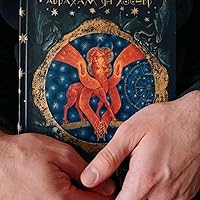
Bonus: Alegerea coperții acestei ediții este strălucită.
Dorina et quelques-uns de ses amis vont s'amuser dans la forêt, ils organisent une petite fête. En chemin il rencontre Andronic un étrange personnage possédant un grand pouvoir de séduction, qu'ils veulent bien dépanner et qui se met à faire la fête avec eux. Ensemble ils font plusieurs jeux, dont un où tous se cachent. Une nouvelle fantastique d'Eliade, sa spécialité, autour d'Andronic, personnage fascinant par excellence qui, à travers le jeu, initie les autres au pouvoir de la nature. La première que j'ai lue est aussi ma préférée.