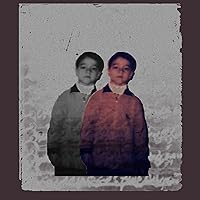
Here Eduardo Cadava demonstrates that Walter Benjamin articulates his conception of history through the language of photography. Focusing on Benjamin's discussions of the flashes and images of history, he argues that the questions raised by this link between photography and history touch on issues that belong to the entire trajectory of his the historical and political consequences of technology, the relation between reproduction and mimesis, images and history, remembering and forgetting, allegory and mourning, and visual and linguistic representation. The book establishes the photographic constellation of motifs and themes around which Benjamin organizes his texts and thereby becomes a lens through which we can begin to view his analysis of the convergence between the new technological media and a revolutionary concept of historical action and understanding.
Written in the form of theses--what Cadava calls "snapshots in prose"--the book memorializes Benjamin's own thetic method of writing. It enacts a mode of conceiving history that is neither linear nor successive, but rather discontinuous--constructed from what Benjamin calls "dialectical images." In this way, it not only suggests the essential rapport between the fragmentary form of Benjamin's writing and his effort to write a history of modernity but it also skillfully clarifies the relation between Benjamin and his contemporaries, the relation between fascism and aesthetic ideology. It gives us the most complete picture to date of Benjamin's reflections on history.
قبلا از نویسنده هایی که به نوعی خودشون و ایده هاشون رو وام دار بنیامین میدونن خونده بودم مثل این دو کتاب درباره عکاسی راههای نگریستن که هر دو خیلی خوب بودن، اصلا علت علاقه من به خواندن کتاب های خود بنیامین همین بود اما حالا نمیدونم چرا نمیتونم بفهمم و ارتباط برقرار کنم
Cadava links Benjamin's theory of history to the philosophy of photography. Especially great because he doesn't bring Hegel or Lukacs into it at all. It's all about Nietzsche, Bergson, and Proust. I highly recommend this to anyone interested in Benjamin. Along with Lowy's "Fire Alarm" and Caygill's "Color of Experience", this is one of the best books I have read on Ben.
ما در مقامِ سوژههای عکاسی که توسط دوربین تصرف شده است، کشته شدهایم. چنان زندگی میکنیم که گویی همیشه درونِ یک قبرستان بودهایم، هماناندازه مرگبار، در میان و در مقامِ کندهکاریها و سنگنوشتهها. غبار خود را در سرتاسر مقاله پخش میکند ــ شکلی که بنیامین اغلب برای به تمثیلپردازی حالوهوایی که حافظه در آن عمل میکند به کار میگیرد ـــ آنچه را که ممکن است درک کنیم یا در حافظهمان با آن برخورد کنیم نمیپوشاند و درنهایت ما در تجربهی عکس، گویی نمیتوانیم چیزی را ببینیم. در ناحیهٔ گرگومیش، دیدن و ندیدن، ما در گرفتنِ تصویر شکست میخوریم.