After working as an in-house journalist and editor in consumer electronics magazines, Ian Graham became a freelance writer. He has written more than 230 illustrated non-fiction books for children and teens, and contributed chapters to books including Dorling Kindersley’s Know it All and Big Ideas that Changed the World. He has a degree in applied physics and a postgraduate diploma in journalism.
A flashback to the world of 80s video games 17 November 2013
As a kid I loved these books: not just the books on computers but the Rigby and Usborne children's books in general. They had wonderful pictures and explained their various topics quite clearly. In fact I would be regularly borrowing them from the school library and pouring over them. It is funny though that despite my interest in science and technology as a child I ended up getting a university degree in the liberal arts.
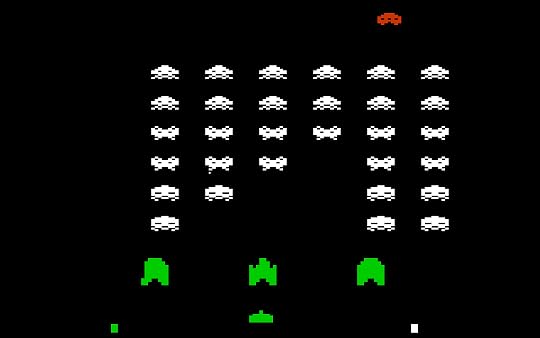
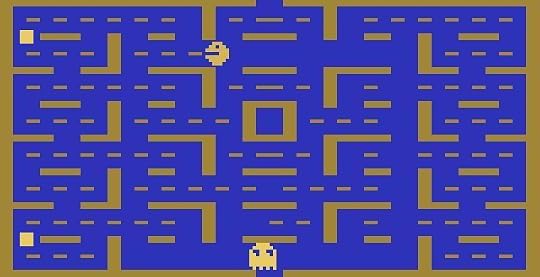
This particular book is literally a blast from the past for an ex-computer geek like me. This was a time when computer games look like this:
or like this:
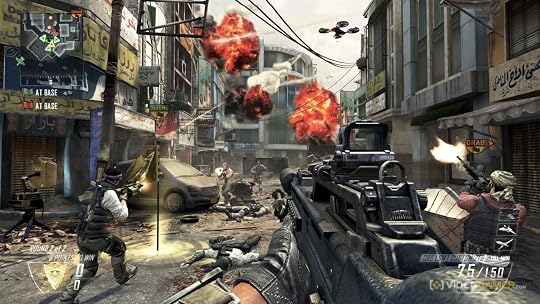
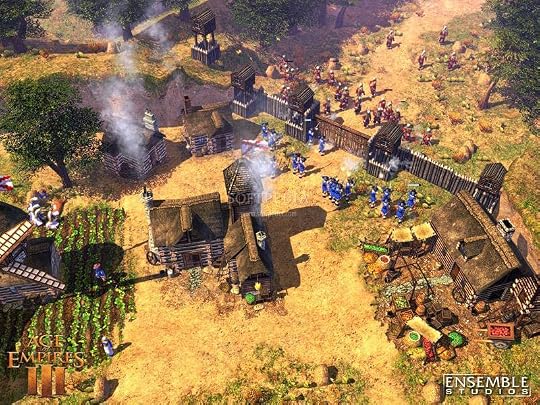
as opposed to this:
or this:
It is a very interesting read for those who what to know how computer games back in those days were constructed, though I must admit the basic principles behind them have changed little, it is just that the processing power is now much greater. We still use liquid crystal displays, particularly in mobile phones, and as such the graphics and the game play on our modern handheld devices have changed dramatically. I remember when if you wanted a hand-held computer game you had to buy the game and the device that it was imprinted upon. These days if you want a hand held computer game you just press your Googleplay or iStore icon on your mobile phone.
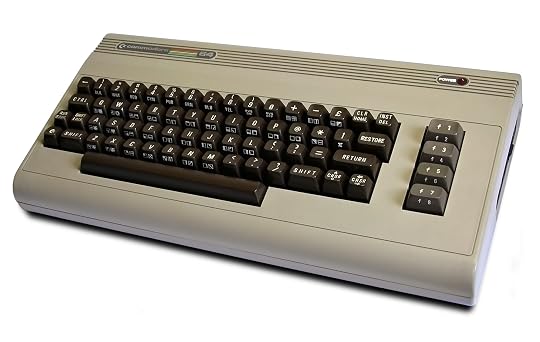
When this book was written the standard home computer was the Commodore 64, which looked like this:
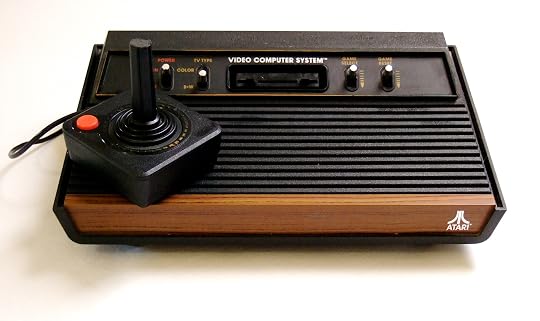
or an Atari 2600, which looked like this:
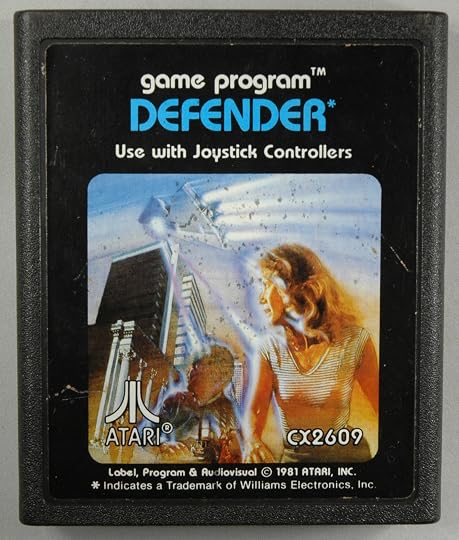
for those who are not in the know, the Atari 2600 was the ancient version of the Xbox, the Nintendo, and the Playstation. However, with game consoles, things still have not changed much since you still buy the games, though these days they are on DVD and Blueray as opposed to a cartridge, which for those who do not know, looked like this:
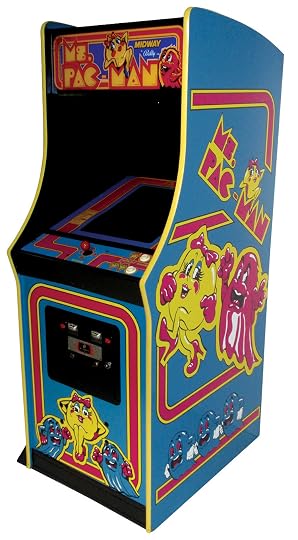
What I also liked about this book was that the author also included hints for a number of popular games of the time, such as Space Invaders, Scramble, and Frogger (among others). These are all games that I remembered fondly and I would even use the hints that he gave us. Many of these hints were actually designed for the arcade machines (and the name arcade game actually stemmed from the fact that if you wanted to play a computer game you had to go to your local fish and chip shop, or a dedicated shop full of these games – I remember spending many a Friday night in a video arcade playing one of my favourite games, and we even went to some lock-ins where you would spend all night playing as many games as you wanted). For those who do not know, this is was an arcade machine looked like:
The other interesting part of this book is the section where he speculates on the future of computer games. He envisioned arcade machines which could have up to six players, as opposed to the two that you were limited to at the time. He also envisioned very realistic graphics and games so complex that you needed a note book to chart you way through it. However I suspect that he never envisioned this:
This is a small, 48 page book written for kids on how video games work, but the easy-to-understand technical explanations and bright, cartoon-y diagrams make it really appealing, even to me as a grad school researcher. Plus, it's hard for me to resist a book that informs its readers, totally straightfaced, that by the year 2000, LCD games will contain miniature radio transmitters that will make long distance gaming possible with "very little time delay."