

What do you think?

Last Night
Last Night is a spellbinding collection of stories about passion–by turns fiery and subdued, destructive and redemptive, alluring and devastating. These ten powerful stories portray men and women in their most intimate moments. A lover of poetry is asked by his wife to give up what may be his most treasured relationship. A book dealer is forced to face the truth about his life. And in the title story, a translator assists his wife’s suicide, even as he performs a last act of betrayal. James Salter’s assured style and emotional insight make him one of our most essential writers
144 pages, Paperback
First published April 19, 2005
About the author
James Salter
84 books779 followersJames Salter (1925 - 2015) was a novelist, short story writer, and screenwriter. Salter grew up in New York City and was a career officer and Air Force pilot until his mid-thirties, when the success of his first novel (The Hunters, 1957) led to a fulltime writing career. Salter’s potent, lyrical prose earned him acclaim from critics, readers, and fellow novelists. His novel A Sport and a Pastime (1967) was hailed by the New York Times as “nearly perfect as any American fiction.”
Ratings & Reviews
Friends & Following
Create a free account to discover what your friends think of this book!
Community Reviews
Displaying 1 - 30 of 419 reviews

September 15, 2019
OGNI COSA È ILLUMINATA
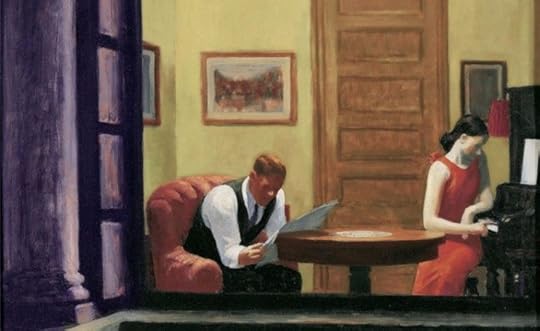
C’è una qualità nei racconti come questi, che di solito sono scritti da americani. Non so se davvero sia quella di riuscire riprodurre sulla pagina le sensazioni che trasmette Edward Hopper con i suoi quadri: ma so che sanno trasmettere la solitudine, quella che non nasce dall’isolamento, dal deserto umano, ma quella che si accompagna a certi esseri umani che vivono nella società, circondati da altre persone. Ma separati.
Solitudine primaria.
So che si tratta di scrittori americani ai quali bastano poche pennellate: pennellate che sanno essere veloci ma senza tralasciare i dettagli che servono, precise, necessarie, scrittori che non si perdono in chiacchiere, che si tengono all’essenziale, non sprecano parole ma non ne lesinano nessuna di quelle che servono. Asciutti. Attenti al quotidiano.

Mi sono trovato in buona compagnia tra questa gente che ha sempre almeno un divorzio alle spalle, colleziona matrimoni e tradimenti, s’innamora, fa sesso, si ritrova a mani vuote.
Non succede niente di che, ovviamente, come nella migliore tradizione del racconto: sono piccoli momenti che sapientemente raccontati, isolati e illuminati con maestria, diventano straordinari pur se ordinari.
Belle donne, uomini in carriera, costa est e costa ovest, qualche attore (Salter ha lavorato molto a Hollywood).

I miei preferiti: Rinuncia e l’ultimo che da il titolo alla raccolta. Entrambi nascondono una sorpresa.
A volte il finale rimane sospeso, un vecchio trucco che funziona sempre. A volte la trama conosce uno scarto, una deviazione dalla strada tracciata, come se il narratore all’improvviso avesse messo a fuoco un dettaglio alle spalle dei protagonisti.
Quando Salter omette spiegazioni e non spiega a fondo accresce l’oscurità che aumenta il piacere della lettura, come un centro cuore che attrae e ammalia.
La tensione sotterranea, qualche segreto che sembra dover essere rivelato, rendono la lettura emozionante.

È un Salter diverso dal romanziere, che usa meno parole, che rimane più sul quotidiano, sembra volare più basso. Ma sempre elegante e raffinato: messi insieme questi dieci racconti sono una gioia, e un trionfo di dolore, tristezza, solitudine, sconfitta.
I racconti richiedono un pochino di fatica in più, maggior concentrazione, più tempo: entrare e impadronirsi di personaggi e situazioni, ricominciare – ma tra uno e l’altro c’è bisogno di un break, difficile leggere a rotta di collo.
Però, che ricompensa!
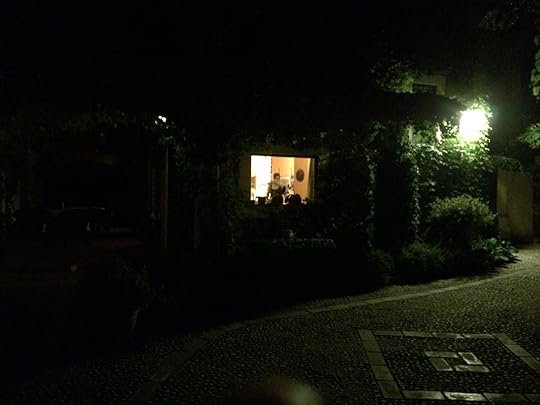
La prima immagine è un vero Hopper: le altre fino a questa sono foto ispirate alla sua pittura esposte nella mostra “Hopperiana”, opere di Luca Campigotto, Gregory Crowdson, Richard Tuschman, Daniele Galliano.
Mi piace il salto rapido di un buon racconto, l'emozione che spesso comincia già nella prima frase, il senso di bellezza e mistero che si riscontra nei migliori esemplari; e il fatto... che un racconto può essere scritto e letto in una sola seduta (proprio come una poesia!).
In Italia il suo relativo successo è dovuto alla caparbietà di Luigi Brioschi di Guanda che di Salter dice:
Rappresenta al meglio un’idea di letteratura, di narrativa letteraria, che forse va tramontando perché porta in sé un valore testimoniale.

C’è una qualità nei racconti come questi, che di solito sono scritti da americani. Non so se davvero sia quella di riuscire riprodurre sulla pagina le sensazioni che trasmette Edward Hopper con i suoi quadri: ma so che sanno trasmettere la solitudine, quella che non nasce dall’isolamento, dal deserto umano, ma quella che si accompagna a certi esseri umani che vivono nella società, circondati da altre persone. Ma separati.
Solitudine primaria.
So che si tratta di scrittori americani ai quali bastano poche pennellate: pennellate che sanno essere veloci ma senza tralasciare i dettagli che servono, precise, necessarie, scrittori che non si perdono in chiacchiere, che si tengono all’essenziale, non sprecano parole ma non ne lesinano nessuna di quelle che servono. Asciutti. Attenti al quotidiano.
Mi sono trovato in buona compagnia tra questa gente che ha sempre almeno un divorzio alle spalle, colleziona matrimoni e tradimenti, s’innamora, fa sesso, si ritrova a mani vuote.
Non succede niente di che, ovviamente, come nella migliore tradizione del racconto: sono piccoli momenti che sapientemente raccontati, isolati e illuminati con maestria, diventano straordinari pur se ordinari.
Belle donne, uomini in carriera, costa est e costa ovest, qualche attore (Salter ha lavorato molto a Hollywood).
I miei preferiti: Rinuncia e l’ultimo che da il titolo alla raccolta. Entrambi nascondono una sorpresa.
A volte il finale rimane sospeso, un vecchio trucco che funziona sempre. A volte la trama conosce uno scarto, una deviazione dalla strada tracciata, come se il narratore all’improvviso avesse messo a fuoco un dettaglio alle spalle dei protagonisti.
Quando Salter omette spiegazioni e non spiega a fondo accresce l’oscurità che aumenta il piacere della lettura, come un centro cuore che attrae e ammalia.
La tensione sotterranea, qualche segreto che sembra dover essere rivelato, rendono la lettura emozionante.
È un Salter diverso dal romanziere, che usa meno parole, che rimane più sul quotidiano, sembra volare più basso. Ma sempre elegante e raffinato: messi insieme questi dieci racconti sono una gioia, e un trionfo di dolore, tristezza, solitudine, sconfitta.
I racconti richiedono un pochino di fatica in più, maggior concentrazione, più tempo: entrare e impadronirsi di personaggi e situazioni, ricominciare – ma tra uno e l’altro c’è bisogno di un break, difficile leggere a rotta di collo.
Però, che ricompensa!
La prima immagine è un vero Hopper: le altre fino a questa sono foto ispirate alla sua pittura esposte nella mostra “Hopperiana”, opere di Luca Campigotto, Gregory Crowdson, Richard Tuschman, Daniele Galliano.
Mi piace il salto rapido di un buon racconto, l'emozione che spesso comincia già nella prima frase, il senso di bellezza e mistero che si riscontra nei migliori esemplari; e il fatto... che un racconto può essere scritto e letto in una sola seduta (proprio come una poesia!).
In Italia il suo relativo successo è dovuto alla caparbietà di Luigi Brioschi di Guanda che di Salter dice:
Rappresenta al meglio un’idea di letteratura, di narrativa letteraria, che forse va tramontando perché porta in sé un valore testimoniale.

November 17, 2025
4.5
You think you know someone...
Elegant yet forceful and sharp, the short stories in this collection are more like snapshots of a moment in the characters’ lives. Snapshots which capture a spontaneous moment between a couple and show us their inner selves and their desires, thoughts, feelings and regrets.
There is love when you lose the power to speak, when you cannot even breathe.
You think you know someone...
Elegant yet forceful and sharp, the short stories in this collection are more like snapshots of a moment in the characters’ lives. Snapshots which capture a spontaneous moment between a couple and show us their inner selves and their desires, thoughts, feelings and regrets.
There is love when you lose the power to speak, when you cannot even breathe.

May 19, 2011
Though the stories in this 2005 collection all make use of contemporary gadgetry—scénariste of lust and betrayal, Salter can hardly forgo the incriminating email, the voicemails of avoidance—they are really set in Midcentury Manhattan Storyland. People drink dry martinis and scotch on the rocks. Whenever “the war” is mentioned you know it’s the Big One. The characters of “My Lord You” are straight from the 1950s: the Auchinclossian estate lawyer, his balletic gamine of a wife (she has an old bicycle for solitary rides, in summer wears her swimsuit all day), and their neighbor, the wild shambles of a celebrated poet who growls lines from the Cantos, drinks like Dylan Thomas and raves like Robert Lowell (or is it Delmore Schwartz?). “My Lord You” might be the only story in Last Night that really works for me. The others are evocative sketches. My taste is for stories of deep dimensions—this taste only encouraged by last month’s discovery of Alice Munro’s densely layered micronovels. That said, I love Salter, more with every new sentence. I liked this book’s plummy tone, its world divided between bright beaches and urban dusk, between the dunes of summer and winey, shadowed interiors, with autumn outside. A world where art and sex are all that matter, and erotic nostalgia the ruling mood. (“Art is the artifice of recollection”—Ned Rorem, The Paris Diary.) So on to Light Years.

March 2, 2014
I think the best part about this book is tone of it. From the first story, I knew what I was in for. Slightly dimmed light, wistful, quieter than normal voices and things half seen. Salter does a very solid job constructing this as a harmonious whole, where the carpets and curtains and couches are barely different, and you are likely to find the same art books on the coffee table and the same half-empty glasses of scotch by the bed. It was all longing, but the polite and tentative sort that accepts inevitable ends and is not willing to make leaps, preferring instead the not quite understandable goodbye.
I appreciated the simplicity of its presentation and his willingness to really stick to exploring one sort of "last night" feeling in many shades. The links between the stories were there, helping to ensure that the paint color stayed the same from one room to the next- a shared name between characters, a lipstick color, a chosen drink, a thought.
However, I must say that when Salter made his first jarring reference to a cell phone and I discovered that this book was written in 2005, I was a little surprised. I, knowing nothing about Salter, assumed him to be one of the postwar lot, 50s and early 60s. His characters, their lives and their sexuality, are a familiar playground from that era. Then, I can see how this would have been the sort of slight, literary thing that would be soulful and daring. Now, the emotional truth of the sexuality that a lot of his characters feel felt a little bit dated, even the stories that included more modern and ambiguous sexuality. The focus here is still on the trench coated Man in a Flannel Suit and his likely sexually repressed wife, or, her opposite number on the UES, the many-times-married bundle of disappointed sexuality. It made less sense to me for his characters to be as out-of-touch and unacknowledged in their emotions in the particular manner that they were, in 2005. (A relatively young husband asking his relatively young wife if she's "tired" as a way to introduce the idea of sex, in 2005, really?) Also the power balance still seemed fully on the man's side, the women's lives still fully structured around marriage and children and how much sex they had had or not had, missing the man that got away. Why? When there are such a lot more of a variety of things that could have happened last night in the public consciousness why not take another look at expand your world out of the incidentally rich, largely heterosexual, "traditional" type of lives and regrets?
Before I had this information, I was willing to accept this as something of its time. Now I wonder- was it an homage? A nostalgic look back to an imagined time in the author's childhood? Or is this still just how he thinks "Last Night" is?
I still think it was an elegant, polished piece of work that was exactly what it seemed to be trying to be, with characters who didn't need to be fully drawn because we know them already from a thousand other stories. It was, indeed, almost effortless because of that. It takes craft to make that seem to be so.
But I just wondered why he wrote it and why we couldn't have seen a different sort of Last Night as well.
I appreciated the simplicity of its presentation and his willingness to really stick to exploring one sort of "last night" feeling in many shades. The links between the stories were there, helping to ensure that the paint color stayed the same from one room to the next- a shared name between characters, a lipstick color, a chosen drink, a thought.
However, I must say that when Salter made his first jarring reference to a cell phone and I discovered that this book was written in 2005, I was a little surprised. I, knowing nothing about Salter, assumed him to be one of the postwar lot, 50s and early 60s. His characters, their lives and their sexuality, are a familiar playground from that era. Then, I can see how this would have been the sort of slight, literary thing that would be soulful and daring. Now, the emotional truth of the sexuality that a lot of his characters feel felt a little bit dated, even the stories that included more modern and ambiguous sexuality. The focus here is still on the trench coated Man in a Flannel Suit and his likely sexually repressed wife, or, her opposite number on the UES, the many-times-married bundle of disappointed sexuality. It made less sense to me for his characters to be as out-of-touch and unacknowledged in their emotions in the particular manner that they were, in 2005. (A relatively young husband asking his relatively young wife if she's "tired" as a way to introduce the idea of sex, in 2005, really?) Also the power balance still seemed fully on the man's side, the women's lives still fully structured around marriage and children and how much sex they had had or not had, missing the man that got away. Why? When there are such a lot more of a variety of things that could have happened last night in the public consciousness why not take another look at expand your world out of the incidentally rich, largely heterosexual, "traditional" type of lives and regrets?
Before I had this information, I was willing to accept this as something of its time. Now I wonder- was it an homage? A nostalgic look back to an imagined time in the author's childhood? Or is this still just how he thinks "Last Night" is?
I still think it was an elegant, polished piece of work that was exactly what it seemed to be trying to be, with characters who didn't need to be fully drawn because we know them already from a thousand other stories. It was, indeed, almost effortless because of that. It takes craft to make that seem to be so.
But I just wondered why he wrote it and why we couldn't have seen a different sort of Last Night as well.

October 30, 2025
This collection of stories had been sitting on an upstairs shelf for a long, long time. I picked it up a few days ago, almost subconsciously, thinking a story or two might fill a void between larger works. I started with some shorter ones, stories with a modern twist about perennial issues. But as I read about adultery, or just tired love, the writing took hold.
I thought: he writes women well. Or, at least there is a cold edge to each of them.
The men are often lawyers, more often out of control poets. The husbands invariably guess wrong.
And loves that have ended . . . have a way of showing up again.
I'll need to re-visit this author.
I thought: he writes women well. Or, at least there is a cold edge to each of them.
The men are often lawyers, more often out of control poets. The husbands invariably guess wrong.
And loves that have ended . . . have a way of showing up again.
I'll need to re-visit this author.

September 18, 2013
First James Salter. I might not recommend this book to a friend, because I'd worry that the friend would read it and then say, "Jess, this is just a bunch of boring stories about rich people sleeping with each other, who cares," and then I would like my friend a little less which isn't fair because there's no accounting for taste.
I read this in one sitting, cried a fair amount. Light Years is on deck.
I read this in one sitting, cried a fair amount. Light Years is on deck.

February 21, 2021
The first thing I ever read by James Slater was his short story collection Dusk and Other Stories. I really enjoyed it. In fact, the short story Dusk continues to be one of my all-time favorites. I followed these short stories with three of his novels, Cassada, All That Is and A Sport and A Pastime, expecting each time to really enjoy the novel. Each of the novels was good, but I did not love any of them. I was not even wowed by A Sport and A Pastime, which some people just rave about. So as a final effort I thought I would go back to his short stories with Last Night. It was a quick read, 132 pages, and Salter’s craft as a writer was readily apparent, but I did not find myself caring very much about most of the characters: they seemed distant; I did not feel any connection with them.
One character that did appeal to me was Teddy in the story Eyes of the Stars. Teddy had a passionate love affair as a teenager but did not marry until her 40’s. Teddy, who has become stout and heavy as she aged, is liked and respected in her role as a producer and has had both career and financial success. Is she happier or more content than some of the “beautiful” people with whom she works? In another story, Arlington, Newell sacrifices his military career and ethics to try to make his wife, Jana, happy. Was the sacrifice worth it? What if he knew he could never succeed in winning her love? Would he have done it anyway? These stories generate some interesting questions, but I didn’t find they stuck with me. Once I was done reading, the reading experience dissipated quickly.
One character that did appeal to me was Teddy in the story Eyes of the Stars. Teddy had a passionate love affair as a teenager but did not marry until her 40’s. Teddy, who has become stout and heavy as she aged, is liked and respected in her role as a producer and has had both career and financial success. Is she happier or more content than some of the “beautiful” people with whom she works? In another story, Arlington, Newell sacrifices his military career and ethics to try to make his wife, Jana, happy. Was the sacrifice worth it? What if he knew he could never succeed in winning her love? Would he have done it anyway? These stories generate some interesting questions, but I didn’t find they stuck with me. Once I was done reading, the reading experience dissipated quickly.

February 18, 2016
"O ritmo é impetuoso, mas, de vez em quando, há um pormenor que salta e a atenção do leitor fica presa nele, como uma unha presa na seda."
John Banville
...ou como uma garra no coração...
Em quase todos os contos (conduzidos pelo amor e pela morte) fui surpreendida por esse pormenor referido por Banville mas, no seu todo, os mais marcantes foram, “Crepúsculo”, “Carisma”, “Vinte Minutos” e, especialmente, ”A Última Noite”…
John Banville
...ou como uma garra no coração...
Em quase todos os contos (conduzidos pelo amor e pela morte) fui surpreendida por esse pormenor referido por Banville mas, no seu todo, os mais marcantes foram, “Crepúsculo”, “Carisma”, “Vinte Minutos” e, especialmente, ”A Última Noite”…

December 10, 2016
Last Night was my first experience of James Salter's writing. He has written numerous short story collections, and the name and blurb of this particular collection really appealed to me, so I decided to start there. I'm not sure if this is meant to be one of his better books, if we're looking at his overall bibliography, but all I know is that I found it quite disappointing.
Salter's stories generally focus around couples who are going through problems in their marriages/relationships - some focus on people who have separated and are meeting again in the future, others deal with unhappy marriages in the here and now, and some with people who are single and unlucky in love. Most of the stories are very depressing, and although this would normally appeal to me, I just didn't find most of the stories to have much of an impact on me, even while I was actively reading them.
I found my attention wandering throughout most of the stories in this collection, with the exception of a few. Last Night, the titular story in this collection, actually did fully engage me, and not only did I find the subject matter to be quite emotionally affecting, but the story's ending caught me completely by surprise. Such Fun is another story that is worth highlighting, again because of quite a sudden and surprising ending, and a little more characterisation than many of the other stories give. However, the rest of the collection I didn't particularly care for, and I found it very hard to want to keep reading the book, despite its brevity.
One thing that particularly bothered me about Salter's writing style was that I had no real feeling of time or place. Although this collection was first published in 2006, I felt like the writing was very old-fashioned, and I was confused as to when the stories were meant to be set. To me, the way the characters often spoke to each other reminded me more of something from the 1950s than the current day. I found it incredibly difficult to engage with the characters and picture them in my head as a result.
Overall, I wouldn't recommend this collection, but I would recommend the two stories I highlighted, because I felt they held my interest a lot more than any of the others did. I don't think I'll be that eager to continue on with Salter's work after this though.
Salter's stories generally focus around couples who are going through problems in their marriages/relationships - some focus on people who have separated and are meeting again in the future, others deal with unhappy marriages in the here and now, and some with people who are single and unlucky in love. Most of the stories are very depressing, and although this would normally appeal to me, I just didn't find most of the stories to have much of an impact on me, even while I was actively reading them.
I found my attention wandering throughout most of the stories in this collection, with the exception of a few. Last Night, the titular story in this collection, actually did fully engage me, and not only did I find the subject matter to be quite emotionally affecting, but the story's ending caught me completely by surprise. Such Fun is another story that is worth highlighting, again because of quite a sudden and surprising ending, and a little more characterisation than many of the other stories give. However, the rest of the collection I didn't particularly care for, and I found it very hard to want to keep reading the book, despite its brevity.
One thing that particularly bothered me about Salter's writing style was that I had no real feeling of time or place. Although this collection was first published in 2006, I felt like the writing was very old-fashioned, and I was confused as to when the stories were meant to be set. To me, the way the characters often spoke to each other reminded me more of something from the 1950s than the current day. I found it incredibly difficult to engage with the characters and picture them in my head as a result.
Overall, I wouldn't recommend this collection, but I would recommend the two stories I highlighted, because I felt they held my interest a lot more than any of the others did. I don't think I'll be that eager to continue on with Salter's work after this though.

May 4, 2025
Si James Salter hubiese escrito Caperucita Roja, el protagonista sería el lobo, un hombre maduro pero juvenil felizmente casado con una marchante de arte muy bella y sofisticada en su juventud que ha ido engordando con la edad. Caperucita sería una jovencita de lustrosa melena, cuerpo firme y piel suave que entra a trabajar en la galería de la esposa del lobo.
En la inauguración de una exposición muy exitosa, el lobo y Caperucita tendrían ocasión de quedarse a solas en un despacho, se darían cuenta casi con sorpresa de su atracción mutua y darían comienzo a una relación de amantes furtivos. Durante una larga temporada tendrían encuentros a escondidas sin plantearse cambiar la situación.
Pero una noche, en una fiesta de la galería, Caperucita recibe una llamada de su abuela: después de cenar la anciana se ha empezado a encontrar enferma y no sabe si puede ser algo grave. Muy preocupada, Caperucita se lo cuenta a la esposa del lobo y enseguida se decide que el lobo llevará a Caperucita a la casa de la abuela. Cuando llegan, la abuela les dice que se encuentra mucho mejor, le quita importancia al episodio y se retira a su dormitorio. El lobo y Caperucita deciden esperar un poco, se toman unas copas, Caperucita se desabrocha la blusa porque tiene calor, el lobo lo toma como una invitación y acaban teniendo sexo (más placentero que nunca para el lobo) en la habitación de invitados. Al terminar, Caperucita va al baño, pasa por el dormitorio de la abuela y descubre que esta acaba de fallecer. Entre el personal sanitario que acude a la casa, un joven médico se muestra especialmente amable con Caperucita.
A partir de ese día, Caperucita ya no quiere seguir viendo al lobo y deja el trabajo. El lobo no acaba de entender por qué, sufre. Un año después, el lobo se encuentra a Caperucita y al médico juntos por la calle. Ella presenta al médico como su marido. El médico apenas puede reconocer al lobo, solo ve a un hombre derrotado que ha perdido todo rastro de juventud.
El libro me ha gustado más por cómo está escrito que por las historias y los temas. Tengo un límite para los relatos realistas de erotismo adúltero y diría que ese límite está exactamente en dos relatos por libro.
En la inauguración de una exposición muy exitosa, el lobo y Caperucita tendrían ocasión de quedarse a solas en un despacho, se darían cuenta casi con sorpresa de su atracción mutua y darían comienzo a una relación de amantes furtivos. Durante una larga temporada tendrían encuentros a escondidas sin plantearse cambiar la situación.
Pero una noche, en una fiesta de la galería, Caperucita recibe una llamada de su abuela: después de cenar la anciana se ha empezado a encontrar enferma y no sabe si puede ser algo grave. Muy preocupada, Caperucita se lo cuenta a la esposa del lobo y enseguida se decide que el lobo llevará a Caperucita a la casa de la abuela. Cuando llegan, la abuela les dice que se encuentra mucho mejor, le quita importancia al episodio y se retira a su dormitorio. El lobo y Caperucita deciden esperar un poco, se toman unas copas, Caperucita se desabrocha la blusa porque tiene calor, el lobo lo toma como una invitación y acaban teniendo sexo (más placentero que nunca para el lobo) en la habitación de invitados. Al terminar, Caperucita va al baño, pasa por el dormitorio de la abuela y descubre que esta acaba de fallecer. Entre el personal sanitario que acude a la casa, un joven médico se muestra especialmente amable con Caperucita.
A partir de ese día, Caperucita ya no quiere seguir viendo al lobo y deja el trabajo. El lobo no acaba de entender por qué, sufre. Un año después, el lobo se encuentra a Caperucita y al médico juntos por la calle. Ella presenta al médico como su marido. El médico apenas puede reconocer al lobo, solo ve a un hombre derrotado que ha perdido todo rastro de juventud.
El libro me ha gustado más por cómo está escrito que por las historias y los temas. Tengo un límite para los relatos realistas de erotismo adúltero y diría que ese límite está exactamente en dos relatos por libro.

December 21, 2018
Los relatos de Salter me han encantado, pero quizá no sean lo más oportuno para leer en Navidad, porque son de lo más tristes y todos, sin excepción, te dejan un desasosiego un tanto incompatible con la euforía y el bienestar de estas fechas...
Coñas aparte, el libro es la hostia y creo que Salter, como autor de cuentos, está al nivel de otros maestros como Carver, Hemingway, Chejov y similares, sin ninguna duda. Leeré más de él.
A destacar: El último cuento, que da nombre a la recopilación, es que me ha parecido absolutamente magistral.
Coñas aparte, el libro es la hostia y creo que Salter, como autor de cuentos, está al nivel de otros maestros como Carver, Hemingway, Chejov y similares, sin ninguna duda. Leeré más de él.
A destacar: El último cuento, que da nombre a la recopilación, es que me ha parecido absolutamente magistral.

August 28, 2019
James Salter’s collection of short stories, Last Night, is written in understated style that agrees with the characters therein—they are secondary figures, many of them secondary in their own lives, successful quite some time ago, married for the first few times quite some time ago, only daring to view themselves honestly, with justified irony, at more or less the last minute of their current dilemmas. As a consequence, the poise of these tales makes them more remarkable than their protagonists. They aren’t minimalist, though they are rather spare, and they have the air of knowing exactly what they are aiming for, usually a nostalgia for a lost romantic moment but sometimes the flat acceptance that said romantic moment was false, a lie, self-delusion.
The dustjacket blurbs suggest a similarity between Salter’s stories and John Cheever’s. Both authors published in the New Yorker. In some sense, Cheever was the architect of the New York story as we know it...or used to know it. Salter actually is a bit less romantic than Cheever, however. He doesn’t take flight like Cheever, he eschews some of Cheever’s fascination with domestic details, i.e., kitchens whose messiness is itemized versus kitchens, in Salter’s work, that are merely described as messy, enough said. Not that bottle openers and unwashed dishes are compelling, just that Cheever had a somewhat more robust and even fanciful take on the settings wherein adultery, character assassination, score-setting, and so forth take place.
Salter’s stories thrive on being pared down and establishing a cadence that leads order to disorder. They aren’t especially allusive. They’re right there in the page, whole and complete.
I was interested to see, after the last story, a note in which Salter thanks the Iowa Writers’ Workshop for letting him read his work. Some of the young writers gathered there might have found him rather quaint, but in the main, Salter really is a good example of the Iowa Writers’ Workshop approach to short stories: let them be plain, control them with a consistent tone, and have them turn on a minor psychological explosion, providing a satisfying, well-justified ending.
Writing within a narrow emotional register, Salter produces stories that aren’t great, like some of Cheever’s stories, but very, very good.
The dustjacket blurbs suggest a similarity between Salter’s stories and John Cheever’s. Both authors published in the New Yorker. In some sense, Cheever was the architect of the New York story as we know it...or used to know it. Salter actually is a bit less romantic than Cheever, however. He doesn’t take flight like Cheever, he eschews some of Cheever’s fascination with domestic details, i.e., kitchens whose messiness is itemized versus kitchens, in Salter’s work, that are merely described as messy, enough said. Not that bottle openers and unwashed dishes are compelling, just that Cheever had a somewhat more robust and even fanciful take on the settings wherein adultery, character assassination, score-setting, and so forth take place.
Salter’s stories thrive on being pared down and establishing a cadence that leads order to disorder. They aren’t especially allusive. They’re right there in the page, whole and complete.
I was interested to see, after the last story, a note in which Salter thanks the Iowa Writers’ Workshop for letting him read his work. Some of the young writers gathered there might have found him rather quaint, but in the main, Salter really is a good example of the Iowa Writers’ Workshop approach to short stories: let them be plain, control them with a consistent tone, and have them turn on a minor psychological explosion, providing a satisfying, well-justified ending.
Writing within a narrow emotional register, Salter produces stories that aren’t great, like some of Cheever’s stories, but very, very good.

August 17, 2014
I hated this. In terms of technical craft, the writing was good and the dialogue was notable. But dear lord, where the fuck was the character development?
I get that this was a collection of narrow, arguably 'defined', focus. Given that, I would have expected more precision and nuance in the telling of so many tales of infidelity, and of unfulfilled middle-aged men chasing young women who they seem to adore out of some idealized obsession with youth and beauty.
Salter doesn't take any time to make these women actual characters (with the exception of Marit in "Last Night.") They seem to serve as mere objects for male wish-fulfillment, chasing one's lost youth, or as mirrors for male ego. (By the way, he doesn't do much with his male protagonists either, more in a moment.) The description of women's bodies throughout the collection is exhaustive, and yet we hear nearly nothing about these women's lives or their own development, and all descriptions of them stay on a surface level. For example:
"She was thirty one, the age when women are past foolishness, though not unfeeling."
"She was twenty-five and filled with life. That summer he saw her in a bathing suit, a bikini. She was stunning, with a kind of glow to her skin. She had a young girl's unself-conscious belly and ran into the waves."
"Westhampton, her tanned legs and pale heels. The feeling she gave him of being younger, even, God help him, debonair."
First off, gross. Secondly, these are the kinds of lazy cliches that are usually abolished in undergraduate creative writing classes - tell me again why I'm supposed to be impressed with a writer who resorts to such sloppy characterizations and can only tell rather than show what is important about these characters? What about the fact that the very information that's being underscored as most remarkable is in fact obvious and unremarkable? You could say that's what Salter is going for, but you'd be giving him too much credit.
Middle age is conflicting. Older men chase youth, often through young women that make them feel vital and younger than their age. The problem with this collection is that Salter never goes further than that. There's no examination of what makes aging so deeply terrifying, of how strange it is to recognize youth for having lived it but to simultaneously realize you are on the other side of it, that you have lived a long time and youth is past, and your life, for all its adventures and tribulations, is not terribly valuable or interesting to young people, though they are very interesting to you. This is the kind of thing writers like Lorrie Moore are able to explore, while Salter leans on hackneyed cliches of marital affairs, without ever exploring the complexities of what drives his respective characters to enter into their affairs. The complexities of married life, for better or worse, are usually glossed over, it's always just "and then I saw this very beautiful young woman (btw, he calls them 'girls' even though they're all 25+, which, ew, way to see women as people and treat them like adults, way to craft protagonists with relatable viewpoints,) and this girl makes me feel alive when I stick my dick in her oh but she's also unattainable, now I feel happiness is unattainable, and ah shit, I kind of liked my marriage and I guess this fucked it up a bit, I am a sad old man and I kind of have a drinking problem." Over. And over.
Though I had a hard time reading so many stories told from the perspective of self-pitying middle-aged alcoholics who don't see women as equal human beings, the collection was mildly entertaining when I could hold back the bile. I didn't want to finish it, but the final story, "Last Night", makes me ever so slightly glad I powered through.
TL;DR: I don't get why anyone thinks this guy is good. Salter's technical eye for dialogue and prose cannot come close to redeeming the outright hackery and cliches that define each story in this ham-fisted collection. Save yourself some trouble and read short that are actually good, like Alix Ohlin's "Signs and Wonders" or Lorrie Moore's "Bark" (which is a much more insightful collection dealing with similar material and conflicts.)
I get that this was a collection of narrow, arguably 'defined', focus. Given that, I would have expected more precision and nuance in the telling of so many tales of infidelity, and of unfulfilled middle-aged men chasing young women who they seem to adore out of some idealized obsession with youth and beauty.
Salter doesn't take any time to make these women actual characters (with the exception of Marit in "Last Night.") They seem to serve as mere objects for male wish-fulfillment, chasing one's lost youth, or as mirrors for male ego. (By the way, he doesn't do much with his male protagonists either, more in a moment.) The description of women's bodies throughout the collection is exhaustive, and yet we hear nearly nothing about these women's lives or their own development, and all descriptions of them stay on a surface level. For example:
"She was thirty one, the age when women are past foolishness, though not unfeeling."
"She was twenty-five and filled with life. That summer he saw her in a bathing suit, a bikini. She was stunning, with a kind of glow to her skin. She had a young girl's unself-conscious belly and ran into the waves."
"Westhampton, her tanned legs and pale heels. The feeling she gave him of being younger, even, God help him, debonair."
First off, gross. Secondly, these are the kinds of lazy cliches that are usually abolished in undergraduate creative writing classes - tell me again why I'm supposed to be impressed with a writer who resorts to such sloppy characterizations and can only tell rather than show what is important about these characters? What about the fact that the very information that's being underscored as most remarkable is in fact obvious and unremarkable? You could say that's what Salter is going for, but you'd be giving him too much credit.
Middle age is conflicting. Older men chase youth, often through young women that make them feel vital and younger than their age. The problem with this collection is that Salter never goes further than that. There's no examination of what makes aging so deeply terrifying, of how strange it is to recognize youth for having lived it but to simultaneously realize you are on the other side of it, that you have lived a long time and youth is past, and your life, for all its adventures and tribulations, is not terribly valuable or interesting to young people, though they are very interesting to you. This is the kind of thing writers like Lorrie Moore are able to explore, while Salter leans on hackneyed cliches of marital affairs, without ever exploring the complexities of what drives his respective characters to enter into their affairs. The complexities of married life, for better or worse, are usually glossed over, it's always just "and then I saw this very beautiful young woman (btw, he calls them 'girls' even though they're all 25+, which, ew, way to see women as people and treat them like adults, way to craft protagonists with relatable viewpoints,) and this girl makes me feel alive when I stick my dick in her oh but she's also unattainable, now I feel happiness is unattainable, and ah shit, I kind of liked my marriage and I guess this fucked it up a bit, I am a sad old man and I kind of have a drinking problem." Over. And over.
Though I had a hard time reading so many stories told from the perspective of self-pitying middle-aged alcoholics who don't see women as equal human beings, the collection was mildly entertaining when I could hold back the bile. I didn't want to finish it, but the final story, "Last Night", makes me ever so slightly glad I powered through.
TL;DR: I don't get why anyone thinks this guy is good. Salter's technical eye for dialogue and prose cannot come close to redeeming the outright hackery and cliches that define each story in this ham-fisted collection. Save yourself some trouble and read short that are actually good, like Alix Ohlin's "Signs and Wonders" or Lorrie Moore's "Bark" (which is a much more insightful collection dealing with similar material and conflicts.)

October 7, 2013
James Salter is widely considered as a "writer's writer", but after reading the first half of this so-called collection of "stories", I am quite sure that Salter considers himself more as a writer's writer's writer, or worse...
Don't be fooled, if you miss the point of this collection, it is not your fault. These are not stories, but random flowery fragments of fiction about random uninteresting and unrealistic characters.
James Salter is a master at crafting "perfect", poetic sentences. But without any coherence or plot whatsoever, the result is completely ridiculous.
This crap thrown at us from Salter's High Horse, is obviously meant for that kind of public that stares in awe at a painting consisting of one black drop on a blank canvas, pretending to see something that others can't. Infuriating, exasperating and utterly insulting!
Don't waste your time, skip this one!
Don't be fooled, if you miss the point of this collection, it is not your fault. These are not stories, but random flowery fragments of fiction about random uninteresting and unrealistic characters.
James Salter is a master at crafting "perfect", poetic sentences. But without any coherence or plot whatsoever, the result is completely ridiculous.
This crap thrown at us from Salter's High Horse, is obviously meant for that kind of public that stares in awe at a painting consisting of one black drop on a blank canvas, pretending to see something that others can't. Infuriating, exasperating and utterly insulting!
Don't waste your time, skip this one!

January 5, 2026
Certain memories are what you long to take with you, she thought, memories from…when she was a girl. Home, not this one but the original one with her childhood bed, the window on the landing out of which she had watched the swirling storms of long-ago winters, her father bending over her to say good night, the lamplight in which her mother was holding out a wrist, trying to fasten a bracelet.
That home. The rest was less dense. The rest was a long novel so like your life; you were going through it without thinking and then one morning it ended: there were bloodstains.
That home. The rest was less dense. The rest was a long novel so like your life; you were going through it without thinking and then one morning it ended: there were bloodstains.

October 6, 2021
It’s such an unpopular, unfashionable opinion, but wow, I love these old white male novelists, with their casual, upper-class sexism and narrow field of vision. They’re so charming, and Salter is a real stylist. This collection bears some resemblance to Cheever stories, but the stories lack Cheever’s characteristic depth. The last story (the titular story) is the best one, I think.

June 23, 2012
Comet: An uncomfortable cocktail conversation at the Morrisseys (but not the Morrisseys) lifts the lid momentarily on the the seething cauldron of bitterness that is Adele and Philip's marriage. Luckily, Ol' Phil can excuse himself and go look at a celestial event, the titular comet. Ol' Adele comes stomping across the Morrisseys' lawn. She's locked into confrontation mode. "Come back inside." "No, this is rare." "So am I. So were we." "Don't trip up the steps and, God forbid, embarrass yourself. Us." "Harrrumph." She trips climbing up the well-lit porch. The end.
Eyes of the Stars: An aging actress hired to bring whatever remaining glamour and talent she still possesses to a guest-star role on a Mad Men-meets-Matlock TV show makes the usual diva-in-decline demands that squeeze out participation of the "idiot" producer whose own introduction to (she was a teenage mistress) and escape from (she eventually marries an eye doctor) the entertainment industry constitute whatever emotional gravity these 14 pages possess.
My Lord You: A drunken poet (name another kind) weaves his way into a cocktail party and makes a deep impression on a young woman. He's all animal magnetism with his quoting of Wilde, his defense of Pound and backhistory of Venezuelan heartbreak, this self-proclaimed genius who demands more ice in his cognac. The poet gets close, closer, closest: near enough to boldly steal a feel and, well, the young woman's husband doesn't exactly come to her rescue. Salter makes sure the poet is just reckless enough (see also: quoting Wilde, defending Pound, marrying Venezuelans) to keep his house unlocked so they young woman can wander through and investigate the mancave of this wildly tortured soul. Originally published in Esquire, if that means anything.
Such Fun: Sex and the City fanfic. But not even a full episode, more the final, gabby what-did-we-learn-from-the-men-in-our-life-this-week ten minutes. Salter punctuates this impression by having one of his three leading ladies leave the girls-night-out party in a quickly caught and suspiciously clean taxi - but he adds a twist and gives the Traditional Carrie Voiceover responsibilities to the cab driver.
Give: A woman poses a variant on the fuck-marry-or-kill question to her husband - his options being her or the mentally disturbed poet down the hall.
Platinum: A man learns that an affair can lead only to heartbreak when your father-in-law finds out and Tunisians far, far wealthier than thou are on the prowl. Spoiler: There is a confrontation at a cocktail party.
Palm Court: A Wall Street hotshot let's the one who got away get away again. Note to scribes: it's always really authentic to end a short story with your main character breaking down in tears in the early evening light as he walks away from a classy New York restaurant. Happens. All. The. Time. To. The. Best. Of. Us.
Bangkok: A bookseller is offered the chance to change his life (to see the world with a pair of nymphomaniacs) and refuses. As you do.
Arlington: A military funeral brings back a lifetime of meh-mories.
Last Night: A husband and wife and a third party, a dirty girl, enjoy one last night together on earth. One of those $575-bottle-of-wine type of nights. But tomorrow? Tomorrow everything will be different. And how.
Eyes of the Stars: An aging actress hired to bring whatever remaining glamour and talent she still possesses to a guest-star role on a Mad Men-meets-Matlock TV show makes the usual diva-in-decline demands that squeeze out participation of the "idiot" producer whose own introduction to (she was a teenage mistress) and escape from (she eventually marries an eye doctor) the entertainment industry constitute whatever emotional gravity these 14 pages possess.
My Lord You: A drunken poet (name another kind) weaves his way into a cocktail party and makes a deep impression on a young woman. He's all animal magnetism with his quoting of Wilde, his defense of Pound and backhistory of Venezuelan heartbreak, this self-proclaimed genius who demands more ice in his cognac. The poet gets close, closer, closest: near enough to boldly steal a feel and, well, the young woman's husband doesn't exactly come to her rescue. Salter makes sure the poet is just reckless enough (see also: quoting Wilde, defending Pound, marrying Venezuelans) to keep his house unlocked so they young woman can wander through and investigate the mancave of this wildly tortured soul. Originally published in Esquire, if that means anything.
Such Fun: Sex and the City fanfic. But not even a full episode, more the final, gabby what-did-we-learn-from-the-men-in-our-life-this-week ten minutes. Salter punctuates this impression by having one of his three leading ladies leave the girls-night-out party in a quickly caught and suspiciously clean taxi - but he adds a twist and gives the Traditional Carrie Voiceover responsibilities to the cab driver.
Give: A woman poses a variant on the fuck-marry-or-kill question to her husband - his options being her or the mentally disturbed poet down the hall.
Platinum: A man learns that an affair can lead only to heartbreak when your father-in-law finds out and Tunisians far, far wealthier than thou are on the prowl. Spoiler: There is a confrontation at a cocktail party.
Palm Court: A Wall Street hotshot let's the one who got away get away again. Note to scribes: it's always really authentic to end a short story with your main character breaking down in tears in the early evening light as he walks away from a classy New York restaurant. Happens. All. The. Time. To. The. Best. Of. Us.
Bangkok: A bookseller is offered the chance to change his life (to see the world with a pair of nymphomaniacs) and refuses. As you do.
Arlington: A military funeral brings back a lifetime of meh-mories.
Last Night: A husband and wife and a third party, a dirty girl, enjoy one last night together on earth. One of those $575-bottle-of-wine type of nights. But tomorrow? Tomorrow everything will be different. And how.

June 10, 2013
No sé qué es lo que esperaba encontrar entre estos relatos, no conocía de nada al señor Salter. Reconozco que hay un relato brillante, el que da título al libro, los demás cuentos, salvo un par, no me han gustado, no son para mí.

July 8, 2021
From my favorite author a terrific collection of short stories that once again show the power of perfect sentences. The essence of memory and characterization is distilled and I found myself rereading passages.

November 9, 2018
New York City in almost every era (except, perhaps this post 9-11, Trumpian one) exerts a strong romantic pull over me. Even though it’s always been about money and ambition, even though it’s always had a hard edge, the city still has a particular glamour. Brownstones and doormen, martinis and yellow cabs late at night, Don Draper working on copy (or seducing a woman) in that back corner table of a smoky bar . . . that kind of thing.
The stories in this collection have that kind of atmosphere (very John Cheeveresque, very New Yorker), but the ‘glamour’ feels more dated than timeless. I think it’s mostly to do with portrayals of women, which are paper-thin. Nearly all of the women in the these stories are young and beautiful and long-legged (obviously a Salter preference); the only older women are given even more precise physical descriptions, but only to detail how far they have deteriorated from the kind of beauty which is alluring to men. Nearly all of the stories deal with the relationship between a woman and man, and the erotic charge - whether present, or in the very moment of becoming ‘past’. As the title implies, the stories deal mostly with endings - sometimes literal, and sometimes in the sense of foreshadowing. The story with the title “Last Night” is one of the best, and is both tragic and sad with a real punch at the end. Several of the stories have a brutal twist, or an unexpected ending, and these were mostly the ones that have stuck in my mind. I particularly liked ‘Give’, ‘Platinum’ and ‘My Lord You’. Overall, though, Salter’s smooth writing did not seduce me as it did in Light Years.
The stories in this collection have that kind of atmosphere (very John Cheeveresque, very New Yorker), but the ‘glamour’ feels more dated than timeless. I think it’s mostly to do with portrayals of women, which are paper-thin. Nearly all of the women in the these stories are young and beautiful and long-legged (obviously a Salter preference); the only older women are given even more precise physical descriptions, but only to detail how far they have deteriorated from the kind of beauty which is alluring to men. Nearly all of the stories deal with the relationship between a woman and man, and the erotic charge - whether present, or in the very moment of becoming ‘past’. As the title implies, the stories deal mostly with endings - sometimes literal, and sometimes in the sense of foreshadowing. The story with the title “Last Night” is one of the best, and is both tragic and sad with a real punch at the end. Several of the stories have a brutal twist, or an unexpected ending, and these were mostly the ones that have stuck in my mind. I particularly liked ‘Give’, ‘Platinum’ and ‘My Lord You’. Overall, though, Salter’s smooth writing did not seduce me as it did in Light Years.

August 30, 2025
Lacerating stories. In the title story a wife is dying of cancer and her husband has agreed to help her end her life, syringe and drugs supplied by her doctor. And he is having an affair. The ending hurt me, and I loved it.
James Salter
James Salter

April 28, 2023
"La última noche" de James Salter, relatos que indagan, con frases cortas, uso de la elipsis y concisión en la narración, en la fisuras que se abren en la cotidianidad de la vida en pareja, en la sensación de fracaso y la nostalgia de lo que pudo ser; explora temas como: la traición, la muerte, la soledad, etc.

February 3, 2025
?Nieuwsgierig naar deze verhalen na een aanbeveling.
🤔 Het titelverhaal over euthanasie, dat ook het laatste is in deze bundel, sprak me wel aan. De andere verhalen zoals "de ogen van de sterren" gingen mij teveel over de sterren, beroemde mensen en hun gesprekjes op feestjes, die mij niet boeiden. Daarom niet uitgelezen.
MW3/2/25
🤔 Het titelverhaal over euthanasie, dat ook het laatste is in deze bundel, sprak me wel aan. De andere verhalen zoals "de ogen van de sterren" gingen mij teveel over de sterren, beroemde mensen en hun gesprekjes op feestjes, die mij niet boeiden. Daarom niet uitgelezen.
MW3/2/25

September 10, 2015
Creo que de este libro me encanta la combinación de lo cotidiano, lo erótico y lo romántico. Recomendado para quienes gusten de cuentos cortos, para románticos cínicos..

August 9, 2017
Dieci racconti. In prima di copertina - dove dovrebbero stare sempre e solo autore, titolo ed editore - si legge: "Freddo, elegante, implacabile". Ecco, concordo soprattutto sul freddo.

May 23, 2014
Publicado en http://lecturaylocura.com/la-ultima-n...
“La última noche” de James Salter. Lo que se dice y lo que no se dice: ingeniería del relato.
No se prodiga mucho el norteamericano James Salter; no es Donna Tartt, pero tampoco podemos decir que sea muy prolífico; cuando pedí consejo sobre qué leer de él la recomendación (del de siempre…) fue esta recopilación de cuentos cortos “La última noche”, del 2005,y tengo que reconocer que he acertado de pleno, estamos ante una verdadera maravilla.
Para profanos, es necesario comentar algún aspecto inicial; estamos hablando de una recopilación de cuentos cortos, con todo lo que ello conlleva; el cuento, relato breve o narración corta está a medio camino de la poesía y la novela; juega otro tipo de recursos muy diferentes a los habituales en la novela más larga y que son más afines al público general deseoso de entrar en historias que les transporten durante un tiempo determinado. El cuento tiene que impactar/funcionar de otra manera y en un espacio más corto, de ahí que esté más cerca de lo poético (mucho menos popular…) y no todo el mundo puede apreciarlo. Esto es un hecho demostrado, de hecho, lo estoy comprobando casi cada día con los que se van estrellando en la narrativa de la última ganadora del Nobel de literatura: Alice Munro. No quiere decir que el público general no disfrute de la narrativa breve, ahí están los casos de Poe o Murakami; sin embargo, Lorrie Moore y Salter, por poner algún ejemplo, son menos accesibles.
El primer relato de esta antología “Cometa” es un prodigio de ese tipo de cosas que convierten su lectura en algo especial: continuos cambios de punto de vista, Silencios que implican a veces más que lo que está contando explícitamente. Concreción y puntillismo. Pinceladas que lo dicen todo. No hay paja que emborrone. Estamos ante pequeñas narraciones que se saltan toda linealidad: del presente al pasado (y viceversa) sin apenas transición.
Una historia que trata de las sorpresas que pueden aparecer en la vida y de los trenes que pasan y puedes coger o no:
“Estaba acodado en la mesa, con la barbilla apoyada en la mano. Crees que conoces a alguien, te lo parece porque cenas con él o con ella, juegas a las cartas, pero en realidad no es así. Siempre te llevas una sorpresa. Uno no sabe nada.”
La metáfora del cometa como imagen paradigmática de lo fugaz que puede ser algo que te sucede:
“-No veo ningún cometa –dijo ella.
-¿No?
-¿Dónde está?
-Justo ahí encima –señaló él-. No se distingue de cualquier otra estrella. Es eso que sobra al lado de las Pléyades. –Phil conocía todas las constelaciones. Las había visto surgir con la oscuridad sobre costas desoladoras.
-Vamos, ya lo mirarás mañana –dijo ella, casi como si lo consolara, pero no se acercó a él.
-Mañana no estará. Solo pasa una vez.”
Esos recursos se irán repitiendo en cada una de las diez maravillas, obligando al lector a un esfuerzo, una complicidad mayor; no puedes descuidarte ni un momento porque, posiblemente, estés perdiéndote un detalle, elíptico o escrito, que sea imprescindible para la cohesión de la historia.
En “Los ojos de las estrellas” es el recuerdo, de un autor en el crepúsculo de su vida, lo que mantiene nuestra estabilidad, no lo que sucede después: “Estaba acordándose de cómo empezó todo. Recordó las botellas de cerveza rodando por el suelo de la parte trasera del coche cuando tenía quince años y él le hacía el amor todas las mañanas y ella no sabía si estaba iniciando la vida o tirándola por la ventana, pero lo amaba y nunca olvidaría.”
“El don”, sin embargo, es el pretexto de una pareja para solucionar las dificultades que van surgiendo y que entorpecen su convivencia; la renuncia a uno mismo para mantener la unión, aunque sea insalvable, como es el sorprendente desenlace:
“Teníamos una manera de solventar las pequeñas cosas que al principio pasábamos por alto pero que con el tiempo resultaban molestas. Lo llamábamos “el don” y estábamos de acuerdo en que tenía que ser un compromiso duradero. La frase usada con exceso, cierto hábito al comer, incluso esa prenda de ropa favorita… un don era el resultado de un ruego para el otro renunciara a esa cosa en concreto. No podías pedirle que hiciera algo, sólo que dejara de hacerlo.”
Hay un lamento ante las decisiones tomadas en el pasado en “Palm court”; el remordimiento ante una decisión errónea reconcome al protagonista:
“Caminando por la calle con tacones altos, solas o en grupo, había chicas como la que Noreen había sido, en gran número. Pensó en el amor que había llenado la gran habitación central de su vida y en que no volvería a conocer a nadie como ella. No supo qué lo embargaba, pero en medio de la calle se echó a llorar.”
El cuento homónimo, con la eutanasia de fondo, nos agarra de nuestro subconsciente más hondo, saber lo que puede suceder no resta dramatismo y lirismo a una historia que se convierte en una paradoja:
“La oyó suspirar. Tenía los ojos cerrados cuando se tumbó con expresión apacible. Había subido a bordo. Dios mío, pensó él. Dios mío. La había conocido cuando ella tenía veintipocos años, las piernas largas y el alma inocente. Ahora la había deslizado bajo el flujo del tiempo, como un sepelio marino. Su mano aún estaba caliente. Se la llevó a los labios. Luego subió la colcha para taparle las piernas. La casa estaba increíblemente serena. El silencio se había adueñado de ella, el silencio de un acto fatídico. No oyó que soplara el viento.”
Poco puedo decir más, simplemente, abandonaos al poder de la narración de Salter. Un gran maestro de las distancias cortas.
Los textos provienen de la traducción del inglés de Luís Murillo Fort para “La última noche” de James Salter en Salamandra.
“La última noche” de James Salter. Lo que se dice y lo que no se dice: ingeniería del relato.
No se prodiga mucho el norteamericano James Salter; no es Donna Tartt, pero tampoco podemos decir que sea muy prolífico; cuando pedí consejo sobre qué leer de él la recomendación (del de siempre…) fue esta recopilación de cuentos cortos “La última noche”, del 2005,y tengo que reconocer que he acertado de pleno, estamos ante una verdadera maravilla.
Para profanos, es necesario comentar algún aspecto inicial; estamos hablando de una recopilación de cuentos cortos, con todo lo que ello conlleva; el cuento, relato breve o narración corta está a medio camino de la poesía y la novela; juega otro tipo de recursos muy diferentes a los habituales en la novela más larga y que son más afines al público general deseoso de entrar en historias que les transporten durante un tiempo determinado. El cuento tiene que impactar/funcionar de otra manera y en un espacio más corto, de ahí que esté más cerca de lo poético (mucho menos popular…) y no todo el mundo puede apreciarlo. Esto es un hecho demostrado, de hecho, lo estoy comprobando casi cada día con los que se van estrellando en la narrativa de la última ganadora del Nobel de literatura: Alice Munro. No quiere decir que el público general no disfrute de la narrativa breve, ahí están los casos de Poe o Murakami; sin embargo, Lorrie Moore y Salter, por poner algún ejemplo, son menos accesibles.
El primer relato de esta antología “Cometa” es un prodigio de ese tipo de cosas que convierten su lectura en algo especial: continuos cambios de punto de vista, Silencios que implican a veces más que lo que está contando explícitamente. Concreción y puntillismo. Pinceladas que lo dicen todo. No hay paja que emborrone. Estamos ante pequeñas narraciones que se saltan toda linealidad: del presente al pasado (y viceversa) sin apenas transición.
Una historia que trata de las sorpresas que pueden aparecer en la vida y de los trenes que pasan y puedes coger o no:
“Estaba acodado en la mesa, con la barbilla apoyada en la mano. Crees que conoces a alguien, te lo parece porque cenas con él o con ella, juegas a las cartas, pero en realidad no es así. Siempre te llevas una sorpresa. Uno no sabe nada.”
La metáfora del cometa como imagen paradigmática de lo fugaz que puede ser algo que te sucede:
“-No veo ningún cometa –dijo ella.
-¿No?
-¿Dónde está?
-Justo ahí encima –señaló él-. No se distingue de cualquier otra estrella. Es eso que sobra al lado de las Pléyades. –Phil conocía todas las constelaciones. Las había visto surgir con la oscuridad sobre costas desoladoras.
-Vamos, ya lo mirarás mañana –dijo ella, casi como si lo consolara, pero no se acercó a él.
-Mañana no estará. Solo pasa una vez.”
Esos recursos se irán repitiendo en cada una de las diez maravillas, obligando al lector a un esfuerzo, una complicidad mayor; no puedes descuidarte ni un momento porque, posiblemente, estés perdiéndote un detalle, elíptico o escrito, que sea imprescindible para la cohesión de la historia.
En “Los ojos de las estrellas” es el recuerdo, de un autor en el crepúsculo de su vida, lo que mantiene nuestra estabilidad, no lo que sucede después: “Estaba acordándose de cómo empezó todo. Recordó las botellas de cerveza rodando por el suelo de la parte trasera del coche cuando tenía quince años y él le hacía el amor todas las mañanas y ella no sabía si estaba iniciando la vida o tirándola por la ventana, pero lo amaba y nunca olvidaría.”
“El don”, sin embargo, es el pretexto de una pareja para solucionar las dificultades que van surgiendo y que entorpecen su convivencia; la renuncia a uno mismo para mantener la unión, aunque sea insalvable, como es el sorprendente desenlace:
“Teníamos una manera de solventar las pequeñas cosas que al principio pasábamos por alto pero que con el tiempo resultaban molestas. Lo llamábamos “el don” y estábamos de acuerdo en que tenía que ser un compromiso duradero. La frase usada con exceso, cierto hábito al comer, incluso esa prenda de ropa favorita… un don era el resultado de un ruego para el otro renunciara a esa cosa en concreto. No podías pedirle que hiciera algo, sólo que dejara de hacerlo.”
Hay un lamento ante las decisiones tomadas en el pasado en “Palm court”; el remordimiento ante una decisión errónea reconcome al protagonista:
“Caminando por la calle con tacones altos, solas o en grupo, había chicas como la que Noreen había sido, en gran número. Pensó en el amor que había llenado la gran habitación central de su vida y en que no volvería a conocer a nadie como ella. No supo qué lo embargaba, pero en medio de la calle se echó a llorar.”
El cuento homónimo, con la eutanasia de fondo, nos agarra de nuestro subconsciente más hondo, saber lo que puede suceder no resta dramatismo y lirismo a una historia que se convierte en una paradoja:
“La oyó suspirar. Tenía los ojos cerrados cuando se tumbó con expresión apacible. Había subido a bordo. Dios mío, pensó él. Dios mío. La había conocido cuando ella tenía veintipocos años, las piernas largas y el alma inocente. Ahora la había deslizado bajo el flujo del tiempo, como un sepelio marino. Su mano aún estaba caliente. Se la llevó a los labios. Luego subió la colcha para taparle las piernas. La casa estaba increíblemente serena. El silencio se había adueñado de ella, el silencio de un acto fatídico. No oyó que soplara el viento.”
Poco puedo decir más, simplemente, abandonaos al poder de la narración de Salter. Un gran maestro de las distancias cortas.
Los textos provienen de la traducción del inglés de Luís Murillo Fort para “La última noche” de James Salter en Salamandra.

August 3, 2023
After three novels - one out and out masterpiece, one I really liked, one slightly disappointing - I thought I'd turn my attention to Salter's short fiction. Very impressive. Such an elegant writer. The way he probes into relationships & intimacy is first rate. An American writer that goes under the radar and he really shouldn't do. I prefer him to likes of Philip Roth, Richard Ford and whole host of others.

November 26, 2018
Siguiendo con libros de relatos, “La última noche” del norteamericano James Salter reúne 10 cuentos íntimos, de relaciones humanas, de amores, traiciones, deseos.
Salter es sencillo pero profundo. Historias corrientes bien elaboradas.
Se puede leer.
Salter es sencillo pero profundo. Historias corrientes bien elaboradas.
Se puede leer.

October 9, 2011
Salter is one of my literary idols. His writing is both traditional and strange, and he chisels his sentences things of wonder and beauty. He takes familiar American short-story scenarios—marriage on the rocks, a couple's erotic life breaking down, men unsure what to do with their maleness—and through unexpected shifts in point-of-view and plot twists (the kind you don't see coming, but turn out to have been buried from the start), he wakes you up as you read. You feel that zing that only a sharply observed piece of fiction can give.
The title story, "Last Night," is perhaps the best known. A man and his wife spend their last night together, as he is about to administer a fatal dose of medicine in order to take her out of her terminal-illness misery. But the presence of another woman, and a shocking ending, turn the emotions of the story—including the reader's emotions—upside down.
This is the second time I've read "Last Night," and I found that I liked some of the stories better than others. My favorites, "Eyes of the Stars," "My Lord You" and "Give," feel completely observed and perfectly executed. Some of the others seem like ideas not ultimately complex enough to measure up to Salter's best. I think his earlier collection, "Dusk,” story for story, is superior, but if you're a lover of contemporary fiction and want to take on a master, this one is a good place to start.
The title story, "Last Night," is perhaps the best known. A man and his wife spend their last night together, as he is about to administer a fatal dose of medicine in order to take her out of her terminal-illness misery. But the presence of another woman, and a shocking ending, turn the emotions of the story—including the reader's emotions—upside down.
This is the second time I've read "Last Night," and I found that I liked some of the stories better than others. My favorites, "Eyes of the Stars," "My Lord You" and "Give," feel completely observed and perfectly executed. Some of the others seem like ideas not ultimately complex enough to measure up to Salter's best. I think his earlier collection, "Dusk,” story for story, is superior, but if you're a lover of contemporary fiction and want to take on a master, this one is a good place to start.

January 10, 2014
Contains Spoilers
I hated this collection of short stories. I felt the author portrayed older women in an awful light. I hated every story. So I guess when men get older it is okay that they cheat on their wives with "girls" in their twenties. I like how the women in these stories were either slightly crazy, old and saggy, or dying of cancer. Are you kidding me? The one story of a woman who sneaks into the poet's house only to take off her clothes. Of course her husband comes to rescue her. What was that. It is okay for the men to cheat on their wives but not the other way around. The author must feel that men get better with age and they must find women in their twenties. Oh the best story yet has a man whose wife is dying of cancer. Instead of staying with her in her dying moments, he goes downstairs to make sure is young lover is still in the house. Yes, his "old" wife was such an idiot that he thought that she did not even know they were having an affair. I hate this book! I hate it, I hate it.
I hated this collection of short stories. I felt the author portrayed older women in an awful light. I hated every story. So I guess when men get older it is okay that they cheat on their wives with "girls" in their twenties. I like how the women in these stories were either slightly crazy, old and saggy, or dying of cancer. Are you kidding me? The one story of a woman who sneaks into the poet's house only to take off her clothes. Of course her husband comes to rescue her. What was that. It is okay for the men to cheat on their wives but not the other way around. The author must feel that men get better with age and they must find women in their twenties. Oh the best story yet has a man whose wife is dying of cancer. Instead of staying with her in her dying moments, he goes downstairs to make sure is young lover is still in the house. Yes, his "old" wife was such an idiot that he thought that she did not even know they were having an affair. I hate this book! I hate it, I hate it.
Displaying 1 - 30 of 419 reviews