Learn to use your later years for awakening and spiritual growth.
Encouraging, inspiring, and practical, The Grace in Aging invites all those who have ever experienced spiritual longing to awaken in their twilight years. Since aging, in and of itself, does not lead to spiritual maturity, The Grace in Aging suggests and explores causes and conditions that we can create in our lives, just as we are living them, to allow awakening to unfold—transforming the predictable sufferings of aging into profound opportunities for growth in clarity, love, compassion, and peace.
Kathleen Dowling Singh streamlines vast and complex teachings into skillful means and wise views. Straightforward language and piercing questions bring Singh’s teachings into the sharp focus of our own lives; the contemplative nature of each chapter allows for an uncommon depth of inquiry. Examples from our lives and from the chatter in our own minds touch the reader personally, offering the chance to absorb the implications deeply and do the work of freeing his or her own mind. Ecumenical in spirit, tone, and language, Singh offers wisdom from teachers from a variety of spiritual backgrounds: Chogyam Trungpa, the Apostles, Annie Dillard, and more. Lessening our attachments, decreasing our aversions, unbinding what binds us, we bear witness to the possibility of awakening for all beings.
The Grace in Aging offers guidelines for older individuals of any wisdom tradition who wish to awaken before they die; no need for caves or seven-year retreats. This is spiritual practice for the lives we live.
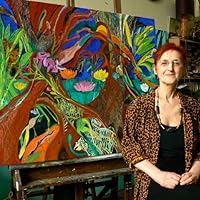
Kathleen Dowling Singh is a longtime dharma practitioner and a spiritual growth mentor. She is the author of The Grace in Dying: How We Are Transformed Spiritually As We Die and The Grace in Aging: Awaken As You Grow Older as well as numerous articles and anthology chapters. She speaks in broad language about spiritual transformation and meditative/contemplative practices, developing compassionate presence, and a variety of end-of-life issues. She is currently working on a new book, Pilgrimage: Your Life through the Lens of Awakening.
Singh's first book drew on her experience as a hospice worker. Here she describes the spiritual practices that prepare people for aging in general with a good deal about how being aware of one's mortality can awaken you. Her writing is informed by Buddhism principles, but she quotes wisdom literature from several traditions.
This book is meant to be read slowly. Readers would be wise to put it down frequently in order to meditate and to write journal entries. The point isn't to absorb information, the point is to transform the soul. Her work as a transpersonal therapist is evident as well.
I plan on rereading this book from time to time as I move from midlife to late life. It's very rich. Here are a few quotes to demonstrate its content and tone:
"How kind and wise it would be to live these last years in presence, authenticity and radically simple sanity" (p. 13).
"Contemplating death can lead to a humbling, grateful acceptance of our own moment-by-moment fragility." (p. 24).
"To become an elder, more than simply elderly, we need a daily practice based on careful and carefully understood instructions" (p. 39).
"Aging offers a thousand opportunities to crash into our own beliefs, a thousand opportunities to crash into the truth of loss and impermanence" (p. 54).
"We now, in these last chapters of our life, have the time and the humility and the life wisdom to appreciate the preciousness of this fleeting experience" (p. 91).
"A deep opening to our own mortality brings us to our knees and down to the nitty-gritty" (p. 95).
"In many ways, ego can be described as the sum total of all of the defenses we created as children to avoid feeling hurt or frightened or forgotten....It is to wisely and compassionately liberate the space of our elder years from the habit patterns of a child" (p. 111, 112).
"Awakening as we age is a process of letting go, of offering up our previously cherished stories and illusions" (p. 125).
A deep and detailed book on the practice of mindful attention and how it pertains so perfectly to a more graceful, present approach to the process of aging. Kathleen Dowling Singh is clear and precise in her understanding of mindfulness practice and beautifully applies it to the needs of those of us coming into the last days or decades of our lives. This a very powerful and meaningful book for anyone really, since all lives end eventually, and too since death is surrounded by so much fear and avoidance in most peoples' minds. For this reason, it might not interest everyone, but it certainly has gifts for anyone willing to give it a try.
Well worth reading at any age, but especially if you're older and closer to the end of your life. The author reminds us what is important as we age and reminds us of the inevitable. She leaves us with unavoidable truths and hard lessons...however ultimately with hope. I found this book not an easy read and although the issues discussed in the book are issues I've been mulling over in my own life, it was difficult to be clearly reminded of them. This book is in its second printing, so clearly it is well received. It is a great second book from Kathleen Dowling Singh, as was the first book, "The Grace in Dying".
Singh's writing is poetic and insightful. She captures death in a light that many of us miss and I think this book is good for people of all ages.
This is one of the few books I'd wish everyone would read, but that many wouldn't. But if you find yourself sick, aging or critical of the social norms regarding death, youth, vanity and materialism, this book can reassure you that life is much, much more than that.
My thanks to Kathleen Dowling Singh and Goodreads First Reads Giveaway for my copy of The Grace in Aging: Awaken as You Grow Older.
The Grace in Aging: Awaken as You Grow Older is an interesting read, especially for me as a 94 year-old woman. The author's insights gave me some things to think about and reflect upon. This is a book that will be personal for each reader.
Really exceptional. It all comes down to one thing: practice. Get back on the cushion while there's still time! Taking the lessons in this book to heart is my New Year's resolution for 2016.
As we age, the author suggests, we must be willing to accept the inevitability of death, and to find release from the stresses engendered by our own minds through spiritual transformation.. Tibetan Buddhism says Singh, suggests that we abandon with intention the 10 nonvirtuous actions: killing, stealing, sexual misconduct, lying, divisive speech, hurtful speech, idle chatter, covetousness, malice, and wrong view. (Difficult to imagine a world without these, amazing as it would be!) As we let go of our self-attachment…”forgiveness, the letting go of aversion, is the ultimate peacemaker.”
I took a long time to savor Kathleen Dowling Singh’s wisdom. I highlighted and made margin notes. I enjoyed the bits of poetry to introduce each chapter. The afterward and appendix are helpful. And there’s an index! This book won’t be shelved but will be kept nearby.
Lots of great nuggets on how to age with increasing awareness and grace, of seeing that next stage of life as an enlargement rather than a diminishing. More practical how-tos of what she means by “Silence,” lesser self-referencing, “the cushion,” would be helpful for readers who aren’t already familiar with meditation or centering prayer. Book would have gotten a higher rating from me if there had been some deep editing to make it shorter and more approachable, but nonetheless a worthwhile book.
"When we open ourselves to fragility of this body... we deepen our appreciation of each single wondrous moment of this life of ours. Deepening our appreciation we increase our presence and our ease." The structure (chapters) easily translates to a 10-12 week format for deepening inquiry and includes reflection questions for journaling (and art process work).
This book is meant to be read slowly. It is a book based on "presence", opening to ones essence in each moment. There is significant reference to Wisdom literature and Buddhist principles. I wanted to savor each section and plan to purchase this book for future reading again and again.
I would like to have given this 5 stars for many reasons, but I just couldn't because it's not a book that would work for everyone. Kathleen Dowling Singh is unabashedly a Buddhist (as am I) and writes in terms of Buddhist concepts. She is also an extremely strong advocate of daily meditation practice and pretty much says that you can't achieve awakening without it. While personally I don't disagree, I also know that the message has put people off. That's unfortunate, because she is an excellent writer and has a good facility for explaining Buddhist teachings, even to those who don't identify themselves as Buddhists. But her explanation of the "self," which is central to much of what she writes, doesn't do that good a job for those who are not accustomed to Buddhist teachings.
Overall, for me a great read, but not for everyone.
Kathleen Dowling Singh’s The Grace in Aging is a wakeup call for elders. It tells them how they could make the best of their lives through mindfulness and meditation. The author examines many aspects of aging, virtues, and the benefits to seniors with perseverance in accomplishing these spiritual goals. Singh looked at elders’ habits, problems of aging, dying, and death, while exploring the intricacies of what it means to be alive. At the conclusion of the book there’s a questionnaire that could be answered by readers to determine their views on the aging process. The author draws on Eastern and Western faith traditions in determining the phases of elderly living.
This is a jewel for not just the aged, but for any age. Singh lays forth a road map to a spiritual life that only grows richer as we age if we just take the time to Love. One. Another. And there is so much more. Singh interlaces her writing with quotations and poems that make a point. Aging, growing into the golden years and to that final destination, with grace and awakening can be transformative now; we don't have to wait. She weaves Buddhism, Christianity, and other wisdom traditions together resulting in a beautiful tapestry of being. I will re-read this book along with her other book, The Grace in Dying, as a reminder of how to live and how to die.
Another beautiful read about the mysteries of inner spiritual growth. I highly recommend it for anyone who is curious about what lies beyond the superficial world in which we THINK we live. Singh borrows poetry and insights from the world's wisdom traditions and tackles the tough questions as we begin to let go of our "self" and embrace another layer of being that exists while we're still here on earth (though many only realize it during the dying process). If you read this one first, you'll definitely want to follow up with The Grace in Dying next. It's even more beautiful.
It was a very challenging book that deserves to be digested slowly. I got it from the library, and may need to buy it to go back and underline. I do not have a mindfullness practice yet, just yoga. This is very persuasive of the benefits of meditation, although my understanding of the ground of being is limited to non-religious experiences. At times it seemed very repetitive and very abstract. The advice about adjusting your mindset and how to be a kinder human were well worth the read.
Buddhist teaching tools for coming to grips with our life as we're aging. Not a bad read but is probably more helpful for one with Buddhist beliefs.
Author was easy to read except for terms relating to Buddhist beliefs that I was not familiar with. Book made sense but I come from a Christian background so I was always trying to see how it would relate to that mindset.
Very timely and fruitful read for me. I found it among Cunningham's (Vesper Time) resources. It is a much deeper dive composed by a Buddhist master who seems very knowledgeable about all the major religious traditions. The book concentrates on the words meditation, practice, form and formlessness, and conceptual thinking. Well worth reading.
To contemplate, prepare, and grow in aging. This book gives one the chance to truly appreciate the grace in aging. It conveys teaching from many beliefs, mainly Buddhism but one can also simply apply these teaching to a better life. A chance to share life, growth, and wisdom that can come with aging.
I thought the book gave mostly a negative and depressing view on aging although I did like the chapter on solitude. They made the point that solitude is different than loneliness and that we have to practice solitude as in the end death is a solitary experience even if therexare other people by your side.
A deep and profound book. Layers and layers of meaning. Addresses the process of "letting go" as we age, with reference to the same processes that happen as we die. A book that needs to be read slowly, and savored, and reread.
Some good insights into aging, but I found the writing style difficult to read. Liked the questions at the end of the book. Not rating it because I skimmed the second half of the book after plodding through the first half and can't give a fair assessment since I didn't read it all.
Thoughtful book about issues we need to address as we age in order to grow spiritually. Singh's writing style was a little esoteric for me but it's still an excellent book. I especially found the chapters on forgiveness, humility and presence to be very helpful.
This has entered the list of my all-time favourite books. If you are getting older and want to face the realities of life, ageing, death, and making the most of the time left to you, this is the book to read.