Varakonsuli puhuttaa ihmisiä. Miehen kerrotaan ampuneen umpimähkään Lahoren virka-asuntonsa parvekkeelta puistoon, kerjäläisten joukkoon. Ikävien välikohtausten jälkeen mies on siirretty Kalkuttaan, jossa hänen ainut seuralaisensa on Eurooppalaisen Kerhon juoppo johtaja.
Samaan aikaan kambodžalainen kerjäläistyttö tekee julmaa vaellustaan Indokiinasta Gangesin alajuoksulle, nälästä hulluuteen. Jännitys syntyy näiden kahden toisiinsa nivoutuvista tarinoista, mutta myös rakkaudesta jota varakonsuli tuntee suurlähettilään vaimoa Anne-Marie Stretteriä kohtaan – naista jonka pidättyväinen naamio kätkee syyllisyyttä ja kuolemaa.
Nälkä, rakkaus, intohimo, kärsimys, hylkääminen… Myyttisessä kaupungissa tasapainottelevat kiihkeä elämän- ja kuolemanvoima. Kipeä tietoisuus Kalkutan yhteisestä kärsimyksestä yhdistää Mme Stretterin ja varakonsulin; heidän kohtalonsa on sinetöity.
Merkillisellä, kiehtovalla tavallaan Duras kutsuu lukijan ratkaisemaan varakonsulin arvoitusta.
Marguerite Germaine Marie Donnadieu, (4 April 1914 -3 March 1996) known as Marguerite Duras, was a French novelist, playwright, screenwriter, essayist, and experimental filmmaker.
Her script for the film Hiroshima mon amour (1959) earned her a nomination for Best Original Screenplay at the Academy Awards.
Li «O Vice-Cônsul» e posteriormente «India Song», uma adaptação em diálogos, que explica e completa este. Resultou!
Ler Duras é apreciar a beleza da escrita e sentir os ambientes; a sua produção literária tem recortes autobiográficos repensados e recriados. Uma necessidade de perpetuar a sua vida, e, nós, seus leitores, circulamos de livro em livro procurando as mesmas personagens na esperança — tantas vezes vã — de compreendê-las. A obra da Duras vive da sua própria intertextualidade — implícita ou explícita — daí talvez a originalidade da sua voz.
«Encostada às redes que cercam os campos de ténis desertos está uma bicicleta de mulher que pertence a Anne-Marie Stretter»
Sei que tenho um reencontro marcado com esta Anne-Marie Stretter; com o vice-cônsul, que a amou, talvez não.
The vice-consul begins with a teenager's wanderings, repudiated by her family for having become pregnant. And who will undertake a ten-year journey from her native Thailand to a lake's edge, for the shade of the trees where sleep the lepers, under the French ambassador's windows in Calcutta. Tormented by hunger and a nasty foot wound, she will abandon her child and leave her reason and hair by the wayside. Further on, we discover the figure of a vice-consul whose disturbing behavior during the exercise of his functions in Lahore made it impossible to maintain his post. He waits for the representative of the French authorities in Calcutta to decide his fate. At the same time, he is the object of the curiosity of the expatriate community in the capital of West Bengal, which keeps him at a distance. His only confidant is the director of the European Circle. An evening at the embassy to which he will be strangely invited will illustrate the ostracism of which the enigmatic vice-consul is the object and the theatre of his behavior. The Vice-Consul, tending to render the aimless ramblings of a soul in pain, becomes relatively more attractive. The people around him draw up a singular portrait of the character. Especially during the evening, when indiscreet comments circulate about him while he remains in the background, gazing with fascination at the ambassador's wife. It is, to date, the least painful of my readings of Marguerite Duras that I still do not understand. His texts are not particularly complicated, but his universe remains elliptical and allusive. Her success and the artistic aura she is surrounded by remain a mystery to me.
Two stories briefly touch each other in the end. They couldn't be more different. Or more alike. A young pregnant girl chased from her village by her own mother, wanders along the river in search of food, shelter and something to hold on to. At the same time, a young French vice-consul in Lahore is struggling to make sense of his position in life and erupts in sudden violence, followed by rejection in his diplomatic socialite community.
Both are outlaws, castaways in a society that plays by rules they could not follow.
Both are lost. But does it matter? Society goes on...
As with some of Marguerite Duras' other novels her sentences in The Vice-Consul are very short and some of the conversations between characters can feel distant. Also the narrative at times felt like a stripped-back film script, something that was familiar ground for Duras. There's no doubt the novel has a bleakness to it, but it is written in a romantic style. There is very little in the way of plot, and it takes time to try and grasp the characters and what's really going on, but all the time there is a heavy atmosphere and a slow burning mystery to the whole thing, even though in the end there is no mystery. The opening of the novel hits powerfully, as a young pregnant girl in India is rejected by her family and sent off in the wild, sleeping rough and living off anything she can. She would eventually go on give up her baby. Then the story cuts to the Vice-Consul, and his relation with the French ambassador's wife in Calcutta, and I was left wondering just how does this tie in with the opening. The thing with Duras is that here she has less concern for the readers understanding, as it's told from a beguiling and haunting perspective from her understanding. We are looking through her eyes at things not our own. While not everything is revealed nor explained, what Duras did have me doing was reading slow, pausing, and letting certain passages of writing wash over me. I can understand that some readers will be turned off by her writing style, but I have always found Duras a writer that I completely connect with, but I don't truly know why. Like in life, not everything can be summed up with simple answers. And that exists in books too, for the better as far as I'm concerned.
I feel like I was dancing around really getting into Duras' novels until the sudden sequence this year of The Ravishing of Lol Stein and now this one, which are both perfect (and not so incidentally interlinked), and with India Song (book or film) as well, which forms a more cryptic reduction/echo of this. As with the best Duras, this is driven by a submerged intensity and desperation right to the edge of madness and apocalypse. A kind of madness and apocalypse has actually occurred off the pages, to be circled and reinterpreted endlessly via second-hand account. Which is how everything hear is told: at an interpretive remove that suggests the incomprehensibility of experience and the utterly unbridgeable gulf between any two people. When two here seem to understand eachother, if only for a moment that can have no sequel, it's the white-hot pivot point of the universe. Brilliant.
“Ella, la mujer de Calcuta, intriga. Nadie sabe muy bien en qué ocupa, su tiempo, casi siempre recibe aquí, poco en su casa, en su residencia que es de la época de las Factorías, en la orilla del Ganges. Ella, sin embargo, está ocupada en alguna cosa. ¿Eliminara otras posibles ocupaciones para leer? Sí. Desde la hora del tenis y la del paseo, ¿qué otra cosa podría hacer, encerrada en su casa? Los paquetes de libros llegan de Francia a su nombre. ¿A quién, si no?”
Ella, la mujer de Calcuta, es Anne-Marie Stretter, la esposa del embajador de Francia en Calcuta y se puede decir que esta novela podría ser la segunda parte tras El arrebato de Lol V. Stein, en la que Anne Marie Stretter hacía ya una primera incursión, una única entrada en la novela, una escena esencial en la que aparece en un baile y hace trizas la vida de Lol V. Stein, abandonando el prometido a Lol y fugándose con Anne Marie a Calcuta. El vicecónsul se publicará un año despues, y ya aquí Anne Marie Stretter es la protagonista indiscutible de una novela atmosférica en la que apenas hay acción, ideas que revolotean, historias que se van imaginando, memoria de una vida antes de Calcuta. La vida en Calcuta para estos personajes es casi una vida fantasmal en la que el tiempo pasa durmiendo en las horas densas del calor, en fiestas durante la noche, en paseos a la orilla del Ganges, en una especie de bucle en el que todos parecen beber los vientos por Anne Marie, una mujer que aunque brilla con luz propia, lleva a cuestas una especie de vacío existencial, ese anhelo o tristeza insatisfecha que resuena a saudade y que aquí Marguerite Duras, lo expresa solo a través de atmósfera, en conversaciones fragmentadas, en ideas a medio decir…
“-Dicen que ella está a veces muy triste, director, ¿es cierto eso? -Sí. -¿Lo dicen sus amantes? -Sí. -Yo la tomaría por la tristeza, dice el vicecónsul, si me fuera permitido hacerlo.”
Marguerite Duras, siempre obsesionada por el tema del amor y de la memoria, aquí lo que mejor consigue transmitir son los últimos coletazos de ese colonianismo infame y condescendiente a la vez en la que los invasores viven en ghettos inmaculados sin realmente tocar la tierra en la que viven. A pesar de que Anne Marie Stretter intenta suavizar el dolor y el hambre que la rodea a través de esa agua fresca que deja para los leprosos o el reparto de alimentos, no se puede decir que esta conciencia culpable que ella carga a cuestas, se vea muy aliviada, todo lo contrario. Y no solo es Anne Marie la que quiere salvar esta distancia entre ambos mundos sino otro personaje más, Peter Morgan, que en su ingenuidad piensa que puede comprender este otro mundo escribiendo sobre él, tarea completamente inútil. Morgan, al escuchar el canto de una mendiga todas las mañanas y oyendo una historia que Anne Marie le cuenta sobre una niña embarazada que tardó diez años en llegar desde Camboya hasta Calcuta, y a la que acoge finalmente en su casa, inventa una historia, la escribe, el canto de la mendiga y la historia de Anne Marie se han convertido en esa otra historia paralela que navega a la par de la de estos diletantes coloniales.
“Él, de pronto, la ve ahora diferente, como atrapada y luego clavada con un alfiler, mientras baila: a veces, cuando sus hijas están en el estudio, por la tarde, sí, en el vacío de la siesta, la ve en un rincón oculto de su residencia acurrucada sobre sí misma en una postura extraña. Esas lecturas, esas noches pasadas en la villa del delta, la línea recta se rompe, desaparece en la sombra donde se disipa. ¿Qué oculta esa sombra que acompaña a la luz en la que siempre aparece Anne Marie Stretter?”
Este falso equilibrio que mantienen estos personajes se ve interrumpido con la aparición de otro hombre, el vicecónsul de Lahore, Jean Marc de H. El vicecónsul se ha vuelto loco y ha sido destituido, una locura que se puede comparar a ese arrebato que sufrió Lol V. Stein en la novela anterior. El arrebato de Jean Marc le ha convertido en una especie de figura exiliada de la que todos hablan pero con la que nadie quiere tener nada que ver: “Ya ve usted lo difícil que es… ¿Con qué palabras decir lo que ese hombre hacía en Lahore, si él ignoraba lo que hacía en Lahore?” Tal como dice uno de los personajes de este círculo cerrado sobre el vicecónsul “El personaje solo nos interesa cuando está ausente”, y es totalmente cierto: cuando no está todos hablan de él, de su arrebato misterioso y casi suicida, sin embargo, cuando hace acto de presencia, todos le rehuyen. Solo Anne-Marie parece reconocer en él a un igual y desde el primer momento es consciente de que ambos son idénticos en la desesperación y tristeza que llevan a cuestas, quizás por ello y aunque Jean Marc, el vicecónsul, la recoonoce como una igual también “En Calcuta, esta mañana, en la luz crespuscular, Anne-Marie Stretter atraviesa este parque que rodea la embajada y él la ve”, ella le rehuye, son demasiado iguales. El vicecónsul permanece siempre en una especie de tierra de nadie mientras espera a que el embajador le encuentre otro destino, y realmente y aunque no lo parezca, Anne-Marie permanece también anclada en un limbo, los demás la ven, consiguen tocarla, bailar con ella, y sin embargo, Anne Marie es como una muerta en vida.
“-Ya sabe usted, todo el mundo tiene unos comienzos difíciles en Calcuta. Yo me hundí en una profunda tristeza y después, poco a poco, día tras día, acabé acostumbrándome. Hasta cuando creemos que no es posible, nos acostumbramos.”
"El vicecónsul" es una novela enigmática, mucho más de lo que lo es El arrebato de Lol V. Stein. La falta de acción y el estilo atmosférico, la convierten en una novela entre fantasmal y sonámbula. La impresión que tengo de Marguerite Duras es que escribía a golpe de dolor, todavía echando mano de unos recuerdos que la dejaron marcada; su narrativa está llena de grietas que el lector debe ir rellenando como puede, e igual en una siguiente lectura, se podrían completar muchas partes de este puzzle fragmentado. El relato paralelo, o metarrelato, el de la mendiga en la que la mendiga inicia un viaje de no retorno, hasta llegar a Calcuta diez años después, se podría considerar ese intento de la Duras por buscar ese punto de equilibrio entre ambos mundos, ese anclaje a un lugar físico, a una tierra, queda aquí difuminado y Anne Marie Stretter lo tiene claro cuando continuamente la quieren encajar en ese lugar donde nació, Venecia: “Bueno, me parece que es un poco simple creer que solamente se viene de Venecia. Se puede venir de otros lugares que se han cruzado durante el camino.” Y es cuando la mendiga llega al río Ganges, en Calcuta, cuando se detiene en su recorrido…
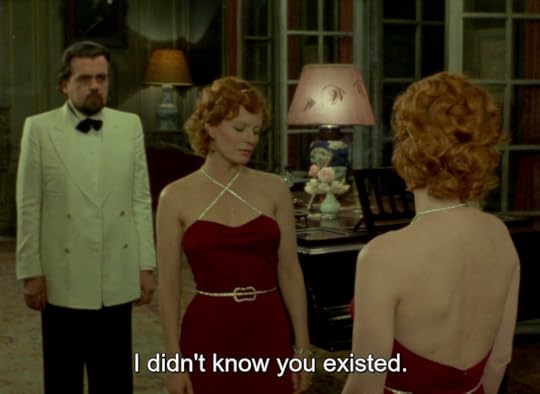
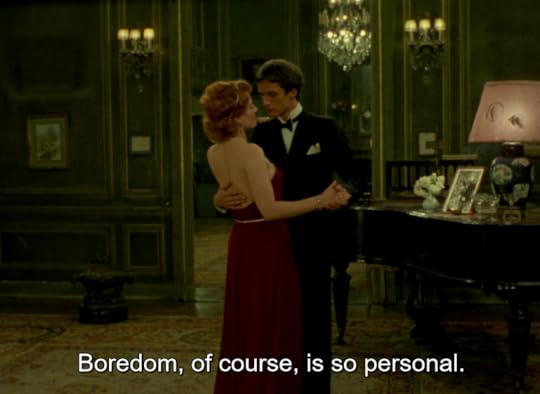
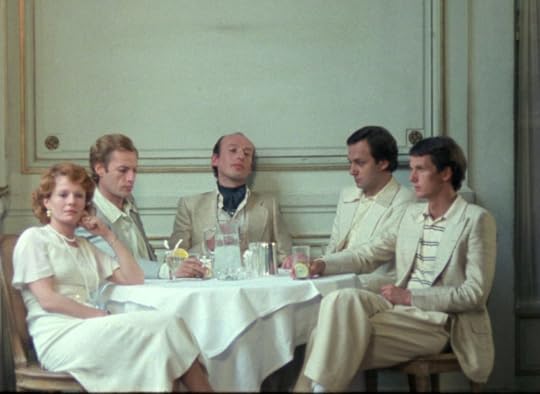
Diez años después de la publicación de la novela, Marguerite Duras, la adaptó al cine. Los personajes no hablan, la voz en off es la narrativa de la novela en la que dos personajes se cuentan la historia de Anne Marie Stretter mientras los personajes se desplazan por la pantalla como fantasmas...
"Ella camina, escribe Peter Morgan. ¿Qué hay que hacer para no regresar? Hay que perderse. No sé hacerlo. Aprenderás. Quisiera alguna indicación para perderme. Hay que abandonar toda reserva mental, estar dispuesto a no saber nada de lo que antes se sabía, dirigir los pasos hacia el punto más hostil del horizonte, una especie de vasta extensión de ciénagas cruzadas en todos los sentidos por mil taludes, no se sabe por qué."
Less ambiguous (though not by much) than her mega hit "The Lover", "The Vice-Consul" evokes more sympathy. It reminded me in its plot of Europeans-in-another-place of Hemingway's "The Sun Also Rises"; its emblematic drifter woman motif resembles one of Coetzee's creations. But I cannot deny that the continuous and rapid jumps into the future, as well as the intermingling of present-tense and past-tense are a huge distraction, and, dare I say, highly unromantic. Not that there's anything wrong with that.
The Vice Consul of France in Lahore is an otherworldly creature of the most rueful pathetique. Guess in France this POV, of mad women & men in Calcutta, is indispensable. Even in modern terms, it is so.
Things such as desolation, freedom, and poverty are not contemplated for the sake of peace of mind of the rich. Its all happening, Elsewhere. That's where the sadness of it all kicks in.
Abandoned 2/3 in. I really disliked the writing here, especially the beginning chapters which used the annoyingly post-modern staccato, pared down prose. You know. To gain impact. Hard. The remaining chapters I read were a swirling dance of non-understanding. Both me and the characters themselves. Enigmatic, yes. Interesting or enjoyable, sadly not. The jolts in tense were the only real interest here, but they were overused, I thought. As for the 'people were saying' inserts, well, I cringed everytime. Shame, a real shame.
"Slight Weekend" (favorite misheard 90s song lyrics) Review-in-Arrears:
Duras is as good, if not better, than anyone that ever did the damn thing. This thing, while outside of my short and long-term recall capacity for specifics, is part of a larger thing Duras did do at the time. I forget the swoop of all the titles but they are due a re-do. By me, yes, and quite possibly....by...(come on, say it).
Cuando empecé a leerla me sorprendió lo clara que era esta novela en comparación con Moderato Cantabile, otra obra de Duras, que por momentos es difícil de seguir porque los diálogos imitan perfectamente la espontaneidad caótica e inconexa del habla oral. Estaba equivocado, en El vicecónsul hace lo mismo pero se va cargando de más diálogos. Entre ese y otros trucos, el texto se vuelve progresivamente más críptico. Todo contribuye a crear incertidumbre y una atmósfera febril y enloquecedora que no te deja soltar el libro: los saltos temporales repentinos, el juego diegético en el que parte de la historia que se lee resulta ser una invención de uno de los personajes, el hecho de que los personajes casi no establecen introspectivamente sus propios sentimientos o razones sino que los desciframos a través de la mirada distorsionada de los demás, el juego de verdades y falsedades a través de habladurías y recuerdos poco fiables. Cuando creés entender cuáles fueron los hechos de la narración o cuál es el foco del libro, vuelven a eludirte.
Un par de cosas que captaron mi atención: -Recuerdo haber leído en una entrevista a Duras cómo en sus novelas generalmente las mujeres tomaban un papel activo y los hombres uno pasivo. Se cumple acá también. -Algunas imprecisiones geográficas. Calcuta no era la capital de India ni está tan cerca de Nepal como para que se vean las montañas. El Hotel Prince of Wales no está en una isla del delta sino en Sri Lanka. No siento que esto desmerezca el texto. -SPOILERS. ¿Cuál es la relación entre Anne-Marie Stretter y la vagabunda? Ella cree que es la misma a la que vio vender a su bebé en una aldea de Laos diecisiete años atrás, y que la ha seguido desde entonces. ¿Por qué la sigue? ¿Acaso se lo vendió a ella o a su familia? Pero no tiene sentido, sus hijas son blancas. En cualquier caso ser testigo de eso parece haberla marcado profundamente. ¿A eso se debe lo que el vicecónsul cree ver en ella (una bondad sin discriminación, un amor que recibe a todos los que viven en el dolor)? ¿Qué tanto de real hay en esa percepción? ¿Por qué llora espontáneamente Anne-Marie? ¿Por qué los amantes (excepto el nuevo, Charles Rossett) no quieren que hable de eso? Y ¿qué tanto hay de cierto en la narración de Peter Morgan? Imagino que es totalmente apócrifa, pero por un momento mientras leía estuve convencido de que Anne-Marie era la niña blanca que convence a la madre de adoptar a la bebé de la vagabunda. Que por cierto, dentro de la historia de Morgan, esa bebé murió, ¿verdad? La señora lloraba, por lo que no era una vacuna lo administrado... creo. -SPOILERS. El vicecónsul parece ser un adulto virgen que no ha experimentado el sentimiento de amar a alguien y que se va desesperando progresivamente a causa de eso (quizás por eso dispara a los leprosos en Lahore, y desea contraer lepra, o sea, morir). Cuando encuentra a Anne-Marie, con sus numerosos amantes, cree hallar a alguien "accesible" con la que podría quizás experimentar ese amor. Por eso trata de tener algo con ella. Pero tuve la sensación de que no se enamora profundamente de ella, como algunos personajes creen, sino que se engaña a sí mismo porque tiene la esperanza de amarla (pero no puede). No entendí del todo la conversación que tienen durante el baile. ¿Ella le sigue el juego porque realmente hubo algún tipo de conexión íntima entre ellos? ¿O simplemente le miente para sacárselo de encima? ¿Pero entonces por qué luego miente a sus íntimos sobre el diálogo y "cubre" al vicecónsul? ¿O realmente no lo hace y yo me comí alguna sutileza del diálogo? Otra cosa, a la mujer rosa de mejillas rosas que leía Proust y estaba embarazada del vicecónsul, en un principio se la trata como recuerdo, pero es solo una fantasía, ¿verdad?
Intertextualidad
Menciones directas: * Mención a los autores: -Marcel Proust (Francia, s. XIX-XX)
خواندن دوراس شبیه خوابگردی است و در مواجه با آنچه میگذرد باید آنچنان دقیق باشی که از خلال تصاویر و حسهای گذرنده چیزی ورای اداراکات غریزی بیرون بکشی. اعتراف میکنم "نایب کنسول" برای من نامفهومتر و گیجکنندهتر از "عاشق" و "شیدایی لل و اشتاین" بود. هنوز ذهنم خبط و ربط آدمها و مکانهای این داستان را پیدا نکرده، فقط در پایان کتاب یک جور حس سرگشتگی و غربت دارم، مشابه حس آن ماری اشترتر: «اشک میریزم، بیآن که بتوانم علتش را برایتان بگویم، مثل دردی که وجودم را درنوردد، اشک باید بریزد کسی. منم که انگار باید بگریم.»
not my favourite of duras’ i must admit !! intriguing stuff at play as always but as a standalone novel i felt a bit indifferent and unsatisfied by the end 🤧 sorry MD
I liked this a little more than The Lover which is the only other Duras book I've read, but I didn't like it enough to rate it a full 3 stars in its own right. It's still a 2 1/2, rounded up to 3 stars because Goodreads STILL doesn't seem to be capable of working out how to get the half stars things going.
There are a few distinct stories here, probably the most interesting is that of the mad Cambodian beggar woman who is being written about by one of the Embassy men in Calcutta (white of course). He doesn't know a thing about her and doesn't bother trying to learn he just invents this whole story and that 'fake' story is cut into the 'real' story lines of the other characters. But those story lines are also possibly not strictly 'real'. After all, no one really wants to talk about anything directly so perhaps the ideas of all of these 'stories' is some super clever commentary on how, in the end, we are all living inside a story of our own creation. Or something like that.
The eponymous former Vice-Consul of Lahore seems to be a seriously messed up individual whatever story you hear about him. He also seems to have some sort of unhealthy obsession with the French Ambassadors wife. I couldn't quite work out if there was anything going on between them. It's possible as it seems that she had 'something going on' with a whole lot of attractive young men with what seemed to be the full knowledge and consent of her husband. The French eh?
And what was the exact point of this story? Beats me. If you read it yourself and think you know then please let me in on it :-)
Fattade den inte riktigt?? Vilket jag, å andra sidan, förstår är en del av grejjen. Duras skriver dramatiskt. Utöver den första delen där läsaren får följa en tiggerska som går från omänskliga förhållanden till att helt tappa förståndet är den andra halvan mest dialog under ett och samma dygn. Vicekonsuln har gjort något grymt och omänskligt i Lahore vilket gjort att hans tjänst förpassats till Calcutta. I den ostindiska hettan kärar han ned sig för första gången i sitt liv, i ambassasörens blonda fru. Något om tomma tennisbanor, något om att han är oskuld, om rädslan för de leprasjuka och de som lever i diket. Ambassadörsfolkets fascination för tiggerskan står i skarp kontrast till den första delen av historien som i sin tur diktats upp av en brittisk författare som tycks bära på samma fascination.
En invecklad lök med många lager, som nog tåls att läsas om. Mellan raderna finns mer, frågan återstår om jag orkar…
رواية غريبة مبعثرة، لها أصوات عديدة، هناك الفتاة التي تهجرها عائلتها بسبب حملها وتضطر للهروب إلى إحدى المناطق الهندية النائية، ولدينا زوجة السفير في الهندي الشائع عنها علاقاتها المتعددة وعشاقها الكثر، ونائب القنصل الغامض الذي تحيط به سيرة ليست بالجيدة ولغز لا أحد يدري ماهيته
I wasn’t very taken with this novel, even though the author has many fans and this is on Boxall’s List. The beginning is quite promising, with its sad account of a pregnant woman driven from her home and ending up on the streets of Calcutta as a beggar. But it doesn’t connect with what comes next – at least not very coherently – and the story of the Vice Consul is very confusing. He is under a cloud, but the reason why is completely obscure for the first one hundred pages. There are all kinds of obscurities here. Take the curious Mme Stretter: she plays the piano, mooches, dances, weeps. There is heat, storm, wind, smells. Everyone seems to be in love with Mme Stretter, although it is hard to understand why. There is a certain atmospheric power to the writing, but overall I found the novel boring and incoherent. I won’t give up on the author just yet, however.
Edward Said wrote "Orientalism", in which he criticized the West and Western scholars, novelists, and artists for creating images and discourses about the "East" (in his case mostly the Middle East) which then allowed the West to feel that they knew the peoples and cultures of much of the world, and further, that this supposedly-accurate knowledge allowed them to control that part of the world. The lethargic, inchoate, unknowable East had to be ruled by people with get-up-and-go, who else but Westerners ? The West explained the "others" to themselves and came to dominate even Eastern thought about the East itself. The history of the post-colonial era has been one of gradual "de-orientalizing". As an anthropologist who has worked in India and lived in many Asian countries, I found Duras' novel extremely offensive, though I admit her style of writing is intriguing. She "controls" the East, shaping it---as if that were her right---in the way she wants, to produce a certain effect. She plays with geography, she plays with politics and history, paying no attention to any aspect of reality. She presumes to be able to enter into the thoughts of a poor Cambodian girl kicked out of her village home for being unmarried and pregnant. While novels dealing with Westerners in other locales are often very interesting, it is generally a poor gambit for Westerners to try to view the world through the eyes of non-Westerners. I strongly feel that Duras' attempt here borders on the insulting. As for the other characters, their emotions, words, and actions are extremely vague, nothing much happens, the reader penetrates very little into minds or motives. Atmosphere is everything. Unless you are a lover of such atmosphere unconnected to any real sort of place, you are going to find this book either tedious or annoying. I found it to be both. Calcutta is a teeming city of political and intellectual ferment, full of poverty and great wealth side by side, literature, and constant lively discussion, but you get absolutely zero sense of that here. Duras' characters move in an unreal world in a fog of "artsiness". French literature has a well-deserved, grand reputation, but I would say that THE VICE-CONSUL occupies a position far to the rear in the serried ranks of great French novels.
The French Vice-Consul, Jean-Marc de H., is a tortured man. Having exhibited erratic and criminal behavior at his last post in Lahore, he is currently inhabiting a liminal state in Calcutta, waiting for the French Ambassador to determine his fate. The novel centers on a circle of ex-pats surrounding the Ambassador and his wife Anne-Marie Stretter, an enigmatic woman who draws men to her like iron filings to a magnet, while operating in a personal realm quite separate from that of her husband's. Woven in are sections of a novel being penned by the journalist Peter Morgan, a member of the ex-pat circle. The fictional text follows the fate of a young Cambodian woman whom Morgan has based on a beggar-woman frequenting the Embassy grounds in the company of a group of lepers.
Duras's prose here is cinematic, almost as if she is writing a script. This is not surprising, given her adjacent screenwriting career, but it is particularly noticeable in this novel. There is very little plot in the main text (not a criticism). It is primarily concerned with the Vice-Consul and his alienation from his peers. Duras cultivates a coldness and distance among the characters that, while a frequent hallmark of her work in which she excels, here instead left me feeling disinterested. It was in part the falsity and catty, insular nature of the diplomatic community that repelled me, leaving me with little to anchor my reading.
(As the second book in Duras’s India cycle, this novel shares characters with The Ravishing of Lol Stein, which I enjoyed much more than this one.)
مارگریت دوراس جایی گفته بود «دوراسی وجود ندارد، دوراس همین نوشته است، همین کلام مکتوب.» چیزی که میخواهد بگوید این است که بررسی سرگذشتش در بررسی کتابهایش تاثیری نداشته باشد و تنها به خود متنهایش مراجعه کرد نه به مولف آن؛ اما جدا کردن دوراس از متنِ نوشتهها و داستانهایش کاری است بس دشوار. آیا بستر وقایع رمان نایب کنسول پژواکی از دوران کودکی و نوجوانی او را در بر ندارد؟ داستان در لاهور، کلکته و رود گنگ میگذرد، مکانهایی که دوراس به خوبی با آنها آشنا بود؛ زیرا که در شهر سایگون ویتنام متولد شده بود و به علت مرگ پدر و تنگ دستی مادر، رنج و سرسختی مردمان آن روزگار را با تمام وجود درک بود و همین تجربۀ رنج و عذاب انسانی دستمایۀ بسیاری از آثارش شد. دوراس در نایب کنسول از نگاه یک زن و زندگی درونی یک نایب کنسول به بحران های اجتماعی در کشور هند و زندگی مردم نزدیک میشود. نوشتار دوراس در نایب کنسول یعنی پذیرش خطر در هر لحظه. بنابراین عجیب نیست که رمان این گونه آغاز میشود: «پیتر مورگان مینویسد که دختر راه می رود/ چگونه می شود برنگشت؟ باید خود را گم و گور کرد. بلد نیستم. یاد میگیری.» خواننده از همین جا دیگر میداند که با یک رمان معمولی روبرو نیست؛ بلکه با متنی شاعرانه و با تخیلی نیرومند روبروست که او را با جملات کوتاه و بریده بریدهاش در لایههایی عمیق از احساسات انسانی غرق می کند.
*** بخشی از مرور کتاب «نایب کنسول» که در وبسایت آوانگارد به قلم «میثم غضنفری» منتشر شده است. برای خواندن کامل مطلب به لینک زیر مراجعه فرمایید: https://avangard.ir/article/313
Bleak novel about expatriates in Colonial Calcutta: the former Vice-Consul of Lahore in disgrace, the Ambassador's wife, others. This story is blended in with the story of an insane beggar kicked out of her home as a pregnant 14 year-old in Cambodia. The parts about the beggar were very well-written and touching (and bleak). I actually preferred her long introduction to the story of the jaded expatriates.
There is a lot unspoken in this novel, which is a little annoying, but it doesn't wear out its welcome and ends at about 170 pages.
This is remarkable storytelling. Reminiscent of Graham Greene's urgency and William Faulkner's southern mystique. Or perhaps Greene's foreign mystique and Faulkner's urgency. It's not a Southern Gothic novel, of course, but it's one of imperial knowledge and living. Very intriguing. These types of novels that take place in colonized areas always lend themselves to characters deplete of moral blessings, but full of rare complexities. This novel is no exception. The book within the book is enticing though slow. And the Vice-Consul of Lahore is tragic. I really liked this book, but only recommend it to more patient readers familiar with this type of setting and storytelling. A book I judged by its cover, I'm glad I picked it up. Toni Morrison recommends reading it slowly and carefully once, then reading it again. I might go on and read some other things first, but I'm certainly with all intentions of reading this again some day for clearer understanding. I might go ahead and recommend this to anyone in a depressive mode of being. You'll see yourself in the story. You'll relate. The next time I read it it will probably be when I am depressed.
Margareth Duras is a long poem, in different books with different verses. با نام دوراس "سوزان سونتاگ"، و با نام سونتاگ، "مارگریت دوراس" تداعی می شود. تصور می کنم دوراس را هر زنی باید بخواند، و البته هر مردی هم. دوراس "سیمون دو بوار"ی دیگر است، با همان بی پروایی، جسارت و صلابت، اما زنانه و ظریف. برای خواندن و فهمیدن دوراس، باید حوصله و دقت داشت، همان اندازه که برای خواندن ویرجینیا وولف. بسیاری از آثار مارگریت دوراس به همت قاسم رویین به فارسی برگردانده شده. "تابستان 80"، "بحر مکتوب"، "درد"، "نایب کنسول"، "نوشتن"، "همین و تمام"، "باغ گذر"، "باران تابستان"، "عاشق" و البته یکی از شاهکارهایش "مدراتو کانتابیله" توسط رضا سیدحسینی ترجمه شده و "می گوید؛ ویران کن" را خانم فریده زندیه به فارسی برگردانده است. تا آنجا که یادم هست، "هیروشیما، عشق من" نیز سال ها پیش و احتمالن توسط "هوشنگ طاهری" به فارسی ترجمه شده. کتابی که دیگر هیچ خطی از آن به یادم نمانده با این نام، صحنه های فیلم "آلن رنه" با بازی "امانوئل ورا" در خاطرم زنده می شود، فیلمی که در 1959 بر مبنای این رمان کوتاه دوراس، ساخته شده است.
El año pasado leí en la playa “El amante” de Duras y “Pura pasión” de Ernaux, las dos sobre el deseo femenino. Este año, “El vicecónsul” podría hacer pareja con “El acontecimiento”.
Marguerite escribe sobre la apropiación de las historias, la ruptura de la memoria ante acontecimientos psicológicos, la desnaturalización del ser humano, la autoexpectativa vital… La forma de escribir de Marguerite me desencanta, me engancha: “lacera la memoria con el acto solitario, oscuro, abominable”.
En una pugna por el qué ocurrirá y cuál fue la causa, Calcuta se desvanece, sin cumplir la promesa inexistente de lo que pudiera haber sido, lo que soñamos (las mujeres): “es un abismo de indiferencia en el que todo queda ahogado”. “En el exilio de la mirada […], en una pena infinita, unidad por unidad, la ciudad se despierta” y no pasa nada.
از مارگریت دوراس کتاب عاشق و مرض مرگ رو خوندم که جفتشون فوق العاده هستن.. نائب کنسول رو زیاد درک نکردم اما خیلی حسش کردم! نمی تونم درست توضیح بدم فقط میتونم بگم شخصیت پردازی این کتاب بس که قوی بود درحالیکه درکی از نوع نگاه و نحوه زندگی "دختر" مورد نظر پیتر مورگان نداشتم اما کاملا باهاش همذات پنداری کردم! نمی تونم بفهمم که دوراس چطور میتونه این حجم عظیم درک و شناخت و احساس رو در سطر سطر نوشته هاش جا بده!