

What do you think?

The Glass Menagerie
No play in the modern theatre has so captured the imagination and heart of the American public as Tennessee Williams's The Glass Menagerie.
Menagerie was Williams's first popular success and launched the brilliant, if somewhat controversial, career of our pre-eminent lyric playwright. Since its premiere in Chicago in 1944, with the legendary Laurette Taylor in the role of Amanda, the play has been the bravura piece for great actresses from Jessica Tandy to Joanne Woodward, and is studied and performed in classrooms and theatres around the world. The Glass Menagerie (in the reading text the author preferred) is now available only in its New Directions Paperbook edition. A new introduction by prominent Williams scholar Robert Bray, editor of The Tennessee Williams Annual Review, reappraises the play more than half a century after it won the New York Drama Critics Circle Award: "More than fifty years after telling his story of a family whose lives form a triangle of quiet desperation, Williams's mellifluous voice still resonates deeply and universally." This edition of The Glass Menagerie also includes Williams's essay on the impact of sudden fame on a struggling writer, "The Catastrophe of Success," as well as a short section of Williams's own "Production Notes." The cover features the classic line drawing by Alvin Lustig, originally done for the 1949 New Directions edition.132 pages, Kindle Edition
First published January 1, 1945
About the author
Tennessee Williams
786 books3,897 followersThomas Lanier Williams III, better known by the nickname Tennessee Williams, was a major American playwright of the twentieth century who received many of the top theatrical awards for his work. He moved to New Orleans in 1939 and changed his name to "Tennessee," the state of his father's birth.
Raised in St. Louis, Missouri, after years of obscurity, at age 33 he became famous with the success of The Glass Menagerie (1944) in New York City. This play closely reflected his own unhappy family background. It was the first of a string of successes, including A Streetcar Named Desire (1947), Cat on a Hot Tin Roof (1955), Sweet Bird of Youth (1959), and The Night of the Iguana (1961). With his later work, he attempted a new style that did not appeal to audiences. His drama A Streetcar Named Desire is often numbered on short lists of the finest American plays of the 20th century, alongside Eugene O'Neill's Long Day's Journey into Night and Arthur Miller's Death of a Salesman.
Much of Williams' most acclaimed work has been adapted for the cinema. He also wrote short stories, poetry, essays and a volume of memoirs. In 1979, four years before his death, Williams was inducted into the American Theater Hall of Fame.
From Wikipedia
Raised in St. Louis, Missouri, after years of obscurity, at age 33 he became famous with the success of The Glass Menagerie (1944) in New York City. This play closely reflected his own unhappy family background. It was the first of a string of successes, including A Streetcar Named Desire (1947), Cat on a Hot Tin Roof (1955), Sweet Bird of Youth (1959), and The Night of the Iguana (1961). With his later work, he attempted a new style that did not appeal to audiences. His drama A Streetcar Named Desire is often numbered on short lists of the finest American plays of the 20th century, alongside Eugene O'Neill's Long Day's Journey into Night and Arthur Miller's Death of a Salesman.
Much of Williams' most acclaimed work has been adapted for the cinema. He also wrote short stories, poetry, essays and a volume of memoirs. In 1979, four years before his death, Williams was inducted into the American Theater Hall of Fame.
From Wikipedia
Ratings & Reviews
Friends & Following
Create a free account to discover what your friends think of this book!
Community Reviews
Displaying 1 - 30 of 4,715 reviews

February 24, 2019
Oh Laura. Poor damaged Laura. If there has ever been a more sensitive and poignant portrayal of mental illness than Laura Wingfield in The Glass Menagerie, I have yet to come across it. Laura breaks my heart. It is impossible not to love her and want to shelter her from the world.
She is a unicorn among horses. A blue rose among the weeds. A shattered rainbow.
Twice in the text Williams refers to her “fragile, unearthly prettiness” (51, 67).
The stage light that shines upon her has “a peculiar pristine clarity such as light used in early religious portraits of female saints or madonnas” (xxi-xxii).
Laura was not made for this world.
When her mother takes her to the Young People’s League at church, she speaks to no one and no one speaks to her. When her mother enrolls her in business college, she becomes so nervous that she throws up on the floor. When the gentleman caller visits, she nearly faints from fright.
Amanda worries that Laura “just drifts along doing nothing” (34).
Tom observes that “she’s terribly shy and lives in a world of her own” (47-48).
And they are right. Laura lives in a world of Victrola music and glass animals. She seems to have no awareness of the peril of her situation. It has been six years since high school.
When Jim asks her what she has been doing since then, she tells him that her glass collection takes up a lot of time. When her mother finds out she hasn’t been going to business college, she explains that she has been walking in the park and visiting the penguins in the zoo.
Laura is based on Williams’ sister Rose. The Glass Menagerie is a memory play, and as Tom says in the opening monologue, “I give you truth in the pleasant disguise of illusion” (4)
Poor Rose was subjected to a prefrontal lobotomy as a so-called treatment for her schizophrenia. Williams never forgot her. He visited her in the institution and provided for her care for the rest of her life.
Our society no longer commits this barbaric violence against the mentally ill, but mental illness is still misunderstood and the mentally ill are still stigmatized.
When Amanda becomes exasperated, she says to Laura: “I’m sick, too—of your nonsense! Why can’t you and your brother be normal people? Fantastic whims and behavior (57)!
Amanda loves her daughter, but she doesn’t understand her. Tom has a better understanding of his sister because he is not quite “normal” either. He can function in the outside world, but his dreams of adventure, his literary aspirations, his poetic soul, set him apart from the other men at the warehouse.
If not for his acquaintance with Jim from high school, he would still be an outsider there, someone viewed with “suspicious hostility” (50). Instead, thanks to Jim’s good-natured friendliness, he is accepted as one accepts “an oddly fashioned dog” (51). An improvement—but only barely.
Unlike his sister, however, Tom is well enough to escape. And he does. He escapes from the coffin, but not without removing a nail.
Does he feel like Malvolio the Magician? Does Williams? Tom is not malevolent. He is just trapped. And for the sake of his own mental health, he must escape.
Mental illness takes its toll on the family too.
In the end, what will become of poor Laura? Abandoned by her father. Abandoned by her gentleman caller. And now abandoned by her brother.
Her little world is as fragile as her glass menagerie. One act of clumsiness ~ a swing of a coat, a misstep in a dance, an impulsive kiss ~ is enough to shatter it to bits.
What will become of her in a world that was not made for people like her? Tom may not know. But Williams does. The world is not kind to people like her. And in its clumsiness, it destroys them.
Blue roses are beautiful, but they are not of this world.
She is a unicorn among horses. A blue rose among the weeds. A shattered rainbow.
Twice in the text Williams refers to her “fragile, unearthly prettiness” (51, 67).
The stage light that shines upon her has “a peculiar pristine clarity such as light used in early religious portraits of female saints or madonnas” (xxi-xxii).
Laura was not made for this world.
When her mother takes her to the Young People’s League at church, she speaks to no one and no one speaks to her. When her mother enrolls her in business college, she becomes so nervous that she throws up on the floor. When the gentleman caller visits, she nearly faints from fright.
Amanda worries that Laura “just drifts along doing nothing” (34).
Tom observes that “she’s terribly shy and lives in a world of her own” (47-48).
And they are right. Laura lives in a world of Victrola music and glass animals. She seems to have no awareness of the peril of her situation. It has been six years since high school.
When Jim asks her what she has been doing since then, she tells him that her glass collection takes up a lot of time. When her mother finds out she hasn’t been going to business college, she explains that she has been walking in the park and visiting the penguins in the zoo.
Laura is based on Williams’ sister Rose. The Glass Menagerie is a memory play, and as Tom says in the opening monologue, “I give you truth in the pleasant disguise of illusion” (4)
Poor Rose was subjected to a prefrontal lobotomy as a so-called treatment for her schizophrenia. Williams never forgot her. He visited her in the institution and provided for her care for the rest of her life.
Our society no longer commits this barbaric violence against the mentally ill, but mental illness is still misunderstood and the mentally ill are still stigmatized.
When Amanda becomes exasperated, she says to Laura: “I’m sick, too—of your nonsense! Why can’t you and your brother be normal people? Fantastic whims and behavior (57)!
Amanda loves her daughter, but she doesn’t understand her. Tom has a better understanding of his sister because he is not quite “normal” either. He can function in the outside world, but his dreams of adventure, his literary aspirations, his poetic soul, set him apart from the other men at the warehouse.
If not for his acquaintance with Jim from high school, he would still be an outsider there, someone viewed with “suspicious hostility” (50). Instead, thanks to Jim’s good-natured friendliness, he is accepted as one accepts “an oddly fashioned dog” (51). An improvement—but only barely.
Unlike his sister, however, Tom is well enough to escape. And he does. He escapes from the coffin, but not without removing a nail.
Does he feel like Malvolio the Magician? Does Williams? Tom is not malevolent. He is just trapped. And for the sake of his own mental health, he must escape.
Mental illness takes its toll on the family too.
In the end, what will become of poor Laura? Abandoned by her father. Abandoned by her gentleman caller. And now abandoned by her brother.
Her little world is as fragile as her glass menagerie. One act of clumsiness ~ a swing of a coat, a misstep in a dance, an impulsive kiss ~ is enough to shatter it to bits.
What will become of her in a world that was not made for people like her? Tom may not know. But Williams does. The world is not kind to people like her. And in its clumsiness, it destroys them.
Blue roses are beautiful, but they are not of this world.

November 15, 2016
Over the course of the last month I have read the classic plays of Tennessee Williams. Williams' first successful play, The Glass Menagerie initially opened in Chicago in the spring of 1944 and then moved to New York three months later. What he dubs a memory play, The Glass Menagerie focuses on a family much like Williams' own family, and hones in on the human emotions that allow a family to function. Containing seven scenes all in one location and four characters, The Glass Menagerie is powerful piece that is still widely read and studied today.
It is St Louis in between the two world wars. Amanda Wingfield has been unable to cope with her husband's disappearance of the last sixteen years and has raised her two grown children Tom and Laura essentially on her own. The husband's portrait graces the mantel and despite his abandoning of the family he is held in high regard. All three Wingfields come with baggage stemming from the father's flight, and an outsider would view the family as dysfunctional. Williams presents the family in this light, even noting in the introduction that Laura resembles his sister Rose and Tom could possibly be himself. I believe this is what made the play as effective as it was because Williams wrote what he knew and was able to create deep characters.
Amanda in her own way attempts to do what she thinks is best for Tom and Laura, but as they are now grown, she has little authority over them. Tom from a young age took over the role of man of the house and turns over all of his earnings to Amanda. Meanwhile, Amanda desired for Laura to learn to be a typist and for Tom to go into business, but neither lasted long at night school. She thinks highly of both of them while glossing over their faults, leading Tom to want to follow in his father's footsteps while Laura lives in her own world of glass figurines.
Because this play takes place in one location and does not contain much action, it was easy to be read and create images of the characters in my mind. I enjoyed the imagery of Amanda as a middle aged southern woman who was once a belle as well as Tom who desired to see the world. Williams talks of the world at large by mentioning the Century of Progress in Chicago as well as the Guernica in Spain. A great world is taking place outside of the apartment and Tom wants to be a part of it in spite of his mother's intentions. Had the play contained more characters, interactions, and locations, it would not have lended itself to be read rather than viewed. It is in this regard that Williams timeless works remain accessible.
I have enjoyed my close study of Tennessee Williams plays. I visited with the Kowalskis of New Orleans, the Moffits of Memphis, and now the Wingfields of St Louis. I have found it refreshing to read plays because one gets to know characters in a manner much more intimately than over the course of a long book full of action. Williams' plays run the gamut of human emotions and often contain both exhilaration and despondency from the same characters in the same play. Reading these short yet powerful plays, it is easy to root personae on as their emotions run the entire spectrum. After reading these three plays in close proximity of each other, I see how Williams' characters have remained timeless even fifty years later. I encourage others to pick a playwright and read many of their works to see how emotions and themes repeat themselves across time and place. For this memory play, I rate The Glass Menagerie 4.5 bright stars.
It is St Louis in between the two world wars. Amanda Wingfield has been unable to cope with her husband's disappearance of the last sixteen years and has raised her two grown children Tom and Laura essentially on her own. The husband's portrait graces the mantel and despite his abandoning of the family he is held in high regard. All three Wingfields come with baggage stemming from the father's flight, and an outsider would view the family as dysfunctional. Williams presents the family in this light, even noting in the introduction that Laura resembles his sister Rose and Tom could possibly be himself. I believe this is what made the play as effective as it was because Williams wrote what he knew and was able to create deep characters.
Amanda in her own way attempts to do what she thinks is best for Tom and Laura, but as they are now grown, she has little authority over them. Tom from a young age took over the role of man of the house and turns over all of his earnings to Amanda. Meanwhile, Amanda desired for Laura to learn to be a typist and for Tom to go into business, but neither lasted long at night school. She thinks highly of both of them while glossing over their faults, leading Tom to want to follow in his father's footsteps while Laura lives in her own world of glass figurines.
Because this play takes place in one location and does not contain much action, it was easy to be read and create images of the characters in my mind. I enjoyed the imagery of Amanda as a middle aged southern woman who was once a belle as well as Tom who desired to see the world. Williams talks of the world at large by mentioning the Century of Progress in Chicago as well as the Guernica in Spain. A great world is taking place outside of the apartment and Tom wants to be a part of it in spite of his mother's intentions. Had the play contained more characters, interactions, and locations, it would not have lended itself to be read rather than viewed. It is in this regard that Williams timeless works remain accessible.
I have enjoyed my close study of Tennessee Williams plays. I visited with the Kowalskis of New Orleans, the Moffits of Memphis, and now the Wingfields of St Louis. I have found it refreshing to read plays because one gets to know characters in a manner much more intimately than over the course of a long book full of action. Williams' plays run the gamut of human emotions and often contain both exhilaration and despondency from the same characters in the same play. Reading these short yet powerful plays, it is easy to root personae on as their emotions run the entire spectrum. After reading these three plays in close proximity of each other, I see how Williams' characters have remained timeless even fifty years later. I encourage others to pick a playwright and read many of their works to see how emotions and themes repeat themselves across time and place. For this memory play, I rate The Glass Menagerie 4.5 bright stars.

February 9, 2022
Many of us know the story set in a dingy tenement: a mother and her adult son and daughter. If the phrase ‘lives of quiet desperation' has any meaning, it’s here in this stage play.

The fragility of daughter Laura is symbolized by the tiny glass animals she collects and her life of dusting them and playing old records. She’s so unable to handle stress that she vomits during exams and has to withdraw from secretarial school.
Son Tom is a frustrated writer and poet who hates his job in a shoe warehouse. He dreams of escape and adventure as a sailor in the merchant marine.
The mother, a stereotypical Southern belle, talks constantly of her “gentlemen callers” in her youth. Now she is fixated on the need for her daughter to have some callers. Even one caller.
The absent father is symbolized by a living room portrait – he simply took off.
The stage is set for a young man, an acquaintance of Tom’s in the factory. A possible 'caller'? He's coming to dinner with disaster to follow.
In reading the introduction, I was struck by the autobiographical nature of the story, starting with the author’s name, which was Tom, before he adopted Tennessee. He was born in Mississippi to a ‘very Southern’ mother and later lived in St. Louis and New Orleans. He had a mentally challenged sister who had a lobotomy the year before this play was first performed. The author regretted all his life that he did not prevent this operation on his sister.

This play was the first big success by Tennessee Williams (1911-1983) who went on to become one of only a handful of well-known American playwrights. He also wrote Streetcar Named Desire, Cat on a Hot Tin Roof and Night of the Iguana, with most made into movies.
Top photo from the play from cloudfront.net
The author from newstatesman.com
[Edited 11/14/23]
The fragility of daughter Laura is symbolized by the tiny glass animals she collects and her life of dusting them and playing old records. She’s so unable to handle stress that she vomits during exams and has to withdraw from secretarial school.
Son Tom is a frustrated writer and poet who hates his job in a shoe warehouse. He dreams of escape and adventure as a sailor in the merchant marine.
The mother, a stereotypical Southern belle, talks constantly of her “gentlemen callers” in her youth. Now she is fixated on the need for her daughter to have some callers. Even one caller.
The absent father is symbolized by a living room portrait – he simply took off.
The stage is set for a young man, an acquaintance of Tom’s in the factory. A possible 'caller'? He's coming to dinner with disaster to follow.
In reading the introduction, I was struck by the autobiographical nature of the story, starting with the author’s name, which was Tom, before he adopted Tennessee. He was born in Mississippi to a ‘very Southern’ mother and later lived in St. Louis and New Orleans. He had a mentally challenged sister who had a lobotomy the year before this play was first performed. The author regretted all his life that he did not prevent this operation on his sister.
This play was the first big success by Tennessee Williams (1911-1983) who went on to become one of only a handful of well-known American playwrights. He also wrote Streetcar Named Desire, Cat on a Hot Tin Roof and Night of the Iguana, with most made into movies.
Top photo from the play from cloudfront.net
The author from newstatesman.com
[Edited 11/14/23]

May 14, 2019
Decía Virginie Despentes en su impresionante Vernon Subutex que “Somos inquilinos de las situaciones, nunca propietarios”, y todos sabemos lo difícil que puede ser hacer frente a las condiciones que se nos impone en el contrato de alquiler. Este es el caso de los personajes de El zoo de cristal, personas que se sobreponen a la poca fortuna que les ha reservado el destino haciendo lo que pueden. El drama es que lo que pueden queda lejos de ser suficiente o incluso aceptable por ellos mismos.
Amanda hace muchos años que ya no es la popular princesita sureña rodeada de apuestos pretendientes que fue o que cree haber sido. Ahora vive una existencia vulgar en su vulgar piso, abandonada por su marido y volcada en sus dos hijos, Laura y Tom, que, pese a sus continuas manipulaciones, no pueden recompensar a su madre por tantas ilusiones rotas.
Laura, simplemente, es incapaz de vivir. La cojera que sufre desde niña ha sido un factor determinante en su alejamiento del mundo al que ha sustituido por la colección de pequeñas figuritas de cristal que cuida obsesivamente y que son símbolo de su fragilidad. En una conmovedora escena que comparte con un posible pretendiente que su hermano ha llevado a casa instigado por su madre y por sus ganas de buscar una salida a su propia situación, Williams nos hace trágicamente conscientes de lo distinta que podría haber sido su vida en otras circunstancias.
Tom, el hijo mayor de Amanda, es el narrador, el que vuelve a ese sitio y a ese momento de su vida en el que se decidió su destino, en el que se entabló la lucha interna entre ir tras sus sueños o quedarse y hacer frente a sus responsabilidades.
Amanda hace muchos años que ya no es la popular princesita sureña rodeada de apuestos pretendientes que fue o que cree haber sido. Ahora vive una existencia vulgar en su vulgar piso, abandonada por su marido y volcada en sus dos hijos, Laura y Tom, que, pese a sus continuas manipulaciones, no pueden recompensar a su madre por tantas ilusiones rotas.
Laura, simplemente, es incapaz de vivir. La cojera que sufre desde niña ha sido un factor determinante en su alejamiento del mundo al que ha sustituido por la colección de pequeñas figuritas de cristal que cuida obsesivamente y que son símbolo de su fragilidad. En una conmovedora escena que comparte con un posible pretendiente que su hermano ha llevado a casa instigado por su madre y por sus ganas de buscar una salida a su propia situación, Williams nos hace trágicamente conscientes de lo distinta que podría haber sido su vida en otras circunstancias.
Tom, el hijo mayor de Amanda, es el narrador, el que vuelve a ese sitio y a ese momento de su vida en el que se decidió su destino, en el que se entabló la lucha interna entre ir tras sus sueños o quedarse y hacer frente a sus responsabilidades.
“¿Quién demonios es capaz de salir de un ataúd sin quitar un solo clavo?”Uno de esos dilemas vitales en los que, a poca conciencia que se tenga, siempre se pierde, da igual el camino que finalmente se elija, uno se siente abocado a no ser. Mala suerte, amigo.
“Eres el único joven de los que conozco que ignora que el futuro se convierte en el presente, el presente en el pasado y el pasado es un remordimiento eterno si uno no hace planes con antelación.”Aunque el teatro es escrito con el fin de ser representado, cuando nos encontramos con obras como esta uno no puede sino rendirse a su fuerza, a tal demostración de talento, y sentir como su mente se convierte en ese escenario por el que, sin mucha dificultad, Tennesse Williams extenderá ante nosotros un trocito de la vida de unas personas que se debaten entre lo que desean y lo que el destino les permite alcanzar.

April 20, 2014
*Reread for class 2017
Still a great play. I originally read this 5 or 6 years ago for my high school English class and it is so interesting now getting a new perspective in a university class.
Still a great play. I originally read this 5 or 6 years ago for my high school English class and it is so interesting now getting a new perspective in a university class.

May 9, 2011
The Glass Menagerie is a great domestic tragedy with three very distinctive characters--the strong, proud Amanda, the weak and innocent Laura, and the realistic dreamer, Tom. One finds in this play an elegiac portrait of misery, rather than a scalding enactment of taboo. There is no one tragic event here, but a general condition of pathos. Instead of a classic conflict, The Glass Managerie depicts a lack of cooperation. We find in the Wingfield home no crime, but a chronic, aching social and economic woe.
This archetypal modern family, the single-parent, broken home, implodes under its own grief and slow-moving, yet inexorable catastrophe. The reader/audience has an impending sense that the situation can never improve nor the relationships grow. There is no break in the clouds, no sun on the horizon. These characters are locked into their fates. There will be no happy peripatea, or reversal of fortune, and any anagnoris, or tragic recognition, of the permanent nature of these characters' circumstances, must inevitably lead not to hope and acceptance, but abandonment and dissolution.
If tragedy always documents a change, the only changes that can occur in "The Glass Menagerie" are hard-wired and inevitable: the escape of the son (imitating the absent father), the insitutionalization of the mentally ill sister, and the death of the aging and increasingly delusional mother. This pervading and gnawing sense of the Wingfields' doom counters Mother Amanda's brave and delusional hopes and optimism. Perhaps this collision of Amanda's futile optimism and displaced gentility with the family's sordid present constitutes the primary conflict in the play.
I always admired "The Glass Menagerie" because it reinvented the tragic form for the modern condition and sensibility. This is the no-fault tragedy for a random, no-fault universe. There is no nemesis here and no unadulterated protagonist, unless Amanda, the matriarch, qualifies as one. Amanda is the one character who, like her or not, propels the family forward toward its reckoning. When she schemes to snare a beau for her disabled daughter, Amanda can seem desperate and disingenous to the point of being annoying. But as she makes her unsolicited telephone solicitations, using her southern belle gift for conversation, one aches for her and recognizes how courageous and determined she truly is.
The final, though tacit, message of the memory play is that Amanda's brand of optimism comes at a significant cost. Living in one's dreams can be dangerous. Like all perishable things, optimism can rot. Hope degrades to delusion and bitterness. Denial of reality ultimately is a death factor like denial of air.
"The Glass Menagerie" reads very well. It also can play well. I have seen it with different actors, including Jessica Lange, who seemed a bit too young and sexual to play Amanda. It is a difficult play to stage, demanding great concentration and energy. Ultimately it demands from actors and director a fidelity to the spirit of the play: it cannot withstand gimmickry. In fact, a beautiful set and great production values defeat this play.
This archetypal modern family, the single-parent, broken home, implodes under its own grief and slow-moving, yet inexorable catastrophe. The reader/audience has an impending sense that the situation can never improve nor the relationships grow. There is no break in the clouds, no sun on the horizon. These characters are locked into their fates. There will be no happy peripatea, or reversal of fortune, and any anagnoris, or tragic recognition, of the permanent nature of these characters' circumstances, must inevitably lead not to hope and acceptance, but abandonment and dissolution.
If tragedy always documents a change, the only changes that can occur in "The Glass Menagerie" are hard-wired and inevitable: the escape of the son (imitating the absent father), the insitutionalization of the mentally ill sister, and the death of the aging and increasingly delusional mother. This pervading and gnawing sense of the Wingfields' doom counters Mother Amanda's brave and delusional hopes and optimism. Perhaps this collision of Amanda's futile optimism and displaced gentility with the family's sordid present constitutes the primary conflict in the play.
I always admired "The Glass Menagerie" because it reinvented the tragic form for the modern condition and sensibility. This is the no-fault tragedy for a random, no-fault universe. There is no nemesis here and no unadulterated protagonist, unless Amanda, the matriarch, qualifies as one. Amanda is the one character who, like her or not, propels the family forward toward its reckoning. When she schemes to snare a beau for her disabled daughter, Amanda can seem desperate and disingenous to the point of being annoying. But as she makes her unsolicited telephone solicitations, using her southern belle gift for conversation, one aches for her and recognizes how courageous and determined she truly is.
The final, though tacit, message of the memory play is that Amanda's brand of optimism comes at a significant cost. Living in one's dreams can be dangerous. Like all perishable things, optimism can rot. Hope degrades to delusion and bitterness. Denial of reality ultimately is a death factor like denial of air.
"The Glass Menagerie" reads very well. It also can play well. I have seen it with different actors, including Jessica Lange, who seemed a bit too young and sexual to play Amanda. It is a difficult play to stage, demanding great concentration and energy. Ultimately it demands from actors and director a fidelity to the spirit of the play: it cannot withstand gimmickry. In fact, a beautiful set and great production values defeat this play.

November 19, 2017
Perhaps this talks to me more about my life than other Williams masterpieces do. I don't know, but reading through the whole "gentleman caller" preparations made my very soul shiver. The author has split his personality, and you have Amanda, Laura, Tom and Jim somehow unifying to reflect themselves both the unit and the broken pieces, the ashes of glass that are the reader --at least in my case.
A thing of beauty in Williams' hands will always bleed straight from the heart. His symbols, states of mind, moods, the delicate tragedy which he makes out of the world's cruelest instances, even the failure that lies behind a successful tale of survival connotations, all hit too close to home. I don't think Williams is for everyone, and yet, apart from The Glass Menagerie's most singular traits of storytelling, here is an artist altogether aware of his tools to the point of elaborating a rather brilliant self-commentary on the way fiction works --including how it can turn to be a revenge of sorts against suffering.
I absolutely love, adore, the climaxing scene where Laura's dream suddenly begins to be fulfilled only to end up crashing in a nightmare of depressive realisation. Miraculous just about describes the God-given insight that allowed Williams to get to know the precise events and feelings and reactions, and consequences, which drove my life to deadly stillness before a heavenly awakening that prevented me from falling into everlasting oblivion. Amanda is the promising past --not unlike Blanche would soon be--, and Tom is the delusive present; however, Laura rests on that sofa or sits on this floor, holding her pet glass unicorn, in a place out of any chronological consideration --a real-life reject left behind in her own niche to shine, a prematurely withered moth, because the light was out.
A thing of beauty in Williams' hands will always bleed straight from the heart. His symbols, states of mind, moods, the delicate tragedy which he makes out of the world's cruelest instances, even the failure that lies behind a successful tale of survival connotations, all hit too close to home. I don't think Williams is for everyone, and yet, apart from The Glass Menagerie's most singular traits of storytelling, here is an artist altogether aware of his tools to the point of elaborating a rather brilliant self-commentary on the way fiction works --including how it can turn to be a revenge of sorts against suffering.
I absolutely love, adore, the climaxing scene where Laura's dream suddenly begins to be fulfilled only to end up crashing in a nightmare of depressive realisation. Miraculous just about describes the God-given insight that allowed Williams to get to know the precise events and feelings and reactions, and consequences, which drove my life to deadly stillness before a heavenly awakening that prevented me from falling into everlasting oblivion. Amanda is the promising past --not unlike Blanche would soon be--, and Tom is the delusive present; however, Laura rests on that sofa or sits on this floor, holding her pet glass unicorn, in a place out of any chronological consideration --a real-life reject left behind in her own niche to shine, a prematurely withered moth, because the light was out.

September 18, 2021
عاشق زنبورها هستم اما من انسانم نه زنبور

روز به روز بیشتر داریم شبیه زنبورها میشیم...کار! کار! کار!...پشت سرهم...و آنقدر تکرار پشتِ تکرار که همه شبیه هم شدیم...از بچگی تو اون گوشهای بزرگت به اندازه کافی فرو کردهاند...اگه میخوای خوشبخت شی کار کن!!! مگو چیست کار!!! سعدیا خودت که ول میگشتی...وسط مجلس این نصیحتت چی بود!؟...حالا کار کن چپ و راست...شب و روز...آن هم برای قدرتمندانی که روز به روز بیشتر طبیعت و زمین را نابود میکنند...همه باهم یالا...تیشهها را بلند کنید...محکمتر...میخواهیم خوشبختتان کنیم...یالا با تمام توان...تندتر بزن...سکهها دارند برق میزنند...یالا در بطریها را باز کنید که مست شَن و فراموش کنند تیشه به ریشه خود میزنن!!! یالا تا عادت کنن به آلودگی و سرطان و ذات الریه...بعد همهشون رو بچپونید تو اون کندوها...ببخشید آپارتمانها...یالا حالا تا میتونید فیلم بسازید...اینا چیه ساختین؟ بندازینشون دور... فیلم هیجانی و اکشن فقط...این زنبورها...ببخشید این آدمها هیجان میخوان...بزن و بکش...بروسلی رو بیارین...مُرده!...آرنولد و شواتزنگر رو بیارین...زیادی پیر شده!...رامبو رو بیارین...استاتام رو بیارین...پول خرج کنین...اشکالی نداره...چن برابرشو باز از همون سکههایی که دادیم در میاریم!!!...فقط هندیها رو نیارین...اینا دیگه شورشو درآوردن...خود پیاز داغن...مردم زود میفهمنن کلکی تو کار ماس!!!...البته آبکی هم نیاز داریم...سریالهای ترکیه...آفرین...یه کم هم طعم تند مکزیکی داشته باشه عالی میشه!!!
زندگی همین شده...یه شلم شوربا در دست قدرتمندان...یا باید فرار کنیم یا تن بدیم به بردگیای که زندگی نامیدنش
هروقت دارم کفشامو پا میکنم، یه کم میلرزم و به این فکر میکنم که زندگی چقدر کوتاهه و من دارم توش چیکار میکنم! معنیش هرچی که باشه، میدونم کفش پوشیدن نیست. مگه اینکه بخوام به یه سفر طولانی برم!
روز به روز بیشتر داریم شبیه زنبورها میشیم...کار! کار! کار!...پشت سرهم...و آنقدر تکرار پشتِ تکرار که همه شبیه هم شدیم...از بچگی تو اون گوشهای بزرگت به اندازه کافی فرو کردهاند...اگه میخوای خوشبخت شی کار کن!!! مگو چیست کار!!! سعدیا خودت که ول میگشتی...وسط مجلس این نصیحتت چی بود!؟...حالا کار کن چپ و راست...شب و روز...آن هم برای قدرتمندانی که روز به روز بیشتر طبیعت و زمین را نابود میکنند...همه باهم یالا...تیشهها را بلند کنید...محکمتر...میخواهیم خوشبختتان کنیم...یالا با تمام توان...تندتر بزن...سکهها دارند برق میزنند...یالا در بطریها را باز کنید که مست شَن و فراموش کنند تیشه به ریشه خود میزنن!!! یالا تا عادت کنن به آلودگی و سرطان و ذات الریه...بعد همهشون رو بچپونید تو اون کندوها...ببخشید آپارتمانها...یالا حالا تا میتونید فیلم بسازید...اینا چیه ساختین؟ بندازینشون دور... فیلم هیجانی و اکشن فقط...این زنبورها...ببخشید این آدمها هیجان میخوان...بزن و بکش...بروسلی رو بیارین...مُرده!...آرنولد و شواتزنگر رو بیارین...زیادی پیر شده!...رامبو رو بیارین...استاتام رو بیارین...پول خرج کنین...اشکالی نداره...چن برابرشو باز از همون سکههایی که دادیم در میاریم!!!...فقط هندیها رو نیارین...اینا دیگه شورشو درآوردن...خود پیاز داغن...مردم زود میفهمنن کلکی تو کار ماس!!!...البته آبکی هم نیاز داریم...سریالهای ترکیه...آفرین...یه کم هم طعم تند مکزیکی داشته باشه عالی میشه!!!
زندگی همین شده...یه شلم شوربا در دست قدرتمندان...یا باید فرار کنیم یا تن بدیم به بردگیای که زندگی نامیدنش
هروقت دارم کفشامو پا میکنم، یه کم میلرزم و به این فکر میکنم که زندگی چقدر کوتاهه و من دارم توش چیکار میکنم! معنیش هرچی که باشه، میدونم کفش پوشیدن نیست. مگه اینکه بخوام به یه سفر طولانی برم!

March 30, 2023
هاهاها!
میدونین یاد چی افتادم؟ یاد وقتی که پسرا میخوان یه دخترو بپیچونن ولی بی احترامی ام نکرده باشن، میگن ببین فلانی! تو خیلی فوق العاده ایا ولی من لیاقتتو ندارم. :)))
...
از گروه همخوانی و میون چتهای غزاله و سعید تقلب کردم و اول فیلم اقتباسی "اینجا بدون من" رو دیدم و بعدم نمایشنامه رو خوندم.
خب! فکر میکنم فیلم تاثیر بیشتری روم گذاشت و بیشتر دوسش دارم.
میدونین یاد چی افتادم؟ یاد وقتی که پسرا میخوان یه دخترو بپیچونن ولی بی احترامی ام نکرده باشن، میگن ببین فلانی! تو خیلی فوق العاده ایا ولی من لیاقتتو ندارم. :)))
...
از گروه همخوانی و میون چتهای غزاله و سعید تقلب کردم و اول فیلم اقتباسی "اینجا بدون من" رو دیدم و بعدم نمایشنامه رو خوندم.
خب! فکر میکنم فیلم تاثیر بیشتری روم گذاشت و بیشتر دوسش دارم.

September 12, 2012
Updated review: I just listened to a 1997 audio production of this masterpiece produced by LA Theater Works, featuring an amazing, award-winning cast including Calista Flockhart as Laura, Julie Harris as Amanda, her mother, and Chicagoan John Goodman as the narrator. Wonderful performance. This time, given all the disabilities in my immediate family, seeing how precarious things are for Laura, with the effects of Pleurisy, her limp, her social anxiety and all that entails, it felt more personal as I worry for family members.
Original review: “Yes, I have tricks in my pocket, I have things up my sleeve. But I am the opposite of a stage magician. He gives you illusion that has the appearance of truth. I give you truth in the pleasant disguise of illusion”—Tom Winfield, The Glass Menagerie
The Glass Menagerie (1945) is the play that made its playwright Tennessee Williams famous, his first big hit in a career of wonderful accomplishments, probably one of his two or three best plays. I taught it a few times, saw it a few times, saw both film adaptations (and preferred the Paul Newman directed one with John Malkovich as Tom), and just while driving listened to one godawful audiotaped rendition of the play by a guy named Tom Kent. Mr. Kent is a northerner who attempts a screeching, Moms Mabley (yes, ALL the characters sound like Moms Mabley, and I know that 90% of you probably don’t know who that it is, sorry) travesty of an interpretation of the play complete with cringing mispronunciations throughout. I could have turned it off, but didn’t, because, well, you still have Williams’ words, his language, his heart.
“The scene is memory and is therefore nonrealistic. Memory takes a lot of poetic license. It omits some details; others are exaggerated, according to the emotional value of the articles it touches, for memory is seated predominantly in the heart” --Williams
Menagerie is what Williams calls a “memory” play that takes place “in the thirties, when the huge middle class of America was matriculating in a school for the blind. Their eyes had failed them, or they had failed their eyes, and so they were having their fingers pressed forcibly down on the fiery Braille alphabet of a dissolving economy” Tom). It is his most autobiographical play, creating characters much like his family: His father was, like Tom’s father, a telephone salesman who “fell in love with long distance” (i.e., he ditched the family); like Tom’s mother Williams’ mother was left to worry (pre-social network) just how the family might survive; Laura—"I'm just bewildered-- by life”--collects glass figurines—her glass “menagerie” and is, like Williams’ sister, a unicorn, an oddly special, fragile girl, physically disabled, mentally unstable, for whom Amanda wants a husband.
“When you look at a piece of delicately spun glass you think of two things: how beautiful it is and how easily it can be broken.”
Williams, who took on the name Tennessee, was born Thomas, and like Tom in the play, felt the burden of taking care of his family as he longed to see the world and write about it. Tom is the narrator of the play, moving in and out of scene, working in a warehouse, going to movies to escape, until he could enact his plan to—like his father—hit the road (or in Tom and Tennessee’s case, join the armed forces He is sick of living at home:
Tom: “I go to the movies because--I like adventure. Adventure is something I don’t have much of at work, so I go to the movies.”
Amanda on Tom: “You live in a dream, you manufacture illusions!”
The play involves a series of sad, desperate failures in Amanda’s attempt to secure a future for her daughter. She finds that Laura has not been going to typing classes they have paid dearly for her to take. Instead, she spends that time walking the street, daydreaming. The central event of the play is Tom’s agreeing to invite a “gentleman caller” for dinner to meet Laura. The Wingfield family is moored very much in the south of the past, like Blanche in Streetcar, facing a future Tom would seem to embody, the future of television, electronics, public speaking, financial success. Things look promising when Tom arrives, and he is nice to Laura, just bursting with American plucky idealism and correspondence school self-help:
“People are not so dreadful when you know them. That's what you have to remember! And everybody has problems, not just you, but practically everybody has got some problems. You think of yourself as having the only problems, as being the only one who is disappointed. But just look around you and you will see lots of people as disappointed as you are.”
“Why, you’re not crippled, you just have a little defect — hardly noticeable, even! When people have some slight disadvantage like that, they cultivate other things to make up for it — develop charm — and vivacity — and — charm!”
but you don’t have to work too hard to imagine how things work out.
As when we see Streetcar’s Blanche, in Menagerie we view a family in financial peril, with a woman particularly in peril because she is a woman. Fragile, close to shattering like glass, Laura cannot support herself and maybe never will be able to. Precarity is the name of the day, washed in lovely, melancholy colors bathed in wonderful poetic language. The play, because it features two teenagers, is read usually in high school, but it is lovely for anyone, really.
Original review: “Yes, I have tricks in my pocket, I have things up my sleeve. But I am the opposite of a stage magician. He gives you illusion that has the appearance of truth. I give you truth in the pleasant disguise of illusion”—Tom Winfield, The Glass Menagerie
The Glass Menagerie (1945) is the play that made its playwright Tennessee Williams famous, his first big hit in a career of wonderful accomplishments, probably one of his two or three best plays. I taught it a few times, saw it a few times, saw both film adaptations (and preferred the Paul Newman directed one with John Malkovich as Tom), and just while driving listened to one godawful audiotaped rendition of the play by a guy named Tom Kent. Mr. Kent is a northerner who attempts a screeching, Moms Mabley (yes, ALL the characters sound like Moms Mabley, and I know that 90% of you probably don’t know who that it is, sorry) travesty of an interpretation of the play complete with cringing mispronunciations throughout. I could have turned it off, but didn’t, because, well, you still have Williams’ words, his language, his heart.
“The scene is memory and is therefore nonrealistic. Memory takes a lot of poetic license. It omits some details; others are exaggerated, according to the emotional value of the articles it touches, for memory is seated predominantly in the heart” --Williams
Menagerie is what Williams calls a “memory” play that takes place “in the thirties, when the huge middle class of America was matriculating in a school for the blind. Their eyes had failed them, or they had failed their eyes, and so they were having their fingers pressed forcibly down on the fiery Braille alphabet of a dissolving economy” Tom). It is his most autobiographical play, creating characters much like his family: His father was, like Tom’s father, a telephone salesman who “fell in love with long distance” (i.e., he ditched the family); like Tom’s mother Williams’ mother was left to worry (pre-social network) just how the family might survive; Laura—"I'm just bewildered-- by life”--collects glass figurines—her glass “menagerie” and is, like Williams’ sister, a unicorn, an oddly special, fragile girl, physically disabled, mentally unstable, for whom Amanda wants a husband.
“When you look at a piece of delicately spun glass you think of two things: how beautiful it is and how easily it can be broken.”
Williams, who took on the name Tennessee, was born Thomas, and like Tom in the play, felt the burden of taking care of his family as he longed to see the world and write about it. Tom is the narrator of the play, moving in and out of scene, working in a warehouse, going to movies to escape, until he could enact his plan to—like his father—hit the road (or in Tom and Tennessee’s case, join the armed forces He is sick of living at home:
Tom: “I go to the movies because--I like adventure. Adventure is something I don’t have much of at work, so I go to the movies.”
Amanda on Tom: “You live in a dream, you manufacture illusions!”
The play involves a series of sad, desperate failures in Amanda’s attempt to secure a future for her daughter. She finds that Laura has not been going to typing classes they have paid dearly for her to take. Instead, she spends that time walking the street, daydreaming. The central event of the play is Tom’s agreeing to invite a “gentleman caller” for dinner to meet Laura. The Wingfield family is moored very much in the south of the past, like Blanche in Streetcar, facing a future Tom would seem to embody, the future of television, electronics, public speaking, financial success. Things look promising when Tom arrives, and he is nice to Laura, just bursting with American plucky idealism and correspondence school self-help:
“People are not so dreadful when you know them. That's what you have to remember! And everybody has problems, not just you, but practically everybody has got some problems. You think of yourself as having the only problems, as being the only one who is disappointed. But just look around you and you will see lots of people as disappointed as you are.”
“Why, you’re not crippled, you just have a little defect — hardly noticeable, even! When people have some slight disadvantage like that, they cultivate other things to make up for it — develop charm — and vivacity — and — charm!”
but you don’t have to work too hard to imagine how things work out.
As when we see Streetcar’s Blanche, in Menagerie we view a family in financial peril, with a woman particularly in peril because she is a woman. Fragile, close to shattering like glass, Laura cannot support herself and maybe never will be able to. Precarity is the name of the day, washed in lovely, melancholy colors bathed in wonderful poetic language. The play, because it features two teenagers, is read usually in high school, but it is lovely for anyone, really.

May 7, 2017
Book Review
4 of 5 stars to The Glass Menagerie, written in 1945 by Tennessee Williams. The play is told from the perspective of Tom, the son of Amanda and brother of Laura, three members of the Wingfield family living in Missouri in the 1930s. Amanda's husband, the and kids father, left years ago and has not been heard from. Both Laura and Tom are in their early twenties. Amanda wants to marry off her daughter, convincing Tom to bring home a friend from work to create a set-up. It fails, as he's already involved with another girl, and the story ends basically where it begins. It's a powerful tale about the relationships between parents and children and siblings. It's about women's rights and their place in a 1930s world. It's about fighting versus talking. It's about dating versus falling in love. It's about poverty and money. The story has a lot of mini-arcs, all about the different parts of their lives... who did what, where, when, how and why. It's a good read, especially as a play and has been produced in probably every high school across the country. What I liked about it was the harsh and raw reality of life for some people, especially young girls who needed to be married off... it's a "classic" and should be read by all... especially if you know a little bit about Tennessee Williams - and his own thoughts and actions in the world!
About Me
For those new to me or my reviews... here's the scoop: I read A LOT. I write A LOT. And now I blog A LOT. First the book review goes on Goodreads, and then I send it on over to my WordPress blog at https://thisismytruthnow.com, where you'll also find TV & Film reviews, the revealing and introspective 365 Daily Challenge and lots of blogging about places I've visited all over the world. And you can find all my social media profiles to get the details on the who/what/when/where and my pictures. Leave a comment and let me know what you think. Vote in the poll and ratings. Thanks for stopping by. Note: All written content is my original creation and copyrighted to me, but the graphics and images were linked from other sites and belong to them. Many thanks to their original creators.
[polldaddy poll=9729544]
4 of 5 stars to The Glass Menagerie, written in 1945 by Tennessee Williams. The play is told from the perspective of Tom, the son of Amanda and brother of Laura, three members of the Wingfield family living in Missouri in the 1930s. Amanda's husband, the and kids father, left years ago and has not been heard from. Both Laura and Tom are in their early twenties. Amanda wants to marry off her daughter, convincing Tom to bring home a friend from work to create a set-up. It fails, as he's already involved with another girl, and the story ends basically where it begins. It's a powerful tale about the relationships between parents and children and siblings. It's about women's rights and their place in a 1930s world. It's about fighting versus talking. It's about dating versus falling in love. It's about poverty and money. The story has a lot of mini-arcs, all about the different parts of their lives... who did what, where, when, how and why. It's a good read, especially as a play and has been produced in probably every high school across the country. What I liked about it was the harsh and raw reality of life for some people, especially young girls who needed to be married off... it's a "classic" and should be read by all... especially if you know a little bit about Tennessee Williams - and his own thoughts and actions in the world!
About Me
For those new to me or my reviews... here's the scoop: I read A LOT. I write A LOT. And now I blog A LOT. First the book review goes on Goodreads, and then I send it on over to my WordPress blog at https://thisismytruthnow.com, where you'll also find TV & Film reviews, the revealing and introspective 365 Daily Challenge and lots of blogging about places I've visited all over the world. And you can find all my social media profiles to get the details on the who/what/when/where and my pictures. Leave a comment and let me know what you think. Vote in the poll and ratings. Thanks for stopping by. Note: All written content is my original creation and copyrighted to me, but the graphics and images were linked from other sites and belong to them. Many thanks to their original creators.
[polldaddy poll=9729544]

June 14, 2012
كل مرة أقرأ فيها لتينسي ويليامز
أقول لما لم أختر مسرحية ليوجين أونيل
فيما عدا عربة اسمها الرغبة
لا أجد لتينيسي ما يشبع نهمي للمسرح
ولا أجد معه المتعة التي عادة ما أنشدها في قراءة المسرحية
لقد اخترت هذه لشهرتها
ولكنني مرة بعد مرة لا أفهم سبب شهرة تينيسي المدوية
تجربة أقل من العادية بمراحل
أقول لما لم أختر مسرحية ليوجين أونيل
فيما عدا عربة اسمها الرغبة
لا أجد لتينيسي ما يشبع نهمي للمسرح
ولا أجد معه المتعة التي عادة ما أنشدها في قراءة المسرحية
لقد اخترت هذه لشهرتها
ولكنني مرة بعد مرة لا أفهم سبب شهرة تينيسي المدوية
تجربة أقل من العادية بمراحل
August 30, 2024
قبلا چون فیلم اینجا بدون من رو دیدم که از روی این نمایشنامه ساخته شده ترغیب شدم نمایشنامه رو بخونم.
بااینکه نمایشنامه خیلی کوتاه بود ولی خیلی دوست داشتنی و آموزنده بود.
بااینکه نمایشنامه خیلی کوتاه بود ولی خیلی دوست داشتنی و آموزنده بود.

July 4, 2017
مادر گیر کرده در خیالات گذشت
لورا وا مانده در نقص جسمانی حال
و تام پسر در دام رویاپردازی آینده
و تنها جیم است که در حال زندگی می کند و برای آینده تصمیم میگیرد
شخصیت پردازی های نمایش به شدت قوی و واقعی هستند ؛ زمان نوشتن این نمایش (۱۹۴۴) برابر با سال پایانی جنگ جهانی دوم بود و سه شخصیت( مادر ، لورا و تام) دچار ناامیدی ای بودند که بطور کلی بر تمام جهان سایه انداخته بود و تا حدودی شخصیت جیم برای تلطیف آن لازم بود، البته کار کرد شخصیت جیم به این یک مورد منتهی نمیشود و علاوه برآن باعث روبرو شدن مادر با حقیقت شده و چون آب سردی بر پیکر مادر فرو ریخته می شود ؛ چشمان لورا را بر ضعف های روحیش باز میکند وباعث می شود که تام با گفتن نیتش به جیم احساس رهایی کند و از تصمیمش مطمئن شود
شاید بتوان گفت قهرمان نمایش جیم است نه خانواده وینگفیلد
لورا وا مانده در نقص جسمانی حال
و تام پسر در دام رویاپردازی آینده
و تنها جیم است که در حال زندگی می کند و برای آینده تصمیم میگیرد
شخصیت پردازی های نمایش به شدت قوی و واقعی هستند ؛ زمان نوشتن این نمایش (۱۹۴۴) برابر با سال پایانی جنگ جهانی دوم بود و سه شخصیت( مادر ، لورا و تام) دچار ناامیدی ای بودند که بطور کلی بر تمام جهان سایه انداخته بود و تا حدودی شخصیت جیم برای تلطیف آن لازم بود، البته کار کرد شخصیت جیم به این یک مورد منتهی نمیشود و علاوه برآن باعث روبرو شدن مادر با حقیقت شده و چون آب سردی بر پیکر مادر فرو ریخته می شود ؛ چشمان لورا را بر ضعف های روحیش باز میکند وباعث می شود که تام با گفتن نیتش به جیم احساس رهایی کند و از تصمیمش مطمئن شود
شاید بتوان گفت قهرمان نمایش جیم است نه خانواده وینگفیلد

September 27, 2016
I am completely blown away. The Glass Menagerie is a perfect mirror of the dysfunctional American family: An overbearing, yet well-intentioned mother abandoned by her lover; A son filled with Hollywood-style dreams of adventure but living a life of monotonous toil; A defective daughter who has little interest in anything, besides the glass animals she collects--week and frail as herself.
The way Tennessee Williams pits all of these characters against each other, and how all of their desires come together and blow up in flames is simply perfect. It starts slow, but for a play so short, it doesn't even matter. Once it gets going, holy cow.
The way Tennessee Williams pits all of these characters against each other, and how all of their desires come together and blow up in flames is simply perfect. It starts slow, but for a play so short, it doesn't even matter. Once it gets going, holy cow.
August 20, 2025
"تو گفتی باید بیدار شم میدونم ظاهراً این جوریه که من فقط خیال بافی میکنم و خواب میبینم اما توی باطنم از شدت بیداری دیوونه میشم.
من هروقت کفشامو پام میکنم فکر میکنم که زندگی چقدر کوتاهه و من چطوری دارم اونو بیخودی تلف میکنم اون وقت بدنم می لرزه. آدم اگه نخواد به به مسافرت طولانی بره دیگه کفش پوشیدن چه فایده ای داره؟"
من هروقت کفشامو پام میکنم فکر میکنم که زندگی چقدر کوتاهه و من چطوری دارم اونو بیخودی تلف میکنم اون وقت بدنم می لرزه. آدم اگه نخواد به به مسافرت طولانی بره دیگه کفش پوشیدن چه فایده ای داره؟"

July 2, 2017
جیم:
چی بود بهش خوردم؟
لورا:
میز بود.
جیم:
مثل اینکه چیزی از روش افتاد؟
لورا:
بله.
جیم:
خدا کنه اون اسب موچیک یه شاخ نباشه.
لورا:
چرا خودشه.
جیم:
ای داد شکست؟
لورا:
حالا مثل اسبای دیگهس، دیگه شاخ نداره.
جیم:
مگه شاخش...
لورا:
شکست، عیبی نداره، شاید این یه خوشبختی در حین بدبختیه.
میشه گفت کل نمایشنامهی باغ وحش شیشهای توی همین چندتا دیالوگ بیان میشه! نمایشنامهی خوبی بود.
چی بود بهش خوردم؟
لورا:
میز بود.
جیم:
مثل اینکه چیزی از روش افتاد؟
لورا:
بله.
جیم:
خدا کنه اون اسب موچیک یه شاخ نباشه.
لورا:
چرا خودشه.
جیم:
ای داد شکست؟
لورا:
حالا مثل اسبای دیگهس، دیگه شاخ نداره.
جیم:
مگه شاخش...
لورا:
شکست، عیبی نداره، شاید این یه خوشبختی در حین بدبختیه.
میشه گفت کل نمایشنامهی باغ وحش شیشهای توی همین چندتا دیالوگ بیان میشه! نمایشنامهی خوبی بود.

June 3, 2026
⋆。゚☁︎。⋆。 ゚☾ ゚。⋆ “𝐻𝑜𝓌 𝒷𝑒𝒶𝓊𝓉𝒾𝒻𝓊𝓁 𝒾𝓉 𝒾𝓈 𝒶𝓃𝒹 𝒽𝑜𝓌 𝑒𝒶𝓈𝒾𝓁𝓎 𝒾𝓉 𝒸𝒶𝓃 𝒷𝑒 𝒷𝓇𝑜𝓀𝑒𝓃.”ִֶָ. ..𓂃 ࣪ ִֶָ🪽་༘࿐
⋆˚࿔♫⋆˚࿔📀♡⋆.˚ 𝓷𝓸𝔀 𝓹𝓵𝓪𝔂𝓲𝓷𝓰 ~ 𝓸𝓷𝓬𝓮 𝓾𝓹𝓸𝓷 𝓪 𝓭𝓮𝓬𝓮𝓶𝓫𝓮𝓻 ~ 𝓪𝓷𝓪𝓼𝓽𝓪𝓼𝓲𝓪 𝓼𝓸𝓾𝓷𝓭𝓽𝓻𝓪𝓬𝓴 ⋆˚࿔♫⋆˚࿔📀♡⋆.˚
the american play, featuring a relatably dysfunctional family that will shatter your heart
tom ~ adventure-seeking, movie-addicted poet who works at a warehouse to support his mother & sister. his remorse about his unadventurous life and abandoned father shows in his bratty, though understandable, tantrums

amanda ~ single mom of tom & laura. borderline narcissistic and drama queen, she seems to have good intentions for her children but micromanages them to a neurotic extent. she ultimately provokes tom into
laura ~ the sweetheart of this play, and in my opinion the main character. disabled by a leg defect, laura's lives tragic, sheltered, and debilitating life. when her glass menagerie shattered, so did my heart. i related to her the most
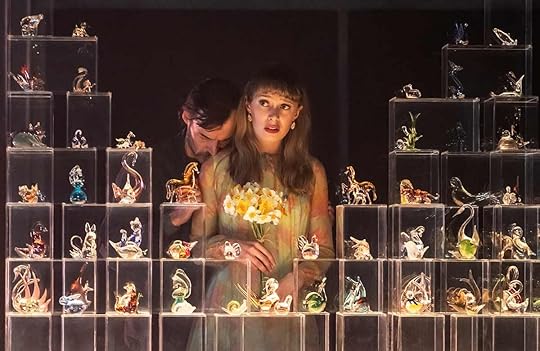
jim ~ laura's "gentleman-caller". i had high hopes for this one until his whole "you have an inferiority complex" speech and . representation of laura's final hope of anything good coming to her
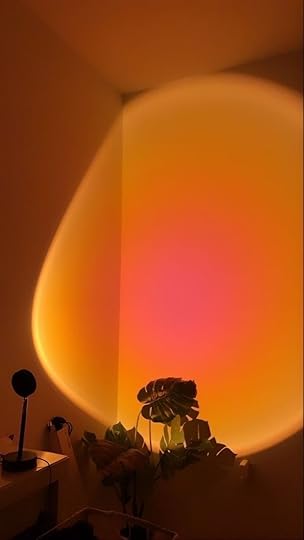
williams' choice to direct the play as a mise-en-scène, memory play, and plastic play captured the atmosphere so well. there was a sorrowful, nostalgic air to the very harsh reality of the wingfield family. while tom's announcement of the play's directives and the music/legends were a bit too on-the-nose, the story delivered a quiet, sympathetic tragedy. i could so easily imagine the set of this play being drenched in those sunset lamps
as this play is semi-autobiographical, i found williams' remorse and regret in tom palpable. his essay "the catastrophe of success" at the end of the book hints that his sense for adventure didn't turn out quite so well for him in the end
trigger warnings: racial slurs, toxic levels of neuroticism
⋆˚࿔♫⋆˚࿔📀♡⋆.˚ 𝓷𝓸𝔀 𝓹𝓵𝓪𝔂𝓲𝓷𝓰 ~ 𝓸𝓷𝓬𝓮 𝓾𝓹𝓸𝓷 𝓪 𝓭𝓮𝓬𝓮𝓶𝓫𝓮𝓻 ~ 𝓪𝓷𝓪𝓼𝓽𝓪𝓼𝓲𝓪 𝓼𝓸𝓾𝓷𝓭𝓽𝓻𝓪𝓬𝓴 ⋆˚࿔♫⋆˚࿔📀♡⋆.˚
the american play, featuring a relatably dysfunctional family that will shatter your heart
tom ~ adventure-seeking, movie-addicted poet who works at a warehouse to support his mother & sister. his remorse about his unadventurous life and abandoned father shows in his bratty, though understandable, tantrums
“I didn't go to the moon, I went much further—for time is the longest distance between two places.”
amanda ~ single mom of tom & laura. borderline narcissistic and drama queen, she seems to have good intentions for her children but micromanages them to a neurotic extent. she ultimately provokes tom into
“Go, then! Go to the moon-you selfish dreamer!”
laura ~ the sweetheart of this play, and in my opinion the main character. disabled by a leg defect, laura's lives tragic, sheltered, and debilitating life. when her glass menagerie shattered, so did my heart. i related to her the most
“She lives in a world of her own – a world of – little glass ornaments…”
jim ~ laura's "gentleman-caller". i had high hopes for this one until his whole "you have an inferiority complex" speech and . representation of laura's final hope of anything good coming to her
williams' choice to direct the play as a mise-en-scène, memory play, and plastic play captured the atmosphere so well. there was a sorrowful, nostalgic air to the very harsh reality of the wingfield family. while tom's announcement of the play's directives and the music/legends were a bit too on-the-nose, the story delivered a quiet, sympathetic tragedy. i could so easily imagine the set of this play being drenched in those sunset lamps
as this play is semi-autobiographical, i found williams' remorse and regret in tom palpable. his essay "the catastrophe of success" at the end of the book hints that his sense for adventure didn't turn out quite so well for him in the end
trigger warnings: racial slurs, toxic levels of neuroticism

April 6, 2026
Blow out your candles, Laura - and so goodbye...
Oh, this is gorgeous, such a tender, brutal play about the desperation that can exist within families but which Tom can't escape even as he's left his mother and sister Laura behind.
This is the third play by Tennessee Williams I've read in the last year and a half (A Streetcar Named Desire, Cat on a Hot Tin Roof) and I'm struck by how different they all are and yet how they have a core of shared ideas: the claustrophobia of the domestic space; the viciousness of family dynamics; the easy slippage into violence or something emotionally savage in human interactions.
What makes this play so emotive is the semi-tragedy of all the characters: Amanda has been abandoned by her husband and is trying to guide her two adult children even as her overbearing nature and replaying of her Southern Belle youth push them further away; Tom who is being ground down by his meaningless job and who dreams of escape to be a poet or a merchant marine, free from the weight of family ties; and Laura with her fragile personality and self, figured beautifully by her collection of eponymous glass animal figurines...
In the play, Tom switches between being a kind of producer/playwright/narrator and character in what is his memory of a significant evening before he left the family behind. But, for me, it was Laura who stole my heart and the scene: her delicacy, the quiet desperation, the broken unicorn which she presses on the 'gentleman caller' who smashed it...
Williams says as much by what he doesn't say, and there's so much tension and emotion between the lines that I was left a little dizzy with feeling when I finished this.

September 7, 2020
4.5 Stars
The faded belle-turned-nagging mother, the unmarried sister, and the angry young man—today a cast such as this is likely seen as the quintessence of drama from the ages past. And yet, what Tennessee Williams did in The Glass Menagerie was anything but typical: he projected poetry onto an ever-prosaic stage, replacing a stiff, sterile realism with the evocative surrealism of a plastic theatre that attended to inward turmoil just as much as the social reality it took root alongside.
Indeed, for Williams, the social environment in the wake of the Great War was the problem—it was, according to him, existence entirely out of touch with reality; a society in constant denial of rot. The Glass Menagerie, written in the 1940s and set during the Depression years, is but a reflection of human discontent leaking through the lives of those expected to be cogs in the great American machine, and the narrator, Tom, is the prism through whom the awareness of it filters down to us.
This is precisely what the character of Tom Wingfield represents in The Glass Menagerie: an awareness of the farce that was (and continues to be) known as the American Dream. He recognises his job at the shoe factory as mechanical and dehumanising, and yearns for a life of adventure and creativity. He is also aware of the manner in which the need for stability breeds a culture of conformity; how glamour, sex, and parties are used to distract one from the monotony of such a life and the need for change. Tired of distracting himself with the movies, Tom, based loosely on Williams himself (his given name was Thomas), wishes to finally break free of this mold and live out on his own terms.
Amanda represents a damning nostalgia for the belle époque, and is shadowed by a regretful failure to attain the stability afforded by the American Dream. In many ways, she represents the contradictory propriety of the middle classes (despite her descent into a working class family): whereas she shows a deep aversion to the unconventional ideas and 'vulgarity' of D H Lawrence, she is nonetheless given to demonstrating brassieres at the supermarket and selling subscriptions to women's magazines to make ends meet. However, Amanda is also a figure of valour and endurance: her uppity cheerfulness and optimism for her children is also a result of her trying to strike it out on her own and to ensure that they see are able to ascend to a life that she narrowly missed. Thus, she is preoccupied with the idea of Laura finding a gentleman caller, and one who does not leave her in dire straits like her own absentee husband.
To a large extent, Jim is exactly the opposite of Tom and Laura's father. His life is planned entirely for social ascendancy in a conformist world—he takes courses for 'self-improvement', and even his engagement to Betty is for social elevation. He is in many ways the foil to Laura, her demureness in high school contrasted with the excellence that made him stand out in that arena. And yet, six years after his success in high school, his job and social stature is hardly any different from Tom's. Thus, Jim ultimately represents the failure of the Dream—it is an lucky exception, not a rule.
In any case, Laura's unicorn loses its horn, for the glass animals represent—for her as well as for Tom—the delicate ties that need to be broken if one wants to go somewhere. While Laura blows out her candles at the end, she has been enriched in one sense: there exists the affirmation that the worst of her cripple does not in fact exist. While this occurs in the shadow of Tom's abandonment of her and their mother, it does leave us with some hope for their survival and wellbeing.
On looking closely, The Glass Menagerie is as much a play of redemption for Tom as it is of regret, for by playing over his memories he is pacifying the "familiar bit of music" and the "piece of transparent glass" that pursues and catches him unawares. More subtly, the play is also his coming to terms with the absence of his father: underlying the tone of the play is an understanding of this figure, and even a sense of identification with him.
Thus, the only antagonist we are left with at the end is the system. Time acts as a balm, and memory as warning. The effect of this play is such that the tinkling of glass can be heard even when you're only reading it.
The faded belle-turned-nagging mother, the unmarried sister, and the angry young man—today a cast such as this is likely seen as the quintessence of drama from the ages past. And yet, what Tennessee Williams did in The Glass Menagerie was anything but typical: he projected poetry onto an ever-prosaic stage, replacing a stiff, sterile realism with the evocative surrealism of a plastic theatre that attended to inward turmoil just as much as the social reality it took root alongside.
Indeed, for Williams, the social environment in the wake of the Great War was the problem—it was, according to him, existence entirely out of touch with reality; a society in constant denial of rot. The Glass Menagerie, written in the 1940s and set during the Depression years, is but a reflection of human discontent leaking through the lives of those expected to be cogs in the great American machine, and the narrator, Tom, is the prism through whom the awareness of it filters down to us.
"I'm tired of the movies and I am about to move!"In an interview with Jean Evans for New York PM Magazine in May 1945, Tennessee Williams spoke about the inhumanity around which the American ideal of post-industrial progress was centered, saying how insane it is "for human beings to work their whole lives away at dull, stupid, routine, anesthetizing jobs for just a little more than the necessities of life." According to him, "There should be time—and money—for development. For living."The irony of the American Dream was at its greatest during the Depression Era of the 1930s
This is precisely what the character of Tom Wingfield represents in The Glass Menagerie: an awareness of the farce that was (and continues to be) known as the American Dream. He recognises his job at the shoe factory as mechanical and dehumanising, and yearns for a life of adventure and creativity. He is also aware of the manner in which the need for stability breeds a culture of conformity; how glamour, sex, and parties are used to distract one from the monotony of such a life and the need for change. Tired of distracting himself with the movies, Tom, based loosely on Williams himself (his given name was Thomas), wishes to finally break free of this mold and live out on his own terms.
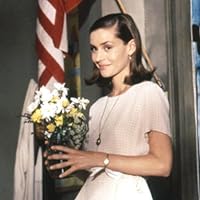
"Unicorns—aren't they extinct in the modern world?"While Tom stands for the creative spark that this socially ascendant, conformist world wants to stamp out; this play is, in fact, about his sister, Laura. Whereas Tom's gender affords him the level of risk-taking that eventually leads him to leave home, Laura is representative of an artistic sensibility that has been rendered fragile and breakable in the world she inhabits. She is the real star of the story, and her awkwardness is not inadequacy but simply a sign of difference. However, just as the glass unicorn she prizes, she is fated to lose her horn: as a woman (and especially since her difference is of no 'use' in a society that values its members on their productivity), the only future she can have is as either a working woman or a married one. Pushing her further towards this is the spectre of her mother's lost faded glory.Jane Wyman as Laura Wingfield in the 1950 film adaptation
Amanda represents a damning nostalgia for the belle époque, and is shadowed by a regretful failure to attain the stability afforded by the American Dream. In many ways, she represents the contradictory propriety of the middle classes (despite her descent into a working class family): whereas she shows a deep aversion to the unconventional ideas and 'vulgarity' of D H Lawrence, she is nonetheless given to demonstrating brassieres at the supermarket and selling subscriptions to women's magazines to make ends meet. However, Amanda is also a figure of valour and endurance: her uppity cheerfulness and optimism for her children is also a result of her trying to strike it out on her own and to ensure that they see are able to ascend to a life that she narrowly missed. Thus, she is preoccupied with the idea of Laura finding a gentleman caller, and one who does not leave her in dire straits like her own absentee husband.
To a large extent, Jim is exactly the opposite of Tom and Laura's father. His life is planned entirely for social ascendancy in a conformist world—he takes courses for 'self-improvement', and even his engagement to Betty is for social elevation. He is in many ways the foil to Laura, her demureness in high school contrasted with the excellence that made him stand out in that arena. And yet, six years after his success in high school, his job and social stature is hardly any different from Tom's. Thus, Jim ultimately represents the failure of the Dream—it is an lucky exception, not a rule.
In any case, Laura's unicorn loses its horn, for the glass animals represent—for her as well as for Tom—the delicate ties that need to be broken if one wants to go somewhere. While Laura blows out her candles at the end, she has been enriched in one sense: there exists the affirmation that the worst of her cripple does not in fact exist. While this occurs in the shadow of Tom's abandonment of her and their mother, it does leave us with some hope for their survival and wellbeing.
"I didn't go to the moon, I went much further—for time is the longest distance between two places."The most popular critique of this play rests on its depiction of Laura as interminably fragile. However, The Glass Menagerie is, ultimately, a memory play, and in that, the events therein are wholly sentimentalised and exaggerated. Given how close Tom is to his sister (and Williams to his own), it is not surprising that he remembers Laura as more fragile, more of a victim, than she may have been.The play is roughly autobiographical and based on episodes from the playwright's own life
On looking closely, The Glass Menagerie is as much a play of redemption for Tom as it is of regret, for by playing over his memories he is pacifying the "familiar bit of music" and the "piece of transparent glass" that pursues and catches him unawares. More subtly, the play is also his coming to terms with the absence of his father: underlying the tone of the play is an understanding of this figure, and even a sense of identification with him.
Thus, the only antagonist we are left with at the end is the system. Time acts as a balm, and memory as warning. The effect of this play is such that the tinkling of glass can be heard even when you're only reading it.

October 6, 2023
وقتی صحبت از زیست غنی میشه، مهم نیست داستانتون چقدر ساده بنظر برسه، قطعا با کمی ریزبینی و مطالعه و خلاقیت، شاهکار تولید خواهید کرد.
نتیجهش هم میشه چخوف، همینگوی یا تنسی ویلیامز. به قدری همهچیز در این نمایشنامه کوتاه سر جاشه و به قدری درست پرداخت میشه به هر چیزی که واقعا احتمالش کمه تاثیرش به همین راحتیها از بین بره.
مسئله خانواده، فروپاشی نهاد خانواده، اقتصاد و رکود، بیاعتمادی و عدم مسئولیت یا به بیان دیگه، هرچیز که بسیاری از ما درون این جامعه باهاش دست به گریبانیم؛ ناامیدی، خستگی و جستجوی راه فرار، همه و همه به موجزترین شکل و سادهترین حالت در این نمایشنامه تشریح شده.
برای من یکی، غیر از نمایشنامه های کلاسیک، نمایشنامههای آمریکایی، ملموستر و قابل درکتر از نمایشنامههای اروپایی هستن و تنسی ویلیامز رو هم همیشه پیشنهاد میدم.
نتیجهش هم میشه چخوف، همینگوی یا تنسی ویلیامز. به قدری همهچیز در این نمایشنامه کوتاه سر جاشه و به قدری درست پرداخت میشه به هر چیزی که واقعا احتمالش کمه تاثیرش به همین راحتیها از بین بره.
مسئله خانواده، فروپاشی نهاد خانواده، اقتصاد و رکود، بیاعتمادی و عدم مسئولیت یا به بیان دیگه، هرچیز که بسیاری از ما درون این جامعه باهاش دست به گریبانیم؛ ناامیدی، خستگی و جستجوی راه فرار، همه و همه به موجزترین شکل و سادهترین حالت در این نمایشنامه تشریح شده.
برای من یکی، غیر از نمایشنامه های کلاسیک، نمایشنامههای آمریکایی، ملموستر و قابل درکتر از نمایشنامههای اروپایی هستن و تنسی ویلیامز رو هم همیشه پیشنهاد میدم.

March 23, 2022
If teachers let students act out some of the dinner table scenes, they might enjoy this more. You thought your mother was bad? Chew your food!
The symbolism part is easy to grasp. Glass is fragile etc. We can grasp that.
Now, picture the play in 30 minute episodes on TV. The family is there. Around the table. Some of it is funny. Though you feel bad laughing. Other times, you want to cry.
Now go back to your own family. Supper is ready. Sit down and be thankful.
The symbolism part is easy to grasp. Glass is fragile etc. We can grasp that.
Now, picture the play in 30 minute episodes on TV. The family is there. Around the table. Some of it is funny. Though you feel bad laughing. Other times, you want to cry.
Now go back to your own family. Supper is ready. Sit down and be thankful.

March 23, 2011
The Glass Menagerie is a weird one for me. There's a better word for it than weird. I'm a crap writer though. I'll leave it at that. There's no thesaurus/mindreader thing for what I'm feeling.
There are stories that we know every word of before we've ever read, seen or heard them. The Glass Menagerie is one of those for me. We'd act out scenes and make references like we actually knew what we were talking about. (My mom especially loved the "rise and shine" routine.) Remember that scene in Joe Versus the Volanoe when Tom Hanks didn't know it but he knew it that he couldn't possibly have a "brain cloud"? (He runs his hands back and forth over his head to gesticulate that he KNEW it.) [Once upon a time Tom Hanks was really cool. This was before anyone ever told him that he resembled Jimmy Stewart in bad lighting.] My mom bought us freaking glass figurines to encourage it. It was all part of her sick thing to encourage my social anxiety like how some moms encourage obesity by overfeeding and then afterwards picking on their fat kids. (The Brando Street Car was a frequent run in our house too. My brother was given ciggies and wife beater shirts. No lie!)
The times when I'd beg not to go to school 'cause I was being bullied during volleyball practice? A reference to Laura's embarrassment to arrive to school late and limp in front of everyone. I could go on and on. (My mom's sympathies were with the mom, Amanda.)
I felt like I already knew Laura's displacement.

If my twin were here right now I'd ask her if the Paul Newman directed version was one of those filmed from the stage John Malkovich movies like True West and The Death of a Salesman (both are superb if you've never seen 'em). I'm thinking it was filmed for tv. I'm probably wrong and Lauren will later tell me that I am soooo wrong. Anyway, I love this version.
Anyway, it was Tom who killed me when I watched the Newman version over and over again. It was his escape that I felt was being shown back to me. More than Laura's painstaking care of her self-built world I loved the one that Tom reached out to in outside sources like films. I love Killer Wingfield. Let's go to the movies, Shakespeare.
The weird thing is that I'm having difficulty coming up with a whole for this. I know how I feel about their day to day. How the hell did it end? I'm coming up with nothing. Should it feel like that? I KNEW it.
There are stories that we know every word of before we've ever read, seen or heard them. The Glass Menagerie is one of those for me. We'd act out scenes and make references like we actually knew what we were talking about. (My mom especially loved the "rise and shine" routine.) Remember that scene in Joe Versus the Volanoe when Tom Hanks didn't know it but he knew it that he couldn't possibly have a "brain cloud"? (He runs his hands back and forth over his head to gesticulate that he KNEW it.) [Once upon a time Tom Hanks was really cool. This was before anyone ever told him that he resembled Jimmy Stewart in bad lighting.] My mom bought us freaking glass figurines to encourage it. It was all part of her sick thing to encourage my social anxiety like how some moms encourage obesity by overfeeding and then afterwards picking on their fat kids. (The Brando Street Car was a frequent run in our house too. My brother was given ciggies and wife beater shirts. No lie!)
The times when I'd beg not to go to school 'cause I was being bullied during volleyball practice? A reference to Laura's embarrassment to arrive to school late and limp in front of everyone. I could go on and on. (My mom's sympathies were with the mom, Amanda.)
I felt like I already knew Laura's displacement.
If my twin were here right now I'd ask her if the Paul Newman directed version was one of those filmed from the stage John Malkovich movies like True West and The Death of a Salesman (both are superb if you've never seen 'em). I'm thinking it was filmed for tv. I'm probably wrong and Lauren will later tell me that I am soooo wrong. Anyway, I love this version.
Anyway, it was Tom who killed me when I watched the Newman version over and over again. It was his escape that I felt was being shown back to me. More than Laura's painstaking care of her self-built world I loved the one that Tom reached out to in outside sources like films. I love Killer Wingfield. Let's go to the movies, Shakespeare.
The weird thing is that I'm having difficulty coming up with a whole for this. I know how I feel about their day to day. How the hell did it end? I'm coming up with nothing. Should it feel like that? I KNEW it.
April 1, 2026
The character Tom, also (not coincidentally) the author's nickname, introduces us to this "memory play":
I am the opposite of a stage magician. He gives you illusion that has the appearance of truth. I give you truth in the pleasant disguise of illusion.
And the play is truthfully embedded in Williams' love and painful devotion to his sister, condemned to the lifelong loneliness because of the tragic lobotomy, becoming like a piece of her own glass collection, too exquisitely fragile to move from the shelf.(from the description of Laura, one of the characters)
Williams' words in describing the use of music (instructing "to give emotional emphasis to suitable passages") aptly fit the entire play: it expresses the surface vivacity of life with the underlying strain of immutable and inexpressible sorrow.
Williams poured all his personal sadness into the art form and - the ironies of life - it started his life story of success. At least it helped him to financially support the care of his beloved sister, an inspiration for this first breakthrough play, for the rest of his life.
4.5
I am the opposite of a stage magician. He gives you illusion that has the appearance of truth. I give you truth in the pleasant disguise of illusion.
And the play is truthfully embedded in Williams' love and painful devotion to his sister, condemned to the lifelong loneliness because of the tragic lobotomy, becoming like a piece of her own glass collection, too exquisitely fragile to move from the shelf.(from the description of Laura, one of the characters)
Williams' words in describing the use of music (instructing "to give emotional emphasis to suitable passages") aptly fit the entire play: it expresses the surface vivacity of life with the underlying strain of immutable and inexpressible sorrow.
Williams poured all his personal sadness into the art form and - the ironies of life - it started his life story of success. At least it helped him to financially support the care of his beloved sister, an inspiration for this first breakthrough play, for the rest of his life.
4.5

March 11, 2022
قصهی سادهای از غم و سرگشتگی و نیروی زندگی و گوشهنشینی و فرار. خاطرههای گذشته، تصویرهای آینده. جهانبینیهای متفاوت و باهمبرخورنده.
قصهی آماندا و دو فرزندش تام و لورا با جای خالی پررنگ پدر فراری خانواده و نهایتا نقشآفرینی الهامگون جیم دوست دوران دبیرستان.
همهی اینها با پسزمینهای از دوران سخت اقتصادی.
اما برداشت من اینه که تا وقتی ما به جامعهی بینقص تخیلی ایدهآلیستها دست پیدا نکرده باشیم، این کاراکترها تا همیشه بر روی زمین قدم خواهند گذاشت و دیالوگهای تکراریشون رو خواهند گفت. این کتاب بیان نقصهاست و همه مقصرند و هم قربانی. به هر سو که قدم برداری، حس گناه رهات نخواهد کرد. گاهی لورا خواهی بود، گاهی آماندا، گاهی تام و گاهی جیم. شاید هم بخشی از اینها رو چنان محیط پررنگ کنه که تا دیرزمانی بقیه در سایه باقی بمانند ولی باز هستند و باز کهنهزخمها سر باز خواهند کرد.
قصهی آماندا و دو فرزندش تام و لورا با جای خالی پررنگ پدر فراری خانواده و نهایتا نقشآفرینی الهامگون جیم دوست دوران دبیرستان.
همهی اینها با پسزمینهای از دوران سخت اقتصادی.
اما برداشت من اینه که تا وقتی ما به جامعهی بینقص تخیلی ایدهآلیستها دست پیدا نکرده باشیم، این کاراکترها تا همیشه بر روی زمین قدم خواهند گذاشت و دیالوگهای تکراریشون رو خواهند گفت. این کتاب بیان نقصهاست و همه مقصرند و هم قربانی. به هر سو که قدم برداری، حس گناه رهات نخواهد کرد. گاهی لورا خواهی بود، گاهی آماندا، گاهی تام و گاهی جیم. شاید هم بخشی از اینها رو چنان محیط پررنگ کنه که تا دیرزمانی بقیه در سایه باقی بمانند ولی باز هستند و باز کهنهزخمها سر باز خواهند کرد.

January 7, 2025
بعضی نمایشها با وجود اینکه کوتاه هستند و داستان خاصی هم ندارند، حرفهای زیادی برای زدن دارند و باغ وحش شیشهای یکی از اونهاست. اینجا هم تنسی ویلیامز درست مثل اثر معروفش «اتوبوسی به نام هوس» به سراغ ایدهی زندگی در توهم و فرار از واقعیت رفته
داستان از زبان پسر خانواده، تام، به صورت خاطرهوار گفته میشه. پدر تام به طور ناگهانی ترکشون کرده و حالا تام باید مسئولیت خانواده رو به دوش بکشه. مادر خانواده در خاطرهی گذشتههای پرشکوه زندگی میکنه و نمیخواد با واقعیت زندگیش در زمان حال که چیزی جز دست و پا زدن برای بقا و وابستگی شدید به پسرش برای مسائل مالی نیست روبرو بشه. خواهر مضطرب و سرخوردهی تام هم از مواجهه با آینده گریزانه و خودش رو خانه پنهان کرده. تام که در شغلی کسالت آور برای تامین خانوادهش گیر کرده، به رویاهای دور و دراز پناه میبره که زندگی رو قابل تحمل کنه
مسئلهی وابستگی زنان در این نمایشنامه بسیار به چشم میاد. مادر و خواهری که استقلال ندارند و سربار پسری جوان هستند که از این وضعیت خسته شده. یکی از پارادوکسهای مردسالاری اینه که در نهایت برای خود مردان هم بسیار آسیبزاست و تام، کاراکتر اصلی این نمایش، سمبلی از همهی مردانیه که زندانی همون زندانی میشن که برای زنان ساخته شده. این جمله از متن به خوبی این وابستگی فلج کنندهی زنان رو توصیف میکنه:
در مجموع برای داستان سر و ته دار سراغ این نمایش نرید. برای نگاه به برشی از زندگی یک خانوادهی آمریکایی در سالهای آخر بحران بزرگ اقتصادی اوایل قرن بیست این نمایشنامه رو بخونید. تلخه که با یک قرن فاصله میشه بخشهایی از این داستان رو امروز در ایران دید، در آدمهایی با آرزوهای شکسته و زنده با خاطرهی گذشته
من فایل صوتی اجرای بیبیسی رو گوش کردم که طبق معمول عالی بود
کتاب و صوتیش رو میتونید از اینجا دانلود کنید
Maede's Books
۱۴۰۳/۱۰/۱۸
داستان از زبان پسر خانواده، تام، به صورت خاطرهوار گفته میشه. پدر تام به طور ناگهانی ترکشون کرده و حالا تام باید مسئولیت خانواده رو به دوش بکشه. مادر خانواده در خاطرهی گذشتههای پرشکوه زندگی میکنه و نمیخواد با واقعیت زندگیش در زمان حال که چیزی جز دست و پا زدن برای بقا و وابستگی شدید به پسرش برای مسائل مالی نیست روبرو بشه. خواهر مضطرب و سرخوردهی تام هم از مواجهه با آینده گریزانه و خودش رو خانه پنهان کرده. تام که در شغلی کسالت آور برای تامین خانوادهش گیر کرده، به رویاهای دور و دراز پناه میبره که زندگی رو قابل تحمل کنه
مسئلهی وابستگی زنان در این نمایشنامه بسیار به چشم میاد. مادر و خواهری که استقلال ندارند و سربار پسری جوان هستند که از این وضعیت خسته شده. یکی از پارادوکسهای مردسالاری اینه که در نهایت برای خود مردان هم بسیار آسیبزاست و تام، کاراکتر اصلی این نمایش، سمبلی از همهی مردانیه که زندانی همون زندانی میشن که برای زنان ساخته شده. این جمله از متن به خوبی این وابستگی فلج کنندهی زنان رو توصیف میکنه:
What is there left but dependency all our lives? I know so well what becomes of unmarried women who aren’t prepared to occupy a position. I’ve seen such pitiful cases in the South—barely tolerated spinsters living upon the grudging patronage of sister’s husband or brother’s wife!—stuck away in some little mousetrap of a room—encouraged by one in-law to visit another—little birdlike women without any nest—eating the crust of humility all their life!
در مجموع برای داستان سر و ته دار سراغ این نمایش نرید. برای نگاه به برشی از زندگی یک خانوادهی آمریکایی در سالهای آخر بحران بزرگ اقتصادی اوایل قرن بیست این نمایشنامه رو بخونید. تلخه که با یک قرن فاصله میشه بخشهایی از این داستان رو امروز در ایران دید، در آدمهایی با آرزوهای شکسته و زنده با خاطرهی گذشته
من فایل صوتی اجرای بیبیسی رو گوش کردم که طبق معمول عالی بود
کتاب و صوتیش رو میتونید از اینجا دانلود کنید
Maede's Books
۱۴۰۳/۱۰/۱۸

January 25, 2022
-خبببب، این اولین نمایشنامه ای بود که خوندم و حقیقتا انتخاب درستی کردم چون منو به وجودیتِ نمایشنامه علاقمند کرد و قطعا در آینده نمایشنامه های بیشتری میخونم:)
- یه فضای جدیدی داشت و اصلا قابل پیش بینی نبود
-خیلیم کوتاه بود، یعنی سریع خونده میشه🗿
-خوشم اومد🥺
- یه فضای جدیدی داشت و اصلا قابل پیش بینی نبود
-خیلیم کوتاه بود، یعنی سریع خونده میشه🗿
-خوشم اومد🥺

August 30, 2010
Early this month, my 15-y/o daughter, Jillian. who is studying in an all-girls school, asked me to write a monologue for the 7-y/o Noli Me Tangere character, Crispin. Each of them in the class was given a character in the novel with the objective of introducing all the characters to the class.
I used to write drama scripts in high school (Alamat ni Mariang Makiling) and college (The Silent Mourner) but those were a 2-3 decades ago. So, to help out, I read that chapter in Noli and wrote one. Jillian delivered it and got perfect score. She even had a small certificate signed by her teacher. Here is her picture delivering that dramatic moment in my monologue:
So far, this picture got 90 likes in her Facebook account! The scene above is when Crispin, hungy, worried that her mother would believe that he is a thief, is about to be dragged by the sacristan to be killed.
Yesterday, I saw this thin Tennessee Williams' The Glass Menagerie book being sold at P40 (less than US$1). I heard about Tennessee Williams because I saw and like the film adaptation of A Streetcar Named Desire. But I did not have any idea about The Glass Menagerie. So, since Jillian will have El Filibusterismo next year and she is becoming popular in school because of her monologue, I might as well brush up with my scriptwriting skills ha-ha!
I liked The Glass Menagerie so much that I could picture myself sitting in the theatre and watching the play. I am not a theatre person. All my life, I only saw Claude-Michel Schönberg and Alain Boublil's Miss Saigon during its Hong Kong leg and Mel Brook's The Producers during my first visit in Columbus, Ohio in 2004. Other that these, I find watching plays expensive and too classy for my simple taste.
The story is about 4 characters: Amanda (the mother), Laura (the crippled daughter who is too shy to attract suitors), Tom (the son working in a warehouse but dreaming to join the navy) and Jim (Tom's bestfriend who Amanda and Tom thought could be Laura's husband). Amanda's husband, the father of Laura and Tom, abandoned them when the two were still young. Tom is the only one working so he has to support the 3 of them. Laura left her typewriting class because she is bothered by her deformity (one of her legs is shorter than the other) so she wears a brace and it creates click-clang sound when she walks. Amanda wishes to find a husband for Laura because both ladies know that Tom is unhappy with his job and will leave them soon. Just like Amanda's husband who left them several years ago.
Oh, how cool I thought it would be if I could see how the script is actually executed especially the "screen images" and "screen legends". The dialogues are also crisp and witty. One that I could relate and put a smile on my face while reading this morning is the part below when Amanda is interrogating Tom about his frequent movie-watching. Remember that Tom is bored with his work in the warehouse and wants to join the navy:
Reason why I smiled while reading the above? Just replace "go to the movies" with "read a book" and that's me, the bookworm, instead of Tom. And my wife becomes Amanda!
Readers use an awful lot of imagination when they read novels as well as drama scripts, don't they?
I used to write drama scripts in high school (Alamat ni Mariang Makiling) and college (The Silent Mourner) but those were a 2-3 decades ago. So, to help out, I read that chapter in Noli and wrote one. Jillian delivered it and got perfect score. She even had a small certificate signed by her teacher. Here is her picture delivering that dramatic moment in my monologue:
[image error]
So far, this picture got 90 likes in her Facebook account! The scene above is when Crispin, hungy, worried that her mother would believe that he is a thief, is about to be dragged by the sacristan to be killed.
Yesterday, I saw this thin Tennessee Williams' The Glass Menagerie book being sold at P40 (less than US$1). I heard about Tennessee Williams because I saw and like the film adaptation of A Streetcar Named Desire. But I did not have any idea about The Glass Menagerie. So, since Jillian will have El Filibusterismo next year and she is becoming popular in school because of her monologue, I might as well brush up with my scriptwriting skills ha-ha!
I liked The Glass Menagerie so much that I could picture myself sitting in the theatre and watching the play. I am not a theatre person. All my life, I only saw Claude-Michel Schönberg and Alain Boublil's Miss Saigon during its Hong Kong leg and Mel Brook's The Producers during my first visit in Columbus, Ohio in 2004. Other that these, I find watching plays expensive and too classy for my simple taste.
The story is about 4 characters: Amanda (the mother), Laura (the crippled daughter who is too shy to attract suitors), Tom (the son working in a warehouse but dreaming to join the navy) and Jim (Tom's bestfriend who Amanda and Tom thought could be Laura's husband). Amanda's husband, the father of Laura and Tom, abandoned them when the two were still young. Tom is the only one working so he has to support the 3 of them. Laura left her typewriting class because she is bothered by her deformity (one of her legs is shorter than the other) so she wears a brace and it creates click-clang sound when she walks. Amanda wishes to find a husband for Laura because both ladies know that Tom is unhappy with his job and will leave them soon. Just like Amanda's husband who left them several years ago.
Oh, how cool I thought it would be if I could see how the script is actually executed especially the "screen images" and "screen legends". The dialogues are also crisp and witty. One that I could relate and put a smile on my face while reading this morning is the part below when Amanda is interrogating Tom about his frequent movie-watching. Remember that Tom is bored with his work in the warehouse and wants to join the navy:
AMANDA: but, why-why, Tom - are you always so restless? Where do you go to, nights?
TOM: I - go to the movies.
AMANDA: Why do you go to the movies so much, Tom?
TOM: I go to the movies because - I like adventure. Adventure is something I don't have much of at work, so I go to the movies.
AMANDA: But, Tom, you go to the movies entirely too much!
TOM: I like a lot of adventure.
Reason why I smiled while reading the above? Just replace "go to the movies" with "read a book" and that's me, the bookworm, instead of Tom. And my wife becomes Amanda!
Readers use an awful lot of imagination when they read novels as well as drama scripts, don't they?

February 23, 2013
A lot of the literature I've read for school this year has disappointed me. It's great that we got to read and watch The Glass Menagerie as part of my AP Lit class, because I reclaimed my title as extremely obsessive fanboy extraordinaire.
There's just so much to love in this play. Williams' writing is exquisite and his utilization of symbols leaves myriad room for analysis. His deep and damaged characters call for discussion: Amanda Wingfield, the ambitious and heady mother of Laura and Tom, Laura, the painfully shy girl with a penchant for glass, Tom, the trapped adventurer who yearns for excitement, and Jim, the gentleman caller who represents optimism and progress in society. The themes of disillusionment, quiet disaster, and the death of the American dream intertwine with the fragmented family and lead to a tragedy of epic proportions.
But I must admit my bias regarding the The Glass Menagerie - 1) I love the word "menagerie" and 2) I've experienced family issues like the ones portrayed in this play. However, not all stories that strike home succeed; this one hit the mark in its bittersweet portrayal of a mother who pushes her children in the wrong direction and a son and a daughter who fight back.
Highly recommended, especially for those who can watch the film version directed by Paul Newman.
*review cross-posted on my blog, the quiet voice.
There's just so much to love in this play. Williams' writing is exquisite and his utilization of symbols leaves myriad room for analysis. His deep and damaged characters call for discussion: Amanda Wingfield, the ambitious and heady mother of Laura and Tom, Laura, the painfully shy girl with a penchant for glass, Tom, the trapped adventurer who yearns for excitement, and Jim, the gentleman caller who represents optimism and progress in society. The themes of disillusionment, quiet disaster, and the death of the American dream intertwine with the fragmented family and lead to a tragedy of epic proportions.
But I must admit my bias regarding the The Glass Menagerie - 1) I love the word "menagerie" and 2) I've experienced family issues like the ones portrayed in this play. However, not all stories that strike home succeed; this one hit the mark in its bittersweet portrayal of a mother who pushes her children in the wrong direction and a son and a daughter who fight back.
Highly recommended, especially for those who can watch the film version directed by Paul Newman.
*review cross-posted on my blog, the quiet voice.

March 30, 2013
“The scene is memory and is therefore nonrealistic. Memory takes a lot of poetic license. It omits some details; others are exaggerated, according to the emotional value of the articles it touches, for memory is seated predominantly in the heart.”
I really enjoyed this play, a lot more than I thought I would. It's a very short play but it managed to elicit all sorts of feelings from me,especially pity, mainly because the characters all carried some sort of burden or regret. There's the pushy, abandoned-by-husband single mother who has extremely high demands on her children, the crippled daughter who has extremely low self-esteem, and is still (shock, horror) single at age 24, and the son who is stuck in a job he despises and desires to be a poet.
I liked the ending because, although we're not explicitly told what fate brings the main characters, there is a feeling of hope left lingering in the air. I think the ending is very realistic.
I really enjoyed this play, a lot more than I thought I would. It's a very short play but it managed to elicit all sorts of feelings from me,especially pity, mainly because the characters all carried some sort of burden or regret. There's the pushy, abandoned-by-husband single mother who has extremely high demands on her children, the crippled daughter who has extremely low self-esteem, and is still (shock, horror) single at age 24, and the son who is stuck in a job he despises and desires to be a poet.
I liked the ending because, although we're not explicitly told what fate brings the main characters, there is a feeling of hope left lingering in the air. I think the ending is very realistic.
Displaying 1 - 30 of 4,715 reviews