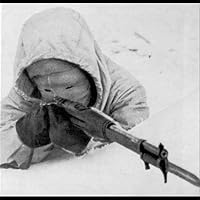
Book 2 of the Time-Life World War II series. Magazine Size Hardcover without dustjacket as issued. 208 pages. World War II Series. Chapters Hitler Weather, A Season for Blunders, Iron Hands on Scandinavia, First Blood in the West, Deliverance at Dunkirk, and The Fall of France. Color and Black and White Photographs throughout.
Book 2 (of 39) of the Times Life WW II series. The entire series is amazing because of the format and the style of writing. The number of pictures along with the maps and small sidebar stories immerses you in the topic.
The Blitzkrieg describes the events from the start of the war with Germany pushing into Poland, the period of 8-9 months of phony war before big push into France and its ultimate capitulation. An interesting tidbit that I was not aware of was that Britain and France actually fought a small naval battle at the end with Britain sinking many French ships and killing almost 2000 French sailors in the process in order to prevent the French naval ships from falling into German hands after the French surrender.
One of the things that I've always wondered about WW2 is how did Prussia feel when Germany invaded Poland? Were they on the same side already or was Prussia forced into the Axis? This book sort of answers the question but I want more.
This book was very well written and easy to understand. There were many excellent photo essays interspersed in the text. Unfortunately some were very much aimed at American readers, and had some interesting information, but the link with the actual blitzkrieg in Europe was very tenuous.
This second volume of the Time Life series on WWII covers the period from the German invasion of Poland in September 1939 to the fall of France in June 1940 and does a pretty good job of it. This book actually does a good job of both presenting and then breaking down some of the mythology that has developed around "blitzkrieg" which can usually be done as easily as showing just one picture of a German supply unit moving in with their horses. The author/s here make sure to spell it out for those who can't grasp subtlety: the invasion of Poland was not done entirely with steel but ultimately by men moving on their feet with ammunition brought to them on carts pulled by horses. The book begins with the gripping details of the elaborate ruse that began the war--an important one for us to remember -- because even in 1939 the Germans felt the need to pretend that Poland attacked them first. Think about that the next time you read a headline. We get an account of the Soviet invasion of Finland and how it intersected with Allied and German plans regarding the rest of Scandinavia. And then we get the big action in May 1940 when the German drive into the Low Countries cuts off the Allied expeditionary forces and the French army and government fold. There's a nice photo essay on all the famous talented exiles who left Germany and the continent in the wake of the rise of the fascists. (Finally, we get to see Brecht and Weill and Lotte Lenya.) There's a lot of lessons for our own time in this narrative and this is a good volume for covering it. As books that cover this period go this is a solid one.
I really enjoyed volume 2 of Time-Life’s History of the Second World War. This volume goes over the invasion of Poland, Norway, Holland, Belgium, and the invasion of France, and the Phoney War. And while it is a survey it is full of wonderful pictures and anecdotes that brings a better understanding of the situation. A very good read.
In response to changes made to this site by Amazon and its subsidiaries, I will no longer be including actual reviews for said corpo and its subsidiaries to profit from.
The reason I chose this book was to learn more about World War Two. The book is mainly about the German side of the war focusing on their battles, diplomacies, tactics, etc. It starts from Hitler's rise to power to the Soviet flag rising over Berlin. My favorite quote from the book was actually a quote from Joseph Stalin which states, " One death is a tragedy; a million is a statistic." This is true because if for example we're on the news and the speaker talks about how many Americans have died in Iraq, which is about 300,000, you have no reaction what so ever and then all of a sudden a man is murdered and the whole news cast talks about it. Now back to the book, Robert Wernick gives a good job of telling details but it's too much and to slow which I really didn't like. I would only recommend this book to history teachers and people who need more information on World War Two.
This book was great, and was full of A LOT of information about World War II. This includes scientist that were effected by the war, battle tactics and information about all of the armies that were apart of this war, how the countries lived and wjat happened to them, and MUCH more information. This book will give you inspiration and make you want to learn more and more about the amazing history of World War II.
Although, much of the content was boring, considering that it IS a non-fiction book and i personally strongly dislike these kinds of books. But I was curious about World War II and picked up this book and it turned out to not be so bad!
Decent history book out of the Time-Life WW2 series - covers the attack on Poland to the fall of Paris.
I've realized I want to read a book that covers the Fall Gelb operation in more detail... but not too much detail. Doesn't seem like an easy task to find.
Bought this Life Time series in the early 1980's on WWII, a volume came to the house every 2 or 3 months so I could take my reading. It was very informative and enjoyable read, I still use it for reference.
Chapters 1- The invasion of Poland by Germany 2- The 'Phony War' 3- The Soviet invasion of Finland and Germany's invasion of Denmark & Norway 4- The German invasion of Holland and Belgium 5- The German invasion of France and the Allied evacuation at Dunkirk 6- The Fall of France