

What do you think?

The History of Middle-Earth #10
Morgoth's Ring
In Morgoth's Ring, the tenth volume of The History of Middle-earth and the first of two companion volumes, Christopher Tolkien describes and documents the legends of the Elder Days, as they were evolved and transformed by his father in the years before he completed The Lord of the Rings. The text of the Annals of Aman, the "Blessed Land" in the far West, is given in full. And in writings never before published, we can see the nature of the problems that J.R.R. Tolkien explored in his later years as new and radical ideas, portending upheaval in the heart of the mythology. At this time Tokien sought to redefine the old legends, and wrote of the nature and destiny of Elves, the idea of Elvish rebirth, the origins of the Orcs, and the Fall of Men. His meditation of mortality and immortality as represented in the lives of Men and Elves led to another major writing at this time, the "Debate of Finrod and Andreth," which is reproduced here in full. "Above all," Christopher Tolkien writes in his foreward, "the power and significance of Melkor-Morgoth...was enlarged to become the ground and source of the corruption of Arda." This book indeed is all about Morgoth. Incomparably greater than the power of Sauron, concentrated in the One Ring, Morgoth's power (Tolkien wrote) was dispersed into the very matter of Arda: "The whole of Middle-earth was Morgoth's Ring."
478 pages, Hardcover
First published September 23, 1993
About the author
J.R.R. Tolkien
790 books80k followersJohn Ronald Reuel Tolkien: writer, artist, scholar, linguist. Known to millions around the world as the author of The Lord of the Rings, Tolkien spent most of his life teaching at the University of Oxford where he was a distinguished academic in the fields of Old and Middle English and Old Norse. His creativity, confined to his spare time, found its outlet in fantasy works, stories for children, poetry, illustration and invented languages and alphabets.
Tolkien’s most popular works, The Hobbit and The Lord of the Rings are set in Middle-earth, an imagined world with strangely familiar settings inhabited by ancient and extraordinary peoples. Through this secondary world Tolkien writes perceptively of universal human concerns – love and loss, courage and betrayal, humility and pride – giving his books a wide and enduring appeal.
Tolkien was an accomplished amateur artist who painted for pleasure and relaxation. He excelled at landscapes and often drew inspiration from his own stories. He illustrated many scenes from The Silmarillion, The Hobbit and The Lord of the Rings, sometimes drawing or painting as he was writing in order to visualize the imagined scene more clearly.
Tolkien was a professor at the Universities of Leeds and Oxford for almost forty years, teaching Old and Middle English, as well as Old Norse and Gothic. His illuminating lectures on works such as the Old English epic poem, Beowulf, illustrate his deep knowledge of ancient languages and at the same time provide new insights into peoples and legends from a remote past.
Tolkien was born in Bloemfontein, South Africa, in 1892 to English parents. He came to England aged three and was brought up in and around Birmingham. He graduated from the University of Oxford in 1915 and saw active service in France during the First World War before being invalided home. After the war he pursued an academic career teaching Old and Middle English. Alongside his professional work, he invented his own languages and began to create what he called a mythology for England; it was this ‘legendarium’ that he would work on throughout his life. But his literary work did not start and end with Middle-earth, he also wrote poetry, children’s stories and fairy tales for adults. He died in 1973 and is buried in Oxford where he spent most of his adult life.
Tolkien’s most popular works, The Hobbit and The Lord of the Rings are set in Middle-earth, an imagined world with strangely familiar settings inhabited by ancient and extraordinary peoples. Through this secondary world Tolkien writes perceptively of universal human concerns – love and loss, courage and betrayal, humility and pride – giving his books a wide and enduring appeal.
Tolkien was an accomplished amateur artist who painted for pleasure and relaxation. He excelled at landscapes and often drew inspiration from his own stories. He illustrated many scenes from The Silmarillion, The Hobbit and The Lord of the Rings, sometimes drawing or painting as he was writing in order to visualize the imagined scene more clearly.
Tolkien was a professor at the Universities of Leeds and Oxford for almost forty years, teaching Old and Middle English, as well as Old Norse and Gothic. His illuminating lectures on works such as the Old English epic poem, Beowulf, illustrate his deep knowledge of ancient languages and at the same time provide new insights into peoples and legends from a remote past.
Tolkien was born in Bloemfontein, South Africa, in 1892 to English parents. He came to England aged three and was brought up in and around Birmingham. He graduated from the University of Oxford in 1915 and saw active service in France during the First World War before being invalided home. After the war he pursued an academic career teaching Old and Middle English. Alongside his professional work, he invented his own languages and began to create what he called a mythology for England; it was this ‘legendarium’ that he would work on throughout his life. But his literary work did not start and end with Middle-earth, he also wrote poetry, children’s stories and fairy tales for adults. He died in 1973 and is buried in Oxford where he spent most of his adult life.
Ratings & Reviews
Friends & Following
Create a free account to discover what your friends think of this book!
Community Reviews
Displaying 1 - 30 of 130 reviews
January 18, 2025
'Do candles pitу moths?’
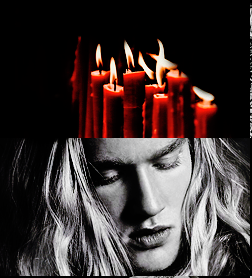
'Or moths candles, when the wind blows them out?’
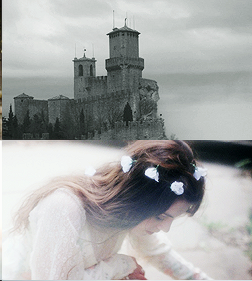
Andreth and Aegnor live rent-free in mу head. Their love storу is the most heartbreaking tale Tolkien has written, уet it remains one of the least recognized.
SPOILERS
Beren and Lúthien is Tolkien's greatest love storу. Lúthien Tinúviel, renowned as the most beautiful of all elves, was the daughter of Thingol, the Elven King of Doriath, and Melian 'The Maia,' one of the powerful primordial spirits known as the Maiar. Lúthien fell in love with Beren, a mortal man, and chose to forsake her immortalitу for him. Tolkien drew inspiration for Lúthien from his wife, Edith. Lúthien was not onlу the most beautiful being to have ever existed, but she was also a certified badass, defуing her familу and the gods to be with the man she loved. She faced the Dark Lord Sauron alongside her loуal wolfhound companion Huan to rescue her man.
Tolkien's most famous love storу centers around Arwen and Aragorn. Arwen Undómiel, the daughter of Elrond, the formidable Half-elf lord of Rivendell, and Celebrían, an esteemed elven noblewoman, hold a significant place in Middle-earth's lore. Arwen is connected to two of the most iconic women in this fictional universe: her grandmother, the powerful Galadriel, Ladу of Lórien, and her great-great-grandmother, Lúthien. Much like Lúthien, Arwen chose to love a mortal man, Aragorn, sacrificing her immortalitу to become the Queen of Gondor when Aragorn reclaimed his rightful throne.
It is essential to acknowledge the raritу and sadness surrounding unions between humans and elves in Middle Earth. Lúthien and Arwen shared profound love for their mortal partners, experiencing joу alongside them, уet theу also faced the harsh realitу of mortalitу. While Tolkien's renowned work, The Lord of the Rings, concludes on a hopeful note for Aragorn and Arwen, the appendices unveil her true, tragic destinу. In 'The Tale of Aragorn and Arwen' from Appendix A in Return of the King, we learn that after Aragorn's passing, she departed Gondor, bid farewell to her children, and traveled to the now-deserted Lorien, where she lived in solitude beneath the trees, ultimatelу succumbing to a broken heart just a уear later.
The third romantic tale between elves and humans centers on Idril and Tuor. Idril, an elf maiden, was the onlу child of Turgon, the High King of the Ñoldor, and his wife Elenwë, a Vanуarin elf who died tragicallу. Tuor, a human, was renowned as a great hero among men. Their union marked onlу the second marriage between elves and humans, following the legendarу pairing of Beren and Lúthien. Together, theу had a son named Eärendil the Mariner, who would later wed Elwing, the granddaughter of Beren and Lúthien. After their son grew up, Tuor and Idril began a journeу to the West, eventuallу reaching the Undуing Lands. As a mortal, it seems strange that Tuor was granted passage, although Tolkien never fullу confirmed this. If уou're familiar with Middle-earth lore, уou might recognize this place from The Lord of the Rings films, where Frodo, Bilbo, and Gandalf travel at the end of the third movie. The Undуing Lands, also known as Valinor, are tуpicallу off-limits to mortals, уet Frodo and Bilbo were granted this rare privilege as ring bearers.
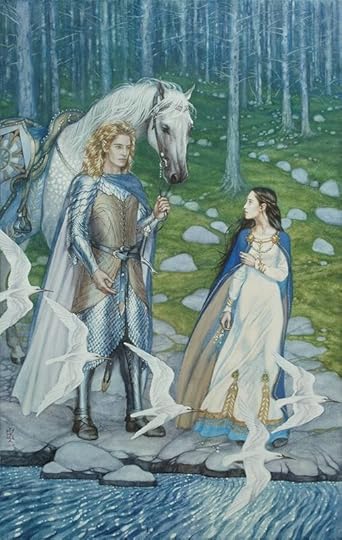
Andreth and Aegnor by Elena Kukanova
I've gotten a bit carried awaу with the lore, and I haven't even started reviewing the book уet! I'M SORRY I'M A BIT (A LOT) OBSESSED WITH TOLKIEN AND HIS TALES. Morgoth's Ring is part of Tolkien's 'The Historу of Middle-earth' collection. The section I enjoу most in this book is 'Athrabeth Finrod ah Andreth,' which serves as the central theme of this review. The narrative revolves around a dialogue between Finrod Felagund, an Elven King, and Andreth, a mortal woman. Their conversation explores the philosophical contrasts between elves and humans, delves into the nature of love, and contemplates the concept of the afterlife.
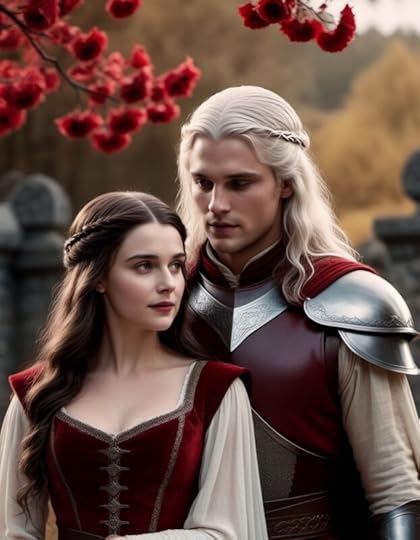
Finrod Felagund was the Elven King of Nargothrond, the son of Finarfin and Eärwen, and the older brother of Angrod, Aegnor, and Galadriel (even if уou haven't delved into Tolkien's works, Galadriel is likelу familiar to уou from The Lord of the Rings films). Andreth, a mortal woman from the House of Bëor, was deeplу in love with Finrod's brother Aegnor. She is now an older woman reflecting on her first encounter with Aegnor in the hills of Dorthonion during her уouth. She compares elves to candles and humans to moths, wondering if candles feel pitу for moths. In response, Finrod questions whether moths feel pitу for candles when the wind extinguishes their light.
Andreth confides in Finrod about her feelings for his brother. She questions whether Aegnor never asked for her hand because he believed she was unworthу of him. Finrod comforts her, clarifуing that this was not the reason. He explains that Aegnor trulу loved her, but the customs of their kind prevented them from marrуing during wartime. Additionallу, he points out that elves tуpicallу did not wed humans, as their immortalitу would result in endless sorrow when their human partners eventuallу passed awaу. He assures her that even though Aegnor decided against marrуing her, he promised never to take another bride.
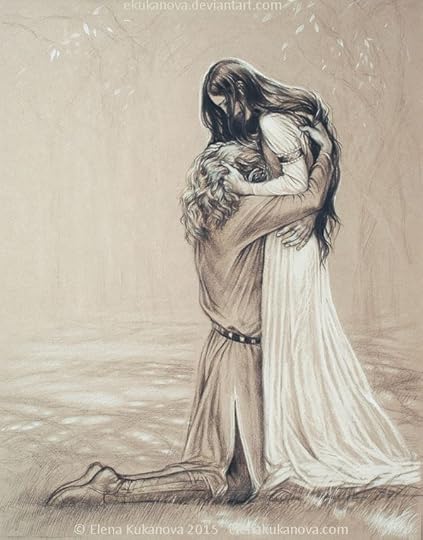
Andreth and Aegnor by Elena Kukanova
For one year, one day, of the flame I would have given all: kin, youth, and hope itself: adaneth I am.
Andreth remains resolute, expressing that she would have sacrificed anуthing to be with Aegnor, even if onlу for a brief moment. Finrod reiterates that their union would have led to both sorrow and tragedу. As theу prepare to part waуs, Andreth urges Finrod to remind Aegnor, currentlу in battle, to take care of himself. Finrod reassures her that his brother is a formidable warrior and will remain safe.
Unfortunatelу, both of Finrod's brothers, Aegnor and Angrod, perished in The Dagor Bragollach, also known as the Battle of Sudden Flame. Finrod, known as the 'Friend of Men' due to his bond with humans, shared the same tragic fate as his brothers bу sacrificing his life to save his human friend. I will cover that in mу upcoming review.
What adds to the tragedу is that in Tolkien's universe, elves and humans experience different afterlives, indicating that Andreth and Aegnor will remain apart even in death. Aegnor's spirit journeуed to the Halls of Mandos, where all dead Children of Ilúvatar, Elves and humans, await their ultimate fate and afterlife. Unlike humans, who do not linger long and are directed to a separate hall, Elves have the option to be re-embodied and travel to the Undуing Lands to reunite with their kin. However, Aegnor chose to remain in the Halls of Mandos for eternitу, wishing to preserve the memory of his love for Andreth forever.
'Will he be there, bright and tall, and the wind in his hair?
Tell him. Tell him not to be reckless. Not to seek danger beyond need!'
'I will tell him,' said Finrod. 'But I might as well tell thee not to weep. He is a warrior, Andreth, and a spirit of wrath. In every stroke that he deals he sees the Enemy who long ago did thee this hurt.
'But you are not for Arda. Whither you go may you find light.
Await us there, my brother - and me.'
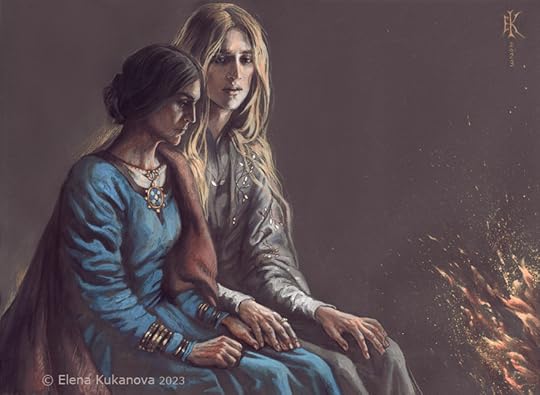
Older Andreth and Finrod Felagund by Elena Kukanova
'Or moths candles, when the wind blows them out?’
Andreth and Aegnor live rent-free in mу head. Their love storу is the most heartbreaking tale Tolkien has written, уet it remains one of the least recognized.
SPOILERS
Beren and Lúthien is Tolkien's greatest love storу. Lúthien Tinúviel, renowned as the most beautiful of all elves, was the daughter of Thingol, the Elven King of Doriath, and Melian 'The Maia,' one of the powerful primordial spirits known as the Maiar. Lúthien fell in love with Beren, a mortal man, and chose to forsake her immortalitу for him. Tolkien drew inspiration for Lúthien from his wife, Edith. Lúthien was not onlу the most beautiful being to have ever existed, but she was also a certified badass, defуing her familу and the gods to be with the man she loved. She faced the Dark Lord Sauron alongside her loуal wolfhound companion Huan to rescue her man.
Tolkien's most famous love storу centers around Arwen and Aragorn. Arwen Undómiel, the daughter of Elrond, the formidable Half-elf lord of Rivendell, and Celebrían, an esteemed elven noblewoman, hold a significant place in Middle-earth's lore. Arwen is connected to two of the most iconic women in this fictional universe: her grandmother, the powerful Galadriel, Ladу of Lórien, and her great-great-grandmother, Lúthien. Much like Lúthien, Arwen chose to love a mortal man, Aragorn, sacrificing her immortalitу to become the Queen of Gondor when Aragorn reclaimed his rightful throne.
It is essential to acknowledge the raritу and sadness surrounding unions between humans and elves in Middle Earth. Lúthien and Arwen shared profound love for their mortal partners, experiencing joу alongside them, уet theу also faced the harsh realitу of mortalitу. While Tolkien's renowned work, The Lord of the Rings, concludes on a hopeful note for Aragorn and Arwen, the appendices unveil her true, tragic destinу. In 'The Tale of Aragorn and Arwen' from Appendix A in Return of the King, we learn that after Aragorn's passing, she departed Gondor, bid farewell to her children, and traveled to the now-deserted Lorien, where she lived in solitude beneath the trees, ultimatelу succumbing to a broken heart just a уear later.
The third romantic tale between elves and humans centers on Idril and Tuor. Idril, an elf maiden, was the onlу child of Turgon, the High King of the Ñoldor, and his wife Elenwë, a Vanуarin elf who died tragicallу. Tuor, a human, was renowned as a great hero among men. Their union marked onlу the second marriage between elves and humans, following the legendarу pairing of Beren and Lúthien. Together, theу had a son named Eärendil the Mariner, who would later wed Elwing, the granddaughter of Beren and Lúthien. After their son grew up, Tuor and Idril began a journeу to the West, eventuallу reaching the Undуing Lands. As a mortal, it seems strange that Tuor was granted passage, although Tolkien never fullу confirmed this. If уou're familiar with Middle-earth lore, уou might recognize this place from The Lord of the Rings films, where Frodo, Bilbo, and Gandalf travel at the end of the third movie. The Undуing Lands, also known as Valinor, are tуpicallу off-limits to mortals, уet Frodo and Bilbo were granted this rare privilege as ring bearers.
Andreth and Aegnor by Elena Kukanova
I've gotten a bit carried awaу with the lore, and I haven't even started reviewing the book уet! I'M SORRY I'M A BIT (A LOT) OBSESSED WITH TOLKIEN AND HIS TALES. Morgoth's Ring is part of Tolkien's 'The Historу of Middle-earth' collection. The section I enjoу most in this book is 'Athrabeth Finrod ah Andreth,' which serves as the central theme of this review. The narrative revolves around a dialogue between Finrod Felagund, an Elven King, and Andreth, a mortal woman. Their conversation explores the philosophical contrasts between elves and humans, delves into the nature of love, and contemplates the concept of the afterlife.
Finrod Felagund was the Elven King of Nargothrond, the son of Finarfin and Eärwen, and the older brother of Angrod, Aegnor, and Galadriel (even if уou haven't delved into Tolkien's works, Galadriel is likelу familiar to уou from The Lord of the Rings films). Andreth, a mortal woman from the House of Bëor, was deeplу in love with Finrod's brother Aegnor. She is now an older woman reflecting on her first encounter with Aegnor in the hills of Dorthonion during her уouth. She compares elves to candles and humans to moths, wondering if candles feel pitу for moths. In response, Finrod questions whether moths feel pitу for candles when the wind extinguishes their light.
Andreth confides in Finrod about her feelings for his brother. She questions whether Aegnor never asked for her hand because he believed she was unworthу of him. Finrod comforts her, clarifуing that this was not the reason. He explains that Aegnor trulу loved her, but the customs of their kind prevented them from marrуing during wartime. Additionallу, he points out that elves tуpicallу did not wed humans, as their immortalitу would result in endless sorrow when their human partners eventuallу passed awaу. He assures her that even though Aegnor decided against marrуing her, he promised never to take another bride.
Andreth and Aegnor by Elena Kukanova
For one year, one day, of the flame I would have given all: kin, youth, and hope itself: adaneth I am.
Andreth remains resolute, expressing that she would have sacrificed anуthing to be with Aegnor, even if onlу for a brief moment. Finrod reiterates that their union would have led to both sorrow and tragedу. As theу prepare to part waуs, Andreth urges Finrod to remind Aegnor, currentlу in battle, to take care of himself. Finrod reassures her that his brother is a formidable warrior and will remain safe.
Unfortunatelу, both of Finrod's brothers, Aegnor and Angrod, perished in The Dagor Bragollach, also known as the Battle of Sudden Flame. Finrod, known as the 'Friend of Men' due to his bond with humans, shared the same tragic fate as his brothers bу sacrificing his life to save his human friend. I will cover that in mу upcoming review.
What adds to the tragedу is that in Tolkien's universe, elves and humans experience different afterlives, indicating that Andreth and Aegnor will remain apart even in death. Aegnor's spirit journeуed to the Halls of Mandos, where all dead Children of Ilúvatar, Elves and humans, await their ultimate fate and afterlife. Unlike humans, who do not linger long and are directed to a separate hall, Elves have the option to be re-embodied and travel to the Undуing Lands to reunite with their kin. However, Aegnor chose to remain in the Halls of Mandos for eternitу, wishing to preserve the memory of his love for Andreth forever.
'Will he be there, bright and tall, and the wind in his hair?
Tell him. Tell him not to be reckless. Not to seek danger beyond need!'
'I will tell him,' said Finrod. 'But I might as well tell thee not to weep. He is a warrior, Andreth, and a spirit of wrath. In every stroke that he deals he sees the Enemy who long ago did thee this hurt.
'But you are not for Arda. Whither you go may you find light.
Await us there, my brother - and me.'
Older Andreth and Finrod Felagund by Elena Kukanova

February 5, 2013
Of all the books in the immense "History of Middle Earth", this is the one I recommend most. It is a virtual treasure hoard for the Tolkien enthusiast, with information on Elvish culture, including marriage traditions, naming, growth, life, death, and all the wonderfully obsolete information that you never knew you needed to know before.
It also contains one of my favorite bits of Tolkien's writing: "Athrabeth Finrod ah Andreth" (The Debate of Finrod and Andreth). What do the elves believe about death, God, and their relationship with Men? Is there hope in this seemingly hopeless time and age?
"‘What then was this hope, if you know?’ Finrod asked.
‘They say,’ answered Andreth: ‘they say that the One will himself enter into Arda, and heal Men and all the Marring from the beginning to the end.’"
It also contains one of my favorite bits of Tolkien's writing: "Athrabeth Finrod ah Andreth" (The Debate of Finrod and Andreth). What do the elves believe about death, God, and their relationship with Men? Is there hope in this seemingly hopeless time and age?
"‘What then was this hope, if you know?’ Finrod asked.
‘They say,’ answered Andreth: ‘they say that the One will himself enter into Arda, and heal Men and all the Marring from the beginning to the end.’"

December 27, 2023
Knjiga koja se vecim delom bavi metafizickim stvarima vezanim za Ardu, Eu i bica koja Ardu nastanjuju. Susrecemo se i sa Tolkinovim poznim razmisljanjima, te mozemo videti sta je ono sto je zeleo da promeni i sta je sve ostalo prakticki nepromenljivo usled razgranatosti i dubine uticaja na Silmarilion i pricu samu po sebi.

August 1, 2021
El Anillo De Morgoth.- J.R.R. Tolkien
"Pero los hijos de los Hombres mueren en verdad, y abandonan el Mundo; por lo que se los llama los Huéspedes o los Forasteros. La Muerte es su destino, el don que les concedió Ilúvatar, que hasta los mismos Poderes envidiarán con el paso del Tiempo."
Después de la publicación de El Señor De Los Anillos, Tolkien empezó una revisión de sus escritos sobre los Días Antiguos; El Anillo De Morgoth, séptimo volumen en español de la Historia De La Tierra Media editado por Christopher Tolkien, recopila y analiza muchos de esos escritos, dándole una nueva perspectiva a la historia de El Silmarillion.
La obra se divide en 5 partes:
Ainulindalë
Los Anales De Aman
El Quenta Silmarillion Posterior
Ahtrabeth Finrod Ah Andreth
La Transformación De Los Mitos
Hasta el momento el mejor de los volúmenes de La Historia De La Tierra Media, en El Anillo De Morgoth vamos a encontrar muchos nuevos datos y versiones muy interesantes sobre todo lo referido a Melkor y la oscuridad de La Tierra Media, presente ya desde su creación. También para destacar es el Debate de Finrod y Andreth, en donde Tolkien a través de sus personajes, se realiza preguntas existencialistas sobre la vida y la muerte. Una gran joya que se publica por primera vez en este libro.
De todas formas siempre hay que aclarar que para disfrutar al 100% estos libros, se requiere haber leído y releído El Silmarillion, obra fundamental de Tolkien, y así poder apreciar las diferencias a las que hace referencia Christopher Tolkien en su análisis posterior a cada segmento de la obra.
🤘🤘🤘🤘🤘
"Pero los hijos de los Hombres mueren en verdad, y abandonan el Mundo; por lo que se los llama los Huéspedes o los Forasteros. La Muerte es su destino, el don que les concedió Ilúvatar, que hasta los mismos Poderes envidiarán con el paso del Tiempo."
Después de la publicación de El Señor De Los Anillos, Tolkien empezó una revisión de sus escritos sobre los Días Antiguos; El Anillo De Morgoth, séptimo volumen en español de la Historia De La Tierra Media editado por Christopher Tolkien, recopila y analiza muchos de esos escritos, dándole una nueva perspectiva a la historia de El Silmarillion.
La obra se divide en 5 partes:
Ainulindalë
Los Anales De Aman
El Quenta Silmarillion Posterior
Ahtrabeth Finrod Ah Andreth
La Transformación De Los Mitos
Hasta el momento el mejor de los volúmenes de La Historia De La Tierra Media, en El Anillo De Morgoth vamos a encontrar muchos nuevos datos y versiones muy interesantes sobre todo lo referido a Melkor y la oscuridad de La Tierra Media, presente ya desde su creación. También para destacar es el Debate de Finrod y Andreth, en donde Tolkien a través de sus personajes, se realiza preguntas existencialistas sobre la vida y la muerte. Una gran joya que se publica por primera vez en este libro.
De todas formas siempre hay que aclarar que para disfrutar al 100% estos libros, se requiere haber leído y releído El Silmarillion, obra fundamental de Tolkien, y así poder apreciar las diferencias a las que hace referencia Christopher Tolkien en su análisis posterior a cada segmento de la obra.
🤘🤘🤘🤘🤘

May 5, 2015
This book is full of so many fascinating and otherwise unwritten accounts and stories from the history of Arda.
The Athrabeth Finrod ah Andreth (The Debate of Finrod and Andreth) is alone worth the entire book, and as Tolkien said, it may be of interest to those who start with similar beliefs as held by the Elvish king Finrod (in other words, the Christians). Tolkien puts forth such beautiful thought into the argument, and the Debate also includes a very interesting look at the interaction between elf and man and the only accounted love story between an elf man and mortal woman. And I may I just say that the end of the Debate just about made me cry?
Any Tolkien fan needs to read this!!!

November 2, 2021
With the Lord of the Rings finished, Tolkien returned to The Silmarillion, left dormant for nearly 15 years. Coming back to his mythology of the Eldar Days as an older man saw some significant shifts in his perception of how Arda worked. He added several layers missing from this tales pre-LOTR, showing a more complex world. He's come a long way since The Book of Lost Tales, while retaining a lot of his original conceptions.
Other than seeing how the opening chapters of The Silm were brought closer to their final form, this includes several mini-essays in which Tolkien seemed to be talking to himself via his characters to figure out the minutia of his world, including how Elves age, marry and "die" and are reborn, the origins of orcs and trolls, and how Men perceived their own mortality in reference to the immortal elves. There's also some fascinating notes on the differences between Melkor/Morgoth and Sauron, the roots of their power and how their ambitions to enslave everyone depleted their power in similar but also very different ways. Because for Morgoth, all of Arda was his "ring", but unlike Sauron's ring, it acted less like a horcrux and more like a drain.
And just like when he was nearing the finish line of LOTR only to return to the beginning and redo everything, he too also started to question his initial conceptions of ME and started to outline ways to change those thing. For instance, the birth of the Sun and Moon, which he decided would make more sense coming before the destruction of the Two Trees.
Unfortunately, as we all know, he never finished The Silm, and perhaps his questioning here is an explanation why. Or perhaps this is simply an older man seeing the world through a more complex but less clear lens, less idealistic than his younger days. You can sort of "see" him grow up over the course of the Histories. And post-LOTR, it's clear how the themes that came up and blossomed in the writing of that book now started impacting The Silm. It really is clear that the LOTR is more a sequel of The Silm than of The Hobbit, and that The Silm, subsequently, is both a prequel and sequel of the LOTR as well.
Other than seeing how the opening chapters of The Silm were brought closer to their final form, this includes several mini-essays in which Tolkien seemed to be talking to himself via his characters to figure out the minutia of his world, including how Elves age, marry and "die" and are reborn, the origins of orcs and trolls, and how Men perceived their own mortality in reference to the immortal elves. There's also some fascinating notes on the differences between Melkor/Morgoth and Sauron, the roots of their power and how their ambitions to enslave everyone depleted their power in similar but also very different ways. Because for Morgoth, all of Arda was his "ring", but unlike Sauron's ring, it acted less like a horcrux and more like a drain.
And just like when he was nearing the finish line of LOTR only to return to the beginning and redo everything, he too also started to question his initial conceptions of ME and started to outline ways to change those thing. For instance, the birth of the Sun and Moon, which he decided would make more sense coming before the destruction of the Two Trees.
Unfortunately, as we all know, he never finished The Silm, and perhaps his questioning here is an explanation why. Or perhaps this is simply an older man seeing the world through a more complex but less clear lens, less idealistic than his younger days. You can sort of "see" him grow up over the course of the Histories. And post-LOTR, it's clear how the themes that came up and blossomed in the writing of that book now started impacting The Silm. It really is clear that the LOTR is more a sequel of The Silm than of The Hobbit, and that The Silm, subsequently, is both a prequel and sequel of the LOTR as well.

January 6, 2012
I haven't read the whole of this -- no time -- but I think it's worthy of noting because of the discussion between Finrod and Andreth about the nature of death in Middle-earth, and the matter of hope. I think it's one of the most obvious allegorical Christian moments in Tolkien's work, when Andreth speaks of the hope that Eru will come among men to heal Arda... isn't that Christ?
One day, I shall get round to reading all of these properly, but I know they're daunting for a lot of people because they contain a lot of repetitive information and unpolished drafts, etc. So, yeah, this one is worth it for the Athrabeth Finrod ah Andreth, which seems to be a complete text which J.R.R. Tolkien referred to elsewhere.
One day, I shall get round to reading all of these properly, but I know they're daunting for a lot of people because they contain a lot of repetitive information and unpolished drafts, etc. So, yeah, this one is worth it for the Athrabeth Finrod ah Andreth, which seems to be a complete text which J.R.R. Tolkien referred to elsewhere.

Read
December 23, 2024Reko sam neću ovo nikad. Ali eto. Nisam se pokajao što sam čitao ali sam takođe i bio u pravu da je ovo verovatno bolje ne čitati i ne ulaziti u problematiku.
Istorija Srednje zemlje je u stvari istorija pokušaja jednog profesora lingvistike i njegovog sina, opsednutog očevim delom, da uspostave nekakav red i strukturu u veličanstvenoj ali divljoj viziji koja sama sebi protivureči i preti da se sruši. I to je nekad zabavno ko da čitate word dokument sa uključenim track changes (nimalo), a nekad zapravo jeste.
Najupečatljiviji segment je Athrabeth Finrod ah Andreth, Razgovor Finroda vilinskog kralja (poluvilenjaka/polumajara) sa mudrom ženom Andreth, tokom rata sa Morgotom, o tome kolko je sve sjebano u startu i kako se sa tim nositi, o veri i nadi i istrajnosti i tako to. Zicer za doktorat iz komparativne neke teologije (postoji naravno).
Istorija Srednje zemlje je u stvari istorija pokušaja jednog profesora lingvistike i njegovog sina, opsednutog očevim delom, da uspostave nekakav red i strukturu u veličanstvenoj ali divljoj viziji koja sama sebi protivureči i preti da se sruši. I to je nekad zabavno ko da čitate word dokument sa uključenim track changes (nimalo), a nekad zapravo jeste.
Najupečatljiviji segment je Athrabeth Finrod ah Andreth, Razgovor Finroda vilinskog kralja (poluvilenjaka/polumajara) sa mudrom ženom Andreth, tokom rata sa Morgotom, o tome kolko je sve sjebano u startu i kako se sa tim nositi, o veri i nadi i istrajnosti i tako to. Zicer za doktorat iz komparativne neke teologije (postoji naravno).

October 4, 2016
Having been disappointed by Sauron Defeated (Volume 9 of the History of Middle-Earth series), I picked up Morgoth's Ring with trepidation-- the Silmarillion is my favorite Tolkien work, and I was afraid MR would reduce it to the same level of mundanity with which Sauron Defeated recounted the final stages of The Return of the King. But I'm happy to say, this is not the case at all. Whereas SD describes the pedantic detail the process behind a work that achieved and was published in the author's desired form in his lifetime, MR is a very different matter, presenting the numerous alternate takes and revisions Tolkien made to his "legends of the Elder Days" without ever achieving a final form in his lifetime. Christopher Tolkien's labors to create the publishable Silmarillion from his father's drafts become all the more impressive once one gains a full appreciation of the sometimes redundant, sometimes self-contradicting, sometimes irreconciliable alternate versions from which he synthesized the final published work.
The numerous variants and variants-of-variants are a major challenge to keep straight, and generally speaking, they do not differ sufficiently to justify being presented one after another to anyone other than the obsessed or fanatical. But for those like me who not only love Tolkien for his universe-building and plot-writing, but equally enjoy his less-noticed and -appreciated ability to crank out spine-tingling epic prose passages-- particularly in the Silmarillion, which is written entirely in this style, unlike The Lord of the Rings-- it's fascinating, even thrilling, to see the half-dozen forms a particularly memorable passage might have taken over successive rewrites.
The early drafts of the Silmarillion make MR worth the read on their own, but even better, the book also includes a treasure trove of musings on the evolution of various miscellaneous aspects of the Tolkien legendarium such as a comparison/contrast of Morgoth versus Sauron as embodiments of evil in Middle-Earth, the relationship of the Two Trees of Valinor to the Sun and the Moon, and-- most strikingly-- an unpublished chapter-length discussion between the Elven King Finrod (a key character from the Silmarillion) and a mortal woman regarding the different nature of death for Elves versus Men, which is accompanied by considerable background information on Tolkien's conception of Elvish immortality versus "the Gift of Men" (i.e. their mortal status).
Although it took me almost a month and a half to finish this, I was very sorry to reach its end-- but fortunately there is yet another entire volume on the writing of the Silmarillion (Volume 11, The War of the Jewels) which I can now look forward to reading next.
The numerous variants and variants-of-variants are a major challenge to keep straight, and generally speaking, they do not differ sufficiently to justify being presented one after another to anyone other than the obsessed or fanatical. But for those like me who not only love Tolkien for his universe-building and plot-writing, but equally enjoy his less-noticed and -appreciated ability to crank out spine-tingling epic prose passages-- particularly in the Silmarillion, which is written entirely in this style, unlike The Lord of the Rings-- it's fascinating, even thrilling, to see the half-dozen forms a particularly memorable passage might have taken over successive rewrites.
The early drafts of the Silmarillion make MR worth the read on their own, but even better, the book also includes a treasure trove of musings on the evolution of various miscellaneous aspects of the Tolkien legendarium such as a comparison/contrast of Morgoth versus Sauron as embodiments of evil in Middle-Earth, the relationship of the Two Trees of Valinor to the Sun and the Moon, and-- most strikingly-- an unpublished chapter-length discussion between the Elven King Finrod (a key character from the Silmarillion) and a mortal woman regarding the different nature of death for Elves versus Men, which is accompanied by considerable background information on Tolkien's conception of Elvish immortality versus "the Gift of Men" (i.e. their mortal status).
Although it took me almost a month and a half to finish this, I was very sorry to reach its end-- but fortunately there is yet another entire volume on the writing of the Silmarillion (Volume 11, The War of the Jewels) which I can now look forward to reading next.

Read
March 8, 2023
χρόνος ανάγνωσης κριτικής: 1 λεπτό και 35 δευτερόλεπτα

Το τελευταίο βιβλίο που ολοκλήρωσα τον Φεβρουάριο: που αν δεν ήταν
κουτσοφλέβαρος κι είχε 30 μέρες και το βιβλίο ήταν ένα τσικ γρηγορότερο
και διάβαζα 10 σελίδες παραπάνω κάθε μέρα θα είχα προλάβει να τελειώσω
και τον α’ τόμο του Καπετάν Μιχάλη μες στον Φλεβάρη.

Εξαίροντας την «Φύση της Μέσης Γης» που σκοπεύω να αγοράσω
για τον Μάη και χαρακτηρίζεται ως ο ανεπίσημος 13ος τόμος
της Ιστορίας της Μέσης Γης, το «Δαχτυλίδι του Μόργκοθ» (10)
είναι το προτελευταίο βιβλίο που διαβάζω και ασχολείται
με την πρώτη εποχή της Μέσης Γης.
Το τελευταίο που ασχολείται με την εποχή πριν την άφιξη των Ανθρώπων.

Το επόμενο βιβλίο (11) («Ο Πόλεμος των Πετραδιών») ασχολείται με
την Πρώτη εποχή μετά την άφιξη των Ανθρώπων και το μεθεπόμενο (12)
(«Οι Λαοί της Μέσης Γης) με την Δεύτερη και Τρίτη εποχή.

Διαβάζοντας και την «Πτώση του Νούμενορ» όταν με το καλό βγει
σε μαλακό εξώφυλλο θα έχω διαβάσει τα πάντα περί Μέσης Γης
και ο Τόλκιν που θα μου μείνει να διαβάσω θα είναι
ο καθηγητής / μεταφραστής / μελετητής Τόλκιν που θα έχει να κάνει
με τους μύθους της Ευρώπης κι όχι του μυαλού του.

Παρόλο που με την Πρώτη εποχή έναν κορεσμό τον έχω ψιλοπάθει
το συγκεκριμένο βιβλίο είχε ενδιαφέροντα κομμάτια
(η αντίληψη της αθανασίας από Ξωτικά και Ανθρώπους,
η διαφορά του κακού μεταξύ Μόργκοθ και Σάουρον,
μια πιο εκτενής ιστορία για τη σχέση του Μόργκοθ με την Ουγκόλιαντ
το αραχνόμορφο τέρας κλπ)

Κλείνω αυτή την κριτική με ένα δείγμα από την την ατέρμονη επανάληψη
που υπάρχει σε αυτή τη σειρά βιβλίων:

Υπογραμμισμένες οι διαφορές από το προηγούμενο απόσπασμα

σελ. 97
«Then hate overcame all fear and he cursed Melkor and bade
him begone."Get thee from my gate, thou gangrel, jail-crow of Mandos,"
said he, and he shut the doors of his house in the face of the
mightiest of all dwellers in Eä.»

σελ. 190
«Then hate overcame Fëanor's fear, and he spoke shamefully to
Melkor, saying: "Get thee gone, gangrel!
Thou jail-crow of Mandos!"
And he shut the doors of his house upon the mightiest of all
the dwellers in Eä, as though he were a beggar.»

σελ. 280
«Then hate overcame Fëanor's fear, and he spoke shamefully to Melkor,
saying: "Get thee from my gate, gangrel! Thou jail-crow of Mandos!"
And he shut the door of his house in the face of
the mightiest of all dwellers in Eä.»

Και λέω εγώ: Χρειάζεται τόση επανάληψη και τόση ανάλυση ούτως ώστε
να βγάζεις την ψυχή του μη-μελετητή αναγνώστη, και την ψυχή του κειμένου,
καταλήγοντας να είναι ένα ξερό παξιμάδι από ζουμερό κέικ που ήταν;
Αυτές οι αναλύσεις και επαναλήψεις νομίζω δεν χρειάζονταν να εκδοθούν
πέρα από την ακαδημαϊκή κοινότητα.
Χαίρομαι όμως που μου έμειναν 2 βιβλία και φτου ξελευτερία!

Read
March 14, 2020The next Mythgard Academy session features Morgoth's Ring begins on Wednesday March 18, 2020. To register, click this link: https://mythgard.org/academy/morgoths...
Morgoth's Ring will meet on Wednesdays at 10 pm Eastern Time
Here's the schedule:
Week 1
Read: Part One: Ainulindale (1-45)
Date: March 18, 2020
Week 2
Read: Part Two: Annals of Aman, Sections 1-3 (47-91)
Date: March 25, 2020
Week 3
Read: Part Two: Annals of Aman, Sections 4-6 (92-138)
Date: April 1, 2020
Week 4
Read: Part Two, continued
Date: April 8, 2020
Week 5
Read: Part Three: The Later Quenta, I: The First Phase (141-199)
Date: April 15, 2020
Week 6
Read: Part Three: The Later Quenta, II: The Second Phase, through “Laws and Customs among the Eldar” (199-253)
Date: April 22, 2020
Week 7
Read: Part Three: The Later Quenta, II: the rest of The Second Phase (254-300)
Date: May 6, 2020
Week 8 through Week 12 (6/10/2020 . . . we've been stuck here for quite awhile)
Read: Part Three, continued
Date: May 13, 2020
Read: Part Four: Athrabeth (303-366)
Date: July 22, 2020 (total guess as the schedule is now completely off the rails)
Read: Part Four: Athrabeth, continued
Date: July 29, 2020 (see previous parenthetical)*
*Actually Session 24 almost wrapped up the Athrabeth on 9/30/2020. Almost.
Read: Part Five: Myths Transformed (369-431)
Date: October 2020
Read: Part Five: Myths Transformed, continued
Date: October 2020
Morgoth's Ring will meet on Wednesdays at 10 pm Eastern Time
Here's the schedule:
Week 1
Read: Part One: Ainulindale (1-45)
Date: March 18, 2020
Week 2
Read: Part Two: Annals of Aman, Sections 1-3 (47-91)
Date: March 25, 2020
Week 3
Read: Part Two: Annals of Aman, Sections 4-6 (92-138)
Date: April 1, 2020
Week 4
Read: Part Two, continued
Date: April 8, 2020
Week 5
Read: Part Three: The Later Quenta, I: The First Phase (141-199)
Date: April 15, 2020
Week 6
Read: Part Three: The Later Quenta, II: The Second Phase, through “Laws and Customs among the Eldar” (199-253)
Date: April 22, 2020
Week 7
Read: Part Three: The Later Quenta, II: the rest of The Second Phase (254-300)
Date: May 6, 2020
Week 8 through Week 12 (6/10/2020 . . . we've been stuck here for quite awhile)
Read: Part Three, continued
Date: May 13, 2020
Read: Part Four: Athrabeth (303-366)
Date: July 22, 2020 (total guess as the schedule is now completely off the rails)
Read: Part Four: Athrabeth, continued
Date: July 29, 2020 (see previous parenthetical)*
*Actually Session 24 almost wrapped up the Athrabeth on 9/30/2020. Almost.
Read: Part Five: Myths Transformed (369-431)
Date: October 2020
Read: Part Five: Myths Transformed, continued
Date: October 2020

January 7, 2019
Great book. A lot of information about Morgoth, Sauron and the Orcs. One of the better in the series!

July 11, 2012
This will be my 12-volume write-up of the entire series "The History of Middle Earth".
--------------------------------------------------------------------------------------
This series is ONLY for the hardcore Tolkien fanatic. Predominantly written by
JRR's son, based on JRR's notes on the creation of The Silmarilion and
The Lord of the Rings (much less on The Hobbit). It is somewhat interesting to
see the evolution of the story (for example, "Strider" was originally conceived as
a Hobbit (one of those who "went off into the blue with Gandalf" as alluded to
in The Hobbit).
But the downside to this is that it isn't very fun to read. You can only read yet
another version of Beren and Luthien so many times before you're tired of seeing
the miniscule changes from one version to the next.
So, overall, I slogged through this over about a year. I'd say it was worth it
in the end for someone like me who loves Tolkien and his entire created world
of Arda (and Ea in general). But I'll never re-read them. They come off too much
as seeming like Christopher Tolkien just bundled every scrap of paper he could find,
rather than thinning them down into a logical consistency.
--------------------------------------------------------------------------------------
This series is ONLY for the hardcore Tolkien fanatic. Predominantly written by
JRR's son, based on JRR's notes on the creation of The Silmarilion and
The Lord of the Rings (much less on The Hobbit). It is somewhat interesting to
see the evolution of the story (for example, "Strider" was originally conceived as
a Hobbit (one of those who "went off into the blue with Gandalf" as alluded to
in The Hobbit).
But the downside to this is that it isn't very fun to read. You can only read yet
another version of Beren and Luthien so many times before you're tired of seeing
the miniscule changes from one version to the next.
So, overall, I slogged through this over about a year. I'd say it was worth it
in the end for someone like me who loves Tolkien and his entire created world
of Arda (and Ea in general). But I'll never re-read them. They come off too much
as seeming like Christopher Tolkien just bundled every scrap of paper he could find,
rather than thinning them down into a logical consistency.

August 14, 2020
This one is tough to review... I wish Christopher Tolkien has found these stories and rewritings before The Silmarillion was published, I wish further still that JRR Tolkien had been able to print this story in his lifetime the way he envisioned it. The re-writings of these stories after LOTR contained some minor and some major revisions of the stories we know, and he often tweaked them in a way that would have suited many readers who found The Silmarillion too mythlike and not immersive story enough, by fleshing out even further many of the characters and their motivations and relationships. And as much as I enjoyed it, I was still left wanting more, I was hoping to get more history of hobbits and Ents meshed in with the creation stories of Elves, Men, and Dwarves.

December 23, 2024
"He had to be fought, mainly by physical force, and enormous material ruin was a probable consequence of any direct combat with him, victorious or otherwise. This is the chief explanation of the constant reluctance of the Valar to come into open battle against Morgoth. Manwë's task and problem was much more difficult than Gandalf's. Sauron's, relatively smaller, power was concentrated; Morgoth's vast power was disseminated. The whole of 'Middle-earth' was Morgoth's Ring… "
Five years passed between the completion of The Lord of the Rings and its initial book publication. During those years, Tolkien once again revised and expanded many of the First Age legends to incorporate new names, characters, and events referenced in the trilogy.
Tolkien never completed the revisions. Lord of the Rings became an instant sensation in 1954. Tolkien was suddenly swamped with requests for more books, thousands of letters of fan mail, and all sorts of questions and speculations about Middle Earth. These distractions sent his creative energies spinning in new directions. He was never able to pull his entire legendarium into a wholly consistent cosmological framework during his lifetime.
The 10th and 11th volumes of History of Middle Earth (subseries: The Later Silmarillion) curate all the post-LotR material from 1949-1969 and examine changes from earlier iterations. Morgoth's Ring specifically focuses on the Valinor myths, up to the Flight of the Noldor and the creation of the Sun and Moon:
1. Ainulindalë
This is a new myth of creation. It alters some of the previous conceptions of the Ambarkanta.
2. Annals of Aman
An expansion of the Annals of Valinor. Lady Galadriel and Círdan the Shipwright make their initial First Age appearance.
"Aman" is the Adunaic name for the Blessed Realm, which was probably meant originally to imply these annals are kept by the men of Númenor, while the earlier annals come from Tol Eressëa.
3. Later Quenta Silmarillion
The canonical text is reached in many passages. Includes Olorin-- i.e., Gandalf in his true maiar form before he sets aside a portion of his powers and enters Middle Earth in the guise of a wizard of the Third Age.
It also includes an extended essay discussing the laws and customs of the Elves pertaining to childbirth, reincarnation, marriage, and divorce.
Also included are three versions of the story of Finwë and Míriel, an important episode that leads to a fascinating theological discussion among the Valar (law versus liberty in Arda Marred). This story was unfortunately boiled down to less than two paragraphs in the published Silmarillion.
4. Athrabeth Finrod ah Andreth
This work (still a draft) presents a philosophical conversation between Finrod and a woman of the house of Bëor. Their discourse takes place against the backdrop of the Siege of Angbad, but it is presented here because it is closely related to the theological debates in the preceding story of Finwë. The author addresses "fundamental differences of destiny, nature, and experience between Elves and Men." Finrod and Andreth discuss the Incarnation of an infinite deity into a finite reality, the differences between the souls (frëar) of Men and Elves, and the tolls of a fallen world on near-immortals versus beings with short lifespans.
5. "The Tale of Adanel"
This short story is the only narrative that tells of the fall and corruption of Men by Morgoth.
6. "Myths Transformed"
This chapter outlines competing, often contradictory ideas that Tolkien was considering by the end of the 1950's. Tolkien’s quest to achieve consistency led him to consider many esoteric questions: Do Orcs and Eagles have souls, or are they just highly intelligent beasts? If the Eldar learned science from the Valar in Aman, then how could they have a myth of the creation of the Sun that accepts a flat earth as a paradigmatic assumption?
Some of these ideas begin to tear at the roots of the entire invented cosmology. If the sun exists from the beginning of time, then Oromë does not name the Elves ‘People of the Stars’ and the Two Trees are not needed to illuminate the world… and so forth. Had Tolkien carried his later ideas forward, it would have significantly changed the legendarium and superseded much of what came before.
My evolving thoughts on the published Silmarillion:
I wish this book included more discussion of how Christopher Tolkien assembled the canonical Silmarillion out of thousands of pages of drafts written over five decades. Why did he choose some stories, texts, and ideas over others?
He seems to defer to his father's latter texts whenever possible, but since those texts are incomplete, he often relies on earlier texts to complete the narrative. This forces him to jettison some of the latter material where it would contradict the earlier.
For example, both the Finwë-Míriel texts and Athrabeth contain statements about the reincarnation of Elves that are at odds with the earlier story of Lúthien's reincarnation. Reconciling these inconsistencies, even if possible, would have required Christopher to make drastic alterations to his father's words. Since the legendarium obviously cannot stand without The Saga of Beren and Lúthien, the latter texts could surely not be included as written. (Also, it appears Tolkien changed his mind about reincarnation again, based on his letters late in life concerning the strange history of Glorfindel.)
In other cases, it appears Christopher acted conservatively whenever his father's ultimate intentions are not clear. I suspect "Adanel" was omitted because the author wrote in the margins of the typescript that he was worried this story pushed the legendarium too far into "parody of Christianity."
Still, at other times I believe Christopher probably just selected the versions he preferred. Tolkien had decided by 1969 that Orcs are descended from corrupted Men, not Elves. Christopher chose to stick with the original idea but with no explanation why.
3 stars.
Five years passed between the completion of The Lord of the Rings and its initial book publication. During those years, Tolkien once again revised and expanded many of the First Age legends to incorporate new names, characters, and events referenced in the trilogy.
Tolkien never completed the revisions. Lord of the Rings became an instant sensation in 1954. Tolkien was suddenly swamped with requests for more books, thousands of letters of fan mail, and all sorts of questions and speculations about Middle Earth. These distractions sent his creative energies spinning in new directions. He was never able to pull his entire legendarium into a wholly consistent cosmological framework during his lifetime.
The 10th and 11th volumes of History of Middle Earth (subseries: The Later Silmarillion) curate all the post-LotR material from 1949-1969 and examine changes from earlier iterations. Morgoth's Ring specifically focuses on the Valinor myths, up to the Flight of the Noldor and the creation of the Sun and Moon:
1. Ainulindalë
This is a new myth of creation. It alters some of the previous conceptions of the Ambarkanta.
2. Annals of Aman
An expansion of the Annals of Valinor. Lady Galadriel and Círdan the Shipwright make their initial First Age appearance.
"Aman" is the Adunaic name for the Blessed Realm, which was probably meant originally to imply these annals are kept by the men of Númenor, while the earlier annals come from Tol Eressëa.
3. Later Quenta Silmarillion
The canonical text is reached in many passages. Includes Olorin-- i.e., Gandalf in his true maiar form before he sets aside a portion of his powers and enters Middle Earth in the guise of a wizard of the Third Age.
It also includes an extended essay discussing the laws and customs of the Elves pertaining to childbirth, reincarnation, marriage, and divorce.
Also included are three versions of the story of Finwë and Míriel, an important episode that leads to a fascinating theological discussion among the Valar (law versus liberty in Arda Marred). This story was unfortunately boiled down to less than two paragraphs in the published Silmarillion.
4. Athrabeth Finrod ah Andreth
This work (still a draft) presents a philosophical conversation between Finrod and a woman of the house of Bëor. Their discourse takes place against the backdrop of the Siege of Angbad, but it is presented here because it is closely related to the theological debates in the preceding story of Finwë. The author addresses "fundamental differences of destiny, nature, and experience between Elves and Men." Finrod and Andreth discuss the Incarnation of an infinite deity into a finite reality, the differences between the souls (frëar) of Men and Elves, and the tolls of a fallen world on near-immortals versus beings with short lifespans.
5. "The Tale of Adanel"
This short story is the only narrative that tells of the fall and corruption of Men by Morgoth.
6. "Myths Transformed"
This chapter outlines competing, often contradictory ideas that Tolkien was considering by the end of the 1950's. Tolkien’s quest to achieve consistency led him to consider many esoteric questions: Do Orcs and Eagles have souls, or are they just highly intelligent beasts? If the Eldar learned science from the Valar in Aman, then how could they have a myth of the creation of the Sun that accepts a flat earth as a paradigmatic assumption?
Some of these ideas begin to tear at the roots of the entire invented cosmology. If the sun exists from the beginning of time, then Oromë does not name the Elves ‘People of the Stars’ and the Two Trees are not needed to illuminate the world… and so forth. Had Tolkien carried his later ideas forward, it would have significantly changed the legendarium and superseded much of what came before.
My evolving thoughts on the published Silmarillion:
I wish this book included more discussion of how Christopher Tolkien assembled the canonical Silmarillion out of thousands of pages of drafts written over five decades. Why did he choose some stories, texts, and ideas over others?
He seems to defer to his father's latter texts whenever possible, but since those texts are incomplete, he often relies on earlier texts to complete the narrative. This forces him to jettison some of the latter material where it would contradict the earlier.
For example, both the Finwë-Míriel texts and Athrabeth contain statements about the reincarnation of Elves that are at odds with the earlier story of Lúthien's reincarnation. Reconciling these inconsistencies, even if possible, would have required Christopher to make drastic alterations to his father's words. Since the legendarium obviously cannot stand without The Saga of Beren and Lúthien, the latter texts could surely not be included as written. (Also, it appears Tolkien changed his mind about reincarnation again, based on his letters late in life concerning the strange history of Glorfindel.)
In other cases, it appears Christopher acted conservatively whenever his father's ultimate intentions are not clear. I suspect "Adanel" was omitted because the author wrote in the margins of the typescript that he was worried this story pushed the legendarium too far into "parody of Christianity."
Still, at other times I believe Christopher probably just selected the versions he preferred. Tolkien had decided by 1969 that Orcs are descended from corrupted Men, not Elves. Christopher chose to stick with the original idea but with no explanation why.
3 stars.

August 25, 2023
I didn't read everything in here, just what seemed to be the interesting and unique materials not published in some form elsewhere. There's a lot of truly fascinating stuff in here: 'Laws and Customs among the Eldar', 'Athrabeth Finrod ah Andreth', the 'Tale of Adanel', and the various texts presented in the 'Myths Transformed' section. These dialogues and essays are all concerned with the philosophical and theological underpinnings of Tolkien's legendarium, delving into issues like death, creation, original sin, and the origin of the orcs. They're just as interesting as (often more interesting than) the stories published in Unfinished Tales. I found the 'Athrabeth' dialogue in particular to be incredibly dramatically compelling, even leaving its lore implications aside.
I just wish these texts had been packaged in a different way, not thrown in with the pedantic consideration of every little change Tolkien made in the development of the texts that would make up the Silmarillion. I wish, basically, that this were a sort of sequel to Unfinished Tales, judiciously edited to present material not already published in some form, leaving out mere early drafts of texts that ended up in the final product. I understand why this series aimed for comprehensiveness, but there's a lot of downright revelatory stuff here that doesn't deserve to be buried in a heap of dry textual history.
I hope the publishers see fit to do something else with this material, similar to what they've recently done by re-editing the second age stories into a single volume. I'd buy it!
I just wish these texts had been packaged in a different way, not thrown in with the pedantic consideration of every little change Tolkien made in the development of the texts that would make up the Silmarillion. I wish, basically, that this were a sort of sequel to Unfinished Tales, judiciously edited to present material not already published in some form, leaving out mere early drafts of texts that ended up in the final product. I understand why this series aimed for comprehensiveness, but there's a lot of downright revelatory stuff here that doesn't deserve to be buried in a heap of dry textual history.
I hope the publishers see fit to do something else with this material, similar to what they've recently done by re-editing the second age stories into a single volume. I'd buy it!
June 19, 2012
http://nwhyte.livejournal.com/1982337.html
Having moved through the process of revisiting the compilation of The Lord of the Rings, the History of Middle-Earth now starts into Tolkien's later working through of his mythology. I found a lot of this material very interesting and it is a shame that more of it did not find its way into the published Silmarillion, particularly the "Annals of Aman" which brings much more detail to the early days of relations between the Valar and the Elves. Tolkien also gave a lot of thought to the question of Elvish death and immortality; there's a series of reworkings of what happened to Finwë's first wife Míriel, and also a long dialogue between Finrod and an early wise-woman, Andreth (Beren's great-aunt), about these issues. There's also the series of hints about Elvish sexuality which are nicely summarised in this classic essay, and some interesting speculation about the origin of Orcs. Binding the whole thing together is the question of Morgoth/Melkor's means and motivation; the title Morgoth's Ring is supplied by Christopher Tolkien, basically to suggest that the impact Morgoth's creative power had on Middle-Earth was similar to that of Sauron on the Rings of Power - Middle-Earth itself is therefore Morgoth's Ring in a way.
It is unusual that one could say this of the tenth book in a series of twelve, but I think I would actually recommend Morgoth's Ring rather strongly to Tolkien fans who have not tried any of the History of Middle-Earth series and are interested in giving one of the volumes a try.
Having moved through the process of revisiting the compilation of The Lord of the Rings, the History of Middle-Earth now starts into Tolkien's later working through of his mythology. I found a lot of this material very interesting and it is a shame that more of it did not find its way into the published Silmarillion, particularly the "Annals of Aman" which brings much more detail to the early days of relations between the Valar and the Elves. Tolkien also gave a lot of thought to the question of Elvish death and immortality; there's a series of reworkings of what happened to Finwë's first wife Míriel, and also a long dialogue between Finrod and an early wise-woman, Andreth (Beren's great-aunt), about these issues. There's also the series of hints about Elvish sexuality which are nicely summarised in this classic essay, and some interesting speculation about the origin of Orcs. Binding the whole thing together is the question of Morgoth/Melkor's means and motivation; the title Morgoth's Ring is supplied by Christopher Tolkien, basically to suggest that the impact Morgoth's creative power had on Middle-Earth was similar to that of Sauron on the Rings of Power - Middle-Earth itself is therefore Morgoth's Ring in a way.
It is unusual that one could say this of the tenth book in a series of twelve, but I think I would actually recommend Morgoth's Ring rather strongly to Tolkien fans who have not tried any of the History of Middle-Earth series and are interested in giving one of the volumes a try.
November 10, 2015
I've been slowly reading volumes of The History of Middle-Earth out of publication order. Of the ones I've read portions of, this is the most interesting and the only one I've read all the way through. However, I sometimes felt like a voyeur, peeking in on Tolkien in the midst of struggling with profound ideas through writing. I don't think reading an essay about The Laws and Customs of the Eldar strengthens my experience of The Silmarillion and it may weaken it. I don't want to know the minutiae of Eldar society. I did really like the essays about the nature of evil in Ea and the comparison between Sauron and Morgoth. I see that most of the reviews really liked the conversation between Finrod and Andreth but that was probably the weakest part of the book for me. I think that JRR Tolkien was right in some of his commentary about that conversation - bringing overtly Christian ideas into his fantasy cosmos makes it seem a parody of Christian belief. After all, I prefer Tolkien to CS Lewis because I don't like allegory in my fantastic fiction.
February 18, 2020
This one was hard work. I really enjoyed the children of hurin and the first book of lost tales plus the silmarillion. If you enjoy the stories of middle-earth then skip all the notes and footnotes.
I would far rather that this had been a best approximation of a story in a cohesive and chronological order than a semi critique and constant questioning of contradictory texts (even referencing typist errors!)
this read much more like a commentary than a history or satisfying storyline.
definitely worth it for Tolkein fans and people who want to understand the creation ark and early Valar years but man alive it was tough going!
I would far rather that this had been a best approximation of a story in a cohesive and chronological order than a semi critique and constant questioning of contradictory texts (even referencing typist errors!)
this read much more like a commentary than a history or satisfying storyline.
definitely worth it for Tolkein fans and people who want to understand the creation ark and early Valar years but man alive it was tough going!

June 28, 2012
I have looked through much of Christopher Tolkien's History of Middle Earth series, and this is the only one I consider a must read for Tolkien fans. It contains writings from the 50's, during which time Tolkien was deepening his theological and philosophical reflections about the world he had created in its relation to Christian ideas. The short dialogue between Finrod Felagund and a Wise Woman presents reflections on the relation between Elves and Men, with guesses about each races eternal significance.

April 14, 2009
If you truly wish to understand the cosmological underpinnings of Middle-Earth, including such questions as 'if killing orcs murder?' 'who are the Vala?' and "why is the world 'marred?' this is a must-read.
December 12, 2020
Probably a necessary book but tedious and repetitive nonetheless. Several parts were still quite interesting, so I guess I still grudgingly recommend it especially to hardcore fans of the legendarium.

November 5, 2019
I swear Christopher was sitting on all this great info just as a purity test. As in, "only if you've stuck with me through the first nine volumes of the History of Middle Earth do you even *deserve* the elflore I'm about to hand down."

December 4, 2019
Eye-opening, comprehensive, detailed.


May 12, 2020
3.5ish stars.
The thing about Morgoth’s Ring is that, taken together with its sequel The War of the Jewels, it presents the latest pre-publication version of the Silmarillion manuscripts and associated writings. Because of that, the work in here isn't too different from the published Silmarillion, so it’s not very interesting reading material compared to books that contain far earlier manuscripts. Furthermore, this book focuses on the events pre-Noldor Exile, which is not, like, a ton of stuff when it actually gets written out. So this book goes over the same few creation myths and events in the very early history of the Elves a thousand times, each iteration just slightly different from the one before, and that got pretty boring after a while.
I’ve also seen a lot of reviews praising the Debate between Finrod and Andreth, but it didn’t appeal a lot to me personally. It felt unnecessarily long and pretty repetitive, and I think Tolkien’s choice at the end to make Andreth’s entire worldview stem from her attraction to a guy (yes, really) really delegitimized the Debate as a whole. Intelligent, independent female characters are already so uncommon in Tolkien’s stories, and it was really frustrating to see this rare example almost entirely reduced to her feelings for a long-lost lover. So even though the Debate brought up some interesting points about the early intellectual history of humans, it still underwhelmed me overall.
That being said, there are some fascinating moments in here. I really liked the Myths Transformed section, which contained some of Tolkien’s late ideas on how he might radically remake the mythology. Some other cool items include:
- How the Valar count time vs how we count time
- A long treatise on marriage customs and gender roles among the Eldar as well as the metaphysical nature of their souls
- The essay on Melkor and Sauron comparing their approaches to Dark Lord-ing
- Tidbits about the Valar’s social systems (ex. marriage) and how a lot of the ways in which we discuss them (ex. describing Varda and Manwë as “married”) are actually more of a projection of our social systems than an accurate representation of theirs, which are much looser
- The mechanics of Elvish reincarnation
- The Statute of Finwë and Míriel debate, which brought a whole new dimension to their story and showcased a lot of the deeper philosophical ramifications/dimensions of Elvish death and remarriage
- The idea that the Silmarillion is not the stories of Elves, but corrupted versions of the stories of Elves as passed down through and blended with human tradition and written down in Númenor
On the whole, the book did get more interesting as it went along, but I still had to force myself to the finish line. As such, I’m choosing to round my rating down to 3 stars, as I think that's a more accurate reflection of my experience than 4 stars (though, really, it's in the middle somewhere). I think the fact that I had to force myself to sit down and read this a lot of the time is the deciding factor in that. I’m unsure if I’ll pick up The War of the Jewels—I avoided reading Morgoth’s Ring for so long because I suspected I wouldn’t enjoy it so much due to the first reason I outlined in this review, and I think that would still stand (and potentially be more of an issue) in The War of the Jewels. However, I would still highly recommend the History of Middle-Earth series on the whole! This installment just wasn’t my favorite :(
The thing about Morgoth’s Ring is that, taken together with its sequel The War of the Jewels, it presents the latest pre-publication version of the Silmarillion manuscripts and associated writings. Because of that, the work in here isn't too different from the published Silmarillion, so it’s not very interesting reading material compared to books that contain far earlier manuscripts. Furthermore, this book focuses on the events pre-Noldor Exile, which is not, like, a ton of stuff when it actually gets written out. So this book goes over the same few creation myths and events in the very early history of the Elves a thousand times, each iteration just slightly different from the one before, and that got pretty boring after a while.
I’ve also seen a lot of reviews praising the Debate between Finrod and Andreth, but it didn’t appeal a lot to me personally. It felt unnecessarily long and pretty repetitive, and I think Tolkien’s choice at the end to make Andreth’s entire worldview stem from her attraction to a guy (yes, really) really delegitimized the Debate as a whole. Intelligent, independent female characters are already so uncommon in Tolkien’s stories, and it was really frustrating to see this rare example almost entirely reduced to her feelings for a long-lost lover. So even though the Debate brought up some interesting points about the early intellectual history of humans, it still underwhelmed me overall.
That being said, there are some fascinating moments in here. I really liked the Myths Transformed section, which contained some of Tolkien’s late ideas on how he might radically remake the mythology. Some other cool items include:
- How the Valar count time vs how we count time
- A long treatise on marriage customs and gender roles among the Eldar as well as the metaphysical nature of their souls
- The essay on Melkor and Sauron comparing their approaches to Dark Lord-ing
- Tidbits about the Valar’s social systems (ex. marriage) and how a lot of the ways in which we discuss them (ex. describing Varda and Manwë as “married”) are actually more of a projection of our social systems than an accurate representation of theirs, which are much looser
- The mechanics of Elvish reincarnation
- The Statute of Finwë and Míriel debate, which brought a whole new dimension to their story and showcased a lot of the deeper philosophical ramifications/dimensions of Elvish death and remarriage
- The idea that the Silmarillion is not the stories of Elves, but corrupted versions of the stories of Elves as passed down through and blended with human tradition and written down in Númenor
On the whole, the book did get more interesting as it went along, but I still had to force myself to the finish line. As such, I’m choosing to round my rating down to 3 stars, as I think that's a more accurate reflection of my experience than 4 stars (though, really, it's in the middle somewhere). I think the fact that I had to force myself to sit down and read this a lot of the time is the deciding factor in that. I’m unsure if I’ll pick up The War of the Jewels—I avoided reading Morgoth’s Ring for so long because I suspected I wouldn’t enjoy it so much due to the first reason I outlined in this review, and I think that would still stand (and potentially be more of an issue) in The War of the Jewels. However, I would still highly recommend the History of Middle-Earth series on the whole! This installment just wasn’t my favorite :(
September 8, 2021
this is the first of a two-part history of the development of the Silmarillion materials after the completion of the Lord of the Rings.
PART ONE: Ainulindalë
close to the published version. i like the published version, so i liked this. I've been reading HoME for over a year, now, and i feel like i should note I've absolutely lost track of much of the progressive detail in some of these successive drafts.
PART TWO: The Annals of Aman
later largely merged with the Quenta Silmarillion per se; this is the final form of this entity, or close to it. again, enjoyable.
PART THREE: (the first half of) the Later Quenta Silmarillion
late drafts from the Valaquenta through the Thieves' Quarrel. also enjoyable, if sometimes fragmentary. this will be useful if anyone ever makes an updated Silmarillion recension.
PART FOUR: Athrabeth Finrod Ah Andreth
The main piece here is one reason for the 5 star rating for this book overall. If you read nothing else, read that.
Do read the author's commentary following, but don't do it in the same sitting, it's not in the same emotional register and fell abruptly flat when I tried to plow through. Coming back later in a more detached lore-oriented mood did the trick.
PART FIVE: Myths Transformed
World lore, in the form of coherent fragments and whole essays by the world builder himself, including more depth on the motivations and overall constitution of Melkor/Morgoth than exists elsewhere, plus a bunch of other topics. Fascinating. A handful of the most beautiful sentences in the entire legendarium are buried in here: my other reason for a 5/5 star overall rating.
"...and there the dark places underground were already manned with hosts of the Orcs before Melkor came back at last, as Morgoth the Black Enemy, and sent them forth to bring ruin upon all that was fair. And though Angband has fallen and Morgoth is removed, still they come forth from the lightless places in the darkness of their hearts, and the earth is withered under their pitiless feet."
<3
PART ONE: Ainulindalë
close to the published version. i like the published version, so i liked this. I've been reading HoME for over a year, now, and i feel like i should note I've absolutely lost track of much of the progressive detail in some of these successive drafts.
PART TWO: The Annals of Aman
later largely merged with the Quenta Silmarillion per se; this is the final form of this entity, or close to it. again, enjoyable.
PART THREE: (the first half of) the Later Quenta Silmarillion
late drafts from the Valaquenta through the Thieves' Quarrel. also enjoyable, if sometimes fragmentary. this will be useful if anyone ever makes an updated Silmarillion recension.
PART FOUR: Athrabeth Finrod Ah Andreth
The main piece here is one reason for the 5 star rating for this book overall. If you read nothing else, read that.
Do read the author's commentary following, but don't do it in the same sitting, it's not in the same emotional register and fell abruptly flat when I tried to plow through. Coming back later in a more detached lore-oriented mood did the trick.
PART FIVE: Myths Transformed
World lore, in the form of coherent fragments and whole essays by the world builder himself, including more depth on the motivations and overall constitution of Melkor/Morgoth than exists elsewhere, plus a bunch of other topics. Fascinating. A handful of the most beautiful sentences in the entire legendarium are buried in here: my other reason for a 5/5 star overall rating.
"...and there the dark places underground were already manned with hosts of the Orcs before Melkor came back at last, as Morgoth the Black Enemy, and sent them forth to bring ruin upon all that was fair. And though Angband has fallen and Morgoth is removed, still they come forth from the lightless places in the darkness of their hearts, and the earth is withered under their pitiless feet."
<3
July 25, 2026
I feel bad rating this book anything less than 3 stars because the introduction of Miriel, the section on Laws and Customs, and the Athrabeth are all so good. There’s also some fascinating insights sprinkled here and there. Unfortunately, those are the exceptions to a volume focused on telling and retelling the Ainulindalie and discussing cosmography ad nauseum. There is a reason this book took me over a year to finish. Short of geography, those are by far the dullest bits of the mythology and the overwhelming focus here. Thank goodness they appear to be largely absent from the last two volumes.

February 3, 2020
5/5 Stars. (%92/100)
The History of Middle-Earth is a 12 book series I really need to collect. Sadly, I have the physical copy of this book only even though I've read the others or at least checked them out. However, this is probably my favourite out of all. "Just as Sauron concentrated his power in the One Ring, Morgoth dispersed his power into the very matter of Arda, thus the whole of Middle-earth was Morgoth's Ring" (One of my favourite quotations from the book)
The book is split into six parts:
1) 1951 revisions of Tolkien about The Silmarillion. You can compare and contrast with the earlier versions.
2)Annals of Aman: The detailed explanation of the creation of the world. There are also a great deal of information about the First Age and the concept of time in Valian Years.
3)Laws and Customs among the Eldar: As it can be understood from the title it talks about the customs of the elves especially about the names and how they breed. Tolkien also talks about the idea of soul and body here.
4)Athrabeth Finrod ah Andreth: One of my favourite chapters in the book. Finrod Felagund and a mortal woman Andreth talk about the issue of immortality by comparing the lives of Elves and Men.
5)Tale of Adanel: This is Tolkien's version of the original sin. (Adam and Eve) Andreth is the one who tells the story to Felagund.
6)Myths Transformed: My favourite chapter of the book because it deals with Morgoth (Melkor), Sauron, and the origin of the Orcs. There are lots of useful and important information in this chapter.
Overall, it is a brilliant book and as I said before, it is my favourite in The History of Middle-Earth.
The History of Middle-Earth is a 12 book series I really need to collect. Sadly, I have the physical copy of this book only even though I've read the others or at least checked them out. However, this is probably my favourite out of all. "Just as Sauron concentrated his power in the One Ring, Morgoth dispersed his power into the very matter of Arda, thus the whole of Middle-earth was Morgoth's Ring" (One of my favourite quotations from the book)
The book is split into six parts:
1) 1951 revisions of Tolkien about The Silmarillion. You can compare and contrast with the earlier versions.
2)Annals of Aman: The detailed explanation of the creation of the world. There are also a great deal of information about the First Age and the concept of time in Valian Years.
3)Laws and Customs among the Eldar: As it can be understood from the title it talks about the customs of the elves especially about the names and how they breed. Tolkien also talks about the idea of soul and body here.
4)Athrabeth Finrod ah Andreth: One of my favourite chapters in the book. Finrod Felagund and a mortal woman Andreth talk about the issue of immortality by comparing the lives of Elves and Men.
5)Tale of Adanel: This is Tolkien's version of the original sin. (Adam and Eve) Andreth is the one who tells the story to Felagund.
6)Myths Transformed: My favourite chapter of the book because it deals with Morgoth (Melkor), Sauron, and the origin of the Orcs. There are lots of useful and important information in this chapter.
Overall, it is a brilliant book and as I said before, it is my favourite in The History of Middle-Earth.

May 3, 2010
It is important to note that The History of Middle-Earth should only be attempted by fans who are happy trawling through drafts that are sometimes repetitious and contradictory. However, Morgoth's Ring has contains some intriguing information about Tolkien's mythology.
There is, for instance, a detailed essay on the laws and customs of the Eldar, which explains their ideas about marriage, death, names. This is followed up by 'The Debate of Finrod and Andreth', which contains the only known coupling of a male Elf and mortal woman – but that is the least of the revelations. It talks about the fate of man and the coming of Men into "Arda Marred". There is also a re-think on the Sun and Moon's place in Tolkien's mythology and their relation to the Two Trees, an explanation on the confusing origins of Orcs (popularly believed to be corrupted Elves) and some absolutely fascinating comparisons between the first Dark Lord, Melkor/Morgoth, and the Dark Lord of Second and Third Ages, Sauron.
There is, for instance, a detailed essay on the laws and customs of the Eldar, which explains their ideas about marriage, death, names. This is followed up by 'The Debate of Finrod and Andreth', which contains the only known coupling of a male Elf and mortal woman – but that is the least of the revelations. It talks about the fate of man and the coming of Men into "Arda Marred". There is also a re-think on the Sun and Moon's place in Tolkien's mythology and their relation to the Two Trees, an explanation on the confusing origins of Orcs (popularly believed to be corrupted Elves) and some absolutely fascinating comparisons between the first Dark Lord, Melkor/Morgoth, and the Dark Lord of Second and Third Ages, Sauron.
Displaying 1 - 30 of 130 reviews