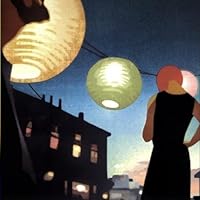
El vendedor de pararrayos es un cuento poco conocido de Herman Melville, autor reconocido por su bíblico Moby Dick. El cuento se ambienta en medio de una tormenta cuando llama a la puerta de una casa un vendedor de pararrayos. En el breve relato bajo la lluvia y los relámpagos se inicia una lucha simbólica entre el bien y el mal, la religión y la ciencia entre dos personajes anclados a sus creencias. La obra fue publicada en una recopilación de cuentos y breves relatos fantásticos.
Herman Melville was an American novelist, short story writer, and poet associated with the American Renaissance literary movement. Among his best-known works are Moby-Dick (1851), Typee (1846), a romanticized account of his experiences in Polynesia, and Billy Budd, Sailor, a novella published posthumously. By the time of his death, Melville had largely faded from public recognition. However, the centenary of his birth in 1919 marked the beginning of a literary revival, and Moby-Dick eventually came to be regarded as one of the greatest American novels.
Melville was born in New York City, the third child of a prosperous merchant. His father's death in 1832 left the family in severe financial difficulties. In 1839, Melville went to sea as an ordinary sailor aboard a merchant vessel and later joined the whaling ship Acushnet. He eventually deserted the ship in the Marquesas Islands. His first book, Typee, and its sequel, Omoo (1847), were adventure narratives based on his experiences among the peoples of the Pacific islands. Their success brought him financial security and enabled him to marry Elizabeth Shaw, daughter of the Boston jurist Lemuel Shaw.
With Mardi (1849), a romantic adventure novel and his first work of fiction not directly based on his own experiences, Melville began moving towards more ambitious literary subjects. The book was poorly received. His subsequent novels, Redburn (1849) and White-Jacket (1850), both drew on his experiences as a young man at sea. Although they received respectable reviews, neither achieved sufficient commercial success to support his growing family.
Melville's increasingly ambitious literary vision culminated in Moby-Dick (1851), which took nearly a year and a half to write. The novel initially failed to find a substantial audience, and contemporary critics were similarly dismissive of his psychologically complex novel Pierre: or, The Ambiguities (1852). Between 1853 and 1856, Melville turned increasingly to short fiction, publishing stories in magazines, including Benito Cereno and Bartleby, the Scrivener. In 1857, he travelled to England and toured the Near East before publishing his final prose novel, The Confidence-Man (1857). He subsequently settled in New York City, where he eventually took a position as a United States customs inspector.
From this period onwards, Melville devoted much of his creative energy to poetry. Battle-Pieces and Aspects of the War (1866) reflected on the moral and historical questions surrounding the American Civil War. In 1867, his eldest son, Malcolm, died at home from a self-inflicted gunshot wound. Melville's metaphysical epic Clarel: A Poem and Pilgrimage in the Holy Land was published in 1876.
In 1886, his other son, Stanwix, died, apparently from tuberculosis, and Melville retired from his position as a customs inspector. During his final years, he privately published two further volumes of poetry, while leaving another collection unpublished. His novella Billy Budd, Sailor remained unfinished at the time of his death and was published posthumously in 1924.
Melville died of cardiovascular disease in New York City in 1891. Although largely forgotten by the reading public at the time of his death, his reputation was eventually restored during the 20th century. Today, he is recognised as one of the most important figures in American literature, particularly for the philosophical depth, symbolic complexity, and literary ambition of Moby-Dick.
Wonderful tale of an unwavering salesman in lightning rods having a tough sales talk with an obstinate customer. Brilliant dialogue betweent the main characters here. What a classic sales story. It's relevance for our modern times? Well, there are still salesmen outside and they also have great stories to tell. But I doubt that someone surpasses 'Jupiter Tonans' here. Absolutely recommended!
Un relato bastante corto que se lee en un ratito. Un diálogo entre el vendedor de pararrayos que sale a realizar su trabajo cuando hay tormenta, y un posible cliente. Una lucha dialéctica entre dos personajes de distinta opinión, bastante entretenido
An interesting short story written in the 1800's that addresses with a comic air, the debate between science and earlier cultural beliefs while dealing with a sales-man of the time.
Un cuento muy ameno con diálogos brillantes en el que la llegada de un vendedor extraordinariamente pesado se convierte en una batalla dialéctica entre personajes de convicciones enfrentadas.
Cuento paródico y muy divertido de Herman Melville. Ray Bradbury toma prestado al personaje del el vendedor para incluirlo en su novela de terror "La Feria de las Tinieblas". Se nota la gran admiración que tenía por Herman Melville...
طرق على الباب ....ظهور غير متوقع لبائع تنز ملابسه و ترشح ماء يقف على عتبه بابك....جو مكفهر و عاصفه برقيه رعديه....يريد ان يبيعك عصى تقاوم البرق...فيدخل و يبدأ السجال...بين بائع و مشترى ...لنتعمق اكثر...بين وجهتى نظر...و نتعمق اكثر بين شخص يؤمن بالقدر و لا يخافه و اخر غير مقنع بافكاره و متزعزع...لا شك ان من يتكأ على ايمانه لا تفلح اي قوه على تغييرها قيد انمله....اما متزعزع الافكار فبالسهوله التي سيدخل بها يعرض لافكاره امامك بنفس السهوله التي سيجر اذياله خائبا مهزوما امامك...هل هنا هزيمه التجربه و العلم امام الدين...ربما لكن هي مجرد بدايه لسجال لم ينته...
An odd story by Herman Melville about a door to door travelling salesman selling lightening rods. If for nothing else, I would equate it to one of the many bizarre short stories that Mark Twain once wrote
This is the first work I have read by Melville (I know, I must get to Moby Dick). This short story was full of meaning, if the reader wants to see it. I do not want to give away anything, not that this story truly has much to give away. Just know that after the story, you will be thinking of what you had done in a similar situation and what that says about the way you live your life.This is a quick read that makes the reader think. Consequently, five stars.
"The Lightning-Rod Man" is a classic 1854 story of a persistent door to door salesman and his effort to sell a customer a lightning-rod during a storm with lightning and thunder. His prospective customer is not interested.
Melville turns lightning into more than weather — it becomes the fear we allow others to cultivate in us until we no longer trust our own sky. I liked the irony of a story that reminds us how easily people can be frightened into buying safety from those who first teach them to be afraid.
Herman Melville could write beautifully about peeling a potato. This short story has a lightning rod salesman burst into a man’s cabin and proceed to sell him.
Ah! The beauty of lightning cracking in the Appalachian Mountains--Whose that knocking on my door? And my, why are you using your knuckles, heathen? There is a perfectly functional door knocker.
"The Lightning-Rod Man" by Herman Melville begins with a solitary man listening, no, no, embracing a beautiful thunderstorm outside of his mountain home. This joyful scene is interrupted by a traveling lighting-rod salesman's rap on the door. Thus begins an exchange between two starkly different individuals.
"It was a polished copper rod, four feet long, lengthwise attached to a neat wooden staff, by insertion into two balls of greenish glass, ringed with copper bands. The metal rod terminated at the top tripodwise, in three keen tine, brightly gilt. He held the thing by the wooden part alone."
The interaction seems playful at first. The protagonist and the lightning-rod man first exchange pleasantries. Then, the protagonist begins an Aristotelian examination of the lightning-rod man's intentions, product, and conduct. The protagonist brings up a recent event where a church was struck by lightning (the church had lightning rods sold by this man) and Canada's use of lightning rods. The lightning-rod man besmirches Canadians because they use iron not cooper like he uses. His lightning-rods are the best on the market, but the protagonist does not think it respectable to besmirch the people in his field of business.
Frankly, it feels as if the protagonist plays with the traveling salesman during the exchange. He gives the lightning-rod man ample opportunity to be "human" and steer away from his showmanship, but, Hark! the lightning-rod man pursues the sale.
"You mountaineers are most exposed. In mountainous countries the lightning-rod man should have the most business."
Finally, the lighting-rod man uses fear in order to capture the sale. Hmm, does this sound familiar 21st century America? The protagonist, questions answered, reverts back to faith in the Deity in power.
"In thunder as in sunshine, I stand at ease in the hands of my God."
Stumped by the protagonist, wet from the downpour, angry by a perceived waste of time, the lightning-rod man is sent out of the protagonist's home with a broken wand. The 19th century Merlin "...still dwells in the land; still travels in storm-time, and drives a brave trade with the fears of man."
This little short story is a classic sales narrative. The persistent opportunistic salesman expresses his supposed paranoia of the current lightening storm situation but what can be recognized in this dialogue with a wise customer is strangely relevant to what we see today. Doesn't this sound at least vaguely familiar?
“The lightning-rod man still dwells in the land; still travels in storm-time, and drives a brave trade with the fear of man.”
The stirring up of fear in order to convince the gullible that what is being sold will protect a man from danger. Melville's story was first published in 1856 and it confirms that human nature just does not really change. But isn't this resistant customer perceptive?!
If you have a few minutes in your busy schedule, read this short tale!
Las tormentas con ráfagas de viento, truenos y relámpagos generan cierto temor a muchas personas. En este relato, durante el transcurso de uno de estos temporales, un curioso individuo llega a una casa con la intención de vender un pararrayos. Entabla una conversacion con el dueño de casa, dirigida a convencerlo de comprar el artículo. Sin embargo el miedo ancestral del vendedor frente al fenómeno natural es advertido por el anfitrión, generándose así un diálogo entretenido, con un tono de humor.
The lightning rod man is a very short story and my second introduction to Melville, strange in a Poe style as the lightning rod man tries to convince the science based peddler to buy his lightning rods while in the middle of the storm. It is humorous and strange, they both detest each other at the end as the sales man slinks back into the woods to convince someone else to buy his lightning rods by instilling fear while in the middle of a storm.
Relato breve y conciso, pero entretenido, una trifulca entre un montañes y un vendedor muy exaltado, es para una lectura ocasional ya que no te tardas mucho en completarlo (Quizás 30 minutos a lo sumo).
Funny short story Resist fear by accepting the uncertainties of earthly life and believe instead in the certainties of heavenly future. No amount of precaution can prevent trials that must be weathered.
Cuento corto sobre la manera de ver la vida de un vendedor de pararrayos, que bien puede ser la misma de muchas personas que solo ven lo negativo y el temor de lo que puede pasar. O bien la estrategia de un vendedor que abusa del temor o necesidad de los clientes para tratar de obtener su ganancia.