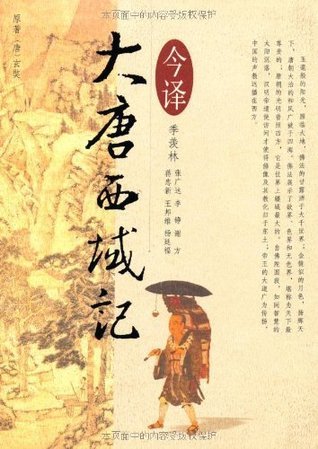
This was a very fascinating travelogue and the writing, from as much as I could glean from Li Rongxi's translation, has been done very well, in order to make it captivating from start to finish. For new readers, I would recommend first reading the "Note by Bianji", which is at the end of the text before starting with the main content. I did not do this, and I missed a crucial detail about the subtle difference in language used in the description of places XuanZang actually visited vs places he is describing from hearsay.
Enough has been said about how important and interesting this account is, from a historical standpoint. I'd like to highlight some aspects I found particularly fascinating, that I hadn't encountered elsewhere, in this context : 1. Dharma "Doomsday : References are made, time & again, about when The Buddha's Dharma will decline and what can foretell it. One example is that when a stupa in Gandhara has been burned down & rebuilt 7 times, the Buddha-Dharma will come to an end; as of writing, it was being reconstructed for the fourth time.
Every tradition of Buddhism has its own estimates of this. The time right after The Sakyamuni is known as Saddharma (where the Dharma is at its prime), and the second period is Saddharma-Pratirupaka (where situations are not ideal for the Dharma to be practiced). Different estimates exist, but the idea itself is quite remarkable and elegant.
2. The above idea is closely tied to the Buddhavamsa (sequence of Tathagatas), another concept shared by every Buddhist tradition (even the "protestant" Theravada). The record constantly references to the "other Buddhas of the Kalpa", even going into specific numerics like the idea that Sakyamuni Buddha was the 4th in a line of 1000 for the present Kalpa, etc. The record identifies Stupas marking locatons of crucial events in Kasyapa Buddha's (the previous Buddha) "tenure".
3. Skepticism of the claims made in the document was a constant temptation that I believe I have successfully resisted. Descriptions of supernatural events and happenings sound extremely unrealistic, but I found it more interesting to read this from a non-skeptical believer's perspective. However fantastical these stories are, I believe it was written to be believed and I did/do just that. Anything is possible ;-)
4. Hindus & Jains (Nirgranthas) together are referred to as the "heretics" & "heterodox" in this translation, and Buddhists are referred to as "Orthodox". Although a tone of condescension can be detected in every reference of the heretics, it is very interesting to note that the "spiritual efficacy" of the "Deva temples" (Hindu shrines) is acknowledged. The co-existence of these "Devas" is acknowledged in the Buddhist "Chiliocosm". A very interesting example is the accoun of the Deva "Mahesvara" instructing a Brahmin to expand the Mahabodhi temple around the Bodhi tree.
Considerable respect is also expressed to the learning and discipline of the "heterodox disciples". How I wish today's conversations are as civilized as this ;-)
5. An interesting claim is made of Jainism being just a repackaged version of earlier Buddhist texts.
6. He repeatedly mentions that local (Indian) Dynasties maintained meticulous records of the economic yields and major happenings of each year, and even quotes from some at places. This is quite contrary to a common criticism of Indian rulers, in that they did not maintain sufficient records for historians of later times.
7. The amount of praise showered on the land of India is really exhilarating! It is even referred to as the "land of happiness" at least once. An alternative etymology for the term "India" is provided - from "Indu", signifying the moon, since the land acts as a moon to light up the darkness of the world (the Geographical connotation of the region approximating a crescent is also given).
It also mentions that although there are different kingdoms in the geography, everybody in the world collectively refers to the region as "India", which is acknowledged by its people too. The record also describes a five-fold division of the land of "Jambudvipa" into north, west, south, east, and central, with very interesting commentaries (like the east being the most respected by everyone and the south being the most respected by the east, etc.). Of course, modern notions of north and south India don't apply here since regions up until modern-day Maharashtra are classified as the "South" and so on.
On the whole, this was a surprisingly enjoyable read and I'd highly recommend it to anyone, especially from India, trying to get a refreshing picture of 7th century AD India.
বই বড় অদ্ভুত নেশা , অনেকসময় বাস্তব কে ফুটিয়ে তোলে, চোখে আঙ্গুল দিয়ে বলে দেখ। আবার অনেক সময় টাইম মেশিনে চাপিয়ে নিয়ে যায় গত বা আগামীর অজানা রহস্যময় জগতে। ভূমিকা ছেড়ে আসল কথা বলা যাক। এই বইটা পড়তে পড়তে পৌঁছে গিয়েছিলাম প্রায় দেড় হাজার বছর আগের ভারতবর্ষে। বুদ্ধদেব গত হয়েছেন তারও হাজার বছর আগে। দিকে দিকে প্রচারিত হয়েছে বৌদ্ধ ধর্ম। এ-তো শুধু ধর্ম নয় এ এক জীবন শৈলী। বহু বাঁধা বিপত্তি অতিক্রম করে স্বদেশীয় রাজার নিষেধ সত্ত্বেও বৌদ্ধ ধর্মকে জানতে ও বুদ্ধের জন্মস্থল এই ভারত ভূমিকে চিনতে হর্ষবর্ধনের রাজত্বকালে চীনদেশ থেকে এসেছেন পর্যটক হিউয়েন সাং। বেশ কিছু বছর ভারতে ভ্রমণ করে ও নালন্দায় শিক্ষালাভ করে দেশে ফিরে লিখেছেন তার ভ্রমণ কাহিনী সি ইউ কি। এই বই তারই বাংলা অনুবাদ। অন্যান্য ধর্মের মতো বৌদ্ধ ধর্মেও যে এতো মিথ আছে তা এই বই না পড়লে জানতে পারতাম না | অপূর্ব আশ্চর্যজনক সেসব কাহিনী খুবই সুখপাঠ্য | বুদ্ধের তিরোধান ও অন্ত্যেষ্টির পর তার দেহাবশেষর ৮ টি ভাগ করে বিভিন্ন রাজার মধ্যে বিতরণ করা হয় ও তাঁরা সেগুলো সংরক্ষণের উদ্দেশে স্তূপ নির্মাণ করেন | পরে সম্রাট অশোক তা পুনরায় সংগ্রহ করেন বিভিন্ন স্তূপ থেকে ও নতুন করে বণ্টন ও স্তূপ নির্মাণ করেন | সারা ভারতে অশোক নির্মিত ৮৪০০০ স্তূপ ছিল সেই সময় যার অনেক গুলোই পুরনো স্তূপ ভেঙে নতুন করে তৈরি | অশোক এক সময়ে ভারতের একছত্র অধিপতি ছিলেন তা প্রমাণ করে এই ঘটনা | চণ্ডাশোক থেকে ধর্মাশোকে পরিণত হওয়ার পেছনে যে কলিঙ্গ যুদ্ধের ভয়াবহতা দায়ী তার উল্লেখ এই বইতে না পেলেও অশোক এক সময় অত্যাচারী শাসক ছিলেন তার উল্লেখ পাওয়া যায় | বরং তার ধর্মানুরাগী হওয়ার পেছনে অন্য ঘটনার উল্লেখ রয়েছে | সিংহাসন আরোহণের জন্য অশোক ভাতৃঘাতী হয়েছিলেন কিন্তু মহেন্দ্র নাম সম্রাট অশোকের এক ভাইয়ের উল্লেখ পাওয়া যায় এই বইতে | প্রথম জীবনে দুর্বিনীত মহেন্দ্র পরে বৌদ্ধ ধর্মানুরাগী হন ও ধর্ম প্রচারে অশোককে সাহায্য করেছিলেন | বুদ্ধের মৃত্যুর পর তার শিষ্যদের বিভিন্ন মতানুসারে বৌদ্ধ ধর্ম নানা শাখায় বিভক্ত হয় | এর মধ্যে প্রধান মহাযান ও হীনযান | সে সময় ভারতে এই দুই শাখায় বিশ্বাসী বৌদ্ধের সংখ্যা প্রায় সমান হলেও মহাজনকেই শ্রেষ্ঠ মত হিসাবে তুলে ধরা হয়েছে | বিভিন্ন ঘটনায় উল্লেখ করা হয়েছে হীনযানী বৌদ্ধরা মহাযানী দের কাছে তর্কে পরাস্ত হয়ে মহাযান গ্রহণ করেছে | এ প্রসঙ্গে বলে রাখা ভাল ধর্ম বিস্তারের জন্য বৌদ্ধ পণ্ডিতেরা তর্ককেই বেছে নিতেন | বিভিন্ন রাজার পৌরোহিত্যে তর্ক সভা চলতো ও তর্কে যারা জয়লাভ করতেন রাজা তাদের মতের প্রতিই আনুগত্য দেখাতেন | বইয়ের শুরুতেই ভারতবর্ষের জলবায়ু , চাষাবাদ , বাসিন্দাদের আচার আচরণ , সামাজিক ব্যবস্থার সুন্দর বিবরণ রয়েছে | শুরুর দিকে যারা বৌদ্ধ ধর্মে বিশ্বাসী নয় তাদের "অবিশ্বাসী" বললেও বইয়ের শেষে তাদের "বিধর্মী" বলে অবিহিত করা হয়েছে | বিধর্মী একটি বিদ্বেষমূলক শব্দ, এটি ইচ্ছাকৃত ভাবে ব্যবহৃত হয়েছে কিনা জানা যায়নি | বইয়ের ভাষা কঠিন না হলেও চলিত ভাষার স্বাদু বাংলা গদ্যে পড়তে অভ্যস্ত হওয়ার কারণে প্রথম কয়েক পাতা পড়তে কিঞ্চিত অসুবিধা হয়েছিল যা কিছু পরেই দূরীভূত হয়। এই বইকে সি ইউ কির বাংলায় অনূদিত সংক্ষিপ্তসার বলা যেতে পারে |
It was nice to know about the various accounts of culture in India. Afterwards it became a little boring and I couldn't relate with the current life in India. Most things described about lifestyle & living, I had seen personally while I was a child in my village, those aspects of the book are very intriguing.
I found this book to be a delight. This is a mediaeval travelogue from 1400 years ago by a Chinese man visiting India. The writer, XhuanZang, is a religious Buddhist on a quest to find the Scriptures that will resolve his faith questions. This does not distract us from the sense of discovery as he travels from place to place during his discoveries. The translator avoids lengthy interpretations to suppress our own personal perceptions as we follow along. Plus, it is not ridiculously long or short, and it has just enough variety to keep it from being too formulaic. These qualities alone must perk your interest if you care at all about history.
Yes, there are multiple scores of unrealistic anecdotes in this book. Yes, there are multiple religious phrases and ideas in it. And we never really learn if XuanZang resolved all those pesky contradictions that launched his discovery to begin with... Still, I enjoyed the ride, and I suspect you will too.
Contents #01 (34) Countries, from Agni to Kapisi [ Lands in China ] #02 (03) Countries, from Lampa to Gandhara [ Indu, Calendar variations ] #03 (08) Countries, from Udyana to Rajapura [ Dragon girl story, Prince Kanulas eyes ] #04 (15) Countries, from Takka to Kapitha [ Sthanesvara narrative ] #05 (06) Countries, from Kanyakubja to Visaka [ Debates with Hinayana followers ] #06 (04) Countries, from Sravasti to Kusinagara [ Asoka Hells, Women, Siddartha tales ] #07 (05) Countries, from Baranasi to Nepala [ Deer park, 1000 sons ] #08 (01) Countries, from Magadha part 1 [ Magadha: Bodhi tree ] #09 (00) Countries, from Magadha part 2 [ Magadha: Tripitaka assembled ] #10 (17) Countries, from Iranaparv. to Malakuta [ reaching the coast ] #11 (23) Countries, from Simhala to Varnu [ Simhala tales, Persia; ZhengHe ] #12 (22) Countries, from Jaguda to Gostana [ Onion Range, Eulogies ]
A very interesting read. Xuanzang discusses the places he travelled in India including the places where King Asoka built the Stupas. The book not only explores ancient India but it also has some interesting stories about Buddha, King Asoka and some other rulers of that time.
Buddha believed in scientific thinking, and he taught the same to others. After his death, his followers added their own ideas which led to the formation of different sects within Buddhism.
Xuanzang spent five years at Nalanda University studying Buddhism. The monks were encouraged to study well. There were different prizes for different levels of achievement. There were also discussions and debates.
Overall, this book is an interesting record of the history of Buddhism in India.