

What do you think?

The Daughters of Mannerling #1
The Banishment
Isabella Beverley is blessed with unparalleled beauty but, unfortunately, has been raised in the most snobbish and haughtiest of families. And when her father gambles away their fortune--including Mannerling, the exquisite family mansion--Isabella discovers there is very little sympathy for her plight. As the eldest, Isabella is chosen to court Mr. Judd, the roguish bachelor who won Mannerling. Surely no sacrifice is too great to regain Mannerling? But tempting her away from Mr. Judd is Lord Fitzpatrick, an Irish rake who fears Isabella can never love a man as she does her home--but is nonetheless determined to convince her to choose man over manse!
208 pages, ebook
First published April 1, 1995
About the author
Marion Chesney
150 books772 followersMarion Chesney Gibbons
aka: Ann Fairfax, Jennie Tremaine, Helen Crampton, Charlotte Ward, M.C. Beaton, Sarah Chester.
Marion Chesney was born on 1936 in Glasgow, Scotland, UK, and started her first job as a bookseller in charge of the fiction department in John Smith & Sons Ltd. While bookselling, by chance, she got an offer from the Scottish Daily Mail to review variety shows and quickly rose to be their theatre critic. She left Smith’s to join Scottish Field magazine as a secretary in the advertising department, without any shorthand or typing, but quickly got the job of fashion editor instead. She then moved to the Scottish Daily Express where she reported mostly on crime. This was followed by a move to Fleet Street to the Daily Express where she became chief woman reporter. After marrying Harry Scott Gibbons and having a son, Charles, Marion went to the United States where Harry had been offered the job of editor of the Oyster Bay Guardian. When that didn’t work out, they went to Virginia and Marion worked as a waitress in a greasy spoon on the Jefferson Davies in Alexandria while Harry washed the dishes. Both then got jobs on Rupert Murdoch’s new tabloid, The Star, and moved to New York.
Anxious to spend more time at home with her small son, Marion, urged by her husband, started to write historical romances in 1977. After she had written over 100 of them under her maiden name, Marion Chesney, and under the pseudonyms: Ann Fairfax, Jennie Tremaine, Helen Crampton, Charlotte Ward, and Sarah Chester, she getting fed up with 1714 to 1910, she began to write detectives stories in 1985 under the pseudonym of M. C. Beaton. On a trip from the States to Sutherland on holiday, a course at a fishing school inspired the first Constable Hamish Macbeth story. They returned to Britain and bought a croft house and croft in Sutherland where Harry reared a flock of black sheep. But Charles was at school, in London so when he finished and both tired of the long commute to the north of Scotland, they moved to the Cotswolds where Agatha Raisin was created.
aka: Ann Fairfax, Jennie Tremaine, Helen Crampton, Charlotte Ward, M.C. Beaton, Sarah Chester.
Marion Chesney was born on 1936 in Glasgow, Scotland, UK, and started her first job as a bookseller in charge of the fiction department in John Smith & Sons Ltd. While bookselling, by chance, she got an offer from the Scottish Daily Mail to review variety shows and quickly rose to be their theatre critic. She left Smith’s to join Scottish Field magazine as a secretary in the advertising department, without any shorthand or typing, but quickly got the job of fashion editor instead. She then moved to the Scottish Daily Express where she reported mostly on crime. This was followed by a move to Fleet Street to the Daily Express where she became chief woman reporter. After marrying Harry Scott Gibbons and having a son, Charles, Marion went to the United States where Harry had been offered the job of editor of the Oyster Bay Guardian. When that didn’t work out, they went to Virginia and Marion worked as a waitress in a greasy spoon on the Jefferson Davies in Alexandria while Harry washed the dishes. Both then got jobs on Rupert Murdoch’s new tabloid, The Star, and moved to New York.
Anxious to spend more time at home with her small son, Marion, urged by her husband, started to write historical romances in 1977. After she had written over 100 of them under her maiden name, Marion Chesney, and under the pseudonyms: Ann Fairfax, Jennie Tremaine, Helen Crampton, Charlotte Ward, and Sarah Chester, she getting fed up with 1714 to 1910, she began to write detectives stories in 1985 under the pseudonym of M. C. Beaton. On a trip from the States to Sutherland on holiday, a course at a fishing school inspired the first Constable Hamish Macbeth story. They returned to Britain and bought a croft house and croft in Sutherland where Harry reared a flock of black sheep. But Charles was at school, in London so when he finished and both tired of the long commute to the north of Scotland, they moved to the Cotswolds where Agatha Raisin was created.
Ratings & Reviews
Friends & Following
Create a free account to discover what your friends think of this book!
Community Reviews
Displaying 1 - 30 of 167 reviews

December 14, 2023
Shamelessly Enticing!
The Banishment is the first book in The Daughters of Mannerling, a new series that I am happily starting.
The Beverly family consists of the proud pappa, the snobby mama and the noses -in-the-sky daughters. All six of them.
After their father gambles away Mannerling, their home, Isabella, the eldest daughter is expected to sacrifice herself into marriage for the sake of moving her family, with herself, back to Mannerling.
It’s like there is a spell on the family in their quest to make Mannerling their home again.
Will they be successful in their endeavors to return home? Will all their plotting lead to their respective ownership of Mannerling?
Time will tell.
Five stars. ✨✨✨✨✨
The Banishment is the first book in The Daughters of Mannerling, a new series that I am happily starting.
The Beverly family consists of the proud pappa, the snobby mama and the noses -in-the-sky daughters. All six of them.
After their father gambles away Mannerling, their home, Isabella, the eldest daughter is expected to sacrifice herself into marriage for the sake of moving her family, with herself, back to Mannerling.
It’s like there is a spell on the family in their quest to make Mannerling their home again.
Will they be successful in their endeavors to return home? Will all their plotting lead to their respective ownership of Mannerling?
Time will tell.
Five stars. ✨✨✨✨✨

January 8, 2018
This is the beginning of the series and since it is M. C. Beaton, its a great book. There are some authors you can always rely on.
This one has romance and misunderstandings. It also has a cliffhanger of a bit of madness in the end. Can’t wait to read the next one. BTW the audio is well done. 😊🎧
This one has romance and misunderstandings. It also has a cliffhanger of a bit of madness in the end. Can’t wait to read the next one. BTW the audio is well done. 😊🎧

June 26, 2018

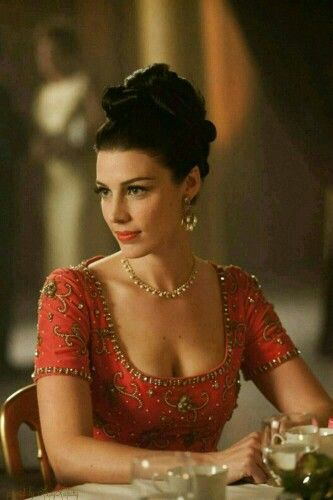
This is the start of a series about an aristocratic family, the Beverleys, who are obsessed with wealth, status and most of all, with their stately mansion called Mannerling. Sir William and Lady Beverley have 6 beautiful daughters and the heroine Isabella is the oldest. I disliked Isabella and all of the snobbish and mean Beverley relatives when the story started. They're like a regency version of the family from that old cancelled tv series called "Dirty Sexy Money". They're all full of themselves, they treat their servants with disdain and expect all their minor gentry neighbours to worship them. At the beginning of the novel, the Beverleys are still rich and living at their showpiece mansion Mannerling. Their only problem is due to the fact that Isabella has, in spite of her famed beauty and wealth, failed to get a single marriage proposal during her recent debut season in London. They're all stumped and can find no explanation for it, especially when Isabella started the season as the most popular and beautiful debutante. But it's their very vanity that makes them oblivious to the reasons why prospective suitors had been turned off of the heroine. Isabella, like her parents and sisters, is so vain and obsessed with her self importance that she made little effort to get to know any of the men she met. She would often fail to ask these men about themselves or to show any interest in the things they liked; instead, she would only boast about the magnificence of her home Mannerling.All the men found her beautiful but didn't want to marry a woman who was absolutely full of herself. This is Isabella:
The plot kicks off when Sir William gambles and loses Mannerling, most of his wealth and even his wife's and daughters' jewellery. It was fun to see this family get kicked down a notch. Their servants had no loyalty or respect for them and their neighbours were all happy and ecstatic to see the vain Beverley family have to leave their mansion and go to live in a smaller home they were just barely able to afford. It was only after they lost their money and their mansion, that Isabella became more likable. She soon started to spend time with the hero; he was an Irish nobleman who was new to the area. His name was Viscount Fitzpatrick and he'd just bought the adjacent Perival estate. Any other family that was logical would've wanted to encourage a courtship between a rich handsome viscount and Isabella, but the Beverley family was too obsessed with Mannerling to be sensible. Their solution to their problems was for Isabella to marry the man who had won Mannerling from Sir William. That guy was Mr. Judd and he was a sly, evil and sleazy man. Isabella didn't like Mr. Judd but she was so fixated on her dream to get back the family mansion that she was willing to allow him to court her. Mannerling reminded me of that evil haunted house in Stephen King's eponymous novel Rose Red :
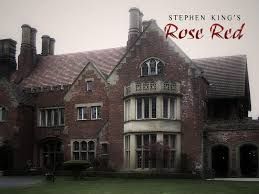
It soon became apparent that Mannerling was a house with its own evil kind of energy, just like the house in King's Rose Red ; it soon started to wield its power over Mr. Judd and his fixation with the mansion escalated. The hero was bemused by all of this because he didn't find Mannerling to be a warm and happy type of home; he couldn't see why all these people were so caught up in its trap. Viscount Fitzpatrick was a wonderful hero; in fact, I think he was too good, kind, chivalrous and sweet for Isabella. This is Viscount Fitzpatrick:

The H was attracted to Isabella and soon started to court her. Isabella's feelings for him were strong but her family managed to bully her into accepting Mr. Judd's courtship. This was unbelievable to me because Mr. Judd is not even a member of the Ton and he has no other assets or long term means of making money aside from gambling. It was ridiculous that this family would embarrass themselves and their daughter by denying her the chance to marry a handsome and rich viscount. I would've hated this novel if Isabella hadn't started to change from the middle part of the story. She became friends with the H's widowed aunt Mrs. Kennedy and this lady began to teach the heroine that there were more important things in life than Mannerling. The best part of this story was the gradual humbling of the heroine. She only became likable after all of her pride and vanity were ground into the dust. She'd made a horrible mistake by refusing the H's offer of marriage because her family wanted her to marry Mr. Judd. The H was able to see her get her comeuppance when Mr. Judd, who knew that the Beverley family only wanted to use him to get back Mannerling, decided to propose to the vicar's daughter Mary. This was done at a ball where everyone in the neighbourhood thought that Mr. Judd would be proposing to Isabella. The ironic thing about this is that the heroine only felt relief and happiness, rather than embarrassment. By this time in the story, she was already in love with the H and regretted turning down his marriage proposal.
The author salvages the heroine's character by making her suffer for quite a bit of time after this and I found this to be very fair to the hero. Eventually, Isabella grew to realize that Mannerling was just a house and the evil mansion soon lost its hold on her. Mr. Judd, however, wasn't that lucky. He ended up hanging himself from the main chandelier in the mansion. In the subsequent novels in the series, the chandelier itself will become a haunted motif. Mr. Judd's new wife was forced to return to live at the vicarage with her father and I didn't feel sorry for her because she was a mean, social climbing attention whore. The H and Isabella were reconciled when the heroine assured him that she didn't want him to use his wealth to purchase Mannerling back for her family. That's when I decided that Isabella ought to be forgiven for having been such a vain little twit earlier in the story. Her sisters, especially the bitchy Jessica, were appalled because they felt that she should've used her new husband as a means to recoup the old family home. Lady Beverley was also a bit peeved since her son in law was Irish but the heroine didn't care what her relatives thought because she was in love with the H and wanted to be with him.
There are still 5 more novels in this series with each of the remaining Beverley sisters. Mannerling will continue to be at the center of each novel because the sisters will all try to marry men who own the mansion. The novel ends on a happy note for the viscount and Isabella but there's a hint that the Beverley family are already plotting a new scheme to regain ownership of Mannerling:
Isabella alighted at Perival with a glad feeling of coming home. The viscount came out to meet her. ‘Come in here,’ he said, pulling her into a small morning room. He took off her bonnet and threw it on a chair and then fell to kissing her breathless.
‘Oh, dear,’ she said when she could. ‘My dreadful family. You will never guess what they are plotting next.’
‘The Devers have a son, a marriageable son, am I right?’
‘Are they so transparent then?’
‘Very.’
‘What should I do?’
‘Kiss me again.’ After a long time, he said huskily, ‘Let your family learn by their mistakes, as learn they must. At least one brand has been saved from the burning.’
M. C. Beaton. Banishment (Daughters of Mannerling 1) (Kindle Location 2159-2166). Canvas. Kindle Edition.
This entire review has been hidden because of spoilers.

November 11, 2010
Overall rating for this 6 book series: 1.5 stars.
The Banishment
The Intrigue
The Deception
The Folly
The Romance
The Homecoming
Really, Marion Chesney ought to be embarrassed to put her name to the Daughters of Mannerling series. Did she use an inept ghost writer? Her cat Snookums? Or did she phone it in via 2 tin cans and a piece of sting?
Be warned Chesney fans: this is NOTHING like the delightful The Six Sisters or A House for the Season series of Regency romances. The heroines are 2-dimentional and obnoxious; there is nothing likable about them and the only thing thing they have going for them is their beauty. The younger sisters don't learn from the older sisters escapades at all, and each book is merely a replay of the last. Yes, I know that this is a Chesney formula, but at least in her earlier works her writing was good enough to make each one entertaining. Not so with this mess.
Avoid at all costs, or if you must, read this series last.
The Banishment
The Intrigue
The Deception
The Folly
The Romance
The Homecoming
Really, Marion Chesney ought to be embarrassed to put her name to the Daughters of Mannerling series. Did she use an inept ghost writer? Her cat Snookums? Or did she phone it in via 2 tin cans and a piece of sting?
Be warned Chesney fans: this is NOTHING like the delightful The Six Sisters or A House for the Season series of Regency romances. The heroines are 2-dimentional and obnoxious; there is nothing likable about them and the only thing thing they have going for them is their beauty. The younger sisters don't learn from the older sisters escapades at all, and each book is merely a replay of the last. Yes, I know that this is a Chesney formula, but at least in her earlier works her writing was good enough to make each one entertaining. Not so with this mess.
Avoid at all costs, or if you must, read this series last.

November 11, 2022
One has to like Marion Chesney's style of telling the story, quickly and with many things taking place behind the scene, to be able to enjoy this novel.
I liked the idea of a very snobbish aristocratic family that became poor (in their meaning, no starving, etc.). The characters were well created, they would have been a great base for a more complicated and longer book. Nonetheless, Chesney did well, putting the story in less than two hundred pages.
Sadly, it lacked (even for Chesney's standard) a bit in romance and humour. Lord Fitzpatrick could have had more place in the story. He was an interesting hero of the genre.
I hope the rest of the sisters would grow up from their snobbish ways satisfactorily too.
[2.5-3 stars]
I liked the idea of a very snobbish aristocratic family that became poor (in their meaning, no starving, etc.). The characters were well created, they would have been a great base for a more complicated and longer book. Nonetheless, Chesney did well, putting the story in less than two hundred pages.
Sadly, it lacked (even for Chesney's standard) a bit in romance and humour. Lord Fitzpatrick could have had more place in the story. He was an interesting hero of the genre.
I hope the rest of the sisters would grow up from their snobbish ways satisfactorily too.
[2.5-3 stars]

January 8, 2015
First I'll finish happier Travelling Matchmaker Hannah Pym series https://www.goodreads.com/review/show.... Re-read for sake of completion, not enjoyment. UK is still incomparable to Canada with sense of belonging for generations in a single place. Perhaps plot loses impact because I've never known anyone suffering as Beverleys do.
Favorites are Poor Relations https://www.goodreads.com/review/show... and Edwardian Mysteries https://www.goodreads.com/review/show..., even contemporary Agatha Raisins https://www.goodreads.com/review/show... and Hamish Macbeths https://www.goodreads.com/review/show..., published as M.C. Beaton alias.
Not as individual or focussed on social issues as other series. Not as funny -- quips or people. Romance limited to kisses. More black vs white, bad vs good. Hero, not even given first name, does play practical joke that ends up more cruel than intended.
Isabella 19, "exceptional beauty" p 16, eldest of six sisters, fails to find a beau at her first London season, because Lady Beverley and family are too full of "arrogance and pride" p 20, in love with the 1750 Mannerling estate. Sir William gambles all away to sly Mr Judd. Mrs Kennedy and her nephew, rich Irish Lord Fitzpatrick 30s, are the only neighbors to be kind and friendly, offering homemaker lessons and fast galloping Satan respectively.
Favorites are Poor Relations https://www.goodreads.com/review/show... and Edwardian Mysteries https://www.goodreads.com/review/show..., even contemporary Agatha Raisins https://www.goodreads.com/review/show... and Hamish Macbeths https://www.goodreads.com/review/show..., published as M.C. Beaton alias.
Not as individual or focussed on social issues as other series. Not as funny -- quips or people. Romance limited to kisses. More black vs white, bad vs good. Hero, not even given first name, does play practical joke that ends up more cruel than intended.
Isabella 19, "exceptional beauty" p 16, eldest of six sisters, fails to find a beau at her first London season, because Lady Beverley and family are too full of "arrogance and pride" p 20, in love with the 1750 Mannerling estate. Sir William gambles all away to sly Mr Judd. Mrs Kennedy and her nephew, rich Irish Lord Fitzpatrick 30s, are the only neighbors to be kind and friendly, offering homemaker lessons and fast galloping Satan respectively.

August 4, 2013
The Beverleys, sir William, LadyBeverley and their six beautiful daughters, love their grand 17th century mansion more than life itself. The Beverleys are so proud of their home, their pride is overbearing to the point of obsession and they consider everyone else to be beneath them, which is the reason why eldest daughter Isabella is still unattached after a Season in London. When Sir William gambles away Mannerling and all its' contents, the Beverleys are forced to downsize and move to a small home nearby with only a few servants hired from the village. Sir William considers this a temporary setback and is determined that Isabella should wed Mannerling's new owner, a Mr. Judd. Isabella will do anything to get Mannerling back so she is happy to oblidge her family and attract Mr. Judd. However, as Isabella becomes friendly with the handsome Irish Viscount Lord Fitzpatrick and his aunt, Mrs. Kennedy, some of her haughty airs begin to evaporate and she is conflicted in her feelings about Mannerling and for Lord Fitzpatrick. All she knows is that her family is counting on her to restore them to Mannerling. I found it hard to get into this book at first because the Beverleys were so unlikeable. Once Isabella began to thaw, I liked her and felt sorry for her and the terrible position her family put her in. The rest of her family remained unlikeable. The romance was believable and Lord Fitzpatrick is a very human character. There are some lighthearted moment involving the servants but nothing that is laugh out loud funny.

December 7, 2017
2.5 stars because the hero is Irish :) Otherwise, this was a predictable, not very romantic Regency listen. I found Isabella's determination to restore her family home at all costs sickening at times. Plus, it was a sharp, rather unbelievable turn for her to go from haughty debutante to befriending servants. As there are five other sisters (all quite unlikable) and the series is called The Daughters of Mannerling, there will obviously be more schemes afoot. I don't really have much interest in continuing to read about them though.
Side note: Apparently I'd forgotten I had read one other in this series before, out of order (The Romance). I will probably try Chesney again, just something different.
Side note: Apparently I'd forgotten I had read one other in this series before, out of order (The Romance). I will probably try Chesney again, just something different.

December 19, 2009
Book 1 of the series The Daughters of Mannerling, a Regency romance (set between 1800 and 1830 under the regent of mad King George). Not well written, but a simple satisfying story of the oldest Beverley daughter after her family's financial ruin. Isabella marries the handsome and rich Viscount Fitzgerald and goes to live in Ireland after unsuccesfully scheming to marry the vile new owner of Mannerling, Mr. Judd. Isabella learns that the house is unimportant compared to love, but her five sisters are still under the spell of Mannerling.
May 19, 2013
Marion Chesney is also M. C. Beaton and under the Chesney name has written a long string of Regency novels. This is one. It's a pleasant story, nothing special. Father loses family estate on a gambling bet. Oldest of six daughters is basically told she must marry the new owner so her familly can return to the house. But there's a charming Irish lord in the background. Who gets her, the Irish Lord or the gambler? I'll bet you'll guess it right.

February 28, 2014
This book lacked the delicious fun of Chesney/Beaton's other regencies. It had a surly, dark quality that wasn't sinister enough to be gripping, just sort of...dismal and depressing. There was very little humor in the dialogue, none of the old familiar flirtatious repartee, and the Beverly family's obsession with their former estate seems utterly unnatural and tiresome. Will return to one of her other series, I think.

November 30, 2018
I borrowed the whole series of six books thinking this was going to be a humorous read based on the author, it wasn't. It felt more like a cheap rip off of novels like Pride & Prejudice - part one was very disappointing - I'll probably persist with the rest though.

November 11, 2021
I read a LOT of Marion Chesney as a youngster, because even then I loved the Regency period and because her books were available to me at the local libraries. Are they good? Not really, like Heyer Lite (VERY lite) and extremely formulaic: there's always some kind of older (not always wiser) character who either provides a crutch to the heroine (the males) or is a figure of fun (the females); there's usually six somethings (sisters; consecutive inhabitants of a house; etc.); and -- SPOILER! -- the last of them will trump them all and end up marrying a duke!!1! This series has the dependable male figure (servant Barry); the six beautiful sisters; and increasingly high-status marriages. One thing that cracked me up was villainous Judd talking about pulling down the temple at Mannerling, building a ruin, and making John the servant pretend to be a hermit to amuse visitors (and also because John was a bit too uppity) -- I gather that was actually a thing during the period, but the cavalier way it was thrown in was quite funny.

May 15, 2023
I found this book to be boring and dragging

June 26, 2024
I enjoyed this novel so much!
I’m excited to read more about these fascinating characters!
I’m excited to read more about these fascinating characters!

May 26, 2025
This is why I love real Regency romance stories!
July 27, 2020
Echoes of Rebecca, Pride and Prejudice and probably other Victorian novels.

May 7, 2021
The author was recommended and thought I'd give it a try as I was looking for something light. It was just okay. The characters weren't very fleshed out and it was predictable.

May 22, 2025
This was an easy Regency Novel. I may finish the series. The characters were well written

November 18, 2022
A haughty heiress is brought low by her father's gambling and learns the value of true friendship from the lower classes. Along the way she falls in love with *gasp* an IRISHMAN, and everyone proceeds to act like a silly goose until the end of the book. At least the silly goosiness is evenly spread amongst the genders, and that's feminism, baby.
Look, I didn't have a BAD time...
CW for mentions of suicide, a suicide attempt, and the suicide of an unlikable character.
Look, I didn't have a BAD time...
CW for mentions of suicide, a suicide attempt, and the suicide of an unlikable character.

May 2, 2013
At 151 pages, I would classify this as a novella, personally. It literally took me about two hours to read it, tops.
Isabella is the oldest of 6 daughters in the Beverley family, a family of spoiled, vain, arrogant, entitled, pompous and scheming aristocrats with very little redeeming qualities whatsoever. When the patriarch, Sir William Beverley, gambles away their estate (Mannerling), the entire family embarks on a variety of schemes to regain their property. Chief among these schemes is that the oldest daughter, Isabella (whose Season failed dismally due to her terrible attitude and boring obsession with her house) capture the heart and ring finger of the house's winner, Mr. Judd. In the meantime, Isabella will have to decide between Mannerling - and Mr. Judd - and love with Lord Fitzpatrick.
Not a new plot, by any means, and when I say Isabella and her family are horrible, I mean they are AWFUL. An entire family of twits and jerks. Isabella grows up, but unfortunately never grows enough of a backbone to really speak out about her feelings to the very end. (Not that that changes anything.)
The paranormal aspects - e.g., Mannerling has some kind of hold over people and makes them act weird - just made me roll my eyes. This story was complete fluff and only earned two stars because (a) I liked the fact that Lord Fitzpatrick was Irish (a little unusual) and (b) Isabella did show some growth... I suppose.
I see that many commenters say that these books all have the same plot with different characters... yikes. I will skip the rest of this series, in that case, and spend my time on the towering TBR pile I already have.
Isabella is the oldest of 6 daughters in the Beverley family, a family of spoiled, vain, arrogant, entitled, pompous and scheming aristocrats with very little redeeming qualities whatsoever. When the patriarch, Sir William Beverley, gambles away their estate (Mannerling), the entire family embarks on a variety of schemes to regain their property. Chief among these schemes is that the oldest daughter, Isabella (whose Season failed dismally due to her terrible attitude and boring obsession with her house) capture the heart and ring finger of the house's winner, Mr. Judd. In the meantime, Isabella will have to decide between Mannerling - and Mr. Judd - and love with Lord Fitzpatrick.
Not a new plot, by any means, and when I say Isabella and her family are horrible, I mean they are AWFUL. An entire family of twits and jerks. Isabella grows up, but unfortunately never grows enough of a backbone to really speak out about her feelings to the very end. (Not that that changes anything.)
The paranormal aspects - e.g., Mannerling has some kind of hold over people and makes them act weird - just made me roll my eyes. This story was complete fluff and only earned two stars because (a) I liked the fact that Lord Fitzpatrick was Irish (a little unusual) and (b) Isabella did show some growth... I suppose.
I see that many commenters say that these books all have the same plot with different characters... yikes. I will skip the rest of this series, in that case, and spend my time on the towering TBR pile I already have.

February 4, 2015
3.5 stars. This is a sweet, easy read about country manners and the fall of a prideful family in the style of Georgette Heyer and Jane Austen. There’s more than a whiff of Persuasion‘s Elliot family about the Beverleys, who live in a beautiful house they believe is incomparable to anywhere else on Earth, and that they themselves are far superior to anyone in the neighbourhood. It’s not a patch on Persuasion, of course (few things are), but it’s charming and gentle and pokes plenty of fun at the family.
True, they’re a fairly insufferable bunch, with their obsession with winning Mannerling back after it’s so stupidly lost. As the oldest, though, Isabella is the first to see the errors of the family’s ways and attempt to bring about a change. Befriending the handsome local Viscount, however, enacts a sore price on the heart she didn’t even know she had when her family push her instead to marry the gambler who now owns their old home.
It’s a fun read, thoroughly predictable, but enjoyable nonetheless. The idea that the house itself exerts an unhealthy obsession in all of its inhabitants is certainly intriguing enough to make me read on, even if the prospect of snobby Jessica as a lead character is less than inviting. I’ll definitely be tracking down the rest of M.C Beaton’s old Regency series soon.
True, they’re a fairly insufferable bunch, with their obsession with winning Mannerling back after it’s so stupidly lost. As the oldest, though, Isabella is the first to see the errors of the family’s ways and attempt to bring about a change. Befriending the handsome local Viscount, however, enacts a sore price on the heart she didn’t even know she had when her family push her instead to marry the gambler who now owns their old home.
It’s a fun read, thoroughly predictable, but enjoyable nonetheless. The idea that the house itself exerts an unhealthy obsession in all of its inhabitants is certainly intriguing enough to make me read on, even if the prospect of snobby Jessica as a lead character is less than inviting. I’ll definitely be tracking down the rest of M.C Beaton’s old Regency series soon.

February 7, 2015
The Banishment is the story of the Beverly sisters who live a charmed life with their parents in their family home, Mannerling. The eldest, Isabella, has just returned from her first London season unmarried and unhappy. As one of the most beautiful ladies of the season she was expected to return married and her five sisters are shaken by her failure. Their family's ancient lineage and fabulous wealth all but guaranteed her a successful season and a fabulous husband.
There is a new neighbor but he is an Irish Lord and the Beverly's are snobs so he certainly won't do for any of their girls. The Beverly's annual ball will fill the house with members of the Ton and their eligible sons. Not long after the ball the Beverlys lives will be upended when it is revealed their father has lost their home and most of their possessions and they will be moving to a small home with few staff and no carriages.
Thus begins a number of schemes to marry off the dowry-less daughters and reclaim Mannerling. The reaction of individual family members to their plight and their inability to face reality is fascinating and tragic.
I look forward to the remaining books in the series.
December 2021 Another book that I completely dropped down the memory hole, I had no recollection of this story. It is definitely unique.
There is a new neighbor but he is an Irish Lord and the Beverly's are snobs so he certainly won't do for any of their girls. The Beverly's annual ball will fill the house with members of the Ton and their eligible sons. Not long after the ball the Beverlys lives will be upended when it is revealed their father has lost their home and most of their possessions and they will be moving to a small home with few staff and no carriages.
Thus begins a number of schemes to marry off the dowry-less daughters and reclaim Mannerling. The reaction of individual family members to their plight and their inability to face reality is fascinating and tragic.
I look forward to the remaining books in the series.
December 2021 Another book that I completely dropped down the memory hole, I had no recollection of this story. It is definitely unique.

Read
April 12, 2013I remember reading a slew of Marion Chesney novels when my children were very young. They were just the right kind of light, mindless entertainment that I needed at the time. I had to read things that were very put-downable … books that would not consume me. My free time to read was very limited.
Basically, all of the books in any given Marion Chesney series were the same book. She had a formula, and stuck to it. She changed names, places and circumstances, but the basic plots remained identical. They were all set during the Regency (a period in history that I still adore to this day), and they were all usually under 200 pages each. The writing was simplistic, and really gave you nothing to ponder. These books fit the bill for me perfectly at the time.
Considering the number of books she has cranked out (Wikipedia lists 106 books under her own name and her pseudonyms), I’m not surprised that she does not write “great works of fiction”.
So I figured that since they were really all the same book, the same review would suffice!
Basically, all of the books in any given Marion Chesney series were the same book. She had a formula, and stuck to it. She changed names, places and circumstances, but the basic plots remained identical. They were all set during the Regency (a period in history that I still adore to this day), and they were all usually under 200 pages each. The writing was simplistic, and really gave you nothing to ponder. These books fit the bill for me perfectly at the time.
Considering the number of books she has cranked out (Wikipedia lists 106 books under her own name and her pseudonyms), I’m not surprised that she does not write “great works of fiction”.
So I figured that since they were really all the same book, the same review would suffice!

May 8, 2014
Why do these feel so... stilted. Like the books I wrote as a child where everything was so planned it was awkward. I know it's only a short book but it just felt like an ever so short, hastily written plan for a story.
Could have been fleshed out a little. Particularly Isabelle who went from "spoilt brat" to "sweet girl being put upon by her family" in the space of about five pages. Character development. Don't rush it. Please.
Could have been fleshed out a little. Particularly Isabelle who went from "spoilt brat" to "sweet girl being put upon by her family" in the space of about five pages. Character development. Don't rush it. Please.

skimmed
August 6, 2015I...personally thought the characters were boring and completely lacking any depth. I'm not sure why the main male character would even be interested in Isabella, apart from her being beautiful. Apparently, she fails in "society" because people are either intimidated or bored by her. Since all she seems to talk or care about is her home, I can understand why. Again, why would main male Irish dude be interested in her to begin with?

September 3, 2015
Six selfish, spoiled, and snobby sisters should have been humbled when dear papa squandered the family home and estates in a card game- but their sense of entitlement and superiority don't seem to have been damaged in their fall from wealth and privilege. As the family plots and schemes to marry the eldest daughter to the profligate gambler who won the estates, the eldest herself falls in love... So in their folly of love and loyalty which wins? The home or the heart?
January 12, 2009
Fun twist on romance-love for a house, and how true love triumps. Also good to see the consequences of gambling.

March 1, 2013
This book was a cute Regency era romance. The funny thing is, on my kindle it has a different cover. I would of never even looked twice had it this cover!

April 5, 2017
Watered down version of Pride & Prejudice.
Displaying 1 - 30 of 167 reviews