Jump to ratings and reviews
Rate this book

火の鳥 [Hi no Tori] #12

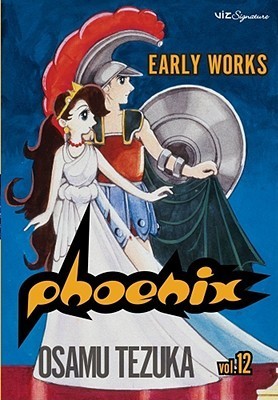
Phoenix, Vol. 12: Early Works

Rate this book

Phoenix: Early Works contains stories serialized from 1954 to 1957. This volume contains an early version of the story Dawn, as well as a chapter on ancient Egypt, Greece and Rome.


The stories collected here showcase an earlier phase of Tezuka's art and storytelling--and expose a more youthful, sweet side of the master creator. They also illustrate the link between early manga and American comics and cartoons, and reveal Tezuka's deep fascination with Walt Disney. The work was originally geared toward a younger audience than the Phoenix sagas, which began in the 1960s.

188 pages, Paperback

First published March 18, 2008

4 people are currently reading
132 people want to read

About the author

Osamu Tezuka

2,145 books1,294 followers
Dr. Osamu Tezuka (手塚治虫) was a Japanese manga artist, animator, producer and medical doctor, although he never practiced medicine. Born in Osaka Prefecture, he is best known as the creator of Astro Boy and Kimba the White Lion. He is often credited as the "Father of Anime", and is often considered the Japanese equivalent to Walt Disney, who served as a major inspiration during his formative years. His prolific output, pioneering techniques, and innovative redefinitions of genres earned him such titles as "the father of manga" and "the God of Manga."

Ratings & Reviews

What do you think?
Rate this book

Friends & Following

Create a free account to discover what your friends think of this book!

Community Reviews

5 stars
45 (30%)
4 stars
38 (25%)
3 stars
46 (30%)
2 stars
17 (11%)
1 star
4 (2%)
Displaying 1 - 9 of 9 reviews
Profile Image for Lâm Nguyễn .
419 reviews26 followers
December 13, 2021
Truyện Hi No Tori mình được đọc từ thuở nhỏ, thập niên 90 với tựa đề: Chim lửa. Mãi giờ mới đọc đầy đủ hơn và hiểu rõ hơn về truyện.

Mình vốn mê truyện của Osamu Tezuka, thuở bấy giờ, các truyện của ông được xuất bản không nhiều, song truyện nào cũng làm mình mê tít: Bác Sĩ Quái Dị, Cậu Bé Ba Mắt, Tôn Ngộ Không, Vua Sư Tử, Astro Boy, Hiệp Sĩ Đeo Nơ... phiêu lưu vào những thế giới kỳ bí, tác giả kiến giải bằng khoa học/viễn tưởng, bằng tâm linh... Các tác phẩm vừa mang những giá trị giáo dục, nhân văn, khai mở khám phá những tri thức mới... Gần đây, mình mới đọc thêm những tác phẩm khác của ông, mới biết còn nhiều tác phẩm hay xuất sắc, cũng như có những tác phẩm quá đỗi bi kịch như Ode to Kirihito, u ám như Alabaster, Message to Adolf, MW... nên có thêm nhiều góc nhìn về tư tưởng, quan điểm của ông.

Về Chim lửa, giờ đọc lại thực sự như... mới, bởi ngày trước mình cũng chỉ đọc (ké) được một số tập nên cũng không nhớ rõ cốt truyện, nhưng khi được đọc đầy đủ hơn (dù truyện chưa hoàn thành, tác giả đã sớm đi gặp Chim lửa) thì có cái nhìn bao quát hơn về tác phẩm đặc sắc này. Tác phẩm xoay quanh nước Nhật từ quá khứ đến tương lai xa xôi (có bay đến hành tinh khác trong tương lai). Trong quá khứ, tác giả có khai thác một số nhân vật dựa trên tích xưa, sử cũ của Nhật... Trong truyện, cả quá khứ vị lai đều là những lát cắt thời gian, "nhảy cóc" nhưng không hề đứt đoạn, nó được kết nối bởi chính nghiệp mà quá khứ nhân vật đó đã tạo nên, và "Chim lửa" - *tượng trưng cho sinh mệnh vũ trụ có đời sống vĩnh hằng* - đã gặp những linh hồn này - khi vừa rời khỏi nhân gian, đang ở thân trung ấm - và phán quyết/chỉ dẫn cho những kiếp sau mà họ sẽ tiếp nối... Để rồi ở chương sau kết thúc đó lại là một mắc xích của thời gian/nghiệp báo. Câu chuyện như những vòng xoắn mà ở đó tác giả đã "bốc" chọn từng khúc quanh xuôi-ngược.

Ở đó, có một nhân vật (Masato) sống ở tương lai, khi trái đất đã là một hành tinh chết - cậu là người sống sót duy nhất, và được Chim lửa cho uống dòng máu bất tử và trao sứ mệnh: giúp trái đất hồi sinh. Masato phải chờ 5 tỉ năm để chứng kiến bao sự sinh tồn/tận diệt của các loài cho đến khi sinh vật trên trái đất được hồi sinh tựa trước đây. Masato trở thành một sinh mệnh vũ trụ sau khi cơ thể của mình tan biến vì quá già cỗi, Masato vẫn tiếp tục quan sát sự tiến hóa chậm chạp của sự sống. Khi hoàn thành sứ mệnh, Chim lửa gặp Masato và hòa sinh mệnh của Masato vào thân thể của mình.

Vào trước thời điểm đó, một nhà khoa học đã cứu sống Masato trước những kẻ săn đuổi, để rồi chết trước khi trốn chạy khỏi trái đất bởi chất phóng xạ. Ông có một đặc điểm nhận dạng trong muôn kiếp: lỗ mũi to dị dạng, điều này khiến ông bị người đời xa lánh, và suốt đời sống trong cô độc. Trong nhiều kiếp trước, ông đã bi trừng phạt bởi có ý muốn giết đồng loại của mình trên hành tinh khác, và hậu duệ của ông sẽ mãi lang thang trong vũ trụ, tiếp tục chuyến du hành không đích đến. Một trong những kiếp đó, khi vừa sinh ra, người cha đã lỡ gây tai nạn làm đứa trẻ (do ông tái sinh) mất một tay và gương mặt dị dạng, đứa trẻ sau đó bị xã hội xa lánh, trở thành một kẻ cướp giết người không gớm tay, nhưng lại không nỡ giẫm chết một con bọ cánh cứng, để rồi con bọ cánh cứng ấy hóa thành người, nguyện sống bên ông ngay trong kiếp đó. Ông không nhận ra cái thiện vốn le lói ấy của mình trong cõi đời u tối, mãi đến khi trong cơn điên dại, ông đã giết nàng vì nghi ngờ, ông mới biết sự thật, mới biết mình vừa vùi lấp luôn cái thiện. Có thể xem là điềm may, khi tình cờ ông theo chân một vị sư, cuộc đời ông bước sang trang khác, ông phát hiện ra khả năng thiên bẩm: điêu khắc tượng gỗ, ông tạc hàng ngàn gương mặt nộ như hiện thể của chính mình trước cõi nhân sinh... Rồi, cái thiên bẩm ấy phút chốc hóa hư không khi cánh tay còn lại của ông bị chém đứt, ông lên rừng ở ẩn với muông thú, và tiếp tục mắc đính với một số cuộc đời khác, trong đó có số phận của hai con khỉ xưa vốn là bạn hữu chí cốt, rồi một ngày cắn nhau một mất một còn vì quyền lực.

Lại ở kiếp trước đó, có hai kẻ vốn không đội trời chung ở hai chiến tuyến, lần lượt tử trận. Khi đang ở thân trung ấm, cả hai cùng lúc gặp Chim lửa ở lằn ranh tái sinh, chim lửa đã chỉ dẫn, cả hai được định sẵn có vận mệnh là tử thù mãi mãi ở kiếp trước, và cả những kiếp sau, ban đầu sẽ là bạn hữu, sau trở thành đối nghịch và quay ra tàn sát...

... Và cứ như vậy, vòng xoắn mãi tiếp diễn mà không thấy điểm dừng. Cái vòng luẩn quẩn, và những tiên đoán, âu cũng là một góc nhìn, cảnh tỉnh cho hiện tại. Tác giả sáng tác từ thập niên 50, nhưng mãi tới cuối thập niên 80, khi tác giả qua đời, truyện vẫn chưa kết thúc. Có thể thấy đây là tác phẩm dài hơi (nhất), tâm huyết của tác giả.

WAL

13.12.2021
Profile Image for Trane.
Author 2 books17 followers
August 30, 2008
Although I absolutely love Tezuka's Phoenix series, I have to say that this volume, labeled "early works," is definitely only for the collector/completist. The artwork is early-phase Tezuka (the more Disneyesque phase) and displays little of the incredible graphic and cinematic qualities that make his later works so enticing. The story as well is lacking — especially in terms of the exploration of the (relatively) deep philosophical questions that seems to be the hallmark of the rest of the Phoenix series. In fact, it reads more like a Saturday morning cartoon than anything else.

Of course, Tezuka can't really be blamed for this since every artist/writer has an early phase that pales in the light of later glory. This book is definitely fascinating as a chronicle of Tezuka's progress as an artist, but as a work in itself there's a lot to be desired here. Of course, since it is still Tezuka we're talking about here, there are a lot of fascinating tidbits on offer for the reader. Not the least of which is a strange progression through Egyptian, Greek, and Roman myth/history.
Profile Image for Misty.
28 reviews4 followers
May 2, 2015
Written about a decade earlier than the rest of Phoenix and for a younger audience, this Phoenix is a fun oddball. Two star-crossed lovers rescue a phoenix from hunters and are granted a sip of her blood, giving them a thousand years of life; the story follows them from ancient Egypt to Greece to Rome over hundreds of years. Like a lot of Tezuka's early manga the story moves fast and doesn't spend long on any particular ideas, but his interest in exploring the dark side of humanity and humans' obsession with mortality is already starting to show.

This is a girls' manga from the 50s, so it's full of starry eyes and romance, but it's also one that doesn't stereotype its audience too badly; Daia's an active heroine who saves her lover as often as she's saved by him, and it's filled with action.

Classic manga is probably an acquired taste in general, but I really liked this in the same way I enjoy Princess Knight and Jungle Emperor. Just don't go in expecting something like the rest of Phoenix, or Tezuka's other mature works.
Profile Image for Emmy.
2,518 reviews58 followers
March 22, 2015
I love the Phoenix series, but this was sort of a letdown. It was way too corny, and the tone of the previous 11 volumes was pretty much lost. The story itself was not bad, but the plot was constantly derailed by the appearance of the young phoenix's animal friends (a fox, a rabbit, and a turtle). I would have liked the book a whole lot more if it was just a tad more serious, and did not include the animals. If you're interested in completing the series, I say read it. Or this might be a good book to give to your child as an introduction to the works of Tezuka. As for me, it was just a bit too saccharine compared to what I had come to expect from this series.
Profile Image for S.J. Wilkes.
Author 2 books10 followers
May 6, 2019
The main series is excellent but these early works are tainted by the rather racist depiction of the black men. Story telling itself, its a lot more "Disney" than the core series, with talking animals and parables. I suppose theres something to be said about the depiction of "blackface" style individuals by Tezuka being comparable to Disney at the time... not as good as his other work and disappointing by today's standards.
Profile Image for Alex Johnston.
567 reviews4 followers
August 25, 2022
The influence from early 20th century animation on Tezuka's work is so clear here, and it rules. The opening chapter depicting the afterlife/heaven would have made an all time legendary warner bros short.
Profile Image for David A..
Author 10 books6 followers
September 16, 2023
In my (Japanese-language) collection of Phoenix (Hi no Tori), this is Vol. 13, the final volume, but it's somewhat unfair to give it a poor rating, since it was never meant to be the final volume in the series. In fact, it's a very early publication that's better treated as a rough draft for what the Phoenix series was later to become than as a real installment in the series. In some sections, the lettering is even handwritten! Still enjoyable in some ways, interesting for historical perspective on Osamu's evolution as an artist/writer, but feels a little like watching the DVD extras of a great movie: mildly interesting but at the same time vaguely unsatisfying and anticlimactic.
Profile Image for Emilia P.
1,726 reviews71 followers
May 1, 2011
Yay! My initiation into actual shojo manga. Adorable, Disney-inspired, not particularly deep (but still somehow centered around tales of the Colosseum and the Illiad), talking-animals stuff. Tezuka, even early, in this goofy style, manages to inspire concern and sketch depth into these adorable little characters. It leaves one scratching ones head at how he does it -- talking bunnies and turtles have never been more compelling to me. And hopefully never again.
Displaying 1 - 9 of 9 reviews

Can't find what you're looking for?

Get help and learn more about the design.