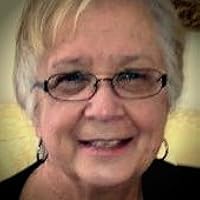
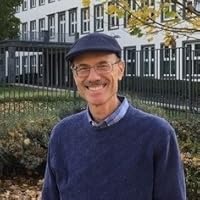
The last third of life, from age 60 on up, doesn’t have to be feared. When viewed from a Christian perspective, this season of life can be meaningful, endurable … and even joyful, say authors Jane Thibault and Richard Morgan.
Thibault and Morgan suggest approaching the Last Third as a pilgrimage—a journey full of purpose, ripe with opportunities for spiritual growth.
The authors, ages 65 and 82, dig deeply into the realities of their lives and give you 7 ways to open yourself to God and the abundant life God wants for you. They address 7 gateways to spiritual growth: • Facing Aging and Dying • Learning to Live with Limitations • Doing Inner Work • Living in and Out of Community • Praying and Contemplation • Redeeming Loss and Suffering • Leaving a Legacy
This collection of scripture-based meditations will inspire you or someone you know to move fearlessly into the Last Third, looking forward to the opportunities this time of life can hold. The book includes reflection questions and can be used by individuals or groups for a 7-week study.
This book is written as a series of meditations on Scripture with questions for reflection. The co-authors write out of their personal experience at age 65 and 83 respectively, and also draw on the experiences of others to explore what they call the 7 gateways to spiritual growth: (1) Facing Aging and Dying; (2) Living with Limitations; (3) Doing Inner Work; (4) Living In and Out of Community; (5) Prayer and Contemplation; (6) Redeeming Loss and Suffering; (7) Leaving a Legacy.
Some of the questions for reflection are focused on the challenges of aging. Like “How many times have you moved in your life? Did those moves bring happiness? “What kind of a community would you choose to live out your final years?” (page 72) Others are helpful for adults of any age: “How could you create a simpler lifestyle with time for prayer, meditation, and service?” (page 61) “Do you invest more of your energy in caring for your possessions than in your relationships?” (page 80)
Discussing many aspects of aging in short 2-3 page doses with meditation questions, this is a good way to ponder many of the issues we face in our later years. For someone who’s done much inner work, this may be less helpful though I’m still glad I read it. It got me thinking about what attitude I want to have towards limitations and diminishes of aging. The very best part is a dream Thibault shared (97-99).
Topics and format make this useful for group discussion. I liked Thibault‘s A Deepening Love Affair: The Gift of God in Later Life better. The Prayer for Aging in the beginning is meaningful.
I am on a personal pilgrimage to develop a spiritual experience as I age. I have just turned 70 years old and I want to experience the most personal and spiritual growth I can during the rest of my life.
From my research, I believe this is a book that offer powerful guidance in that direction.
An excellent resource book for those coping with the losses of aging. Short writings based on scripture quotes. Advocates an attitude of self-discovery and service as a way to maintain self-respect during infirmity. I particularly liked the concept of aging as a pilgrimage, with new vistas to explore and challenges to overcome. I have had this book for years and have never before succeeded in reading it. I'm glad I did, and I expect to come back to it either for myself or as a professional resource.
This book offers much more than platitudes, plus anyone who is encountering limitiations due to aging or who is living in a retirement community, even independently, will find much to identify with. I'd highly recommend it for individuals in these stages of life and for pastors or others working with such populations. The author is a gerontologist and has also served as an adjunct faculty member for the Louisville Presbyterian Theological Seminary.
I gave this book to my aunt and right before she passed she returned it to me. It is very thought provoking and I will probably read it or refer to it again. I did feel that the older author, Richard, really was pushing for assisted living, while the younger author, Jane, seem to have some unusual ideas about suffering.
I read this book in a group of men and women aged 55 to 87. I recommend reading this kind of book in a group because of the rich opportunities to learn from each other as we enter and aim to thrive, retire and revive in the last third of our lives. I liked the first half of the book more than the last half - probably a reflection of my good health, wonderful family, close friends and deep faith that death has no sting.