

What do you think?
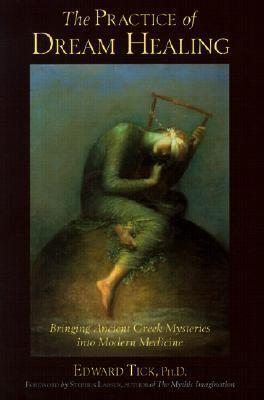
The Practice of Dream Healing: Bringing Ancient Greek Mysteries into Modern Medicine
Asklepios was the gentle Greek god of healing. Like Christ, he was said to have walked the earth performing miracle cures. His medicine was practiced by priests who interpreted patients' dreams in which the god gave advice. Dr. Tick's classic work explores dream-healing techniques from this ancient tradition.
318 pages, Paperback
First published January 1, 2001
Ratings & Reviews
Friends & Following
Create a free account to discover what your friends think of this book!
Community Reviews
Displaying 1 - 5 of 5 reviews

February 17, 2015
I enjoy reading and writing about mythology and ancient Greece. "The Practice of Dream Healing" taps directly into this ancestral source. The challenge for the author, Edward Tick, is to connect that wellspring with his reading audience in the present day. He accomplishes that goal on two levels. First, by laying out what is essentially, a guidebook for anyone desirous of following in his footsteps and visiting the various Asklepian healing sites that ring the Aegean Sea. And second, with his case studies and stories of modern day practitioners.
This book tells the story of Asklepios, a gentle healer who became the Greek god of healing. Tick takes us on a fascinating exploration of Asklepios' life and times, while journeying to the far flung healing centers that he and his followers established. These ideas and practices occupied a place of prominence in the healing traditions of the region that lasted for centuries. Tick makes a convincing case for the need to reintegrate these methods into modern medical practice.
Two things I would change about this book. First, the title is too long and cumbersome. Second, there is no map. Being able to visualize the geographic locations would have been a benefit to this reader.
Otherwise, it's an entertaining and educational read. I highly recommend this book to anyone interest in Greek myth, history, or dream interpretation.
This book tells the story of Asklepios, a gentle healer who became the Greek god of healing. Tick takes us on a fascinating exploration of Asklepios' life and times, while journeying to the far flung healing centers that he and his followers established. These ideas and practices occupied a place of prominence in the healing traditions of the region that lasted for centuries. Tick makes a convincing case for the need to reintegrate these methods into modern medical practice.
Two things I would change about this book. First, the title is too long and cumbersome. Second, there is no map. Being able to visualize the geographic locations would have been a benefit to this reader.
Otherwise, it's an entertaining and educational read. I highly recommend this book to anyone interest in Greek myth, history, or dream interpretation.

March 24, 2022
Asklepios was the gentle Greek god of healing and the priests were considered the first therapists. Marcus Aurelius and Socrates were two devotees of Asklepios. There were 300+ healing sites and dream incubators in Greece during a 1000+ year period ending roughly 500 CE.
Modern medicine would benefit from learning more about this ancient practice that understood how healing means becoming whole; it is about repairing our souls, not just our bodies:
“When we treat bodies as machines to be repaired, when we ignore the complex psychospiritual lives that shape our health, when we attempt to make our aches and pains, signs and symptoms, disappear quickly through a medication "zap" rather than by listening to what they tell us of our complex inner condition of soul, we betray our uniqueness and our human dignity.”
“Asklepian healing requires active cooperation and inner change. A person seeking healing has to be willing to examine every aspect of the body/mind, including potentially painful psychological material. Most particularly, the supplicant has to be willing to examine the content of dreams and to consider that this material may contain, in fact, divine revelation.”
Modern medicine would benefit from learning more about this ancient practice that understood how healing means becoming whole; it is about repairing our souls, not just our bodies:
“When we treat bodies as machines to be repaired, when we ignore the complex psychospiritual lives that shape our health, when we attempt to make our aches and pains, signs and symptoms, disappear quickly through a medication "zap" rather than by listening to what they tell us of our complex inner condition of soul, we betray our uniqueness and our human dignity.”
“Asklepian healing requires active cooperation and inner change. A person seeking healing has to be willing to examine every aspect of the body/mind, including potentially painful psychological material. Most particularly, the supplicant has to be willing to examine the content of dreams and to consider that this material may contain, in fact, divine revelation.”

June 16, 2020
An illuminating book on the lost tradition of incubation, dream-work, and healing of Ancient Greece and surrounding areas. Not only has Dr. Tick done extensive research, he takes a group to Greece at least once a year to visit sites of old Asclepian Temples where dream healings occurred by the thousands... Anyone interested in matters of the soul and even psychosomatic healing, needs to read this book.

January 10, 2021
[...]Πρέπει να κοιτάζουμε τον θάνατο στα μάτια και να μάθουμε να αγαπάμε και να χορεύουμε, να κλαίμε και να γιορτάζουμε όπως και να 'χει - ειδικά επειδή ο θάνατος βρίσκεται πάντα εδώ και αυτό είναι το μόνο που έχουμε[...]
[...]Η οδύνη, μου λέει ξανά και ξανά, δεν είναι αφεαυτής η αιτία της οργής μας' συμβαίνει μάλλον να «μεταλλάσσονται σε οργή η θλίψη και οι λαχτάρες μας, αν δεν τις φροντίσουμε». [...]
[...]Η κάθαρση και τα θεραπευτικά όνειρα είναι δύο από τις απαραίτητες εμπειρίες που χρειαζόμαστε όλοι εμείς οι βασανισμένοι σύγχρονοι άνθρωποι για να μπορέσουμε να επουλώσουμε τις ηθικές και πνευματικές πληγές που ταλανίζουν ύπαρξή μας και τον σύγχρονο πολιτισμό.[...]
[...]Ένας θεραπευτής πρέπει να αισθάνεται, να βιώνει την εμπειρία και να τείνει τόσο προς το ζωώδες όσο και προς τo ανθρώπινο' πρέπει να μπορεί να συνενώνει την ύλη και το πνεύμα και να λειτουργεί ως ο συνδετικός τους κρίκος' και θα πρέπει να μάθει, όπως και οι Κένταυροι, να ζει, vα εργάζεται και να εναρμονίζει τις εσωτερικές αντιφάσεις που απειλούν να διαλύσουν αυτήν την ενότητα ψυχής-σώματος. «Κάθε πράμα είναι Κένταυρος' αν δεν ήταν, ο κόσμος θα σάπιζε ακίνητος και στείρος».[...]
[..]Για τον Σωκράτη ο θάνατος μπορεί να είναι ένα μεγάλο καλό, η επιθυμητή απελευθέρωση. Ο μεγάλος αυτός φιλόσοφος μας άφησε λέγοντάς μας πως ο θάνατος μπορεί να είναι η θεραπεία του πόνου της ζωής. Τα τελευταία του λόγια προς τον παλιό, αγαπημένο του φίλο και μαθητή, ήταν: «Κρίτων, χρωστάμε έναν πετεινό στον Ασκληπιό. Μην το ξεχάσεις». [...]
[...]Όταν αντιμετωπίζουμε τα σώματα ως μηχανές προς επιδιόρθωση, όταν αγνοούμε τους περίπλοκους ψυχο-πνευματικούς παράγοντες που διέπουν την εξέλιξη της υγείας μας, όταν επιδιώκουμε να εξαφανίσουμε τους πόνους και τα συμπτώματα με τη χρήση φαρμάκων αντί να αφουγκραζόμαστε τί προσπαθούν να μας πουν για την εσωτερική κατάστασή μας, τότε προδίδουμε τη μοναδικότητά μας και την ανθρώπινη αξιοπρέπεια μας. [...]
[...]Η οδύνη, μου λέει ξανά και ξανά, δεν είναι αφεαυτής η αιτία της οργής μας' συμβαίνει μάλλον να «μεταλλάσσονται σε οργή η θλίψη και οι λαχτάρες μας, αν δεν τις φροντίσουμε». [...]
[...]Η κάθαρση και τα θεραπευτικά όνειρα είναι δύο από τις απαραίτητες εμπειρίες που χρειαζόμαστε όλοι εμείς οι βασανισμένοι σύγχρονοι άνθρωποι για να μπορέσουμε να επουλώσουμε τις ηθικές και πνευματικές πληγές που ταλανίζουν ύπαρξή μας και τον σύγχρονο πολιτισμό.[...]
[...]Ένας θεραπευτής πρέπει να αισθάνεται, να βιώνει την εμπειρία και να τείνει τόσο προς το ζωώδες όσο και προς τo ανθρώπινο' πρέπει να μπορεί να συνενώνει την ύλη και το πνεύμα και να λειτουργεί ως ο συνδετικός τους κρίκος' και θα πρέπει να μάθει, όπως και οι Κένταυροι, να ζει, vα εργάζεται και να εναρμονίζει τις εσωτερικές αντιφάσεις που απειλούν να διαλύσουν αυτήν την ενότητα ψυχής-σώματος. «Κάθε πράμα είναι Κένταυρος' αν δεν ήταν, ο κόσμος θα σάπιζε ακίνητος και στείρος».[...]
[..]Για τον Σωκράτη ο θάνατος μπορεί να είναι ένα μεγάλο καλό, η επιθυμητή απελευθέρωση. Ο μεγάλος αυτός φιλόσοφος μας άφησε λέγοντάς μας πως ο θάνατος μπορεί να είναι η θεραπεία του πόνου της ζωής. Τα τελευταία του λόγια προς τον παλιό, αγαπημένο του φίλο και μαθητή, ήταν: «Κρίτων, χρωστάμε έναν πετεινό στον Ασκληπιό. Μην το ξεχάσεις». [...]
[...]Όταν αντιμετωπίζουμε τα σώματα ως μηχανές προς επιδιόρθωση, όταν αγνοούμε τους περίπλοκους ψυχο-πνευματικούς παράγοντες που διέπουν την εξέλιξη της υγείας μας, όταν επιδιώκουμε να εξαφανίσουμε τους πόνους και τα συμπτώματα με τη χρήση φαρμάκων αντί να αφουγκραζόμαστε τί προσπαθούν να μας πουν για την εσωτερική κατάστασή μας, τότε προδίδουμε τη μοναδικότητά μας και την ανθρώπινη αξιοπρέπεια μας. [...]

May 15, 2024
Very thorough in his analysis of the archetype Asklepios. Didn’t resonate with the book as I thought I would.
Displaying 1 - 5 of 5 reviews