

What do you think?

The South
In 1950, Katherine Proctor leaves Ireland for Barcelona, determined to escape her family and become a painter. There she meets Miguel, an anarchist veteran of the Spanish Civil War, and begins to build a life with him. But Katherine cannot escape her past, as Michael Graves, a fellow Irish émigré in Spain, forces her to reexamine all her relationships: to her lover, her art, and the homeland she only thought she knew.
The South is a novel of classic themes—of art and exile, and of the seemingly irreconcilable yearnings for love and freedom—to which Colm Tóibín brings a new, passionate sensitivity.
The South is a novel of classic themes—of art and exile, and of the seemingly irreconcilable yearnings for love and freedom—to which Colm Tóibín brings a new, passionate sensitivity.
242 pages, Kindle Edition
First published January 1, 1990
About the author
Colm Tóibín
239 books5,839 followersColm Tóibín FRSL, is an Irish novelist, short story writer, essayist, playwright, journalist, critic, and poet. Tóibín is currently Irene and Sidney B. Silverman Professor of the Humanities at Columbia University in Manhattan and succeeded Martin Amis as professor of creative writing at the University of Manchester.
Ratings & Reviews
Friends & Following
Create a free account to discover what your friends think of this book!
Community Reviews
Displaying 1 - 30 of 284 reviews

March 12, 2019
The life story of a woman artist and two male artists who love her. They are all painters (and there is a lot about art and technique in the book). She loves one; the other love is unreciprocated even after the one she loves dies. I think of the book as structured in terms of parallels and opposites.
Opposites: Enniscorthy and Barcelona. She leaves the cool damp climate of Ireland for the heat and dryness of southern Spain. And later she spends a couple of years in the Pyrenees where it is frigid and they are snowbound in a cabin for months in the winter.
And, speaking of leaving, did I mention a husband and the ten-year old son that she leaves in Ireland and doesn’t see again for ten years? How can a woman leave a child behind like that? you will ask. Parallel answer: her mother did it to her. They were Protestants in Ireland during the “Troubles” and after they were burned out of their house her mother abandoned her daughter and husband, left for England, and never came back. Her mother’s social circle doesn’t even know she has a daughter: “I put all that behind me.”

Other parallels are the “Troubles” in Ireland and the Spanish Civil War. Her male lover in Spain tells her of the horrible acts he committed during the Civil War, even killing women and children. And yet she stays with him. They have a daughter but it all ends in tragedy. Now, can she really go back to Ireland after all these years and re-establish connections with her son, former husband and mother?
It’s set in 1950. She in her early thirties. Her mantra is “This is not my second chance; this is my first chance.” She goes to Barcelona not knowing anyone and unable to speak a word of Catalan or Spanish.
Some dialogue I liked:
On Ireland: “A great country to emigrate from is ours.”
“Are you in love with Miguel?”
“I love him, yes.”
“But you’re not sure?”
“Of course I’m not sure.”
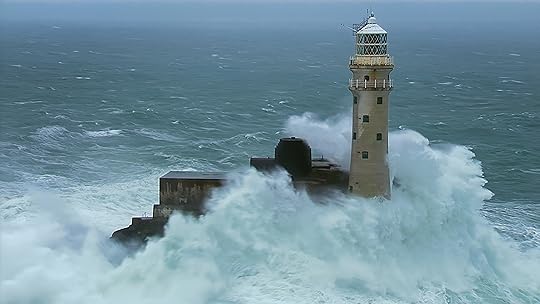
A good story with good writing, as we expect from Toibin. The town of Enniscorthy and the Tuskar Rock Lighthouse are featured in many of Toibin’s novels, kind of like Murakami’s cats. This was his first novel, published in 1990.
Colm Toibin is one of my favorite authors and I have read many of his novels and a collection of short stories. I enjoyed his fictional biographies best: The Magician about Thomas Mann and The Master about Henry James. Below are links to my reviews of his books I have reviewed.
The Magician
The Master
The Heather Blazing
Brooklyn
The Blackwater Lightship
Mothers and Sons – Short stories
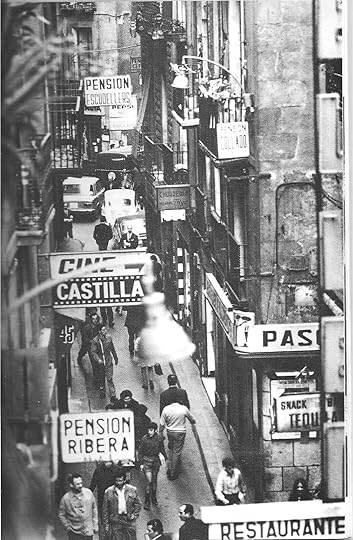
Photo of Barcelona in the 1950's from Pinterest.com
Photo of Enniscorthy from justabouttravel.net
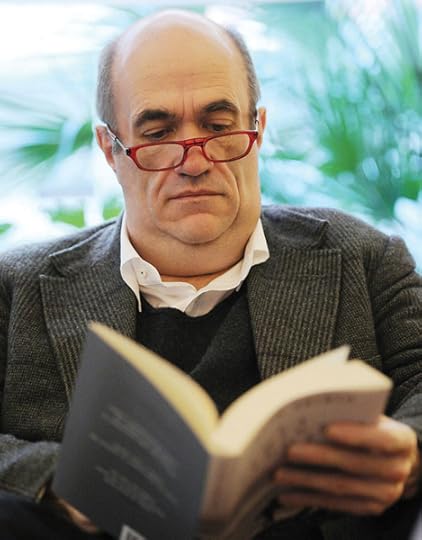
The author from operanews.com
Tuskar Rock lighthouse from presspack.rte.ie
Opposites: Enniscorthy and Barcelona. She leaves the cool damp climate of Ireland for the heat and dryness of southern Spain. And later she spends a couple of years in the Pyrenees where it is frigid and they are snowbound in a cabin for months in the winter.
And, speaking of leaving, did I mention a husband and the ten-year old son that she leaves in Ireland and doesn’t see again for ten years? How can a woman leave a child behind like that? you will ask. Parallel answer: her mother did it to her. They were Protestants in Ireland during the “Troubles” and after they were burned out of their house her mother abandoned her daughter and husband, left for England, and never came back. Her mother’s social circle doesn’t even know she has a daughter: “I put all that behind me.”
Other parallels are the “Troubles” in Ireland and the Spanish Civil War. Her male lover in Spain tells her of the horrible acts he committed during the Civil War, even killing women and children. And yet she stays with him. They have a daughter but it all ends in tragedy. Now, can she really go back to Ireland after all these years and re-establish connections with her son, former husband and mother?
It’s set in 1950. She in her early thirties. Her mantra is “This is not my second chance; this is my first chance.” She goes to Barcelona not knowing anyone and unable to speak a word of Catalan or Spanish.
Some dialogue I liked:
On Ireland: “A great country to emigrate from is ours.”
“Are you in love with Miguel?”
“I love him, yes.”
“But you’re not sure?”
“Of course I’m not sure.”
A good story with good writing, as we expect from Toibin. The town of Enniscorthy and the Tuskar Rock Lighthouse are featured in many of Toibin’s novels, kind of like Murakami’s cats. This was his first novel, published in 1990.
Colm Toibin is one of my favorite authors and I have read many of his novels and a collection of short stories. I enjoyed his fictional biographies best: The Magician about Thomas Mann and The Master about Henry James. Below are links to my reviews of his books I have reviewed.
The Magician
The Master
The Heather Blazing
Brooklyn
The Blackwater Lightship
Mothers and Sons – Short stories
Photo of Barcelona in the 1950's from Pinterest.com
Photo of Enniscorthy from justabouttravel.net
The author from operanews.com
Tuskar Rock lighthouse from presspack.rte.ie

August 29, 2022
Can anyone completely escape their past? Katherine Proctor, in 1950, leaves her native Ireland, her husband, her 10-year-old son, for a new start in Barcelona. She is an aspiring artist and finds a community of artists in her new location. Among those new friends are: Michael Graves, another Irish expat, and Miguel, an anarchist of the Spanish Civil War. She and Miguel become lovers. She is haunted by her loveless childhood and memories of Irish political violence. Miguel is pursued by Franco’s henchmen after the couple retreat to the Pyrenees. The brutality of war, past and present, continue to ravage and destroy.
There were moments I could slip into Katherine’s subconscious. I felt her restlessness and discontent. Yet, she remained an enigma to me. Toibin’s writing is stark; he likes the reader to fill in the boxes, draw their own conclusions. I like that, but I still would have liked to know her better, especially when she was reunited with her adult son she had abandoned as a child. Katherine often seemed like a human shell, lacking a heart and soul.
Colm Toibin is one of the best modern Irish writers, in my opinion. This was his debut novel and has many of the elements I have loved in his writing. It won the Irish Times First Fiction Award in 1991. But it did seem somewhat disjointed to me. In a note to the reader, Toibin explains the novel was written in sections, dropped, and begun again. Although I am sure this is not unusual, those pauses felt like voids to me. He also tells the reader it took his publicist two years to find a publishing company that would accept the manuscript. Had those who rejected it only known how this author’s writing would develop and his popularity become international. The South is not Toibin at his best, but it is still a fine but troubling novel, the inception of an exceptional progression of writing.
There were moments I could slip into Katherine’s subconscious. I felt her restlessness and discontent. Yet, she remained an enigma to me. Toibin’s writing is stark; he likes the reader to fill in the boxes, draw their own conclusions. I like that, but I still would have liked to know her better, especially when she was reunited with her adult son she had abandoned as a child. Katherine often seemed like a human shell, lacking a heart and soul.
Colm Toibin is one of the best modern Irish writers, in my opinion. This was his debut novel and has many of the elements I have loved in his writing. It won the Irish Times First Fiction Award in 1991. But it did seem somewhat disjointed to me. In a note to the reader, Toibin explains the novel was written in sections, dropped, and begun again. Although I am sure this is not unusual, those pauses felt like voids to me. He also tells the reader it took his publicist two years to find a publishing company that would accept the manuscript. Had those who rejected it only known how this author’s writing would develop and his popularity become international. The South is not Toibin at his best, but it is still a fine but troubling novel, the inception of an exceptional progression of writing.

January 28, 2023
“Three or four times like this the break came. There was a way. Any mark on the canvas would be a way. A random stroke, meaning nothing, pointing towards nothing. Any colour, any shape. There must be no doubts. Thus in the small hours paintings came into being.”
Tóibín’s first novel, and my first of his, picked up completely on a whim.
Tóibín, born in 1955 in Enniscorthy (between Dublin and Cork), begins this tale in 1950 in the same Irish town. A well-off woman, unhappy in her marriage, leaves her husband, young son, family farm, and country and relocates to Barcelona to paint. She discovers a new landscape, and people who are dealing with their own troubles: remnants and ruptures stemming from the Spanish Civil War. She is drawn to other painters in the city, and falls into a relationship with Miguel, a Catalan anarchist. They later meet another artist, Michael, who turns out to also be from Enniscorthy.
All of this allows Tóibín to explore layers of conflict: in relationships, families and countries. A subtle spirit of nationalism sneaks in and out of the prose, and a clashing of old and new. It all takes place in the mindset of artists, so the descriptions are painterly--full of light and shadow; a chiaroscuro that perfectly blends with the subject matter.
I wanted to like all of this, but almost abandoned the book a few times. After finishing, I read the author himself said, years later, that he took his sentence structure from Joan Didion, and I can see that, but felt a similar impact too. Like with Didion, emotion is held back, as if it was dangerous. While that doesn’t make the read depressing necessarily, it does cast a particular chill.
I’m so glad I kept reading though. The end doesn’t warm up, but there are interesting sparks, making me wonder and consider and see things differently (you know, the way good books always do), and now I’m ready to read Irish and Spanish history. It’s so exciting when a novel gives you a glimpse, and then you can go to the history with that little “in” that helps it come alive.
But I may read more Tóibín first.
Tóibín’s first novel, and my first of his, picked up completely on a whim.
Tóibín, born in 1955 in Enniscorthy (between Dublin and Cork), begins this tale in 1950 in the same Irish town. A well-off woman, unhappy in her marriage, leaves her husband, young son, family farm, and country and relocates to Barcelona to paint. She discovers a new landscape, and people who are dealing with their own troubles: remnants and ruptures stemming from the Spanish Civil War. She is drawn to other painters in the city, and falls into a relationship with Miguel, a Catalan anarchist. They later meet another artist, Michael, who turns out to also be from Enniscorthy.
All of this allows Tóibín to explore layers of conflict: in relationships, families and countries. A subtle spirit of nationalism sneaks in and out of the prose, and a clashing of old and new. It all takes place in the mindset of artists, so the descriptions are painterly--full of light and shadow; a chiaroscuro that perfectly blends with the subject matter.
I wanted to like all of this, but almost abandoned the book a few times. After finishing, I read the author himself said, years later, that he took his sentence structure from Joan Didion, and I can see that, but felt a similar impact too. Like with Didion, emotion is held back, as if it was dangerous. While that doesn’t make the read depressing necessarily, it does cast a particular chill.
I’m so glad I kept reading though. The end doesn’t warm up, but there are interesting sparks, making me wonder and consider and see things differently (you know, the way good books always do), and now I’m ready to read Irish and Spanish history. It’s so exciting when a novel gives you a glimpse, and then you can go to the history with that little “in” that helps it come alive.
But I may read more Tóibín first.

October 20, 2024
colm tóibín’in ilk romanıymış “güney”. 1990’da yayımlanan romanı can yayınları 97’de yayımlamış. zaten can 90’larda yurtdışında iyi kim varsa bulup basıyordu, öyle bir vizyon…
ilk roman olarak gayet başarılı çünkü yani kim aynı romanda hem faşistlerce yönetilen ispanya’yı ve on yıl önceki ispanya iç savaşını hem de irlanda’daki protestan-katolik çatışmasını ustalıkla ele alabilir ki? ikisi de feci zor konular. irlanda’ya çok değinmese de ispanya’daki polis şiddeti ve faşizm gerçekten acayip anlatılmış.
katherine adlı 30’larındaki bir kadının oğlunu ve kocasını öylece irlanda’da bırakıp ispanya’ya gitmesi ve orada resim çalışmaya başlamasıyla ilerliyor roman. hadi bağlarından kurtuldun git hayatını yaşa di mi? yok hemen miguel diye bi adama kapılıp onunla yaşamaya başlıyor. katherine çok ihtiraslı bir kadın bu arada, eski kocası ve miguel’in yatak odasındaki farklarını ve kendi tutkularını epey iyi anlıyoruz çoğu yerde verilen detaylardan.
miguel ispanya iç savaşında savaşmış, komünist ve başı 1950’lerde yine beladan kurtulmuyor. gün geçtikçe de eski kabuslarına dönüyor. katherine’in ondan bir kızı oluyor geçen sürede ama 5-6 yıl ilişkide sonunda gelinen yer pek de matah değil ve trajik bir biçimde sonlanıyor.
bir de michael graves kısmı var romanın. veremli bu genç adam katherine’in hemşerisi ve yoldaşı oluyor uzun yıllar. irlanda hakkında bu cahil kadına da epey iyi ders veriyor. katoliklerin çektiklerini, açlığı, sefaleti anlatıyor. katherine ve ailesi protestan ve cidden hiçbir şeyden haberleri yok.
açıkçası katherine epey rahat bir hayat sürüyor, canının istediğini yapıyor, 20 yıl sonra da terk ettiği oğlu tarafından yine de kabul görüyor. daha ne ister insan?
ilk roman olmasına bağladığım bir gevşeklik var “güney”de. anlatıcı bir tanrı bir kahraman oluyor. arada mektup, günlük gibi tekniklere başvuruluyor. bu da biraz tutarsız bir biçimde yapılmış sanki konuyu ilerletmek için ama yine de dediğim gibi ilk olarak gayet iyi. ve katherine’in bir annesi var ki… romanın bence parlayan yıldızı o, herkese lazım.
ilk roman olarak gayet başarılı çünkü yani kim aynı romanda hem faşistlerce yönetilen ispanya’yı ve on yıl önceki ispanya iç savaşını hem de irlanda’daki protestan-katolik çatışmasını ustalıkla ele alabilir ki? ikisi de feci zor konular. irlanda’ya çok değinmese de ispanya’daki polis şiddeti ve faşizm gerçekten acayip anlatılmış.
katherine adlı 30’larındaki bir kadının oğlunu ve kocasını öylece irlanda’da bırakıp ispanya’ya gitmesi ve orada resim çalışmaya başlamasıyla ilerliyor roman. hadi bağlarından kurtuldun git hayatını yaşa di mi? yok hemen miguel diye bi adama kapılıp onunla yaşamaya başlıyor. katherine çok ihtiraslı bir kadın bu arada, eski kocası ve miguel’in yatak odasındaki farklarını ve kendi tutkularını epey iyi anlıyoruz çoğu yerde verilen detaylardan.
miguel ispanya iç savaşında savaşmış, komünist ve başı 1950’lerde yine beladan kurtulmuyor. gün geçtikçe de eski kabuslarına dönüyor. katherine’in ondan bir kızı oluyor geçen sürede ama 5-6 yıl ilişkide sonunda gelinen yer pek de matah değil ve trajik bir biçimde sonlanıyor.
bir de michael graves kısmı var romanın. veremli bu genç adam katherine’in hemşerisi ve yoldaşı oluyor uzun yıllar. irlanda hakkında bu cahil kadına da epey iyi ders veriyor. katoliklerin çektiklerini, açlığı, sefaleti anlatıyor. katherine ve ailesi protestan ve cidden hiçbir şeyden haberleri yok.
açıkçası katherine epey rahat bir hayat sürüyor, canının istediğini yapıyor, 20 yıl sonra da terk ettiği oğlu tarafından yine de kabul görüyor. daha ne ister insan?
ilk roman olmasına bağladığım bir gevşeklik var “güney”de. anlatıcı bir tanrı bir kahraman oluyor. arada mektup, günlük gibi tekniklere başvuruluyor. bu da biraz tutarsız bir biçimde yapılmış sanki konuyu ilerletmek için ama yine de dediğim gibi ilk olarak gayet iyi. ve katherine’in bir annesi var ki… romanın bence parlayan yıldızı o, herkese lazım.

October 18, 2015
Even in Tóibín’s first novel he has already set out the tropes (I’m using that word in the kindest terms) that have made his novels such staples of modern Irish literature. We have a woman in distress, Katherine, who’s exiled herself to Barcelona in order to forget her past in Ireland. A keen painter, Katherine is content with her new life until she meets a man one day and her past finally catches up with her. Reading Tóibín’s trademark filigree prose always reminds me of standing before one of Paul Henry’s vast cloudscapes. The utter simplistic beauty which draws you in and urges you examine every detail down to the stems and the dots. Hard to think this is a first novel. Tóibín is the master.

June 16, 2012
A thought experiment. 1) Take a Hemingway novel, one of the ones where ex-pats hang out and do crazy stuff in Europe. 2) Make the protagonist a woman. 3) Make the person whose sense of identity is largely lost because of a war not the protagonist but the protagonist's lover (although the protagonist here certainly had a significant brush with violence in childhood). That, approximately, is "The South."

September 24, 2021
Setting: Ireland & Spain; 1950s-1980s. Katherine Proctor leaves her husband, Tom, and 10-year-old son, Richard, in the Irish town of Enniscorthy and flees to Spain where she pursues her dream of becoming an artist. Arriving in Barcelona in 1950, unable to speak a word of Spanish, she falls under the spell of artist Miguel and they start a relationship. As the years pass, her and Miguel's art flourishes but she finds that Miguel is still haunted by things that he did during the Spanish Civil War, including the burning of homes and the murder of women and children. Surprisingly, as Katherine herself has memories from her childhood of her family being burned out of their home during the Irish uprising of 1919-1923, she remains in love with Miguel. At one point, perhaps to address his personal demons, Miguel moves them to a small and isolated village in the Pyrenees where he lived for a time during the Civil War - but they find that the local police also have long memories and Katherine and Miguel find themselves targeted by the police, with Miguel arrested and beaten on several occasions. Miguel and Katherine have a daughter but, after a tragic accident in the mountains, Katherine finds herself back in Ireland. She reconnects with her son Richard and pursues her artistic talents, together with another artist Michael Graves who she met in Barcelona and who became part of her and Miguel's life.....
I was surprised to find that this was actually Mr Toibin's first novel, finally published in 1990 after several rejections - surprised because it reads every bit as well as his other novels that I have relished and enjoyed. This story is, like his others, well-crafted, atmospheric and emotional. I really found myself strongly attached to the characters, feeling their pain and wishing them well, and this is yet another of the author's books that I would rate as a strong 4 stars, even though you would assume he was only just learning his craft. The introduction by Roy Foster and the author's afterword cast a light on explaining the slight disjointedness of the action, as it was written in a series of segments over a period of time, but this doesn't detract from the quality of the writing or the story - 9/10.
I was surprised to find that this was actually Mr Toibin's first novel, finally published in 1990 after several rejections - surprised because it reads every bit as well as his other novels that I have relished and enjoyed. This story is, like his others, well-crafted, atmospheric and emotional. I really found myself strongly attached to the characters, feeling their pain and wishing them well, and this is yet another of the author's books that I would rate as a strong 4 stars, even though you would assume he was only just learning his craft. The introduction by Roy Foster and the author's afterword cast a light on explaining the slight disjointedness of the action, as it was written in a series of segments over a period of time, but this doesn't detract from the quality of the writing or the story - 9/10.

September 1, 2022
Bu ay Javier Marias’ın Kurt Mıntıkası’ndan sonra yine sevdiğim bir yazar Colm Toibin’in ilk kitabını okudum.
Güney, İrlanda da yaşayan protestan bir kadın olan Katherine’in yaklaşık 40 yıllık bir sürecini anlatıyor. 1950’de evli ve 10 yaşında bir oğlu olmasına karşın sanatçı olma tutkusunun pşinden dilini hiç bilmediği Ispanya’ya gidip her şeyi geride bırakarak Barcelona’da bir hayat kurar. Kendi geçmişten kaçarken, geçmişiyle daha doğrusu Ispanya İç Savaşı ile ruhu zedelenmiş bir adamla ilişki kurar. Bu ilişki zihninin derinlerine ittirdiği Irlanda’da yaşanan protestan- katolik çatışmasına dair hatırlarını ve geçmişini de önüne getirir.
Colm Toibin’in kitaplarında en sevdiğim şey klasik güçlü bir adam arkasına sığınmadan etkileyici kurgu ve karakterler yaratabilmesi, azınlıkların hayatlarını çok net bir gözle anlatabilmesi. Burada da anneliğinden ve iyi hayatından vazgeçebilen, kendi konfor alanından yabancı -bir diktatör yönetimindeki- bir ülkeye gidip yeni hayat kurabilen, gerektiğinde geri dönebilen ve hiçbir pişmanlık duymadan hayatını kendi omuzlarında taşıyan güçlü bir kadın ana karakter var. Kurguda da bu kadının önüne geçmeden de hem İspanya İç Savaşı ve sonrasında Katalanların hayatı ve Irlanda’nın hiç bir meyen mezhep çatışmasını da hikayenin içine çok güzel yerleştiriyor. Ancak yine de Colm Toibin’in diğer kitapları kadar etkilendiğimi ya da zihnimde herhangi bir yer ettiğini söyleyemeyeceğim. Yazardan yalnızca bir iki kitap okuma planındaysanız Güney es geçebileceğiniz eserlerinden.
Güney, İrlanda da yaşayan protestan bir kadın olan Katherine’in yaklaşık 40 yıllık bir sürecini anlatıyor. 1950’de evli ve 10 yaşında bir oğlu olmasına karşın sanatçı olma tutkusunun pşinden dilini hiç bilmediği Ispanya’ya gidip her şeyi geride bırakarak Barcelona’da bir hayat kurar. Kendi geçmişten kaçarken, geçmişiyle daha doğrusu Ispanya İç Savaşı ile ruhu zedelenmiş bir adamla ilişki kurar. Bu ilişki zihninin derinlerine ittirdiği Irlanda’da yaşanan protestan- katolik çatışmasına dair hatırlarını ve geçmişini de önüne getirir.
Colm Toibin’in kitaplarında en sevdiğim şey klasik güçlü bir adam arkasına sığınmadan etkileyici kurgu ve karakterler yaratabilmesi, azınlıkların hayatlarını çok net bir gözle anlatabilmesi. Burada da anneliğinden ve iyi hayatından vazgeçebilen, kendi konfor alanından yabancı -bir diktatör yönetimindeki- bir ülkeye gidip yeni hayat kurabilen, gerektiğinde geri dönebilen ve hiçbir pişmanlık duymadan hayatını kendi omuzlarında taşıyan güçlü bir kadın ana karakter var. Kurguda da bu kadının önüne geçmeden de hem İspanya İç Savaşı ve sonrasında Katalanların hayatı ve Irlanda’nın hiç bir meyen mezhep çatışmasını da hikayenin içine çok güzel yerleştiriyor. Ancak yine de Colm Toibin’in diğer kitapları kadar etkilendiğimi ya da zihnimde herhangi bir yer ettiğini söyleyemeyeceğim. Yazardan yalnızca bir iki kitap okuma planındaysanız Güney es geçebileceğiniz eserlerinden.

June 4, 2020
Not one to read if you’re feeling a bit low.
Colm Toibin is one of my favourite writers. I am thankful therefore, that this was not my first introduction to him; otherwise I might not have given him a second glance.
I found this a cold and rather stark read, somewhat surprisingly, given its title. Much of it is set near Barcelona, Catalan territory, but the central character, Katherine, comes to Spain from her home in Ireland, leaving behind her husband and son. She is an artist and forms a relationship with a fellow artist, and one time fighter in the recently ended Spanish Civil War. The novel begins in the late 1940s.
I had never before specially linked Ireland and Spain but Toibin does it for me in relation to each country’s respective ‘troubles’.
I failed to connect with the novel and do not understand what message the novelist intended me to take from it. I disliked most of the characters, apart from Katherine’s son Richard. The latter only really appears towards the end.
2.5 rounded up to 3 for the line spoken by Michael, who happens to be a Catholic, to Katherine, who happens to be a Proddy:
“Only a Protestant would go for a swim on a day like today.”
Colm Toibin is one of my favourite writers. I am thankful therefore, that this was not my first introduction to him; otherwise I might not have given him a second glance.
I found this a cold and rather stark read, somewhat surprisingly, given its title. Much of it is set near Barcelona, Catalan territory, but the central character, Katherine, comes to Spain from her home in Ireland, leaving behind her husband and son. She is an artist and forms a relationship with a fellow artist, and one time fighter in the recently ended Spanish Civil War. The novel begins in the late 1940s.
I had never before specially linked Ireland and Spain but Toibin does it for me in relation to each country’s respective ‘troubles’.
I failed to connect with the novel and do not understand what message the novelist intended me to take from it. I disliked most of the characters, apart from Katherine’s son Richard. The latter only really appears towards the end.
2.5 rounded up to 3 for the line spoken by Michael, who happens to be a Catholic, to Katherine, who happens to be a Proddy:
“Only a Protestant would go for a swim on a day like today.”

July 14, 2017
interesting debut novel examining emotions of leaving things behind and rediscovery
March 23, 2010
Colm Toibin is actually coming to speak at the library where I work in a few weeks so I am trying to make it through some of his works before the event. I read The Master years ago, but am trying to read some of his other works as well. The South takes places during the 1950s and 1960s in Ireland and Spain. The story follows a woman named Katherine who leaves her husband and 10 year old son and moves to Barcelona where she meets a fellow artist named Miguel who she quickly develops a lasting relationship with. He is referred to as her husband many times, but I don't think they were ever officially married, nor do I think she was ever officially divorced from her first husband. I actually had a really hard time getting into this book. I didn't really care about any of the characters and didn't really understand their motivations. The story also seemed to try and throw historical situations such as Franco's revolution and problems between Catholics and Protestants in Ireland into the book by making them relevant to the characters. But really none of those things took place during the story they were just mentioned peripherally and I was left thinking that those stories sounded infinitely more interesting than the one I was actually reading.

March 11, 2019
I am finding Colm Toiban to be one of the most consistently satisfying authors that I have been reading. This is his first effort, and it is as good as it gets. It tells the story of Katherine, who leaves her husband and young boy to venture to Barcelona in Spain. There she meets Miguel and becomes his companion. They are both painters, and their relationship is both intense and somewhat troubled. There is also a third wheel named Michael Graves, who is from Ireland and almost died from TB. The author tells the story of these relationships and throws in flashbacks to Katherine's past and her relationship with her mother and to Ireland during "the troubles."
This is all starkly told in typical Colm Toiban fashion. He manages to provide a significant amount of tension and curiosity with a spare amount of details or plot development. He doesn't go deeply into each of the branches of his story, and his prose can be a bit stilted and repetitive. He can be quite poetic and lovely as well. I became very involved in the characters and was compelled to discover what happens to them.
This is all starkly told in typical Colm Toiban fashion. He manages to provide a significant amount of tension and curiosity with a spare amount of details or plot development. He doesn't go deeply into each of the branches of his story, and his prose can be a bit stilted and repetitive. He can be quite poetic and lovely as well. I became very involved in the characters and was compelled to discover what happens to them.

June 24, 2010
It was interesting to see how themes in this novel, Toibin's first, are ones that were developed to much greater effect in his later works. (Henry James and the Blackwater lightship even get glancing mentions here.)
I wonder if I'd read this Toibin first, if I would've gone on to read more by him on my own. Maybe not. Or perhaps it's just that I've been spoiled by his later works that I feel this way now. Because while there are sections in this novel that grabbed me momentarily, I never felt pulled in by the prose or the story or the characters, as I certainly was with his last three novels and his short story collection, Mothers and Sons: Stories.
I wonder if I'd read this Toibin first, if I would've gone on to read more by him on my own. Maybe not. Or perhaps it's just that I've been spoiled by his later works that I feel this way now. Because while there are sections in this novel that grabbed me momentarily, I never felt pulled in by the prose or the story or the characters, as I certainly was with his last three novels and his short story collection, Mothers and Sons: Stories.

August 29, 2019
This was Colm Toibin's first published novel, but shows him already in control over his material and style.
Although Ireland is one of the settings for the novel, and always has an influence on the narrative, unusually for Toibin, much of The South is set in Spain.
That is where Katherine Proctor runs to after leaving her husband and 10-year-old son behind in Ireland.
After spending time in Barcelona, Katherine heads for the Pyrenees with her Spanish lover Miguel. There is a reminder of of home though in the person of Michael Graves, a fellow artist and friend who comes from Katherine's home village of Enniscorthy.
Toibin describes Spain evocatively. He lived there in the 1970s so although you sense he's always more comfortable with the scenes in Ireland, the chapters based in the Pyrenees are just as convincing.
Katherine arrives there in the 1950s, with the wounds from the Spanish Civil War still far from healed. Miguel fought unsuccessfully on the Republican side, and there are dangers for him in Franco-era Spain - but not just from the authorities. His own demons are also threatening to overwhelm him.
There are connections to Ireland's own troubles too as Katherine - who is from a Protestant family - suffered childhood trauma when her home was burnt down during her country's own civil war.
But Katherine is also haunted by her decision to leave Ireland, and the abandonment of her son. When she returns home later in the novel, we follow her attempts to reestablish their relationship.
Toibin's spare, controlled prose is used beautifully to make connections, but in a subtle and evocative way. He is good at capturing the creative process as Katherine, Miguel and Michael are all artists.
Katherine has done something incredibly transgressive by leaving her child behind, and yet Toibin doesn't make a meal of this, leaving the reader to consider their attitude to her decisions, especially when tragedy strikes later. These are not perfect people, but they are engagingly human.
Perhaps though Miguel is not as fully realised as Katherine or Michael. He is damaged, but his rather enigmatic qualities make it hard to understand why his connection with Katherine is seemingly so strong.
But this is an impressive debut novel, showing a promise that Toibin has more than fulfilled.
Although Ireland is one of the settings for the novel, and always has an influence on the narrative, unusually for Toibin, much of The South is set in Spain.
That is where Katherine Proctor runs to after leaving her husband and 10-year-old son behind in Ireland.
After spending time in Barcelona, Katherine heads for the Pyrenees with her Spanish lover Miguel. There is a reminder of of home though in the person of Michael Graves, a fellow artist and friend who comes from Katherine's home village of Enniscorthy.
Toibin describes Spain evocatively. He lived there in the 1970s so although you sense he's always more comfortable with the scenes in Ireland, the chapters based in the Pyrenees are just as convincing.
Katherine arrives there in the 1950s, with the wounds from the Spanish Civil War still far from healed. Miguel fought unsuccessfully on the Republican side, and there are dangers for him in Franco-era Spain - but not just from the authorities. His own demons are also threatening to overwhelm him.
There are connections to Ireland's own troubles too as Katherine - who is from a Protestant family - suffered childhood trauma when her home was burnt down during her country's own civil war.
But Katherine is also haunted by her decision to leave Ireland, and the abandonment of her son. When she returns home later in the novel, we follow her attempts to reestablish their relationship.
Toibin's spare, controlled prose is used beautifully to make connections, but in a subtle and evocative way. He is good at capturing the creative process as Katherine, Miguel and Michael are all artists.
Katherine has done something incredibly transgressive by leaving her child behind, and yet Toibin doesn't make a meal of this, leaving the reader to consider their attitude to her decisions, especially when tragedy strikes later. These are not perfect people, but they are engagingly human.
Perhaps though Miguel is not as fully realised as Katherine or Michael. He is damaged, but his rather enigmatic qualities make it hard to understand why his connection with Katherine is seemingly so strong.
But this is an impressive debut novel, showing a promise that Toibin has more than fulfilled.

August 28, 2011
I read my first Colm Toibin novel (Brooklyn) a few months ago and am a complete convert. The South was his first published fictional novel and he shows many of the concerns of his later work in this earlier one. There is a female protagonist, there are life changes, displacements and moves away from, and back to, home. Enniscorthy features again and helps Katherine Proctor reach conclusions about her life, as well as being a place where she renews relationships. Katherine travels, physically and metaphorically, between Spain and Ireland as she travels through her adult years. She develops and matures, learns insights and suffers loss, but Toibin never judges her. He deftly paints her and her surroundings, as she too takes up art. He is more of a water colourist than an oil painter, but he writes deftly and precisely, getting under your skin and leaving lasting imagery with you.

April 28, 2025
The south takes a simple, easy tone which made it a pleasure to read. Andrew’s recommendation to me and he lent me his copy. I never knew the plot of the novel but I always felt tied to the story and compelled to keep reading.
I also found Toíbin’s afterword really interesting. He explains the various inspirations for the story and how he wrote it. I would recommend it to others—I already have a couple of times.
I also found Toíbin’s afterword really interesting. He explains the various inspirations for the story and how he wrote it. I would recommend it to others—I already have a couple of times.

April 21, 2016
My third Toibin book and probably the most difficult to read when compared to Brooklyn and Nora Webster.
Katherine is a protestant woman from Ireland who escapes her unhappy marriage to live in Spain. It is the time of Franco and Catalonian forces battling for power and she arrives in Barcelona, Catalonian Spain looking for a place to be herself. She takes up painting and mixes with the artistic community and forms a relationship with Miguel as well as an Irish man called Micheal. Miguel has an interesting past which becomes clear when they move to the mountains. The story progresses through relationships, love, death...
I didn't particularly warm to the characters. They just seemed spoilt, uncaring, and too locked into being artistic. Although this is his first novel I wouldn't start here. Brooklyn is a much easier option.
Katherine is a protestant woman from Ireland who escapes her unhappy marriage to live in Spain. It is the time of Franco and Catalonian forces battling for power and she arrives in Barcelona, Catalonian Spain looking for a place to be herself. She takes up painting and mixes with the artistic community and forms a relationship with Miguel as well as an Irish man called Micheal. Miguel has an interesting past which becomes clear when they move to the mountains. The story progresses through relationships, love, death...
I didn't particularly warm to the characters. They just seemed spoilt, uncaring, and too locked into being artistic. Although this is his first novel I wouldn't start here. Brooklyn is a much easier option.

May 6, 2024
Toibin is becoming one of my favourite writers. The South was his first novel and is a fantastic example of the power and weight he brings to his work.
It concerns a woman who walks out of her marriage and out of Ireland and moves to Catalonia. As her own back story unfolds as a wealthy Protestant burned out of her home so too does that of her lover a Catalonian anarchist who had suffered under Franco.
There is not a wasted word and the tone of deep sadness and loss is sustained from first page to last. It is a stunning book.
It concerns a woman who walks out of her marriage and out of Ireland and moves to Catalonia. As her own back story unfolds as a wealthy Protestant burned out of her home so too does that of her lover a Catalonian anarchist who had suffered under Franco.
There is not a wasted word and the tone of deep sadness and loss is sustained from first page to last. It is a stunning book.

June 27, 2009
Lovely, minimalist writing, and in the end, quite moving. The South is the story of Katherine Proctor, who flees her husband and her Irish home for Spain, where she becomes a painter and the lover of an anti-Franco artist named Miguel. Spanning several decades of Katherine's life, the novel traces both small moments and large-scale political happenings, and shows their impact on human lives.

July 12, 2018
After a devastating fire, Katherine Proctor leaves behind her son and husband in a politically tumultuous Ireland, arriving in Barcelona. She becomes an artist and meets Miguel, a Spanish Civil War veteran. She also meets Michael Graves, an Irishman living in Spain. She loves Miguel and builds a life with him, eventually bearing his daughter. After tragedy strikes, she eventually returns to Ireland to face the past. I really did not like Katherine. She acted too irresponsible for me. In spite of my dislike of the main character, I appreciated Toibin's writing. He paints his own pictures with his style.

March 7, 2025
Masterful. The kind of book that makes me wonder whether there is any substance to my inner-life.

December 2, 2015
Read Brooklyn recently and LOVED it. This one, not as much.
While I loved the characters in Brooklyn, I found it difficult to like any of the characters in this. Katherine seemed very narcissistic and none of the other characters were much better.
Maybe because they were all artists and all had the "woe is me" attitude, but I found them not nearly as interesting as those in Brooklyn.
While I loved the characters in Brooklyn, I found it difficult to like any of the characters in this. Katherine seemed very narcissistic and none of the other characters were much better.
Maybe because they were all artists and all had the "woe is me" attitude, but I found them not nearly as interesting as those in Brooklyn.

March 30, 2018
Fabulously written enthralling tragic story but also deeply unsatisfying as so little was revealed of the main charachter and her choices. A slow tense story filled with suspense, not always easy to read but eloquent in it's prose.

August 7, 2026
Took me a while to get into, but then I suppose I got sort of attached to katherine and miguel and michael and devoured their stories. I almost found the afterword of the novel more interesting than the novel itself, with tóibín explaining how the characters came to him, how he had katherine live in the same places he rented and owned, how much of his own life was inspiration for the one he wrote.

August 11, 2025
I found the protagonist, Katherine, fascinating in this story. Her actions, thoughts and character were complex and private. She was difficult to know and I was drawn into her life choices and trying to understand her.
The juxtaposition between Spain and Ireland and the complexities of religion and politics are deeply embedded in the actions of the characters and this story. While there are definitely sections of misery and despair there are also quiet moments of positivity, reflection and resilience that accompanied people of this time.
I am glad I chanced upon this early work of Toibin and didn’t assume it would not be of the calibre of his more recent novels.
The juxtaposition between Spain and Ireland and the complexities of religion and politics are deeply embedded in the actions of the characters and this story. While there are definitely sections of misery and despair there are also quiet moments of positivity, reflection and resilience that accompanied people of this time.
I am glad I chanced upon this early work of Toibin and didn’t assume it would not be of the calibre of his more recent novels.
December 2, 2015
When your first Toibin book is Brooklyn the bar is set pretty high for others. I thought this one was truly "Ok". Those two little letters pretty much summed up my reaction as I read the story. Perhaps my world view is a bit skewed in this post "Eat, Pray, Love" era and I was expecting some glorious life epiphany to happen to the main character when she fled her unfulfilled married life (husband and son) in Ireland to paint in Spain. Katherine finds a man that she follows through Spain and lives as his "wife" though quick to correct "mi no es espousa" when asked; and lives simply waiting on the dole from her mom to carry them through. (Miguel was thanking the heavens he stumbled across this chick in the bar). The story follows the couple over the next few years and is simply told. One of the beauties of Toibin's writing, in my opinion, is that it is simple yet it is not. The act of making love can be a foreshadowing of Miguel's attitude towards Katherine in the future as well as an indication of his consideration of her in the present. The flow of characters into their lives that make brief appearances, yet, have an impact on how they live and survive. I truly enjoy Toibin's style of writing. The prose and words cause me to slow my reading and think about the scene, the deeper meaning, and just relax.

July 5, 2017
Expected more from this one:(
Just did not hit the mark for me. Katherine leaves Ireland for Barcelona - leaves behind her husband (portrayed as a cold dictatorial person so no mystery there), but I always find it strange that a mother can walk out on her child without a second thought. Katherine then goes on a long and somewhat disconnected journey to becoming a painter. She throws in with Miguel who is involved in the Spanish Civil War and ultimately ends up back in Ireland.....this book did not resonate with me at all.
Just did not hit the mark for me. Katherine leaves Ireland for Barcelona - leaves behind her husband (portrayed as a cold dictatorial person so no mystery there), but I always find it strange that a mother can walk out on her child without a second thought. Katherine then goes on a long and somewhat disconnected journey to becoming a painter. She throws in with Miguel who is involved in the Spanish Civil War and ultimately ends up back in Ireland.....this book did not resonate with me at all.

May 4, 2022
Toibin's first novel, a moody (not to say depressive) story of successive failed loves. Not gay—probably too risky an issue in '80s Ireland, and for his first book. The story is set against the dual backdrops of Fascist Spain and Ireland's Troubles, which show as roughly similar at least in terms of their violence and intolerance. His mastery was already apparent. Interesting to notice many things that he mentions or takes up again in his later books.
August 2, 2017
I enjoyed this debut novel, a fast and easy read. While Katherine was not the most sympathetic lead character (and I thought even less of Miguel), I enjoyed the author's minimalist style as well as the [SPOILER] plot twist towards end where Katherine surprisingly settles into a warm relationship with her son Richard and granddaughter Clare. This was a worthwhile enjoyable book.

August 26, 2018
On Nancy Pearl's list, this book comes in as a "writing style" book. As I'm definitely a character reader, with a chaser of plot, it didn't always work for me - I found it to be cold and the characters to be unlikable.
Having said that, there are plot points that I have found myself pondering in the day or so since finishing.
Having said that, there are plot points that I have found myself pondering in the day or so since finishing.
Displaying 1 - 30 of 284 reviews