

What do you think?

Dark Waters #2
Bones of the Yopasi
Bones of the Yopasi is the thrilling second novel in The Dark Waters Trilogy! In this sequel, the award-winning Graham McNeill continues the harrowing story begun in Ghouls of the Miskatonic. Featuring the mysterious and terrifying setting of Arkham Horror, Bones of the Yopasi draws inspiration from the eldritch universe created by H.P. Lovecraft.
Having barely recovered from a profound psychological ordeal, Miskatonic University professor Oliver Grayson looks forward to returning to normal life. Unfortunately for Grayson, however, his trials are only just beginning. After being called to the mist-shrouded town of Kingsport to identify some strange bones, the professor must join an unlikely team of investigators to face a horrifying new threat. But can they conquer their own demons in time to confront their common enemy?
Having barely recovered from a profound psychological ordeal, Miskatonic University professor Oliver Grayson looks forward to returning to normal life. Unfortunately for Grayson, however, his trials are only just beginning. After being called to the mist-shrouded town of Kingsport to identify some strange bones, the professor must join an unlikely team of investigators to face a horrifying new threat. But can they conquer their own demons in time to confront their common enemy?
351 pages, Kindle Edition
First published August 18, 2012
About the author
Graham McNeill
326 books967 followersHailing from Scotland, Graham McNeill narrowly escaped a career in surveying to work for Games Workshop as a games designer. He has a strong following with his novels Nightbringer, Warriors of Ultramar, Dead Sky, Black Sun and Storm of Iron.
Ratings & Reviews
Friends & Following
Create a free account to discover what your friends think of this book!
Community Reviews
Displaying 1 - 26 of 26 reviews

February 19, 2021

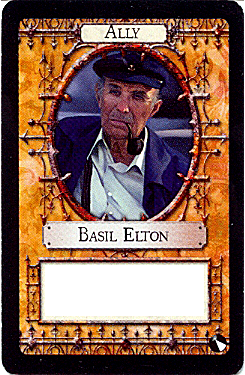
Basil's eyes were drawn to the haunting glow of the light, and he felt a momentary pang of jealousy, for the one who dwelt in that strange high house was a man who lived where dreams and reality met, a liminal space between worlds. Basil had once thought to climb Kingsport Head to speak to the man who lived there, but his nerve had failed him. One Elton meeting his end on that towering rock was enough.
A more than good second second installment of Graham McNeill's Dark Waters trilogy based on Arkham Horror board game inspired by The Call of Cthulhu role-playing game, H. P. Lovecraft and other authors of the Cthulhu Mythos shared fictional universe.

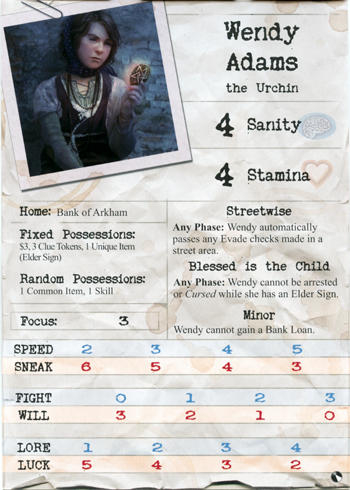
"What's your name, little girl?"
"Wendy," said the girl. "Wendy Adams."
"Why do you want to go to Arkham, Wendy?" asked Oliver.
The girl hesitated before answering. "I want to find my pa," she said at last.
"Does he live there?"
"Dunno, maybe. He went missing, but I know he's up there."
Oliver felt a surge of sympathy for this little girl, for he knew only too well how easily people could go missing in Arkham.
It was a real blast to see Miskatonic University professor Oliver Grayson and his fellow investigators move to misty Kingsport, and meet characters and places from The Terrible Old Man, The Festival, The Strange High House in the Mist, and other Lovecraft's works, with lots of cameos from the board game naming these series.
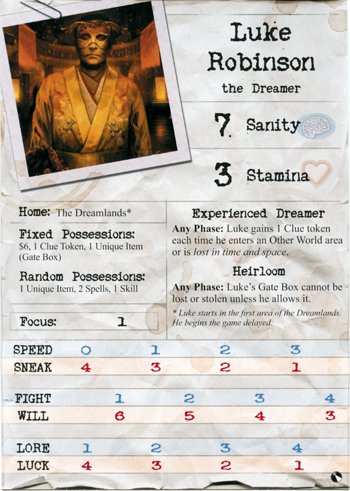
He received no answer and continued onward as more of the alleyway came into focus. Piles of crates were stacked against one wall, and a number of cats were gathered around a heap of carelessly discarded spoiled fruit and fish. They hissed at Luke, and he gave the cats a carefully judged wide berth. Dark rumors of events in Ulthar had reached Baharna, and Luke knew better than to antagonize the servants of Bastet.
Not a masterpiece at all, and like its predecessor Ghouls of the Miskatonic it suffered from some minor historical goofs like an all-you-can-eat buffet joke 20 years ahead of its time, but I totally enjoyed this trip back to mist-shrouded Kingsport and the Dreamlands, and I'm just in love with the atmosphere of creepiness and impending doom filling these pages.
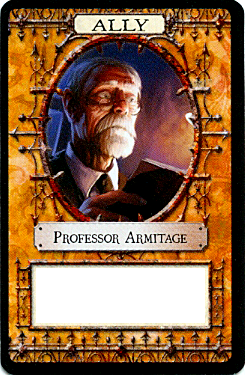
"This is it," said Armitage, turning the book around to face them.
"The Necronomicon. I am instructed to allow you to read only the pages between these two ribbons. Understand me, gentlemen: this is for your own protection, for there are blasphemies contained in these pages to which no man should willingly expose himself. Trust me, I know.
The revelation about the red hooded villain identity was hinted, but the Deep Ones assault scene was so thrilling that it took me by surprise, so congrats to the author for that and for fleshing characters so good that I was really afraid for their lives and sanity while reading tis page-turning book.
The man's eyes darted in Basil's direction, but thankfully the match blew out before he could see any more of his subtly repellent features. The man moved on and turned the corner ahead of him. Basil let him go, any thought of thanking him evaporating like water droplets on a hot skillet.
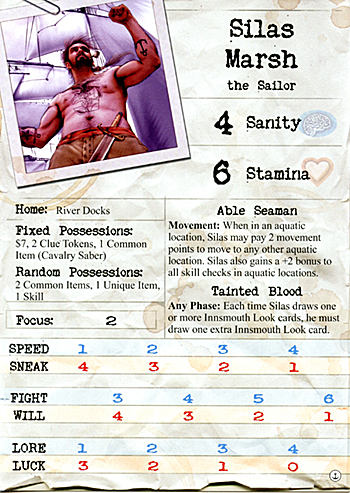
Why would Silas Marsh of Innsmouth bother to save him from a beating?
And adding to the main cast 92 years old professor George Gammell Angell from the original The Call of Cthulhu tale was a real nice touch.
Water oozed up over his shoe and he grimaced as a number of glossy worms wriggled away from the pressure. Fat and with a faintly greenish cast to their segmented bodies, they were repulsive-looking things that creeped Rex out far more then they should have. He threw a glance over his shoulder at the somnolent graveyard across the road.
"Must be nice having an all-you-can-eat buffet on your doorstep," he said.

Onward to the ending, just hope professor Oliver Grayson, journalist Rex Murphy, Silas Marsh the tainted-blood innsmouther, and the other investigators I've learned to love reading these books and playing FFG games, end their quest about stopping a certain Great Elder One without too many of them dying or worse like in almost every Arkham Horror game or tale written by H. P. Lovecraft.
"I can write just fine, Professor," said Silas.
The pen darted over the page, and it seemed that the hubbub of voices in the tavern began to fade and the heat from the fire diminished as Oliver read the words Silas had written over his shoulder.
Ph'nglui mglw'nafh Cthulhu R'lyeh wgah'nagl fhtagn.
"In his house at R'lyeh, dead Cthulhu waits dreaming," said George.
But Silas wasn't done.

February 5, 2013
Probably closer to 3 and a half, but still an entertaining read featuring the clever utilization of mythos concepts and some excellent (if inconsistent) writing; a marked improvement over the first book of the trilogy.

October 2, 2012
There are many people who believe that the secret to make a good horror story is to include several fifty-five gallon drums full of blood. There are people who think that writing good Lovecraftian fiction means spouting 'Cthulhu' every five words and sprinkling a few vowel-deficient names every few pages. Finally there are a few people who think that writing good role-playing tie-in fiction means to include monster names and descriptions from the game's supplements. This volume avoids all three foibles very well and gives a rip-roaring adventure in the bargain.
Real horror isn't about blood or gore, per se. It is the sense that things are wrong to such a degree that a "normal" person would not be able to process the aversion. Sometimes this results in a psychotic break, which most people think of when people say that people go crazy. It can also result in what is called Post Traumatic Stress Disorder, or in the context of the story, i.e. the 1920's, shell-shock. We see a few instances of the cast members treating this condition. The First World War has recently ended in 1918, and it introduced many new technologies for war that changed the face of human conflict. War should never be glamorized, but World War I began the dehumanization of battle. Machine gun placements, mortars, mustard gas, tanks and bombs dropped from planes separated soldiers of different armies from one another and distanced them from the actual violence that they inflicted and from the enemies that inflicted monstrous damage on them and added a new element of terror in that the war was seen as been conducted in a more mechanical nature. It didn't help that the British were not using the most effective strategies. This all added up to a more gruesome experience and that forms the backdrop of these novels. The world is changing, moving from the past into the future, and there is an uncertainty and fear just by that token, but the war added to that sort fear of the future. Is this what we've become? Is this what progress has made of humanity? This atmosphere is wonderfully woven into the story. Not as forefront but as a subtle tones and underpinnings of the story and gives a taste of futility to the overall tone of the series.
Lovecraftian authors fall into two distinct groups, cosmic name-droppers and atmospheric artists. I suppose it's unfair to use such obviously polarizing terms to describe these characters but the descriptions are apt. Fortunately, the Mythos elements are presented with frightening style and sense of menace instead of encyclopedic entries in some sourcebook. The devolution of Charles Warren's character is an interesting example of the use of story-telling versus name-dropping. There are a lot of examples of this type of "showing vs telling" which helps to maintain the atmosphere and keeps the book from seeming like a table-top RPG supplement. There are some things that I can't even identify from their descriptions, which for an HPL nerd like myself, is a pleasantly surprising shock.
Reading other fantasy fiction, I constantly see "keywords" in the text as if the author was paid per mention. Though there were a few mentions of Mythos concepts and beings, I don't think anything was out of order or unnecessary. In fact, I thought there were a few opportunities to drop a few names but they weren't exploited, and really that made the difference. I have to admit I just realized a bit of foreshadowing that occurs and that I didn't realize was important at the time. Little touches like that add layers like flavors in a meal.

March 17, 2013
I am enjoying the "Dark Waters Trilogy" so far. Despite the less than thrilling title of book two: "Bones of the Yopasi," I still quite liked it. In these books, I get a dose of Lovecraftian horror mixed in with some good Arkham Horror board game style fun and characters. Though I will say there are fewer Arkham Horror game characters in this installment. There were many "cameos" in the first book and more main characters from the game. In "Bones of the Yopasi," it's just cursed reporter Rex Murphy and the "dreamer" Luke Robinson, with cameo appearances from Gloria Goldberg and Silas Marsh. But Rex is the only one who plays a part all through the story.
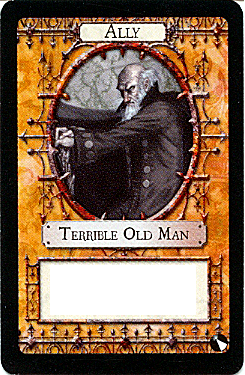
Elements from H.P. Lovecraft make an appearance as well: The Strange High House in the Mist, The Terrible Old Man and The White Ship all show up
The main focus of "Bones of the Yopasi" is finding the Crystal of the Exile, a crystalline, prismatic Atlantean artifact which can align the stars and bring R'lyeh and dread Cthulhu up from the depths. There is also a side mission to the Dreamlands to "rescue" Henry Cartwright who, due to his catatonic state in Arkham Asylum, is trapped in The Dreamlands.
Most of the action takes place in mist-shrouded Kingsport, the land of dreams and nightmares (and wiggly evil grave worms). Why? Initially, that is where the eponymous Yopasi bones wash ashore. If you've read the first book, you know that Oliver Grayson--our professorial protagonist--was academically disgraced when the Pacific Islander tribe he spent so much time with (the Yopasi) was destroyed en masse by some kind of firestorm. Since there was no proof they existed, Oliver's research was treated like fiction. And then the bones wash ashore in Kingsport Harbor.
I will admit that I spent a fair amount of time wanting to yell at the blissfully ignorant protagonists that they had a traitor in their midst. Okay...not just a traitor, THE traitor. The huge plot twist that I had seen coming since the first book finally did come to pass near the end of book two. I won't spoil it, but if you've read book one, you probably have an idea of what and whom I'm talking about. The moral of the story? Don't take Darth Vader along when you're sneaking aboard the Death Star.
As in my review of book one, "Ghouls of the Miskatonic," I would recommend "Bones of the Yopasi" (despite the awkward title) to a Lovecraft fan or an Arkham Horror enthusiast. Others may have some trouble understanding all the mythos references (like, oooh was that a Byakhee or a Nightgaunt?) and why it's a bad thing for Cthulhu to rise. And so on. You get the idea.
What's also cool about all the books sponsored by Fantasy Flight Games is that there's a mail-in offer for some kind of game card on the back page of all the Arkham Horror tie-in novels. This time, it's an Adventure card for the Elder Sign game. Last time, it was an Oliver Grayson Ally card for Arkham Horror.
If you're into supernatural horror, especially if it's set in the mid-1920's, then you should definitely pick up Bones of the Yopasi.
Elements from H.P. Lovecraft make an appearance as well: The Strange High House in the Mist, The Terrible Old Man and The White Ship all show up
The main focus of "Bones of the Yopasi" is finding the Crystal of the Exile, a crystalline, prismatic Atlantean artifact which can align the stars and bring R'lyeh and dread Cthulhu up from the depths. There is also a side mission to the Dreamlands to "rescue" Henry Cartwright who, due to his catatonic state in Arkham Asylum, is trapped in The Dreamlands.
Most of the action takes place in mist-shrouded Kingsport, the land of dreams and nightmares (and wiggly evil grave worms). Why? Initially, that is where the eponymous Yopasi bones wash ashore. If you've read the first book, you know that Oliver Grayson--our professorial protagonist--was academically disgraced when the Pacific Islander tribe he spent so much time with (the Yopasi) was destroyed en masse by some kind of firestorm. Since there was no proof they existed, Oliver's research was treated like fiction. And then the bones wash ashore in Kingsport Harbor.
I will admit that I spent a fair amount of time wanting to yell at the blissfully ignorant protagonists that they had a traitor in their midst. Okay...not just a traitor, THE traitor. The huge plot twist that I had seen coming since the first book finally did come to pass near the end of book two. I won't spoil it, but if you've read book one, you probably have an idea of what and whom I'm talking about. The moral of the story? Don't take Darth Vader along when you're sneaking aboard the Death Star.
As in my review of book one, "Ghouls of the Miskatonic," I would recommend "Bones of the Yopasi" (despite the awkward title) to a Lovecraft fan or an Arkham Horror enthusiast. Others may have some trouble understanding all the mythos references (like, oooh was that a Byakhee or a Nightgaunt?) and why it's a bad thing for Cthulhu to rise. And so on. You get the idea.
What's also cool about all the books sponsored by Fantasy Flight Games is that there's a mail-in offer for some kind of game card on the back page of all the Arkham Horror tie-in novels. This time, it's an Adventure card for the Elder Sign game. Last time, it was an Oliver Grayson Ally card for Arkham Horror.
If you're into supernatural horror, especially if it's set in the mid-1920's, then you should definitely pick up Bones of the Yopasi.
January 29, 2019
The second book in the Dark Waters trilogy from the Arkham Horror spinoff books.
If you enjoy Lovecraft’s Kingsport or the Dreamlands, then these are the books for you! I’ve mentioned before that Lovecraft’s Dreamlands are unfortunately not the most popular of his works, so you don’t see them in pastiche stuff very often, but when I do it always feels like a treat. Fog shrouded Kingsport is just so moody and….. Dreamy. :D
This story takes place some months after the events of the first book, enough for our characters to have assimilated what happened to them but not long enough for them to have gotten over the horrors of it completely. It was nice seeing the different characters cope in their own ways. We see some characters rotated out with new ones to take their place. It does a good job of what second books in a trilogy are supposed to do and properly escalates the story and tension before the climax in the trilogy’s finale. It also does what Ghouls of the Miskatonic did by having a bunch of separate threads throughout the story come together very satisfyingly at the end.
Speaking of different characters, if you didn’t enjoy the name dropping of Arkham Horror game characters in the last novel I’m not sure if you would like it more in this one: it still ranges from a passing mention for a page or two to being some of the main characters. Also speaking of different characters, I would highly recommend reading Lovecraft’s “The White Ship”, “The Terrible Old Man” and “The Strange High House in the Mist”. There are events and characters from those that are quite important to this, and you’ll get a lot more out of Bones of the Yopasi if you read those first. But since they’re all about Kingsport it should be a blast right? ;)
Oh, and I almost forgot “Call of Cthulhu” - if my hunch is correct, this trilogy closely coincides with that story, and George Gammell Angell is a main character in this book as well. How dare this author make me care about that character knowing what happens in CoC!!! T_T
I love all of these Lovecraft references SNOIDNIOSDNKSODNOSsndoaindiosand.
If you enjoy Lovecraft’s Kingsport or the Dreamlands, then these are the books for you! I’ve mentioned before that Lovecraft’s Dreamlands are unfortunately not the most popular of his works, so you don’t see them in pastiche stuff very often, but when I do it always feels like a treat. Fog shrouded Kingsport is just so moody and….. Dreamy. :D
This story takes place some months after the events of the first book, enough for our characters to have assimilated what happened to them but not long enough for them to have gotten over the horrors of it completely. It was nice seeing the different characters cope in their own ways. We see some characters rotated out with new ones to take their place. It does a good job of what second books in a trilogy are supposed to do and properly escalates the story and tension before the climax in the trilogy’s finale. It also does what Ghouls of the Miskatonic did by having a bunch of separate threads throughout the story come together very satisfyingly at the end.
Speaking of different characters, if you didn’t enjoy the name dropping of Arkham Horror game characters in the last novel I’m not sure if you would like it more in this one: it still ranges from a passing mention for a page or two to being some of the main characters. Also speaking of different characters, I would highly recommend reading Lovecraft’s “The White Ship”, “The Terrible Old Man” and “The Strange High House in the Mist”. There are events and characters from those that are quite important to this, and you’ll get a lot more out of Bones of the Yopasi if you read those first. But since they’re all about Kingsport it should be a blast right? ;)
Oh, and I almost forgot “Call of Cthulhu” - if my hunch is correct, this trilogy closely coincides with that story, and George Gammell Angell is a main character in this book as well. How dare this author make me care about that character knowing what happens in CoC!!! T_T
I love all of these Lovecraft references SNOIDNIOSDNKSODNOSsndoaindiosand.

September 12, 2016
Surprisingly, i enjoyed this book in the series quite a lot more! I'm not sure if the book was just better, or if i started get get the flow and vibe of the story more, this time around. The thing about named characters from the board game that irritated me a little in the last book, was actually kinda cool in this one, and i found myself really looking forward to small cameos when they happened. Not sure what caused the perspective shift there, but overall, i really enjoyed this book.
Maybe it's because, after having read the first one, i returned to a few of the different games set in FFG's Cthulhu Mythos, and having played a couple of them, i'm now really enjoying a chance to get even the smallest amount of context and character interaction for these people. So it could be that i just care more about who these characters are.
This one is largely set in the town of Kingsport, and in addition to the appearances by characters from the Arkham Horror game, we even get to see a couple actual characters from Lovecraft's short stories show up. Although i have to be fair, i'm not sure that the Terrible Old Man had anything to actually add to the story, other than being a namedrop... but the bit where an antagonist breaks into his home and... well... no spoilers, but it was a fun scene, if a little out of place. And then of course no visit to Kingsport would be complete without the Strange High House in the Mist, or frequent trips to the Dreamlands. At one point, one of the main characters even mentioned casually having previously encountered a Mr. Randolf Carter in his travels.
We also finally have the man in the Red Robes' identity revealed at the climax of this story. And if you'd been paying attention since the first book... it's not much of a shock, but the moment is pulled off well and the characters at least, are quite surprised. Little bit of deus ex machina at the end there with the appearance of the White Ship, but it was still an exciting ending.
Maybe it's because, after having read the first one, i returned to a few of the different games set in FFG's Cthulhu Mythos, and having played a couple of them, i'm now really enjoying a chance to get even the smallest amount of context and character interaction for these people. So it could be that i just care more about who these characters are.
This one is largely set in the town of Kingsport, and in addition to the appearances by characters from the Arkham Horror game, we even get to see a couple actual characters from Lovecraft's short stories show up. Although i have to be fair, i'm not sure that the Terrible Old Man had anything to actually add to the story, other than being a namedrop... but the bit where an antagonist breaks into his home and... well... no spoilers, but it was a fun scene, if a little out of place. And then of course no visit to Kingsport would be complete without the Strange High House in the Mist, or frequent trips to the Dreamlands. At one point, one of the main characters even mentioned casually having previously encountered a Mr. Randolf Carter in his travels.
We also finally have the man in the Red Robes' identity revealed at the climax of this story. And if you'd been paying attention since the first book... it's not much of a shock, but the moment is pulled off well and the characters at least, are quite surprised. Little bit of deus ex machina at the end there with the appearance of the White Ship, but it was still an exciting ending.

August 8, 2014
It had been awhile since I read the first book but there were enough mentions of the events in "Ghouls of the Miskatonic" that I could remember what happened and thus what was going on in this installment. Only a few new characters are added to the roster and those that are are interesting, especially Silas Marsh. The search for the Occult of the "Star God" deepens as strange happenings occur in a neighboring town to Arkham, called Kingsport. It's a good read and I'm definitely excited to get my hands on the third book.
I think what I like best about McNeill's writing is that he's great at painting the portrait of a cold, November New England. Every scene in Arkham or Kingsport is easily pictured in the mind. Having lived in New England my entire life, I appreciate the imagery. It makes me feel at home and like something this freaky could happen right outside my door, since I live so close to the Ocean. It's amusing cause I can picture the kinds of towns he's talking about, since I live in one and it really helps to bring the story alive in my mind.
I think what I like best about McNeill's writing is that he's great at painting the portrait of a cold, November New England. Every scene in Arkham or Kingsport is easily pictured in the mind. Having lived in New England my entire life, I appreciate the imagery. It makes me feel at home and like something this freaky could happen right outside my door, since I live so close to the Ocean. It's amusing cause I can picture the kinds of towns he's talking about, since I live in one and it really helps to bring the story alive in my mind.

June 20, 2015
This was much better than expected. While I cannot recommend it to everyone, it's definitely worth a read to fans of Cthulhu Mythos and even more so for those who enjoy the Arkham Horror board game.
An improvement on the first book of the series, the ending sets up a potentially thrilling conclusion to the trilogy. I have more than a few gripes, but the only one I'll mention is the inclusion of Charles Warren. One gets the feeling that McNeil planned a bigger role for Warren than he ended up getting, and he was relegated to a passing side-show of no real importance to the story. It would have been better to write him out completely.
Otherwise it's a thrilling enough tale. A few scenes, particularly those that take place in the waters outside Kingsport, are real nail biters, and McNeil's denizens of the deep make for better monsters than we got in the first book.
An improvement on the first book of the series, the ending sets up a potentially thrilling conclusion to the trilogy. I have more than a few gripes, but the only one I'll mention is the inclusion of Charles Warren. One gets the feeling that McNeil planned a bigger role for Warren than he ended up getting, and he was relegated to a passing side-show of no real importance to the story. It would have been better to write him out completely.
Otherwise it's a thrilling enough tale. A few scenes, particularly those that take place in the waters outside Kingsport, are real nail biters, and McNeil's denizens of the deep make for better monsters than we got in the first book.

November 12, 2012
Pretty good, especially for a book based on a board game. Really captures the spirit and atmosphere of the game very well.
November 6, 2019
This was a decent step up from the previous book, Ghouls Of The Miskatonic, enough that I'd raise the rating to a 3.5 compared to the first book's 3. Bones Of The Yopasi feels much more engrained in the world of Arkham Horror, and the stakes are raised closer and closer to an end-of-the-world-by-summoned-Old-One scenario, of which will continue in the 3rd book.
The characters are more rounded this time, and Oliver Grayson is a much more likable individual. I liked the exploration of the Dreamlands, and of Kingsport and it's infamous lighthouse. I'm still uncertain as to my view on what was done with the character Silas Marsh. Perhaps I'm not up on the Arkham Horror lore enough, but there is something going on with Silas that I'm not positive was a factor in the rest of his backstory in other mediums. It's creating a confusing plot arc for him that I perhaps need to look around online for, but if that's the case is it really a good idea to force the reader to do homework? Or maybe I'm really missing something there. Unsure.
A couple things I did not like; 1, the use of The Terrible Old Man, from the similarly titled short story. Saying too much is spoiler territory, so I'll say I'm just not a fan of using that character in the way he was used here. And 2, the White Ship. A nod to Lovecraft's other works, and also a nod to earlier stories that inspired him, the White Ship itself is a neat idea, but it just screams convenience. When that scene occurred I think I actually rolled my eyes...
But I'd still recommend, especially for those with an appetite for Lovecraft and Fantasy Flight Games' Arkham Horror universe.
Join the RK King readers' list for an exclusive FREE short story, plus inside info, musings, promos and more: RK King Writes
The characters are more rounded this time, and Oliver Grayson is a much more likable individual. I liked the exploration of the Dreamlands, and of Kingsport and it's infamous lighthouse. I'm still uncertain as to my view on what was done with the character Silas Marsh. Perhaps I'm not up on the Arkham Horror lore enough, but there is something going on with Silas that I'm not positive was a factor in the rest of his backstory in other mediums. It's creating a confusing plot arc for him that I perhaps need to look around online for, but if that's the case is it really a good idea to force the reader to do homework? Or maybe I'm really missing something there. Unsure.
A couple things I did not like; 1, the use of The Terrible Old Man, from the similarly titled short story. Saying too much is spoiler territory, so I'll say I'm just not a fan of using that character in the way he was used here. And 2, the White Ship. A nod to Lovecraft's other works, and also a nod to earlier stories that inspired him, the White Ship itself is a neat idea, but it just screams convenience. When that scene occurred I think I actually rolled my eyes...
But I'd still recommend, especially for those with an appetite for Lovecraft and Fantasy Flight Games' Arkham Horror universe.
Join the RK King readers' list for an exclusive FREE short story, plus inside info, musings, promos and more: RK King Writes

December 27, 2012
Ia Cthulhu! Good mythos fun in mist-shrouded Kingsport. I always enjoyed Lovecraft's Dreamlands stories, so this one hit all of my Randolph Carter buttons. The only problem was that I read the first book in this trilogy two years ago, and forgot much of the story. None the less, a fun Cthulhu Mythos read. This series of books is being written to gin up interest in the Arkham Horrorsboard game (which I play with my friends on the rare occasions when we have time to campaign). The series is a cut above many (or perhaps I should say, all) of the Cthulhu-inspired anthologies that have appeared over the past few years. I am glad Fantasy Flight Games is taking this project seriously enough to hire actual writers to pen the tie-ins. Not a perfect book--there was a lot going on; perhaps too many plot lines to be sustained in one novel--but overall, a good read. I will continue to follow this series until it's done.

September 23, 2020
Well, I enjoyed this a bit more than the first book in the trilogy, possibly because McNeill uses (most of) the same characters from the first book, and they're starting to grow on me. The prose style is about the same (a little dry and tell-y), but maybe I'm getting used to it, two books in. It doesn't hurt that we move away from the creature-feature type of Lovecraft story from the first book and enter into an examination of the Dreamlands, and get closer to the cosmic horror that's so Lovecraft.
(That's So Lovecraft! The new cosmic horror/comedy show, coming this fall on UPN!)
(Sorry.)
Am I damning this book with faint praise? Yes. Yes, I guess I am. It's not the kind of book I'd recommend, but I can see fans of Lovecraft and/or Arkham Horror digging the story. It just wouldn't be at the top of that list of books for those readers.
(For the record, The Dream-Quest of Vellitt Boe by Kij Johnson and The Ballad of Black Tom by Victor LaValle would be at the top of that list.)
(Also: Parenthetical asides FTW!)
(That's So Lovecraft! The new cosmic horror/comedy show, coming this fall on UPN!)
(Sorry.)
Am I damning this book with faint praise? Yes. Yes, I guess I am. It's not the kind of book I'd recommend, but I can see fans of Lovecraft and/or Arkham Horror digging the story. It just wouldn't be at the top of that list of books for those readers.
(For the record, The Dream-Quest of Vellitt Boe by Kij Johnson and The Ballad of Black Tom by Victor LaValle would be at the top of that list.)
(Also: Parenthetical asides FTW!)

July 28, 2025
I really enjoyed the first book in this series, but this one was a chore to get through. It felt like all the characters really did was run from one place to another Benny Hill-style, not really achieving much, and with little plot advancement. There were a lot of Lovecraft references here which can be nice to play spot with, but on balance I think it was a little overdone. Fair chunks of the book also felt like padding to expand a story which really didn’t contain an awful lot.

September 11, 2022
I always enjoy these Arkham Horror books. This second entry in the Dark Waters trilogy continues to follow Oliver Grayson and his companions fighting against an eldritch evil starting with learning about the disappearance of the Yopasi people when their bones wash up on the shores of Kingsport.
This was a fun one and I'm really looking forward to the final book.
This was a fun one and I'm really looking forward to the final book.
Want to Read
December 13, 2024If anyone has a copy of this for a reasonable price, I would love to read it. I would even rent it and send it back. I’m just not willing to spend over $100 on a book. That’s ridiculous. If it was a first edition classic I could see it.
Thank you.
Feel free to email me at molash8799@gmail.com
Thank you.
Feel free to email me at molash8799@gmail.com
July 3, 2018
I don't think I've have been the right mood for this book.
It took awhile for me to get into the book.
It took awhile for me to get into the book.
January 13, 2022
This book is wrapped in a lot of Lovecraftian lore but suffers from being the middle book of a trilogy.

July 18, 2022
The story was ok, except for the out of context easy way to overcome a fatal outcome near the end of the book.
September 8, 2025
Probably the best of the Arkham horror trilogies. I just love McNeill's writing style.

January 14, 2021
For books loosely based on a board game loosely based on a collection of works by multiple authors, this series is EXCELLENT. Actually, it's excellent even beyond that. A solid Lovecraftian horror read. I really enjoyed the second in this series just as much as the first, and I can't wait to read the third.
I read this one and the first one a long time ago (apparently in 2012 or 2013?) but I don't remember finishing it then, because I lost the book! And then I didn't think I even owned the third one and for ages I tried to buy it online but apparently these cheap paperbacks are like super collectible now because it would have cost over $100 and... as good as they are, it just wasn't worth that. But then I found the whole series again in my great book reorganization of 2023 and I'm delighted to be re-reading them now and I can't wait to get into the third one now that GenCon has over, which always makes me want FALL to begin like, immediately. :)
I read this one and the first one a long time ago (apparently in 2012 or 2013?) but I don't remember finishing it then, because I lost the book! And then I didn't think I even owned the third one and for ages I tried to buy it online but apparently these cheap paperbacks are like super collectible now because it would have cost over $100 and... as good as they are, it just wasn't worth that. But then I found the whole series again in my great book reorganization of 2023 and I'm delighted to be re-reading them now and I can't wait to get into the third one now that GenCon has over, which always makes me want FALL to begin like, immediately. :)

Read
February 24, 2014Druhý díl trilogie, který mi většinou vyprávěných linek připadal, že se připravuje na třetí, závěrečný střet. Nemohla jsem se ani za nic načíst. Bavila mě především jedna vedlejší postava, jinak jsem nějak nedokázala přilnout k charakterům známým z prvního dílu. Jednička byla ucelená, dvojka mi připadala roztříštěná a zoufale otevřená. V jednotlivostech to mělo své kouzlo, skvěle vykreslené sny a detektivní postupy (součást stylu, v podstatě opakující se motivy), ale dohromady to ve mně nezanechalo žádný hlubší dojem. Obecně spíš zklamání.

September 6, 2021
Always enjoyed ghostly tales of sunken ships. Some of the coolest things to believe in when you're a young boy I think. This was a book I got as a free gift for an online purchase. Selected because of the mysterious foreboding cover. After receiving it I realized it was part 2 in a series! So I went and bought every available Arkham Horror story in response! I must say, I have been enjoying every single one so far. If you enjoy the game, it's fun having elements of the game introduced as you read. This was a fun sequel, I look forward to the finale.

January 14, 2013
This was set in Kingsport and brought some life to the sleepy New England town. It was much better than the first book. Too bad the last in the series isn't written yet. I would only recommend these books to fans of the board game.
June 10, 2013
Reasonable follow-up to Ghouls of the Miskatonic. Lots more name-dropping both of characters from HPL's original stories and from the Arkham Horror game and related materials. And as a bonus, you can send off for an additional card for the game Elder Sign!

December 15, 2015
It started pretty slow but by the end I was enjoying it. I liked all the inside references to the game and the mythos behind the game.
June 7, 2016
Of the Trilogy, this one was the weakest. having said that, it was a decent read.
Displaying 1 - 26 of 26 reviews