

What do you think?

La puerta abierta
Margaret Oliphant (1828-1897), prolífica novelista inglesa, perseguida sin descanso por un destino trágico, escribió algunas novelas de corte costumbrista en las que logró memorables retratos de la vida provinciana en la Escocia de su tiempo, y tres magistrales narraciones fantásticas.
La puerta abierta es quizá, junto a Otra vuelta de tuerca de Henry James, El guardavías de Dickens, o La mujer del sueño de Wilkie Collins, una de las más destacadas y originales creaciones del cuento de miedo inglés, en opinión de Montague Rhode James, uno de los maestros indiscutibles del género.
La atmósfera inquietante en la que se desarrolla el relato y la sensibilidad con que la autora describe los acontecimientos logran infundirle un extraño y poético patetismo que trasciende los límites convencionales del género.
El misterio gira en torno al ruinoso frontispicio de una antigua mansión en el que se abre el hueco de una puerta solitaria que el tiempo ha despojado de todo significado y que ya no conduce a ninguna parte. Una angustiada voz que gime y suplica ante esa puerta abierta y vacía es el único indicio de una tragedia que se renueva a lo largo del tiempo y que tal vez ha quedado grabada en el oculto corazón de la naturaleza.
La puerta abierta es quizá, junto a Otra vuelta de tuerca de Henry James, El guardavías de Dickens, o La mujer del sueño de Wilkie Collins, una de las más destacadas y originales creaciones del cuento de miedo inglés, en opinión de Montague Rhode James, uno de los maestros indiscutibles del género.
La atmósfera inquietante en la que se desarrolla el relato y la sensibilidad con que la autora describe los acontecimientos logran infundirle un extraño y poético patetismo que trasciende los límites convencionales del género.
El misterio gira en torno al ruinoso frontispicio de una antigua mansión en el que se abre el hueco de una puerta solitaria que el tiempo ha despojado de todo significado y que ya no conduce a ninguna parte. Una angustiada voz que gime y suplica ante esa puerta abierta y vacía es el único indicio de una tragedia que se renueva a lo largo del tiempo y que tal vez ha quedado grabada en el oculto corazón de la naturaleza.
127 pages, Paperback
First published January 1, 1882
About the author
Mrs. Oliphant
1,419 books181 followersMargaret Oliphant Wilson Oliphant (née Margaret Oliphant Wilson) was a Scottish novelist and historical writer, who usually wrote as Mrs. Oliphant. Her fictional works encompass "domestic realism, the historical novel and tales of the supernatural".
Margaret Oliphant was born at Wallyford, near Musselburgh, East Lothian, and spent her childhood at Lasswade (near Dalkeith), Glasgow and Liverpool. As a girl, she constantly experimented with writing. In 1849 she had her first novel published: Passages in the Life of Mrs. Margaret Maitland which dealt with the Scottish Free Church movement. It was followed by Caleb Field in 1851, the year in which she met the publisher William Blackwood in Edinburgh and was invited to contribute to the famous Blackwood's Magazine. The connection was to last for her whole lifetime, during which she contributed well over 100 articles, including, a critique of the character of Arthur Dimmesdale in Nathaniel Hawthorne's The Scarlet Letter.
Margaret Oliphant was born at Wallyford, near Musselburgh, East Lothian, and spent her childhood at Lasswade (near Dalkeith), Glasgow and Liverpool. As a girl, she constantly experimented with writing. In 1849 she had her first novel published: Passages in the Life of Mrs. Margaret Maitland which dealt with the Scottish Free Church movement. It was followed by Caleb Field in 1851, the year in which she met the publisher William Blackwood in Edinburgh and was invited to contribute to the famous Blackwood's Magazine. The connection was to last for her whole lifetime, during which she contributed well over 100 articles, including, a critique of the character of Arthur Dimmesdale in Nathaniel Hawthorne's The Scarlet Letter.
Ratings & Reviews
Friends & Following
Create a free account to discover what your friends think of this book!
Community Reviews
Displaying 1 - 30 of 90 reviews

December 17, 2020
clocking in at 131 pages, this is the longest title in seth’s ghost stories for christmas series. however, its actual ghosty content is pretty minimal.
it could've been scary—hearing noises like sighs and a voice crying
"'Oh, mother, let me in! oh, mother, let me in!'"
on your property would be pretty creepy, if there were no way to account for the voice, never mind the high-stakes terror of a juniper-bush [sic] that seems to change location in the dark of the night and disappear come morning.
but in this case, could've been is just a song by tiffany, and the story is well-written, but the horror is well-padded by a lot of...words.
and while i actually love that passage and think it's an astute and convincing observation i've never seen expressed before, it sure does take the long way 'round. moreover, there are several supporting-cast characters distinguished only by their class/profession and where they stand on the "ghost or not-a-ghost" argument, and it got a little confusing there in the dark, beside (or not-beside) the juniper-bush.
which is, i suppose, as it should be.
it may sound like i am not enjoying these books because i am being so critical-curmudgeonly about them, but i assure you—i am a fan of seth's endeavor and design and even though i have been too galvanized by modern horror for the olde timey ghost stories to impress me, i am genuinely sad to be all caught up on the series (reading them, anyway—i still have to review The Old Nurse's Story from last year), and i am very much looking forward to next year's batch!!!
 come to my blog!
it could've been scary—hearing noises like sighs and a voice crying
"'Oh, mother, let me in! oh, mother, let me in!'"
on your property would be pretty creepy, if there were no way to account for the voice, never mind the high-stakes terror of a juniper-bush [sic] that seems to change location in the dark of the night and disappear come morning.
but in this case, could've been is just a song by tiffany, and the story is well-written, but the horror is well-padded by a lot of...words.
I got home I don’t quite know how; but in my mind there was no longer any indifference as to the thing, whatever it was, that haunted these ruins. My scepticism disappeared like a mist. I was as firmly determined that there was something as Roland was. I did not for a moment pretend to myself that it was possible I could be deceived; there were movements and noises which I understood all about,—cracklings of small branches in the frost, and little rolls of gravel on the path, such as have a very eerie sound sometimes, and perplex you with wonder as to who has done it, when there is no real mystery; but I assure you all these little movements of nature don’t affect you one bit when there is something. I understood them. I did not understand the sigh. That was not simple nature; there was meaning in it, feeling, the soul of a creature invisible. This is the thing that human nature trembles at,—a creature invisible, yet with sensations, feelings, a power somehow of expressing itself. I had not the same sense of unwillingness to turn my back upon the scene of the mystery which I had experienced in going to the stables; but I almost ran home, impelled by eagerness to get everything done that had to be done, in order to apply myself to finding it out.
and while i actually love that passage and think it's an astute and convincing observation i've never seen expressed before, it sure does take the long way 'round. moreover, there are several supporting-cast characters distinguished only by their class/profession and where they stand on the "ghost or not-a-ghost" argument, and it got a little confusing there in the dark, beside (or not-beside) the juniper-bush.
which is, i suppose, as it should be.
it may sound like i am not enjoying these books because i am being so critical-curmudgeonly about them, but i assure you—i am a fan of seth's endeavor and design and even though i have been too galvanized by modern horror for the olde timey ghost stories to impress me, i am genuinely sad to be all caught up on the series (reading them, anyway—i still have to review The Old Nurse's Story from last year), and i am very much looking forward to next year's batch!!!
come to my blog!
October 16, 2020
3'5 / 5

February 25, 2024
Muy interesante, me parece una muy buena historia clásica de terror con una buena ambientación. Quería leer algo de la autora ya que me apetece leer Hester, publicado no hace mucho por Ático de libros y que, aunque no tiene nada que ver en cuanto a género, es largo y necesitaba saber si me gustaba el estilo de la autora. Si alguien lo ha leído agradecería su opinión .
![Profile Image for Hon Lady Selene [on a hiatus].](https://i.gr-assets.com/images/S/compressed.photo.goodreads.com/users/1777646425i/51675144._UY200_CR9,0,200,200_.jpg)
August 23, 2023
a deeply Victorian ghost story of a melodramatic, slow-paced nature; Mrs. Oliphant's vivid descriptions of Scottish locations were more enjoyable than the plotline itself, will be attempting one of her more popular novels in the future.

December 2, 2024
3.5 stars
This is a well-written story and it definitely has its chilling moments, but it’s a bit too long (mostly because of repetition to set the mood).
This is a well-written story and it definitely has its chilling moments, but it’s a bit too long (mostly because of repetition to set the mood).

June 18, 2020
"A porta aberta " de Margaret Oliphant é uma história sobrenatural onde se conta o retorno do coronel Mortimer, um oficial do Raj, ao seu país e à vila de Brentwood, na Escócia. Entre a paisagem acidentada do local, destacam-se algumas ruínas de uma antiga mansão, na qual um frontispício solitário atravessa a passagem em direção ao vazio por uma porta aberta. Toda noite, durante os meses de inverno, ocorre um fenômeno estranho: uma voz geme e suplica diante da porta aberta " mamãe deixa me entrar, mamãe deixa me entrar"
Um dia o filho do coronel ao passear perto daquela porta começa a ouvir os gemidos e as súplicas. O menino começa a adoecer e pede para o pai libertar aquela alma que chora e geme nas noites de inverno.
O pai desesperado , temendo pela vida do filho fará de tudo para resolver a situação.Ele pedirá ajuda a algumas pessoas como ao médico do filho ,mas ele não acredita no que não pode ser provado. Embora o médico também viva a experiência de ter ouvido o espírito e não poder explicar o que é, ele não duvida que a mão humana esteja por trás do fenômeno, deixando suspeitas no ar.
Somente quando ele recebe a ajuda de um sacerdote local é que ele vai descobrir o que realmente está acontecendo.
Nesta jóia de ficção sobrenatural de 1882 diferente das outras obras de Margaret onde o terror sempre prevalece , aqui vemos a piedade, a tentativa de aliviar um sofrimento. Livro muito bom embora ainda não tenha uma tradução em português, tive que ler na língua espanhola.
Um dia o filho do coronel ao passear perto daquela porta começa a ouvir os gemidos e as súplicas. O menino começa a adoecer e pede para o pai libertar aquela alma que chora e geme nas noites de inverno.
O pai desesperado , temendo pela vida do filho fará de tudo para resolver a situação.Ele pedirá ajuda a algumas pessoas como ao médico do filho ,mas ele não acredita no que não pode ser provado. Embora o médico também viva a experiência de ter ouvido o espírito e não poder explicar o que é, ele não duvida que a mão humana esteja por trás do fenômeno, deixando suspeitas no ar.
Somente quando ele recebe a ajuda de um sacerdote local é que ele vai descobrir o que realmente está acontecendo.
Nesta jóia de ficção sobrenatural de 1882 diferente das outras obras de Margaret onde o terror sempre prevalece , aqui vemos a piedade, a tentativa de aliviar um sofrimento. Livro muito bom embora ainda não tenha uma tradução em português, tive que ler na língua espanhola.

October 21, 2023
3,5/5
Esta novela la escogí para cumplimentar un reto, ya que no encontraba nada que me gustase y entonces esta novela corta cayó en mis manos.
Es una novela ambientada en Escocia, muy gótica con esa atmósfera opresiva los libros de este género. Me ha gustado bastante, el final me ha parecido un poco flojo y light.
La novela comienza cuando el coronel Mortimer se traslada de la India a Escocia junto a su mujer y sus tres hijas, 2 chicas y un chico; allí alquilan una casa por 2 años, su hijo va a y vuelve de la escuela; pero de repente enferma y le confiesa a su padre que al pasar por las ruinas de una antigua mansión oyó una voz que decía:"¡Ay, madre, déjeme entrar! y le pide a su padre que lo investigue.....
Los personajes no están muy definidos pero el doctor Simson me ha caído fatal.
Esta novela la escogí para cumplimentar un reto, ya que no encontraba nada que me gustase y entonces esta novela corta cayó en mis manos.
Es una novela ambientada en Escocia, muy gótica con esa atmósfera opresiva los libros de este género. Me ha gustado bastante, el final me ha parecido un poco flojo y light.
La novela comienza cuando el coronel Mortimer se traslada de la India a Escocia junto a su mujer y sus tres hijas, 2 chicas y un chico; allí alquilan una casa por 2 años, su hijo va a y vuelve de la escuela; pero de repente enferma y le confiesa a su padre que al pasar por las ruinas de una antigua mansión oyó una voz que decía:"¡Ay, madre, déjeme entrar! y le pide a su padre que lo investigue.....
Los personajes no están muy definidos pero el doctor Simson me ha caído fatal.

January 3, 2014
Es la primera vez que leo a Margaret Oliphant y, afortunadamente, me dejó una buena impresión. Espero toparme con más relatos de esta autora.
La puerta abierta empieza por el lugar casi obligatorio de los relatos góticos: la descripción de la mansión/ ruina embrujada. La familia Mortimer se muda temporalmente a una casa un tanto aislada y el asunto comienza a ponerse raro ( muy raro) cuando el hijo, Roland, se enferma gravemente. Y eso tiene un motivo que no contaré para que no arruine el elemento extraño que hace girar la trama.
Margaret Oliphant escribe bien, es clara y logra transmitir los sentimientos y momentos angustiantes que experimentan los personajes. Y me hizo recordar a Mary W. Shelley.
El cuento (aunque para mí es más una novela corta) atrapa al instante pero hubo un detalle en el final que no terminó de gustarme del todo. Me pareció que se resolvía demasiado rápido y que habían pasado páginas y páginas en donde se repetían expediciones que siempre tenían el mismo resultado. Así y todo, me pareció buena la oscilación en las convicciones de algunos personajes y el misterio en sí mismo es atípico. Recomendable para leer durante una noche de tormenta.
La puerta abierta empieza por el lugar casi obligatorio de los relatos góticos: la descripción de la mansión/ ruina embrujada. La familia Mortimer se muda temporalmente a una casa un tanto aislada y el asunto comienza a ponerse raro ( muy raro) cuando el hijo, Roland, se enferma gravemente. Y eso tiene un motivo que no contaré para que no arruine el elemento extraño que hace girar la trama.
Margaret Oliphant escribe bien, es clara y logra transmitir los sentimientos y momentos angustiantes que experimentan los personajes. Y me hizo recordar a Mary W. Shelley.
El cuento (aunque para mí es más una novela corta) atrapa al instante pero hubo un detalle en el final que no terminó de gustarme del todo. Me pareció que se resolvía demasiado rápido y que habían pasado páginas y páginas en donde se repetían expediciones que siempre tenían el mismo resultado. Así y todo, me pareció buena la oscilación en las convicciones de algunos personajes y el misterio en sí mismo es atípico. Recomendable para leer durante una noche de tormenta.

July 30, 2014
Simplemente impecable. Una novela gótica corta de fantasmas, de esas que tanto me gustan. En esta oportunidad, nos adentramos en la vida de una familia la cual vuelve a su país para encontrarse con un misterio espeluznante. El único hijo de la familia se enferma gravemente, y el mismo lo atribuye a razones paranormales. Acá es cuando todo se pone un poco retorcido: se trata de un alma en pena que precisa ayuda para librarse de su miseria.
La historia es sencillamente perfecta, es simple e intrigante a la vez. Plantea un panorama sumamente escalofriante, en un lugar embrujado que parece ser la causa de los males que acosarán a la familia. En mi cabeza iba figurando cómo podría ser un niño de tales descripciones, casi de aspecto cadavérico y fúnebre, y me estremecí, por lo que el deterioro físico del chico me resultó una de las partes más estremecedoras y mórbidas. Que su vida dependiera de ayudar a un espectro errante es descabellado.
La historia es sencillamente perfecta, es simple e intrigante a la vez. Plantea un panorama sumamente escalofriante, en un lugar embrujado que parece ser la causa de los males que acosarán a la familia. En mi cabeza iba figurando cómo podría ser un niño de tales descripciones, casi de aspecto cadavérico y fúnebre, y me estremecí, por lo que el deterioro físico del chico me resultó una de las partes más estremecedoras y mórbidas. Que su vida dependiera de ayudar a un espectro errante es descabellado.
This entire review has been hidden because of spoilers.

December 31, 2020
Ambientada en Escocia, esta típica novela de fantasmas de la época victoriana, muy bien construida, nos cuenta la historia de una familia cuya vida se ve alterada cuando , por la noche, aparece una presencia extraña en las ruinas de una antigua mansión.

January 26, 2026
"Así de diferentes son los efectos que un mismo hecho produce en la mente de personas diferentes."
Historia corta de misterio y toque gótico qué me ha gustado bastante, nunca había leído nada de esta autora así que de hoy en adelante la tendré en mi radar ya que este género fue su predilecto, una historia con todas la vides de spooky season, recomendado.
🪨🌱
Historia corta de misterio y toque gótico qué me ha gustado bastante, nunca había leído nada de esta autora así que de hoy en adelante la tendré en mi radar ya que este género fue su predilecto, una historia con todas la vides de spooky season, recomendado.
🪨🌱

November 15, 2024
Okno Schrödingera.
Margaret Oliphant tworzyła bardzo subtelne niesamowite historie. Nie znajdziemy tu żadnych trupów, wampirów, okrutnych morderców i innych paskudnych kreatur – miłośnikom krwi i flaków raczej się nie spodoba, można się rozejść. W zamian za to otrzymujemy opowiadania spokojne, podszyte delikatnym niepokojem, a momentami nawet szaleństwem. Bo jak inaczej nazwać przypadek dziewczyny, której pomysłem na zabicie nudy staje się wpatrywanie w okno biblioteki naprzeciwko – w okno, którego nikt poza nią nie widzi? Albo historia młodego dżentelmena, którego portret dawno zmarłej matki zaczyna popychać do dziwnego zachowania względem własnego ojca.
Dla mnie te historie są jednak odrobinę zbyt subtelne (tak, ja również należę do miłośników krwi i flaków :P), stąd ocena tylko 6/10, chociaż nie zaprzeczam, że ich lektura była przyjemna. Tylko nazbyt uspakajająca jak na historie z dreszczykiem :)
Margaret Oliphant tworzyła bardzo subtelne niesamowite historie. Nie znajdziemy tu żadnych trupów, wampirów, okrutnych morderców i innych paskudnych kreatur – miłośnikom krwi i flaków raczej się nie spodoba, można się rozejść. W zamian za to otrzymujemy opowiadania spokojne, podszyte delikatnym niepokojem, a momentami nawet szaleństwem. Bo jak inaczej nazwać przypadek dziewczyny, której pomysłem na zabicie nudy staje się wpatrywanie w okno biblioteki naprzeciwko – w okno, którego nikt poza nią nie widzi? Albo historia młodego dżentelmena, którego portret dawno zmarłej matki zaczyna popychać do dziwnego zachowania względem własnego ojca.
Dla mnie te historie są jednak odrobinę zbyt subtelne (tak, ja również należę do miłośników krwi i flaków :P), stąd ocena tylko 6/10, chociaż nie zaprzeczam, że ich lektura była przyjemna. Tylko nazbyt uspakajająca jak na historie z dreszczykiem :)

October 31, 2017
Entretenida historia con tintes sobrenaturales en la que con estilo gótico, Margaret Oliphant pretende enseñarnos que un mismo hecho puede ser interpretado de distintas maneras por distintas personas y que lo que a una persona le deja indiferente, a otra puede causarle una profunda impresión. Interesante.
Seguiré leyendo a esta autora victoriana.
Seguiré leyendo a esta autora victoriana.
February 9, 2023
3.25⭐
A door that led to nothing,—closed once, perhaps, with anxious care, bolted and guarded, now void of any meaning.
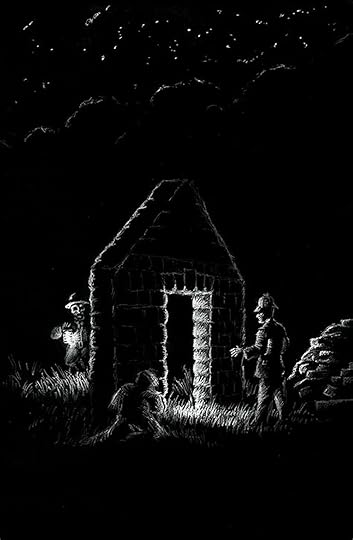
A door that led to nothing,—closed once, perhaps, with anxious care, bolted and guarded, now void of any meaning.

September 12, 2023
(5/5)
•
Me han vuelto a prestar un libro (gracias, Pablo) para ver si consigo rellenar la categoría 15 del #24retosdelectura, pero qué va, no hay nada que hacer. Que no encuentro uno que me dé miedo, oye. Pero, bueno, he descubierto este libro, que me ha encantado.
Es un cuento de miedo, y está considerado hoy en día como uno de los grandes clásicos del género y una de las mejores historias de fantasmas jamás escritas.
🗯️Junto a los restos en ruina de una antigua casa, con apenas una puerta abierta en pie, una voz se oye en la oscura noche, en medio de la nada: «¡Oh, madre, déjame entrar!». Un hecho inquietante del que muchos se burlan, pues no lo creen posible.
Una maravilla. Una joyita. Leedlo.
•
¿Qué encontraréis en este libro? Un fantástico relato de fantasmas victoriano.
•
Erratas encontradas: 29 (🤦🏻♀️ ¡psicoanalista ven a mí!).
•
FRASES SUBRAYADAS:
➰«Cuando tus hijos te tienen en tan alta estima, sientes que Dios es generoso contigo. Uno se vuelve más humilde, y no soberbio».
➰«[…] ¿quién querría convertirse en el hazmerreír de toda la comarca, haciendo averiguaciones sobre un fantasma? Nadie cree en fantasmas».
➰«El Señor te dejará entrar, aunque sea tarde».
•
Lectura para 2 de los #24retosdelectura:
3.- Un libro que transcurra en una zona rural
7.- Ay, no esperaba que me gustara tanto
•
También me vale para el #ClubClásicosJuveniles #ClubClasicosJuveniles
•
#LeoYComparto #bookish #DimeUnLibro #bookaholic #booklover #instalibros #bookworm #bookstagram #Libros #BlogLoQueLeo #MisLecturas #LeoAutoras
•
#LaPuertaAbierta @valdemareditorial #MargaretOliphant / Traducción: Rafael Díaz Santander
•
Me han vuelto a prestar un libro (gracias, Pablo) para ver si consigo rellenar la categoría 15 del #24retosdelectura, pero qué va, no hay nada que hacer. Que no encuentro uno que me dé miedo, oye. Pero, bueno, he descubierto este libro, que me ha encantado.
Es un cuento de miedo, y está considerado hoy en día como uno de los grandes clásicos del género y una de las mejores historias de fantasmas jamás escritas.
🗯️Junto a los restos en ruina de una antigua casa, con apenas una puerta abierta en pie, una voz se oye en la oscura noche, en medio de la nada: «¡Oh, madre, déjame entrar!». Un hecho inquietante del que muchos se burlan, pues no lo creen posible.
Una maravilla. Una joyita. Leedlo.
•
¿Qué encontraréis en este libro? Un fantástico relato de fantasmas victoriano.
•
Erratas encontradas: 29 (🤦🏻♀️ ¡psicoanalista ven a mí!).
•
FRASES SUBRAYADAS:
➰«Cuando tus hijos te tienen en tan alta estima, sientes que Dios es generoso contigo. Uno se vuelve más humilde, y no soberbio».
➰«[…] ¿quién querría convertirse en el hazmerreír de toda la comarca, haciendo averiguaciones sobre un fantasma? Nadie cree en fantasmas».
➰«El Señor te dejará entrar, aunque sea tarde».
•
Lectura para 2 de los #24retosdelectura:
3.- Un libro que transcurra en una zona rural
7.- Ay, no esperaba que me gustara tanto
•
También me vale para el #ClubClásicosJuveniles #ClubClasicosJuveniles
•
#LeoYComparto #bookish #DimeUnLibro #bookaholic #booklover #instalibros #bookworm #bookstagram #Libros #BlogLoQueLeo #MisLecturas #LeoAutoras
•
#LaPuertaAbierta @valdemareditorial #MargaretOliphant / Traducción: Rafael Díaz Santander

November 4, 2025
3.5⭐️
Lo mejor la ambientación, la descripción de los lugares, el misterio construido por la autora. Me imaginaba al Coronel Mortimer caracterizado como Stewart Granger en Moonfleet.
Me vale para una de las premisas del Victober (aunque ya no estemos en octubre😅) "Not a novel" creado por Katie y es perfecto para la spooky season👻🎃.
Las ruinas del frontispicio me retrotrayeron a la Abadía de Northanger de Jane Austen y al Romance en el bosque de Ann Radcliffe 😁
No conocía a la autora, algo que me parece muy fuerte habiendo descubierto que esta autora dejó escritas más de 120 obras y era una de las favoritas de la reina Victoria.
El relato además me ha recordado a otro que empecé y que no terminé (soy muy mala para leer relsros,una vez dentro y si estoy atrapada sin problemas pero al principio siempre me dan flojera) de Mary Elizabeth Braddon (tengo que retomarla pronto, tengo uno de sus libros de relatos pendientes y me encantaría prestar otras de sus obras (ya que en español solo encontré obras descatalogadas. Lo mismo pasa con Mrs Oliphant, en español solo encontré relatos online, en físico nada :(( )
Lo mejor la ambientación, la descripción de los lugares, el misterio construido por la autora. Me imaginaba al Coronel Mortimer caracterizado como Stewart Granger en Moonfleet.
Me vale para una de las premisas del Victober (aunque ya no estemos en octubre😅) "Not a novel" creado por Katie y es perfecto para la spooky season👻🎃.
Las ruinas del frontispicio me retrotrayeron a la Abadía de Northanger de Jane Austen y al Romance en el bosque de Ann Radcliffe 😁
No conocía a la autora, algo que me parece muy fuerte habiendo descubierto que esta autora dejó escritas más de 120 obras y era una de las favoritas de la reina Victoria.
El relato además me ha recordado a otro que empecé y que no terminé (soy muy mala para leer relsros,una vez dentro y si estoy atrapada sin problemas pero al principio siempre me dan flojera) de Mary Elizabeth Braddon (tengo que retomarla pronto, tengo uno de sus libros de relatos pendientes y me encantaría prestar otras de sus obras (ya que en español solo encontré obras descatalogadas. Lo mismo pasa con Mrs Oliphant, en español solo encontré relatos online, en físico nada :(( )

August 22, 2022
Una obrita clásica, y digo obrita por su extensión breve, que se toma las cosas con calma y no necesita de grandes artificios para presentar lo sobrenatural (que en este caso es una simple pero angustiosa voz). Entiendo que, como historia del género que es, su esquema ha sido copiado hasta la saciedad y ya no sorprende tanto. Pero me ha gustado mucho.

November 4, 2021
Digno relato de Mrs. Oliphant del que me esperaba más dada la fama que le precede. Breve y escrito con claridad y sencillez. La ambientación es buena, y los personajes apropiados, predecibles y arquetípicos, lo mismo que la resolución que se decanta más por el lado religioso que el sobrenatural.
Y aquí recae la diferencia significativa de la obra, el modo casi racional del mistero, nada que ver con el estilo gótico habitual en temas de fantasmas. Lo que menos me ha gustado es la moralina cristiana que rezuma de la obra. (6/10)
Y aquí recae la diferencia significativa de la obra, el modo casi racional del mistero, nada que ver con el estilo gótico habitual en temas de fantasmas. Lo que menos me ha gustado es la moralina cristiana que rezuma de la obra. (6/10)

March 10, 2015
Una historia victoriana de fantasmas bien escrita y sugerente. Aunque no tiene giros sorprendentes y los personajes son algo esquemáticos consigue interesar al lector con su atmósfera desasosegante cargada de misterio. Buscaré más relatos de Margaret Oliphant.

November 16, 2020
Read in The Penguin Book of Ghost Stories: From Elizabeth Gaskell to Ambrose Bierce. Slow by today's standards, and for me, it's interesting that a woman author wrote not just through a male narrator but also totally with male values. (Duh) A bit of Scottish pride, which is a saving grace.

May 24, 2019
I'll give it 2.5 stars. It wasn't BAD, but not very interesting or scary.

October 17, 2020
Me encanta como nos lleva desde principio a fin para contarnos esta aventura paranormal,

December 24, 2021
A relatively long short story, of a ghostly Scottish haunting. Well written, very atmospheric and lots of great scene setting.

December 15, 2022
I loved the writing and thoroughly enjoyed the story.

December 28, 2020
An excellent ghost story by a writer I had never heard of but seems to have been in the same space as Anthony Trollope and George Eliot in her time. Pretty classic set of tropes--a man returns with his family from India, rents a remote house in Scotland, has ruins on the property, the son thinks he sees a ghost, then more and more people do--until finally the situation is resolved in a kindly manner. But sometimes classic is classic. More of a long short story or novelette, I read it in one sitting.
The Open Door was published as a beautifully bound and illustrated single volume by Biblioasis in a series of ghostly short stories curated and illustrated by Seth. I reviewed this one because it was more than 100 pages but do not plan to review the others separately as they are genuinely short stories, even if published in a single volume. I will, however, add brief sentences on them here as I read them.
12/25/2020: Afterward: A Ghost Story for Christmas by Edith Wharton. A classic of the transatlantic ghost genre as events in America haunt a rich couple that has taken residence in an English mansion. All fits together beautifully.
12/28/2020: The Story of a Disappearance and an Appearance by M.R. James. I liked this but felt myself getting a little lost but also a little excited about the wildness of it at times.
12/30/2020: The Morgan Trust by R. Bridgeman. Absolutely loved this story of a man who goes to investigate the paranormal in Wales and finds a delightful, but slightly disconcerting, surprise.
7/21/2021: The Sundial: A Ghost Story for Christmas by R.H. Malden. A relatively think pretty standard ghost story about a man who rents a haunted house and frees the spirt of the person who had been murdered there centuries before under a burial place. All predictable.
7/22-23/2021: The Green Room: A Ghost Story for Christmas by Walter de la Mare. I loved the setup: an antiquarian bookstore with a hidden room, an unpublished manuscript, and of course a ghost. But it didn't have any of the satisfying twists or reveals that one might have wanted, still enjoyable.
7/24/2021: One Who Saw by Alfred McClelland Burrage: One of the better ones in this collection, genuinely atmospheric, nicely written, a twist.
7/24/2021: The Toll House: A Ghost Story for Christmas by W.W. Jacobs: It is hard to read this without thinking about how it does not come close to The Monkey's Paw, only OK.
The Open Door was published as a beautifully bound and illustrated single volume by Biblioasis in a series of ghostly short stories curated and illustrated by Seth. I reviewed this one because it was more than 100 pages but do not plan to review the others separately as they are genuinely short stories, even if published in a single volume. I will, however, add brief sentences on them here as I read them.
12/25/2020: Afterward: A Ghost Story for Christmas by Edith Wharton. A classic of the transatlantic ghost genre as events in America haunt a rich couple that has taken residence in an English mansion. All fits together beautifully.
12/28/2020: The Story of a Disappearance and an Appearance by M.R. James. I liked this but felt myself getting a little lost but also a little excited about the wildness of it at times.
12/30/2020: The Morgan Trust by R. Bridgeman. Absolutely loved this story of a man who goes to investigate the paranormal in Wales and finds a delightful, but slightly disconcerting, surprise.
7/21/2021: The Sundial: A Ghost Story for Christmas by R.H. Malden. A relatively think pretty standard ghost story about a man who rents a haunted house and frees the spirt of the person who had been murdered there centuries before under a burial place. All predictable.
7/22-23/2021: The Green Room: A Ghost Story for Christmas by Walter de la Mare. I loved the setup: an antiquarian bookstore with a hidden room, an unpublished manuscript, and of course a ghost. But it didn't have any of the satisfying twists or reveals that one might have wanted, still enjoyable.
7/24/2021: One Who Saw by Alfred McClelland Burrage: One of the better ones in this collection, genuinely atmospheric, nicely written, a twist.
7/24/2021: The Toll House: A Ghost Story for Christmas by W.W. Jacobs: It is hard to read this without thinking about how it does not come close to The Monkey's Paw, only OK.

June 21, 2017
Cuando pensamos en terror decimonónico nuestra mente vislumbra automáticamente un paisaje en cierto modo tenebroso, lúgubre, ya sea bien exterior o interior, como una casa o una mansión. Imágenes antiguas, ruinas que recuerdan tiempos remotos, un pasado anclado en el presente. Fantasmas. Romanticismo. Gótico.
Todas estas características se cumplen en las obras de Margaret Oliphant calificadas como Stories of The Seen and Unseen (Historias de lo visible y lo invisible), novelas cortas y relatos en su mayoría, donde hallamos espectros muy humanos, más allá de las posesiones o los poltergeists.
En concreto, en La puerta abierta, el espíritu en pena es una pobre alma que reclama auxilio. El hijo del coronel oye su lamento durante el primer otoño que pasan en su nueva casa de Brentwood. La lástima que siente por los plañidos que escucha en la noche lo enferma y obliga a su padre a volver de un viaje antes de tiempo. El niño está aguardando su llegada porque cree que su padre ayudará a la criatura, pero en un principio él no llega a creerlo. A través del relato vamos descubriendo cómo la incredulidad se convierte en certeza y cómo el coronel consigue ayudar al fantasma y, por extensión, a su propio hijo.
Continúa en... https://lanaveinvisible.wordpress.com...
Todas estas características se cumplen en las obras de Margaret Oliphant calificadas como Stories of The Seen and Unseen (Historias de lo visible y lo invisible), novelas cortas y relatos en su mayoría, donde hallamos espectros muy humanos, más allá de las posesiones o los poltergeists.
En concreto, en La puerta abierta, el espíritu en pena es una pobre alma que reclama auxilio. El hijo del coronel oye su lamento durante el primer otoño que pasan en su nueva casa de Brentwood. La lástima que siente por los plañidos que escucha en la noche lo enferma y obliga a su padre a volver de un viaje antes de tiempo. El niño está aguardando su llegada porque cree que su padre ayudará a la criatura, pero en un principio él no llega a creerlo. A través del relato vamos descubriendo cómo la incredulidad se convierte en certeza y cómo el coronel consigue ayudar al fantasma y, por extensión, a su propio hijo.
Continúa en... https://lanaveinvisible.wordpress.com...

February 11, 2023
Esta historia gira en torno a una antigua mansión en Escocia y a unas ruinas que se encuentran a su alrededor. Una familia decide mudarse a este lugar. La familia estaba compuesta por un padre, una madre, 2 hijas y 1 hijo, sin embargo, el padre, un coronel británico, aún se encontraba de viaje en la India. El resto de su familia se instala en la mansión mientras espera el regreso del padre.
Un día, de repente, el hijo varón se enferma y comienza a tener episodios de “delirios” por lo que el coronel, al enterarse de esto por medio de unas cartas que le escribía su esposa, decide regresar inmediatamente. Al llegar, su hijo muy angustiado le cuenta un hecho que inicialmente el padre tomará con escepticismo; pero, que con el transcurrir de la historia, mientras él también se ve envuelto en este suceso, le hará revalorar sus propias creencias.
Apreciación personal:
Lectura corta pero que mantiene una tensión constante durante todo su relato. La autora hace uso de las supersticiones de la época y trata siempre de justificar lo paranormal con una explicación racional, pero considerando siempre todas las opciones posibles, aun cuando éstas no satisfagan del todo a la razón.
Un día, de repente, el hijo varón se enferma y comienza a tener episodios de “delirios” por lo que el coronel, al enterarse de esto por medio de unas cartas que le escribía su esposa, decide regresar inmediatamente. Al llegar, su hijo muy angustiado le cuenta un hecho que inicialmente el padre tomará con escepticismo; pero, que con el transcurrir de la historia, mientras él también se ve envuelto en este suceso, le hará revalorar sus propias creencias.
Apreciación personal:
Lectura corta pero que mantiene una tensión constante durante todo su relato. La autora hace uso de las supersticiones de la época y trata siempre de justificar lo paranormal con una explicación racional, pero considerando siempre todas las opciones posibles, aun cuando éstas no satisfagan del todo a la razón.

October 28, 2021
Mrs Oliphant joins the forces of theology, atheism, and agnosticism to determine the cause of mysterious weeping and moaning occurring outside the ruins of an old mansion. Mrs Oliphant's theology is capacious enough to embrace the heresy of purgatory, but that's sentimentalism for you.

November 28, 2021
Well-paced and entertaining ghostly short story, written in 1885, and packaged in a slim 4" x 6" paperback volume illustrated by Canadian cartoonist Seth. Perfect for a Yuletide evening's read around the hearth, fuelled by hot toddies and spooky imagination!
Displaying 1 - 30 of 90 reviews