What do you think?
Rate this book


CRÍTICA
Una estupenda edición ilustrada por Noemí Villamuza de ‘El capote’, acerca al escritor ruso a los lectores de todas las edades, en el bicentenario de su nacimiento, con uno de los mejores cuentos de todos los tiempos.
Público
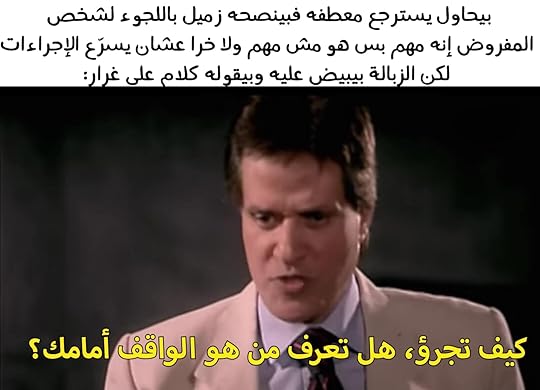
El capote, un relato sumamente amargo y trágico. Este texto parece evidenciar una crítica feroz muy concreta: a la indiferencia del sistema burocrático imperial ruso ante las desdichas y las humillaciones de la población.
La Pérgola
He aquí otro de los ejemplos que confirman por qué Nórdica ha recibido el Premio a la Mejor Labor Editorial de 2008.
Nordesia
«Todavía creo que existen grietas en la realización artística de la historia —si consideramos forma y contenido separadamente—; una grieta que no existe en El capote de Gógol y La metamorfosis de Kafka.»
Vladimir Nabokov
CITA
«No hay gente más susceptible que los funcionarios, oficiales, oficinistas y, en general, todos los servidores públicos»
SINOPSIS
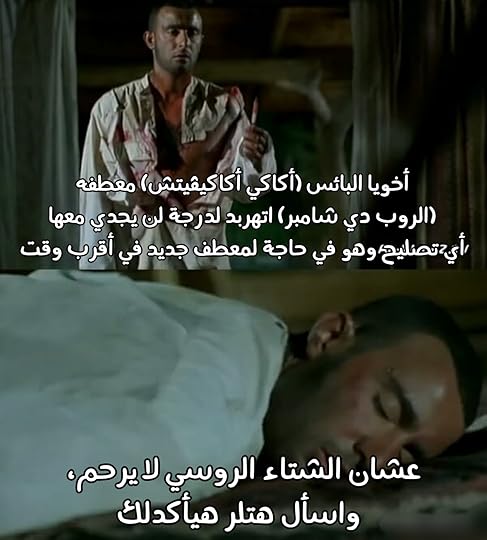
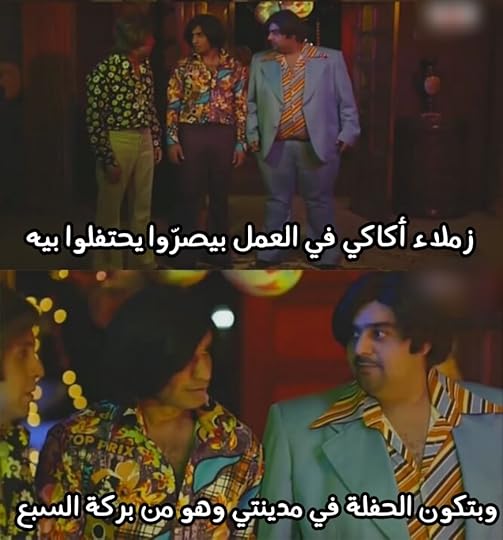
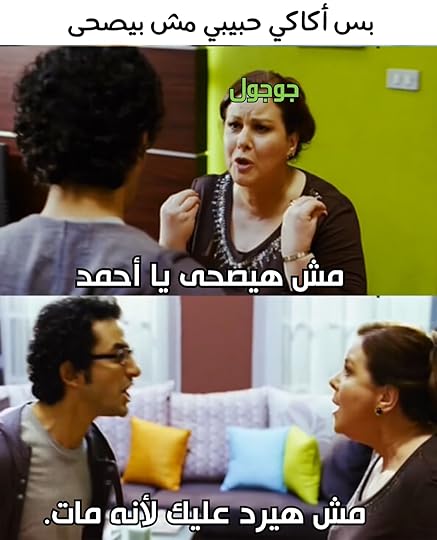
El capote, escrito por Nikolái Gógol entre los años 1839 y 1841, y publicado en 1842, nos presenta a uno de los más conmovedores personajes de la Literatura: Akaki Akákievich Bashmachkin, un funcionario de la escala más baja de la administración civil, que se ve ultrajado por las injusticias sociales y la indiferencia egoísta de los fuertes y ricos, y cuyo destino es el de ser un «hombre insignificante».
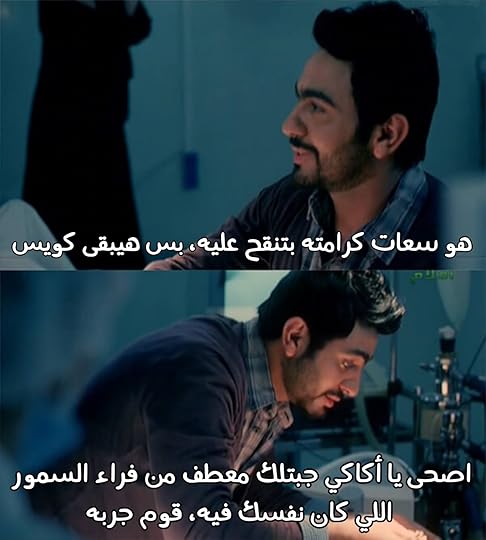
Akaki, para protegerse del gélido invierno de San Petersburgo, necesita un capote nuevo, pero cuando por fin lo consigue seguirá notando frío, el frío gélido que habita en los corazones de las personas que le rodean.
Este maravilloso relato y su protagonista tendrán gran influencia en la literatura posterior: Herman Melville y Franz Kafka nos presentarán a Bartleby y a Gregor Samsa, dos personajes descendientes directos de Akaki.
Las ilustraciones, que harán que este libro sea inolvidable para lectores de todas las edades, son de Noemí Villamuza, quien ya ilustró en esta misma colección El festín de Babette.
104 pages, Kindle Edition
First published January 1, 1842

…in a certain department there was a certain official – not a very high one, it must be allowed – short of stature, somewhat pock-marked, red-haired, and short-sighted, with a bald forehead, wrinkled cheeks, and a complexion of the kind known as sanguine.
From that time forth his existence seemed to become, in some way, fuller, as if he were married, or as if some other man lived in him, as if, in fact, he were not alone, and some pleasant friend had consented to travel along life’s path with him, the friend being no other than the cloak, with thick wadding and a strong lining incapable of wearing out. He became more lively, and even his character grew firmer, like that of a man who has made up his mind, and set himself a goal.
"The beauty of Kafka's and Gogol's private nightmares is that their central human characters belong to the same private fantastic world as the inhuman characters around them, but the central one tries to get out of that world, to cast off the mask, to transcend the cloak or the carapace."And then there's this haunting quote, attributed to Fyodor Dostoevsky: "We all come out from Gogol's 'Overcoat'." (ETA: Even months later, every time I think about this story, that quote comes to mind.) So off I went to read Nicolai Gogol's short story.
...and many a time afterwards, in the course of his life, shuddered at seeing how much inhumanity there is in man, how much savage coarseness is concealed beneath delicate, refined worldliness, and even, O God! in that man whom the world acknowledges as honorable and noble.

وهكذا زال واختفى إلى الأبد إنسان لم يفكر أحد من الخلق في حمايته، ولم يكن عزيزا على أحد
ولم يكن أحد يهتم بأمره لا من قريب ولا من بعيد
ولا حتى عالِم التاريخ الطبيعي الذي لم يكن ليقاوم غرز دبوس في جناح ذبابة منزلية وفحصها تحت مجهره
إنسان تحمل هزء وسخرية زملائه من غير أن يتذمر ويعبر عن احتجاجه
إنسان ذهب إلى مرقده الأخير بلا أدنى ضجة
ـــــــــــــــــــــــــــ
“En los tiempos que corren, cada particular considera que si se toca a su persona se ofende al conjunto de la sociedad”

" لم يكن له احد من العالملين فى المكتب اى احترام ، فعندما يدخل لم يبق البوابون جالسين فحسب و إما لم يعيروه اى اهتمام او بلقوا عليه نظرة ، كما لو كان ذبابة منزل عادية مرقت عبر غرفة الجلوس "