Sub-Human delves into what it means to be an animal, how our view of other animals impacts our view of other people, oppressions, and the planet, how we got here, as well as how we can move forward together.
When we accept oppression of some, we feed the oppression of others, and we make space for domination driven by false ideas of inferiority and lesser worth. When we discount the inherent preciousness of animals who think and feel, we erase precious parts of ourselves. When we consider living beings as “livestock,” it's no wonder we pillage the unthinking yet irreplaceable living earth.
Sub-Human is a robustly researched, sharply critical yet comfortingly human call to arms, diving deeply into the theory behind oppression, liberation, and the intersections within it. Exploring the history of animal consumption and commodification, this book deconstructs the current sociopolitical climate surrounding animal enterprises by looking at how we got here. Most importantly, it unravels how we can work towards a collectively liberated world.
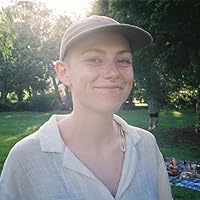
Emma Hakansson is the founding director of Collective Fashion Justice, a not-for-profit dedicated to creating a total ethics fashion system which prioritises the wellbeing of human and non-human animals, as well as the planet, before profit.
Her writing work explores sustainability and ethics in fashion and broader society. Her first book, How Veganism Can Save Us, was published by Hardie Grant in 2022, and her writing, research and projects have featured across The Guardian, Earth Island Journal, Vogue Business, Fashion Journal, and many more.
This book perfectly articulates the intersection of racism, sexism, ableism, capitalism, environmentalism and many of the other -isms with animal consumption and commodification. So many communities beyond animals are harmed by animal agriculture. Everyone should read this book.
Really good. Helped me focus on advocacy more geared toward dismantling speciesism.
Written in a conversational style so might be easier to digest for those who aren’t avid readers. I think having prior information on veganism (specifically terms used within the movement) is helpful to better connect with the subject as some terms are touched upon briefly.
My hope is that everyone who still eats meat and animal products read this book. The animal industries operating within Australia and around the world engage in very high level deception to hide their practices, and most people (I hope) would change their diets and purchasing behaviour immediately if they knew what was really going on. A very confronting read for people who might be coming in fresh, but very important.
Well written and very well researched book, telling it as it is. I'm glad I've read it. Learned a lot about the way animals are treated in our society, collective liberation and the ways we can do better. Thank you Emma.