A seminal work in Latin America’s modernismo movement, this first anthology of verse by José Martí is available in a complete English translation for the first time. This accessible, annotated edition includes a critical introduction, presented in both English and Spanish, which explores the volume’s historical and literary contexts and addresses issues of the translation. Composed after domestic separation from his wife and infant son, and after his second exile from Cuba due to his involvement in the Guerra Chiquita, the 15 poems that comprise the collection demonstrate a poet-hero whose revolutionary spirit would ultimately lead to his participation—and subsequent death—in the conflict that freed Cuba from the Spanish yoke.
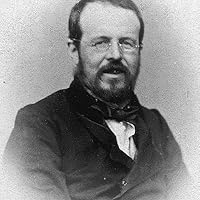
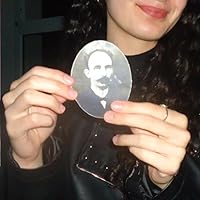
Born José Julián Martí y Pérez, he was a Cuban nationalist leader and an important figure in Latin American literature. During his short life he was a poet, an essayist, a journalist, a revolutionary philosopher, a professor, and a political theorist. Through his writings and political activity, he became a symbol for Cuba's bid for independence against Spain in the 19th century, and is referred to as El Apóstol; "Apostle of Cuban Independence". He also fought against the threat of United States expansionism into Cuba.
De lectura rapidísima, los 15 poemas que componen esta obra habla del lamento de un padre que es separado de su hijo y de cómo ese recuerdo de la felicidad con el hijo, su debilidad e inocencia, le animan a seguir luchando. Escritos en arte menor, se sienten a su pesar plenamente modernistas. Un despliegue más que loable de fantasía e imaginación en las que expresa de 15 formas diferentes la misma idea de la protección del hijo.
Si te gustó este libro, te recomiendo estos otros dos (aunque seguramente ya los conozcas y no te descubra nada):
Azul, de Rubén Darío Platero y yo, de Juan Ramón Jiménez
Really beautiful gift of a father to his son. Obviously, his name wasn't Ismael. But knowing a bit of Biblical references, we know that this is the son that Abraham had to say farewell to, ever since Sarah rejected Agar, the slave she gave her own husband when she still was sterile. Martí, like Abraham, was painfully worried about staying away from his child probably forever, given his way of life as a pivotal figure in the history of Cuba. This, like most of his poetry is charmingly simple, yet rich in symbols.
¡Qué amor tan profundo el de este padre por su hijo! sólo hay que leer el prólogo para saber que todo el poemario es una oda a ese amor puro entre padre e hijo. Soy fan.
Imposible no enternecerse con el amor de un padre vedado de su hijo. Para un príncipe enano todas las palabras. Para la musa infantil, el diablillo con alas de ángel. Para un padre que se reconoce hijo de su hijo.
Libro de poemas que le dedicó MArtí a su hijo, con todo el amor que como padre pudo sentir por él. es un buen libro para leer con los niños, sobre todo si se trata de padres e hijos. refleja gran ternura.