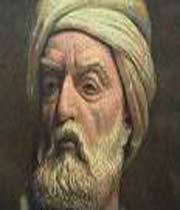
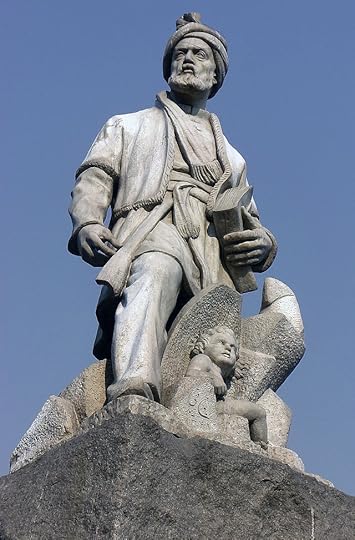
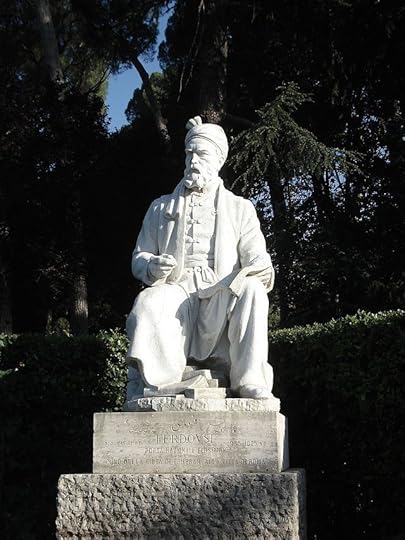
«وفاء الزمان» هو عمل مسرحي روائي للأديب الكبير أمين الريحاني، يتناول موضوعه الشاعر الكبير «الفردوسي» وحكايته مع السلطان والزمان، وكتابته للملحمة الفارسية الخالدة «الشاهنامهْ»، تلك الملحمة التي تتكون من ستين ألف بيت شعري، والتي تعد عمل كلاسيكيًّا عالميًّا، يثبت العمق التاريخي للغة والثقافة الفارسية في التراث الحضاري الإنساني. ففي هذا العمل المسرحي الرائع يبين الريحاني على لسان الزمان كيف أن الفردوسي فتح بشعره ما لم تفتحه الملوك والسلاطين، فعظمة الشاهنامه تكمن في استمراريتها التاريخية رغم تعاقب العصور وتقلُّب الدهور.
Born in Freike, Lebanon, on November 24, 1876, Ameen Rihani was one of six children and the oldest son of a Lebanese Maronite raw silk manufacturer, then a flourishing local industry. His father had commercial ambitions which beckoned him to America. In the summer of 1888, Ferris Rihani, the father, sent his brother and eldest son, Ameen, to the United States and followed a year later.
The young immigrant, then twelve years old, was placed in a school outside the city of New York, a few months after his arrival. There, he learned the rudiments of English. His father and uncle, having established themselves as merchants in a small cellar in lower Manhattan, soon felt the need for an assistant who could read and write English. Therefore, the boy was taken away from school to become the chief clerk, interpreter and bookkeeper of the business. The family continued in this trade for four years.
Ameen had a natural talent in eloquent speaking, and in 1895, the teenager became carried away by stage fever and joined a touring stock company headed by Henry Jewet (who later had his theatre in Boston). During the summer of the same year, the troupe became stranded in Kansas City, Missouri and so the prodigal son returned to his father. However, he returned not to rejoin the business, but to insist that his father give him a regular education for a professional career. They agreed that he should study law. To that end, he attended night school for a year, passed the Regents Exam, and in 1897 entered the New York Law School. A lung infection interrupted his studies, and at the end of his first year, his father had to send him back to Lebanon to recover.
Ameen Rihani first became familiar with Arab and other Eastern poets in 1897. Among these poets were Abul-Ala, whom Ameen discovered to be the forerunner of Omar Khayyam. In 1899 he returned to New York having decided to translate some of the quatrains of Abul-Ala into English. He managed to do this while he was still giving much of his time to the family business. The first version of the translation was published in 1903. During this period, he joined several literary and artistic societies in New York, such as the Poetry Society of America and the Pleiades Club, and also became a regular contributor to an Arabic weekly, "Al-Huda" published in New York. He wrote about social traditions, religion, national politics and philosophy. Thus, he began his extensive literary career, bridging two worlds. He published his first two books in Arabic in 1902 and 1903.
He also worked, along with other national leaders, for the liberation of his country from Turkish rule. In 1910 he published Al-Rihaniyat, the book that established him as a forward thinker and a visionary. As a result of the Rihaniyat, the Egyptian media hailed him as "The Philosopher of Freike." The Book of Khalid was written during this same period of mountain solitude and was later published in 1911 after he returned to New York (for the third time) via Paris and London where he met with fellow writers and artists. The illustrations for this book, which was the first English novel ever written by a Lebanese/Arab, were provided by Kahlil Gibran. A reception was held in honor of Rihani for the release of The Book of Khalid and the president of the New York Pleiades Club crowned him with a laurel garland.
Ameen Rihani passed away at age 64 at 1:00 pm on September 13, 1940 in his hometown of Freike, Lebanon. The cause of his death was a bicycle accident which resulted in infectious injuries from multiple fractures of the skull. The news of his death was broadcast to many parts of the world. Representatives of Arab kings and rulers and of foreign diplomatic missions attended the funeral ceremony. He was laid to rest in the Rihani Family Mausoleum in Freike.
وانتهت تلك الملحمة الصغيرة عن الفردوسي وقصة نظمه للشاهنامة التي تضم تاريخ الفُرس وأساطيرهم كتبها الفردوسي فيما يقرب من سبعة مجلدات وحوالي ستين ألف بيت
وكان في نظمه لتلك الشاهنامة يسعى لأني يفي السلطان بوعده فيعطيه ديناراً عن كُلّ بيت ، يستطيع من خلال تلك الأموال بناء سد ليحمي مدينته ( طوس ) من الجفاف والغيث ولكن وعود السلاطين كأحلام الشعراء ولن يفي السلطان بوعده معه ، فيترك البلدة بعد أن يكتب فيه قصيدة هجاء وبعد سنين ، يندم السلطان على نقضه الوعد واستسلامه لوشاية أصحابه فيسعى لأني يفي مع الفردوسي بوعده ، لكن يكون الأوان قد فات وتوفي الفردوسي
هكذا يأتي دور الزمان الذي يفي بوعده مع الفردوسي فيخلد ذكراه وأعماله لتتعلم منها كُلّ البلاد في الشرق والغرب وتبقى آثار أعماله خالدة لهذه اللحظة
عمل روائي تمثيلي موضوعه الشاعر الكبير «الفردوسي» وحكايته مع السلطان والزمان، وكتابته للملحمة الفارسية الخالدة «الشاهنامهْ»: تجمع معظم ماوعى الفرس من أساطير وتاريخه من اقدم عهدهم حتى الفتح الاسلامي وهي مرتبه ترتيبا تاريخيا . يبين الريحاني على لسان الزمان كيف أن الفردوسي فتح بشعره ما لم تفتحه الملوك والسلاطين، فعظمة الشاهنامه تكمن في استمراريتها التاريخية رغم تعاقب العصور وتقلب الدهور بعض المقتطفات : هناك مايقوله كل شاعرر في قصا ئده فمن يعيش على الدوام في البراري كقاطع الطرق على الناس تعلمه الاخطار مالا تعلمه الكتب والاسفار. ان الكريم لاتيطيل الاقامه وإن المياه الاسنه. العلم يحمل القلم والجاهل يحمل المحراث. المستقبل للعلم الذي فيه خير الناس .
هذه مسرحية مكتوبة في أكثر قليلا من ثلاثين صفحة تحكي عن حياة الشاعر الكبير (الفردوسي) صاحب الملحمة الفارسية الرائعة (الشاهنامة) والتي أصبحت قطعة من التراث الإنساني، كتبها صاحبها في جحوالي ستين ألف بيت. لا تحتاج المسرحية لكثر كلام عنها نظرا لصغرها الشديد، فالافضل أن تسعي لقراءتها ولن تستغرق منك وقتا. وفيها ميزة ان تعرف شيئا عن شاعر عظيم. لكن عيبها الشديد أنها صغيرة جدا ولا تكاد تحكي شيئا عن موضوعها. في نهاية النص وضع الكاتب مقالا مجد فيه نظام الحكم الامبراطوري في ايران، واعتقد ان النص كله مكتوب لهذا الغرض.
«وفاء الزمان» هو عمل مسرحي روائي للأديب الكبير أمين الريحاني، يتناول موضوعه الشاعر الكبير «الفردوسي» وحكايته مع السلطان والزمان، وكتابته للملحمة الفارسية الخالدة «الشاهنامهْ»، تلك الملحمة التي تتكون من ستين ألف بيت شعري، والتي تعد عمل كلاسيكيًّا عالميًّا، يثبت العمق التاريخي للغة والثقافة الفارسية في التراث الحضاري الإنساني. ففي هذا العمل المسرحي الرائع يبين الريحاني على لسان الزمان كيف أن الفردوسي فتح بشعره ما لم تفتحه الملوك والسلاطين، فعظمة الشاهنامه تكمن في استمراريتها التاريخية رغم تعاقب العصور وتقلُّب الدهور.