
What do you think?
Rate this book


59 pages, Kindle Edition
First published January 1, 1915


She liked even the name, "The Song of the Lark." The flat country, the early morning light, the wet fields, the look in the girl's heavy face--well, they were all hers, anyhow, whatever was there. She told herself that that picture was "right." Just what she meant by this, it would take a clever person to explain. But to her the word covered the almost boundless satisfaction she felt when she looked at the picture.
It was over flat lands like this, stretching out to drink the sun, that the larks sang--and one's heart sang there, too.
It's waking up every morning with the feeling that your life is your own, and your strength is your own, and your talent is your own; that you're all there, and there's no sag in you.
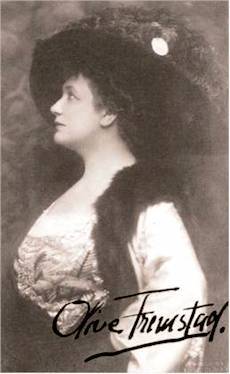
Your work becomes your personal life. You are not much good until it does. Its like being woven into a big web. You can't pull away, because all your little tendrils are woven into the picture.The following link is to an essay by Richard Maurer that describes the friendship between Willa Cather and the famous opera singer Olive Fremstad who greatly influenced the content of this book:
Artistic growth is, more than it is anything else, a refining of the sense of truthfulness. The stupid believe that to be truthful is easy; only the artist, the great artist, knows how difficult it is. That afternoon nothing new came to Thea Kronborg, no enlightenment, no inspiration. She merely came into full possession of things she had been refining and perfecting for so long. Her inhibitions chanced to be fewer than usual, and, within herself, she entered into the inheritance that she herself had laid up, into the fullness of the faith she had kept before she knew its name or its meaning.
Often when she sang, the best she had was unavailable; she could not break through to it, and every sort of distraction and mischance came between it and her. But this afternoon the closed roads opened, the gates dropped. What she had so often tried to reach, lay under her hand. She had only to touch an idea to make it live.
While she was on the stage she was conscious that every movement was the right movement, that her body was absolutely the instrument of her idea. ...


