

What do you think?

Das Gemeindekind. Roman.
Der Roman »Das Gemeindekind« gilt als Hauptwerk Ebner-Eschenbachs und erzählt vom Schicksal des in Außenseiterschaft gezwungenen Pavel Holub. Dieser kämpft als Kind verurteilter Eltern mit seinem Schicksal und um einen Platz in der Gesellschaft. Die hochadlige Autorin übt Kritik an der Aristokratie und skizziert mit psychologischem Blick die Situation der ländlichen Unterschicht in der zweiten Hälfte des 19. Jahrhunderts.
222 pages, Paperback
First published January 1, 1887
About the author
Marie von Ebner-Eschenbach
331 books42 followersBaroness Marie von Ebner-Eschenbach was an Austrian writer. Noted for her excellent psychological novels, she is regarded—together with Ferdinand von Saar—as one of the most important German-language writers of the latter portion of the 19th century.
She was born at the castle of Dubský (Graf von Třebomyslice) family in Zdislavice near Kroměříž in Moravia, Czech Republic, and died in Vienna, Austria.
She is credited with the famous aphorism "even a stopped clock is right twice a day.
She was born at the castle of Dubský (Graf von Třebomyslice) family in Zdislavice near Kroměříž in Moravia, Czech Republic, and died in Vienna, Austria.
She is credited with the famous aphorism "even a stopped clock is right twice a day.
Ratings & Reviews
Friends & Following
Create a free account to discover what your friends think of this book!
Community Reviews
Displaying 1 - 22 of 22 reviews
December 29, 2010
It would be one of the biggest mistakes of your life if you judged this book by its cover. I had to read this for a college course, and I'll admit that I was dreading it. This isn't a cheery book, but the story is so powerful. I'll literally never forget this book or its storyline.
March 30, 2024
ich glaub s git wenig fictional characters wo so vill tüüfi hend wie de pavel! es hät mich wüki broche…

February 11, 2026
Pochende Herzen
Das Gemeindekind beginnt mit einer bedrückenden, beinahe erstickten Welt aus Armut, Gewalt und Sprachlosigkeit. Ebner-Eschenbach behauptet soziale Mechanismen nicht einfach (hier musste ich an mein negatives Leseerlebnis von The Hounding denken) – sie führt sie vor. Pavel gilt als schuldig, bevor er handelt: durch seine Herkunft, durch sein Geschlecht, durch die Erwartung, dass aus Gewalt nur neue Gewalt entstehen könne.
Zugleich verweigert der Roman jede Schwarz-Weiß-Zeichnung. Pavel ist nicht bloß Opfer, sondern auch aggressiv, verschlossen, zu Gewaltphantasien fähig. Gerade darin liegt die Stärke des Textes: Er zeigt, wie Zuschreibung und Verhalten sich gegenseitig hervorbringen. Pavel nimmt die Rolle des Sündenbocks zunächst schweigend an, folgt aber zugleich einem inneren Kompass – dem Wunsch, eines Tages wieder mit seiner Schwester vereint zu sein.
Seine positive Entwicklung wirkt deshalb nicht wie Läuterung, sondern wie Arbeit: Er gibt nicht auf, erwirbt Land, baut ein Haus, erringt Ansehen. Doch selbst am Ende bleibt seine Stellung fragil. Recht wird ihm zuteil, aber Vertrauen nur zögernd. Der Roman vermeidet jedes sentimentale Happy End und bleibt bis zuletzt wach gegenüber der Möglichkeit des erneuten Falls.
Sprachlich überzeugt Ebner-Eschenbach durch feine Genauigkeit, einen wachen Blick fürs Detail und einen ruhigen, melodischen Ton. Gerade diese Zurückhaltung verleiht dem Text seine nachhaltige Kraft.
Das Gemeindekind beginnt mit einer bedrückenden, beinahe erstickten Welt aus Armut, Gewalt und Sprachlosigkeit. Ebner-Eschenbach behauptet soziale Mechanismen nicht einfach (hier musste ich an mein negatives Leseerlebnis von The Hounding denken) – sie führt sie vor. Pavel gilt als schuldig, bevor er handelt: durch seine Herkunft, durch sein Geschlecht, durch die Erwartung, dass aus Gewalt nur neue Gewalt entstehen könne.
Zugleich verweigert der Roman jede Schwarz-Weiß-Zeichnung. Pavel ist nicht bloß Opfer, sondern auch aggressiv, verschlossen, zu Gewaltphantasien fähig. Gerade darin liegt die Stärke des Textes: Er zeigt, wie Zuschreibung und Verhalten sich gegenseitig hervorbringen. Pavel nimmt die Rolle des Sündenbocks zunächst schweigend an, folgt aber zugleich einem inneren Kompass – dem Wunsch, eines Tages wieder mit seiner Schwester vereint zu sein.
Seine positive Entwicklung wirkt deshalb nicht wie Läuterung, sondern wie Arbeit: Er gibt nicht auf, erwirbt Land, baut ein Haus, erringt Ansehen. Doch selbst am Ende bleibt seine Stellung fragil. Recht wird ihm zuteil, aber Vertrauen nur zögernd. Der Roman vermeidet jedes sentimentale Happy End und bleibt bis zuletzt wach gegenüber der Möglichkeit des erneuten Falls.
Sprachlich überzeugt Ebner-Eschenbach durch feine Genauigkeit, einen wachen Blick fürs Detail und einen ruhigen, melodischen Ton. Gerade diese Zurückhaltung verleiht dem Text seine nachhaltige Kraft.

January 15, 2017
Sind wir hoffnungslos determiniert von Anlage und Milieu oder ist jeder seines Glückes eigener Schmied? "Das Gemeindekind" beantwortet diese Frage mit dem Entwurf zweier Entwicklungswege. Die Geschwister Pavel und Milada haben nach Verurteilung ihrer Eltern in einem Mordprozess keinen leichten Stand im Leben. Während sich für Milada das vermeintliche Glück eröffnet, von einer reichen Baronin adoptiert und in einem Kloster versorgt zu werden, erhält Pavel als Gemeindekind Quartier bei der verschlagensten Familie des Dorfes: Der Ziehvater Virgil, wie Pavels leiblicher, trunksüchtig und gewalttätig, die Mutter als Kurpfuscherin berüchtigt, die Ersatzschwester Vinska frühsexualisiert und manipulativ. Doch die Ausgangsbedingungen der Geschwister entsprechen nicht dem Zielpunkt ihres Lebensweges: während Miladas Klosterleben Selbstverlust zum Tode bedeutet, gelingt es Pavel - durch einen engagierten Lehrer und ein Milada gegebenes Versprechen - zu einem lebensfähigen, sozialen und guten Menschen zu werden.
Eine mitreißend-anrührend und psychologisch-empathisch erzählte Gesellschaftskritik, die man gelesen haben sollte.
Eine mitreißend-anrührend und psychologisch-empathisch erzählte Gesellschaftskritik, die man gelesen haben sollte.
This entire review has been hidden because of spoilers.
December 31, 2024
Shame on everyone who was horrible to poor Pavel (which was pretty much every single person in the book).

July 28, 2025
glaube keine Romanfigur jemals verdient so viel Mitleid wie Pavel

January 11, 2017
Die Geschichte eines jungen Mannes, der sich in widrigsten Umständen bewähren muss. Mangel, Verlust, Vernachlässigung, Misshandlung, Diskriminierung, Armut, Hohn, Spott, Vandalismus, unerwiderte Liebe - Pavel muss das ganze Spektrum an sinnloser Gewalt, Ausgrenzung und (vermeintlicher) Perspektivlosigkeit ertragen. Ebner-Eschenbach Geschichte erzählt davon, wie er sich diesen Widrigkeiten stellt, und zeichnet dabei ein feinsinniges psychologisches Profil ihres Protagonisten, aber auch der Dorfgemeinschaft.

July 9, 2008
A tremendously profound story of Pavel. A boy born under circumstances seemingly beyond repair. In a coming of age story, Pavel unlocks the power of the human spirit and conquers himself and his parish, and rescues his family. It is a great tale of otherness and reconciliation with the self and the absolute. A powerful book.
March 14, 2025
Nichts als Depressionen gekriegt
5/5, Ebner-Eschenbach ist halt zurecht bedeutemste Autorin ihrer Zeit und Strömung
5/5, Ebner-Eschenbach ist halt zurecht bedeutemste Autorin ihrer Zeit und Strömung

May 23, 2022
Ich finde die Gesellschaftskritik, die sie hier vorbringt sehr spannend und mutig für ihre Zeit. Hat mir sehr gefallen. Auch das Schicksal Pavels hat mich sehr berührt. Gutes Buch für eine Schullektüre.
March 13, 2023
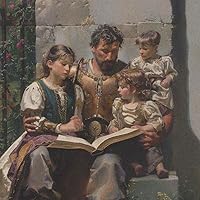
Milada, die schon im Begriffe gewesen, der Oberin zu folgen, wandte sich wieder Pavel zu: „Lieber, hast du allen verziehen, die dir Böses getan haben?“
-
(Lehrer Habrecht) „… glaube: wenn du heute nicht etwas besser bist, als du gestern warst, bist du gewiß etwas schlechter…“
-
(Lehrer Habrecht) „… glaube: wenn du heute nicht etwas besser bist, als du gestern warst, bist du gewiß etwas schlechter…“

July 30, 2020
erstaunliches tempo, sehr fesselnd. sogar die heiligmäßige schwester, eigentlich ein klischee, ist zumindest angedeutet als opfer der gewaltsamen machtverhältnisse, denen sie und ihr bruder pavel - der protagonist, das "gemeindekind" - ausgesetzt sind. e-e vermeidet fast jede sentimentalität, pavels emanzipation und selbstbehauptung ist eine geschichte von mißhandlung, trotzigem widerstand, von verrat und versagen aller gebildeten honoratioren (lehrer, pfarrer). er lernt, wie es eben ist, vieles aus aufgeschnappten sätzen, die einfach so dahingesagt wurden. dass die gescheiterte liebesgeschichte nicht zu einem versöhnlichen ende kommt, fand ich auch super. und die bedeutung der mutterfiguren am rand dieser männergeschichte (leibliche mutter, alte gutsherrin) müsste man sich auch näher anschauen.
June 9, 2025
First book in a while where i enjoyed turning to the next page.
I'm reading this book for my Matura, in topic of kulturelle Identitätskrise deutschsprachiger Bevölkerung in Böhmen und Mähren (cultural identity crisis of german-speaking citizens of Bohemia and Moravia). As a Czech myself, I really liked seeing the Czech names and the reflection of the conflict in the Austrian Empire. Besides, the story really is one that teaches but like also has a plot. I guess the moral is the same throughout the book but i still enjoyed it and it didnt feel repetitive at all.
I sobbed once, which is always good. Milada and Pavel are so pure and its so cute but also so painful, i cant. Anyway if youre reading this, go read the book!
I'm reading this book for my Matura, in topic of kulturelle Identitätskrise deutschsprachiger Bevölkerung in Böhmen und Mähren (cultural identity crisis of german-speaking citizens of Bohemia and Moravia). As a Czech myself, I really liked seeing the Czech names and the reflection of the conflict in the Austrian Empire. Besides, the story really is one that teaches but like also has a plot. I guess the moral is the same throughout the book but i still enjoyed it and it didnt feel repetitive at all.
I sobbed once, which is always good. Milada and Pavel are so pure and its so cute but also so painful, i cant. Anyway if youre reading this, go read the book!

February 14, 2017
Schöne aber auch harte (weil realistische) Erzählung über die ländliche Unterschicht des 19. Jahrhunderts und einen Jungen, der trotz aller widrigen Vorraussetzungen und Umstände etwas aus seinem Leben macht und nach "dem Guten" strebt. Besonders wichtig dabei - die Stellung des Individuums, das nicht von seiner Umwelt determiniert wird, aber die Hilfe von Menschen braucht, die sich seiner annehmen. Es ist eine Geschichte, die zeigt, dass Veränderung möglich ist, wenn wir aufeinander acht haben und einander liebevoll begegnen. Heute für jede Schicht genauso relevant wie damals.

February 16, 2019
Das böse, geschlagene, brutale Kind ist mitreißend wie nichts. Das geläuterte Kind stört. Der kalte Blick ist erhellender als der warme, der gewollt erwärmende. Die Analyse und ihre schonungslose Ausführung in der Darstellung besser als die Erbauung, die unglaubwürdig bleibt. Szenen: Das Engelsmädchen, das den Stein wirft. Das - selbst im Körperlichen - Sprachlose von Pavel. Der gerupfte Pfau. Der Lehrer. Zu viele Frauenopfer, Heilige.

March 7, 2022
One of my favorite books discovered in college. Read it again, this time out loud, and I still love it. It still makes me cry and moves my heart to be kind, honest, and hard-working. It's not the best book of all time, but it is beloved.

April 9, 2022
This was a lovely book. Yes, it extols virtues that are horrible (self-sacrificing your life, happiness, health and joy to pray for the soul of your abusive father, for instance) and the people in the village are so uniformly horrendous that you wonder about the preconceived notions of the author regarding poor, rural folk (she was a noblewoman).
BUT I started reading it that night, and just HAD to finish it, it was so easy to read and felt so, so... so old-timey... It's just one of those books, you know? You can't ask it to be something it isn't, you have to read it for what it is, and it is a book about redemption, and growth, and coming-of-age, and abuse. Nobody is perfect, which is awesome. Not just "not perfect", but quite seriously flawed. And very, very few characters, despite all appearances, are evil. I mean, sexist, beastly, misogynist men aren't "evil", they are the product of patriarchal, violent societies. So things are not simplified, despite the evidently and profoundly Christian (Catholic, I guess) rhetoric and framework: kids are mean and cruel but hey, they're just kids, right? The drunken, exploitative family isn't totally rotten to the core--their selfishness and cruelty isn't all there is to them. The "community" is a distilled--and therefore, concentrated--entity of horribleness, which is, sadly, a possibility and perhaps a probability in spaces as impoverished and deprived of possibilities, opportunities, and liberty as this.
It made me seek out more and more 19th century authors that remain unknown to me and who were, however, quite renowned in their time. Many, many female authors in particular, who were bestsellers in their time but have been forgotten...
BUT I started reading it that night, and just HAD to finish it, it was so easy to read and felt so, so... so old-timey... It's just one of those books, you know? You can't ask it to be something it isn't, you have to read it for what it is, and it is a book about redemption, and growth, and coming-of-age, and abuse. Nobody is perfect, which is awesome. Not just "not perfect", but quite seriously flawed. And very, very few characters, despite all appearances, are evil. I mean, sexist, beastly, misogynist men aren't "evil", they are the product of patriarchal, violent societies. So things are not simplified, despite the evidently and profoundly Christian (Catholic, I guess) rhetoric and framework: kids are mean and cruel but hey, they're just kids, right? The drunken, exploitative family isn't totally rotten to the core--their selfishness and cruelty isn't all there is to them. The "community" is a distilled--and therefore, concentrated--entity of horribleness, which is, sadly, a possibility and perhaps a probability in spaces as impoverished and deprived of possibilities, opportunities, and liberty as this.
It made me seek out more and more 19th century authors that remain unknown to me and who were, however, quite renowned in their time. Many, many female authors in particular, who were bestsellers in their time but have been forgotten...

February 28, 2022
Eine Trouvaille! Die Autorin kannte ich überhaupt nicht, erweist sich als österreichisch-ungarische Schriftstellerin des späten 19. Jahrhunderts, die ganz toll schrieb. Das Buch gehört in die Phase des Spätrealismus, ist ihr Hauptwerk und selten hat mir ein Roman emotional solche Schmerzen bereitet, hat meine eigenen Verluste und persönlichen Krisen so aufgenommen, wie im Finale dieses Buches.
Gesellschaftskritisch wird das Landleben an der Person des Pavel Holub beleuchtet, der als Gemeindekind - das sind solche, die keine Eltern mehr haben und damit der Gemeinde auf der Tasche liegen - statt Hilfe nur Benachteiligung, Ausbeutung, Mobbing und soziale Zurücksetzung seitens der Dorfgemeinschaft erfährt und trotz der ungünstigen Startbedingungen (Vater hingerichtet, Mutter im Zuchthaus) sich durchbeißt und zu einer respektierten Person wird. Ganz allerliebst, aber tragisch-traurig, ist die Figur seiner kleinen Schwester Milada, die ins Kloster entsorgt wird (wie grausam allein schon das ist) und darauf einwirkt, dass aus Pavel etwas Anständiges wird.
Ein kurzes Buch, für das sich die paar Stunden sehr lohnen, finde ich!
Gesellschaftskritisch wird das Landleben an der Person des Pavel Holub beleuchtet, der als Gemeindekind - das sind solche, die keine Eltern mehr haben und damit der Gemeinde auf der Tasche liegen - statt Hilfe nur Benachteiligung, Ausbeutung, Mobbing und soziale Zurücksetzung seitens der Dorfgemeinschaft erfährt und trotz der ungünstigen Startbedingungen (Vater hingerichtet, Mutter im Zuchthaus) sich durchbeißt und zu einer respektierten Person wird. Ganz allerliebst, aber tragisch-traurig, ist die Figur seiner kleinen Schwester Milada, die ins Kloster entsorgt wird (wie grausam allein schon das ist) und darauf einwirkt, dass aus Pavel etwas Anständiges wird.
Ein kurzes Buch, für das sich die paar Stunden sehr lohnen, finde ich!

July 3, 2025
Oh, die Menschen, die Menschen! Man muss sie lieben - und will ja -, aber manchmal graut eine; es graut einem sogar sehr oft (seite 206)
Lerne und werde - wenn auch später als ein anderer, mehr als die anderen (seite 245)
Lerne und werde - wenn auch später als ein anderer, mehr als die anderen (seite 245)

March 15, 2026
Die Tafel ist der Ruf.

October 26, 2013
Toplumdaki günah keçisi mekanizmaları ve dışlananın, haksızlığa karşı çıkarken kendini bulma mücadelesi üstüne, enfes bir 19. yy romanı. Umarım Burhan Arpad çevirisinin, MEB'in basım hataları olmaksızın yeni baskısı yapılır.

October 4, 2024
5⭐️ / 5⭐️
Displaying 1 - 22 of 22 reviews