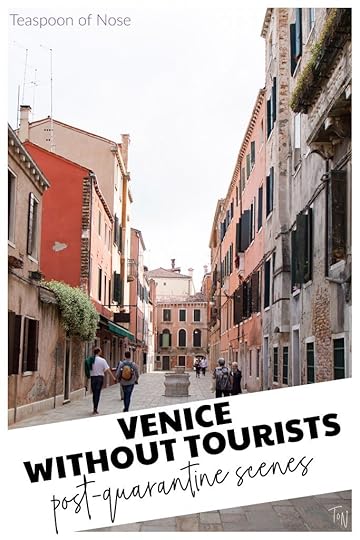
Donna Leon's latest in the Commissario Guido Brunnetti series is an intelligent, slow burn, meandering unofficial investigation led by Brunnetti, in which he ropes in fellow Questura colleagues, Claudia Griffoni, Lorenzo Vianello and the woman from whom very little can be hidden, secretary Signorina Elletra Zorza. Venice is depicted in detail, a beautiful city emerging from the damaging pandemic, with the morgue of closed down shops, the suppression of tactile human contact that so characterises the Italian manner of relating to people, and the bored youngsters forming 'baby gangs'. Elisabetta Foscarini, Guido knew her as a child, they were neighbours, who he has occasionally glimpsed on the streets through the years, asks him to look into her son-in-law, Enrico Fenzo, an accountant married to her daughter Flora.
Guido is given very little to go on, only that Fenzo told Flora that they could be in danger. Feeling that he owes loyalty to Elisabetta's mother, who had been kind to him, he agrees to help and that there will be no police records kept. The smart close knit police team hone in Fenzo's accountancy business, thinking that it's good place to start, looking at his clients, but they hear little but praise for him. They move onto a South American charity that Fenzo had helped Elisabetta's husband set up, the Belize nel Cuore, providing a hospital and medical services to the poor, a charity that was founded with a retired, ex-naval Vice-Admiral suffering from dementia. When Flora's veterinary clinic is vandalised and her dog hurt, the police are called to the scene, putting their team inquiries for the first time on a formal police footing.
Leon gives us a glimpse into Brunneti's past, his memories of events and people that are not what they appear to be, and which his brother is to throw a far different perspective on. Some of the highlights of this addition to the series are the insightful pictures provided of class, dementia, the way that charities can be seen and utilised in society and the parallels to be found of the experience of Covid and the police investigation. I found this to be an engaging and engrossing read, I particularly liked the way it dawns on Brunetti that he would have been better served if he had looked through the eyes of a police officer and been more questioning, rather than accepting matters at face value, which leaves him and his team open to being manipulated. Highly recommended. Many thanks to the publisher for an ARC.