

What do you think?

The Night Gardener
Goodreads Choice Award
Nominee for Readers' Favorite Middle Grade & Children's (2014)When orphaned Irish siblings Molly and Kip arrive to work as servants at a creepy, crumbling English manor house, they discover that the house and its inhabitants are not what they seem. Soon the siblings are confronted by a mysterious stranger and the secrets of the cursed house will change their lives forever. This much-anticipated follow up to Jonathan Auxier’s exceptional debut, Peter Nimble and His Fantastic Eyes, is a Victorian mystery in the tradition of Washington Irving and Edgar Allan Poe. The Night Gardener is a mesmerizing read and a classic in the making.
350 pages, Hardcover
First published May 20, 2014
Ratings & Reviews
Friends & Following
Create a free account to discover what your friends think of this book!
Community Reviews
Displaying 1 - 30 of 3,570 reviews

February 17, 2014
For whatever reason, 2014 is a dark year in children’s middle grade fiction. I speak from experience. Fantasy in particular has been steeped in a kind of thoughtful darkness, from The Glass Sentence and The Thickety to The Riverman and Twelve Minutes to Midnight with varying levels of success. And though none would contest the fact that they are creepy, only Jonathan Auxier’s The Night Gardener has had the chutzpah to actually write, “A Scary Story” on its title pages as a kind of thoughtful dare. A relatively new middle grade author, still young in the field, reading this book it’s hard to reconcile it with Auxier's previous novel Peter Nimble and His Fantastic Eyes. It is almost as if Mr. Auxier took his whimsy, pulled out a long sharp stick, and stabbed it repeatedly in the heart and left it to die in the snow so as to give us a sublimely horrific little novel. Long story short this novel is Little Shop of Horrors meets The Secret Garden. I hope I’m not giving too much away by saying that. Even if I am, I regret nothing. Here we have a book that ostensibly gives us an old-fashioned tale worthy of Edgar Allan Poe, but that steeps it in a serious and thought provoking discussion of the roles of both lies and stories when you’re facing difficulties in your life. Madcap brilliant.
Molly and Kip are driving a fish cart, pulled by a horse named Galileo, to their deaths. That’s what everyone’s been telling them anyway. Living without parents, Molly sees herself as her brother’s guardian and is intent upon finding a safe place for the both of them. When she’s hired to work as a servant at the mysterious Windsor estate she thinks the job might be too good to be true. Indeed, the place (located deep in something called “the sour woods”) is a decrepit old mansion falling apart at the seams. The locals avoid it and advise the kids to do so too. Things are even stranger inside. The people who live in the hollow home appear to be both pale and drawn. And it isn’t long before both Molly and Kip discover the mysterious night gardener, who enters the house unbidden every evening, tending to a tree that seems to have a life of its own. A tree that can grant you your heart’s desire if you would like. And all it wants in return? Nothing you’d ever miss. Just a piece of your soul.
For a time, the book this most reminded me of was M.P. Kozlowsky’s little known Juniper Berry, a title that could rival this one in terms of creepiness. Both books involve trees and wishes and souls tied into unlawful bargains with dark sources. There the similarities end, though. Auxier has crafted with undeniable care a book that dares to ask whether or not the things we wish for are the things best for us in the end. His storytelling works in large part too because he gives us a unique situation. Here we have two characters that are desperately trying to stay in an awful, dangerous situation by any means necessary. You sympathize with Molly’s dilemma at the start, but even though you’re fairly certain there’s something awful lurking beneath the surface of the manor, you find yourself rooting for her, really hoping that she gets the job of working there. It’s a strange sensation, this dual hope to both save the heroine and plunge her into deeper danger.
What really made The Night Gardener stand out for me, however, was that the point of the book (insofar as I could tell) was to establish storytelling vs. lies. At one point Molly thinks seriously about what the difference between the two might be. “Both lies and stories involved saying things that weren’t true, but somehow the lies inside the stories felt true.” She eventually comes to the conclusion that lies hurt people and stories help them, a statement that is met with agreement on the part of an old storyteller named Hester who follows the words up with, “But helps them to do what?” These thoughts are continued later when Molly considers further and says, “A story helps folks face the world, even when it frightens ‘em. And a lie does the opposite. It helps you hide.” Nuff said.
As I mentioned before, Auxier’s previous novel Peter Nimble and His Fantastic Eyes was his original chapter book debut. As a devotee of Peter Pan and books of that ilk, it felt like more of an homage at times that a book that stood on its own two feet. In the case of The Night Gardener no such confusion remains. Auxier’s writing has grown some chest hair and put on some muscles. Consider, for example, a moment when Molly has woken up out of a bad dream to find a dead leaf in her hair. “Molly held it up against the window, letting the moonlight shine through its brittle skin. Tiny twisted veins branched out from the center stem – a tree inside a tree.” I love the simplicity of that. Particularly when you take into account the fact that the tree that created the leaf may not have been your usual benign sapling.
In the back of the book in his Author’s Note Auxier acknowledges his many influences when writing this. Everything from Ray Bradbury’s Something Wicked This Way Comes to The Sketch-Book of Geoffrey Crayon Gent. by Washington Irving to Frances Hodgson Burnett’s simple only on the surface The Secret Garden. All these made sense to me (though I’m not familiar with the Irving yet) but I wondered if there were other ties out there as well. For example, the character of Hester, an old storyteller and junk woman, reminded me of nothing so much as the junk woman character in the Jim Henson film Labyrinth. A character that in that film also straddles the line between lies and stories and how lying to yourself only does you harm. Coincidence or influence? Only Mr. Auxier knows for sure.
If I am to have any kind of a problem with the book then perhaps it is with the Irish brogue. Not, I should say, that any American child is even going to notice it. Rather, it’ll be adults like myself that can’t help but see it and find it, ever so briefly, takes us out of the story. I don’t find it a huge impediment, but rather a pebble sized stumbling block, barely standing in the way of my full enjoyment of the piece.
In Harry Potter and the Chamber of Secrets, J.K. Rowling offers some very good advice on dealing with uncertain magical beings. “Never trust anything that can think for itself if you can't see where it keeps its brain.” Would that our heroes in this book had been handed such advice early in life, but then I guess we wouldn’t have much of a story to go on, now would we? In the end, the book raises as many questions as it answers. Do we, as humans, have an innate fear of becoming beholden to the plants we tend? Was the villain of the piece’s greatest crime to wish away death? Maybe the Peter Pan influence still lingers in Mr. Auxier's pen, but comes out in unexpected ways. This is the kind of book that would happen if Captain Hook, a man most afraid of the ticking of a clock, took up horticulture instead of piracy. But the questions about why we lie to ourselves and why we find comfort in stories are without a doubt the sections that push this book from mere Hammer horror to horror that makes you stop and think, even as you run like mad to escape the psychopaths on your heels. Smart and terrifying by turns, hand this book to the kid who supped of Coraline and came back to you demanding more. Sweet creepy stuff.
For ages 10 and up.
Molly and Kip are driving a fish cart, pulled by a horse named Galileo, to their deaths. That’s what everyone’s been telling them anyway. Living without parents, Molly sees herself as her brother’s guardian and is intent upon finding a safe place for the both of them. When she’s hired to work as a servant at the mysterious Windsor estate she thinks the job might be too good to be true. Indeed, the place (located deep in something called “the sour woods”) is a decrepit old mansion falling apart at the seams. The locals avoid it and advise the kids to do so too. Things are even stranger inside. The people who live in the hollow home appear to be both pale and drawn. And it isn’t long before both Molly and Kip discover the mysterious night gardener, who enters the house unbidden every evening, tending to a tree that seems to have a life of its own. A tree that can grant you your heart’s desire if you would like. And all it wants in return? Nothing you’d ever miss. Just a piece of your soul.
For a time, the book this most reminded me of was M.P. Kozlowsky’s little known Juniper Berry, a title that could rival this one in terms of creepiness. Both books involve trees and wishes and souls tied into unlawful bargains with dark sources. There the similarities end, though. Auxier has crafted with undeniable care a book that dares to ask whether or not the things we wish for are the things best for us in the end. His storytelling works in large part too because he gives us a unique situation. Here we have two characters that are desperately trying to stay in an awful, dangerous situation by any means necessary. You sympathize with Molly’s dilemma at the start, but even though you’re fairly certain there’s something awful lurking beneath the surface of the manor, you find yourself rooting for her, really hoping that she gets the job of working there. It’s a strange sensation, this dual hope to both save the heroine and plunge her into deeper danger.
What really made The Night Gardener stand out for me, however, was that the point of the book (insofar as I could tell) was to establish storytelling vs. lies. At one point Molly thinks seriously about what the difference between the two might be. “Both lies and stories involved saying things that weren’t true, but somehow the lies inside the stories felt true.” She eventually comes to the conclusion that lies hurt people and stories help them, a statement that is met with agreement on the part of an old storyteller named Hester who follows the words up with, “But helps them to do what?” These thoughts are continued later when Molly considers further and says, “A story helps folks face the world, even when it frightens ‘em. And a lie does the opposite. It helps you hide.” Nuff said.
As I mentioned before, Auxier’s previous novel Peter Nimble and His Fantastic Eyes was his original chapter book debut. As a devotee of Peter Pan and books of that ilk, it felt like more of an homage at times that a book that stood on its own two feet. In the case of The Night Gardener no such confusion remains. Auxier’s writing has grown some chest hair and put on some muscles. Consider, for example, a moment when Molly has woken up out of a bad dream to find a dead leaf in her hair. “Molly held it up against the window, letting the moonlight shine through its brittle skin. Tiny twisted veins branched out from the center stem – a tree inside a tree.” I love the simplicity of that. Particularly when you take into account the fact that the tree that created the leaf may not have been your usual benign sapling.
In the back of the book in his Author’s Note Auxier acknowledges his many influences when writing this. Everything from Ray Bradbury’s Something Wicked This Way Comes to The Sketch-Book of Geoffrey Crayon Gent. by Washington Irving to Frances Hodgson Burnett’s simple only on the surface The Secret Garden. All these made sense to me (though I’m not familiar with the Irving yet) but I wondered if there were other ties out there as well. For example, the character of Hester, an old storyteller and junk woman, reminded me of nothing so much as the junk woman character in the Jim Henson film Labyrinth. A character that in that film also straddles the line between lies and stories and how lying to yourself only does you harm. Coincidence or influence? Only Mr. Auxier knows for sure.
If I am to have any kind of a problem with the book then perhaps it is with the Irish brogue. Not, I should say, that any American child is even going to notice it. Rather, it’ll be adults like myself that can’t help but see it and find it, ever so briefly, takes us out of the story. I don’t find it a huge impediment, but rather a pebble sized stumbling block, barely standing in the way of my full enjoyment of the piece.
In Harry Potter and the Chamber of Secrets, J.K. Rowling offers some very good advice on dealing with uncertain magical beings. “Never trust anything that can think for itself if you can't see where it keeps its brain.” Would that our heroes in this book had been handed such advice early in life, but then I guess we wouldn’t have much of a story to go on, now would we? In the end, the book raises as many questions as it answers. Do we, as humans, have an innate fear of becoming beholden to the plants we tend? Was the villain of the piece’s greatest crime to wish away death? Maybe the Peter Pan influence still lingers in Mr. Auxier's pen, but comes out in unexpected ways. This is the kind of book that would happen if Captain Hook, a man most afraid of the ticking of a clock, took up horticulture instead of piracy. But the questions about why we lie to ourselves and why we find comfort in stories are without a doubt the sections that push this book from mere Hammer horror to horror that makes you stop and think, even as you run like mad to escape the psychopaths on your heels. Smart and terrifying by turns, hand this book to the kid who supped of Coraline and came back to you demanding more. Sweet creepy stuff.
For ages 10 and up.
January 27, 2022
3.5
هـــــــــــــــــــی.. وقتی من نوجوون بودم این کتابا کجا بودن؟
البته بودنا! ولی من اون موقع کتاب نمیخوندم.. پس غرغرم خطاب به خودمه
جذاب و برتونی بود. متن روونی داشت و آدمو درگیر میکرد و حال داد
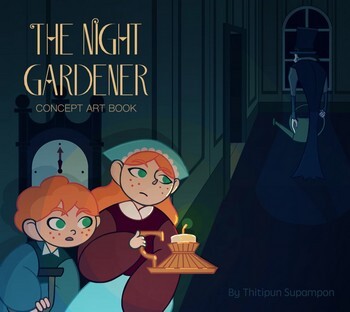
توی این لینک هم میتونین چندتا آرت خوشگل ازش ببینین
https://www.thescop.com/the-scop/2016...
اگه خواستید، ترجمهی نشر پرتقال رو بخونید که کپی رایت داره
هـــــــــــــــــــی.. وقتی من نوجوون بودم این کتابا کجا بودن؟
البته بودنا! ولی من اون موقع کتاب نمیخوندم.. پس غرغرم خطاب به خودمه
جذاب و برتونی بود. متن روونی داشت و آدمو درگیر میکرد و حال داد
توی این لینک هم میتونین چندتا آرت خوشگل ازش ببینین
https://www.thescop.com/the-scop/2016...
اگه خواستید، ترجمهی نشر پرتقال رو بخونید که کپی رایت داره

April 27, 2014
'Help me grow tall, and you shall receive
All that you wish inside of me.'
This story at first appears to be ripped from the pages of the Brothers Grimm. There are a pair of orphans, one a plucky young heroine, the other, a little lame boy. After making a deal with a beggar woman (witch in disguise?), they enter a deep, dark (enchanted?) forest. What awaits them there is deliciously forbidding, frightening and wondrous...
Molly and her younger brother venture to the sinister Windsor house to gain employment. The home is built around a hideous tree. The strange family living there appears to be down on their luck; a harridan of a mother, a scrawny, but lovable six-year-old girl, her nasty bully of a brother, and a mostly absent, ineffectual father. They are all thin, pale and sickly. One day while cleaning the library, Molly is astonished to find a portrait of the smiling, healthy-looking family painted only a year earlier. What could have happened to change the residents of this house in such a short time? Is it the horrific dreams they all suffer nightly? Or the nocturnal visitor who roams the rooms, leaving muddy footprints and terror behind? Or does it have something to do with the locked room that Molly has been warned not to open?
Here is a magical tale, both atmospheric and creepy. There are a few VERY chilling scenes, though it should be fine for children ages ten and up. If reading aloud, be prepared to continue until you are hoarse, as I imagine most little ones will not let you stop.
All that you wish inside of me.'
This story at first appears to be ripped from the pages of the Brothers Grimm. There are a pair of orphans, one a plucky young heroine, the other, a little lame boy. After making a deal with a beggar woman (witch in disguise?), they enter a deep, dark (enchanted?) forest. What awaits them there is deliciously forbidding, frightening and wondrous...
Molly and her younger brother venture to the sinister Windsor house to gain employment. The home is built around a hideous tree. The strange family living there appears to be down on their luck; a harridan of a mother, a scrawny, but lovable six-year-old girl, her nasty bully of a brother, and a mostly absent, ineffectual father. They are all thin, pale and sickly. One day while cleaning the library, Molly is astonished to find a portrait of the smiling, healthy-looking family painted only a year earlier. What could have happened to change the residents of this house in such a short time? Is it the horrific dreams they all suffer nightly? Or the nocturnal visitor who roams the rooms, leaving muddy footprints and terror behind? Or does it have something to do with the locked room that Molly has been warned not to open?
Here is a magical tale, both atmospheric and creepy. There are a few VERY chilling scenes, though it should be fine for children ages ten and up. If reading aloud, be prepared to continue until you are hoarse, as I imagine most little ones will not let you stop.

February 28, 2025
باغبان شب کتابی در ژانر هیجان و وحشته برای گروه سنی نوجوان، با جذب بالا برای سایر سنین😎😁
قصه ی ی خواهر و بردار کوچولو که بر حسب تصادف و از سر ناچاری به ی جنگل تسخیر شده پناه میبرن و با ی خانواده ی آشفته همخونه میشن!
اما این فقط ظاهر داستانه و در پس پرده رازهای مخوفی انتظار مخاطب رو میکشه😈
باغبان شب، با حضور دلهره آورش یادآوری میکنه که بعضی از آرزوها و راهی که ما رو به این خواسته هامون میرسونه، میتونه به بهای دزدیده شدن روحمون تموم شه، و عطش سیری ناپذیر انسان برای هر طمعش اون رو بیشتر در این باتلاق دامنگیر، غرق میکنه...
" داستان ها به آدم ها کمک می کنن با دنیای واقعی رو به رو بشن؛ حتی اگه داستان ترسناکی باشن... ولی دروغ برعکسه؛ باعث میشه خودت رو پنهون کنی "
قصه ی ی خواهر و بردار کوچولو که بر حسب تصادف و از سر ناچاری به ی جنگل تسخیر شده پناه میبرن و با ی خانواده ی آشفته همخونه میشن!
اما این فقط ظاهر داستانه و در پس پرده رازهای مخوفی انتظار مخاطب رو میکشه😈
باغبان شب، با حضور دلهره آورش یادآوری میکنه که بعضی از آرزوها و راهی که ما رو به این خواسته هامون میرسونه، میتونه به بهای دزدیده شدن روحمون تموم شه، و عطش سیری ناپذیر انسان برای هر طمعش اون رو بیشتر در این باتلاق دامنگیر، غرق میکنه...
" داستان ها به آدم ها کمک می کنن با دنیای واقعی رو به رو بشن؛ حتی اگه داستان ترسناکی باشن... ولی دروغ برعکسه؛ باعث میشه خودت رو پنهون کنی "

March 28, 2021
The Night Gardener tells us of two orphaned Irish siblings Molly and Kip who are forced to work as servants in an eerie English manor. The owners of the manor seem very mysterious, but they soon realise that the family of four isn't the creepiest thing in the house. Wait till they meet..... The Night Gardener! **Insert Evil Laugh here!**
The book falls in the horror-fantasy genre, and probably is the same level of spooky as Neil Gaiman's Coraline. As the title warns you in advance, you know there will be someone/something called a Night Gardener in the story. But when the story brings him up, you cant help being chilled and thrilled simultaneously. The action moves pretty fast and though there are a few medium-paced scenes interspersed in the story, they don't drive you away but keep you hooked.
The characters are very interesting as well. Molly and Kip aside, the Windsor family residing at the manor are also intriguing, especially little seven year old Penny who doesn't seem to understand what's happening and does her best to lighten up the house. Molly and Kip will be good role models for youngsters in terms of their bravery, love, and loyalty.
One more thing I found very interesting was how the story kept raising one question: what is the difference between a story and a lie? The entire story seems to be built on this foundation and it is sustained to the very end.
Recommended for all middle-graders and those of us who forgot to grow up.
This book was a lucky buy for me at the BooksByWeight exhibition in Mumbai in 2019. I remember my daughter had asked me to buy something from fantasy and I wasn't able to find anything that seemed good enough in the children's section. This book had an attractive cover pic and that's how it ended up in my purchases. I'm so happy I did judge this book by its cover. Sometimes, it works!
***********************
Join me on the Facebook group, Readers Forever! , for more reviews, book-related discussions and fun.
Follow me on Instagram: RoshReviews
The book falls in the horror-fantasy genre, and probably is the same level of spooky as Neil Gaiman's Coraline. As the title warns you in advance, you know there will be someone/something called a Night Gardener in the story. But when the story brings him up, you cant help being chilled and thrilled simultaneously. The action moves pretty fast and though there are a few medium-paced scenes interspersed in the story, they don't drive you away but keep you hooked.
The characters are very interesting as well. Molly and Kip aside, the Windsor family residing at the manor are also intriguing, especially little seven year old Penny who doesn't seem to understand what's happening and does her best to lighten up the house. Molly and Kip will be good role models for youngsters in terms of their bravery, love, and loyalty.
One more thing I found very interesting was how the story kept raising one question: what is the difference between a story and a lie? The entire story seems to be built on this foundation and it is sustained to the very end.
Recommended for all middle-graders and those of us who forgot to grow up.
This book was a lucky buy for me at the BooksByWeight exhibition in Mumbai in 2019. I remember my daughter had asked me to buy something from fantasy and I wasn't able to find anything that seemed good enough in the children's section. This book had an attractive cover pic and that's how it ended up in my purchases. I'm so happy I did judge this book by its cover. Sometimes, it works!
***********************
Join me on the Facebook group, Readers Forever! , for more reviews, book-related discussions and fun.
Follow me on Instagram: RoshReviews

July 21, 2019
* Enjoy my reviews? I would appreciate knowing what you enjoy with a comment, instead an empty ‘like button’ click. *
Several times in a year, at charity sales and shops, I unearth amazing Canadian content. It is a pleasure to include Jonathan Auxier’s excellent, rightfully award-winning novel in this compliment: “The Night Gardener”, published recently in 2014. With nods to tales Jonathan loved as a kid: this story is a poignant family drama about orphans needing jobs in the late 1800s, set at a haunted house, amid a nightly unexplained horror, told in the spooky style of a legend. The motherly Sister, Brother with a deformed leg, and their horse note an atmosphere so toxic, they do not want to stay; despite a need for money and a safe place to live: the key words being safe and live!
The manor’s Son and Daughter are oblivious and affected slightly. The husband, who fled the place as a child when his parents disappeared, desperately seeks business in town, with unsavoury associates. Spending nights away clearly helps. It is the wife whose health is being leeched by.... something. A secret she harbours indicates that she is permitting the toxicity, with whatever self-awareness she has left, to sustain that secret.
I enjoyed it and appreciated numerous things that were achieved in it: a well-orchestrated combination of moods and story styles, a well-defined background of the house and monster legend. My favourite element is the flowers that show-up at night. I have been working at growing moonflowers for years. The novel wasn’t my five-star ideal, for being horror instead of paranormal and containing the juvenile mean boy harassing other kids. It would have gotten four stars easily, if thugs demanding money hadn’t barged-in on the family’s climatic escape. People determined to defeat a centuries-old monster, will not be overpowered by thugs! That nonsense weakened a breathless adventure that was otherwise intricate, original, and memorable.
Several times in a year, at charity sales and shops, I unearth amazing Canadian content. It is a pleasure to include Jonathan Auxier’s excellent, rightfully award-winning novel in this compliment: “The Night Gardener”, published recently in 2014. With nods to tales Jonathan loved as a kid: this story is a poignant family drama about orphans needing jobs in the late 1800s, set at a haunted house, amid a nightly unexplained horror, told in the spooky style of a legend. The motherly Sister, Brother with a deformed leg, and their horse note an atmosphere so toxic, they do not want to stay; despite a need for money and a safe place to live: the key words being safe and live!
The manor’s Son and Daughter are oblivious and affected slightly. The husband, who fled the place as a child when his parents disappeared, desperately seeks business in town, with unsavoury associates. Spending nights away clearly helps. It is the wife whose health is being leeched by.... something. A secret she harbours indicates that she is permitting the toxicity, with whatever self-awareness she has left, to sustain that secret.
I enjoyed it and appreciated numerous things that were achieved in it: a well-orchestrated combination of moods and story styles, a well-defined background of the house and monster legend. My favourite element is the flowers that show-up at night. I have been working at growing moonflowers for years. The novel wasn’t my five-star ideal, for being horror instead of paranormal and containing the juvenile mean boy harassing other kids. It would have gotten four stars easily, if thugs demanding money hadn’t barged-in on the family’s climatic escape. People determined to defeat a centuries-old monster, will not be overpowered by thugs! That nonsense weakened a breathless adventure that was otherwise intricate, original, and memorable.

September 21, 2018
I WILL come back to do a review because I have a lot to say lol
Okay. I'm back.
The Night Gardener is about:
Growing up without parents;
Storytelling, and its power;
Survivor's guilt;
The consequences of greed;
& prejudices/xenophobia.
When I write it out like that, I realize just how much Jonathan Auxier managed to fit in his story for young people, and how well he pulled it off; The Night Gardener is chilling, moving and, at times, heartbreaking.
Molly, our main character, is the older sister of Kip. As orphans, they struggle to get by. They're Irish, and face xenophobia and discriminatory remarks from people in England, which is where the book takes place. When we meet Molly and Kip, they are traveling to the Windsor estate where they are to work as servants. The estate is surrounded by "sour woods"; the local villagers refuse to enter the woods and go to the estate, which legend has it is cursed. The Windsors are Bertram and Constance, who are parents to six year old Penny and young teenager Alistair. When Molly and Kip get to the house, however, Constance does not want the children to stay. Molly is able to convince Constance by telling her a story - Molly is quite talented in that regard. And so they stay, although they recognize that something is odd and sinister about the place. There's a tree growing alongside the house, as if its become one with the house:
Most trees cast an air of quiet dignity over their surroundings. This one did not. Most trees invite you to climb up into their canopy. This one did not. Most trees make you want to carve your initials into the trunk. This one did not. To stand in the shadow of this tree was to feel a chill run through your whole body.
And then there are those heavy footsteps at night: Whoever it is makes their way through the house and into their rooms. No one is able to sleep without suffering through nightmares. There's a mysterious locked room with forbidden entry. The house has an evil, dark force, which has already taken a strong hold on the Windsors; Molly and Kip must uncover the mystery before they too succumb to it. It's hard, if not impossible, to resist though: Suppose this darkness had something to offer you, and you could be granted what you wanted? What would you be willing to exchange?
It was pretty brilliant of Auxier to place the story within the Victorian era. As he points out in his afterword, it "was perhaps the last point in Western history when magic and science were allowed to coexist." This idea is executed through the character of a local doctor, who witnesses Constance Windsor's declining health, but is resistant to the idea of the supernatural.
There's an important character named Hester Kettle who is known for her stories - people give her things, or do her favors, in exchange for her stories. Hester helps Molly and Kip find the Windsor estate on the condition that Molly returns to Hester and tells her a story about the Windsor house. I enjoyed their interactions with Hester and the character herself - through her, we see Molly and Kip confront their assumptions about a woman who seems impoverished and carries her life on her back, and Molly learns a deeper understanding of storytelling versus lies. She knows more than Kip does about what truly happened to his parents, and throughout the book she grapples with honesty while trying to protect him from the truth.
Anyway, I think I've babbled enough. This is seriously a wonderful book - such a dark, well-written fantasy, that both adults and young adults can enjoy.
Okay. I'm back.
The Night Gardener is about:
Growing up without parents;
Storytelling, and its power;
Survivor's guilt;
The consequences of greed;
& prejudices/xenophobia.
When I write it out like that, I realize just how much Jonathan Auxier managed to fit in his story for young people, and how well he pulled it off; The Night Gardener is chilling, moving and, at times, heartbreaking.
Molly, our main character, is the older sister of Kip. As orphans, they struggle to get by. They're Irish, and face xenophobia and discriminatory remarks from people in England, which is where the book takes place. When we meet Molly and Kip, they are traveling to the Windsor estate where they are to work as servants. The estate is surrounded by "sour woods"; the local villagers refuse to enter the woods and go to the estate, which legend has it is cursed. The Windsors are Bertram and Constance, who are parents to six year old Penny and young teenager Alistair. When Molly and Kip get to the house, however, Constance does not want the children to stay. Molly is able to convince Constance by telling her a story - Molly is quite talented in that regard. And so they stay, although they recognize that something is odd and sinister about the place. There's a tree growing alongside the house, as if its become one with the house:
Most trees cast an air of quiet dignity over their surroundings. This one did not. Most trees invite you to climb up into their canopy. This one did not. Most trees make you want to carve your initials into the trunk. This one did not. To stand in the shadow of this tree was to feel a chill run through your whole body.
And then there are those heavy footsteps at night: Whoever it is makes their way through the house and into their rooms. No one is able to sleep without suffering through nightmares. There's a mysterious locked room with forbidden entry. The house has an evil, dark force, which has already taken a strong hold on the Windsors; Molly and Kip must uncover the mystery before they too succumb to it. It's hard, if not impossible, to resist though: Suppose this darkness had something to offer you, and you could be granted what you wanted? What would you be willing to exchange?
It was pretty brilliant of Auxier to place the story within the Victorian era. As he points out in his afterword, it "was perhaps the last point in Western history when magic and science were allowed to coexist." This idea is executed through the character of a local doctor, who witnesses Constance Windsor's declining health, but is resistant to the idea of the supernatural.
There's an important character named Hester Kettle who is known for her stories - people give her things, or do her favors, in exchange for her stories. Hester helps Molly and Kip find the Windsor estate on the condition that Molly returns to Hester and tells her a story about the Windsor house. I enjoyed their interactions with Hester and the character herself - through her, we see Molly and Kip confront their assumptions about a woman who seems impoverished and carries her life on her back, and Molly learns a deeper understanding of storytelling versus lies. She knows more than Kip does about what truly happened to his parents, and throughout the book she grapples with honesty while trying to protect him from the truth.
Anyway, I think I've babbled enough. This is seriously a wonderful book - such a dark, well-written fantasy, that both adults and young adults can enjoy.

May 18, 2014
3/10/18 $2.99 for Kindle.
Loved it. Appropriate for Middle Grade readers who enjoy a bit of scare. Might be too scary for younger kids, so parents be aware. Perfectly creepy. Might start off a bit slow for some, but it builds and is very well told.
Loved it. Appropriate for Middle Grade readers who enjoy a bit of scare. Might be too scary for younger kids, so parents be aware. Perfectly creepy. Might start off a bit slow for some, but it builds and is very well told.

April 20, 2016
The Night Gardener is a middle-grade fiction novel written by Jonathan Auxier. Apparently, this is a follow-up to Mr. Auxier's debut novel (Peter Nimble and His Fantastic Eyes), but I read this as a standalone and enjoyed it as such.
The Night Gardener was a buddy read between my son and myself, and the periods of dark and creepy mystery/suspense made it a fun experience for the most part. Although the ending was a bit of a let down after all of the build up, we enjoyed this novel overall. My son verbalized his feeling that The Night Gardener contained quite a bit of "filler" content and could have ended a lot sooner, especially in light of the resolution Mr. Auxier chose. Since he is in the targeted age group for this novel, I thought it was important to note this. Overall though, we are both glad we read this. My son said he personally wouldn't recommend it to others quite as strongly as it was recommended to him but he could appreciate the moral of the story and learning life lessons through reading always holds value. So proud :)
My favorite quote:
"Don't confuse what you do with who you are, dearie. Besides, there's no shame in humble work. Why, Aesop himself, the king of storytellers, was a slave his whole life. Never drew a free breath, yet he shaped the world with just three small words: there once was. And where are his great masters now, hmm? Rotting in tombs, if they're lucky. But Aesop - he still lives to this day, dancin' on the tip of every tongue that's ever told a tale. Think on that, next time you're scrubbing floors."
4/19/2016:
Reading along with my boy. We're both looking forward to a creepy ghost story.
The Night Gardener was a buddy read between my son and myself, and the periods of dark and creepy mystery/suspense made it a fun experience for the most part. Although the ending was a bit of a let down after all of the build up, we enjoyed this novel overall. My son verbalized his feeling that The Night Gardener contained quite a bit of "filler" content and could have ended a lot sooner, especially in light of the resolution Mr. Auxier chose. Since he is in the targeted age group for this novel, I thought it was important to note this. Overall though, we are both glad we read this. My son said he personally wouldn't recommend it to others quite as strongly as it was recommended to him but he could appreciate the moral of the story and learning life lessons through reading always holds value. So proud :)
My favorite quote:
"Don't confuse what you do with who you are, dearie. Besides, there's no shame in humble work. Why, Aesop himself, the king of storytellers, was a slave his whole life. Never drew a free breath, yet he shaped the world with just three small words: there once was. And where are his great masters now, hmm? Rotting in tombs, if they're lucky. But Aesop - he still lives to this day, dancin' on the tip of every tongue that's ever told a tale. Think on that, next time you're scrubbing floors."
4/19/2016:
Reading along with my boy. We're both looking forward to a creepy ghost story.

December 27, 2013
Reminds me of John Bellairs, but better! Creepy and atmospheric. Jonathan Auxier is a brilliant author with a talent for language that compels me to read and reread sentences and paragraphs.
This is the perfect book for students who love scary books that aren't TOO scary.
This is the perfect book for students who love scary books that aren't TOO scary.

December 28, 2019
The Night Gardener received such praise and has a really good rating here, but it just didn't work for me.
I can see why it's an interesting book (there is a good moral and the relationship between the sister and brother is inspiring), but I just wasn't in a hurry to discover how the story continued.
5*: Sad to finish it, this book was amazing
4*: Really liked it!
3*: Liked it
2*: Fell asleep a couple of times during my reading... but not entirely boring!
1*: Why did I bother to finish it?!
I can see why it's an interesting book (there is a good moral and the relationship between the sister and brother is inspiring), but I just wasn't in a hurry to discover how the story continued.
5*: Sad to finish it, this book was amazing
4*: Really liked it!
3*: Liked it
2*: Fell asleep a couple of times during my reading... but not entirely boring!
1*: Why did I bother to finish it?!

March 12, 2014
Creepy as all get out. An accomplished gothic ghost story with new elements that feels very traditional. And, special bonus, it actually incorporates some of the real-life horror of the Irish Famine and Victorian poverty. Not everyone cares for this, but the author note at the end points out some of the sources that went into the mix, which offers great suggestions for further reading.
Library copy.
Library copy.
April 8, 2021
I have a special spot for gothic stories, and I liked it's gothic vibe.

October 20, 2020
Great Book for the Season—Spooky & Exciting
Great Book for the Season—Spooky & Exciting
If you like creepy Victorian tales, this novel is for you. The Night Gardener immediately grabs you and refuses to let the reader go. It's a spooky tale of two young kids, Kip and Molly-- a brother with a crippled leg and a storytelling sister who occasionally lies. They visit and eventually work the mysterious at the Windsor home. A home with tree built around it.
The story evolves around what they discover about the new home and the man that wanders the grounds at night—often chilling and spooky. He develops it by starting with the mundane and carefully adding the ghostly elements.
Be warned, though, this book be very disturbing for the very young. For example, a sinister man walking around the house at night, sometimes peering over their beds, may cause nightmares for the weak, like me.
Written beautifully, nicely paced, and pollinated by a rich group of believable characters—well done!
I recommend The Night Gardener.
Great Book for the Season—Spooky & Exciting
If you like creepy Victorian tales, this novel is for you. The Night Gardener immediately grabs you and refuses to let the reader go. It's a spooky tale of two young kids, Kip and Molly-- a brother with a crippled leg and a storytelling sister who occasionally lies. They visit and eventually work the mysterious at the Windsor home. A home with tree built around it.
The story evolves around what they discover about the new home and the man that wanders the grounds at night—often chilling and spooky. He develops it by starting with the mundane and carefully adding the ghostly elements.
Be warned, though, this book be very disturbing for the very young. For example, a sinister man walking around the house at night, sometimes peering over their beds, may cause nightmares for the weak, like me.
Written beautifully, nicely paced, and pollinated by a rich group of believable characters—well done!
I recommend The Night Gardener.

March 1, 2023
це класна моторошна історія! від неї не варто очікувати чогось "над", але свою дозу задоволення я отримала! мені здається, прихильникам Локвуда теж сподобається. і взагалі, якщо любите історії про таємничі маєтки, магічні артефакти, привидів та дивні сімейки по типу Аддамсів — "Нічний садівник" до ваших послуг! читається дуже легко та захопливо.
June 2, 2014
Deliciously creepy! Reminds me of the books that I used to read in 4th-5th grade with one eye closed (to keep from being too scared). In the author's note he cites Something Wicked This Way Comes and The Secret Garden as influences, and, well, that pretty much sums it up!

November 7, 2019
3.5
I have mixed feelings with this book. It wasn’t by any means “mind blowing.” And there was also a pacing issue. I felt the we could have gone without about 50 pages or so. However I also realize that I’m not the intended audience and I don’t think this is a “bad book.” I think most of it was a personal thing. With that being said, there was a lot about this book that I really enjoyed too. I have some health conditions myself and because of that I really connected with the young boy in this story. I loved seeing how health problems can cause limitations and how frustrating that can be. I really enjoyed seeing that represented. Having a younger brother myself, I ADORED the sibling/familial dynamic depicted in the story as well... I also appreciated the way this book depicted grief and the lengths a person will go to in order to get a sense of relief (whether it’s in a positive or negative way.)
As a side note, I found myself thinking how much this reminded me of a younger version of The Trees Crept In. It has some similarities and because I really liked that book, I think it helped my enjoyment of this book as well. Over all, I think this is a book for everyone and I think that middle grade kids will really love this book. If you like middle grade or it sounds like something you’d like, I’d definitely recommend giving this book a try!:) I really liked this book, i just didn’t quite jive with it in the way I thought I would. So I decided on the rating of 3.5! :)
I have mixed feelings with this book. It wasn’t by any means “mind blowing.” And there was also a pacing issue. I felt the we could have gone without about 50 pages or so. However I also realize that I’m not the intended audience and I don’t think this is a “bad book.” I think most of it was a personal thing. With that being said, there was a lot about this book that I really enjoyed too. I have some health conditions myself and because of that I really connected with the young boy in this story. I loved seeing how health problems can cause limitations and how frustrating that can be. I really enjoyed seeing that represented. Having a younger brother myself, I ADORED the sibling/familial dynamic depicted in the story as well... I also appreciated the way this book depicted grief and the lengths a person will go to in order to get a sense of relief (whether it’s in a positive or negative way.)
As a side note, I found myself thinking how much this reminded me of a younger version of The Trees Crept In. It has some similarities and because I really liked that book, I think it helped my enjoyment of this book as well. Over all, I think this is a book for everyone and I think that middle grade kids will really love this book. If you like middle grade or it sounds like something you’d like, I’d definitely recommend giving this book a try!:) I really liked this book, i just didn’t quite jive with it in the way I thought I would. So I decided on the rating of 3.5! :)

April 23, 2024
توصیفات زیادش حوصلهام رو سر برد😑👍🏻اما داستان خوبی بود برای بچهها.

September 20, 2026
4.25 ⭐️ Jonathan Auxier’s The Night Gardener is a dark and atmospheric gothic tale that manages to be genuinely creepy, even from an adult reader’s perspective.
Molly and Kip, two abandoned Irish siblings, arrive at a crumbling English manor to work as servants, only to discover that the house and its inhabitants are hiding something sinister.
The atmosphere was definitely the highlight for me. The book gave me strong Shirley Jackson vibes, particularly The Haunting of Hill House, as well as The Turn of the Screw by Henry James. There is that same unsettling sense of being trapped in a strange house where something is deeply wrong. The Night Gardener himself was a genuinely haunting antagonist I fear children could get nightmares from.
I especially loved one of the side characters, an older woman with a gift for storytelling. In comparison, Molly and Kip felt a little too generic for me. They fall into fairly familiar sibling archetypes, and neither really stood out much.
My biggest issue with the book was the pacing. The story moves quite slowly in the second half, and there are stretches where it feels like the book is treading water. The reader already has a pretty good idea of what is happening, but it takes a while for the story to actually move forward. As a result, the book felt longer than it actually was.
Still, there is something wonderfully eerie about The Night Gardener. Its dark atmosphere, creepy antagonist, and themes of greed and storytelling make this a memorable gothic tale, even if the pacing kept it from being a favorite.
Molly and Kip, two abandoned Irish siblings, arrive at a crumbling English manor to work as servants, only to discover that the house and its inhabitants are hiding something sinister.
The atmosphere was definitely the highlight for me. The book gave me strong Shirley Jackson vibes, particularly The Haunting of Hill House, as well as The Turn of the Screw by Henry James. There is that same unsettling sense of being trapped in a strange house where something is deeply wrong. The Night Gardener himself was a genuinely haunting antagonist I fear children could get nightmares from.
I especially loved one of the side characters, an older woman with a gift for storytelling. In comparison, Molly and Kip felt a little too generic for me. They fall into fairly familiar sibling archetypes, and neither really stood out much.
My biggest issue with the book was the pacing. The story moves quite slowly in the second half, and there are stretches where it feels like the book is treading water. The reader already has a pretty good idea of what is happening, but it takes a while for the story to actually move forward. As a result, the book felt longer than it actually was.
Still, there is something wonderfully eerie about The Night Gardener. Its dark atmosphere, creepy antagonist, and themes of greed and storytelling make this a memorable gothic tale, even if the pacing kept it from being a favorite.

December 20, 2019
UPDATE 24/12/19
3.75/5
Lớn đầu mà vẫn thích đọc thể loại sách dành cho thiếu nhi, vốn có tâm hồn yêu cây cỏ hoa lá nên bốc trúng Người Làm Vườn Đêm để đọc nhân dịp Giáng Sinh luôn. Tưởng đâu nội dung nhẹ nhàng đáng yêu phép thuật kỳ ảo hoa lá cành hay mang vibe dạng dạng như Khu Vườn Bí Mật á nhưng mà không thưa các dzị, vườn cũng có vườn this vườn that. Dù cũng mang yếu tố fantasy kỳ ảo nhưng Người Làm Vườn Đêm lại thuộc thể loại creepy ma mị, đọc dịp Halloween có vẻ chắc kèo hơn Giáng sinh. Nhưng mà thôi đêm Giáng sinh đọc chút creepy để thay đổi khẩu vị cũng được đó ha.
Nội dung truyện có gắn với một truyền thuyết. Rằng thì là mà "ngày xửa ngày xưa, có một nhà thông thái sống trong một khu vườn. Ông ta có một khả năng đặc biệt, và mảnh vườn nhỏ của ông ta đầy những loài cây lạ lùng, những loài cây chưa ai từng nhìn thấy trước đó hay kể từ đó về sau. Mọi người gọi ông ta là Người Làm Vườn Đêm, bởi vì khu vườn của ông ta chỉ nở hoa mỗi khi trăng tròn." Người Làm Vườn Đêm xoay quanh hai chị em Kip và Molly, hai đứa trẻ mồ côi cha mẹ một lần nọ được thuê qua công ty môi giới đến làm người giúp việc cho gia đình Windsor ở phía mạn Rừng chua. Khỏi phải nói trên cuộc hành trình đi tới đó họ đã được cảnh báo bởi người dân bao lần, đến Rừng chua đồng nghĩa tới việc tìm đến cái chết. Nhưng vì hoàn cảnh éo le cũng như vì đứa em trai Kip bị thương tật ở chân, Molly biết rằng mình không có lựa chọn nào khác ngoài đánh cược cho số phận. Khi đến gia đình Windsor, Molly và Kip nhận ra đó là một tòa nhà đặc biệt gắn liền với một cái cây kỳ lạ khổng lồ và người trong gia đình thì xám ngoét thiếu sức sống, như thể họ đang bị cái gì đó bào mòn đi sự sống trong cơ thể. Đúng như vậy, ẩn chứa trong gia đình nhà Windsor là một bí mật đáng sợ, bí mật gắn liền với Người Làm Vườn Đêm.
Người Làm Vườn Đêm dù gắn nhãn dành cho thiếu như nhưng tớ nghĩ là phù hợp với mọi độ tuổi. Bởi nội dung cũng như mục đích mà tác giả Jonathan Auxier muốn gửi gắm qua Người Làm Vườn Đêm thực sự là dành cho tất cả mọi người. Cách triển khai mạc truyện có hơi chậm, kiểu dạng thả tí hint chỗ này, tí hint chỗ kia và cứ úp úp mở mở về mọi thứ. Phải đến hơn nửa cuốn sách độc giả mới có thể nhìn nhận và khám phá ra được truyền thuyết về Người Làm Vườn Đêm cũng như hé lộ ra thân phận của gã đàn ông nọ. Bù lại, cách xây dựng nhân vật rất ổn, đặc biệt là nhân vật Kip. Người đọc sẽ được chứng kiến quá trình lột xác của nhân vật này rất cụ thể, từ chi tiết em luôn mang bên mình cây nạng được cha đặt tên là Can Đảm cho đến khi chính bản thân em đã trở nên can đảm mà không cần cây nạng ấy. Cũng là chi tiết mà tớ thích và ấn tượng sâu sắc nhất.
Quá trình hai chị em và cả gia đình nhà Windsor chiến đấu với phản diện trong Người Làm Vườn Đêm chính là ẩn dụ cho quá trình chiến đấu lại lòng tham, những ham muốn vật chất, những ảo tưởng phi thực tế vv... trong chính bản thân mỗi người. Kip thực sự là ngôi sao tỏa sáng trong tác phẩm, em nhỏ tuổi, em tàn tật và kể cả đôi lúc Molly có coi em là đứa trẻ cần phải được bảo vệ nhưng Kip đã chứng tỏ được lòng can đảm của em. Bên cạnh đó, yếu tố kinh dị kỳ ảo ma mị được tác giả thể hiện nổi bật, nhiều lúc cũng thấy rùng mình ớn ớn. Câu chuyện ngoài ra còn đề cao tình yêu thương gia đình, yếu tố góp phần hoàn thiện và cũng là yếu tố chủ lực trong tác phẩm, giúp cho Người Làm Vườn Đêm dễ dàng trong việc gửi gắm ý nghĩa nội dung câu chuyện hướng tới độc giả.
Nhìn chung, Người Làm Vườn Đêm đối với tớ là một cuốn sách khá ổn, thích hợp cho mọi lứa tuổi chẳng riêng gì trẻ em đâu. Dịch ổn, bìa sách phù hợp với nội dung truyện. Nhưng mà đấy bốc đại cuốn viết về vườn cây đọc Giáng sinh cho nó thêm phần kỳ diệu thần tiên mà hóa ra lại là creepy thriller. Nhưng thôi được cái ổn, bỏ qua. Recommend cho các bạn thích thể loại fantasy kỳ ảo hay thích đọc mấy cuốn mang vibe cây cối vườn tược nha.
3.75/5
Lớn đầu mà vẫn thích đọc thể loại sách dành cho thiếu nhi, vốn có tâm hồn yêu cây cỏ hoa lá nên bốc trúng Người Làm Vườn Đêm để đọc nhân dịp Giáng Sinh luôn. Tưởng đâu nội dung nhẹ nhàng đáng yêu phép thuật kỳ ảo hoa lá cành hay mang vibe dạng dạng như Khu Vườn Bí Mật á nhưng mà không thưa các dzị, vườn cũng có vườn this vườn that. Dù cũng mang yếu tố fantasy kỳ ảo nhưng Người Làm Vườn Đêm lại thuộc thể loại creepy ma mị, đọc dịp Halloween có vẻ chắc kèo hơn Giáng sinh. Nhưng mà thôi đêm Giáng sinh đọc chút creepy để thay đổi khẩu vị cũng được đó ha.
Nội dung truyện có gắn với một truyền thuyết. Rằng thì là mà "ngày xửa ngày xưa, có một nhà thông thái sống trong một khu vườn. Ông ta có một khả năng đặc biệt, và mảnh vườn nhỏ của ông ta đầy những loài cây lạ lùng, những loài cây chưa ai từng nhìn thấy trước đó hay kể từ đó về sau. Mọi người gọi ông ta là Người Làm Vườn Đêm, bởi vì khu vườn của ông ta chỉ nở hoa mỗi khi trăng tròn." Người Làm Vườn Đêm xoay quanh hai chị em Kip và Molly, hai đứa trẻ mồ côi cha mẹ một lần nọ được thuê qua công ty môi giới đến làm người giúp việc cho gia đình Windsor ở phía mạn Rừng chua. Khỏi phải nói trên cuộc hành trình đi tới đó họ đã được cảnh báo bởi người dân bao lần, đến Rừng chua đồng nghĩa tới việc tìm đến cái chết. Nhưng vì hoàn cảnh éo le cũng như vì đứa em trai Kip bị thương tật ở chân, Molly biết rằng mình không có lựa chọn nào khác ngoài đánh cược cho số phận. Khi đến gia đình Windsor, Molly và Kip nhận ra đó là một tòa nhà đặc biệt gắn liền với một cái cây kỳ lạ khổng lồ và người trong gia đình thì xám ngoét thiếu sức sống, như thể họ đang bị cái gì đó bào mòn đi sự sống trong cơ thể. Đúng như vậy, ẩn chứa trong gia đình nhà Windsor là một bí mật đáng sợ, bí mật gắn liền với Người Làm Vườn Đêm.
Người Làm Vườn Đêm dù gắn nhãn dành cho thiếu như nhưng tớ nghĩ là phù hợp với mọi độ tuổi. Bởi nội dung cũng như mục đích mà tác giả Jonathan Auxier muốn gửi gắm qua Người Làm Vườn Đêm thực sự là dành cho tất cả mọi người. Cách triển khai mạc truyện có hơi chậm, kiểu dạng thả tí hint chỗ này, tí hint chỗ kia và cứ úp úp mở mở về mọi thứ. Phải đến hơn nửa cuốn sách độc giả mới có thể nhìn nhận và khám phá ra được truyền thuyết về Người Làm Vườn Đêm cũng như hé lộ ra thân phận của gã đàn ông nọ. Bù lại, cách xây dựng nhân vật rất ổn, đặc biệt là nhân vật Kip. Người đọc sẽ được chứng kiến quá trình lột xác của nhân vật này rất cụ thể, từ chi tiết em luôn mang bên mình cây nạng được cha đặt tên là Can Đảm cho đến khi chính bản thân em đã trở nên can đảm mà không cần cây nạng ấy. Cũng là chi tiết mà tớ thích và ấn tượng sâu sắc nhất.
Quá trình hai chị em và cả gia đình nhà Windsor chiến đấu với phản diện trong Người Làm Vườn Đêm chính là ẩn dụ cho quá trình chiến đấu lại lòng tham, những ham muốn vật chất, những ảo tưởng phi thực tế vv... trong chính bản thân mỗi người. Kip thực sự là ngôi sao tỏa sáng trong tác phẩm, em nhỏ tuổi, em tàn tật và kể cả đôi lúc Molly có coi em là đứa trẻ cần phải được bảo vệ nhưng Kip đã chứng tỏ được lòng can đảm của em. Bên cạnh đó, yếu tố kinh dị kỳ ảo ma mị được tác giả thể hiện nổi bật, nhiều lúc cũng thấy rùng mình ớn ớn. Câu chuyện ngoài ra còn đề cao tình yêu thương gia đình, yếu tố góp phần hoàn thiện và cũng là yếu tố chủ lực trong tác phẩm, giúp cho Người Làm Vườn Đêm dễ dàng trong việc gửi gắm ý nghĩa nội dung câu chuyện hướng tới độc giả.
Nhìn chung, Người Làm Vườn Đêm đối với tớ là một cuốn sách khá ổn, thích hợp cho mọi lứa tuổi chẳng riêng gì trẻ em đâu. Dịch ổn, bìa sách phù hợp với nội dung truyện. Nhưng mà đấy bốc đại cuốn viết về vườn cây đọc Giáng sinh cho nó thêm phần kỳ diệu thần tiên mà hóa ra lại là creepy thriller. Nhưng thôi được cái ổn, bỏ qua. Recommend cho các bạn thích thể loại fantasy kỳ ảo hay thích đọc mấy cuốn mang vibe cây cối vườn tược nha.

June 21, 2023
Уххх, не впевнений, що 10+ чи 14+ будуть у великому захваті від історії, яка є для цієї вікової категорії. Це краще за Галант, але не вау. Було пару моментів схожих на горор, але автор зупинився, а він би якраз у цій історії добре пасував би. Треба було більше показувати того садівника, щоб він ще більше кошмарив всіх, а вийшло так, що нічний садівник мало мав "сольних" виходів, а ті що були, не були надто страшними. Навчальний момент тут присутній, і це добре, бо тільки змалечку можна закласти правильні цінності. Хотілки це добре, але все має якусь ціну. І навіть у кінці фінальна заруба вийшла лайтовою, зате, ясне діло з гепіендом :) Хороша казка.

July 29, 2015
This book is amazing!
It starts with a spooky creepy manor house, witch a spooky sickly family that takes on two Irish orphans and delves into this absolute fairy tale of a horror story
Adventure, magic, creepy & spooky stuff, this book is the absolute perfect autumnal read and this book is one of my absolute favourites of 2015.
If you like The Ocean at the End of the Lane, Miss Peregrine's Home for Peculiar Children, anything by the Brothers Grimm or Edgar Allan Poe I feel you would love this book.
I seriously cannot recommend this book enough.
It starts with a spooky creepy manor house, witch a spooky sickly family that takes on two Irish orphans and delves into this absolute fairy tale of a horror story
Adventure, magic, creepy & spooky stuff, this book is the absolute perfect autumnal read and this book is one of my absolute favourites of 2015.
If you like The Ocean at the End of the Lane, Miss Peregrine's Home for Peculiar Children, anything by the Brothers Grimm or Edgar Allan Poe I feel you would love this book.
I seriously cannot recommend this book enough.

Read
January 29, 2016Wow. This one is a perfectly recreated Victorian Gothic -- full of oddly pleasing terror -- but for, you know, kids. It's got everything: the amazing setting, the slow-build reveals, the minor characters named things like Hester Kettle and Dr. Crouch .... Plus it's got beautiful prose with phrases I'd like to steal.
At least here in Canada, the Night Gardener comes covered in stickers -- there are four on mine -- and for good reason. It has the potential to be a new classic of Middle Grade creep.

February 21, 2022
کاش تام مور از روش انیمیشن بسازه. حالا درسته فولکلور نیست و در ایرلند هم اتفاق نمیفته بلکه فقط شخصیتهای اصلیش ایرلندی ن، ولی کاش تام مور ازش انیمیشن بسازه.
پینوشت: ظاهرن دیزنی حق اقتباسش رو خریده و شاید از روش فیلم بسازه. اه. مرگ بر دیزنی.
پینوشت: ظاهرن دیزنی حق اقتباسش رو خریده و شاید از روش فیلم بسازه. اه. مرگ بر دیزنی.

March 24, 2015
Review to come tomorrow.
I enjoyed reading this, but I'm not entirely sure what to make of it as a whole.

July 15, 2021
What was this about!?!?! I completely hated it. And just dropped it. Like.a rock in a abandoned well.
March 4, 2023
کتاب خوبی بود ولی انتظار داشتم آخر کتاب مشخصکنن که باغبان شب چه گزشته ای داشته

March 20, 2018
Da named it "Courage", saying that all good tools deserved a good title. Kip had always liked the idea that courage was a thing a person could hold onto and use.
This was something remarkable. I went into it not knowing what to expect and I came out with a new favorite. Those are by far the best books to read.
This is the story of two Irish orphans who are going to work for a family in exchange for food and shelter. They're discouraged from this by everyone they come across because the Windsor house is one place no one dares go. But of course, because where would the story be otherwise, they venture on, and find a house interwoven with a tree that radiates a chill like they've never felt. The family inside appears hollow and rotting slightly, and Molly and Tip soon discover why.
I discovered about a quarter into this book that I should have saved it for Halloween. If I had to describe it's vibe in a word it would be unsettling . For most of the book there's nothing truly scary, but it's just... off. But that, in my opinion, is a compliment to the author. I was so immersed in this story and these characters that I couldn't pull myself away, no matter how freaked out I was. I figured out certain plot points about 70% in and, my sister can attest to this, I shivered from the chill that ran down my spine. It was perfection.
And add to that the characters (ahhhhh, the characters)! Molly and Tip are one of my new favorite sibling sets in books. They love each other so much that they're willing to sacrifice everything for the other. In most of the situations, what keeps Molly going is thinking about Tip and vice versa for him. And each member of the Windsor family is so fleshed out and explored, and their downward spiral is fascinating to watch and so well written.
If you aren't afraid of a good spine-tingling mystery featuring stories and lies and hurdy-gurdies and hills and glowing midnight flowers, this is a book for you.
2022 re-read:
"a story helps folks face the world, even when it frightens 'em. and a lie does the opposite. it helps you hide."
this book is just. so excellent. perfectly eerie and spooky, but still fun. if you're looking for a book with the vibes of "over the garden wall", this is what I'd recommend.
This was something remarkable. I went into it not knowing what to expect and I came out with a new favorite. Those are by far the best books to read.
This is the story of two Irish orphans who are going to work for a family in exchange for food and shelter. They're discouraged from this by everyone they come across because the Windsor house is one place no one dares go. But of course, because where would the story be otherwise, they venture on, and find a house interwoven with a tree that radiates a chill like they've never felt. The family inside appears hollow and rotting slightly, and Molly and Tip soon discover why.
I discovered about a quarter into this book that I should have saved it for Halloween. If I had to describe it's vibe in a word it would be unsettling . For most of the book there's nothing truly scary, but it's just... off. But that, in my opinion, is a compliment to the author. I was so immersed in this story and these characters that I couldn't pull myself away, no matter how freaked out I was. I figured out certain plot points about 70% in and, my sister can attest to this, I shivered from the chill that ran down my spine. It was perfection.
And add to that the characters (ahhhhh, the characters)! Molly and Tip are one of my new favorite sibling sets in books. They love each other so much that they're willing to sacrifice everything for the other. In most of the situations, what keeps Molly going is thinking about Tip and vice versa for him. And each member of the Windsor family is so fleshed out and explored, and their downward spiral is fascinating to watch and so well written.
If you aren't afraid of a good spine-tingling mystery featuring stories and lies and hurdy-gurdies and hills and glowing midnight flowers, this is a book for you.
2022 re-read:
"a story helps folks face the world, even when it frightens 'em. and a lie does the opposite. it helps you hide."
this book is just. so excellent. perfectly eerie and spooky, but still fun. if you're looking for a book with the vibes of "over the garden wall", this is what I'd recommend.

June 28, 2021
این کتاب حدود دوسال بود که تو قفسهی کتابخونهم خاک میخورد. تا اینکه یه شبی که استرس پروژهی انجام نداده و فشار امتحانات بیخوابم کرده بود، خیلی اتفاقی پناه بردم به این کتاب.
اون شب انقدر درگیر داستان این کتاب شدم که دیگه فراموش کردم پروژه و امتحانی هم هست. غرق شدم تو کتاب، شدم مالی و با داداش کوچولوم سوار ارابهی گالیله شدیم و زدیم به جنگل ترش.
خلاصه سوای از داستان گیرا و قلم توانای نویسنده، حس آرامشی که اون شب از این کتاب گرفتم رو هیچ وقت فراموش نمیکنم.
ژانر کتاب، از نوع وحشت و ماجراجویانهس. و خیلی
زیر پوستی هیجان و آدرنالین خون رو میبره بالا.
از متن کتاب
:« هِستِر از من پرسید فرق داستان و دروغ چیه. اون موقع من بهش گفتم داستانها به آدمها کمک میکنن و اون پرسید کمک واسه چه کاری. خب فکر کنم حالا جوابش رو میدونم. داستانها به آدمها کمک میکنن با دنیای واقعی روبهرو بشن؛ حتی اگه داستان ترسناکی باشن...ولی دروغ برعکسه؛ باعث میشه خودت رو پنهون کنی.»
امتیاز من 4/5 از 5.0
💜تاریخ اتمام خوانش: ۱۴۰۰/۴/۸
2:43 am
اون شب انقدر درگیر داستان این کتاب شدم که دیگه فراموش کردم پروژه و امتحانی هم هست. غرق شدم تو کتاب، شدم مالی و با داداش کوچولوم سوار ارابهی گالیله شدیم و زدیم به جنگل ترش.
خلاصه سوای از داستان گیرا و قلم توانای نویسنده، حس آرامشی که اون شب از این کتاب گرفتم رو هیچ وقت فراموش نمیکنم.
ژانر کتاب، از نوع وحشت و ماجراجویانهس. و خیلی
زیر پوستی هیجان و آدرنالین خون رو میبره بالا.
از متن کتاب
:« هِستِر از من پرسید فرق داستان و دروغ چیه. اون موقع من بهش گفتم داستانها به آدمها کمک میکنن و اون پرسید کمک واسه چه کاری. خب فکر کنم حالا جوابش رو میدونم. داستانها به آدمها کمک میکنن با دنیای واقعی روبهرو بشن؛ حتی اگه داستان ترسناکی باشن...ولی دروغ برعکسه؛ باعث میشه خودت رو پنهون کنی.»
امتیاز من 4/5 از 5.0
💜تاریخ اتمام خوانش: ۱۴۰۰/۴/۸
2:43 am

October 4, 2022
4.5 stars - how did this book manage to be both thoroughly chilling horror AND a really well-done exploration of classism, trauma, and the dangers of being consumed by greed all at once?!
I was thoroughly spooked by this book enough that I refused to read it at bedtime 😅 so do not hand this to your child if they’re a sensitive soul and/or have the anxiety and overactive imagination of a 33-year-old HSP reader. 😉 But all in all, so so well done and perfect spooky season reading.
I was thoroughly spooked by this book enough that I refused to read it at bedtime 😅 so do not hand this to your child if they’re a sensitive soul and/or have the anxiety and overactive imagination of a 33-year-old HSP reader. 😉 But all in all, so so well done and perfect spooky season reading.
Displaying 1 - 30 of 3,570 reviews