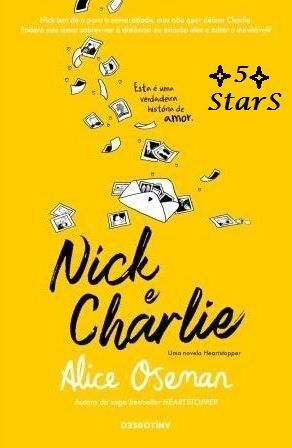
1.5 out of 5 stars
TW: eating disorders, toxic relationships
Oof. I can’t believe that I’m actually rating an Alice Oseman novel less than 2 stars, but here I am.
This novella follows the two most beloved characters in Oseman’s body of work—Nick and Charlie—as Nick prepares to graduate high school and subsequent issues arise due to Charlie’s insecurities and fear of abandonment. Frankly, my major issue with this book and the primary reason for the low rating is that Charlie is just so damn unlikable in this story.
I’ve always personally had a very, very soft spot for Nick—he’s bi and his struggle with his sexuality was super relatable to me, not to mention he’s an utter sweetie. And I’ll grant that I may have some slight bias towards him over Charlie. So, when Charlie was unable to put aside his insecurities to share in Nick’s excitement and happiness at being able to move forward into the next chapter of his life, it put a sour taste in my mouth.
While all of his insecurities and concerns are entirely valid, the way he went about expressing them and his dependence on Nick for his happiness and well-being is super unhealthy and toxic. Charlie spends the entirety of the book annoyed and upset by Nick’s excitement regarding uni, but never properly articulated these feelings to Nick. He constantly calls himself pathetic and horrible and lame in his internal dialogue because of these feelings, but his supposed guilt over it never develops any further than being a justification for his anger towards Nick. While these feelings are realistic the portrayal of them wasn’t nuanced enough to capture how, while understandable, the way Charlie feels isn’t fair to Nick. And the way that it was never addressed by Nick, Charlie or any of the supporting characters was super disheartening.
It’s completely valid that Charlie is experiencing anxieties over his relationship becoming long-distance—it’s a big change for a high schooler to accept—but the characters never have an actual proper conversation about it. They just assume what the other is thinking. And while I think miscommunication is a realistic component of a lot of new and young relationships, it was so overdone here.
Likewise, I feel like this was Oseman’s weakest portrayal of anorexia and mental health issues in any of her work, which I think may be a symptom of ‘Nick and Charlie’ being one of her earlier, less polished works. Charlie displays no signs of actually being in the process of recovering from his eating disorder; he actively doesn’t eat snacks, doesn’t have an eating plan, relies on Nick for the preservation of his mental health and to ensure he actually eats. In one instance, he seems to focus on the eating habits and consumption of other people as well—which is a clear sign that he is not recovered from his ED at all. As seen in Oseman’s ‘Solitaire’, Charlie’s mental health almost entirely hinges on the continuation of his romantic relationship with Nick, and neither his parents or Nick’s seem to show issue with this.
It’s one thing to feature these issues in a book and provide commentary on very real problems that young people face—such as eating disorders, toxic traits that aren’t healthy but don’t necessarily make you a bad person, and co-dependency in teen relationships—but when they’re glanced over and/or glorified it can do significantly more harm than good.
Personally, I am the first person to recommend and support Oseman’s body of work because I do really enjoy her novels and see the merit in them. However, this novella simply wasn’t up to her usual standard of complexity and nuance. If you’re looking to read Alice Oseman’s books, I would still highly, highly recommend her post-Solitaire novels because I genuinely think they’re fantastic.