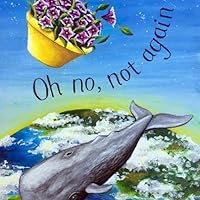
Thanks to François Vigneault of PowWow Press and creator Ned Wenlock for this early look at Tsunami (2025), a coming-of-age graphic novel. The title is a reference to an emotional tsunami, a sudden build-up and explosive wave, that occurs in the life of Peter, a smallish senior who is bullied throughout school. He makes a friend who dissuades him from revenge for the cruelty, but she leaves while he is gone away in a kind of exile for a month. This book may be about the increasingly right-leaning Kiwi culture, but it is the same here and most other places, and has been for decades (forever?), the tendency to cruelty and violence, especially among boys.
The simple cartoony characters lend an eerie kind of harsh realism to the story, where you care about Peter and his dysfunctional middle class? Working class? Rural? Suburban? And that’s maybe the point: This isn’t a send-up of suburban culture but male youth violent culture, with a growing punk aesthetic through which the artists views this world. For more than half of the book I just thought of it as a straight-up bullying book, and it is, in so many typical ways, but it has something more to offer, especially in the comics language.
For greater context: Three blurbs on the book help you with how to read and understand it. One is from New Zeeland comics artist Dylan Horrocks (Hicksville, a tribute to the love of comics); another is from alt-comix creator and archivist Sammy Harkham (Karmer’s Ergot; The Blood of the Virgin) , and the third is Charles Forsman, (The End of the Fucking World, I Am Not Okay With This). These three are in a way perfect for understanding what Wenlock is doing, but there are more references: Charles Schultz, for his foundational principle of less is more, or as Scott McCloud makes clear in Understanding Comics, cartoony comics are the most universal, the most relatable.
I think of Josh Bayer’s Theth, though it is far more (intentionally) messy versus Wenlock’s simple cartoony vapid hollow men landscapes. Maybe what all of these works have in common is contemporary youth alienation, youth angst and horror and stark realism. Rare happy endings in this area of comics. And Young Adult literature is almost always about happy endings, that turn from youth struggle to adult health and healing, and this is an important move to help young people, no doubt. But sometimes there has to be punk anger, in My YA classes Forsman, who has a low Goodreads rating among adults, is very popular; they get him, and they would get vulnerable Peter. I highly suggest you check it out for what it offers to comics as well as youth psychology and sociology.