The first definitive biography of Richard Avedon, a monumental photographer of the twentieth century, from award-winning photography critic Philip Gefter. In his acclaimed portraits, Richard Avedon captured the iconic figures of the twentieth century in his starkly bold, intimately minimal, and forensic visual style. Concurrently, his work for Harper's Bazaar and Vogue transformed the ideals of women's fashion, femininity, and culture to become the defining look of an era. Yet despite his driving ambition to gain respect in the art world, during his lifetime he was condescendingly dismissed as a celebrity photographer. What Becomes a Legend Most is the first definitive biography of this luminary--an intensely driven man who endured personal and professional prejudice, struggled with deep insecurities, and mounted an existential lifelong battle to be recognized as an artist. Philip Gefter builds on archival research and exclusive interviews with those closest to Avedon to chronicle his story, beginning with Avedon's coming-of-age in New York between the world wars, when cultural prejudices forced him to make decisions that shaped the course of his life. Compounding his private battles, Avedon fought to be taken seriously in a medium that itself struggled to be respected within the art world. Gefter reveals how the 1950s and 1960s informed Avedon's life and work as much as he informed the period. He counted as close friends a profoundly influential group of artists--Leonard Bernstein, Truman Capote, James Baldwin, Harold Brodkey, Renata Adler, Sidney Lumet, and Mike Nichols--who shaped the cultural life of the American twentieth century. It wasn't until Avedon's fashion work was exhibited at the Metropolitan Museum of Art in the late 1970s that he became a household name. Balancing glamour with the gravitas of an artist's genuine reach for worldy achievement--and not a little gossip--What Becomes a Legend Most is an intimate window into Avedon's fascinating world. Dramatic, visionary, and remarkable, it pays tribute to Avedon's role in the history of photography and fashion--and his legacy as one of the most consequential artists of his time. Supplemental enhancement PDF accompanies the audiobook.
4.5* Richard Avedono autoportretas. Richard Avedon (1923-2004) kontraversiškai vertinamas ir laikomas vienu garsiausiu JAV fotografu-portretistu.
Fame is a bee, It has a song-- It has a sting-- h, too, it has a wing. - Emily Dickinson.
Ši epitafija, mano manymu, labai tinka Richardo Avedono biografijai.
Pirmąkart apie R. Avedoną, beje, kilusi iš Rytų Europos litvakų, išgirdau skaitydama Geoff Dyer esė "Otherwise Known as the Human Condition". Tada buvau apsivertusi man negirdėtų fotografų albumais. Per tą tuometinį susidomėjimą Avedono portretais ir neatsispyriau pagundai perskaityti šviežią jo biografijos knygą.
Labai jaučiasi, jog autorius prie šios knygos padirbėjo iš širdies. Tai ne tik Avedono biografija, bet ir jo laikmečio mados, pop kultūros ir apskritai to meto kultūrinio gyvenimo apžvalga. Ši kombinacija - biografija + istorija - labai vykusiai persipina. Nepasakyčiau, jog mane domina glamūras (nei istorinis, nei dabartinis), bet šioje knygoje jis man buvo palyginus lengvai virškinamas ir neerzino.
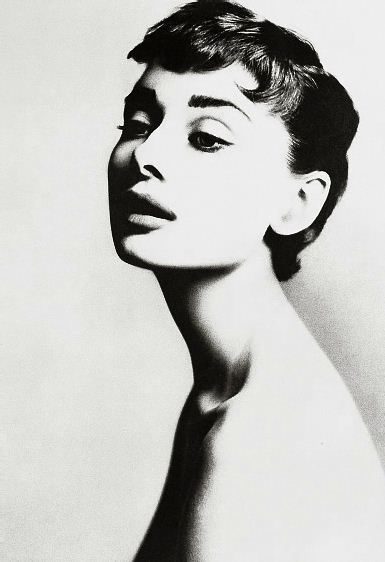
Avedonas išgarsėjo fotografuodamas aukštąją madą. Ilgus metus dirbo žurnale "Harper's Bazaar", vėliau - "Vogue". Būtent jis mados fotografiją pakylėjo į kokybines erdves. Jo laikmečio žvaigždės troško būti jo fotografuojamos. Jo garsių žmonių portretai vadinami ikoniniais. Geriausias to pavyzdys - Audrey Hepburn.
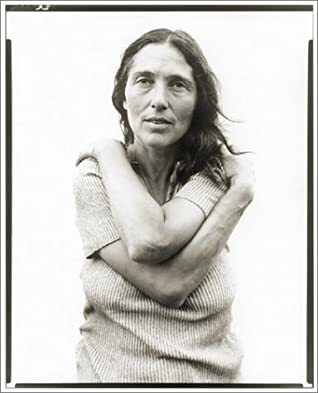
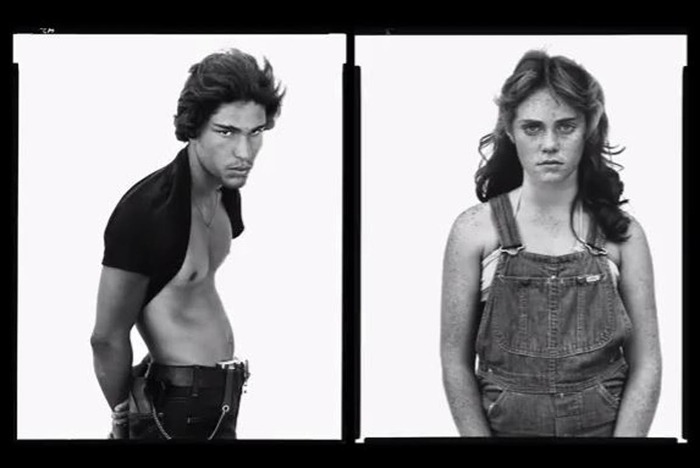
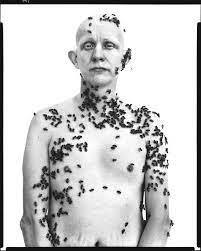
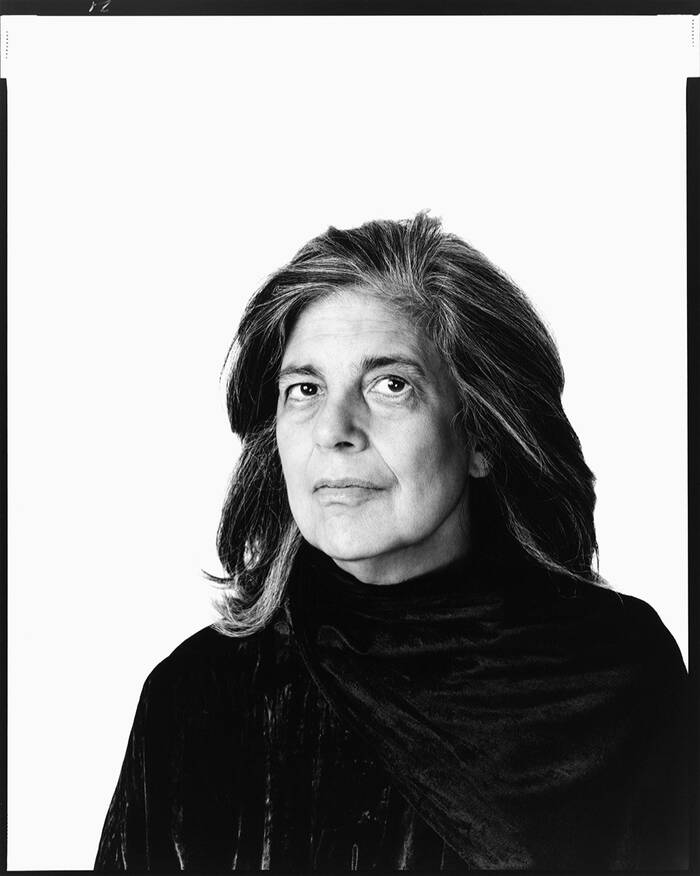
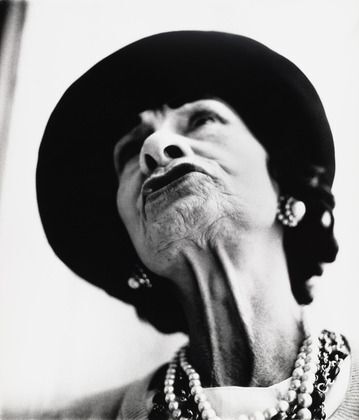
Anot pačio Avedono, jis nufotografo visus garsiausius to laikmečio žmones: prezidentus, mokslininkus, aktorius, dainininkus, rašytojus. Avedonas teigė, jog visi jo portretai (greičiausiai tie ne glamūriniai) yra autoportretai. Su ta mintim įdomu apžiūrinėti jo garsiuosius darbus. Man labiausiai patinka portretai, kur tiek garsenybės, tiek darbininkai ir skurdžiai gyvenantys žmonės nufotografuoti vienodai - pavargę, sutrikę, liūdni, atviri, tokie, kokie buvo tą minutę. O gal šie momentai buvo tik talentingos Avedono manipuliacijos su modeliais?
Avedono kontraversiškumas glūdi ne tik tame, jog jis dirbo tiek mados, tiek meninėje fotografijoje, bet ir pačiuose jo darbuose. Didžiulis skandalas kilo, kuomet jis parodoje pristatė savo mirštančio tėvo portretus. Jis buvo kritikuojamas už per didelį anatomiškumą portretuose. Dažnai jis savo parodose lėkdavo prie pozuotojų atsiprašyti už galbūt nelabai patrauklus jų portretus.
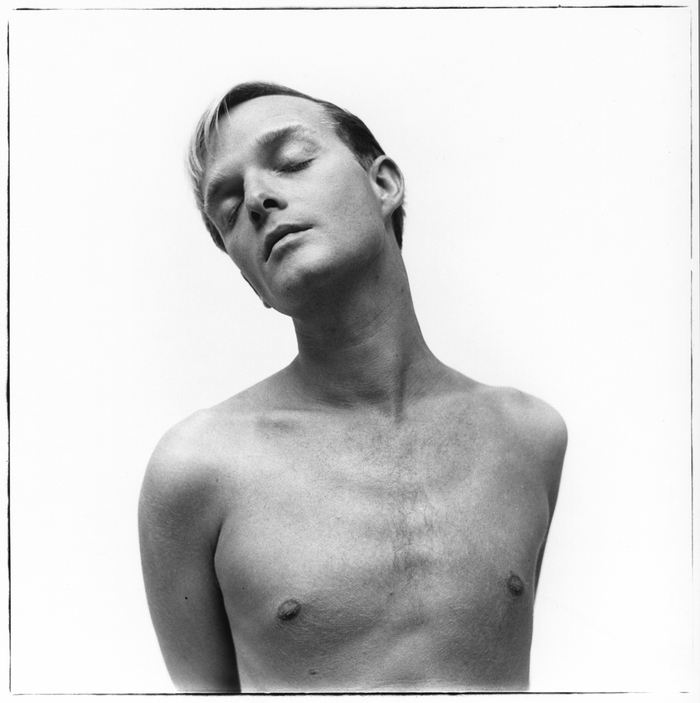
Jo įtaka fotografijai, kaip meno šakai, - nenuginčijama. Jo skandalingosios išrengtų nuogai Nurijevo, Ginsbergo ir Warholo 'Factory' nuotraukos padarė didžiulę įtaką akto žanrui.
Buvo visai įdomu skaityti apie kai kurių Avedono fotografijų gimimą, apie kai kurių garsių asmenybių elgseną sesijų metu. Rekomenduoju neabejingiems fotografijai.
Incredible survey of a most prolific career. A thorough discourse exploring Avedon’s trapese-like balancing act as he juggled the indulgences of commerce with the immortal merrits of “art.” A family man, but who at the end of the day was most satisfied in his marriage to work. In the eye’s of his son, and of his partners was he truly “legend?”
An exhaustive and engrossing biography of Richard Avedon, one of the most iconic photographers of the last century. The book covers his life from childhood, growing up on Long Island under a stern and icy father figure, his fast-moving career in fashion photography, complex relationships with friends and family and the inner demons that haunted him.
Avedon developed an interest in photography at the age of nine when he began to photograph his sister with a Brownie camera. Driven and focused, he was determined to work at Harper's Bazaar magazine and his dream materialized after an aggressive push to ingratiate himself into the company fold by getting acquainted with the art director Alexey Brodovitch who, in turn, introduced him to editor Carmel Snow. Under the tutelage of Brodovitch and Snow (whom he identified as parental figures) as well as "eccentric aunt" Diana Vreland, Avedon quickly moved up the ladder, first working at Junior Bazaar (an offshoot of Harper's) and eventually becoming the successor to George Hoyningen-Huene. Avedon's first magazine cover appeared in 1947 just as Dior was taking the fashion world by storm.
The stories behind some of Avedon's most popular photos are all here, from how he achieved his most memorable fashion shots (like model Dovima posed alongside a pair of elephants) to his renowned portraits of celebrities like Marilyn Monroe, Marian Anderson, Rudolph Nureyev, Isac Dinesen, Andy Warhol and the Beatles. There are also wonderful stories and anecdotes about his relationships with the famous models he worked with, like Dorian Leigh, Suzy Parker, Twiggy, Lauren Hutton, Penelope Tree and China Malcado. He also cultivated friendships with Leonard Bernstein, Truman Capote and Mike Nichols (which developed into an affair that lasted a decade).
As successful as Avedon became, he was plagued by doubts about his work not being taken seriously and tirelessly worked to make the critics and the world look at his work as art. He also struggled with his homosexuality and was paranoid about people finding out (he would accompany his date to the theater but insisted that they sit several rows apart from each other). He was married twice, first to model and actress Doe Newell and later Evelyn Franklin (who was formerly married to photographer Milton Greene). Despite his friendly and caring nature, his relationships to his wife and children suffered, mainly because of his workaholic habits.
Meticulously researched and excellently crafted, this is a wonderful read for anyone interested in celebrity, photography and the fashion world.
I am a very big fan of Avedon's work. I consider him to be one of the best portrait photographers in history. I didn't know very much about him prior to this book. I studied his work in photography school and have gone to the Foundation office in NY. This biography highlighted every one of his pictures and all the different movements he went through. It was interesting to read about how he approached each of his different subjects. I mainly knew him from his fashion/celebrity portraiture so I was pleasantly surprised to read he photographed the Vietnam War, people from government, and had a collection centering on the American West. Once this pandemic is over, I plan to go to the Fort Worth museum where it's housed and see them. It was also interesting to read about how he wasn't really seen as an artist until late in his life. I wish this book had more of his photographs for reference but I understand that for copyright purposes they couldn't include those. I also would have liked in the afterword some sort of discussion on how he is such a big influence on photographers today. But all in all a great biography!
What a great, dishy read of a bygone time! The only thing that keeps me from giving this book five stars is the fact that practically none of the iconic photos described in great detail are included in the book! I often found myself Googling them for context.
Three years ago, I read Something Personal, a controversial biography of photographer Richard Avedon co-authored by his longtime studio assistant Norma Stevens. A juicy, salacious chronicle that was angrily refuted on many fronts by Avedon’s estate, it was nonetheless a fascinating reflection of 50 years of American pop culture, art and fashion. Now comes a classier, more analytical, but just as compulsively readable Avedon bio from an author with no personal scores to settle. Philip Gefter—a gifted photography critc whose work has appeared in the New Yorker and Aperture, and who won the Lambda Literary Award for his biography of Sam Wagstaff, patron and mythologizer of Robert Mapplethorpe—counterbalances the gossipmongering of Stevens’ book with the more coolly observed and meticulously researched What Becomes A Legend Most.
An art historian at heart, Gefter places the rollercoaster personal life and psychology of his subject within a larger cultural frame. Avedon’s rise came as the world’s art museums, curators and critics were in a roiling debate as to whether photography should be considered a legitimate artform, or whether it was forever to be regarded as a lowly stepchild, tainted by its commercial uses and inherent reproducibility. Less that a century later, it may be difficult for some readers to imagine a time when photography was not taken seriously—which may make it easier for them to understand the bitterness Avedon felt about his work being treated with a faint air of dismissiveness even at the height of his career. Avedon also stepped into the spotlight at a time—the mid-20th century—that homosexuality was also marginalized, which put him in yet another realm of quietly disdained secondary status. While Gefter deftly limns the dovetailing of Avedon’s career path with changing mores in American society as a whole, his book also effervesces with wonderful anecdotes; from photo shoots with the Rolling Stones, the Warhol factory crew, and Marilyn Monroe to Avedon’s celebrity-clotted social life which included friendships—and perhaps romances (Gefter is a bit too coy)—with Mike Nichols, James Baldwin, and other boldfaced names of the era. Like Avedon’s own work, this book maintains a fine balance of smarts and style.
Learned alot -very good writing style and well researched. The book is a bit too lengthy but excellent. I had to keep putting post-its then going to the internet for the photo - the stories behind the photos are really good but they would need about 100 more pages of photos in the book than they have to cover all he did. Fascinating stories of Mike Nichols, Warhol and others.
Terrific new biography of the great photographer who lived and worked at the intersection of American commerce and art for many decades. Gives us a deeper and more objective look than the wonderful Norma Stevens memoir ‘Avedon: Something Personal’ - the books complement each other beautifully.
This biography is about famous photographer Richard Avedon, whose pictures I became familiar with over the years. Many of his earlier images, I saw in retrospect of him making them and several of them I saw in a timely manner to him taking them. As he did not die until 2004. I did not give much thought to his style as the years have gone by. But his signature style was often recognizable by the white background and extreme detail to the subject matter. His early photographs were taken with a 2¼ (or what's referred to as medium format) camera, and his later work was with an 8 x 10 (large format) camera. I enjoyed the audiobook, which was quite long, at 23 hours. The chapters were broken down into periods of his life. (I do not know if this book has any photos in it, but I have a book of his photos that I was able to look at somewhat simultaneously.) The book gave quite accurate descriptions of his images and they came to mind as they were described as images I recalled seeing, although I may not have remembered they were his. I had forgotten many and was happy to realize they were easily identifiable. Avedon spent many years photographing fashion and did not want to be remembered as a fashion photographer. He had other side projects he worked on, and many were portraits of famous individuals. Because of the many decades he spent photographing, he was a pioneer in making photography recognized as art. He was the first photographer to copyright his images and stake claim to their ownership. He was also the first photographer to have photographic print exhibits in the Museum of Modern Art which previously only exhibited art. I hadn't followed Avedon's career as the years passed, but the book shared his sudden death and that he worked until he died. This brought back a memory from college when my photography instructor said that as photographers, we never had to retire. This instructor also used 8 x 10 format for his art and also worked until he died. Having read the book, it rekindled my love for photography and rejuvenated my interest in portraits, which was never my favorite category.
This is the definitive biography of a name known to many, but not as acclaimed as it deserves. Avedon's ability to create appealing and accessible images with technical perfection was truly remarkable. This biolgraphy takes some time even getting to his career, though--you walk away knowing more about not only photography, not only Avedon and his subjects, but the zeitgeist of his era and the many people who played roles in his world. I found myself envying his date of birth and address book nearly as much as his talent. What a remarkable time to be a photographer.
Thanks to the publishers and NetGalley for the opportunity to review a digital ARC in exchange for an unbiased review.
An in-depth biography of one of the best known photographer of the 20th Century. I had only two issues with the book: first the theory raised that Avedon and Mike Nichols had an affair spanning decades with no real proof of the relationship and the second was the in-depth description of his better known photos without the photo in the book. I kept my phone close so that I could look up the photo. I would have been happy to have only one section of personal photos and a second of the photos discussed in the book.
Gefter's book traces the career of the photographer Richard Avedon from his early work in fashion to his later monumental, striking, photographic portraits. At the same time Gefter explains Avedon's desire to have his work taken seriously as part of a new art form, the photograph. A battle that he fought for all his life. While a fascinating look at Avedon's rich cultural & social life the book doesn't offer photographic examples of the works that Gefter analyzes. When he is referring to specific photographs it would have helped to have those photographs inserted in the text.
What Becomes a Legend Most is a fascinating and entertaining biography of Richard Avedon. Who knew he had an early life as a poet and was school friends with James Baldwin? Or how is was inspired by his muse - his beautiful fragile sister with mental problems so severe she spent most of the life institutionalized?
I found it to be a bit of a wandering read. The author would frequently change context abruptly in order to attempt a relevant anecdote, or concurrent life experience, but left the association hanging mid-chapter. The book did get tighter toward the end, but it was such a long droning read up to that point.
I liked Gefter's Wagstaff biography so I'm surprised by how awful this one on Avedon is. There's very little information about photography, just a chatty (but unfortunately not very gossipy), anecdotal history of postwar America. Avedon is practically a background character and never emerges with a personality.
A rambling read. Avedon led such an interesting life. but this book was a hard follow, often going off on tangents with unrelated anecdotes or stories out of temporal context.