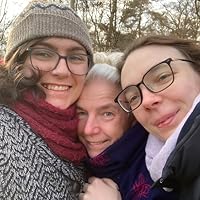
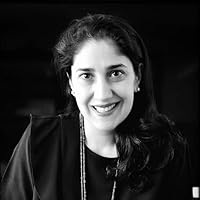
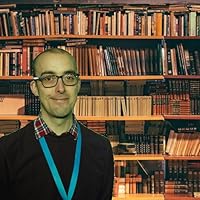
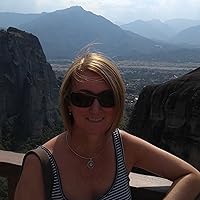
My dear Kabul give me your hand, put your head on my shoulder and don't be afraid, don't think you are alone, we are here for you.
In August 2021 a women's creative writing group in Afghanistan shared news of political turmoil and the Fall of Kabul. These women were in the process of publishing a short-story collection when their world was turned upside down by the Taliban. In staying connected via WhatsApp messages, they established a lifeline; a vital space to keep their creativity alive, support each other and bear witness to the events unfolding around them.
My Dear Kabul is their story, and a collective diary of a year living under the Taliban. As they watched cities fall, schools close, families change and freedoms disappear, they shared stories of chaos, protest and flight. As a group, they reflected on the scope of female mothers and doctors, students and teachers, those who had lived under the Taliban, and those who couldn't imagine it. In sharing their stories, they created a place of community and strength in the face of terror.
تموم شد. یچیزی که موقع خوندنش خیلی اذیتم میکرد مقاومت نکردن مردان افغان نسبت به طالبان بود. اینکه چقدر زود تسلیم شدن. اصلاً قبل از اینکه طالبان قدرت رو به دست بگیرن، شروع کردن به ریش گذاشتن. فکر میکنم نجلا بود که تعریف میکرد که وقتی رفته بوده بانک مردها بهش میگفتن بره بیرون چون میترسیدن از اینکه طالبان بیان و به حضور یه زن اونجا ایراد بگیرن! یک نفر دیگهشون از این میگه که شوهرش تا قبل از به قدرت رسیدن طالبان همیشه نظرش رو میپرسیده و براش احترام قائل بوده، اما الان بهش بیاحترامی میکنه و بهش اجازه صحبت کردن نمیده. یکبار شنیده که شوهرش و دوستاش موقع حرف زدن برگشتن طالبان رو بهم دیگه تبریک میگفتن چون «بالاخره اومدن تا این زنها رو سرجاشون بنشونن.» یک زن افغان که توی یه کشور خارجی زندگی میکنه از این میگه که هربار با شوهرش دعواش میشه تهدیدش میکنه که «برت میگردونم پیش طالبان» اگر درست یادم باشه، پرند بود که گفت انگار برگشتن طالبان بهونهای بود برای مردهای افغانستان تا نفرت همیشگیشون رو به زنها ابراز کنن. و یک چیز دیگه که خیلی بیشتر از همه اذیتم کرد به یاد آوردن همه نفرت ایرانیها نسبت به افغانها بود. روراست باشیم با خودمون، مشکل ما هیچوقت پناهندگی و مهاجرت قانونی نبود. اکثر ماها فقط بخاطر نژاد پرستی با اون حجم از نفرت با افغانها برخورد میکردیم. وگرنه که میشد با مهربانی و انساندوستی به حل کردن مشکلات پناهندهها پرداخت. اینکه پناهندههای غیرقانونی مشکلساز شده بودن دلیلی بر غیرانسانی رفتار کردن نبود هیچوقت.
در نهایت یک ماچ خیلی گنده به نرگس بابت معرفی و تهیه این کتاب. :»
10* Ein zugleich erschreckendes und wundervolles Buch. Ein Buch über den Untergang Afghanistans, den Verlust von Allem, was das Leben lebenswert macht und ein Buch von Hoffnung, von so vielen Frauen, die zusammen halten und mutig sind über all das zu berichten. Es zeigt wie wichtig eine Gesellschaft, Gleichberechtigung und auch Migration ist. Das Buch ist durch die ganzen unterschiedlichen Frauen, etliche Fußnoten und Thematik nicht leicht zu lesen, trotzdem ist es notwenig und jede der Frauen eine absolute Bereicherung für das Buch, die eine Stimme verdient. Folgend sind einige Ausschnitte dieser Stimmen...
"There were two of them. They had walked into our house with their shoes on. Now this is the worst sort of disrespect in our culture. Only thieves enter people's home in shoes and leave dust on the carpets." Maryam p.214
"I felt so bad for being Afghan. Why are we even here? Neither can we have a place on earth, nor can our hands reach the sky." Fatima p.236
"Girls are like glowing lights in the middle of a dark night. They have turned off those lights. [...] Each day, Afghanistan is going back into a bleaker rea. I'm scared of the day Afghanistan falls into complete darkness." Nilofar p.91
"One of the girls is ten years old and the other is seven. They are full of talk and joy, like sparrows, and I enjoy listening in. In the afternoons, they play together and act out different roles. Today, one was a schoolgirl and the other Talib. The schoolgirl screamed and begged not to be hit. But the Talib would not consider non-violence. [...] All I could think was how this horror has already spread into all parts of our lives and eaten our spirits like termites do. Even children are not spared." Paranad p.158
"Covering women's bodies under the burqa is only part of the story; the main goal is to throw a burqa over wome's thinking." Zainab p.266
"For several days now, whenever I raise my hands in prayer, instead of praying, I question God. I ask why he has not answered my prayers for myself, my family and my country." Farangis p.319
"The plane took off at 4pm. I was released. But displaced again: we had lost our homeland. Up in the clouds is a good place to cry and emty the heart." Zainab p.136
"I wonder, could the Taliban retain power if there were no women?" Parand p.234
"How do they expect people to love the idea of paradise when they've made the world hell for us? When their world is like this, what can we expect from their heaven?" Nilofar p.239
"War makes everyone miserable." Nilofar p.192 "I hope that war gets eliminated from the face of this world." Fatima p 237
"That's the kind of land it is: whoever visits Afghanistan once, loves it forever." Farangis p.228 Hoffentlich wird es wieder möglich sein in dieses Land zurückzukehren und sich neu zu verlieben. Diese Frauen sind Heldinnen!
'It is every human's right to live where they feel safe.' Ein Mann in Schweden zu Masoma p.287
I can't really give this anything other than 5 stars based on the subject and circumstances. It is a fascinating insight into the thoughts of these women over a year when the Taliban took over Kabul again. It's very interesting reading the shared experiences but also the differences, as well as following the women that were able to leave, where they sought refuge and the reactions they faced. I kept having to remind myself that I was reading something real and so recent which makes it all the more heart breaking. However, the women are also extremely hopeful throughout.
One quote that really struck me: 'The saddest aspect of my days in Europe has been seeing the flag of Ukraine... what did the world do for the people of Afghanistan?'
I wonder how many people that talk negatively about refugees have ever taken their time to gain some insight into what people have come from and why they have needed to leave their home. This book would be an excellent reference point for them.
This is the collective diaries of 21 women, compiled using WhatsApp messages in 2021 when The Taliban took control of Kabul.
This book was brilliant and troubling – it showed how things changed overnight when so many people suddenly found that they had no place in the society the Taliban envisioned.
It is an intimate and very brave chronicle of life as it unfolded under Taliban rule – particularly for women and children.
First hand report on how political events destroy the ordinary life’s - we get to go with the authors through the shock, disbelief, dispair, while trying to find some hope for the future. These memories are very powerful and give you the insights into daily lives under the taliban regime or as of refugees. Highly recommend although it’s tough read.
Another incredible pick by Shelterbox book club. A diary documenting the tense days during and after the fall of Afghanistan to the Taliban, from a group of women writers dealing with and attempting to escape oppression. It’s not a shock but it’s still painful to read how women are oppressed and subjugated for being themselves, women seen as ‘less than human’ and hated and enslaved.
The writing is poetic and beautiful at times, documenting despair and resilience despite the most difficult of circumstances and hope ebbing away.
Reading about the desperate journeys of escape and the continual yearning for a free homeland was so moving as I read in the context of racists here in the UK attacking RNLI volunteers for saving refugees’ lives. No-one wants to leave their own country but people are fleeing for their lives! To be attacked and abused just when you thought you have found somewhere safe at last must be traumatising.
If I have to recommend one book out of all that I’ve read this year - this is it!
Kudos to @untold_narratives @parwanafayyaz and team who put these narratives together to make such a powerful piece of literature that is even more necessary after the latest taliban edict - An Afghan woman cannot hear another woman’s voice. My experience reading it - I had to stop many times because I was too overcome with emotion that ranged from anger to helplessness to fear to admiration. My Dear Kabul is the collective diary of and an intimate look into the lives of an Afghan women’s writing group. The book comprises of the WhatsApp messages exchanged between the members of the group from the time the country fell in August 2021, for a year.
Experiencing what these women went through in real time, day after day, month after month living under the taliban- some in hiding, some rescued and flown out, some who started living as refugees in other countries, some still living at home - you won’t find such an honest and accurate account of what that year was like for Afghan women. Among these writers are women who were teachers, a scriptwriter, a lawyer, doctor, psychologist, an engineer, office manager, NGO workers and university students.
One of the writers says “ This book is not a plea…they are not asking for rescue but to be seen.” And that is the least the rest of us can do - See, understand and if we are in a position to help in any way - use our skills to create a positive impact in the lives of these brave, enterprising, talented, hardworking women who have had their lives pulled out from under them through no fault of their own.
There is a reason why the taliban finds even conversations between women threatening- female friendships and solidarity have proven to be highly impactful, a source of empowerment and have the ability to create real positive change in the world. Let us make sure no such voices are being unheard. We can at least amplify and do our part in keeping these voices alive.
Reading all these very real perspectives has opened my mind and heart so so much. Being born is simply a luck of the draw as to where and how. I hope that one day they can all return to their beloved towns and cities in Afghanistan, and live the way they would like.
the stories of these women were so inspiring and heartbreaking and freeing and painful. such an important book, I will be pushing all my friends to read because these stories need to be heard. this is the power of writing in practice
This is a book every woman should read. This is a book I think everyone should read to understand the complexities of refugees and asylum seekers. The collected writings of a group of Afghan female writers charting the changes in their lives in the first year of the Taliban re-taking the country is sobering and puts the small trivialities of life into stark contrast. The slow eroding of their right to work, right to walk, right to education, right to humanity is terrifying. Imagine being told you can't go to the shop without a male member of your family accompanying you, or you are hit because your scarf isn't the right colour. Imagine being shamed by any man for simply existing. Losing these rights makes one consider themselves immensely lucky to live in a freer country and we should never take for granted the chances we have to live a life we choose.
Beautiful, heartbreaking, inspiring. It’s a mixture between poetic prose and a casual WhatsApp group chat. We know what has happened with the Taliban in Afghanistan and what has happened to women’s rights and women’s lives but reading this you feel beside them. The translator describes it as walking a path rather than seeing it from a plane, which is a good description of the feeling. As always, I’m inspired by women. Courageous and brave and normal. I wish all of the writers the best in their lives.
What I haven’t been able to tell is how much of the proceeds of book sales will go to them directly. It’s clear at the end of the book how many of them are struggling to make ends meet and I hope the book’s sales are able to help them, even if only a little. I’d like to see more clarity from the NGO on the use of proceeds.
I don’t usually write reviews, but this book is so good and everyone should read it! I’d like to think I was already empathetic to refugees and women’s situation in Afghanistan, but this book brings a whole deeper level of understanding, care and respect for those who have gone through and are still going through it. The writing is beautiful and real. I keep thinking about these women and where they are now. It’s also a reminder of the collective power of women’s voices and lived experience. It’s rare to find a book like this, please buy it, read it, share it and feel inspired by it.
Was lent this book by a friend as it relates to a project I'm working on currently. A fascinating, heartbreaking insight into the year following the Taliban's takeover in 2021. Deeply intimate and personal, both poetic and casual, it revealed new levels and depth of trauma and struggle.
Thank you for sharing your collective diary with the world. You are not forgotten.
This gripping and heart-wrenching story looks at how the Taliban’s return to Afghanistan affected women and girls in late 2021. Twenty-one brave women writers have shared their stories through WhatsApp messages, creating a moving diary of their resolve to hold onto freedom. The book paints a vivid picture, filled with fear, tension with powerful accounts from everyday life. Even though the heartbreaking and harrowing stories of their struggle to live under the new regime are tough to read, I found it moving but couldn’t put it down. Sadly, many who manage to escape the country still face more challenges, like discrimination, hardship and poverty.
The book starts with Taliban capturing Kabul on 15 August 2021, ending the War in Afghanistan and overthrowing the Islamic Republic. The final messages especially poignant:
“whenever I hear any sound that’s like a gunfire, my heart stops. I fear the Taliban will start their search of homes tonight. And my family will pay the price for my working with foreigners… “
The final message “I cannot breathe”
The chapter “Zainab’s journey” encapsulates what it’s like to have to leave your country and the fear that you have of getting captured.
Freshta to who is a journalist in the chapter headed “Spring“ talks about the United Nations 1325 clause defending gender quality and how the world has forgotten them. She talks about Afghan women trying to establish legislation on child marriage, women’s rights, polygamy, education and divorce. not wanting to be second class citizens and how they feel abandoned by other countries. These are brave women hoping for change for their country.
This book helps to keep the fate of these women and girls in the public eye and deserves a wide readership .
This was this month’s members choice for #ShelterBoxBookClub
چتهای یه گروه واتسپ خانمهای اهل افغانستان بعد از حمله طالبان. تا حد زیادی با زندگی فعلی ما دژاوو داشت. اینقدر بار غم همه کاراکترا زیاد بود که نمیدونستم روی غصه خوردن برای یک نفر تمرکز کنم. کاش این زمین با ما مهربونتر بود.
Read with #Shelterbox Book Club. I found it an enormous privilege and deeply moving to ‘hear’ the voices of Afghan women effectively silenced in their own country by the Taliban regime, who have taken to WhatsApp exchanges to share their lives with other women. These woman are determined to be heard. Theirs are gentle voices. Many address each other as ‘jan’ meaning ‘my dear’ and are supportive of each others’ attempts to find work, look after their children and find a way to get out of Kabul. And yet there is much affection for what was the Kabul of their youth. Many were at university, all had ambition and the great belief is still in education. But the risks are formidable and everyday acts of heroism, go largely unnoticed until we have the chance to read something like this. Many of the women are now scattered; in the US, Australia, Scandinavia, the UK and their current situations are neatly summarised at the end of the ‘conversation’. But their hearts and heads are still in Kabul, hence the title of this beautiful book ‘My dear Kabul’. Overwhelmingly is the message of hope. A lesson for our times, possibly. Thank you @Shelterbox for choosing this book.
A book I think everyone should read. I was in awe of the courage and bravery of these women and left feeling humbled and incredibly grateful for the freedoms we have, in particularly the freedom to have our voices heard, and reminded never to take them for granted.
Where to start with this, im ashamed that I never took time to think more deeply about the plight of Afghanistani woman, and men, after the withdrawal of Americans/Allies in 2021. Im glad I've found this book now. Bravery, beauty, oppression, hope, despair, love, fear, family, religion and sense of homeland and belonging and the right to education and freedom... powerful book. Im left with a sadness of how the western world picks and chooses which wars and attrocities it will champion and which it will turn away from.
This is a difficult but necessary book. It is a hard testimony that evidently does not offer comfort, but it offers witness. It demands to be read not only because it’s about Afghanistan, but because it’s about broader questions: what happens when people’s rights are stripped away; what courage looks like in everyday life; how language and writing become acts of resistance. If you care about justice, women’s rights, human rights, or simply want to understand the world better through personal stories, this is a powerful and moving read.
I recommend this read even aware that it may be emotionally difficult. It’s the kind of book that changes how you view things, not by grand theory but through individual lives. If you go in knowing it’s going to be harsh, but also that you’ll find beauty and inspiration, it’s so much worth it. By reading it and reviewing it I would like to assure these brave women and in some way let them know they are not invisible. I would also like to thank @untold_narratives for their effort in editing and visibilizing everything they are going thru.
A friend lent me this book because she knows of my work with women in Afghanistan. I recommend it 100 per cent. The writing is powerful and, while showing the deep despair and heartbreak of these women writers (and all women in Afghanistan), their resilience and courage come through very strongly. We must continue to remember them and show them they’re not forgotten. We stand in solidarity with our Afghan sisters and look forward to rejoicing with them when the Taliban are completely overthrown.
It’s a rare thing to be allowed to read live history; these women narrate events as they are happening, often from inside Afghanistan and while it’s incredibly hard to read it is also important that their voices are heard. Their writing is sometimes beautiful and poetic and sometimes functional but the voices are unique and the biographical information at the start is helpful. I think this book is necessary and important for so many reasons.