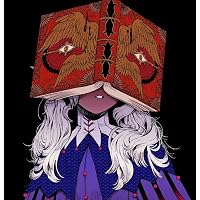
The gods are all-knowing. The gods are perfect. The gods are immortal.
If only any of it were true. Shameless self-promotion was the only thing the gods were ever any good at. Farrin, former God of Air, knows it better than anyone.
Banished from the heavenly realm of Voltarim and stripped of his divine powers, Farrin has been living rough with the mortals for the last five years. It seems that being a fallen deity doesn't carry as much weight these days as it used to. Sleeping in barns, begging for scraps of food, and hunted like a dog by the vengeful gods back home—Farrin's looking to make some drastic life changes. Immediately.
Two choices lay before Farrin. The buckle down and earn an honest living through some good old fashioned hard work and toil.
That one is right out, of course. Hard work and toil are for mortals, not disgraced former gods. Which leaves only one logical heist of heaven itself.
Farrin hatches a plot to break back into Voltarim, steal everything that isn't nailed down, and get out alive. Now there's a proper get-rich-quick scheme for him to get behind, with a dash of revenge on the side. A good plan all in all—assuming he doesn't end up on the wrong end of a smiting first.
With the help of two uppity mortals, Farrin prepares to pull off the boldest heist on this side of the afterlife—robbing the very gods who cast him out. The payday of a thousand lifetimes is waiting for him. But should he fail, Farrin will learn exactly what divine punishment really means.
“Just ask and we’ll be there. That’s…all there is to it.” An unlikely trio teams up for one shared goal: to break into heaven. While they all have their own reasons for the heist, they discover that they need each other in order to pull it off, whether they like it or not. Heartfelt character development and a plot that keeps readers on their toes!
This novel is about Farrin, a God that is stripped of his powers, teaming up with two mortals to break into heaven. It had me laughing, smiling, and on the edge of my seat. The stakes and tension were high throughout and I loved the dynamic between the characters. I liked the heist storyline and thought it was well executed and kept me hooked. There was so many complications and twists which cleverly kept the story moving and the reader interested without feeling like it was too packed. The writing style is digestible making it a really easy and enjoyable read. I would definitely recommend this book to anyone wanting to pick up something easy and fun!
This book was a captivating and thought-provoking journey into the complexities of power, morality, and the essence of what it means to be human. Harrington masterfully weaves together a rich narrative filled with layered characters and philosophical dilemmas that keep the reader engaged from start to finish.
I greatly enjoyed the world building. It created a setting that feels both fantastical and grounded in reality. Harrington has a talent for making even the most surreal elements of the story feel tangible, and his attention to detail adds depth to the world without overwhelming the plot. The pacing is solid, though it slows at times during deeper philosophical discussions, but these moments enhance the overarching themes rather than detract from the story.
The characters in Mortalkind are complex and flawed, making them feel real and relatable. Each one struggles with personal conflicts that mirror the larger societal issues at play, adding layers of meaning to the narrative.
My only critique is that some plot points felt a little predictable, but the journey was so well-executed that it didn’t diminish the overall enjoyment of the book. Harrington raises important questions about power, responsibility, and what it means to truly live, making this a novel that lingers in the mind long after the final page.
Overall, Mortalkind is an absorbing read that skillfully balances action, philosophy, and character development. Highly recommended for fans of speculative fiction with a strong moral core.
An exiled god, greedy goblin, and mortal Muckmaid walk into a bar… What sounds like the start of a very entertaining joke is actually the beginning of an explosive story full of thievery, betrayal, and a very unamused exiled god. Former God of Air Farrin just wants a warm meal, comfortable bed, and to not be hunted by the gods. Is that really so much to ask for? The short answer is yes, but the long answer is a wild adventure full of unlikely friendships and harsh truths as Farrin plots a heist of heaven that he hopes will set him up for the rest of his life – however long that is now given his new status.
“If you ever want a single friend in this life, Farrin, then you need to understand that there are other people who matter in this world, too. Not just you.” Tired and downright miserable, Farrin couldn’t care less about the Mucklings he now finds himself amidst and wishes more than ever to return to the privileged life he once had. When this seems impossible, he decides that good old-fashioned revenge works just as well. Farrin is a convoluted character who is both too prideful for his own good but still wholly unsure of himself when coming face to face with the other gods’ powers. Despite his shortcomings, Farrin finds himself on a journey of self-discovery and learns that mortals are not to be underestimated or undervalued. Afterall, his life is now becoming increasingly intertwined with theirs and one misstep could spell doom for them all.
“Knowledge cuts deeper than swords when properly applied.” Mara and Gristle are the resident mortals and the Muckmaid and goblin who continue to get under Farrin’s skin no matter how much he tries to ignore them. Mara has a thirst for knowledge that makes her openly curious and passionate about finding out the truth about the gods no matter the cost. Gristle is looking to pull off the heist of the century and line his pockets with as much gold as possible before his criminal past catches up with him. Gifted with vastly different skillsets, both Mara and Gristle find themselves needing the ex-god’s help if they plan to break into heaven with any success.
With three radically different personalities and varying agendas that overlap, the unlikely trio find themselves facing impossible odds but no less determined to make things work.
This story was a fun ride from the very first page. The characters are dynamic and have their good sides and bad sides making them all the more relatable. Yes, even the prideful Farrin despite what he may have to say on the matter! With a great balance between fantasy and just enough mystery to keep the reader turning the page, the story pulls you into the world of the gods and refuses to let go. The fantasy draws on familiar mythos with their own spin and crosses worlds to show us that not everything is truly as it seems at first glance. Throw in some classic godly manipulations and trickery and you won’t be able to put this story down!
From start to finish, this novel had me hooked. It is like Percy Jackson meets Six of Crows meets high fantasy meets Norse mythology with a lovable ensemble of characters.
Farrin, the POV character, has fallen from godhood and must contend with the consequences of that and the moral world. And he's not succeeding. His growth from start to finish is the most prominent as he comes to realize what's most important in life and learns to value people who are different from him. It's a heartwarming show of found friends and found family.
Mara finds Farrin with initial purpose of writing a book. She is not like other girls in all the best ways. She's a scholar and theologian who has to learn the hard way that what she was always taught might not be all that accurate.
Gristle is their gruff traveling companion who comes pre-loaded with witty remarks and the uncanny ability to never lose at chess. Turns out, that skill can save your life.
Together, these three must pull of the impossible: break into heaven.
There isn't a moment in this book where I felt bored and there wasn't a character I couldn't love. Each person has their own unique voice that comes out in the snappy dialogue. Even the minor characters, like the gods that are after Farrin's head or the cutthroats they must join forces with, are all distinct from one another. Farrin's own narration as the POV character has a healthy balance of sarcasm and sincerity. It was a breath of fresh air to read a fantasy novel from the perspective of the god looking at the humans rather than the human looking at the gods.
The world that the characters inhabit is vivid and full of variety. It wasn't hard to picture where our heroes were going or what they were doing.
The pacing was perfect. Nothing felt like fluff or filler. Every scene progressed the plot or revealed something to us about our characters.
If you're looking for a high-fantasy heist novel, Mortalkind: The Heavenly Heist is a great read that you won't be able to put down!
Throughout the entirety of the novel, I was on the edge of my seat, smiling or laughing. The novel was just so well written, so engaging. I loved every moment of it. The tension was high throughout with really believable and high stakes. As readers, we ache for our protagonists to succeed (which is ironic, considering they are thieves).
The writing style was such a good read. All the images were vivid and easy to imagine. The characters are all amusing. Farrin is arrogant, especially in the beginning (which is so enjoyable to read), but when we are transported into the past five years ago, he is so much more human (how he is later in time too). We can really connect with hi, and we like him. He is so caring even though he tries not to be.
Every plot twist was so perfectly done. The foreshadowing was amazing. I loved it. When Yarric left Farrin in the desert, I was deeply disturbed. I didn't trust Yarric for a second. What makes matters worse is that Farrin didn't even want to be a part of this mission, but Yarric told Daelus they were in, so he didn't really have a choice. I just wished that Farrin had stood up for himself when he met Yarric again and he told him that he never wanted to be a part of that mission in the first place. In regards to the other plot twist of Mara, when it was revealed that she was a demi-goddess, I was very pleased to hear it. The foreshadowing that she was very strong made me question that something was different about her. I'm pleased that it was revealed to us but also the foreshadowing was nicely done. A very believable piece.
The chess game at the end was the most brilliant thing I have ever read. Truly amazing.
I loved the use of "by My name" instead of "by God's name" and "us", instead of "Gods". Very humorous.
My only critique is that in the beginning, the novel is written in omniscient third person, hopping around perspectives. I didn't like this, and found this hard to follow, but once it settled on Farrin's perspective, it was much better.
This entire review has been hidden because of spoilers.
This novel captivated me from the very first page, pulling me into a high-stakes adventure that had me smiling, laughing, and anxiously awaiting what would happen next. The writing is sharp and engaging, filled with vivid imagery that made it easy to imagine every scene. I never felt lost in the world—it was all so well constructed and believable.
What truly sets this book apart is its characters. Farrin, our arrogant yet endearing protagonist, evolves beautifully throughout the story. His growth over time, especially after we delve into his past, makes him incredibly human and relatable. He tries to maintain a detached, almost cold demeanor, but his caring nature shines through, making it impossible not to root for him. His dynamic with Yarric adds layers of tension and complexity, especially after Yarric leaves him stranded in the desert—a moment that felt like a punch to the gut. Farrin’s struggle with his godhood and his eventual realization of what truly matters is one of the most heartwarming aspects of the novel.
The supporting cast is just as compelling. Mara is a breath of fresh air and not your typical heroine, but a scholar and theologian who questions everything she's been taught, adding a refreshing intellectual depth to the story. Gristle, with his gruff attitude and chess skills, injects humor and wisdom in equal measure, proving that even seemingly small talents can be life-saving. Together, this unlikely trio embarks on a mission to break into heaven, and the journey is nothing short of exhilarating.
The plot twists are masterfully handled, keeping me on my toes without feeling forced. Mara's reveal as a demi-goddess was both surprising and satisfying, especially with the subtle foreshadowing that hinted at her strength. And the chess game at the end? Simply brilliant. It was one of the most clever and entertaining climaxes I’ve read in a long time.
If I had one critique, it would be the beginning. The third-person omniscient point of view made it difficult to follow at first, with the perspective shifting between characters. However, once the narrative settled into Farrin's viewpoint, the story flowed smoothly, and I became fully immersed.
At the center of this story is Farrin, a fallen god who has been stripped of his powers and banished from heaven. He’s arrogant, bitter, and at times insufferable—especially in the first part of the book. I found it difficult to connect with him initially. He judges mortals harshly, calling them names like "muckling" or "muckmaid" in a derogatory way that grated on me. His superiority complex felt over the top, but as the story progressed, I began to see that this was very much intentional. His character is supposed to be abrasive, and this only makes his transformation all the more satisfying by the end.
Mara and Gristle round out the trio, and while I wasn’t immediately sold on Mara—she felt flat at first, despite being labeled a genius—her motivations and character arc became clearer and more compelling as the story moved forward. By the time the heist portion of the book begins, I found myself much more invested in her journey. She’s a scholar with a thirst for knowledge and a complicated relationship with faith, money, and her own sense of self-worth. Gristle, on the other hand, was immediately likable. His snappy comebacks, chess skills, and leadership of the group often stole the show, providing some much-needed levity and cleverness when things got tense.
The novel’s pacing initially felt slow, especially in the opening chapters, which struggled with clunky transitions between past and present. But once the pieces fell into place and the characters’ backstories were revealed, I could appreciate the care taken to set everything up. The heist itself is where the story truly shines—it’s a fast-paced, twisty journey full of unexpected challenges and alliances. The stakes are high, and the way the group navigates their mission is both thrilling and ingenious. The final confrontation, which revolves around a clever game, tied everything together beautifully, bringing back earlier themes of loyalty, trust, and cunning.
I also have to mention the dialogue, which was a real highlight for me. The conversations felt natural, and the banter between characters had a great flow. The world itself is rich with detail, and while some aspects, like the derogatory terms Farrin uses for mortals, initially felt overdone, they actually contributed to the overall exploration of gods vs. mortals and the evolving dynamics between them.
My biggest critique lies in the novel’s early reliance on heavy-handed exposition—particularly surrounding Farrin’s status as a demoted god. The story could have benefited from a subtler approach, and I would have preferred to learn more about Farrin’s powers and past through action rather than constant reminders. Additionally, some of the character choices in the beginning, like Mara's decision to continually borrow money despite her debts, felt inconsistent with the intelligence she’s credited with. But these flaws became less bothersome as the story unfolded, especially when the focus shifted toward the core plot.
While this book may have stumbled at the start, it found its footing in the latter half, delivering an action-packed, emotionally satisfying story with clever twists and strong character development. Fans of fantasy, especially those who enjoy complex relationships between gods and mortals, will find much to love here. Despite its slow beginning, it becomes an exciting tale of found family, loyalty, and redemption.
This entire review has been hidden because of spoilers.
Title: The Heavenly Heist: Mortalkind Author: Alexander Harrington Genre: YA/Fantasy
Synopsis: Farrin, a fallen god from the heavens of Voltarim, is swept up in a deal with a mortal writer named Mara and a mysterious goblin named Gristle. Together, they must outrun the law, enraged gods, and time as they aim to heist the treasures of Voltarim itself and uncover the mysteries behind Farrin’s banishment.
Rating: 9/10
Spoilers ahead!!
Strengths: - Incredibly evocative worldbuilding and atmospheric build-up resulted in an incredibly immersive reading experience. This is most evident in Harrington’s talent for setting and mood description; he perfectly captures a precise moment and atmosphere for the reader’s pleasure, whether it’s eeriness, confusion, awe, etc. - I enjoyed the flow and organization of the story; the chapters blended seamlessly together, and there were rarely any major skips in time or plot. Adding to the immersive atmosphere, it was clear what was happening at every moment. - I really enjoyed Part 2 and the insight into the lives of the gods. The pantheon was full of interesting deities reminiscent of Greek and Roman mythology, and I loved the dynamic with Farrin and the other gods. - It was interesting that Yarric and Farrin have a twin-like dynamic – and that the latter was the more diminutive of the two! This was an intriguing contrast from the mouthy, fallen god readers got to know in Part 1 which made me more eager to read. It makes the twist ending of Yarric’s betrayal all the more biting! - The action scenes were intense and captivating. The pomp and circumstance of Volk’s reveal were climactic and genuinely terrifying; it was genius to prepare his entrance with Daelus’ severed head, signifying the loss of Farrin’s protection and guidance. - I loved the escape sequence from the mansion with the flying machine toward the end of Part 3. The dramatic escape, Farrin dealing with his failures with Malik and the clamp and the crows, and the final breathless scene bathed in the sunset — extremely satisfying and beautiful writing, and one of my favorite parts in the entire novel. - As the novel progressed, the writing got better and better; this was most evident through Parts 3 and 4. The dialogue was less expository and the character interactions felt more realistic and sincere rather than trying to be their positioned archetypes.
Weaknesses: - The main storyline’s pacing between Parts 1, 2, and the beginning of 3 was meandering and slow – so much of it was expository conversations between Gristle, Mara, and Farrin bickering with one another with not much happening. New characters were introduced left and right without getting to flesh most of them out. - The beginning portion of the novel drags considerably before readers actually engage in the main conflict and plot – that is, heisting the gods which is first mentioned at about the 50-page mark. - Farrin’s constant inner monologuing was distracting at times as well, especially in the ending chapters when he’s facing off against Volk – the last thing a tense moment needs is constant interruptions. - I didn’t enjoy Mara’s reveal as a demigod. It’s so cliche and, although I did see fragments of foreshadowing, it felt random. I liked the contrast of Mara the spunky human to the jaded Farrin, but then revealing that she knew all along how to get into Voltarim and she has enhanced abilities that took away from the grounded relatability of her character. - This extends to my dislike of how they literally walked through the front gate to get into Voltarim. Were there not any guards or alerts or anything to signal the gate had been opened? Although the novel tells us that there were none, I still found the idea itself a bit far fetched. - A nitpick - I really did not enjoy it when the gods said “Oh, Us!” (instead of “Oh, god(s)!”) as an expletive. It was so cheesy.
Final Thoughts: Although I thought the pacing dragged in the beginning, I thoroughly enjoyed Mortalkind and delving into the world of gods, monsters, and Mucklings (is this a slur??). Farrin’s redemption arc was realistic and satisfying, with Mara and Gristle acting as a loveable and endearing supporting cast. The action scenes were riveting and the stakes were always notched high – a really thrilling read that I hope to see more of in future installments.
Easy book to read. I didn't like the characters and the story was a little too slow for me. Overall, would recommend to middle-grade and young-adult readers looking for action-packed fantasy.
The Review: I read 100 pages of this book before I put it down. I will not give a star review because that wouldn't be fair to the author as I have not finished the entire book. Did I enjoy what I read? Yes and no. Let me explain:
Pros: - This book is not hard for the average reader who reads six to twelve books a year. It's easily digestible and has good prose that makes it easy for the reader to understand. I, especially, enjoyed the dialogue. The dialogue is natural-sounding to the world and flows smoothing from conversation to conversation. EX: "Stagnation, gentlemen, is how one ruins herself. If we are not rising, we are falling. There is no safe harbor in between. If we are content to grow no further, we might as well be decaying in the ground already - food for the little burrowers." (Page 60 Kindle) This is when the Baroness speaks to the Mayor, The Wharf Man, and the Watch Captain. I thought she was represented well as a greedy loan shark who is, evidently, very powerful and domineering. - It knows what it wants to be and doesn't shy away from that. It is action-packed and supernatural. Nothing more, nothing less. I assume if I read more I would've been able to see their character arcs which I'm sure would've made sense and been satisfying.
Cons: - This book is not surprising. The early plot points do not engage with the reader enough to keep them hooked. I think the most shocking plot point in the beginning is supposed to be Farrain being a demoted God but it is repeatedly shoved in your face by Farrain, Mara, and Gristle. Everything hinges on him being a God, nothing more. Not to mention, Mara owes money to a loan shark? I think that may have been the point that stopped me from reading. Simply put, it was not the book for me in that regard. - This book is too easy to read (a pro and a con). I could have skipped several parts of this book and it would have still made sense to me. Perhaps a middle-grade reader or young adult reader is more the target audience but it was a miss for me. - The beginning lagged heavily. The author could have completely removed the beginning of Chapter 1 - "Of Gods and Men" and it would have still been understandable through other means that Farrain was on the run. - The characters: Farrain and Mara. Farrain, a drunk, is not an enjoyable character to read about for me. He was lackluster. If he was so strong how could a couple of burly "muckling" men hold him back? He's a God (Page 65) though? Why is he so afraid to face other Gods if he's so arrogant? What about them is something he needs to run from. And Mara? A debt-owing God-ologist who appears quite intelligent and has been rightly named "Mara the Genius Muckmaid", she falls so flat for me. For someone so smart why would you go back to a loan shark when you had already borrowed so much money, why do you think they would give you more when you haven't even paid back the first part? And what exactly did she spend it on (like what parts actually did she spend to contribute to her research)? I mean she deduced that Farrain was a God even though no one had noticed in five years. I just think she did something that would go against her being a clever person. - Lastly and this one is personal to just me. I heavily dislike the name that Farrain has given to the mortals of the world: Muckling, Mucklad, Muckmaid. It's so close to muggle and I dislike the fact that it's gendered too. Farrain uses it derogatorily almost every time he comes in contact with a human (which he also refers to them as?). Not to mention, how can you stay in the mortal plane long enough that you haven't at least come to like one person?
This entire review has been hidden because of spoilers.
Mortalkind by Alexander Harrington is a fantasy-heist story that combines intriguing worldbuilding with compelling characters to create a tale that is equal parts thrilling as it is emotionally captivating. This isn’t to say the story does not have its flaws, but what is accomplished in the limited page count certainly speaks to the talent of the author. I had a very good time reading Mortalkind and would most certainly recommend it to those who are looking for an interesting twist on the fantasy genre.
As to what works particularly well, the first thing I would go to would be the three central characters. Those being Farrin, Mara, and Gristle. The interactions between all three make up the best portions of the story and seeing how they react to the situations they find themselves in kept me engaged in the world that was being presented. I will be perfectly honest, I was not a huge fan of Farrin at the start, but Harrington was able to make him increasingly sympathetic throughout, and by the end, I was actively rooting for him. Farrin’s journey and his interactions with the mortals he finds himself around is the true heart of Mortalkind and it wouldn’t have been nearly as compelling if it wasn’t for said mortals. Mara and Gristle are Farrin’s two main companions during the story, and their unique personalities clashing with Farrin’s create some of the most entertaining as well as emotionally deep segments of the book.
Another point in Mortalkind’s favor is its rich worldbuilding which is woven within virtually every location. The world of Temporan is built out with an impressive level of detail without it ever feeling like the reader is reading an encyclopedia entry about it. Voltarim and Trestle in particular stand out as interesting locations that feel both fantastical but also realistic in the way that they operate and the internal logic associated with them.
As I said previously, this story has a lot of high points that distinguish it from a lot of other fantasy stories out there, but there are a few small problems that bring it down a little. My largest issue comes from Mara’s motivations and how they shift throughout the story. Without spoiling anything, there is a change in Mara’s previously established motivations a good chunk of the way into the second half of the story, which by itself is fine, it’s just that it felt like the twist wasn’t fully set up properly. The only real hint the reader got of this was just a few chapters before it was revealed. What those motivations actually are I would argue are better than what was initially presented, it just came off as jarring in the way it was told. Also, Mara and Gristle lose a lot of their focus toward the very end of the story which does make some sense with what is actually transpiring in the plot, but it would have been nice if they had a little more relevance at the end after having gone on this journey with Farrin. There is also something that transpires toward the end that sets itself up to be important for the rest of the story, but goes nowhere. I’m sure it is meant to be continued in a sequel as the end of the book sets itself up for one, but a subtle reminder or two of this plot point would have been appreciated as it feels like it is forgotten about soon after it is established.
With those criticisms out of the way, I just want to say again how fun this story was. I wasn’t expecting to get as invested as I did by the end and I was thoroughly surprised by the journey that Harrington was able to take me on. I highly recommend Mortalkind to those who are looking for a fun fantasy story with an interesting twist, or even just looking for a new story with some really memorable characters.
Mortalkind is about Farran, a former god who was stripped of his powers and banished from heaven. He's looking to turn his life around when he meets two mortals: Mara, the scholar and Gristle, the goblin. Together, they plan to do the impossible. Sneak into heaven and steal as much treasure as possible to achieve their goals. Along the way, the trio find that they might have bitten more than they can chew and to survive they have to rely on each other to get through to the other side.
Overall, I did enjoy this book. But I have to be honest, the beginning was really rough for me. In the first part of this book, I didn't connect with any of the characters. I really hated Farran for around 60 pages. He was so arrogant, inconsiderate and selfish. He judged others so harshly especially mortals and at times, he was an hypocrite. As I read on, I realize that was kind of the point as the story explored relationships between gods and mortals and how each species perceive each other. And he does have a character development by the end of the book. Thankfully, the mystery of why he was banished and why he was being hunted down kept my interest picked.
The second part of this book basically showed the events that led to his banishment with a few gaps to be revealed later on. At first, the transition to this backstory felt to me a little jarring. Suddenly we were in the past, seeing Farran hanging out with his bestie, Yaric and playing games. At that point of the story, I didn't understand why we were spending time there. Now that I have completed the story, I see how it connects to the ending so well. In addition to that, it's shown how Farran got involved with a plan to steal a relic from the king of the gods and it's shown that it failed miserably. But not why, which kept my interest. Gotta say, I liked the worldbuilding of the gods, their alliances and how their world works.
The third part was the heist. I truly started enjoying this book at this point of the story. By reading about Farran's past, I understood his point of view better and could see where he was coming from. Mara opened up more in this part as I learned why she truly wants to sneak into heaven, which endeared me to her. I always liked Gristle. At first, only because he said witty remarks against Farran. I continued to like him because he's clever and comes up with great plans. He's truly the leader of the group, if not the brains. I liked all the twists and turns of the heist to get the flying machine and to get to gods' land Voltarim. There were also some great revelations about Farran's banishment. I also enjoyed that along the way, all three characters were able to slowly see each other's point of view and were able to bond with each other.
The last part of the book was great! The final piece of the mystery was revealed, which shocked me and made sense. All the plot points connected wonderfully. I loved that the final confrontation between Farran and the king of the gods was a game. As it connected back to his games with his bestie Yaric and how Gristle gained the leadership of the trio through a proposed game. It was very clever. I loved how that game went on, and how they escaped to a new land that is bound to lead to new adventures.
By the end of the book, Farran became a likable character as he changed his mind about gods superiority, became sympathetic and made great friends that he can rely on.
Alexander Harrington's "The Heavenly Heist Mortalkind" is a celestial spectacle that unfolds with teenage divinity, arrogant gods, and an intricate tapestry of schemes and trials. At the heart of it all is Farrin, a fallen god with a troubled and exciting past, whose evolution is central to the novel's charm.
Farrin, the Grumpy God (4/5): Farrin embodies the teenage god archetype with an impressive blend of arrogance and vulnerability. His initial disdain for mortals and belief in godly supremacy reminiscent of Greek gods adds depth to his character. It definitely reminded me of the Percy Jackson books that I was obsessed with in middle school. With his funny one-liners and cocky behavior, he had a lot to learn about being mortal. Harrington expertly navigates Farrin's journey from frozen fear to redemption, making him a character readers grow to appreciate and root for.
Mara and Gristle (4.5/5): Mara, the curious girl determined to find Farrin, adds a layer of compassion to the narrative. Gristle, the intelligent and secretive goblin adds that fatherly figure that Farrin desperately needs. The setting and imagery described, with Farrin working among the Mucklings, showcases Harrington's world-building skills. The interactions inject humor and charm into the story, creating a vibrant backdrop for the unfolding celestial heist.
Character Choices and Dialogue (5/5): The novel excels in character choices, avoiding clichés and introducing fresh dynamics. Smart, strong characters and clever dialogue enhance the overall engagement. While initially dislikable, Farrin's gradual transformation, fueled by trials and friendships, resonates authentically, making the characters relatable and endearing.
Heavenly Heist and Plot Twists (4.5/5): The heavenly heist concept is executed brilliantly, with numerous plans and twists leading to the ultimate grand scheme. The integration of mortal and immortal villains adds complexity, keeping readers hooked. I couldn't put the book down, each page has you at the edge of your seat. The well-foreshadowed plot twists and realistic character motivations contribute to a satisfying narrative.
Themes and Exploration (10/5): The exploration of trust, redemption, and the blurred lines between gods and mortals enriches the thematic depth of the story. The mixture of inventions and adventurous escapades provides a balanced and engaging reading experience.
Critiques: While the world-building is commendable, a bit more exploration of the celestial realm and its rules could have added further intrigue.
Recommendation: "The Heavenly Heist Mortalkind" is a must-read for those seeking a celestial adventure with teenage gods, clever schemes, and a touch of humor. Harrington's adept storytelling, nuanced characters, and well-crafted plot make this a captivating journey into the realms of divinity and humanity.
This book had a fun premise and interesting world building, and if you're looking for quippy, clever writing, this is definitely for you. Harrington has a real strength in his imagery and scenic descriptions, often using creative metaphors and descriptors in artful ways. He painted a beautiful picture of the world he created and I could always visualize it so clearly.
I will say that this book moves very slowly in the beginning, not truly picking up until chapter 24, and really only hooking me in chapter 30. It was really only then that I felt like I couldn't put the book down for need of knowing what would happen next. There were mysteries and twists that I wish had been dragged out longer (Like the reason for Farrin's situation), and certain twists were predictable (like Yarric's betrayal). This didn't necessarily detract from the reading experience, but I do think that they could have been handled better.
In regards to the characters of this story, I love following a protagonist who isn't necessarily likeable in the beginning and has a lot to learn, and I definitely was intrigued with Farrin's story line from the very beginning: A fallen god who seems to hate the world is being hunted down for unknown reasons. I do wish that I connected with him more (I struggled to connect with most of the characters in this book) although I was able to better understand him throughout the book. Mara didn't land as a character for me until much later in the book and Gristle never received the depth or background that I was hoping for. I also really only started the believe the friendship forming between the three main characters during part 4 of the novel, which is far too late in my opinion. At times it felt that I was being told that they were growing fond of each other. Farrin's inconsistent character development played a big role in that. It didn't feel believable to me that his opinions would be swayed so easily and for no discernible reason. What had changed that finally made him stop looking down on mortals?
Despite these issues, I loved the ending of the novel. I had a hard time with Farrin sometimes feeling useless and as if he was being dragged around by the other two characters. However, this came full circle when he was confronted with his own nature by seeing the gods as they were (and as he used to be). To me it felt that he was purposefully painted in a childish light, because that was essentially his character: a young god with exceptional power, but no real knowledge of the world. He had to grow and become more mature, and his experiences throughout the novel facilitated that. I wish there was more of what was happening in part 4. I do think this novel has set up something strong and I'm intrigued to see what the next book holds.
Note: If the entire novel had read like part 4 did, I definitely would have rated higher.
This entire review has been hidden because of spoilers.
As a story that relies on familiar fantasy tropes, Mortalkind still had a nice balance in the ensemble and their unique motivations. The prose often rely on simple or cliche metaphor, but there is strength in the character dialogue as well as the author's care for clever, in-world turns of phrase.
Mara, the curious and determined theologian, has finally tracked down a god in her mortal realm. The only issues being he is curt, brutish, and very much "retired." Farrin, previously the God of Air, is five years fallen from godhood and constantly on the run from a threat that hangs heavy overhead. As our POV character, Farrin is an interesting blend of exposition and sarcasm; his perspective provides the necessary information for the reader to understand this magical Muckling world without bogging the story down with excess narration.
The group is tied forcefully together with a floppy-eared-ribbon named Gristle, their suave and cautious goblin travel companion. Together these three will set out to complete a simple task: rob the vault of heaven.
Each character has their own reasons for needing a godly fortune but getting to the climax of each characters' development was tedious. The dialogue, while tonally unique and often quite funny, is overly tagged. Every action is punctuated by a witty remark and conversely, scenes containing more than two people are overwhelmed by over-detailed blocking. For a story that relies so heavily on ensembles it suffers most in blending interactions naturally. The prose also incorporate weak simile with copious adverbs that undermine the overall confidence of the story and its world.
The story beats are satisfying however, containing a clear call to action and a conclusion that takes all the many parts of the story into account. Conflict moves the plot forward consistently so that there are very few moments that feel gratuitous or unnecessary. The plot and character reveals towards the end felt well-earned/foreshadowed which is always particularly appreciated from a heist story. My favorite line was near the end of Part Two, and succinctly expresses one of the most pervasive themes of Farrin's arc: just what is so valuable about mortal life? "Farrin nearly envied the mortals. 'What a life it must be, to not have to bother with things like eternity,' he thought."
This story questions exactly this, the value of eternity and the messiness of mortality from the perspective of a god. The characters are refreshing, but not always done a service by the prose.
Mortalkind is a book with an interesting premise hindered by its author’s underdeveloped writing style. Harrington devotes far too much of his prose to imagery, often including overt detail that slows down the narrative. Perhaps this story would have worked better as a graphic novel instead. That way, the author could focus more on moving the plot forward rather than trying to describe to the reader every detail of even the least important actions in a scene. Furthermore, Harrington includes as many adjectives and adverbs as possible in each sentence, making the prose feel bloated and tiring to read. It seems like he is using over-the-top language to compensate for a rather dull narrative. The effect is that the narrator seems astonished by even the most mundane elements of each scene. There is a tension between the narrator’s wide-eyed wonder at the actions taking place and the need for the narrator to guide the reader into suspension of disbelief.
Additionally, Mortalkind has an off-putting sense of humor that feels forced. In an early scene, a violent god attempts to capture the protagonist, Farrin, attacking the patrons of a tavern in the process. But this is quickly, and somewhat jarringly, subverted by his cartoonish dialogue. It is difficult to take the story seriously because I am always expecting the author to revert to silly, inane dialogue, which he frequently does. I found it exhausting, considering how much dialogue is included in each chapter. Harrington seems unable to decide the tone of the story, and it’s difficult to take the story seriously when he seems unwilling to do so himself. I think this might be a consequence of the author overthinking the “middle-grade” label and believing that readers that age get bored without the author constantly injecting humor into every moment, even when it is not needed.
Overall, this story is meandering, uninteresting, and far more focused on its own world-building than crafting a compelling narrative. Harrington has clearly spent a great deal of time developing the story's world and his characters' abilities. But the story drags in the beginning, and it takes a long time to get to anything interesting. Even when it gets interesting, Harrinton’s subpar writing ability weakens the story. I can’t help but think what a great novel Mortlankind could have been in the hands of a better writer. This book is definitely not for me.
One of the best fantasy novels I have ever read. Stripped of his divine powers, Farrin, the God of Air was banished from the heavenly realm Voltarim to the mortal world Temporan. For the last five years he was living a rough life by hunting for scraps of food, living in burns or working in circus. He had only one desire to go back to Voltarim and get back his powers. Though he hates mortals, under circumstances he had to befriend two of them- Mara (who turns out to be a demigoddess later) and Gristle, the goblin. With their help, he decides to enter Voltarim and rather than, getting back his power, he embarked on a revenge to rob the heaven of its riches. Thus begins the tale of a strange adventure comprising of thugs, thieves, run away Goddess, actual Gods and Goddesses, strange places and strange creatures. Through different twists and turns, the book ends celebrating the victory of eternal human emotions-friendship, compassion and love. The plot of this novel is an excellent one with no loopholes at all. The story progresses seamlessly with never a dull moment and just kept me glued to the pages. The best part of the book are the characters and the character development. The Gods and Goddesses portrayed are modelled somewhat on the line of Greek Gods. But unlike the benevolent nature of the Gods, the Gods in this novel are shameless, arrogant and possess unreasonable hate for mortals. Farrin as banished God initially reflects those characteristics, but as the story progresses he sheds much of his arrogance and develops feelings of friendship and compassion toward his companions. His character development has been portrayed in a very skillful manner by the author. The author has also used some new words to describe the mortals like "Muckling" and introduced a new kind of flying creature like Zarshel, which makes the reading more enjoyable. However, to my opinion, there are some explicit sexual content in Chapter 36 (mention of half naked bodies of mortals, aggressive kissing and caressing between Eurvaya and the mesmerized mortals or between Eurvaya and Volt), which could have been avoided, because ultimately they did nothing to the plot. If this can be brushed aside, this book is a must recommendation.
Mortalkind is an action-packed, mythological tale of adventure and friendship between gods and mortals. Although presented as a straightforward heist novel, Farrin’s journey offers interesting insights into the complex relationship between the past and present self, as well as the forging of new friendships that overcome personal prejudice.
I believe that the worldbuilding left something to be desired; the extent and nature of each character’s powers is somewhat ambiguous, as well as the presence of fantastical elements other than gods and a single goblin. Each setting, however, is wonderfully described, offering vivid imagery from the harrowing Den of Thieves to the heavenly Voltarim. Each character’s voice is carefully curated as well; I particularly enjoyed Gristle’s manner of speaking and the story behind “greasing.”
I found some of the characters inconsistent and lacking in complexity. For example, Volk made several mistakes uncharacteristic of an almighty “God King,” allowing himself to be baited into the final challenge with Farrin and choosing not to destroy the Eye (which would supposedly cause his downfall) for no reason other than greed. A more convincing villain was the Baroness Marxene, whose strategic bargain I look forward to appearing again later in the series. Other immortal characters, such as Eurvaya and Kinrah, have personalities that hardly reflect their godly domains; the former, a Goddess of Love lacking motherly affection, and the ladder, a Goddess of Wisdom lacking foresight and planning except when backed into a corner. Even Mara, a supposed “genius,” spends inexplicable sums of money on her research with little to show for it, and naively expects further loans from the Baroness while still in debt.
I would have enjoyed more attention on the emotional journeys of each character, particularly in Farrin’s tumultuous relationship with mortality and humans. His sympathy towards mankind in Part 2 is a striking contrast to his indifference in Part 1, leaving readers wondering how his attitude altered in those 5 years. However, this shifting nature perhaps aligns with his role as the former God of Air, which is a fickle and sometimes incomprehensible thing.
Ultimately, Mortalkind delivers a fast-paced, imaginative series debut that is well catered to its young adult audience. I look forward to the next installment!
This entire review has been hidden because of spoilers.
Admittedly, fantasy is not the genre I gravitate towards when looking for a new book to read. That's not to say I don't care for it at all, as I appreciate it thoroughly in video games such The Elder Scrolls V: Skyrim and more recently Baldur's Gate 3. But I think what gives games as a medium for fantasy-based storytelling an advantage is the strength of illusion they can create. One of an already complex and diverse world that you the player are merely being placed into on a whim. Tangent aside, I think this is where Mortalkind falls flat for me, in that Temporan and Voltarim feel underdeveloped, or at the very least, oversimplified and largely untraveled by the reader. It was difficult to truly feel invested in the quest of the main trio of Farrin, Mara, and Gristle because it felt as if their actions had little impact or consequence on anything besides each other. Even then, more major decisions, , ultimately hold little weight in terms of ramifications, . Additionally, while I think Farrin's flashbacks were a great start at developing his motivations and morals as a character, since no one else was allowed this kind of anecdotal or elaborated backstory, accompanying characters were rendered sort of one note. Overall, I struggled to connect with much in this novel. But I also understand that this is likely just the first in what will become the series, , so there is still ample time and room for both the characters and their world to develop. However, as a stand-alone work, it left a lot to be desired, especially considering the creative freedom and scale of worldbuilding the fantasy genre offers.
This was a fun and charming read. It was a very classic adventure with a unique setting. An odd band of misfits united by a common goal, multiple adversaries opposing them as they get closer and closer to their goal and to each other.
I thought the three main characters balanced each other out nicely, from their temperament to theirs strengths and weaknesses. I thought that three was an interesting choice/number for a team, as we got to know each character in depth and witness their development. The chemistry between the characters had a slow and rocky start, but their banter was hilarious and believable. I loved seeing icy exterior and concealed motives give way to genuine trust and warmth.
I thought Farrin made an intriguing lead, with his morally grey perspective and cynical humor. His development was brilliantly written. He starts out as a "strongman" and immortal god, arrogant and full of pride. His arc isn't about gaining strength or wealth, but understanding of himself and others. His epiphany about what it meant to be a god was so beautiful and profound. Mara, who was very uncertain at first began showing incredible fortitude and kindness. This held the group together more than their shared interests. Her curiosity was explored and explained in a satisfying way. While Gristle came across as a caricature at first, the whimsical and cunning creature with a plan, he did not remain cool and unflinching. He was vulnerable and uncertain, fearful, which only served to highlight his deep loyalty and resourcefulness.
Overall, a very enjoyable and entertaining read. Readers who enjoy the found family trope will devour this one. My only critique is that the book could've benefitted from multiple POV's to better understand each character and their motivations.
This entire review has been hidden because of spoilers.
Who would have ever imagined that a god would be on the run? Aren't they supposed to be the top of the food chain? Harrington's "Mortalkind: The Heavenly Heist" invites readers into a world unlike their own. And quite possibly, a whole new world they have never experienced. For individuals who would like something to read, but maybe have too much on their plate, this would be an excellent choice. The chapters are relatively short, but are not lacking in detail nor action, making it a great bus ride/waiting room read. For parents, this would be a great story to recommend to your middle-grade children if you are looking to increase their reading time as the chapters are short and not too difficult to read. If you're still not sure, here's the plot: A god on the run is found out by a young theologian and goblin who manage to turn the tables on god-mortal relationships as they attempt to pull the biggest heist in history: Rob the gods. I enjoyed the opportunity to read this book. It was well-written and thought out. Events from the beginning manage to come back full-circle, tying all loose ends. The author does not provide a ton of detail about the surroundings or the character's to get a full picture of them, but that will allow readers to add some creative liberties of their own in imagining the plot unfold. I gave it a rating of 3 stars simply because the story included a ton of action scenes without much downtime between events. Additionally, it wasn't my particular genre of choice, but was enjoyable once I got into it. If you are someone who really enjoys mythology, fantasy, and mob bosses, you will probably really like reading "Mortalkind." If you aren't, still give it a try. It might surprise you. The humour between the characters' relationship kept me chuckling and reading to the end.
Mortalkind is a solid middle-grade to young-adult fantasy novel following an unlikely, but wholly likable, trio of characters as they jump between and through adventures at a quick and exciting pace that's easy to follow. Young adult fantasy is my favorite genre, and while at times the tropes and plot points felt a little too familiar, it was overall an enjoyable read. Its strength lies primarily in the characters' personalities and their relationships with each other throughout the story—I liked that Mara, while she was originally introduced as an academic, was allowed to come into her own and fight equally alongside her male counterparts. Gristle reminded me of Han Solo mixed with Kaz Brekker with all of his clever schemes. Farrin's inner monologue was a bit grating to read at first, but he had excellent character development that was satisfying despite the cliffhanger ending.
However, in terms of style, there were way too many similes—at least five per page, it seemed—that distracted from the main focus of the plot. The imagery was very vivid, and in many moments quite beautiful, but at other times felt flat and forced due to the consistent use of "x is like y." The world-building was also a bit lacking, in my opinion. When you are naming several different worlds and cities within those worlds, it's always nice to have a map to look over that clarifies where everything is in relation to each other as you follow the characters' journey, or at least some more time devoted to detailing the worlds themselves. I would have enjoyed reading more of Voltarim and its origins.
Despite these criticisms, Mortalkind is ultimately an easily readable romp that offers up plenty of humor, adventure, and high-stakes conflict. I would recommend to anyone who loves both fantasy and mythology!
Book Review: "Mortalkind: A Heavenly Heist" Rating: ★★★☆☆ (3/5)
"Mortalkind: A Heavenly Heist" by Alexander Harrington is an inventive and fresh take on the fantasy adventure genre. The novel follows an unlikely group of human and divine characters as they plan and execute a daring heist in the heavens, blending fantasy with crime in a way that feels both unique and engaging. Harrington does a commendable job of world-building, crafting a vibrant depiction of the celestial realm called Voltarim that feels otherworldly yet still familiar.
The central characters, particularly the motley crew comprised of both mortals and a retired god, are well-drawn and relatable, with each character bringing their own individual quirks, skills, and motivations to the high-stakes heist. The banter between them is engaging, and the dynamics between them—whether they are friends, foes, or something in between—drive the plot forward and keep the reader invested.
The story itself is fast-paced, full of twists, and has plenty of action to keep the pages turning. The heist aspect of the plot is particularly well-crafted, with enough surprises and suspense to keep readers engaged. Additionally, the interplay between both the mortal and divine realms creates a fascinating layer of tension, making the stakes feel genuinely high.
Overall, "Mortalkind: A Heavenly Heist" is an enjoyable read for those who love a mix of adventure, fantasy, and a little divine mischief. It’s a fun, light-hearted book that offers a memorable escape into a world where mortals and gods collide in the heist of a lifetime.
I really wanted to like this book as I am a massive fan of fantasy heists, but I was pretty disappointed reading it. To start with a the positive, I enjoyed a lot of the descriptions and found much of the dialogue to be fairly witty, at least in the beginning. The action sequences were usually well-written and exciting. There were a lot of strong world-building elements, and I like the fantasy slang employed, such as referring to mortals as “Mucklings”. My main issue is that Farrin, the protagonist, is incredibly unlikeable and has no real motivation. He doesn’t seem to want anything and is forced to go along with the plans of others, complaining about everything and everyone constantly. It starts to feel like I’m on stuck in car with a horrendous backseat driver for a long road trip. He is totally self-centered with no positive traits other than physical strength. Part of the journey is his “redemption,” but he is so unlikeable for the first hundred pages or so, it makes him hard to redeem. The side characters start off interesting, like Mara, but end up feeling flat and one note. Additionally, the pacing feels quite slow, bogged down by the same repetitive conversations between characters who all hate each other for more than half the story. I don’t mind the enemies to teammates storyline, but only if it is executed well, and only if the seeds of their friendship are planted early enough for me to get invested. The endless bickering between Farrin, Mara, and Gristle quickly ceases to be funny or entertaining and just feels pointless. I found myself not really caring about whether their heist succeeds.
“Mortalkind: Heavenly Heist" is a thrilling fantasy novel that takes readers on an exhilarating journey through a world where mortals and celestial beings collide. Alexander Harrington masterfully blends elements of heist fiction with a richly imagined fantasy setting, creating a unique and captivating narrative.
The story follows a diverse group of characters, each with their own motivations and secrets, as they come together to pull off an audacious heist in the heavenly realm. The plot is filled with twists and turns, keeping readers on the edge of their seats as the team navigates through intricate plans, unexpected betrayals, and formidable challenges.
Harrington's writing style is engaging and descriptive, bringing the fantastical world to life with vivid imagery and well-crafted dialogue. The characters are well-developed, with distinct personalities and complex relationships that add depth to the story. The pacing is well-balanced, seamlessly transitioning between action-packed sequences and moments of character introspection.
One of the standout aspects of the book is its exploration of themes such as loyalty, redemption, and the blurred lines between good and evil. Harrington delves into the moral complexities faced by the characters, making readers question their own perceptions of right and wrong.
Overall, "Mortalkind: Heavenly Heist" is a highly entertaining and thought-provoking read that will appeal to fans of both fantasy and heist genres. Alexander Harrington has crafted a compelling tale that leaves readers eagerly anticipating what comes next in the series.
Mortalkind jumps straight into action making it a story which captures the attention of the reader instantly. However, the start of the book is a little disorienting with change of POV for the first few chapters without having first been introduced to those characters or given prior context, though, it is short lived.
I found in the first half of Mortalkind that the story jumped from place to place. In the second half, the story really found its footing and I was captivated by and rooting for the MMC and FMC. Both of which were written well. Mortalkind was action packed, keeping me on the edge of my seat throughout.
What I liked:
- The mix of humor and action - The writer’s imaginative writing - Plot twists
What I didn’t like:
- Some areas felt a little rushed, making it slightly difficult to picture the scene in full in the first half of the book. - The story often jumped from place to place also in the first half.
Favorite quotes:
“What a life it must be, to not have to bother with things like eternity,”
“I would sooner get to the watchtower by jumping off a cliff and flapping my arms than by putting my faith in some rickety Muckling invention.”
“A goblin, a god, and theologian walk into a manor…”
Rating:
3.5/5
I enjoyed reading about Farrin, Mara and Gristle in Mortalkind and would recommend this book as a solid YA Fantasy!
Pulling off a heist is hard, but pulling off a heist in heaven, now that’s just crazy. But apparently it wasn’t for Farrin, a former god of Air turned shameless self-promoter extraordinaire. Banished from the lofty realm of Voltarim and stripped of his divine powers, Farrin finds himself down on his luck, scraping by with the mortals, all while dodging the wrath of his former colleagues. However, instead of laying low Farrin decides to pull off a heist in heaven, which sets off a series of events involving theft, bribery and betrayal. Farrin is the lead and is filled with arrogance and hidden yet obvious vulnerability, Mara adds a layer of warmth and compassion to the story and Gristle is the voice of reason, making them reliable secondary characters. Their unique characterizations balance out any annoyance one feels towards Farrin, an emotion I felt quite often throughout the book. The author does an excellent job with world building which adds colour to the story. The unique characterization of the characters brings humour to the story and adds to the backdrop of a seemingly serious celestial heist. The plot twists are foreshadowed and executed brilliantly, while keeping the complexity and motivations of the characters realistic and relatable to its readers. Where Trials of Apollo meets Ocean’s 11, this book is a must-read celestial adventure perfect for young teens. With its nuanced characters and well thought out plot, this story makes for a captivating journey through the fictional realms of humanity and divinity and everything in between.
I feel like this book is a bit of Lord Of the Rings meets Percy Jackson. I found this book to be a really fun read. It was a bit slow for me initially, but I feel like all the main characters are very well written, and it was easy to feel like the characters are real. Farrin can be rude and a bit stubborn but has some great redeeming qualities. He's a great main character, and I feel like he's a good mix between "good" and "bad," which makes him seem more realistic. I really enjoyed the author's take on the different gods. I felt that it was pretty original, especially when we learn that Farrin is basically a fallen God who has been stripped of his own powers. Another concept in the book that I really liked was how the mortals worshipped the gods, even though they were selfish, played tricks on them, and constantly viewed them as less than. I think that plays a bit into how our society idolizes people in positions of power. The only thing that I did not care for in this book is how slow it was in the beginning; in my opinion, it took a bit for it to really become an interesting read for me. When I really started to enjoy, it was when we finally found out how Farrin got kicked out of heaven and landed in the mortal realm. That was just a bit too far into the story than I would've liked, but that's definitely a personal preference, and the book has no real pacing problems, and the story paces very well. Overall this was a fun book to read.
Gotta love yourself a good heist! The plot was well paced and chock full of complications and twists without ever feeling contrived, which was nice. And the worldbuilding supports the narrative quite well--I like the physical relationship between the mortal and heavenly realms. But the highlight of the story, for me, has got to be Farrin. I thought his personality was delightful, his flaws sympathetic, and his character growth steady yet substantial. I similarly liked Mara, and especially appreciated her narrative role of moving the plot forward (in a natural way). Mara seemed a bit shallow at first, but my worry here was quickly remedied, as the story did a good job of unveiling her complexities throughout the book, creating several satisfying moments/scenes as we grow to understand her better. To me, the third character, Gristle, is the clear weakest member of the trio in how he was written: he effectively fills the clever leader trope for a heist plot, but I have a hard time ascribing any further depth to him. I like him fine, but he certainly wasn't as compelling as Farrin or Mara. Overall, I'd recommend this to anyone looking for a new fantastical heist story to enjoy, and especially anyone looking for a quicker or lighter read. The writing style was really digestible, allowing me to devore the book in a matter of hours, which I thought was a lot of fun.
I really enjoyed this book. I love the idea of gods - beings who are supposed to care about humanity - actually being cruel beings that would rather harm than help humans. The author does a very nice job of slowly unraveling information about Farrin's past and how he ended up on mortal land with no powers. Although, I do wish that we found out why the gods were chasing Farrin sooner. I kept wondering about it the whole time I read.
At first, I really despised Farrin's character. But I loved how his character developed and he became more human-like as the story progressed. I especially enjoyed the growing friendship and bond between him, Mara, and Gristle. I love stories about forming friendships and going on crazy adventures together! The twist of Mara being a demigoddess was a nice touch and very unpredictable, but I feel like the twist of Yarric betraying Farrin at the end was very predictable. I suspected it when he left Farrin alone all those years ago. I would've liked to see something about Marxene's bargain with Farrin play out at the end, since the author seemed to be hinting that the bargain was imporant. But maybe that will occur in the following book. I was very pleased with the ending and how Farrin used Gristle's scheme with challenges to beat Volk. Overall, I really enjoyed this book!
This entire review has been hidden because of spoilers.
Mortalkind by Alex Harrington is a hilarious and action-packed fantasy adventure that will keep you hooked from start to finish. The narrative is a refreshing blend of fantasy and humor, following Farrin, a disgraced former God of Air, as he schemes to reclaim his divine status. Banished from the heavenly realm of Voltarim, Farrin has been living among mortals, adapting to a life of obscurity and hardship.
Harrington's writing style is engaging and witty, keeping readers captivated with his fast-paced narrative and well-developed characters. Even if you're not a fan of the fantasy genre, I enjoyed how the author expertly balances humor and action, creating a world that is both fantastical and relatable. The book's unique premise and clever plot twists set it apart from other fantasy novels. One of the strengths of Mortalkind is its exploration of the themes of identity, redemption, and the consequences of power. Farrin's journey dives deep into the human condition, as he grapples with his past mistakes and seeks to reclaim his place in the universe.
If you haven't read Mortalkind yet, do so. It is a highly enjoyable and entertaining read that will appeal to fans of fantasy and humor alike. Harrington's imaginative world-building and engaging characters make this book a must-read for anyone looking for a fresh and exciting adventure.