Jump to ratings and reviews
Rate this book

Very Short Introductions #170

Bestsellers: A Very Short Introduction

Rate this book
Lady Chatterley's Lover. The Blue Lagoon. Portnoy's Complaint. The Da Vinci Code. For the last century, the tastes and preferences of the common reader have been reflected in the American and British bestseller lists, and this Very Short Introduction takes an engaging look through the lists to reveal what we have been reading--and why. John Sutherland shows that bestseller lists monitor one of the strongest pulses in modern literature and are therefore worthy of serious study. Exploring the relationship between bestsellers and the fashions, ideologies, and cultural concerns of the day, the book includes short case-studies and lively summaries of bestsellers through the from In His Steps --now almost totally forgotten, but the biggest all-time bestseller between 1895 and 1945--to Gone with the Wind, The Andromeda Strain , and The Da Vinci Code . Discussing both classic and contemporary novels, alongside some surprising titles and long-forgotten names. Sutherland lifts the lid
on the bestseller industry, revealing what makes a book into a bestseller and what separates bestsellers from canonical fiction.

127 pages, Paperback

First published October 25, 2007

14 people are currently reading
484 people want to read

About the author

John Sutherland

251 books194 followers
John Andrew Sutherland is a British academic, newspaper columnist and author. He is Emeritus Lord Northcliffe Professor of Modern English Literature at University College London.

Ratings & Reviews

What do you think?
Rate this book

Friends & Following

Create a free account to discover what your friends think of this book!

Community Reviews

5 stars
17 (8%)
4 stars
61 (31%)
3 stars
76 (39%)
2 stars
32 (16%)
1 star
8 (4%)
Displaying 1 - 30 of 41 reviews
Profile Image for Valeriu Gherghel.
Author 6 books2,067 followers
October 30, 2024
În fond, ce este un bestseller? O carte care se vinde muuuult mai bine decît toate celelalte la un loc. Nu există un prag numeric de atins, 100.000 de exemplare vîndute, 1 milion, 10 milioane. Pragul diferă de la țară la țară. John Sutherland prezintă doar două piețe de carte: cea engleză și cea americană. Constată și el (precum Frédéric Rouvillois, în O istorie a bestsellerului, 2013) că nimeni nu poate prezice apariția unui bestseller. În această privință, nașterea unui Nostradamus se exclude. E mai ușor de prorocit sfîrșitul lumii.

Dacă s-ar descifra mecanismul realizării unui bestseller, ar fi mult mai simplu pentru scriitori să facă avere, deși am înregistra și o complicație: pentru a străbate mormanele de cărți „extraordinare”, cititorii ar fi obligați să renunțe la somn, la excursii în țările exotice și să intre în șomaj tehnic. Cartea lui Sutherland nu e o investigație analitică a fenomenului, ci o expunere academică, un „suport de curs”.

Notez cîteva informații, poate vă interesează.

● Au existat (ce-i drept, foarte rar) și cărți bune care au devenit bestseller: Puntea sfîntului rege Ludovic (1927) de Thornton Wilder, Fructele mîniei (1939) de John Steinbeck,
Complexul lui Portnoy (1969) de Philip Roth („o sărbătorire a eroicului onanism semitic”, scrie autorul, p.68), Darul lui Humboldt (1975) de Saul Bellow. Totuși, cărțile care ajung, de obicei, în vîrful ierarhiei sînt submediocre.

● Surprinzător (cel puțin pentru mine), Agonie și extaz (1961), bioficțiunea lui Irving Stone, a ajuns pe primul loc în topul vînzărilor din US (p.67).

● Primele liste de cărți bine vîndute au apărut în ziarele din Statele Unite în 1895. Jurnaliștii și librarii englezi au fost multă vreme (pînă la mijlocul anilor 70 ai secolului trecut) reticenți. Lista de bestselleruri nu e numai o consemnare a vînzărilor, dar este și un instrument puternic de promovare a unei cărți (p.34).

Pe aripile vîntului (1936) de Margaret Mitchell s-a vîndut în decursul unui singur an într-un milion de exemplare (p.40), Nașul (1969) de Mario Puzo, Exorcistul (1971) de Peter Blatty au atins 10 milioane (p.41).

● Singurul autor german care a ajuns în vîrful topurilor americane (#1) a fost Erich Maria Remarque cu Pe frontul de vest nimic nou, 1929 (p.52). În 1986, Parfumul de Patrick Süskind a intrat în top ten (p.9).

● Evenimente care sporesc vînzările: scandalul (Philip Roth, Complexul lui Portnoy, 1969: 450.000 de exemplare vîndute), recenziile în gazetele prestigioase (p.30), apariția titlului într-un clasament de vînzări (în New York Times, firește), premiile literare (Nobel, Man Booker Prize, Pulitzer, Goncourt etc.).

● Alți factori care pot impulsiona vînzările: intervenția unor președinți americani. Exemple: Dwight D. Eisenhower, dar și Ronald Reagan, au preferat westernurile lui Zane Grey, John F. Kennedy adora romanele de spionaj ale lui Ian Fleming, Barack Obama a lăudat Galaad de Marilynne Robinson.

P. S. În România, nu se poate vorbi de bestseller dintr-un motiv evident, piața de carte e neînsemnată (80 de milioane de euro, în Germania: 8 miliarde) și nici nu avem o tradiție. Un editor român e foarte mulțumit dacă o carte se vinde în 2000 - 3000 de exemplare. Recenziile și premiile literare nu au nici o influență în vînzarea unui roman; nimeni nu mai citește revistele culturale sau blogurile. Din cîte mi-am dat seama, promovarea cea mai eficientă se face pe Facebook (postezi coperta cărții o dată la două zile) și prin întîlniri cu publicul (lansări, conferințe). Mai contează aparițiile TV (dacă autorul e isteț și dă răspunsuri spirituale). În schimb (și din păcate), o emisiune la Radio are efect zero. Nici un șofer nu va opri mașina ca să intre într-o librărie...
Profile Image for Paul Bryant.
2,409 reviews12.6k followers
November 15, 2016
Here’s a fast little gallop through the crazy world of bestsellers – I liked it! Some fun facts for you:

Agatha Christie is probably the world biggest selling novelist ever – 72 novels in total, 2 billion sales. That is not really a fun fact. It’s actually a yawn. I think most people are born knowing this already.

Barbara Cartland is a best selling author although none of her 600-PLUS NOVELS (it says here) was an individual bestseller

Gone With the Wind sold a million in 1936 (first year of publication) which was phenomenal, but the top five novels regularly sell that amount in their first year in recent years in America

Genre novelists, maybe predictably, were able to crank out the merchandise at speeds which indicate some form of chemical assistance – check it out :

Zane Grey – 200 westerns

Max Brand, “king of the pulps” – 600 novels plus 900 stories under 20 pen names in various different genres (most famous title : Destry Rides Again, but he also created Dr Kildare)

Louis L’Amour – 200 western novels

John Creasey – 600 mystery novels

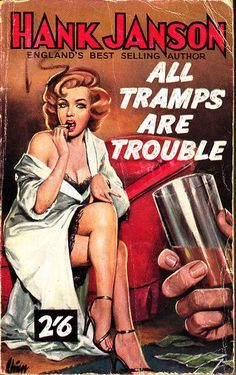
Hank Jansen – about 220 novels with titles like Frails Can Be So Tough and Broads Don’t Scare Easy


Leslie Charteris – umpteen novels (he created The Saint)

Dennis Wheatley – also umpteen

Erle Stanley Gardner – 80-plus mystery novels

Mickey Spillane – not that many novels but he did brag that he could turn out one in three days if he was pushed

Stephen King – 54 novels and going strong

There’s a constant strand of what you might call research fiction in the bestsellers – The Agony and the Ecstasy, which was the life of Michaelangelo fictionalized by Irving Stone, Hawaii, which is the fictionalized story of Hawaii by James Michener, Hotel, Airport, Wheels, The Moneychangers - all by Arthur Hailey in which he investigates one industry per novel, then there’s John Grisham and Michael Crichton. Some of ‘em contract out the research.
There’s an assumption that bestsellers are the fast food of fiction, to be scraped off the shoes of any readers of proper literature before entering a decent household; but sometimes great novels actually sell well, such as

Gentlemen Prefer Blondes
Main Street
The Grapes of Wrath
All the King’s Men
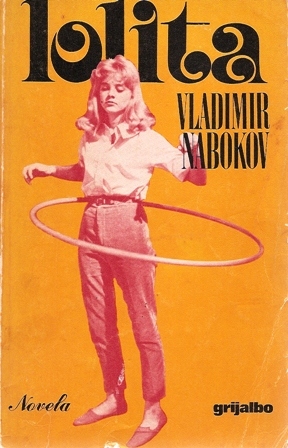
Lolita

The Naked and the Dead
Lady Chatterley’s Lover (guess why)
Couples
Portnoy’s Complaint
Humboldt’s Gift
Ragtime
Sophie’s Choice
The Handmaid’s Tale
The Satanic Verses
The Bonfire of the Vanities


Some big name authors, as you have noticed, turn themselves into franchises and brands – new James Bond novels are produced without the need for the frankly deceased Ian Fleming; likewise V C Andrews novels continued to be published as “A V C Andrews novel by Andrew Neiderman”. If only they’d have thought to do that with Charles Dickens or Shakespeare.
Unwittingly I seem to have become a John Sutherland fanboy – I have now read this one, plus his very amusing Lives of the Novelists, plus his also amusing 50 Literature Ideas you Really Need to Know, plus his strange, annoying, but never boring How to be Well Read. Perhaps he is stalking me.


Profile Image for Damaskcat.
1,782 reviews4 followers
October 24, 2016
I enjoy reading books about books and John Sutherland writes well about books of all kinds. He has an entertaining and approachable style and makes his subject very readable. Here he looks at the phenomenon of the bestseller. The book is not an exhaustive list of bestsellers in the UK and in the US as it is a short introduction but it does look at the highlights as well as some unexpected bestsellers on both sides of the Atlantic.

The book starts by defining a bestseller and then goes on to look at books which have made it to the top in the US and the UK. Some of the time this is the same books but at other times the books which have caught the public imagination are completely different. I found it interesting that a book has to sell more copies now in the twenty first century to make the bestseller lists than in the late nineteenth century when the concept of the bestseller first appeared in the media.

I found this entertaining and informative reading and it reminded me of some of the books I read years ago. I was quite surprised to realise that many of the early twentieth century bestsellers are still in print even now, a hundred years later, thanks to the e-book revolution.

The Kindle edition of this book has an active index - always a useful feature of a non-fiction book. It contains a useful list of further reading. If you want a quick survey of the books which have caught the public imagination over the last century or so then this would be a good book to start with.
Profile Image for lina ✰.
439 reviews
January 21, 2025
if i had to read this for my sepr, i'm absolutely logging it on goodreads
Profile Image for Abbey.
641 reviews73 followers
March 8, 2012
Not at all what I expected, this terse and dull little book had no lists, no wonderful pile of book titles for me to peruse and, likely, add to my TBRs - the main reason I picked it up. Yes, there were tons of books mentioned in the text but while it attempted to be "chatty" the presentation, to me, only succeeded in being boring! The author writes well, but extremely pedantically, and this wasn't my cuppa. A handy little book to read while you're waiting in a long line, perhaps, but I've got lots of other, far more interesting, books to read, thank you very much.
Profile Image for Nancy.
853 reviews22 followers
June 4, 2015
This was an interesting, albeit very brief overview of the phenomenon of the bestseller. I think it started well, but the two sections on the US and UK market lost their way a little for me. I would have been more interested to learn about what made them bestsellers - something tantalisingly touched on in the beginning - rather than the lists of bestsellers which the sections became. Also, the final section about the digital revolution was skimmed over with almost no detail. Nevertheless, it was an interesting enough read.
Profile Image for Gabriel Benitez.
Author 47 books25 followers
Read
July 17, 2024
Todos aquellos románticos que creen que Gutenberg inventó la imprenta como un medio para transmitir cultura, están muy equivocados. La imprenta fue inventada para “piratear” la cultura, algo muy diferente, que se encontraba en los libros de “scriptorum”, o sea, todos aquellos hechos con amanuenses que transcribían un libro a mano para sus clientes. Obviamente los precios eran exorbitantes, pero la imprenta Gutenberg podía sacar varios de ellos al mismo tiempo. De hecho, el libro fue el primer producto de fabricación masiva en el planeta. El libro Gutenberg no es artesanal.
Es así que la industria del libro siempre ha estado marcada por la búsqueda de lo comercial (si un libro no lo compra nadie, entonces no tiene demanda) y el Bestseller, o el mejor vendido, se convertiría en el sostén de la industria hasta ahora.
Los exquisitos literarios consideran que estos libros ―por lo regular novelas ―son solo divertimentos intrascendentes, burdos y vulgares, que no ofrecen más que escapismo a sus lectores. Y puede que tengan razón… hasta que no la tienen.
El Bestseller nace como concepto en los Estados Unidos, un país que no sacraliza al libro, sino que lo considera, de entrada, otro producto comercial más. Sin embargo, todos sabemos que la literatura va más allá, porque la prosa, en especial, no es solo entretenimiento, sino también un estupendo vehículo para las ideas y las filosofías. Las visiones del mundo, de la gente, llegan empaquetadas en forma de una historia que nos puede atrapar o que, por el contrario, nos pueden llegar a repugnar. Sin embargo, fueron los Estados Unidos los primeros en lograr algo: hacer accesible el libro al público en general.
En Gran Bretaña, por ejemplo, el concepto de Bestseller les asqueaba. La idea de ellos era que colocar en una jerarquía a un libro, solo porque era el más vendido, influía negativamente en los lectores, haciendo que se centraran en un solo árbol cuando había todo un bosque. Por otra parte, en Gran Bretaña, el negocio del libro no era de la editorial hacia los lectores, sino de la editorial a los intermediarios. En otras palabras, el libro era muy caro (pero MUY caro) y no todos podían darse el lujo de comprarlos. Pero las bibliotecas y ciertos negocios sí los compraban para luego RENTARLOS a sus lectores (durante algún tiempo ocurrió en México algo así con las revistas y las historietas). Así que hasta bien entrado el siglo XX muchos ingleses estaban afiliados a bibliotecas públicas y privadas donde obtenían sus lecturas.
Este estupendo libro nos da todo un tour por el mundo del Bestseller, conoceremos (o reconoceremos) a muchos escritores consagrados y otros olvidados que vendían millones de copias (o que siguen vendiendo). Cuando yo estaba chico, en casa de mis dos abuelas podía yo ver montones y montones de literatura, gente como A. J. Cronin, W. Somerset Maugham, Ernest Hemingway y obras como El Pozo de la Soledad, La ciudadela y La isla de los hombres solos me eran bien conocidas (conocidas solo por la portada y la contraportada, claro) y en mi propia casa había muchos libros de Irving Wallace (El hombre, La palabra, El almanaque de lo insólito, el premio nobel entre otros) un bestselerazo de aquellos que ya prácticamente nadie conoce, pero que en su tiempo ganaban la lana del mundo (como hoy Stephen King, John Grisham o Dan Brown).
Entenderemos como estos escritores suben hasta las nubes y bajan hasta el olvido (aunque no todos), entraremos en la discusión de si debe llamárseles a estos libros “Bestsellers” o “Fastsellers” y entenderemos el porqué de su fugacidad editorial. Pero además veremos cómo estas obras son el espejo de la época que las creó y como la literatura popular ha gestado verdaderas obras maestras que se han convertido en clásicos.
Es interesante ver como el futuro del libro se está pareciendo mucho al pasado y lo nuevo que nos llega con el libro electrónico no es tan nuevo como parece.
Creo que no se puede entender la cultura, cuando no se ha entendido bien al mundo del libro, y esta pequeña introducción, en lo particular, es un buen comienzo para ello.
Profile Image for Kathy KS.
1,441 reviews8 followers
December 15, 2023
I read books like this because I enjoy learning about some of the books I may have missed in my reading over the decades. I've even given presentations on bestsellers from 1895-1945 to groups; they are usually well-received because audiences seem to love to reminisce about books they've read in their younger days.

But I just couldn't connect with this book and/or the author. Yes, I did learn some interesting tidbits and enjoyed reliving some of my own favorites during my lifetime. The flow of the book seemed to jump around; even though it was largely chronological, this wasn't always the case. I also felt that the author actually seemed to be looking down on readers of most "best sellers." Librarians have discussed the whole "reading to improve oneself" or "reading for pleasure" issue over the centuries. Obviously, I am a supporter of both, but lean toward the second, personally.

But I have two main beefs with the author's presentation. Firstly, the first quarter of the book (and some beyond) seemed to be whining about the fact that most of the American bestseller lists (they began them first) were actually British authors. He makes it sound like this was bad (yes, the copyright issue/pirating was a problem in very early years), but I would think they'd be proud that readers enjoyed the books regardless of the authors' nationalities.

Another issue I have is the sources of his information. Once in awhile he mentions where his information came from, but there is no regular use of footnotes/endnotes. His use of a bibliographical essay at the end, rather than a standard bibliography or source list muddles things up even more. Go ahead leave the essay, if one must, but a formalized bibliography makes it easier to track down specific items.

So, yes, I learned somethings to think about, but overall I didn't feel it added to much to my own knowledge. Sutherland did use Alice Payne Hackett's 80 years of best sellers, 1895-1975 (or older editions), but he seems to have picked and chosen who to talk about. The main noticeable absence, for me, was that he never mentioned George Barr McCutcheon. McCutcheon had six books in the top 10 from 1901-1914. Several were from his Graustark series, which was in the "Ruritarian novel" category of Hope's The Prisoner of Zenda. His work is probably also familiar with more modern audiences because two movies were adapted from his novel, Brewster's Millions.

Readers who are interested in older popular books might find this of interest. The books he mentions go up into the early 21st century, too.
Profile Image for FrancescoInari.
138 reviews2 followers
December 21, 2022
"We didn't start the fire", as Billy Joel sang.

Bestsellers is probably my favorite "find" of the year: eminent professor John Sutherland gives us a pretty long summary of the history of bestsellerism, from its cultural implications to specific authors, movements, ideas and most importantly how literature and history influenced each other in the last (about) two hundred years. This is very important, not only because you might learn something useful about how the publishing industry influences the works that you love (or in some cases the one you probably never heard about) but also because it highlights how much our collective "minds" are ultimately intertwined with the ink and paper that many people before us brought together, and hopefully that many after us will.
10 reviews
May 21, 2018
It's very interesting to see the comparison of the publication culture and Bestsellers evolvement in US and Europe, the dynamic relationship and distinction between Bestsellers and classics. This is one of most interesting a very short introduction books I've read so far. Maybe because I'm not so familiar with the literature in US and UK, I found it a bit hard for me to associate with many Bestseller names introduced in the book.
Profile Image for Ogi Ogas.
Author 11 books121 followers
April 29, 2022
My ratings of books on Goodreads are solely a crude ranking of their utility to me, and not an evaluation of literary merit, entertainment value, social importance, humor, insightfulness, scientific accuracy, creative vigor, suspensefulness of plot, depth of characters, vitality of theme, excitement of climax, satisfaction of ending, or any other combination of dimensions of value which we are expected to boil down through some fabulous alchemy into a single digit.
96 reviews7 followers
December 21, 2024
There are some interesting things here including the discussion of the economics of the mass-market paperback and the relationship between film and books, but ultimately it's a pretty simplistic "all bestsellers are ephemeral trash" offering. The part on the future of the bestseller, which takes up a good 10% of the book, is best skipped now that we're in the age of book tok etc. I was also surprised to see no sustained discussion of bookselling or book advertising beyond cover design.
Profile Image for Ian.
126 reviews4 followers
February 14, 2021
I wasn’t sure about the wry prose at first, but grew not only accustomed to it but also appreciative. The book is a good starting point for a deeper exploration, providing the reader dozens of milestone novels, key terms and concepts, and further academic reading for those still curious.
Profile Image for Stefan Grieve.
980 reviews41 followers
June 16, 2025
Basic, limited information on the history of bestsellers, good for a quick look at trends and some info related to it. Easy language, not really too in-depth or challenging. I guess everything you would expect.
Profile Image for Donald Schopflocher.
1,466 reviews36 followers
October 13, 2025
Eschews an attempt at a thematic or stylistic analysis of what makes a bestseller in favour of an empirical approach which relies of the contents of various longstanding best seller lists in both the US and UK.
Profile Image for Todd Hogan.
Author 7 books6 followers
April 10, 2018
This reads like a thesis, without much new insight.
Profile Image for Benozir Ahmed.
203 reviews88 followers
December 31, 2020
For few days I’ve been enjoying much to read books written about books and I think its a sure symptom of a book-hoarder.

Review will follow.
Profile Image for Jason Freng.
121 reviews
June 19, 2021
The only negative is that this book was written more than a decade ago so the full-on arrival of e-books isn't discussed, as well as any bestseller post Da Vinci Code.
Profile Image for Tony.
154 reviews44 followers
December 29, 2014
What is a best-seller? In many ways it’s a misnomer. The Pilgrim's Progress has sold many more copies than The Da Vinci Code, but the critical difference is that the latter sold faster during a brief period. Identifying books as noteworthy primarily for selling quickly started out as largely an American phenomenon. Publishers in the US were proponents of stack-em-high-and-sell-em-cheap, with lurid covers and advertising to the public, long before the British joined in — for most of the 20th Century, book prices in the UK were fixed according to the Net Book Agreement, and most people got their books from libraries (to whom the majority of advertising was directed, through the trade press). The primary UK mass-market publisher, Penguin, believed it vulgar to even put pictures on the covers.

Eventually, however, the two markets largely homogenised, and barring a few interesting and informative differences, the top-selling charts from each country are remarkably similar these days — and, in both cases, largely dominated by big stars who can churn out a several-million-selling book every year or two. (Interestingly, the sales required to be the top seller each year have been consistently rising: the volume required to top the chart ten years ago would barely get you in the top 5 today.) Most are ephemeral: barely read at all a few years later (other than by fans catching up on their new favourite author’s prior work), and — unless they get turned into a movie — entirely forgotten within a few decades.

But, as a snapshot of a particular time, they’re highly revealing. Why were millions of people reading a particular book at a particular time?


One can attempt to answer the puzzle by revisiting those years, recovering what one can of the Zeitgeist, and pondering the coincidence of factors – ideological, social, cultural, commercial – which led to the novel’s hitting that particular historical mark. The bestseller, regarded in this light, is a literary experiment that works, for its time. But, typically, only for its time. Regarded carefully, it can be seen to fit the period that gave it birth as a tailored glove fits the hand. Given their diversity, bestsellers can, but often don’t, repay close literary-critical attention. But for what they tell us about the host society in which, briefly, they came good, bestsellers are among the most informative literary-historical evidence available to us.


This, however, is where this specific book goes awry. It makes this lofty claim — and then fails to deliver on it, instead painstakingly (for which read ‘painfully’) taking us through a hundred years of US and UK best-sellers, with a couple of sentences on each, largely devoid of anything interesting, let alone insightful.

At times this reads like a 19th Century anthropological study. Sutherland is sent into a world he doesn’t seem much to like, faithfully cataloging what he sees, but with no real understanding of it (other than the certainty that it’s inferior to his world). At times you can almost sense him pleading with the series editor: “I’ll gladly write about these books, but please please please don’t make me read any of the beastly things!”.

No matter how he looks at it, he can’t really come up with any plausible reason why people would read best-sellers rather than classics, other than irrationality — down largely to either susceptibility to advertising, or misplaced loyalty to an author or genre.

"Why, when reading is so private an activity, should people want, so simultaneously, the one ‘book of the day’?” he asks. There are many possible answers that a book supposedly all about the topic should really examine, but Sutherland seems largely at a loss. He can’t even seem to fathom, for example, that even though the reading itself might be private, people might actually want to be part of a wider conversation amongst other people who’ve read the same books.

For an introductory overview of the mass-market publishing industries in the UK and US over the past century or so, three stars. For insight into what the best-sellers actually tell us: one star.
Profile Image for Staszek.
17 reviews4 followers
April 27, 2015
This is mostly an enumerative, boring, unenlightening description of scores of bestselling books published in the US and the UK since the late 19th century until the 2000s. There's hardly a shred of any economic, sociological, or literary analysis here, and if you're desperate for plot summaries, you will likely find more comprehensive ones at Wikipedia (or, frankly, anywhere but here).

Some isolated remarks (like the one about 'bestsellers' vs. 'fastsellers') are interesting enough, the book is not a bad read, and Sutherland has done some information compiling which may be useful to readers interested in the history of publishing. Designed differently and delivered in a systematic manner—not as a series of unrelated anecdata—this could have been a decent reference book. Right now, it is nothing more than a disappointment.
Profile Image for Ian.
196 reviews14 followers
January 14, 2016
Basically a Wikipedia page that got cut for being too lengthy. There's some really interesting stuff at the start about the historical differences between US and UK publishing, like how the UK despised the idea of a popular book list ("ugh, the masses are so DISGUSTING, Martha"), and how the US started by out-right ripping off British authors. Once you get past that, it's a pretty uninteresting slog with little to note. I'm sure it might be of use to some college student writing a paper, but to everyone else, just skim the first chapter and skip the rest.
Profile Image for ·.
499 reviews
July 5, 2024
(17 February, 2022)

Good stuff and well done but this should have been called 'Bestsellers: A Super Short History Of...'. I was looking for an exegesis on the popularity of bestsellers and why a lot of them are crap! I am a book snob and wanted to understand the urge to follow everybody else by reading the present 'It' novel. But no, it was not to be. While disappointed, it was still fun learning the different kinds of English language bestsellers on both sides of the Atlantic (and a very little bit of why they were so, maybe).
Profile Image for A.M..
Author 11 books97 followers
April 9, 2010
The text is often rather witty, but there is only so many lists of historical bestsellers I can handle before my head explodes. I was expecting more discussion and less fact-listing -- I'd recommend this to publishing history buffs, but it may not suit your needs if you want something more focused on the whys of a bestseller.
Profile Image for Sarah.
811 reviews
July 9, 2012
Quirky and opinionated, but with great information on British and U.S. bestsellers from the nineteenth century through 2009. The conclusion was disappointing, and I wanted more of an overarching argument. Sometimes too cranky, but full of wit. It'll be interested to see what students make of this one!
Profile Image for Ellie.
171 reviews2 followers
November 4, 2013
Rather than an overview of bestselling works throughout the years, this is more of an exploration of what bestseller status means in western culture and how it has changed since the first bestseller lists were created. I thought the most interesting part was the (unfortunately fairly brief) discussion of the difference between British and American reading culture.
Profile Image for Belen Ontheroad.
11 reviews
January 3, 2016
MIS NOTAS:

Sería interesante el mismo ejercicio con:

* Bestsellers en España y en Latinoamérica, de forma comparada. Muy interesante las convergencias.

* Premios Planeta

* Evolución de los Blockbusters.

* Evolución de las pelis españolas que triunfan.

* Space Opera (basada en Star Wars + Juego de Tronos + Imperio Británica).
Profile Image for Angela Maher.
Author 20 books32 followers
July 11, 2015
A fairly good overview of what a bestseller is, and isn't, and the factors that influence sales. It won't tell you how to write one, nor does it go into any detail on individual books, but if you like books it has some interest.
Displaying 1 - 30 of 41 reviews

Can't find what you're looking for?

Get help and learn more about the design.