

What do you think?

What Is This Thing Called Love: Poems
Poetry from the author of Tell Me, a finalist for the National Book Award.
A chestnut with a white blaze is scorching across the turf towards the finishing post.
A chestnut with a white blaze is scorching across the turf towards the finishing post.
129 pages, Kindle Edition
First published January 8, 2004
About the author
Kim Addonizio
66 books625 followersAuthor of several poetry collections including Tell Me, a National Book Award Finalist. My Black Angel is a book of blues poems with woodcuts by Charles D. Jones, from SFA Press. The Palace of Illusions is a story collection from Counterpoint/Soft Skull. A New & Selected, Wild Nights, is out in the UK from Bloodaxe Books.
2016 publications: Mortal Trash, new poems, from W.W. Norton, awarded the Paterson Poetry Prize. A memoir, Bukowski in a Sundress: Confessions from a Writing Life, from Penguin.
Two instructional books on writing poetry: The Poet's Companion (with Dorianne Laux), and Ordinary Genius: A Guide for the Poet Within.
First novel, Little Beauties, was published by Simon & Schuster and chosen as "Best Book of the Month" by Book of the Month Club. My Dreams Out in the Street, second novel, released by Simon & Schuster in 2007.
A new word/music CD, "My Black Angel, "is a collaboration with several musicians and contains all the poems in the book of that name. That and an earlier word/music CD with poet Susan Browne, "Swearing, Smoking, Drinking, & Kissing," available from cdbaby.com. There's an earlier book of stories, In the Box Called Pleasure (FC2); and the anthology Dorothy Parker's Elbow: Tattoos on Writers, Writers on Tattoos,, co-edited with Cheryl Dumesnil.
I teach poetry workshops at conferences and online through my web site. I also play blues harmonica, and I'm learning jazz flute. Music is a good place to focus when I'm in a writing slump.
2016 publications: Mortal Trash, new poems, from W.W. Norton, awarded the Paterson Poetry Prize. A memoir, Bukowski in a Sundress: Confessions from a Writing Life, from Penguin.
Two instructional books on writing poetry: The Poet's Companion (with Dorianne Laux), and Ordinary Genius: A Guide for the Poet Within.
First novel, Little Beauties, was published by Simon & Schuster and chosen as "Best Book of the Month" by Book of the Month Club. My Dreams Out in the Street, second novel, released by Simon & Schuster in 2007.
A new word/music CD, "My Black Angel, "is a collaboration with several musicians and contains all the poems in the book of that name. That and an earlier word/music CD with poet Susan Browne, "Swearing, Smoking, Drinking, & Kissing," available from cdbaby.com. There's an earlier book of stories, In the Box Called Pleasure (FC2); and the anthology Dorothy Parker's Elbow: Tattoos on Writers, Writers on Tattoos,, co-edited with Cheryl Dumesnil.
I teach poetry workshops at conferences and online through my web site. I also play blues harmonica, and I'm learning jazz flute. Music is a good place to focus when I'm in a writing slump.
Ratings & Reviews
Friends & Following
Create a free account to discover what your friends think of this book!
Community Reviews
Displaying 1 - 30 of 186 reviews

June 29, 2016
First Kiss
Kim Addonizio
Afterwards you had that drunk, drugged look
my daughter used to get, when she had let go
of my nipple, her mouth gone slack and her eyes
turned vague and filmy, as though behind them
the milk was rising up to fill her
whole head, that would loll on the small
white stalk of her neck so I would have to hold her
closer, amazed at the sheer power
of satiety, which was nothing like the needing
to be fed, the wild flailing and crying until she fastened
herself to me and made the seal tight
between us, and sucked, drawing the liquid down
and out of my body; no, this was the crowning
moment, this giving of herself, knowing
she could show me how helpless
she was—that’s what I saw, that night when you
pulled your mouth from mine and
leaned back against a chain-link fence,
in front of a burned-out church: a man
who was going to be that vulnerable,
that easy and impossible to hurt.
The review should probably just end there, per my discussion with Roger. In oher words, that poem is all you need to put the book on your TBR list. Ah, but I can’t resist, damn it, so here goes:
Isaac Asimov wrote a short story in response to an essay he had read in Playboy asserting that most science fiction is about aliens and sex. Asimov probably found this thesis hilarious. Anyway, the story was published with a new title, “What is This Thing Called Love?” taken from Cole Porter’s song by the same name:
https://en.wikipedia.org/w/index.php?...
Here is the incomparable Ella Fitzgerald singing the Cole Porter song by the same name, just for the hell of it, and well, it does have something to do with the underlying purpose of the poems in this collection, maybe:
https://www.youtube.com/watch?v=qo2P7...
You’re welcome.
I think Addonizio has in mind in this book the work of poet Sharon Olds, who wrote with similar confessional boldness about sex and death. One poem actually references Olds. Both write about the body in sexual heat, the aging body, death. Addonizio once said if you write poetry and you don’t also read poetry your writing is going to suck. Addonizio reads Olds and her poetry doesn’t suck. At all. Narrative, reflective poetry, with pizazz, with edge, with passion, honesty, humor, sadness, keen observation.
I like it that she takes on interesting formal challenges, including a paradelle (sort of like a parody of a villanelle), from Billy Collins, who made up the form. And I was introduced to a sonnenizio. She gives you models to work from, hooks you can build on yourself to write poetry "in the manner of," or topics you know you have something to write about. Any topic, any form, play, but play rough or for real.
In this book you will find:
* a poem about ex-boyfriends.
* poems about her mother’s body’s decline, her own body’s decline, and a poem about watching her young daughter get dressed to go out on the town, putting on lipstick, and so on.
* blues poems. “Blues for Robert Johnson.”
Some favorite lines/titles:
“Love's merciless, the way it travels in and keeps emitting light.”
“When he takes off his clothes I think of a stick of butter being unwrapped. . .”
“This Poem Wants to be a Rock and Roll Poem So Bad”.
“Tonight I am awed by all the people making love
While I sit alone in my pajamas in a foreign country.”
“Chicken”: “Why did she cross the road?”
Addonizio also writes about memory: “What happened, happened once. So now it’s best in memory--an orange sliced; the skin unbroken, then the knife, the chilled wedge lifted to my mouth, his mouth. . .”
And this last poem that brings everything all together:
Kisses
Kim Addonizio
All the kisses I’ve ever been given, today I feel them on my mouth
And my knees feel them, the reckless ones placed there
through the holes in my jeans while I sat on a car hood
or a broken sofa in somebody’s basement, the way I was
in those days, still amazed that boys and even men would want to
lower their beautiful heads like horses drinking from a river and taste me.
The back of my neck feels them, my hair swept aside to expose the nape,
and my breasts tingle the way they did when my milk came in after the birth,
when I was swollen, and sleepless, and my daughter fed and fed until I pried
her from me and laid her in her crib. Even the chaste kisses that brushed
my check, the fatherly ones on my forehead, I feel them rising up from underneath
the skin of the past, a delicate, roseate rash; and the ravishing ones, God,
I think of them and the filaments in my brain start buzzing crazily and flare out.
Every kiss is here somewhere, all over me like a fine, shiny grit, like I’m a pale
fish that’s been dipped in a thick swirl of raw egg and dragged through flour,
slid down into a deep skillet, into burning. Today I know I’ve lost no one.
My loves are here: wrists, eyelids, damp toes, all scars, and my mouth
pouring praises, still asking, saying kiss me; when I’m dead kiss this poem,
it needs you to know it goes on, give it your lovely mouth, your living tongue.
Kim Addonizio
Afterwards you had that drunk, drugged look
my daughter used to get, when she had let go
of my nipple, her mouth gone slack and her eyes
turned vague and filmy, as though behind them
the milk was rising up to fill her
whole head, that would loll on the small
white stalk of her neck so I would have to hold her
closer, amazed at the sheer power
of satiety, which was nothing like the needing
to be fed, the wild flailing and crying until she fastened
herself to me and made the seal tight
between us, and sucked, drawing the liquid down
and out of my body; no, this was the crowning
moment, this giving of herself, knowing
she could show me how helpless
she was—that’s what I saw, that night when you
pulled your mouth from mine and
leaned back against a chain-link fence,
in front of a burned-out church: a man
who was going to be that vulnerable,
that easy and impossible to hurt.
The review should probably just end there, per my discussion with Roger. In oher words, that poem is all you need to put the book on your TBR list. Ah, but I can’t resist, damn it, so here goes:
Isaac Asimov wrote a short story in response to an essay he had read in Playboy asserting that most science fiction is about aliens and sex. Asimov probably found this thesis hilarious. Anyway, the story was published with a new title, “What is This Thing Called Love?” taken from Cole Porter’s song by the same name:
https://en.wikipedia.org/w/index.php?...
Here is the incomparable Ella Fitzgerald singing the Cole Porter song by the same name, just for the hell of it, and well, it does have something to do with the underlying purpose of the poems in this collection, maybe:
https://www.youtube.com/watch?v=qo2P7...
You’re welcome.
I think Addonizio has in mind in this book the work of poet Sharon Olds, who wrote with similar confessional boldness about sex and death. One poem actually references Olds. Both write about the body in sexual heat, the aging body, death. Addonizio once said if you write poetry and you don’t also read poetry your writing is going to suck. Addonizio reads Olds and her poetry doesn’t suck. At all. Narrative, reflective poetry, with pizazz, with edge, with passion, honesty, humor, sadness, keen observation.
I like it that she takes on interesting formal challenges, including a paradelle (sort of like a parody of a villanelle), from Billy Collins, who made up the form. And I was introduced to a sonnenizio. She gives you models to work from, hooks you can build on yourself to write poetry "in the manner of," or topics you know you have something to write about. Any topic, any form, play, but play rough or for real.
In this book you will find:
* a poem about ex-boyfriends.
* poems about her mother’s body’s decline, her own body’s decline, and a poem about watching her young daughter get dressed to go out on the town, putting on lipstick, and so on.
* blues poems. “Blues for Robert Johnson.”
Some favorite lines/titles:
“Love's merciless, the way it travels in and keeps emitting light.”
“When he takes off his clothes I think of a stick of butter being unwrapped. . .”
“This Poem Wants to be a Rock and Roll Poem So Bad”.
“Tonight I am awed by all the people making love
While I sit alone in my pajamas in a foreign country.”
“Chicken”: “Why did she cross the road?”
Addonizio also writes about memory: “What happened, happened once. So now it’s best in memory--an orange sliced; the skin unbroken, then the knife, the chilled wedge lifted to my mouth, his mouth. . .”
And this last poem that brings everything all together:
Kisses
Kim Addonizio
All the kisses I’ve ever been given, today I feel them on my mouth
And my knees feel them, the reckless ones placed there
through the holes in my jeans while I sat on a car hood
or a broken sofa in somebody’s basement, the way I was
in those days, still amazed that boys and even men would want to
lower their beautiful heads like horses drinking from a river and taste me.
The back of my neck feels them, my hair swept aside to expose the nape,
and my breasts tingle the way they did when my milk came in after the birth,
when I was swollen, and sleepless, and my daughter fed and fed until I pried
her from me and laid her in her crib. Even the chaste kisses that brushed
my check, the fatherly ones on my forehead, I feel them rising up from underneath
the skin of the past, a delicate, roseate rash; and the ravishing ones, God,
I think of them and the filaments in my brain start buzzing crazily and flare out.
Every kiss is here somewhere, all over me like a fine, shiny grit, like I’m a pale
fish that’s been dipped in a thick swirl of raw egg and dragged through flour,
slid down into a deep skillet, into burning. Today I know I’ve lost no one.
My loves are here: wrists, eyelids, damp toes, all scars, and my mouth
pouring praises, still asking, saying kiss me; when I’m dead kiss this poem,
it needs you to know it goes on, give it your lovely mouth, your living tongue.

March 12, 2018
Reading poetry from a familiar poet and knowing it's going to be good is one thing, reading poetry from a poet you know nothing about and being blown away is quite another. Kim Addonizio has reaffirmed my faith that poetry in the 21st century is alive and kicking. Her verse is down to earth, dealing with everyday issues, and I love the fact she doesn't hold back, expressing her most intimate thoughts with a sexuality you can almost feel dripping from her words. It's uncomfortable and raw at times, provocative and edgy, but also sweepingly beautiful, exploring the pleasures of love, sex, the pains of mourning, and the efforts of motherhood. The first two parts of this five-part collection repeat single subjects as well, first the erotic life, then moving on to death, before getting lighter in tone towards the end. Addonizio touches on these subjects in a glancing and contemporary manner in a way that stretches, squeezes, and reshapes these topics to result in a brilliant collection. Written from the head, from the heart, and from the guts. This is in-your-face poetry that hits the core. Will definitely seek out more of her work.
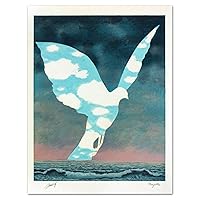
First Kiss
Afterwards you had that drunk, drugged look
my daughter used to get, when she had let go
of my nipple, her mouth gone slack and her eyes
turned vague and filmy, as though behind them
the milk was rising up to fill her
whole head, that would loll on the small
white stalk of her neck so I would have to hold her
closer, amazed at the sheer power
of satiety, which was nothing like the needing
to be fed, the wild flailing and crying until she fastened
herself to me and made the seal tight
between us, and sucked, drawing the liquid down
and out of my body; no, this was the crowning
moment, this giving of herself, knowing
she could show me how helpless
she was—that’s what I saw, that night when you
pulled your mouth from mine and
leaned back against a chain-link fence,
in front of a burned-out church: a man
who was going to be that vulnerable,
that easy and impossible to hurt.
September 25, 2019
Kisses
All the kisses I’ve ever been given, today I feel them on my mouth,
And my knees feel them, the reckless ones placed there
through the holes in my jeans while I sat on a car hood
or a broken sofa in somebody’s basement, stoned, the way I was
in those days, still amazed that boys and even men would want to
lower their beautiful heads like horses drinking from a river and taste me.
The back of my neck feels them, my hair swept aside to expose my nape,
and my breasts tingle the way they did when my milk came in after the birth,
when I was swollen, and sleepless, and my daughter fed and fed until I pried
her from me and laid her in her crib. Even the chaste kisses that brushed
my cheeks, the fatherly ones on my forehead, I feel them rising up from underneath
the skin of the past, a delicate, roseate rash; and the ravishing ones, God,
I think of them and the filaments in my brain start buzzing crazily and flare out.
Every kiss is here somewhere, all over me like a fine, shiny grit, like I’m a pale
fish that’s been dipped in a thick swirl of raw egg and dragged through flour,
slid down into a deep skillet, into burning. Today I know I’ve lost no one.
My loves are here: wrists, eyelids, damp toes, all scars, and my mouth
pouring praises, still asking, saying kiss me; when I’m dead kiss this poem,
it needs you to know it goes on, give it your lovely mouth.
Ravishing and tender, these knock-out poems of contemporary life. The book begins and ends on high notes: starting with my favorite: First Kiss, quoted in full in Steven Godin’s excellent review that introduced me to this poet: https://www.goodreads.com/review/show... — and ending with Kisses (quoted in full, above). The book's title and quite a few of the poems' titles and themes play on the names of old jazz and blues standards — Stolen Moments, So What, You Don’t Know What Love Is, ‘Round Midnight, Lush Life, etc.. Some are sonnets, including a sonnenizio, and other formal rhymed poems, including at least one written in a blues cadence: Missing Boy Blues. Kim Addonizio is slyly sophisticated. Many of her poems seem confessional but are not. According to an interview, she creates fictional first-person personas and fictional stories for them — the “I” of the poem is not necessarily Kim Addonizio, but pretends to be. It reads like real life.
This poetry can be enjoyed on many levels. I'm sure there were many literary and musical references I did not catch, but that gives me the sense that there is more to discover. She writes a lot of poems about drinking and the fear not so much of aging itself as of the boredom of aging--but she’s original enough to carry these themes off without producing boring poems. The book is divided into five untitled sections. The second section contains most of her poems about death -- so many together that it’s hard to take. This one especially haunts me:
Missing Boy Blues
I’m lying in a field, hope you find me pretty soon.
Lying in a field, hope you find me pretty soon.
I’m afraid of being nothing but a few old bones.
If I think of my name, then maybe you’ll hear it.
If I think of my name then maybe you’ll hear.
Grass blade. Crow eye. Crushed berry. Worm in the dirt.
In science we had a life-sized skeleton.
It hung in the classroom all year long.
It hung by the blackboard, all alone . . . .
Sacrum, parietal, metacarpal bone.
I failed the test, got too many answers wrong.
Once I asked my mother if God was all over.
I asked if He saw us. I had a high fever—
She said she didn’t know, and straightened my covers.
Then she kissed my face; then she kissed my hair.
(Then he tore my pajamas and my legs were bare.)
If you’re still looking for me, you won’t find me anywhere.
* * * * *
My favorites poems, whether formal or free verse, were the ones that touched on her intimate relationships — not only with men, but with her daughter, her family, her friends. In fact long-term love with a man seems ever-elusive . . . so sings the title song …
https://www.youtube.com/watch?v=RCmn6...
All the kisses I’ve ever been given, today I feel them on my mouth,
And my knees feel them, the reckless ones placed there
through the holes in my jeans while I sat on a car hood
or a broken sofa in somebody’s basement, stoned, the way I was
in those days, still amazed that boys and even men would want to
lower their beautiful heads like horses drinking from a river and taste me.
The back of my neck feels them, my hair swept aside to expose my nape,
and my breasts tingle the way they did when my milk came in after the birth,
when I was swollen, and sleepless, and my daughter fed and fed until I pried
her from me and laid her in her crib. Even the chaste kisses that brushed
my cheeks, the fatherly ones on my forehead, I feel them rising up from underneath
the skin of the past, a delicate, roseate rash; and the ravishing ones, God,
I think of them and the filaments in my brain start buzzing crazily and flare out.
Every kiss is here somewhere, all over me like a fine, shiny grit, like I’m a pale
fish that’s been dipped in a thick swirl of raw egg and dragged through flour,
slid down into a deep skillet, into burning. Today I know I’ve lost no one.
My loves are here: wrists, eyelids, damp toes, all scars, and my mouth
pouring praises, still asking, saying kiss me; when I’m dead kiss this poem,
it needs you to know it goes on, give it your lovely mouth.
Ravishing and tender, these knock-out poems of contemporary life. The book begins and ends on high notes: starting with my favorite: First Kiss, quoted in full in Steven Godin’s excellent review that introduced me to this poet: https://www.goodreads.com/review/show... — and ending with Kisses (quoted in full, above). The book's title and quite a few of the poems' titles and themes play on the names of old jazz and blues standards — Stolen Moments, So What, You Don’t Know What Love Is, ‘Round Midnight, Lush Life, etc.. Some are sonnets, including a sonnenizio, and other formal rhymed poems, including at least one written in a blues cadence: Missing Boy Blues. Kim Addonizio is slyly sophisticated. Many of her poems seem confessional but are not. According to an interview, she creates fictional first-person personas and fictional stories for them — the “I” of the poem is not necessarily Kim Addonizio, but pretends to be. It reads like real life.
This poetry can be enjoyed on many levels. I'm sure there were many literary and musical references I did not catch, but that gives me the sense that there is more to discover. She writes a lot of poems about drinking and the fear not so much of aging itself as of the boredom of aging--but she’s original enough to carry these themes off without producing boring poems. The book is divided into five untitled sections. The second section contains most of her poems about death -- so many together that it’s hard to take. This one especially haunts me:
Missing Boy Blues
I’m lying in a field, hope you find me pretty soon.
Lying in a field, hope you find me pretty soon.
I’m afraid of being nothing but a few old bones.
If I think of my name, then maybe you’ll hear it.
If I think of my name then maybe you’ll hear.
Grass blade. Crow eye. Crushed berry. Worm in the dirt.
In science we had a life-sized skeleton.
It hung in the classroom all year long.
It hung by the blackboard, all alone . . . .
Sacrum, parietal, metacarpal bone.
I failed the test, got too many answers wrong.
Once I asked my mother if God was all over.
I asked if He saw us. I had a high fever—
She said she didn’t know, and straightened my covers.
Then she kissed my face; then she kissed my hair.
(Then he tore my pajamas and my legs were bare.)
If you’re still looking for me, you won’t find me anywhere.
* * * * *
My favorites poems, whether formal or free verse, were the ones that touched on her intimate relationships — not only with men, but with her daughter, her family, her friends. In fact long-term love with a man seems ever-elusive . . . so sings the title song …
https://www.youtube.com/watch?v=RCmn6...

March 5, 2016
I believe I liked this one better than Lucifer at the Starlite but not quite as much as Tell Me. It was still totally excellent and deserves the same five stars as those collections received from me. Favorite poem: "Bugdom."

October 8, 2025
it was just alright….

April 1, 2023
A mediocre collection of poems dealing with the many facets of womanhood. There are some uncomfortable truths explored, as in the poem Knowledge which ruminates on how even though one is fed a diet (through the news, through history and suchlike) of how cruel people can be, one is still shocked by some examples.
“…that somewhere underneath your cynicism
You still held out hope. But that hope has been shattered now,
Irreparably, or so it seems, and you have to go on, afraid
That there is more to know, that one day you will know it.”
There are also universal truths explored such as holidays abroad as a couple, who hasn’t experienced this scene from Blues for Dante Alighieri
”We walked over the Arno and back across.
We walked all day, and in the evening, lost,
Argued and wandered in circles. At last
We found our hotel…”
A fun if unmemorable read.

August 17, 2024
“Sometimes the body
gets so quiet
it can hear the soul,
scratching like something trapped
inside the walls
and trying frantically
to get out.”
this was just fine.
gets so quiet
it can hear the soul,
scratching like something trapped
inside the walls
and trying frantically
to get out.”
this was just fine.

July 26, 2024
fell in love w so many in this one, esp the second half

September 10, 2008
Reading Kim Addonizio is sort of like reading a slutty, less dorky Billy Collins. By that I mean this: It's enjoyable, even sometimes touching, but in the way that hearing from your slightly obnoxious drunk cousin can be entertaining. You get tired of them.
Most of these poems are fun, sometimes even funny, and there is a certain charm of her ability to write about things that most people would simply refuse to turn into a poem; for instance, the crappy computer game "Bugdom" turned out to be whimsically tragic and one of my favorites. But poems like "Fuck" that complain about the arguments against using that word in a poem, just seem to be too whiny and heavy-handed in their hatred of traditional or more conservative poetry.
Anyway, I'm glad I read these poems, but I don't imagine I'll spend much time thinking about them.
Most of these poems are fun, sometimes even funny, and there is a certain charm of her ability to write about things that most people would simply refuse to turn into a poem; for instance, the crappy computer game "Bugdom" turned out to be whimsically tragic and one of my favorites. But poems like "Fuck" that complain about the arguments against using that word in a poem, just seem to be too whiny and heavy-handed in their hatred of traditional or more conservative poetry.
Anyway, I'm glad I read these poems, but I don't imagine I'll spend much time thinking about them.

April 25, 2008
What is this thing called poetry? As a recovering poet, I've devoted no small amount of thought to this subject. The best answer I can give you is tinfoil in the microwave. That's poetry. Unfortunately, most poetry reads more like saran wrap in the refrigerator. Which is why it was such a pleasure to happen upon this collection. While it doesn't quite approach the level of a full-blown kitchen disaster, certainly there are sparks. And it's always nice to find a soul as morbid as I am (see "31-Year-Old Lover;" also, there's an entire section devoted to the D-word--that's Death. As someone who used to write impassioned poems to Azrael, I appreciate this). Also, check out the poem that references Sharon Olds in the title. Soooo good (said in a Teen Girl Squad voice)!
While this book didn't quite shake my notion of poetry as anything other than a doomed, if pretty, exercise in futility, it did serve as a reminder of what I saw in the genre. It was rather like finding a sweater you used to wear all the time in a pile of castoff clothes. You might not go there again, but you look back fondly on what was.
While this book didn't quite shake my notion of poetry as anything other than a doomed, if pretty, exercise in futility, it did serve as a reminder of what I saw in the genre. It was rather like finding a sweater you used to wear all the time in a pile of castoff clothes. You might not go there again, but you look back fondly on what was.

August 31, 2016
It may be easier to speed the process of oxidation than to hold on to the illusions of communication. Nor can the sign for water quench the flames in my lungs. It only inhales loads of silence which connect and separate us according to the twists and turns of the plot.

October 31, 2016
Addonizio is like the feminine equivalent of Bukowski. This analogy came up to my mind even before I fell on the title of her autobiographical pieces in Bukowski In A Sundress. Probably it’s because of the booze and the explicit language in her writings. Actually, she has once defined herself as "Emily Dickinson with a strap-on" and that she got drunk at poetry conferences.
With the frequent employment of bold expressions and smutty imagery in her poems, we get the impression that Addonizio is vicious, brash, depressive, melancholic, cynical, upfront at times, but never pretentious..
https://goo.gl/images/Asl9Xg
When I looked at her pictures the first time, she seemed to me like a tattooed badass biker in a black leather jacket, or a woman with a gothic adolescent appearance that refuses to grow up. That’s to say that I was confused and didn't know what to expect before I start reading her poetry.
However, these poems has revealed to me how beautiful Addonizio is: charismatic when defiantly confronting the stereotypes, intriguing, sexy, dark, 'entière' (a french adjective to describe a frank person that doesn’t care to hide his imperfections) and witty.
I liked her because she writes 'avec ses tripes' (i think the equivalent of this expression in English is “from his guts”).
In my journey of reading poetic texts (and believe me I have read a lot, mostly in Arabic though) I have come to the conviction that the honesty, the integrity and the 'authenticity' of the author are mirrored in his texts, and are as important as his writing skills (that's why I hate every spurious moralistic sentence ever written by Coelho and al. )..
Addonizio is one of those passionate and idiosyncratic poets who write so they won't die.
According to an article in The Guardian, Addonizio wouldn’t hesitate sometimes to use unusual and unacademic devices and methods to teach the poetic terms to her students:
Call someone a douche bag and you’re using metonymy. Tell him he’s an asshole; that’s synecdoche. (LOL)
This hilarious educational methodology reminded me of my father when, one day, he was teaching grammar to my little brother who was having a hard time to learn at school how to conjugate a verb in the 'Muthanna' form in Arabic grammar.. Desperate, he used the words F*** and Bitch in the exercises and it has worked as magic.
Speaking of the F word, here is an excerpt from her poem titled Fuck
There are people who will tell you that using the word fuck in a poem indicates a serious lapse of taste, or imagination,
or both. It’s vulgar, indecorous, an obscenity that crashes down like an anvil falling through a skylight
to land on a restaurant table, on the white linen, the cut-glass vase of lilacs.
Far from being murky and abstract, her poems are accessible for the simplicity and the directness of her language.. So accessible that I rarely had to open the dictionary, and that is rare.
Her extrovert personality is mirrored in her poems that reveal, with unflinching sincerity and an acerbic wit, her strengths and weaknesses, her deceptions, her painful memories, unfulfilled desires..
Like the intimate photographs of Nan Goldin (Btw I was lucky to attend her huge exhibition in Paris in 2007 after winning her well deserved prestigious international prize), Addonizio incorporates her personal experiences into the poems: the loss of her friends, her relationships, her affection to her daughter, the single parenting, the sickness of her mother..
The poems tackle a raw of issues and deals with themes we encounter in the daily life; love, divorce, death, solitude, parenthood.. they are sort of vignettes that capture details of reality.
The 'I' implies the egocentrism of the poet, but at no point Addonizio appears to be self-centered. Even when drowned in her emotions and observations, she identifies herself with the reader in a way (say, when employing the second person narrative) that allows her personal truths to resonate in his experience.
This short video inspired by the poem Creased Map of the Underworld from her collection My Black Angel: Blues Poems & Portraits is amazing. In a touching scene, death is visually illustrated while the poem is recited
https://vimeo.com/129687787
Nothing is so beautiful as death,
thinks Death: stilled lark on the lawn,
its twiggy legs drawn up, squashed blossoms
of skunks and opossums on the freeway,
dog that drags itself trembling down
the front porch step, and stops
in a black-gummed grimace
before toppling into the poppies.
The ugly poppies. In Afghanistan
they are again made beautiful
by a mysterious blight. Ugly
are the arriving American soldiers, newly shorn
and checking their email,
but beautiful when face-up in the road
or their parts scattered
like bullet- or sprinkler-spray
or stellar remains. Lovely
is the nearly expired star
casting its mass into outer space,
lovelier the supernova
tearing itself apart
or collapsing like Lana Turner
in Frank O’Hara’s poem.
Nothing is so beautiful as a poem
except maybe a nightingale,
thinks the poet writing about death,
sinking Lethe-wards. Lovely river
in which the names are carefully entered.
In this quadrant are the rivers of grief and fire.
Grid north. Black azimuth.
Down rivers of Fuck yous and orchids
steer lit hearts in little boats
gamely making their way,
spinning and flaming, flaming
and spiraling, always down--
down, the most beautiful of the directions.
The thoughts and feelings Addonizio openly shares in her poems seems autobiographical and intimate.
Through the verses, we get the impression of knowing her up close and personal.. Reading her texts becomes almost an act of voyeurism as if we, readers, are sneaking up on her private life.
Therefore It was evident for me to categorize her lyric poems as Confessional.
However, I learned when i read her interview that she considers this term as a "curse" and her argument is convincing: she transforms and even lies about some of those experiences. “I killed my mother before she died,” Addonzio writes, in an essay that lists all the times she changed the facts to suit a poem.
(https://www.google.com.lb/amp/s/amp.t...)
My favorite poem in this collection is Eating Together where Addonizio brilliantly conveys melancholy, suffer and death with subtlety (for ex, the mentionning of the young age of the waiter, in contrast with her friend, going through the terminal phase). At no point she speaks to her friend; she avoids the subject and observes her quietly. This heavy silence could be interpreted as the expression of her repressed pain, frustration and sorrow.
My mother is fighting Cancer, so I would like to dedicate it to her:
I know my friend is going,
though she still sits there
across from me in the restaurant,
and leans over the table to dip
her bread in the oil on my plate; I know
how thick her hair used to be,
and what it takes for her to discard
her man’s cap partway through our meal,
to look straight at the young waiter
and smile when he asks
how we are liking it. She eats
as though starving—chicken, dolmata,
the buttery flakes of filo—
and what’s killing her
eats, too. I watch her lift
a glistening black olive and peel
the meat from the pit, watch
her fine long fingers, and her face,
puffy from medication. She lowers
her eyes to the food, pretending
not to know what I know. She’s going.
And we go on eating.
P.S. I posted the same review on her other collection Tell Me, except few additional notes regarding poems included in this one.
Btw I have read Addinizio's poems in English and also in Arabic. An Anthology gathering 60 poems is translated by the Lebanese poet Samer Abou Hawash (Al-Kamel Verlag, 2009).

March 24, 2022
After reading the first fifty pages of this, I had to dnf it. Can't believe it's written by someone who wrote my favourite poetry collection of all time Tell Me: Poem!

August 5, 2023
Some of my favourites:
DEAD GIRLS
show up often in the movies, facedown
in the weeds beside the highway.
Kids find them by the river, or in the woods,
under leaves, one pink-nailed hand thrust up.
Detectives stand over them in studio apartments
or lift their photos off pianos
in the houses they almost grew up in.
A dead girl can kick a movie into gear
better than a saloon brawl, better
than a factory explosion, just
by lying there. Anyone can play her,
any child off the street
can be hog-tied and dumped from a van
or strangled blue in a kitchen, a bathroom,
an alley, a school. That’s the beauty
of a dead girl. Even a plain one
who feels worthless
as a clod of dirt, broken
by the sorrow of gazing all day
at a fashion magazine,
can be made whole, redeemed
by what she finally can’t help being,
the center of attention, the special,
desirable, dead, dead girl.
YOU DON’T KNOW WHAT LOVE IS
but you know how to raise it in me
like a dead girl winched up from a river. How to
wash off the sludge, the stench of our past.
How to start clean. This love even sits up
and blinks; amazed, she takes a few shaky steps.
Any day now she’ll try to eat solid food. She’ll want
to get into a fast car, one low to the ground, and drive
to some cinderblock shithole in the desert
where she can drink and get sick and then
dance in nothing but her underwear. You know
where she’s headed, you know she’ll wake up
with an ache she can’t locate and no money
and a terrible thirst. So to hell
with your warm hands sliding inside my shirt
and your tongue down my throat
like an oxygen tube. Cover me
in black plastic. Let the mourners through.
FIRST KISS
Afterwards you had that drunk, drugged look
my daughter used to get, when she had let go
of my nipple, her mouth gone slack and her eyes
turned vague and filmy, as though behind them
the milk was rising up to fill her
whole head, that would loll on the small
white stalk of her neck so I would have to hold her
closer, amazed at the sheer power
of satiety, which was nothing like the needing
to be fed, the wild flailing and crying until she fastened
herself to me and made the seal tight
between us, and sucked, drawing the liquid down and
out of my body; no, this was the crowning
moment, this giving of herself, knowing
she could show me how helpless
she was—that’s what I saw, that night when you
pulled your mouth from mine and
leaned back against a chain-link fence,
in front of a burned-out church: a man
who was going to be that vulnerable,
that easy and impossible to hurt.
FUCK
There are people who will tell you
that using the word fuck in a poem
indicates a serious lapse
of taste, or imagination,
or both. It’s vulgar,
indecorous, an obscenity
that crashes down like an anvil
falling through a skylight
to land on a restaurant table,
on the white linen, the cut-glass vase of lilacs.
But if you were sitting
over coffee when the metal
hit your saucer like a missile,
wouldn’t that be the first thing
you’d say? Wouldn’t you leap back
shouting, or at least thinking it,
over and over, bell-note riotously clanging
in the church of your brain
while the solicitous waiter
led you away, wouldn’t you prop
your shaking elbows on the bar
and order your first drink in months,
telling yourself you were lucky
to be alive? And if you wouldn’t
say anything but Mercy or Oh my
or Land sakes, well then
I don’t want to know you anyway
and I don’t give a fuck what you think
of my poem. The world is divided
into those whose opinions matter
and those who will never have
a clue, and if you knew
which one you were I could talk
to you, and tell you that sometimes
there’s only one word that means
what you need it to mean, the way
there’s only one person
when you first fall in love,
or one infant’s cry that calls forth
the burning milk, one name
that you pray to when prayer
is what’s left to you. I’m saying
in the beginning was the word
and it was good, it meant one human
entering another and it’s still
what I love, the word made
flesh. Fuck me, I say to the one
whose lovely body I want close,
and as we fuck I know it’s holy,
a psalm, a hymn, a hammer
ringing down on an anvil,
forging a whole new world.
ON KNOCKING OVER MY GLASS WHILE READING SHARON OLDS
The milk spread,
a translucent stain
covering the word milk,
snaking down toward come
and womb and penis, toward gashes
and swiveled, toward the graceful
grey flower and the infelicitous
errless digit, so that suddenly
the page seemed to be weeping,
the way a statue of the Virgin
in some poor but devout parish
might begin to weep, ichor streaming
from the eyes, the open palms,
so that when the girl kneeling
in the rain of the convent yard
touches the mottled white
folds of the stone robe
her lupus disappears. And I felt
as that girl must have felt,
that the Holy Mother herself
had come to reveal
the true nature of the real,
goddess in the statue,
bread in each word’s
black flowering, and I rose
and went to the kitchen—
sacristy of the cupboards,
tabernacle of the fridge—
to refill my glass
with her wild and holy blood.
BODY AND SOUL
Where do you think the soul is?
Do you think it looks like a small paper bag,
the kind that contains one item—
candy bar, liquid soap, pint bottle?
Is it crumpled up behind the heart?
Is it folded neatly, wedged between the ribs,
is it wrapped around the balls, is it damp
like a cunt, has it been torn?
The body isn’t the house.
If the body is the house,
is the soul up late in the kitchen, sleepless,
standing before the open refrigerator,
is it tired of TV,
sickened by its own thoughts?
The body has no thoughts.
The body soaks up love like a paper towel
and is still dry.
The body shoots up some drugs,
sweats and weeps—
Sometimes the body
gets so quiet
it can hear the soul,
scratching like something trapped
inside the walls
and trying frantically
to get out.
DEAD GIRLS
show up often in the movies, facedown
in the weeds beside the highway.
Kids find them by the river, or in the woods,
under leaves, one pink-nailed hand thrust up.
Detectives stand over them in studio apartments
or lift their photos off pianos
in the houses they almost grew up in.
A dead girl can kick a movie into gear
better than a saloon brawl, better
than a factory explosion, just
by lying there. Anyone can play her,
any child off the street
can be hog-tied and dumped from a van
or strangled blue in a kitchen, a bathroom,
an alley, a school. That’s the beauty
of a dead girl. Even a plain one
who feels worthless
as a clod of dirt, broken
by the sorrow of gazing all day
at a fashion magazine,
can be made whole, redeemed
by what she finally can’t help being,
the center of attention, the special,
desirable, dead, dead girl.
YOU DON’T KNOW WHAT LOVE IS
but you know how to raise it in me
like a dead girl winched up from a river. How to
wash off the sludge, the stench of our past.
How to start clean. This love even sits up
and blinks; amazed, she takes a few shaky steps.
Any day now she’ll try to eat solid food. She’ll want
to get into a fast car, one low to the ground, and drive
to some cinderblock shithole in the desert
where she can drink and get sick and then
dance in nothing but her underwear. You know
where she’s headed, you know she’ll wake up
with an ache she can’t locate and no money
and a terrible thirst. So to hell
with your warm hands sliding inside my shirt
and your tongue down my throat
like an oxygen tube. Cover me
in black plastic. Let the mourners through.
FIRST KISS
Afterwards you had that drunk, drugged look
my daughter used to get, when she had let go
of my nipple, her mouth gone slack and her eyes
turned vague and filmy, as though behind them
the milk was rising up to fill her
whole head, that would loll on the small
white stalk of her neck so I would have to hold her
closer, amazed at the sheer power
of satiety, which was nothing like the needing
to be fed, the wild flailing and crying until she fastened
herself to me and made the seal tight
between us, and sucked, drawing the liquid down and
out of my body; no, this was the crowning
moment, this giving of herself, knowing
she could show me how helpless
she was—that’s what I saw, that night when you
pulled your mouth from mine and
leaned back against a chain-link fence,
in front of a burned-out church: a man
who was going to be that vulnerable,
that easy and impossible to hurt.
FUCK
There are people who will tell you
that using the word fuck in a poem
indicates a serious lapse
of taste, or imagination,
or both. It’s vulgar,
indecorous, an obscenity
that crashes down like an anvil
falling through a skylight
to land on a restaurant table,
on the white linen, the cut-glass vase of lilacs.
But if you were sitting
over coffee when the metal
hit your saucer like a missile,
wouldn’t that be the first thing
you’d say? Wouldn’t you leap back
shouting, or at least thinking it,
over and over, bell-note riotously clanging
in the church of your brain
while the solicitous waiter
led you away, wouldn’t you prop
your shaking elbows on the bar
and order your first drink in months,
telling yourself you were lucky
to be alive? And if you wouldn’t
say anything but Mercy or Oh my
or Land sakes, well then
I don’t want to know you anyway
and I don’t give a fuck what you think
of my poem. The world is divided
into those whose opinions matter
and those who will never have
a clue, and if you knew
which one you were I could talk
to you, and tell you that sometimes
there’s only one word that means
what you need it to mean, the way
there’s only one person
when you first fall in love,
or one infant’s cry that calls forth
the burning milk, one name
that you pray to when prayer
is what’s left to you. I’m saying
in the beginning was the word
and it was good, it meant one human
entering another and it’s still
what I love, the word made
flesh. Fuck me, I say to the one
whose lovely body I want close,
and as we fuck I know it’s holy,
a psalm, a hymn, a hammer
ringing down on an anvil,
forging a whole new world.
ON KNOCKING OVER MY GLASS WHILE READING SHARON OLDS
The milk spread,
a translucent stain
covering the word milk,
snaking down toward come
and womb and penis, toward gashes
and swiveled, toward the graceful
grey flower and the infelicitous
errless digit, so that suddenly
the page seemed to be weeping,
the way a statue of the Virgin
in some poor but devout parish
might begin to weep, ichor streaming
from the eyes, the open palms,
so that when the girl kneeling
in the rain of the convent yard
touches the mottled white
folds of the stone robe
her lupus disappears. And I felt
as that girl must have felt,
that the Holy Mother herself
had come to reveal
the true nature of the real,
goddess in the statue,
bread in each word’s
black flowering, and I rose
and went to the kitchen—
sacristy of the cupboards,
tabernacle of the fridge—
to refill my glass
with her wild and holy blood.
BODY AND SOUL
Where do you think the soul is?
Do you think it looks like a small paper bag,
the kind that contains one item—
candy bar, liquid soap, pint bottle?
Is it crumpled up behind the heart?
Is it folded neatly, wedged between the ribs,
is it wrapped around the balls, is it damp
like a cunt, has it been torn?
The body isn’t the house.
If the body is the house,
is the soul up late in the kitchen, sleepless,
standing before the open refrigerator,
is it tired of TV,
sickened by its own thoughts?
The body has no thoughts.
The body soaks up love like a paper towel
and is still dry.
The body shoots up some drugs,
sweats and weeps—
Sometimes the body
gets so quiet
it can hear the soul,
scratching like something trapped
inside the walls
and trying frantically
to get out.

November 2, 2015
Addonizio continues to kick my feet from under me, slam me remorselessly to the mat, and growl in my ear, "Had enough, girl?"
Highly recommended.
Highly recommended.

May 4, 2024
the tenor sax is starting its solo, taking you
out over the changes, sounding
just like love, just like it won't ever stop.
out over the changes, sounding
just like love, just like it won't ever stop.

June 4, 2018
I've become a fan of Kim Addonizio over the past couple years after reading many of her poems scattered across the web. I've used many of her poems with horror movie themes in my classroom, and I love how accessible her work is while also being earthy, sensual, and cheeky. More people truly should be familiar with her work.
That said, What Is This Thing Called Love is just the first book of her poetry I've read. It's at turns sexy and honest and playful and raw. The second section of the book (a series of poems asking questions about death) is pitch perfect, but I never wanted to put the book down through all five sections. I would love to know Addonizio, a poet whose work speaks open-heartedly of a life lived comfortable in one's own skin.
That said, What Is This Thing Called Love is just the first book of her poetry I've read. It's at turns sexy and honest and playful and raw. The second section of the book (a series of poems asking questions about death) is pitch perfect, but I never wanted to put the book down through all five sections. I would love to know Addonizio, a poet whose work speaks open-heartedly of a life lived comfortable in one's own skin.

February 21, 2021
‘When I walk in,
Men buy me drinks before I even reach the bar.
They fall in love with me after one night, even if we never touch.
I tell you I’ve got this shit down to a science.
They sweat with my memory,
Alone in cheap rooms as they listen
To moans through the wall and wonder if that’s me,
Letting out a scream as the train whines by.
But I’m already two states away, lying with a boy
I let drink rain from the pulse at my throat.
No one leaves me, I’m the one that Chooses.
I show up like money on the sidewalk.’
I dig Kim Addonizio. This is my first poetry collection by her but definitely won’t be my last.
Men buy me drinks before I even reach the bar.
They fall in love with me after one night, even if we never touch.
I tell you I’ve got this shit down to a science.
They sweat with my memory,
Alone in cheap rooms as they listen
To moans through the wall and wonder if that’s me,
Letting out a scream as the train whines by.
But I’m already two states away, lying with a boy
I let drink rain from the pulse at my throat.
No one leaves me, I’m the one that Chooses.
I show up like money on the sidewalk.’
I dig Kim Addonizio. This is my first poetry collection by her but definitely won’t be my last.

February 5, 2008
Now I know it's going to sound weird to those of you who heard me rant about gratuitous sexual comments thrown into poetry that I actually enjoyed this book, which contains poems that have quite a bit of sexual energy charged into nearly every one. Before I even get to the text, I think I need to explain why it works here.
I think the reason is that since the language of the poetry is that of a sexual nature--this is a set of poems that have a lot to say about sex and relationships--the sexual references feel as natural an allusion to birds would in a pastoral poem. It's not the sexual content that can bother me--it's using it out of place.
And what's what I like about this collection from Addonizo--none of her poems have things out of place. If it's an angry scene, we get angry images. If she's talking about getting older, she uses the poetic description of age to show us what she means. Need to describe a dead, kidnapped boy in verse? She can help you find a way to do that. While the poetry is all very much in the style of in-your-face (so if you're not a fan of edgy, darker stuff, stay well clear of this one), the words she uses to get in your face with morph and change as needed for the material.
Here's two examples. First is "Stolen Moments"
"What happened, happened once. So now it's best
in memory--an orange he sliced: the skin
unbroken, then the knife, the chilled wedge
lifted to my mouth, his mouth, the thin
membrane between us, the exquisite orange,
tongue, orange, my nakedness and his,
the way he pushed me up against the fridge--
Now I get to feel his hands again, the kiss
that didn't last, but sent some neural twin
flashing wildly through the cortex. Love's
merciless, the way it travels in
and keeps emitting light. Beside the stove
we ate an orange. And there were purple flowers
on the table and we still had hours."
Compare that to "Dear Sir or Madam"
This letter is the one you shouldn't open.
Or if you have, please don't read further.
It's going to give you terrible news.
Oh sir, or madam, we are strangers
but forgive me, I feel as though I love you
typing this on the forty-seventh floor
alone except for the man who cleans the carpets.
Forgive me if I grow distracted,
and think of my own burdens...
a wife's ashes, a boy who rocks back and forth
all day, and babbles nonsense. His photograph
and hers are on my desk; he doesn't smile.
The doctors test and test, then send
him to another. Maybe you, sir or madam,
have felt a kind of helplessness at how things go?
I'm trying to finish this, to tell you
what I'm paid to tell you,
what I have stayed here late to compose
in just the right fashion, even if it takes
all night--the janitor has gone,
turning off all the lights. There's only my lamp,
and the quiet....My wife liked quiet. She liked
to hold me without either of us talking,
just breathing together. Sir,
breath with me now. Madam, hold on to me.
There is news I must give you.
Let's not speak of it yet."
Be honest now--if I didn't link the two to the same author, would *you* know they were written by the same remarkable woman? I certainly wouldn't have. Both draw you in and tell us a story in a few simple lines. If you are the picturing type--I'm not--you can form the images in your head with just these simple phrases.
This is true of all the poems in this collection. Addonizo changes form and voice, going from the serious when writing as a lost, dead child to the flippant when playfully tweaking her critics about her use of profanity in her voice. The strongest poems in the collection may very well be her personal poems towards the end, where she talks about interacting with her daughter. There's a personalization in these poems that makes them shine among a collection of very good writing. Sadly, the library does not have much of her work, which is a shame because I'd love to read more. (Library, 01/08)
Trebby's Take: A strong collection well worth the read.
I think the reason is that since the language of the poetry is that of a sexual nature--this is a set of poems that have a lot to say about sex and relationships--the sexual references feel as natural an allusion to birds would in a pastoral poem. It's not the sexual content that can bother me--it's using it out of place.
And what's what I like about this collection from Addonizo--none of her poems have things out of place. If it's an angry scene, we get angry images. If she's talking about getting older, she uses the poetic description of age to show us what she means. Need to describe a dead, kidnapped boy in verse? She can help you find a way to do that. While the poetry is all very much in the style of in-your-face (so if you're not a fan of edgy, darker stuff, stay well clear of this one), the words she uses to get in your face with morph and change as needed for the material.
Here's two examples. First is "Stolen Moments"
"What happened, happened once. So now it's best
in memory--an orange he sliced: the skin
unbroken, then the knife, the chilled wedge
lifted to my mouth, his mouth, the thin
membrane between us, the exquisite orange,
tongue, orange, my nakedness and his,
the way he pushed me up against the fridge--
Now I get to feel his hands again, the kiss
that didn't last, but sent some neural twin
flashing wildly through the cortex. Love's
merciless, the way it travels in
and keeps emitting light. Beside the stove
we ate an orange. And there were purple flowers
on the table and we still had hours."
Compare that to "Dear Sir or Madam"
This letter is the one you shouldn't open.
Or if you have, please don't read further.
It's going to give you terrible news.
Oh sir, or madam, we are strangers
but forgive me, I feel as though I love you
typing this on the forty-seventh floor
alone except for the man who cleans the carpets.
Forgive me if I grow distracted,
and think of my own burdens...
a wife's ashes, a boy who rocks back and forth
all day, and babbles nonsense. His photograph
and hers are on my desk; he doesn't smile.
The doctors test and test, then send
him to another. Maybe you, sir or madam,
have felt a kind of helplessness at how things go?
I'm trying to finish this, to tell you
what I'm paid to tell you,
what I have stayed here late to compose
in just the right fashion, even if it takes
all night--the janitor has gone,
turning off all the lights. There's only my lamp,
and the quiet....My wife liked quiet. She liked
to hold me without either of us talking,
just breathing together. Sir,
breath with me now. Madam, hold on to me.
There is news I must give you.
Let's not speak of it yet."
Be honest now--if I didn't link the two to the same author, would *you* know they were written by the same remarkable woman? I certainly wouldn't have. Both draw you in and tell us a story in a few simple lines. If you are the picturing type--I'm not--you can form the images in your head with just these simple phrases.
This is true of all the poems in this collection. Addonizo changes form and voice, going from the serious when writing as a lost, dead child to the flippant when playfully tweaking her critics about her use of profanity in her voice. The strongest poems in the collection may very well be her personal poems towards the end, where she talks about interacting with her daughter. There's a personalization in these poems that makes them shine among a collection of very good writing. Sadly, the library does not have much of her work, which is a shame because I'd love to read more. (Library, 01/08)
Trebby's Take: A strong collection well worth the read.

October 5, 2016
Addonizio is my favorite poet out there! I am reading everything she's written. You don't just read it; you live it, know it in your internal organs! Brilliant and wrenching! LOVE!
January 27, 2022
This poetry collection is so honest and raw, the way things are described and how easy it is to read but difficult to take in. Loved it, will definitely recommend.

January 28, 2021
You might give it five stars, too, if someone you were falling in love with gave you an audio recording of the poem "fuck" and then followed it up with the whole book. Or you might, anyway, if you just like gritty and sensual poetry that's actually GOOD. Addonizio is at her best when writing about the body, and time, and time's effects on the body, and I will definitely be reading more of her.

August 28, 2011
What is This Thing Called Love, poems by Kim Addonizio. W.W. Norton & Company, New York, 2004.
Kim Addonizio is a fantastic poet. This book absolutely portrays her talent. What is This Thing Called Love is a collection of poems for young adults – I’d recommend 18+ as some poems could be too mature for younger individuals – divided into five sections. The first two sections are very clear: the first is about love and the second about death and aging. The final three sections are a mixture of these themes, also including poems about the world, drinking, relationships, and sometimes talking about poetry itself. Addonizio takes such broad topics and gives us her unique, fascinating view of them. Using both concrete and abstract language throughout, she immediately engrosses the reader with her quirky and interesting style of writing. Just the opening dedication, “For Robert – lightning twice”, shows how she has a way with words and using her imagination. She takes universal feelings and gives readers relatable, honest poetry.
Kim Addonizio’s poems are the epitome of what poetry should be: they are full of emotion and imagery. A great example of both of these elements in one poem could be “Eating Together”, where she vividly describes the act of eating with a dying loved one whom she is visiting in the hospital cafeteria. Reading her poems is like running a knife through warm butter (excuse the cliché but it fits), because they are easy to read and flow wonderfully. They fill you with passion and insight you didn’t know you could feel. Her poems are straightforward in her own eccentric way. Her poems also offer a variety of structure and form; she writes sonnets, a paradelle, blues, lead-in title, slant rhyme, free verse, and more.
The collection begins with what is perhaps the easiest topic for Addonizio to talk about – love and death. I say easiest because these sections were my favorite to read. Addonizio talks about being with young lovers, moments with current lovers, past loves, loving you. Her stories are a mix of strange and true. Then in death, she writes depressingly beautiful poetry, such as in “Washing” where she describes giving her aged and helpless mother a bath. These tender moments I believe are what make this collection of poems so wonderful. They are stirring and real. Addonizio goes no holds barred and it is what makes her poems stay with you even after you’ve put the book down. Exactly what a review on the back on the book says: “They [the poems] go down easy and then, moments later, you feel the full weight of their impact.” I believe this is a great sentence summary of this collection.
These poems are not for the light at heart; if you want to view the world and all of its aspects in a new light, then I highly recommend sitting down with this book. It will leave you feeling like all of the words on the page are feelings you have had in your lifetime that you couldn’t put into words yourself. Her imagery, occasional metaphors, and honest words will have you wanting to reread these poems under any number of circumstances. I find myself turning to this book now whenever I need inspiration or an eye-opener.
Kim Addonizio is a fantastic poet. This book absolutely portrays her talent. What is This Thing Called Love is a collection of poems for young adults – I’d recommend 18+ as some poems could be too mature for younger individuals – divided into five sections. The first two sections are very clear: the first is about love and the second about death and aging. The final three sections are a mixture of these themes, also including poems about the world, drinking, relationships, and sometimes talking about poetry itself. Addonizio takes such broad topics and gives us her unique, fascinating view of them. Using both concrete and abstract language throughout, she immediately engrosses the reader with her quirky and interesting style of writing. Just the opening dedication, “For Robert – lightning twice”, shows how she has a way with words and using her imagination. She takes universal feelings and gives readers relatable, honest poetry.
Kim Addonizio’s poems are the epitome of what poetry should be: they are full of emotion and imagery. A great example of both of these elements in one poem could be “Eating Together”, where she vividly describes the act of eating with a dying loved one whom she is visiting in the hospital cafeteria. Reading her poems is like running a knife through warm butter (excuse the cliché but it fits), because they are easy to read and flow wonderfully. They fill you with passion and insight you didn’t know you could feel. Her poems are straightforward in her own eccentric way. Her poems also offer a variety of structure and form; she writes sonnets, a paradelle, blues, lead-in title, slant rhyme, free verse, and more.
The collection begins with what is perhaps the easiest topic for Addonizio to talk about – love and death. I say easiest because these sections were my favorite to read. Addonizio talks about being with young lovers, moments with current lovers, past loves, loving you. Her stories are a mix of strange and true. Then in death, she writes depressingly beautiful poetry, such as in “Washing” where she describes giving her aged and helpless mother a bath. These tender moments I believe are what make this collection of poems so wonderful. They are stirring and real. Addonizio goes no holds barred and it is what makes her poems stay with you even after you’ve put the book down. Exactly what a review on the back on the book says: “They [the poems] go down easy and then, moments later, you feel the full weight of their impact.” I believe this is a great sentence summary of this collection.
These poems are not for the light at heart; if you want to view the world and all of its aspects in a new light, then I highly recommend sitting down with this book. It will leave you feeling like all of the words on the page are feelings you have had in your lifetime that you couldn’t put into words yourself. Her imagery, occasional metaphors, and honest words will have you wanting to reread these poems under any number of circumstances. I find myself turning to this book now whenever I need inspiration or an eye-opener.

January 12, 2016
Amazing. One of those books that rose up out of the morass of our national pain in 2004 to be an example of a master poet's ability to salve harsh wounds. I continue to be astounded at Addonizio's ability to elevate the every day to a state of grace, of holy virtue, yet do so in such plain language. The artistry here is fine. I was particularly moved by the piece, "February 14," a poem for the medical team who helped the speaker's brother get a new liver, and by "One Nation Under God," which should be a kind of American poets' anthem, to be read (at least once) by anyone who seeks to understand the miseries of our country at their core.

January 8, 2010
Marguerite Marceau Henderson, Small Plates: Appetizers As Meals (Gibbs Smith, 2006)
An intriguing idea for a cookbook, this; appetizer-style recipes quirked into meal form. I'm not sure it's entirely successful, concept-wise; too many of these seem more like scaled-down entrees than scaled-up appetizers, which makes me wonder how it differs from your basic cookbook. But the recipes themselves are solid, so I can't be all that hard on it. Pick it up from the library and give it a look before deciding you want it in your permanent collection. *** ½
An intriguing idea for a cookbook, this; appetizer-style recipes quirked into meal form. I'm not sure it's entirely successful, concept-wise; too many of these seem more like scaled-down entrees than scaled-up appetizers, which makes me wonder how it differs from your basic cookbook. But the recipes themselves are solid, so I can't be all that hard on it. Pick it up from the library and give it a look before deciding you want it in your permanent collection. *** ½

August 9, 2023
presumably like many people my age or younger, I was first introduced to kim addonizio as the writer of this banger, and ever since then I've been meaning to track down more of her work. typically, when I know a poem or a few by a particular writer and read a collection of theirs, it's every bit as good as I knew it would be, but in a shocking twist, I actually thought this kind of sucked lol and found it a chore to get through in spite of its brevity.
death, sex with men, breastfeeding, your mother's pubic hair. there's a LOT of "my breasts tingle during sex in the same way they did when my daughter suckled from them" (and I'm not exaggerating something that only shows up once, she draws this connection SEVERAL times) and "as a child I used to stare hungrily at my mother's breasts but now she's old and dying, oh, death will come for us all," and while I think ~girl's own mommy issues~ can be done well (I literally just favorably reviewed my lesbian experience with loneliness), it's the repetitiveness of the fixation on this psychosexual mother–daughter relationship that did me in. we get it, kim. your daughter breastfeeding evoke the erotic boob tingles and the erotic boob tingles evoke your daughter breastfeeding and your mother's long pubic hairs are like eels or maybe weeds. we're all going to die, and you used to be a powerful and triumphant sex object and now you're going to sleep with a younger man because he doesn't know yet that he's going to die but you do, oh, you do.
she makes a great point about the "great love[s]" we must abandon when we wake from dreams.
death, sex with men, breastfeeding, your mother's pubic hair. there's a LOT of "my breasts tingle during sex in the same way they did when my daughter suckled from them" (and I'm not exaggerating something that only shows up once, she draws this connection SEVERAL times) and "as a child I used to stare hungrily at my mother's breasts but now she's old and dying, oh, death will come for us all," and while I think ~girl's own mommy issues~ can be done well (I literally just favorably reviewed my lesbian experience with loneliness), it's the repetitiveness of the fixation on this psychosexual mother–daughter relationship that did me in. we get it, kim. your daughter breastfeeding evoke the erotic boob tingles and the erotic boob tingles evoke your daughter breastfeeding and your mother's long pubic hairs are like eels or maybe weeds. we're all going to die, and you used to be a powerful and triumphant sex object and now you're going to sleep with a younger man because he doesn't know yet that he's going to die but you do, oh, you do.
she makes a great point about the "great love[s]" we must abandon when we wake from dreams.

September 17, 2023
I would have loved to have enjoyed this poetry book and I know I'm in the minority here but unfortunately I found this collection to be very depressing and, very death, drugs and alcohol obsessed, rather than love oriented (which is what the cover seemed to allude to). I also really hated the consistent use of the f word (and worse).This isn't just specific to this poet, I find curse words in poetry to be too coarse and unrefined when a poet has all the beautiful vocabulary in the world at their fingertips.
I did however like a few images and lines, the last poem in particular was evocative and beautiful. I suppose overall I just prefer more sweet and optimistic poems, so if you're a bit more sentimental in a positive way, like myself, maybe give this one a miss.
I did however like a few images and lines, the last poem in particular was evocative and beautiful. I suppose overall I just prefer more sweet and optimistic poems, so if you're a bit more sentimental in a positive way, like myself, maybe give this one a miss.
April 8, 2024
"when i'm dead kiss this poem, it needs you to know it goes on, give it your lovely mouth, your living tongue.”
this poetry collection was hit or miss for me. there were some i felt deep in my core, and others i rolled my eyes or scoffed at. i think she takes herself a little too seriously to the point where some of her words come across as conceited. i also couldn't get past the odd mother-daughter fixation brought up several times. why is she thinking of her child while being intimate with men? and most of all, why tell us about it?
this poetry collection was hit or miss for me. there were some i felt deep in my core, and others i rolled my eyes or scoffed at. i think she takes herself a little too seriously to the point where some of her words come across as conceited. i also couldn't get past the odd mother-daughter fixation brought up several times. why is she thinking of her child while being intimate with men? and most of all, why tell us about it?

January 19, 2019
I’m freshly obsessed with poetry at the moment and I hope it lasts. Addonizio’s is sexy, smoky, bluesy. The final poem in this collection, “Kisses”, in which she imagines every kiss she’s ever received imprinted on her body, is worth the price of admission on its own, I think. (You can read it for free here if you need convincing.)

July 20, 2022
my fav book of poetry
Displaying 1 - 30 of 186 reviews