

What do you think?

The History of Psychedelics
Mescaline, LSD, and psilocybin mushrooms. There’s been a lot of discussion in the medical world lately about the potential benefits of these and other drugs for certain medical conditions, such as anxiety and depression. As we consider the place of psychedelics in the future, we can draw insight and guidance from the history of how psychedelics have been described, sought after, applied, and prohibited over the centuries.
Erika Dyck, professor of history at the University of Saskatchewan, introduces you to the world of hallucinogens, from the sacred rituals of Indigenous cultures to their role in the social upheavals of the 1960s to the current interest in their potential therapeutic applications. Over six mind-expanding lessons, she’ll cover sacred plants, ayahuasca, mescaline, LSD, mushrooms, and others, looking at the origins, uses, potential, and science behind each.
You will see how psychedelics have broadened horizons and inspired new insights, often in the face of deep-seated prejudice and fear.
Erika Dyck, professor of history at the University of Saskatchewan, introduces you to the world of hallucinogens, from the sacred rituals of Indigenous cultures to their role in the social upheavals of the 1960s to the current interest in their potential therapeutic applications. Over six mind-expanding lessons, she’ll cover sacred plants, ayahuasca, mescaline, LSD, mushrooms, and others, looking at the origins, uses, potential, and science behind each.
You will see how psychedelics have broadened horizons and inspired new insights, often in the face of deep-seated prejudice and fear.
Audiobook
Published October 12, 2023
Ratings & Reviews
Friends & Following
Create a free account to discover what your friends think of this book!
Community Reviews
Displaying 1 - 20 of 20 reviews

November 9, 2023
Informative and it gives an overview of the subject matter.
January 17, 2025
این مجموعه لکچر کوتاه در مورد تاریخچهی سایکدلیکها (روانگردانها) بسیار جالبتر از چیزی بود که انتظارش رو داشتم. نگاه اریکا دایک، تاریخدان کانادایی، به این موضوع بحثبرانگیز بسیار متفاوته و توضیح میده که چطور این «گیاهان معلم» قرنها برای درمان، معنویت و تغییر در وضعیت هشیاری و آگاهی استفاده میشدند. اما با استعمار اروپاییان، این گیاهان نه تنها از چهارچوب فرهنگیشون خارج شدند، بلکه شیطانی جلوه داده شدند و این باعث از دست رفتن دانش استفاده از این گیاهان شد
با آوردن این گیاهان به آزمایشگاه و جدا کردن بخش سایکدلیک از گیاه (مثل مسکالین در کاکتوس پیوت) تمرکز بیشتر به سمت استفادهی دارویی از اونها رفت و حتی بیشتر از نقشی که در فرهنگها و مراسمات داشتند فاصله گرفتند
:شش لکچر این مجموعه دربارهی این موضوعات هستند
یک. گیاهان مقدس از سراسر جهان
دو. مسکالین - سایکدلیک اصلی
سه. الاسدی در کلینیک
چهار. اسید در خیابان
پنج. جادوی قارچها
شش. آیا در دورهی رنسانس سایکدلیکها هستیم؟
در این لکچرها به اختصار تاریخ هر سایکدلیک بررسی میشه. اینکه چطور در گذشته استفاده میشدند (برای مثال توسط بومیان آمریکا)، کاشفشون چه کسی بوده (مثل آلبرت هافمن کاشف الاسدی)، چه مصارف درمانیای داشتند و دارند (مثل کنترل زایمان، درمان اعتیاد به الکل و کنترل اضطراب بیماران نزدیک به مرگ) و در تاریخ معاصر چه تاثیری داشتند (مثل جنبش هیپی دههی ۱۹۶۰)
به طور کل به عنوان یک مقدمهی کوتاه واقعاً آموزندهست و ذهن من رو به روی جوانبی از موضوع سایکدلیکها باز کرد که تا به حال بهش فکر نکرده بودم
پ.ن ۱: به عمد از کلمهی سایکدلیک استفاده کردم، چون ترجمهی فارسی روانگردان بار منفیای داره و دیدم که در متون فارسی به رواننما هم ترجمه شده که البته نامأنوسه.
پ.ن ۲: خلاصهای که برای لکچرها درست کردم رو در چند روز آینده به پست کانالم اضافه میکنم
لکچر رو میتونید از اینجا دانلود کنید
Maede's Books
۱۴۰۳/۱۰/۲۸
با آوردن این گیاهان به آزمایشگاه و جدا کردن بخش سایکدلیک از گیاه (مثل مسکالین در کاکتوس پیوت) تمرکز بیشتر به سمت استفادهی دارویی از اونها رفت و حتی بیشتر از نقشی که در فرهنگها و مراسمات داشتند فاصله گرفتند
:شش لکچر این مجموعه دربارهی این موضوعات هستند
یک. گیاهان مقدس از سراسر جهان
دو. مسکالین - سایکدلیک اصلی
سه. الاسدی در کلینیک
چهار. اسید در خیابان
پنج. جادوی قارچها
شش. آیا در دورهی رنسانس سایکدلیکها هستیم؟
در این لکچرها به اختصار تاریخ هر سایکدلیک بررسی میشه. اینکه چطور در گذشته استفاده میشدند (برای مثال توسط بومیان آمریکا)، کاشفشون چه کسی بوده (مثل آلبرت هافمن کاشف الاسدی)، چه مصارف درمانیای داشتند و دارند (مثل کنترل زایمان، درمان اعتیاد به الکل و کنترل اضطراب بیماران نزدیک به مرگ) و در تاریخ معاصر چه تاثیری داشتند (مثل جنبش هیپی دههی ۱۹۶۰)
به طور کل به عنوان یک مقدمهی کوتاه واقعاً آموزندهست و ذهن من رو به روی جوانبی از موضوع سایکدلیکها باز کرد که تا به حال بهش فکر نکرده بودم
پ.ن ۱: به عمد از کلمهی سایکدلیک استفاده کردم، چون ترجمهی فارسی روانگردان بار منفیای داره و دیدم که در متون فارسی به رواننما هم ترجمه شده که البته نامأنوسه.
پ.ن ۲: خلاصهای که برای لکچرها درست کردم رو در چند روز آینده به پست کانالم اضافه میکنم
لکچر رو میتونید از اینجا دانلود کنید
Maede's Books
۱۴۰۳/۱۰/۲۸

May 18, 2024
The History of Psychedelics was a middle of the road presentation at best. There was not too much real value here, and the nonstop WHITE MAN BAD rhetoric was irritating as fuck. More below.
Author Erika Ellen Dyck is a Canadian historian. She is a professor of history and Canada Research Chair in the History of Medicine at the University of Saskatchewan.
Erika Dyck :
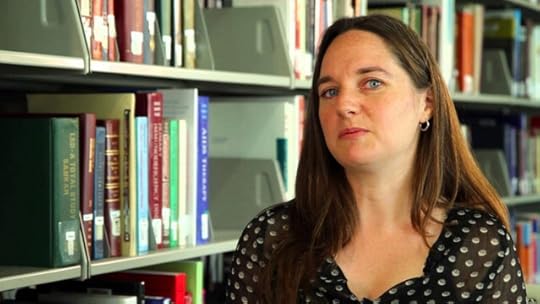
The presenter speaks in a deadpan fashion, and the lectures are delivered with all the enthusiasm and panache of an Encyclopedia entry.
This is an audio presentation; split across 6 lectures. Each ~30mins. This is not enough time to properly talk about psychedelics or their history; let alone both topics together.
And with such a short run time, you'd think that the author might want to cram in as much valuable info into this presentation as she could.
While there was some interesting info provided, the author chose to look at the topic through a critical theory lens, which is oh so fashionable in 2024...
There are little bits of partisan jargon liberally shoehorned in everywhere throughout this very short presentation. She crams in unnecessary little literary accouterments that firmly mark her leftist tribal affiliation, and victimology-based worldview. I lost count of how many times she used politically laden terms like: "power structures," "colonialism," "the legacy of colonialism," "patriarchal," "marginalized," and other such assorted leftist newspeak.
[FUN GAME IDEA?: Take a drink every time she drops a leftist buzzword. You won't make it through the first lecture...]
She also uses nonsensical terms like "non-Western knowledge systems." There is no such thing as a "Western knowledge system." There is just empirical knowledge, and magical thinking. Much of her talk reads like a post-modernist word salad.
The author also drops in a curious little line in lecture 6, when she talks about the future of psychedelics: "...we may see them as a means to encourage people to think outside the box. Maybe even to stimulate new revolutionary ideals..." (~Karl Marx, is that you??) Just what kind of "revolutionary ideals" she is referring to is left up to the listener's imagination, but if the other ideologically-laden language is any clue, then you can probably guess.
When Western people are talked about, it is almost always with disdain. She spares no opportunity to push the "white guilt" narrative. However, when indigenous people are talked about, it is with reverence and respect. She clearly drank the "Noble Savage" Kool-Aid. It sounds like she places the blame for all that ails Indigenous communities squarely at the feet of the evil colonialists.
It must be comforting to have the black-and-white worldview of a 5-year-old. I always imagine professors like this sitting back, patting themselves on the back for what brave and noble social justice warriors they are. The French have a term for people like this. They call them "bien pensants."
Christ, these people are exhausting, and I'm getting sick of being bludgeoned over the head with this shit ad nauseam.
******************
If you're in the mood to hear about how terrible your ancestors were and how noble the wise Indian was, then this one is for you.
If you'd like an informative look into the history of psychedelic drugs, there are much better books or lectures than these.
That someone so ideologically possessed teaches young, impressionable minds scares the shit out of me, TBH. People like this need to be dragged kicking and screaming as far away from any kind of institutional power as can be.
1.5 stars.
Author Erika Ellen Dyck is a Canadian historian. She is a professor of history and Canada Research Chair in the History of Medicine at the University of Saskatchewan.
Erika Dyck :
The presenter speaks in a deadpan fashion, and the lectures are delivered with all the enthusiasm and panache of an Encyclopedia entry.
This is an audio presentation; split across 6 lectures. Each ~30mins. This is not enough time to properly talk about psychedelics or their history; let alone both topics together.
And with such a short run time, you'd think that the author might want to cram in as much valuable info into this presentation as she could.
While there was some interesting info provided, the author chose to look at the topic through a critical theory lens, which is oh so fashionable in 2024...
There are little bits of partisan jargon liberally shoehorned in everywhere throughout this very short presentation. She crams in unnecessary little literary accouterments that firmly mark her leftist tribal affiliation, and victimology-based worldview. I lost count of how many times she used politically laden terms like: "power structures," "colonialism," "the legacy of colonialism," "patriarchal," "marginalized," and other such assorted leftist newspeak.
[FUN GAME IDEA?: Take a drink every time she drops a leftist buzzword. You won't make it through the first lecture...]
She also uses nonsensical terms like "non-Western knowledge systems." There is no such thing as a "Western knowledge system." There is just empirical knowledge, and magical thinking. Much of her talk reads like a post-modernist word salad.
The author also drops in a curious little line in lecture 6, when she talks about the future of psychedelics: "...we may see them as a means to encourage people to think outside the box. Maybe even to stimulate new revolutionary ideals..." (~Karl Marx, is that you??) Just what kind of "revolutionary ideals" she is referring to is left up to the listener's imagination, but if the other ideologically-laden language is any clue, then you can probably guess.
When Western people are talked about, it is almost always with disdain. She spares no opportunity to push the "white guilt" narrative. However, when indigenous people are talked about, it is with reverence and respect. She clearly drank the "Noble Savage" Kool-Aid. It sounds like she places the blame for all that ails Indigenous communities squarely at the feet of the evil colonialists.
It must be comforting to have the black-and-white worldview of a 5-year-old. I always imagine professors like this sitting back, patting themselves on the back for what brave and noble social justice warriors they are. The French have a term for people like this. They call them "bien pensants."
Christ, these people are exhausting, and I'm getting sick of being bludgeoned over the head with this shit ad nauseam.
******************
If you're in the mood to hear about how terrible your ancestors were and how noble the wise Indian was, then this one is for you.
If you'd like an informative look into the history of psychedelic drugs, there are much better books or lectures than these.
That someone so ideologically possessed teaches young, impressionable minds scares the shit out of me, TBH. People like this need to be dragged kicking and screaming as far away from any kind of institutional power as can be.
1.5 stars.

February 23, 2024
As always, if a popular book like this gives me a general, structured idea and with sufficient detail of the topic covered, I must rate it well. Furthermore, in this audiobook the author herself excellently explains the object of study.
Perhaps I am missing a chapter dedicated to the world of so-called recreational drugs (in dance music, for example), I attribute this to the fact that the author is a historian and this more sociological or cultural aspect is not discussed.
Perhaps I am missing a chapter dedicated to the world of so-called recreational drugs (in dance music, for example), I attribute this to the fact that the author is a historian and this more sociological or cultural aspect is not discussed.
May 6, 2026
This is an interesting academic treatment of psychedelics going back to native inhabitants through modern day medicinal uses to things for a number of conditions, most notably folks suffering from trauma and PTSD. I found it depressing how some Western societies have demonized and outlawed these substances even for medicinal use, mainly because their effects, good and bad, don't fit into their religions' narratives. These bans set back important research for many years. But I understand the societal push-back after the popularity (and abuse) soared in the 1960s which cast them in a negative light.
I've read and heard Sam Harris' takes on psychedelics and his presentations are more interesting and medical application discussion more current than The History of Psychedelics, but this was a really good historical treatment of psychedelics. Like a lot of other ingested things in life, I wonder who the first person was to try some of these substances and then relate to his friends the strange trips they went on.
I would enjoy even more a deeper dive into the fascinating history of psychedelics. 3.5 stars.
I've read and heard Sam Harris' takes on psychedelics and his presentations are more interesting and medical application discussion more current than The History of Psychedelics, but this was a really good historical treatment of psychedelics. Like a lot of other ingested things in life, I wonder who the first person was to try some of these substances and then relate to his friends the strange trips they went on.
I would enjoy even more a deeper dive into the fascinating history of psychedelics. 3.5 stars.

May 15, 2024
Really short (3 hour audio) and right to the point
The author doesn't waste your time, she hits the ground running and covers everything from ancient China, the pre-columbian world, through the 20th century up to today (2023) with trends in micro dosing, legalization, and psychopharmacology.
Everything you could ever want to know if you don't want to invest much. Consider this an in depth primer and you're golden.
The author doesn't waste your time, she hits the ground running and covers everything from ancient China, the pre-columbian world, through the 20th century up to today (2023) with trends in micro dosing, legalization, and psychopharmacology.
Everything you could ever want to know if you don't want to invest much. Consider this an in depth primer and you're golden.

November 3, 2023
A very US centric "history of psychedelics", and a very recent history. The long traditions of hallucinogens and delirium in terms of soma, dreamwine and others in the European tradition are not covered. The longer history is instead given to native american use, primarily of peyote. A large section, maybe a fourth, of the material isn't about psychedelics as much as it is the usual song and dance about colonialism, cultural appropriation and how western civilization is bad, while native mysticism has "other ways of knowing" that our stupid science and medicine can't understand.
It covers some of the latter developments, Hoffman and Shulgin in particular, well. Some of the hippie movement, Timothy Leary. Surface level as you'd expect from something this short, but a lot more of the time could have been used productively instead of yet another lecture on colonialism with a dash of noble savage.
It covers some of the latter developments, Hoffman and Shulgin in particular, well. Some of the hippie movement, Timothy Leary. Surface level as you'd expect from something this short, but a lot more of the time could have been used productively instead of yet another lecture on colonialism with a dash of noble savage.

March 17, 2024
Decided to give this a listen as it was included in my Audible subscription.
As someone with virtually no knowledge about psychedelics, I felt this was a bit too advanced for me. It reads very academically and launches straight in without really setting anything up or introducing you to psychedelics in an easy to understand way. I’m familiar with the anti-psychiatry movement from my psychology studies but will definitely need to do some further reading on Humphrey Osmond (who coined the term psychedelic).
That being said, I found the idea of psychedelics being used for end of life care really fascinating as well as the arguments about colonialism and drug tourism invading the spaces/imposing on native people.
As someone with virtually no knowledge about psychedelics, I felt this was a bit too advanced for me. It reads very academically and launches straight in without really setting anything up or introducing you to psychedelics in an easy to understand way. I’m familiar with the anti-psychiatry movement from my psychology studies but will definitely need to do some further reading on Humphrey Osmond (who coined the term psychedelic).
That being said, I found the idea of psychedelics being used for end of life care really fascinating as well as the arguments about colonialism and drug tourism invading the spaces/imposing on native people.

December 1, 2025
Decent listen. Had some interesting tidbits but overall not much to write home about.
March 25, 2026
As always, if a popular history like this gives me a solid, structured understanding of its subject—with enough detail to feel meaningful—I’m inclined to rate it well, and The History of Psychedelics absolutely delivers on that front.
Erika Dyck does an excellent job guiding listeners through the long and complicated story of substances like mescaline, LSD, and psilocybin mushrooms. The audiobook format is especially effective here, as Dyck herself narrates, bringing clarity and authority to the material without ever sounding dry or overly academic.
Across six well-organized lectures, the course moves from the sacred and ceremonial use of psychedelics in Indigenous cultures to their explosion into mainstream consciousness during the 1960s, and finally to today’s renewed medical interest. It strikes a thoughtful balance between cultural history, scientific exploration, and social context, showing how these substances have been both revered and feared depending on the era.
What stood out most is how even-handed the presentation feels. Dyck doesn’t sensationalize psychedelics, nor does she dismiss them—she simply lays out their history, uses, and evolving reputation, allowing listeners to better understand current conversations around their potential role in treating conditions like anxiety and depression.
If there’s any drawback, it’s that the format naturally limits how deep it can go into any single area. But as an accessible, well-structured overview, it does exactly what it sets out to do.
Overall, this is a thoughtful and engaging introduction to a topic that continues to grow in relevance—perfect for anyone curious about the past and future of psychedelics.
Erika Dyck does an excellent job guiding listeners through the long and complicated story of substances like mescaline, LSD, and psilocybin mushrooms. The audiobook format is especially effective here, as Dyck herself narrates, bringing clarity and authority to the material without ever sounding dry or overly academic.
Across six well-organized lectures, the course moves from the sacred and ceremonial use of psychedelics in Indigenous cultures to their explosion into mainstream consciousness during the 1960s, and finally to today’s renewed medical interest. It strikes a thoughtful balance between cultural history, scientific exploration, and social context, showing how these substances have been both revered and feared depending on the era.
What stood out most is how even-handed the presentation feels. Dyck doesn’t sensationalize psychedelics, nor does she dismiss them—she simply lays out their history, uses, and evolving reputation, allowing listeners to better understand current conversations around their potential role in treating conditions like anxiety and depression.
If there’s any drawback, it’s that the format naturally limits how deep it can go into any single area. But as an accessible, well-structured overview, it does exactly what it sets out to do.
Overall, this is a thoughtful and engaging introduction to a topic that continues to grow in relevance—perfect for anyone curious about the past and future of psychedelics.

August 11, 2024
A shallow and dull entry in the Great Courses series about an otherwise fascinating topic. The professor attempts to both tell the history of psychedelics and explain the modern psychotherapeutic uses of this class of drugs, far too broad of a task in under 3 hours. I did learn a little bit, but I was hoping for much more. The History of Psychedelics would have been much better if she had focused just on the title’s topic, with perhaps a second lecture series on the modern psychological uses of psychedelics. Additionally, the author shows a distinct bias towards critical social justice (CSJ) ideology throughout the series and uses its now cliche terminology frequently, quite at odds with the monotone and rational-sounding tone of voice she narrates with. I was hoping for a more objective presentation of the information without the professor trying to enforce a specific political worldview.
***************************************************************
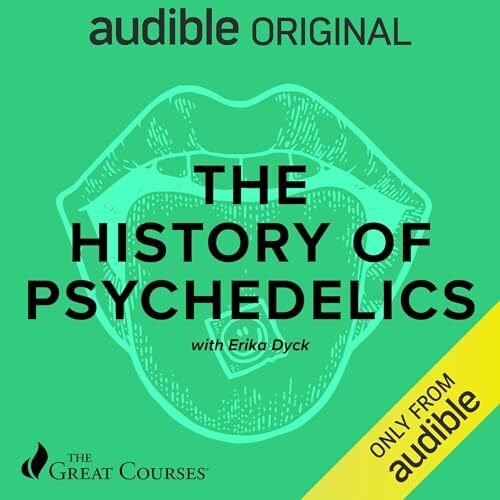
[Image: Book Cover]
Citation:
Dyck, E. (2022). The history of psychedelics. Audible Originals, LLC. https://www.audible.com/pd/The-Histor...
Title: The History of Psychedelics
Author(s): Erika Dyck
Series: The Great Courses
Year: 2023
Genre: Nonfiction - Alternative medicine, history
Length: 2 hrs and 54 mins
Date(s) read: 8/10/24 - 8/11/24
Book #157 in 2024
***************************************************************
***************************************************************
[Image: Book Cover]
Citation:
Dyck, E. (2022). The history of psychedelics. Audible Originals, LLC. https://www.audible.com/pd/The-Histor...
Title: The History of Psychedelics
Author(s): Erika Dyck
Series: The Great Courses
Year: 2023
Genre: Nonfiction - Alternative medicine, history
Length: 2 hrs and 54 mins
Date(s) read: 8/10/24 - 8/11/24
Book #157 in 2024
***************************************************************
February 6, 2024
Have you had any experience with drugs? I think there are many that if they had been discovered today would be prohibited: alcohol, tobacco and others. But drugs aren't necessarily meant to have feel-good effects, they can also have medicinal and mystical effects.
In this course from "The Great Courses" we talk a little about the history of drugs to the present day. Very updated indeed.
Personally, I love having altered states of consciousness, I enjoy them and in them I learn things and heal myself. However, everything is through meditation and relaxation; and every time I feel they are more difficult to obtain.
Ever tried anything else: disappointing. To the point that when they invite me I better not even try.
In this course from "The Great Courses" we talk a little about the history of drugs to the present day. Very updated indeed.
Personally, I love having altered states of consciousness, I enjoy them and in them I learn things and heal myself. However, everything is through meditation and relaxation; and every time I feel they are more difficult to obtain.
Ever tried anything else: disappointing. To the point that when they invite me I better not even try.

February 23, 2024
The book starts off with the history of psychedelics such as Peyote mushrooms, Mescaline and it's place in customs and importance from a cultural standpoint. However, it bases most of its content on research by Western enthusiasts and ehtnobotanists making this a very dry read. Also while the author tries to explore the cultural, societal rammifications and associated stigma towards psychedelics, the arguments made and reasoning provided seems quite repetitive. Thereby providing very little net new information for the reader to enjoy.

May 3, 2025
I came across this title by chance while browsing Audible’s free lectures. As someone unfamiliar with the history of psychedelics, I found it to be an excellent introduction to the subject. Dyck is a clear speaker and she commendably avoids the informal chit-chat and personal anecdotes that many scholars—especially well-known ones—regrettably feel compelled to include.

February 6, 2024
Very interesting. Havening very little knowledge in this area I thought this was an excellent introduction into the subject. I feel like I learned a good amount and it was interesting the whole way through

November 20, 2024
3.5
It's a very complex topic but this gave a nice overview
It's a very complex topic but this gave a nice overview

May 9, 2025
Idk why this is reviewed so poorly. It's not super extensive or anything, but for a basic crash course, this is pretty solid. Gave me several new subjects and people to research.
June 1, 2025
excellent references to indigenous usage and how they are being excluded or demonised in the modern conversation of Psychedelics.

November 17, 2025
fine. I was hoping for something more Historical...like as far back as we can go up to the present.
the information was good, if brief
the information was good, if brief

December 2, 2025
Should be titled "The history of Psychedelics from a postcolonial perspective" or "Psychedelics and How whites exploited indigenous peoples."
Displaying 1 - 20 of 20 reviews