A collection of poems with subject-matter spanning the known universe. Tender, witty, erudite, filled with wonder at the natural world, and a skeptical view of the prospects of modern life, these poems will amuse, delight, challenge, and surprise.
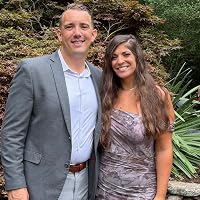
Contains poems like EASTER SCENE, RODEO MONKEY, LAST CUT, CATASTROPHE, and ODYSSEUS' SCAR, previously seen on Entropy, Juked, and Queen Mob's Tea House, also in Poet Lore, The Evansville Review, Saranac Review, The Madison Review, Chicago Quarterly Review, and more. Benjamin Harnett is a poet, fiction writer, historian, and digital engineer. He is the author of the novel THE HAPPY VALLEY and the short story collection GIGANTIC. He lives in Cherry Valley, NY with his wife Toni and their collection of eccentric pets. He works for The New York Times.
“I very much recommend this — the rootedness and general sense of attentiveness to the ecological sensibility of humanity and how we belong and behave (or don’t) is marvellous.”—Diana Spencer, author Varro's Guide to Being Roman
“…by May the hive is silent. The bees have died. * * * Everyone pretends not to know it’s .” (Bee Father)
“Trees build themselves out of air, take carbon from CO2 and knit it into wooden flesh, veins, and bones. We, too, build ourselves...” (Tree Repair)
“Can we be ever forgiven
for making that one, big mistake?” (Security Questions)
“We built a fire in the yard, and drank beers the night our cat died. My coat still reeks of smoking pine. Fire is
the soul of the wood, raveling back into the air, the trunk, the living built to house itself over time. A tree is its own house, and a bird’s, and mine.” (Home)
“No one will tell you,
‘I absolve you.’ There are no gods to say you must take an oar upon your back and walk inland until no one can recognize it.” (Memento)
I found this to be a charming collection of poems written in a thoughtful and clear manner. I also enjoyed the histories and explanations of the poems that Harnett included at the end. Many thanks to Goodreads and Harnett for the opportunity to read.
I enjoyed a handful of these poems. I appreciate the explanations of the poems, yet at the same time, felt that they took away from the initial opportunity to wonder what they poems were intending to bring to the surface.