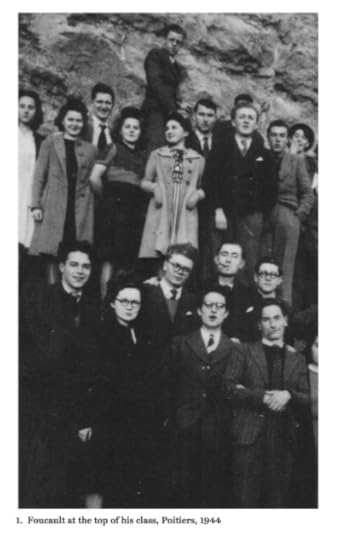
Born in 1926 in France, Foucault is one of those rare philosophers who has become a cult figure. Over the course of his life he dabbled in drugs, politics, and the Paris SM scene, all while striving to understand the deep concepts of identity, knowledge, and power. From aesthetics to the penal system, from madness and civilization to avant-garde literature, Foucault was happy to reject old models of thinking and replace them with versions that are still widely debated today. A major influence on queer theory and gender studies (he was openly gay and died of an AIDS-related illness in 1984), he also wrote on architecture, history, law, medicine, literature, politics, and of course philosophy.
In this Very Short Introduction audiobook, Gary Gutting presents a wide-ranging but nonsystematic exploration of some highlights of Foucault's life and thought. Beginning with a brief biography to set the social and political stage, he then tackles Foucault's thoughts on literature, in particular the avant-garde scene; his philosophical and historical work; his treatment of knowledge and power in modern society; and his thoughts on sexuality. This new edition includes feminist criticisms of Foucault's apparently sexist treatment of the Jouy case, as well as a new chapter offering a unified overview of the College de France lectures, now a major focus of interest in Foucault.
Always resisting categories, obfuscating himself - decoding the writings of Foucault is obviously a tough challenge. This VSI makes an admirable attempt and in the end at least provides us with a glimpse at the intricacy and elegance of the many arguments and the fine ways in which they tie in with each other.
Such wide subjects as modern medicine, the prison system, schooling, madness and asylums, attitudes towards sex, and many others, all coming together into a single system of thought should be sufficient to get anyone excited enough to embark on such a difficult undertaking.
In addition, Gutting also very nicely situates Foucault’s thoughts and makes them accessible and generates enough curiosity in the reader. It showcases the immense breadth and range of Foucault, the power of his ideas and also, for fun, where he could be challenged - which adds excitement to the anticipation of reading!
I generally don’t try to talk about the actual ideas in reviews of VSIs since I am not qualified to detect any biases in the author's interpretation and hence do not want to be a purveyor of ignorance. But I cannot resist commenting on the two most interesting aspects of Foucault’s philosophy:
1. His meditation on Power & Knowledge: On its origins and structures, and orgies.
2. His exercises in Language: His writings (when exploring the thoughts of other authors) are exercises in wringing the very language, the authors and the readers - designed to unleash from language new transgressive truths that will take him and his readers beyond the realm of their knowledge and capacity of expression. Making space for language itself to speak, freed from the original author’s intentions.
Of these, I focus here only on the dynamics of Power in society:
Foucault dissects the very basis of power in society - by making explicit the political significance of the societal norms defining the modern individual’s identity.
I get the impression, in fact, that all of Foucault’s philosophy is based on this platform of thought, is centered on Power - which is derived from and influences directly Knowledge. Foucault is about the interplay of these two entities - Power & Knowledge - and how they test each other. And at the localized, microscopic level of individuals, not just at the large and abstract lever of nations and sociology.
Foucault occasionally noted how the objects of such power structures could themselves internalize the norms whereby they were controlled and so become monitors of their own behavior. This phenomenon becomes central in some contexts, when individuals are supposed to discern their own fundamental identity from crucial social norms, and on the basis of this self-knowledge, transform their lives.
As a result, we are controlled not only as objects of Power, by experts that have expert Knowledge of us - we are also controlled as self-scrutinizing and self-forming subjects of our own Knowledge.
And even when we try to break free of these structures, the social pressures, basic education, intruded education (advertisements, etc.), social gossip, the magazines, self-help books, and manuals that guide us to an ‘empowered’ life seem to induce in us as much insecurity and fear about our social relevance and ability to contribute as sermons and tracts did in our grandparents.
So all of Foucault’s wide-ranging studies are really part of an effort to understand the process whereby individuals become subjects, emerging from his analysis of modern power relations, which he saw penetrating even the interiority of our personal identity; and the need for developing a deep Suspicion towards all structures - both of Power and of Knowledge.
I realize that I am getting muddled up a bit here. The best summation of Foucault is probably his own final overall characterization of his work, in the Preface to ‘The Use of Pleasure’:
Foucault maintains that, from the beginning, he has, on the broadest level, been developing a ‘history of truth’. He conceives this history as having three main aspects: an analysis of ‘games of truth’ (that is, various systems of discourse developed to produce truth), both in their own right and in relation to one another; an analysis of the relation of these games of truth to power relations; and an analysis of the relation of games of truth to the self.
In sum, as I hope I have shown, it certainly works as a good sounding stone to test if you are ready for these ideas or not. If you can make sense of them, then it might well be time to jump right in.
One thing I was not able to establish from this excellent VSI was the order in which I should approach Foucault - is there a good starting point that gives a better understanding of the rest? I am inclined to start either with The History of Madness or with The Archeology of Knowledge. I would be grateful if experienced Foucault readers could help me out on this.
As a young thinker, I found Foucault's writing both highly engaging (in an aesthetic way) and thought-provoking (in a critical philosophical way). I found myself reading his work just as a young comic mind study the works of Monty Python. Foucault was both mainstream and yet just a bit too cool for the mainstream.
As a reader who hated the philosophical system-builders but who liked creative critical tools for disassembling our received truths, I found myself coming back to him periodically.
But for whatever reason, the ideas of Foucault never stuck very long in my brain. After leaving aside a book of Foucault's for a while, the ideas would sort of dissolve into the air. If someone were to casually ask about Foucault's ideas, I might force out some mediocre explanation about Panopticism, biopower, power/knowledge, and leave my listener (and myself) in a state of deeper bafflement.
This volume doesn't necessarily solve these problems. Foucault is still Foucault. The volume does, however, explain why the author (and perhaps philosopher) is both so engaging and at the same time perplexing.
There is a great term Gutting uses to describe Foucault's work: baroque complexification. That is a great description of what Foucault's writing is. Another critic cited in the volume describes Foucault's work as prose poetry. That is both a valid criticism and at the same time a statement of Foucault's virtue as a thinker.
This book is two things: a great introduction for someone looking to enter the weird intellectual journeys of Foucault or a great refresher for someone who has been outside of his weird worlds for too long.
I don't know much about Foucault. I 'read' (in a fashion), The Order of Things -- or at least some of it -- when I was a dumb kid, but didn't understand any of it. As in 'zilch'. But reading this 'dummies' book reminds me of a different experience I once had.
When I first read Lévi-Strauss, The Savage Mind, I was overwhelmed by it. It changed my life. The sheer intricacy of his mind, and the effort it took to read this book - remarkable in its intelligence and clarity -- simply bowled me over. It took quite a while, in fact -- a lot more Lévi-Strauss and some critical readings that infuriated me -- before I finally realized that the complexity masked a simplicity of thought (an ontology of binary oppositions) that was simply false. And that cured me, for all time, of modern French philosophy. A bit, when all is said and done, like Gertrude Stein's famous L.A. quote.
I very much doubt if now, in my doddering old age -- after spending literally decades reading Plato (with a fine tooth'd comb) -- that I'm likely to be more attracted to deconstruction, post-structuralism, post-modernism, post-etceteras -- whose fundamental epistemological claims are thoroughly refuted (there's nothing new under the sun -- in philosophy, at least -- as Whitehead said) by a careful examination of the Theaetetus and the Sophist.
At any rate, this book is very good, brief, but balanced -- and an excellent and clear introduction to the work of a very difficult writer.
Struggled a little with this one. I'm aware that Foucault's work isn't the most approachable, hence why I chose a very short introduction to ease me in. Regardless, perhaps it's something in the way Gary Gutting writes, but I found it difficult to keep concentration. I'd read a paragraph and have to go back and reread it 2/3x times. And even then a lot didn't really sink in. It really defies the point of this series.
So unfortunately I've finished the book, and looking back on it a few weeks later, I can remember nearly nothing of what it contained, despite me spending so long trudging through it.
A good summary of Foucault told by sequentially examining his major (and some minor works). Gutting examines Foucault’s histories as Foucault writes them: archaeologies &/or genealogies of knowledge. He examines his life (briefly), his influences, and his changing politics.
I’ve approached him through piecemeal reading of his major works, but this VSI does a good job of placing them in time and providing a pretty good understanding of Foucault’s approach and raison d’être.
Not the easiest introduction but Foucault is not easy. Later chapters regarding his works on sexuality and prison were more accessible then earlier ones. Nonetheless it definitely was a good gymnastic of my mind.
Foucault is one of those writers/philosophers/thinkers/activists that you more-or-less have to be familiar with, one way or the other, like it or not. And his writings and interviews make this... frustrating. I started The Order of Things: An Archaeology of the Human Sciences only to abandon it because his writing is obscure, obtuse, verbose, inaccessible, etc. I read the The Chomsky-Foucault Debate: On Human Nature and came away thinking him kind of an asshole, kind of amoral, kind of full of himself, etc.
It's good to know that even academics, ones who clearly appreciate much of what Foucault has to say, feel the same way. That said, reading the 'Very Short Introduction' makes me think I might need to go back and tackle some of his works.
It also makes me feel like much of what Foucault supposedly said/thought/showed/etc. is misattributed and/or misunderstood, both by those who hate "post-modern" and those who claim for themselves the title/mantle of "critical", "social justice"/"anti"-injustice, and, yes, "post-modern". This also makes me think I might need to go back and force myself to tackle some of this works.
Oh, if only I had 10 lifetimes to spend reading. Perhaps I will get to that. At the very least, this has prompted me to start looking for a more complete, less "Very Short" summary/discussion/textbook of Foucault's thought.
i don't see how this book would be helpful to people just starting out with foucault. i wouldn't really recommend it. it was interesting, but not illuminating. and i think that the author kind of unnecessarily focuses on 'limit-experiences'--when that isn't really a theme in foucault's work. i think a more useful introduction to foucault would offer a conceptual account of foucault (i.e., a chapter on discourse, a chapter on subjectivity, a chapter on power/knowledge, etc.), rather than methodological and chronological. this was interesting to me as someone who has read a lot of foucault, but i would not recommend it to someone trying to get their head around foucault for the first time.
সাহস করে শুরু করছিলাম। এই লোক এত বিখ্যাত যে উমবের্তো একো তার একটা বইয়ের নামই দিয়ে দিলেন ফুকোর পেন্ডুলাম। আর ফুকোর নাম এত বেশি নেয়া হয় বাংলা ব্লগে আর ফেসবুকে (ম্যাক্সিমাম না জেনে না বুঝে) যে আদতে ভদ্রলোক কি বলছেন সেটা জানার একটা আগ্রহ অনেকদিন থেকেই ছিল। অক্সফোর্ডের এই সিরিজটা দুরূহ বিষয়ের সরল পরিবেশনের জন্যে জনপ্রিয়। তবুও ফুকোর দর্শন ভীষণ জটিল - লেখক গ্যারি গাটিং (মাত্র দুই মাস আগেই মারা গেলেন) ম্যালা হিমশিম খেয়েছেন তার গুরুত্বপূর্ণ কনসেপ্ট বোঝাতে গিয়ে। নিজে কি বুঝছি না বুঝছি সেই আলাপে আর না যাই। অনেক সময়েই মনে হইছে যে খাবি খাইতেছি ক্রমাগত, পানিতে ডুবতেছি। তবে নিজের জানা-বোঝার পরিধির বাইরে চলে যাওয়ায় এক প্রকার আনন্দ আছে - একই দুর্বোধ্য প্যারাগ্রাফ পাঁচবার পড়ার পর যখন মনে হয় নিজের মনের মধ্যে একটা মানে দাঁড় করাতে পারছি, সেই অনুভূতিও নেহায়েত মন্দ লাগে না। তবে এই নিয়ে আরো বিস্তর পড়াশোনা করলেই বোধ করি ফুকো নিয়ে কোন মন্তব্য করা সমীচীন হবে।
Usually with the "A Very Short Introduction" series, I can pick up any book in the series, and as an educated, curious person, read whatever it is about. Foucault, however, was not the case. It's not really an introduction so much as a summarization of Foucault major topics written for an audience who is already familiar with the themes and people in Foucault's world. I'm sure it probably also helps to have read a lot of Foucault before trying to read this AVSI book. I was going to use it as an intro before I started reading Foucault, but now I'm as confused as I was before I read this.
Eher so 3.5, Foucault irgendwie in nen einführungsbuch zu packen und gut zu präsentieren, scheint sehr schwer, der Autor macht es aber relativ gut, einige Kapitel sind jedoch deutlich leichter als andere geschrieben, gerade die letzten über Sexualität und „überwachen und strafen“ Die Ausführungen über Archäologie und Genealogie bei Foucault und seine Politisierung machen das Buch aber lesenswert und sind nen guter Einstieg.
Chapter 1: Lives and works Chapter 2: Literature Chapter 3: Politics Chapter 4: Archeology Chapter 5: Genealogy Chapter 6: The masked philosopher Chapter 7: Madness Chapter 8: Crime and punishment Chapter 9: Modern sex Chapter 10: Ancient sex
To a certain extent, Foucault as a person in terror of being caught in one fixed identity, universalises himself in his philosophy when he "assumes" that the aim should be to fight against strong identities, or fight for the marginalised simply by weakening core identities. Foucault is obviously conscious of this, and does not attempt to justify his position, since it would be incoherent for him to say that his method is intrinsically or obviously good. He simply claims that if you don't have this terror of a fixed identity, "we must be from different planets".
My own terror is that of not having a strong and fixed identity, precisely because, for personal and social reasons, that is the reality I live with... without such an identity, always turning this way and that. Today, Foucault's general direction seems to be in line with the neoliberalism which he would probably have fought against - neoliberalism too relieves us of the "terror" of fixed identities, in fact, of fixed anything. Perhaps we could soon say that people living with the terror of not having a fixed identity are the new marginalised.
Short it may be but this was one of the more enjoyable Introductions that I've read. Concise and straightforward in a way that one can only wish all these kind of things were.
This book flips between decent introductions of Foucault’s ideas and the author’s personal interpretation and analysis of his works. While not necessarily bad writing, it’s difficult to read analysis of texts which you have not yet been introduced to, which this book was intended to do. Additionally, there’s an extreme use of philosophical jargon in some chapters which makes it painstakingly difficult to read if you have not already read about such concepts before (ex. priori, episteme and discursion which are not given explanation or definition).
“Foucault is here staking out a position between the extremes of reducing knowledge to power (that is, the identification of ‘A knows that p’ with ‘social forces compel A to accept p’) and asserting the essential independence of knowledge and power (that is, the Utopian claim that ‘A knows that p’ implies ‘A’s acceptance of p is causally independent of all social forces’).”
The sentence following this is “To know is not simply to be affected by power”, far less confusing than the tangle of parenthesis the last sentence deployed to describe Foucault’s stance. As an introductory book, its first priority should be conveying Foucault’s philosophical ideas in a digestible manner.
Another issue was the assumed knowledge of Kant and Neitzsche’s philosophies, acceptable for a personal interpretation or essay but not for an introduction to the subject of Foucault. This made the chapter on his philosophical genealogy practically unreadable, as it was explained almost exclusively in contrast to Neitzsche’s philosophical genealogy.
That being said, some of the chapters introduced Foucault’s bodies of work nicely, such as chapters 4 (Archaeology), 7 (Madness), 8 (Crime and punishment), 9 (Modern sex), and 10 (Ancient sex), although the last two felt a bit incomplete in their explanations.
Other chapters were decent if you’re interested in learning about Foucault’s personal life, such as chapters 1 (Lives and works), 2 (Literature), 3 (Politics), 6 (The masked philosopher), and 11 (Foucault after Foucault).
The further readings are also very useful and cited per chapter if you are interested in learning more about a particular subject.
Overall, while probably around 4 stars for writing quality, it fails terribly to actually introduce Foucault unless you are already familiar with philosophy and philosophical language, and even then it borders on self indulgent analysis. If you’re looking for a primer to read Foucault’s work, I’d recommend chapter 4 (Archaeology), since that’s the only chapter that left me more confident in tackling his work.
Is this book a comprehensive and well-researched introduction to Foucault? Possibly.
Is it objective? Not at all, and my biggest gripe with the book was the author’s constant inserts, especially when talking about Christianity/what Foucault “neglected” to mention about religion. Idk I might just be a hater. Also didn’t love how the author kinda victim blamed Foucault for having his posthumous essays published against his will.
However, with non-fiction I always give points for effort + expertise. So 3 stars it is.
In the future, I’m hoping to read History of Sexuality and the corresponding feminist critiques. Also Discipline and Punishment sounds interest.
Reading previously another title in this series, written by Simon Blackburn, I was less than impressed by the glib exclusion of key details and ideas, which practice seemed politically motivated and keen to promote his own views at the expense of intellectual honesty. Perhaps understandably, I was reluctant to pick up another title, but reading that Gutting's is one of the best in the series and desiring a decent understanding of Foucault, I gave them another try.
Gutting has given here a clear, concise and sympathetic outlining of Foucault's main ideas, placing them in historical context and not getting bogged down in huge tracts of detailed thinking where a light touch heightens the effect propitiously. The topics covered range from Foucault's view of "the author", the subject and identity; his books on madness and the Enlightenment; the history of sexuality, which touches on ancient, Christian and modern views and properly his relationship with Nietzschean thought.
Picking up Foucault's The Archaeology of Knowledge for the first time, one might wonder what they've struck, but this book makes clear that Foucault's archaeological practice is closely related to Nietzsche's geneology, though it relies on more evidence and less armchair speculation. These kind of initial insights are invaluable as an introduction to a thinker whose work is not easily penetrated, particularly for a student.
For these reasons, I think this is an excellent introduction for a beginner.
This, to me, seems like an excellent introduction to Foucault, especially for somebody who knows nothing about him except for that he can be described as a 'continental philosopher'. I'm currently a student in what might be called the analytic tradition and so, beyond overhearing a few things from friends in other humanities classes, I knew near-zilch about him and kind of harboured a pre-emptive suspicion about anything he might have to say.
The great thing about this VSI is that it offers a systematic, limpid cover of (I think) all his main areas. I have now gleaned a very basic understanding of his views on literature, what is meant by Foucaltian archaeology, genealogy, his views on punishment and sex, and his views on the development of the self, all thanks to this short and very accessible book.
I think for anybody who finds within them a frustration or exhaustion with searching for capital-T objective truth and has, over a little bit of studying, begun to empathise with relativistic accounts of knowledge, this introduction to Foucault and (especially) his methods of archaeology and genealogy is highly recommended. I now definitely want to read some of his books as this introduction has led me to believe that Foucault will be my homeboy.
It did very briefly mention, however, that Foucault is obscure and difficult to read, which is upsetting because the ideas in this introduction were presented so lucidly and accessibly. I will still give him a shot, though, even with some apprehension.
To get a better understanding of Foucault's thought, I decided to ask him to dinner. Here is the conversation that followed. Me: Hey, Michel, do you want to go to that seafood place around the corner? Foucault: I refuse to engage in an act of such clear collaboration with an institution that places problematized individuals in such base subject positions. Me: So you won't even go to a restaurant with me? Foucault: The power relation between the customer and the waiter is one of structural violence which has its genealogy in the reformative prisons of the mid eighteenth century. In the clothing expected, the posture required, even the attitude necessitated of waiters there is a clear element of bodily discipline which I cannot condone. And this is to say nothing of the cooks who prepare the food, the farmers who produce it, or the animals of which it is constituted. Me: Well I'm hungry and I myself have always liked sea food so I'm going to just go myself then. Foucault: What is this "self" you speak so confidently of? The hermenuetics of the self by which you discern your taste for seafood has its roots in Catholic confessions. By requiring the penitent to elaborate not only the sin they committed, but the details thereof the church created the very 'self' that subjects now understand as their deepest truth. Me: Okay then, I'll just order you the tilapia to go. Foucault: Actually, I'd prefer the salmon.
I don't know how an easy to understand version of an author can be more boring than the original author, but this book is. This makes me fear that Foucault ideas aren't as interesting as I think while reading him. . . . Nah.
Gutting, though dry, is very clear and makes a very good introduction to Foucault. But, please God read the master, if you are interested in his ideas, so you can get his beautiful prose with the philosophy.
I expected this book to present a neutral overview of Foucault's life and work, possibly with illustrative quotations. Halfway through, I've found instead a considerable amount of criticism of Foucault, with ideas presented for the sole purpose of showing how wrong Foucault is. I do not care about Gary Gutting's opinion of Foucault; I want instead "A Very Short Introduction" to Foucault.
This book disappoints on all my expectations, and so I'm adding it to my "Did Not Finish" shelf.
مثّل هذا الكتاب الصوتي — ميشيل فوكو: مقدمة قصيرة جدًا (الطبعة الثانية) من تأليف غاري غاتينغ Gary Gutting، وبصوت دايفد دي فريس David De Vries— أول تجاربي في الاستماع إلى كتاب باللغة الإنجليزية. لم أكن أعرف تمامًا ما الذي أنتظره حين شرعتُ فيه، لكن ما حدث تجاوز كل توقعاتي، فقد عشت من خلال صوت دايفد تجربة غامرة وآسرة تخطّت حدود التلقّي المعتاد.
أردت في اللحظات الأولى إضافة إيقاع طبيعي خافت يكون خلفيّة تكسر ملل الاستماع إلى كتاب فكري ونقدي في آن، فاخترت وقع المطر (وكان هذا: https://soundcloud.com/user-608706056... ) وكم كان مناسبًا! إذ سرعان ما تداخل صوت دي فريس مع وقع القطرات المتساقطة، حتى غدا النصّ وكأنّه يتكشّف من بين الغيمات. بدا الأمر أشبه بطقس فكري دقيق يُنقل فيه الفكر عبر كل مسامات الوعي. شعرت في لحظات التأمل والانتباه أنني واقفة على عتبة سرية بين اللغة والزمان والعقل. يرجع هذا إلى ما يكتسبه الصوت القارئ من قوّة تُستشعر عبر التركيز مع طريقة بعثه لمعاني ما يلقيه. إنه لا يقف عند حدود إفهامنا وإنما يعيد تمثيل تلك المعاني في عملية إيحيائية للتصورات التي لا تنتهي بسبب إيقاع صوته الهادئ المَسْرَى والمشحون بطاقةٍ لا تهدأ.
أما النّص ذاته، فهو جامع بين البيان والعمق، يحقق الوضوح دون أن يخون تعقيدات الفكر أو يبسطها تبسيطًا مخلاً. في أقل من مئتي صفحة — أو بضع ساعات من التأمل العميق — ينجح غاتينغ في رسم معالم عالم فوكو المعرفيّ، بوصفه حاملا لخارطة رسمها من خطى التأمل والتيه، ثم العودة بعد أن اتضح له المسار. إنه يُبعد عن فوكو تلك القوالب الجاهزة التي تختزله في شعارات تُصف على الرفوف، ويعيده إلى سياقه الحي النابض، الذي لا يُفهم إلا من خلاله. فمنذ البداية، يرفض الكتاب وضع فوكو في قالب "الفيلسوف التقليدي" ويقدم بدلاً من ذلك صورة لعالم آثار للأفكار، وواضع للمفاهيم، شخص ينبش ويحفر في تاريخ نسيناه، ويكشف القواعد الصامتة التي تتواطأ فيها السلطة والمعرفة. عبر فصولٍ تتناول الأدب والجنون والعقاب والجنسانية وتاريخ المعرفة، يكشف غاتينغ كيف قلب فوكو الرواية التقليدية رأسًا على عقب: فالمعرفة ليست نورًا يبدد الظلام، بل كثيرًا ما تكون قوة تُعيد تشكيل العالم وتضبطه.
يَبرُزُ مفهومُ السلطةِ عندَ فوكو ضمن أحدِ أهم المرتكزاتِ التي يهتمّ بها الكتاب. فهيَ ليستْ شيئًا نمتلكهُ أو نفقده، بل تعرّف بكونها فعلاً نمارسه ونتشارك فيه، يُنسج عبر الشبكات والمؤسسات والخطابات المتداخلة. يدعونا غاتينغ إلى أن نرى في السلطة بنيةً إبستمولوجية، وليس مجرّد ظاهرة سياسية. ويقدّم هذا الطرح بحذر واضح، يحترم غموض فوكو وتحولاته، دون أن يغرق القارئ غير المتخصص في التعقيد.
تأتي الطبعة الثانية من الكتاب لتضيف فصلاً حيويًا عن محاضرات فوكو في "كوليج دو فرانس"، تلك المحاضرات التي يعتبرها كثير من الدارسين مفتاحًا لفهم تطوره الفكري في مراحله الأخيرة، لا سيما تحوّله نحو الأخلاق والذات وممارسات العيش القديمة. ولا يتجنب غاتينغ، الخلافات المعاصرة التي أثارتها أطروحات فوكو إذ يناقش نقد النسويات لبعض مواقفه، ويعالج المسألة الإشكالية المتعلقة بقضية "جوي"، الفتى الذي يقع في قلب إحدى تحليلات فوكو التاريخية حول الجنسانية والرضا. هذه الإضافة النقدية (وغيرها من التحاليل العميقة المبيّنة موقفا نقديا) تخرج بالكتاب من الرؤية التي قد تحصره في كونه مجرد "مقدمة" تعليمية، وتقدّمه حوارًا مفتوحًا متعدد الأصوات: بين فوكو وقرائه، بين الماضي والراهن، بين الفيلسوف وأثره الممتد في الزمن.
عموما، كانت تجربة الاستماع إلى هذا الكتاب مثل دخولي قاعة مظلمة وقد احتوت مجموعة من المرايا المتقابلة — كل فكرة تعكس الأخرى، كل مفهوم يترك صدىً يتجاوز حدوده المرسومة. لم أخرج بإجابات بل بنوع مختلف من الانتباه: انتباه للكيفية التي تعمل بها المعرفة بصمت وللمعمار الخفي للغة ولحضور القواعد الاجتماعية أشباحا تهمس من زوايا الحياة اليومية الخفية. استمعتُ إلى النصّ بلغةٍ أجنبية، لكنّ أصداءه سرعان ما تحوّلت إلى نغم داخليّ يمسّ طبقات وعينا. شعرت بما تحمله الكلمات من علاقات قوة لا يمكن ترجمتها وبما تحمله قطرات المطر التي اخترتها بطريقة عفوية من طاقة دلالية تذكّرني بأن المعرفة كالماء تتسرب عبر الشقوق وتملأ الفراغات التي صنعتها المؤسسات بحدودها الصارمة.
Foucault : A Very Short Introduction (2005) by Gary Gutting provides an introduction to the life and work of the influential thinker Foucault.
Such short introductions generally provide more than a Wikipedia page but less than a book that provides several hundred pages of analysis and an insight into the works of the philosopher in general. It’s rare that Wikipedia has something of note that a short introduction book doesn’t. However in this case Foucault’s views on underage sex are not mentioned. They are surely quite remarkable and worthy of note. In 1977 Foucault signed a petition in France calling for the decriminalization of all consensual sexual relations between adults and children under the age of 15. Years after the book was published there were also serious accusations that Foucault had engaged in such acts. But these may well be false.
Foucault was a supremely intelligent son of a surgeon. He went to the Ecole Normale Superieure and did very well. There is a quick chapter on his life and works which remarks how Foucault wanted to be known for what he wrote.
Then there are chapters on Foucault’s views on Literature, Politics, his notions of Archaeology and Genealogy, his views on himself as a philosopher. There are also chapters on his views on Madness, Crime and punishment and sex in the modern and ancient world.
The book mixes quotes from Foucault’s works and discussions about him and his views and how his views changed and were often meant to be views on a small area.
This very short introduction is an interesting read. It does provide an introduction to a thinker who is difficult to read.
Reading "Foucault: A Very Short Introduction" is a really interesting experience. To me, this feels less like a traditional academic introduction to an author and his theories. Instead, I feel like Gutting writes this introduction more like a biography on Foucault, telling the story of his life through his works and then explaining the content of those works in the progress. Gutting frames Foucault's life and works in one very fascinating perspective: that Foucault was obsessed with the erasure of the subject, the logic of language, and how trangressive acts (e.g. pushing conventional language to its limits) can be instrumental in producing new knowledge. This thought recontextualises his works nicely - his emphasis on systems of thought over individual agents and his focus on marginalised (trangressive) people both fit well into this line of thinking about Foucault's works. One can feel that Gutting really admires Foucault, but he isn't afraid of critisising Foucault's line or thinking or mentioning some of the critiques others have brought up. In short, this was a really interesting read on a very interesting man, and it was also a nice refresher on some of Foucault's major works. I feel, though, that if someone who had never heard of Foucault before and didn't have a background in philosophy, history, or social sciences picked this up, maybe they wouldn't get as much out of it.